
保护主义

Search documents
与美国斗了整整七年,中国总结出4句话,想看美国是否吸取了教训
Sou Hu Cai Jing· 2025-07-21 17:26
Core Viewpoint - The Chinese government has summarized the past seven years of Sino-U.S. economic relations into four key statements, reflecting on the ups and downs of the relationship and emphasizing the importance of cooperation despite challenges [3][9]. Summary by Relevant Sections Economic Relationship Overview - The Sino-U.S. economic relationship has been described as "turbulent," with both countries remaining important economic partners despite the challenges posed by U.S. unilateralism and protectionism since 2018 [3][9]. - Despite the trade tensions, there has been considerable growth in both goods and services trade compared to seven years ago, indicating resilience in the economic interactions [3][9]. Key Statements from China 1. **Mutual Importance**: The first statement emphasizes that Sino-U.S. economic relations have weathered storms, and both countries are still significant economic partners [3][5]. 2. **Cooperation is Essential**: The second statement reiterates that the essence of Sino-U.S. economic relations is mutual benefit and cooperation, highlighting that attempts at unilateral advantage will lead to losses for both sides [5][9]. 3. **Dialogue as a Solution**: The third statement advocates for dialogue and negotiation as the best means to resolve issues, acknowledging that differences and frictions are inevitable in any cooperative relationship [6][9]. 4. **Commitment to Principles**: The final statement asserts China's commitment to defending its national interests and international fairness, indicating that cooperation is possible but must be based on mutual respect and principles [8][9]. Future Implications - The four statements serve as a significant summary of the current state of Sino-U.S. economic relations and are expected to remain relevant in the longer historical context, largely due to China's stable policy towards the U.S. [9][10]. - The U.S. may need to reassess its approach to Sino-U.S. relations, especially in light of past misjudgments regarding tariffs and trade policies [10][12].

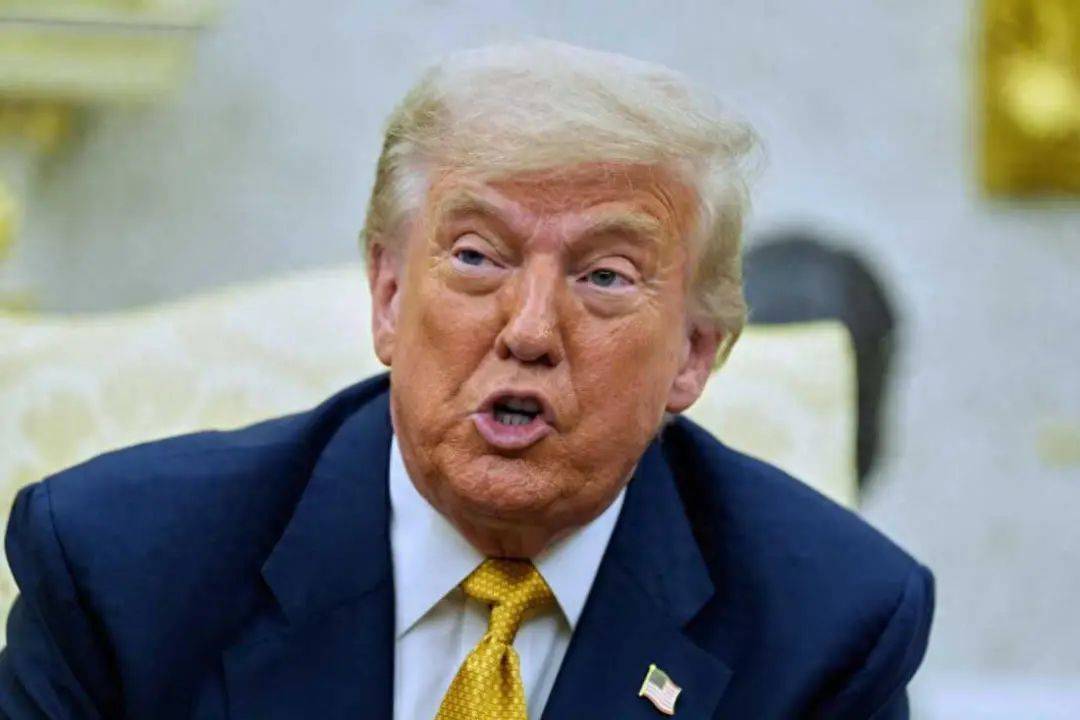
不敢反抗美国?加拿大转身背刺中国,对华加税25%,中企收到“逐客令”,商务部坚决反对
Sou Hu Cai Jing· 2025-07-21 13:50
Group 1: Steel Import Restrictions - Canada announced stricter steel import restrictions targeting China, imposing a 25% additional tax on products containing steel melted and cast in China starting August 1 [1][3] - Canada will limit steel imports from China to half of last year's volume, with an additional 50% tax on any excess [1][3] - The total steel import value for Canada in 2024 is projected to be $16 billion, with nearly half coming from the U.S. and only 10% from China [1] Group 2: U.S.-Canada Trade Relations - The new measures are a response to ongoing trade tensions with the U.S., which recently imposed tariffs of up to 50% on Canadian steel and aluminum products [3] - Canada attempted to appease the U.S. by canceling a digital services tax on U.S. tech companies and increasing defense budgets, but faced further tariff increases from the U.S. [3] Group 3: Hikvision and National Security Concerns - Canada ordered Chinese company Hikvision to cease operations, citing potential national security risks without providing substantial evidence [4][6] - Hikvision, a leading supplier of video surveillance equipment, has been involved in various projects in Canada, including the Vancouver Winter Olympics [6] Group 4: China's Response and Trade Implications - China expressed strong opposition to Canada's unilateral measures, stating they violate WTO rules and disrupt international trade [8] - China has already imposed punitive tariffs on Canadian agricultural products, and further retaliatory measures could be on the horizon if tensions escalate [8] - The potential for Australia to fill the market gap left by Canadian canola exports to China could significantly impact Canada's agricultural trade, valued at over $2 billion annually [8]

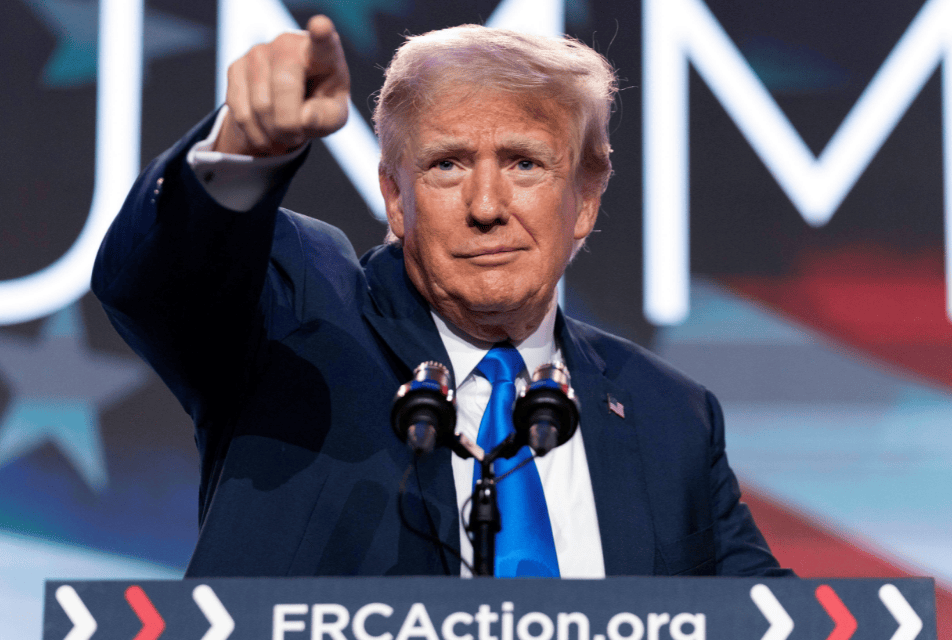
团结是应对贸易霸凌正确选择
Jing Ji Ri Bao· 2025-07-20 21:58
Group 1 - The U.S. government has issued ultimatums to several countries regarding new tariffs, with Brazil facing a potential 50% tariff on imports, highlighting the arbitrary nature of the "America First" policy [1] - Despite the pressure, global capital markets have shown resilience, reaching recent and historical highs, indicating a shift in how countries respond to U.S. tactics [1] - Brazil's President Lula criticized the U.S. for a lack of respect and emphasized that U.S.-Brazil trade constitutes only 1.7% of Brazil's GDP, indicating Brazil's ability to withstand U.S. pressure [1] Group 2 - European leaders, including French President Macron and Danish Foreign Minister Rasmussen, have expressed strong dissatisfaction with U.S. tariff threats and emphasized the need for credible countermeasures [2] - The European Commission has prepared a list of countermeasures worth €93 billion while prioritizing negotiations to resolve disputes [2] - Japan's Prime Minister has stated the importance of standing firm on national interests, even among allies, reflecting a broader sentiment among nations facing U.S. pressure [2] Group 3 - The U.S. is attempting to pressure other countries to sign "anti-circumvention clauses" to prevent them from using third countries to bypass tariffs on China, indicating a strategic approach to contain China [3] - China has firmly opposed any agreements that sacrifice its interests for tariff reductions, signaling a strong stance against U.S. tactics [3] - Some economies are attempting to align with the U.S. against China, but this has resulted in diminished status and losses in credibility and benefits [3] Group 4 - The BRICS summit in Rio de Janeiro focused on opposing unilateralism and protectionism, with a declaration expressing serious concern over rising unilateral tariffs and non-tariff measures [4] - The collective condemnation from multiple economies is seen as essential to countering U.S. bullying and restoring balance in international trade [4] - The need for unified action among countries is emphasized to protect their interests and return to cooperative economic development [4]
商务部新闻发言人就加拿大政府加严钢铁进口限制措施事答记者问
证券时报· 2025-07-18 09:30
Core Viewpoint - Canada announced new tariffs on steel imports, particularly targeting products containing Chinese steel, citing protection of domestic industries. This move is seen as a violation of WTO rules and a form of unilateralism and protectionism, which China strongly opposes [1]. Group 1: Canada's Tariff Measures - Canada will expand the scope of steel import tariff quotas and tighten existing quotas, imposing additional taxes on imports outside the quota starting August 1 [1]. - A 25% additional tax will be levied on products imported from countries other than the U.S. that contain steel melted and poured in China [1]. Group 2: China's Response - China expressed strong dissatisfaction and opposition to Canada's unilateral measures, arguing that they disrupt international trade and harm China's interests [1]. - The Chinese government pointed out that the main issue affecting Canada's steel industry is the unilateral tariff measures imposed by the U.S., and criticized Canada for shifting the blame to other trade partners, including China [1]. - China urged Canada to correct its actions and stop the restrictive measures to maintain the integrity of multilateral trade systems and the overall economic relationship between China and Canada [1].

商务部:中国坚定维护多边贸易体制 扩大面向全球的高标准自贸区网络
news flash· 2025-07-18 03:59
Core Viewpoint - The Chinese Ministry of Commerce emphasizes its commitment to maintaining a multilateral trade system and expanding a high-standard free trade zone network globally, amidst challenges posed by unilateralism and protectionism [1] Group 1 - The global governance landscape is undergoing reconstruction during the 14th Five-Year Plan period, with economic globalization facing headwinds [1] - Unilateralism and protectionism are on the rise, significantly impacting the international economic order and governance system [1] - China aims to promote both multilateral cooperation and regional cooperation as complementary strategies [1]
商务部部长王文涛会见南非贸易、工业和竞争部部长帕克斯·陶
news flash· 2025-07-17 14:08
相关链接 金十数据7月17日讯,7月17日,商务部部长王文涛在京会见南非贸易、工业和竞争部部长帕克斯·陶。 双方围绕共同应对当前国际贸易局势挑战,加强两国在双多边贸易投资等领域合作深入交换意见。王文 涛表示,在两国元首的战略引领下,中南双方密切协作,双边经贸关系取得了跨越式发展。中方愿同南 方一道,继续挖掘双边贸易潜力,鼓励中国企业赴南投资,深化两国产供链合作,并拓展新能源、数字 经济等领域合作。当前,全球经济秩序遭受单边主义、保护主义严重冲击。希望中南继续加强在世贸组 织、二十国集团、金砖国家等多边框架下沟通协调,共同维护以世贸组织规则为基础的多边贸易体制。 (商务部) 商务部部长王文涛会见南非贸易、工业和竞争部部长帕克斯·陶 ...
推进普惠包容的经济全球化
Jing Ji Ri Bao· 2025-07-17 01:01
Group 1 - Economic globalization is an inevitable trend driven by the development of social productivity and technological progress, not artificially created by specific individuals or countries [1][2][3] - The essence of economic globalization is characterized by the free flow of goods, capital, information, and services globally, which enhances cooperation and mutual benefits among countries [3][4] - The historical context shows that the significant achievements in economic development and social progress over the past decades are due to the embrace of economic globalization, learning from past conflicts [2][3] Group 2 - Economic globalization is crucial for enhancing people's welfare, as it has led to the rise of global production systems, economic prosperity, and a decrease in global poverty rates [4][6] - The current global economic landscape is marked by challenges such as unilateralism and protectionism, which threaten the progress of economic globalization [5][6] - There is a need for innovation in the concepts, models, and cooperation mechanisms of economic globalization to address its negative impacts and ensure it benefits all nations [6][7] Group 3 - The direction of economic globalization should focus on inclusivity and mutual benefits, addressing the disparities caused by global resource allocation [7][8] - Open economies are essential for national progress, as evidenced by China's development trajectory, which has been significantly influenced by its openness to global markets [9][10] - China has actively participated in and supported economic globalization, contributing to global economic stability and development through various initiatives and reforms [10][11]
直到现在,我才明白,为什么美国敢对中俄放出500%关税威胁?
Sou Hu Cai Jing· 2025-07-15 18:21
Group 1 - The U.S. is threatening to impose a 500% tariff on Chinese goods, which could lead to significant price increases for American consumers, with estimates suggesting an additional $2,000 per household annually and a potential inflation spike of 2.8% [4][5] - The U.S. trade with Russia is minimal, with a projected trade value of only $3.12 billion in 2024, making the proposed 100% tariff largely ineffective [4][5] - Historical precedents indicate that trade wars have no winners, with past tariffs leading to significant declines in U.S. exports and job losses [5] Group 2 - The proposed tariffs could severely impact American consumers, with costs for products like cars and electronics expected to rise dramatically, ultimately burdening the average citizen [7] - Supply chain disruptions are anticipated, as companies like Nike and Tesla may need to adjust production lines, leading to increased labor costs in Southeast Asia [7] - The unilateral approach by the U.S. could undermine WTO rules, with warnings from the WTO Director-General about the potential for a "dark moment" in global trade [7]
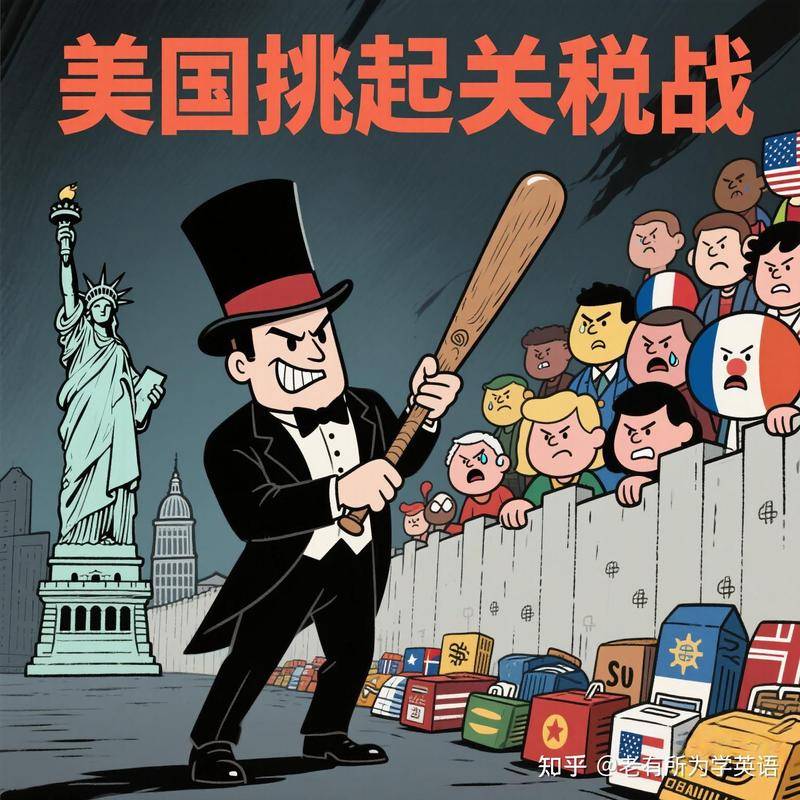
《坚定不移推进高水平对外开放》:中国坚持经济全球化正确方向 反对“筑墙设垒”、“脱钩断链”,反对单边制裁、极限施压
news flash· 2025-07-15 07:06
《坚定不移推进高水平对外开放》:中国坚持经济全球化正确方向 反对"筑墙设垒"、"脱钩断链",反 对单边制裁、极限施压 金十数据7月15日讯,《求是》杂志将发表中共中央总书记、国家主席、中央军委主席习近平的重要文 章《坚定不移推进高水平对外开放》。文章强调,经济全球化是社会生产力发展的客观要求和科技进步 的必然结果,为世界经济增长提供了强劲动力,促进了商品和资本流动、科技和文明进步、各国人民交 往。当前,单边主义、保护主义加剧,多边主义、自由贸易受到严峻挑战。中国坚持经济全球化正确方 向,推动贸易和投资自由化便利化,反对保护主义,反对"筑墙设垒"、"脱钩断链",反对单边制裁、极 限施压。坚持真正的多边主义,推动普惠包容的经济全球化,积极参与全球经济治理,致力于建设开放 型世界经济。 (新华社) ...
中国经济半年报|总量增长、质量提升、变量可控——三重维度解码中国外贸半年报
Xin Hua She· 2025-07-14 14:24
Core Viewpoint - China's foreign trade maintained resilience in the first half of the year, achieving total growth, quality improvement, and controllable variables despite a complex international environment [1][4]. Group 1: Total Growth - In the first half of the year, China's total import and export volume reached 21.79 trillion yuan, a year-on-year increase of 2.9%, with the growth rate accelerating by 0.4 percentage points compared to the first five months [1]. - Exports exceeded 13 trillion yuan for the first time in history during the same period, showing a rapid growth of 7.2% year-on-year [1]. - Imports totaled 8.79 trillion yuan, experiencing a year-on-year decline of 2.7%, but the decline was narrowed by 1.1 percentage points compared to the first five months [1]. - The second quarter saw a year-on-year growth of 4.5% in total trade, accelerating by 3.2 percentage points from the first quarter, marking seven consecutive quarters of growth [1]. Group 2: Quality Improvement - Chinese foreign trade enterprises have capitalized on the global energy transition trend, increasing the supply of high-quality green products and exploring new fields [2]. - Exports of electromechanical products reached 7.8 trillion yuan, a year-on-year increase of 9.5%, accounting for 60% of total exports [2]. - High-end equipment related to new productive forces grew by over 20%, while "new three samples" products representing green and low-carbon initiatives increased by 12.7% [2]. Group 3: Controllable Variables - China expanded its trade partnerships, with imports and exports to over 190 countries and regions increasing, and the number of trading partners with a trade volume exceeding 50 billion yuan rising to 61, an increase of five compared to the previous year [2]. - Trade with traditional markets like the EU, Japan, and the UK grew, while emerging markets contributed significantly, with imports and exports to Africa and Central Asia increasing by 14.4% and 13.8% year-on-year, respectively [2]. - The fluctuation in import growth is attributed to uncertainties in international trade policies and falling prices of bulk commodities, which significantly impact China's import growth [3].