
美元霸权

Search documents
欧盟投降,欧美达成协定,冯德莱恩给美国送1.35万亿,中国危险了
Sou Hu Cai Jing· 2025-09-14 13:00
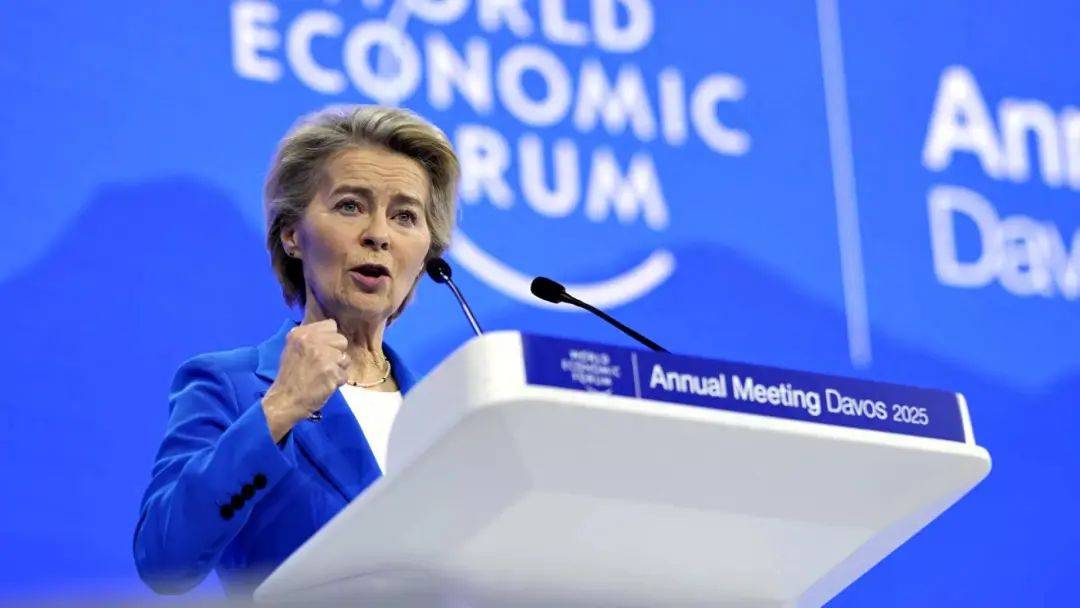
Core Viewpoint - The article discusses the recent trade agreement between the EU and the US, highlighting the implications for global trade dynamics, particularly concerning China and the potential shift away from the WTO framework [1][3][5]. Group 1: Trade Agreement Details - The EU and the US reached a trade agreement where the US will impose a 15% tariff on EU goods, while the EU commits to investing $600 billion in the US and purchasing $750 billion in energy products [3][5]. - Ursula von der Leyen, the President of the European Commission, indicated that the 15% tariff was the best outcome achievable for Europe [3][5]. Group 2: Implications for Global Trade - The agreement signifies a shift towards a "might makes right" approach in global trade, potentially undermining the WTO's authority and allowing the US to set unilateral trade policies [5][7]. - The alignment of major economies like the EU, Japan, and Southeast Asian countries with US trade policies could lead to a reconfiguration of global supply chains and technology systems, posing risks for China [7][9]. Group 3: Economic Impact and Future Outlook - The article suggests that while the trade agreements may reduce trade deficits and benefit the military-industrial complex and energy sectors in the US, they may not significantly boost high-end manufacturing jobs [9][11]. - The long-term sustainability of these trade agreements is questioned, as they may not effectively address the underlying issues of trade deficits and the dollar's role in global trade [11].

“海湖庄园协议”破产后,特朗普为何推行“宾夕法尼亚计划”?霸权末路的“危险游戏”
Sou Hu Cai Jing· 2025-09-14 11:29
Core Viewpoint - The article discusses the implications of Trump's "Pennsylvania Plan" following the failure of the "Mar-a-Lago Agreement," highlighting the risks associated with U.S. debt management strategies and their potential impact on the global economy [1][9]. Group 1: Debt Management Strategies - The "Mar-a-Lago Agreement" proposed converting foreign short- and medium-term debt into 100-year zero-interest bonds, which was met with severe backlash from the international community [3]. - The "Pennsylvania Plan" aims to compel major U.S. corporations, like Apple and Google, to purchase government bonds under threat of losing tax benefits and government contracts, indicating a coercive approach to debt management [5]. - Both plans are characterized as "robbing Peter to pay Paul," failing to address the root cause of the U.S. debt crisis, which is the hollowing out of the industrial base [7]. Group 2: Economic Consequences - The U.S. debt is projected to reach $37 trillion against a GDP of $29 trillion, raising concerns about the sustainability of such debt levels [7]. - The plans could lead to a significant increase in inflation if the Federal Reserve is pressured to maintain low interest rates to facilitate government borrowing [7][8]. - The international response includes countries reducing their dollar reserves and increasing gold holdings, indicating a shift away from reliance on the U.S. dollar [10]. Group 3: Global Financial Stability - The article warns that the reliance on financial manipulation rather than real economic development could lead to a collapse of trust in the U.S. dollar as a global reserve currency [9]. - The potential for a crisis in stablecoins linked to government bonds could destabilize the global cryptocurrency market, affecting investors worldwide [5][10]. - The situation is compared to the pre-collapse of the Bretton Woods system, suggesting that the current dynamics could lead to a significant shift in the global economic order [10].

美联储投下“深水炸弹”,人民币变盘,美专家:两种资产将崩溃
Sou Hu Cai Jing· 2025-09-13 08:13
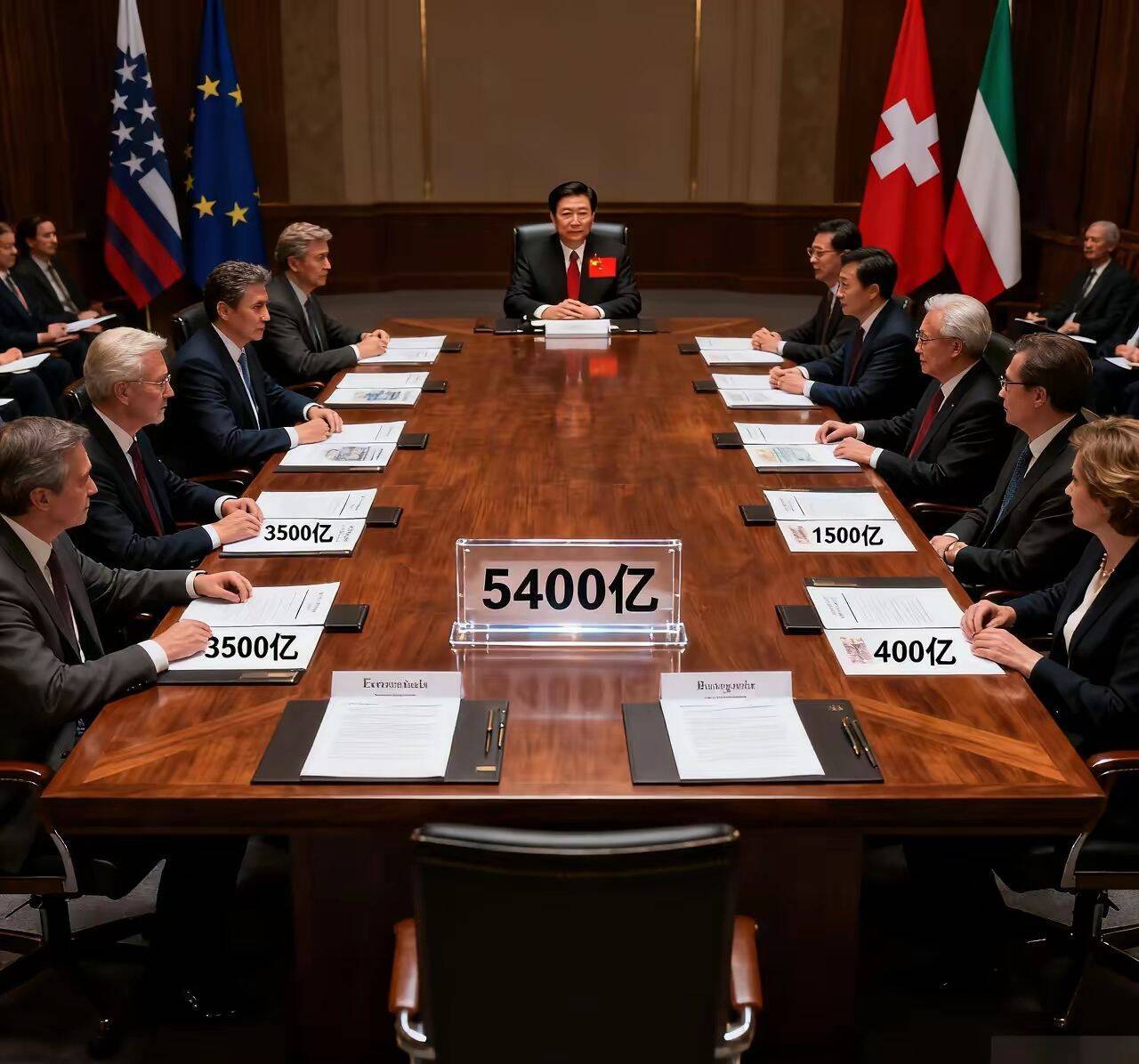
Group 1 - The article discusses the looming financial storm in the U.S. as the Federal Reserve's independence is questioned, which could lead to a devaluation of the dollar [2][10] - Concerns are raised about the potential consequences of the Federal Reserve lowering interest rates, which could trigger a collapse in certain asset classes [2][12] - The article highlights the recent bilateral currency swap agreements between the People's Bank of China and several European central banks, indicating a significant step towards the internationalization of the renminbi [3][5] Group 2 - The currency swap agreements amount to 350 billion renminbi, equivalent to 45 billion euros, 150 billion renminbi, or 17 billion Swiss francs, and 40 billion renminbi, or 1.9 trillion Hungarian forints [5] - The article notes that the U.S. federal debt has surpassed 7 trillion dollars, with projections indicating it could reach 150 trillion dollars in 30 years [5] - The potential for a 1% decrease in interest rates could save the U.S. government hundreds of billions in annual interest payments, while historically, rate cuts have led to stock market increases [8][12] Group 3 - The article mentions that the market is almost certain that the Federal Reserve will lower rates in September, with a significant chance of a 50 basis point cut [12] - Concerns about the Federal Reserve's independence have led to a weakening of the dollar, benefiting the renminbi and potentially leading to a rapid appreciation of Chinese assets [12][14] - The weakening dollar is prompting a shift in global capital towards Chinese assets, as they are seen as undervalued [14][16]

中俄天然气大动脉敲定!幕后势力蠢蠢欲动,已经有人备好炸药包?
Sou Hu Cai Jing· 2025-09-13 08:12
Core Viewpoint - The article discusses the potential threats to the Sino-Russian energy cooperation projects, particularly the Power of Siberia 2 gas pipeline, amidst geopolitical tensions and recent comments from U.S. commentators suggesting possible sabotage actions similar to the Nord Stream pipeline incident [1][3]. Group 1: Energy Cooperation - The Power of Siberia 2 pipeline is a key project in Sino-Russian energy cooperation, designed to transport 50 billion cubic meters of gas annually, which is about 15% of China's annual gas consumption [1]. - Recent agreements indicate significant progress in the gas cooperation projects between China and Russia, with the pipeline expected to be operational within the next decade [1]. - The geopolitical context includes Russia's shift towards Asian markets following the loss of the European energy market due to the Ukraine conflict [1][3]. Group 2: Geopolitical Implications - The article highlights the broader implications of Sino-Russian cooperation on global geopolitics, emphasizing the complementary economic structures of both countries [5]. - The collaboration between China and Russia is seen as a challenge to U.S. dollar dominance and a shift towards a multipolar international monetary system [5]. - Recent commitments from China, Russia, and India to deepen cooperation have raised concerns in the West about changing power dynamics [5]. Group 3: Western Concerns and Misunderstandings - The article suggests that Western fears regarding Sino-Russian cooperation stem from misunderstandings, as China maintains a policy of independent and peaceful diplomacy [7]. - Despite threats from Western media, both China and Russia are expected to remain vigilant and committed to their cooperative projects [7]. - The narrative indicates that any sabotage attempts will not deter the strategic partnership between China and Russia [7].
特朗普大败而归,美联储拉响警报,全球财富洗牌,人民币资产躺赢
Sou Hu Cai Jing· 2025-09-12 11:33
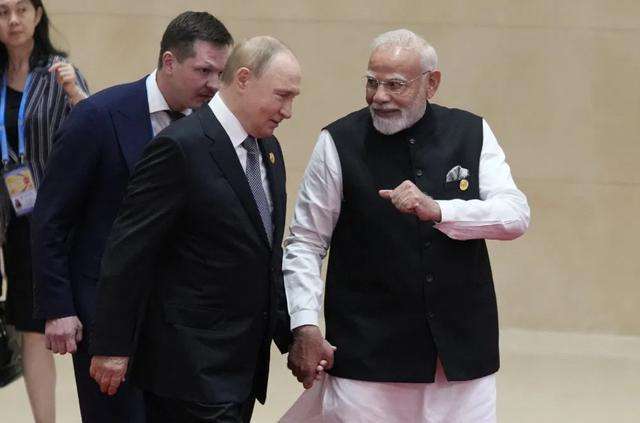
Group 1 - The article discusses the political and financial turmoil initiated by Trump's attempts to influence the Federal Reserve, which has led to a significant shift in the global financial landscape [1][3][5] - Trump's efforts to push for interest rate cuts to alleviate the federal debt burden and boost the stock market were met with judicial resistance, emphasizing the independence of the Federal Reserve [3][5][9] - The decline in the US dollar's credibility is highlighted, with the dollar index dropping 8% this year and a historic low in domestic investor allocation for US Treasury bonds [7][9] Group 2 - The article notes a shift in global central banks' trust in the US dollar, with a record increase in gold holdings and a reduction in US Treasury bond investments [9][11] - The stability of Chinese assets is emphasized, with the Chinese government bonds offering a stable yield compared to the volatility of US bonds, attracting global capital [11][13] - China's proactive measures in "de-dollarization," including currency swap agreements and increased use of the yuan in international trade, are discussed as part of a broader strategy to enhance the yuan's global standing [13][15] Group 3 - The article outlines the transition from a dollar-dominated financial order to a more multipolar system, driven by the US's fiscal challenges and geopolitical conflicts [15][17] - The redefinition of "safe assets" by hedge funds and sovereign wealth funds is noted, with the yuan emerging as a reliable alternative amidst increasing global uncertainty [17][19] - The ongoing financial restructuring is characterized as a reassessment of trust, safety, and institutional integrity in global capital markets, with the yuan potentially becoming a new anchor currency [19]
2025年数字资产系列研究-中银国际
Sou Hu Cai Jing· 2025-09-10 11:21
Core Insights - The report titled "2025 Digital Asset Series Research - CCB International" analyzes the differences between the real world and the virtual/digital world, emphasizing the concepts of "centralization" and "decentralization" [1] - It highlights stablecoins as a crucial bridge connecting virtual and real value, with a projected trading volume of approximately $37 trillion in 2024, surpassing Bitcoin [1] - The report discusses the implications of stablecoins on monetary supply, the U.S. Treasury market, and the dominance of the U.S. dollar, as well as the differences in digital currency strategies between China and the U.S. [1] Summary by Sections Historical and Technical Analysis - The report examines the historical, cultural, and technical aspects of digital assets, focusing on the fundamental differences between centralized and decentralized systems [1] - It identifies fiat currencies and cryptocurrencies (excluding Bitcoin) as two incentive carriers within these systems, with their value dependent on ecosystem activity, integrity, and consensus [1] Focus on Stablecoins - Stablecoins are defined as digital currencies pegged to specific assets to maintain value stability, with the top two stablecoins (USDT and USDC) accounting for 60% and 23% of the market, respectively [1] - The report categorizes stablecoins based on their collateralization methods and discusses the "impossible trinity" challenge of achieving price stability, capital efficiency, and decentralization simultaneously [1] Macroeconomic Implications - The report analyzes the macroeconomic impact of stablecoins on monetary supply and the U.S. Treasury market, as well as the implications for U.S. dollar hegemony [1] - It contrasts China's approach to digital currency (promoting the digital yuan) with the U.S. focus on dollar stablecoin tokenization [1] Hong Kong's Stablecoin Development - The report explores the reasons behind Hong Kong's development of stablecoins, including the aim to establish a digital asset hub and activate the RMB ecosystem [1] - It discusses the coexistence of stablecoins with central bank digital currencies (CBDCs) and outlines the differences in regulatory frameworks between Hong Kong and the U.S./Europe [1] Applications and Infrastructure - Stablecoins are examined in various applications, including retail payments, cross-border transfers, virtual asset trading, RWA, and DeFi [1] - The report introduces the stablecoin economic ecosystem in Hong Kong and the business models of key service providers, as well as the impact of stablecoins on traditional financial institutions and the necessary infrastructure for expanding specific use cases [1]

香港第一金:黄金暴涨背后的逻辑与真相 金价上涨采取逢高看空
Sou Hu Cai Jing· 2025-09-10 09:39
Core Viewpoint - The surge in gold prices is primarily driven by global economic contraction and monetary policy turmoil, rather than just expectations of interest rate cuts by the Federal Reserve or geopolitical tensions like the Middle East situation and the Russia-Ukraine conflict [1] Group 1: Economic Context - The U.S. holds over 8,000 tons of gold, the largest gold reserve globally, while also carrying a staggering $37 trillion in national debt, equating to approximately $108,000 per American citizen [1] - The U.S. is facing a dilemma in addressing its massive debt without exacerbating inflation through further money printing or increasing local industry taxes, which are no longer viable options [1] Group 2: Strategic Moves - Since 2018, the U.S. has initiated a trade war to shift risk sentiment towards gold, aiming to increase its value and thereby enhance the value of its gold reserves, effectively boosting its asset value by hundreds of billions [1] - The U.S. has been secretly transporting gold, with reports of over 600 tons moved to U.S. vaults last December, and stablecoin issuers purchasing 80 tons of gold to back their currencies, indicating a strategic focus on gold accumulation [4] Group 3: Market Dynamics - The current gold market is under bullish control, with significant price movements observed; the first key support level is at $3,510, and a second at $3,438, with potential for further upward movement unless specific bearish signals emerge [5] - Recent trends show that gold has increased by nearly $400 in the past two weeks, suggesting a strong upward trajectory, and caution is advised against blindly pursuing short positions in the current market [5]

整整5400亿!中国一口气签了三个货币互换大单!
Sou Hu Cai Jing· 2025-09-10 06:16
Group 1 - China has signed three major currency swap agreements with Western countries, totaling 540 billion yuan, indicating the increasing international recognition of the renminbi [1] - The agreements include swaps of 350 billion yuan with Europe, 150 billion yuan with Switzerland, and 40 billion yuan with Hungary, marking a significant shift in China's currency strategy [1] Group 2 - The dominance of the US dollar is supported not only by military and financial power but also by global demand for Chinese goods, which are primarily traded in dollars [3] - Currently, renminbi settlements account for 20% of global trade, and the currency is gaining traction in the SWIFT system, which is crucial for international transactions [3] - The US earns approximately $700 million annually from transaction fees in the SWIFT system, highlighting the financial benefits of dollar dominance [3]
透视宏观“冲”击波 —— 稳定币变局
2025-09-07 16:19
Summary of Key Points from the Conference Call on Stablecoins Industry Overview - The discussion revolves around the **stablecoin** industry and its implications for the financial system, particularly in relation to **central bank digital currencies (CBDCs)** and the **U.S. dollar's dominance** in global finance [1][4][5]. Core Insights and Arguments 1. **Stablecoin Utilization by Financial Institutions**: Financial institutions, including commercial banks and asset management companies, are actively utilizing stablecoins to counter deposit outflows and expand new financial products, such as Circle's collaboration with BlackRock to manage USDC reserves [1][8]. 2. **Full Reserve Mechanism**: Maintaining a 1:1 full reserve is crucial for stablecoins to avoid expanding the money supply. This mechanism essentially represents a shift in the ownership of funds without increasing the overall money supply [1][2]. 3. **Impact on U.S. Treasury Market**: The demand for dollar stablecoins creates significant incremental demand for U.S. Treasury securities, particularly short-term ones, potentially becoming a cornerstone of the market but also posing risks of large-scale redemptions [1][12]. 4. **Competition and Cooperation with CBDCs**: The relationship between stablecoins and CBDCs is complex, with potential for both competition and cooperation. Some countries are developing digital currencies to counter private stablecoins, while regions like Hong Kong allow coexistence [4][15]. 5. **Paradox of Dollar Dominance**: Stablecoins present a paradox for U.S. dollar hegemony; they can reinforce the dollar's role in global payments while simultaneously threatening its status as the sole dominant currency in traditional finance [5][16]. 6. **Future of Credit Creation**: The passage of the U.S. Genius Act highlights the power struggle between traditional financial institutions and emerging crypto platforms over who will lead future credit creation and currency issuance [6][17]. 7. **Types of Stablecoins**: Stablecoins can be categorized into four types based on their stabilization mechanisms: fiat-collateralized, multi-asset collateralized, crypto-collateralized, and algorithmic. USDC and USDT are examples of fiat and multi-asset collateralized stablecoins, respectively [3][7]. 8. **Role of Exchanges**: Exchanges play a critical role in the stablecoin market by providing low-cost conversion channels and developing derivatives to attract institutional investors [9]. 9. **Impact on Money Supply**: The influence of stablecoins on the money supply can be analyzed through various scenarios, including their use in purchasing government bonds and their potential to alter the structure of existing monetary forms [10][11]. 10. **Regulatory Implications**: Regulatory decisions could significantly impact stablecoins, potentially granting them a form of currency creation authority, which would shift their status from digital dollar certificates to credit-based quasi-bank liabilities [14]. Other Important Insights - **Historical Context**: The experience of the Bretton Woods system provides insights into the potential future of stablecoins, especially if regulatory frameworks allow for partial reserves, reminiscent of the Nixon shock that ended the gold standard [13]. - **Old Money vs. New Money Dynamics**: The conflict between traditional financial institutions (old money) and tech-driven financial platforms (new money) is central to the evolution of the financial system, with implications for credit creation and monetary policy [17].
国际货币体系改革:美元霸权的“使用”与“动摇”
2025-09-07 16:19
Summary of Key Points from Conference Call Records Industry or Company Involved - The discussion revolves around the **U.S. Dollar's dominance** in the international monetary system and its implications for global finance and investment. Core Points and Arguments 1. **U.S. Treasury Bonds as Safe Assets**: U.S. Treasury bonds are viewed as safe assets due to their value retention, liquidity, and appreciation during crises, reinforcing the dollar's position in the international monetary system [2][4][5] 2. **Dollar Hegemony**: The U.S. dollar's hegemony allows the U.S. to issue debt at lower costs, benefiting from a unique financing privilege that is not easily replicated by other nations [3][10] 3. **Structural Challenges**: The U.S. faces structural challenges in controlling debt, with rigid expenditures exceeding fiscal revenues and a bipartisan tendency to expand deficits [14] 4. **Impact of Dollar Strength**: The dollar's strength can lead to decreased export competitiveness and depreciation of overseas assets, presenting both advantages and disadvantages for the U.S. economy [16] 5. **Flight to Safety Phenomenon**: During financial crises, there is a tendency for investors to flock to safe assets like U.S. dollars and Treasury bonds, which can lower bond yields and provide the U.S. with additional fiscal stimulus [15] 6. **Potential for RMB as a Safe Asset**: The Chinese yuan (RMB) has potential to become a new safe asset, but it requires stable inflation, market liquidity, and a floating exchange rate mechanism [29][31] 7. **Dollar's International Reserve Currency Status**: The U.S. has paid a price for the dollar's status as an international reserve currency, with the currency often being overvalued during crises [18] 8. **Concerns Over Dollar Hegemony Erosion**: Discussions about the decline of dollar hegemony are ongoing, but historical patterns show that crises often reinforce the dollar's dominance [20][22] 9. **Investment Returns**: The U.S. has maintained positive net overseas investment returns, despite being in a current account deficit, primarily due to low-cost financing [10][24] 10. **Market Sentiment on U.S. Debt**: There are signs that the consensus on the safety of U.S. debt is weakening, with rising financing costs and reduced demand from traditional buyers [25][26] Other Important but Possibly Overlooked Content 1. **Comparison with Japan**: Japan's high debt levels are considered sustainable due to strong domestic ownership of its bonds and responsible fiscal policies, contrasting with the U.S.'s challenges in managing debt [13][14] 2. **Future of the International Monetary System**: The international monetary system is undergoing fragmentation and diversification, with a shift towards a multi-currency structure that includes the dollar, euro, and yuan [28][30] 3. **Implications of Dollar Appreciation**: Dollar appreciation can lower financing costs and enhance purchasing power for U.S. consumers, benefiting the economy [19] 4. **Consequences of Eroding Trust in U.S. Debt**: A complete loss of faith in the safety of U.S. debt could lead to significant economic consequences, including high inflation and elevated long-term interest rates [26] This summary encapsulates the critical insights from the conference call records, highlighting the complexities surrounding the U.S. dollar's role in the global economy and the potential rise of alternative currencies.