绿色转型

Search documents
两大央企“历史性握手”!中石化+中航油,意味着什么?
Jing Ji Ri Bao· 2026-01-15 08:27
Core Viewpoint - The restructuring of China Petroleum & Chemical Corporation (Sinopec) and China National Aviation Fuel Group (CNAF) marks a significant event in the context of state-owned enterprise (SOE) reforms, aimed at enhancing energy security and seizing opportunities in green transformation amid complex international circumstances [1][2]. Group 1: Impact on Aviation Fuel Industry - The restructuring is expected to enhance the competitiveness of the aviation fuel industry, as aviation kerosene is projected to be the only growth area in China's oil consumption, which is nearing its peak [1][2]. - The merger addresses the historical separation between production and sales in China's aviation fuel sector, improving overall competitiveness against international giants [1][2]. Group 2: Synergistic Advantages - Sinopec, as the largest refined oil and aviation fuel producer in China, complements CNAF's extensive logistics network, creating a complete industry chain from crude oil refining to airport fueling [2][3]. - This integrated model is expected to enhance global bargaining power and risk resilience, positioning the merged entity as a competitive player on the international stage [2][3]. Group 3: Green Transition in Aviation - The restructuring supports the aviation industry's green transition, with Sustainable Aviation Fuel (SAF) recognized as a key pathway for low-carbon development [2][3]. - Sinopec's leadership in SAF technology and production, combined with CNAF's logistics capabilities, facilitates the market entry of SAF, reducing costs and accelerating its adoption [3]. Group 4: Economic Stability and Supply Security - The merger aims to stabilize aviation fuel prices by internalizing transactions and optimizing resource allocation, which could alleviate cost pressures for consumers and airlines [3]. - Strengthening domestic aviation fuel supply capabilities is crucial for ensuring stable operations of civil aviation networks, especially in extreme international situations [3]. Group 5: Challenges and Governance - The success of the merger depends on achieving deep integration between the two large SOEs, which may have differing values and management styles [4]. - Concerns regarding market competition and potential monopolistic practices post-restructuring highlight the need for effective governance and regulatory oversight to ensure fair market participation [4].

央行出台8项政策举措 支持经济结构转型优化
Sou Hu Cai Jing· 2026-01-15 08:26
Group 1 - The People's Bank of China will implement 8 policy measures to support economic structural transformation and optimization [1] - The interest rates for various structural monetary policy tools will be reduced by 0.25 percentage points, with the one-year relending rate decreasing from 1.5% to 1.25% [1] - The quota for agricultural and small enterprise relending will be increased by 500 billion yuan, with a total quota of 1 trillion yuan specifically for private enterprises [1] - The relending quota for technological innovation and technological transformation will be increased from 800 billion yuan to 1.2 trillion yuan, including support for high R&D investment private SMEs [1] - The previously established private enterprise bond financing support tool and technological innovation bond risk-sharing tool will be merged, providing a total relending quota of 200 billion yuan [1] - The carbon reduction support tool will be expanded to include more projects with carbon reduction effects, guiding banks to support comprehensive green transformation [1] - The support areas for service consumption and elderly care relending will be expanded, incorporating health industry standards [1] Group 2 - The minimum down payment ratio for commercial property loans will be lowered to 30% to support the destocking of the commercial real estate market [2] - Financial institutions are encouraged to enhance their foreign exchange risk hedging services, providing cost-effective and flexible foreign exchange risk management tools for enterprises [2]
央行拓展碳减排支持工具支持领域,推动经济社会发展全面绿色转型
Sou Hu Cai Jing· 2026-01-15 07:58
央行公告,为推动经济社会发展全面绿色转型,进一步做好绿色金融大文章,中国人民银行决定将节能 改造、绿色升级、能源绿色低碳转型等具有直接碳减排效应的项目纳入碳减排支持工具支持领域。碳减 排支持工具按季操作,每次操作提供1年期再贷款资金,全年操作量不超过8000亿元。中国人民银行根 据货币政策调控需要确定季度操作量,依据金融机构向支持领域发放的贷款情况以及再贷款需求,按照 政策规定提供再贷款资金支持。 ...
央行:将商业用房购房贷款最低首付比例下调至30%,支持推动商办房地产市场去库存
Sou Hu Cai Jing· 2026-01-15 07:58
Core Viewpoint - The People's Bank of China (PBOC) is set to implement a moderately accommodative monetary policy until 2026, focusing on supporting the high-quality development of the real economy through various structural monetary policy measures [1] Group 1: Monetary Policy Adjustments - The PBOC will lower the interest rates of various structural monetary policy tools by 0.25 percentage points, with the one-year re-lending rate decreasing from 1.5% to 1.25% [3] - The PBOC will merge the quotas for agricultural and small enterprise re-lending and re-discounting, increasing the agricultural and small enterprise re-lending quota by 500 billion yuan, with a separate quota of 1 trillion yuan designated for private enterprises [3] - The quota for re-lending aimed at technological innovation and technological transformation will be increased from 800 billion yuan to 1.2 trillion yuan, expanding support to high R&D investment private small and medium-sized enterprises [3] Group 2: Support for Specific Sectors - A combined risk-sharing tool for bonds of technological innovation and private enterprises will be established, providing a total re-lending quota of 200 billion yuan [3] - The PBOC will expand the support areas for carbon reduction tools to include energy-saving renovations and green upgrades, guiding banks to support comprehensive green transitions [4] - The support areas for service consumption and elderly care re-lending will be expanded to include the health industry, based on health industry recognition standards [4] Group 3: Real Estate and Financial Services - The minimum down payment ratio for commercial property loans will be reduced to 30% in collaboration with the financial regulatory authority, aimed at promoting inventory reduction in the commercial real estate market [4] - Financial institutions are encouraged to enhance their foreign exchange risk management services, providing enterprises with cost-effective and flexible foreign exchange risk management tools [4]

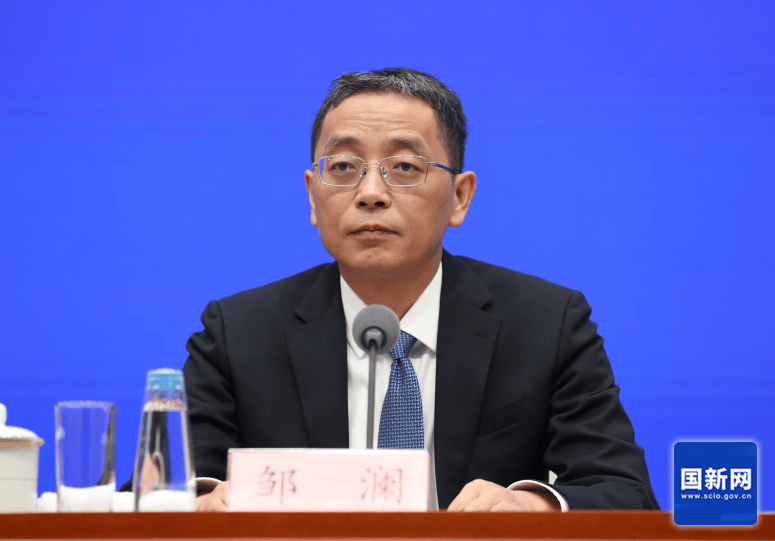
央行:下调0.25个百分点
Nan Fang Du Shi Bao· 2026-01-15 07:50
Core Viewpoint - The People's Bank of China (PBOC) is implementing two main policy measures to support the high-quality development of the real economy, including lowering interest rates on structural monetary policy tools and enhancing support for economic structural transformation [1] Group 1: Monetary Policy Adjustments - The interest rates on various structural monetary policy tools will be reduced by 0.25 percentage points, with the one-year re-lending rate decreasing from 1.5% to 1.25% [2] - The quota for re-lending to support agriculture and small enterprises will be increased by 500 billion yuan, with a separate quota of 1 trillion yuan designated for private enterprises [2] - The quota for re-lending for technological innovation and technological transformation will be increased from 800 billion yuan to 1.2 trillion yuan, expanding support to high R&D investment private small and medium-sized enterprises [2] Group 2: Risk Management and Support Tools - A combined management of the previously established private enterprise bond financing support tool and technological innovation bond risk-sharing tool will provide a total re-lending quota of 200 billion yuan [2] - The scope of carbon reduction support tools will be expanded to include energy-saving renovations and green upgrades, guiding banks to support comprehensive green transitions [2] - The minimum down payment ratio for commercial property loans will be lowered to 30% to support the destocking of the commercial real estate market [3] Group 3: Financial Services Enhancement - Financial institutions are encouraged to enhance their foreign exchange risk management services by offering a variety of cost-effective and flexible foreign exchange risk management tools [3] - The related policy documents will be released soon, and these measures will be coordinated with fiscal policies to amplify their effectiveness in promoting effective domestic demand [3]
交通银行王冠:新时代的商业银行应该肩负三个使命
Xin Lang Cai Jing· 2026-01-15 07:13
专题:金麒麟论坛 · 2025金融新启航 委书记王冠 交通银行北京市分行党 1月15日金融一线消息,由新浪财经主办的"第18届金麒麟论坛•金融新启航"今日在北京召开。交通银行 北京市分行党委书记王冠出席,并针新时代的商业银行应该肩负三个使命发表演讲。 王冠表示,交通银行经过研究认为,新时代的商业银行应该肩负三个使命:第一,要做创新生态的共建 者,以适配性的金融服务来培育新质生产力;第二,要做普惠共享的践行者,以人民为中心的金融服务 增进民生和福祉;第三,要做绿色转型的引领者,以系统性金融实践支持可持续发展。 以下为发言实录 主持人:感谢刘晓春先生的精彩阐述!也再次感谢三位嘉宾的主旨演讲! 下面,让我们以热烈的掌声欢迎交通银行北京市分行党委书记王冠女士,掌声有请! 王冠:尊敬的各位来宾,非常荣幸能够参加金麒麟论坛,刚才听了于主席、王行长、刘院长的分享,我 也很受启发,今天想跟各位专家共同探讨以金融提质增效助力经济高质量发展这个课题。 党的二十届四中全会已经为我们描绘了未来发展的宏伟蓝图,从银行的角度可以看到,创新驱动、民生 福祉、绿色转型这几个方面已经成为推动未来高质量发展的关键路径,这也为商业银行未来的发展开 ...


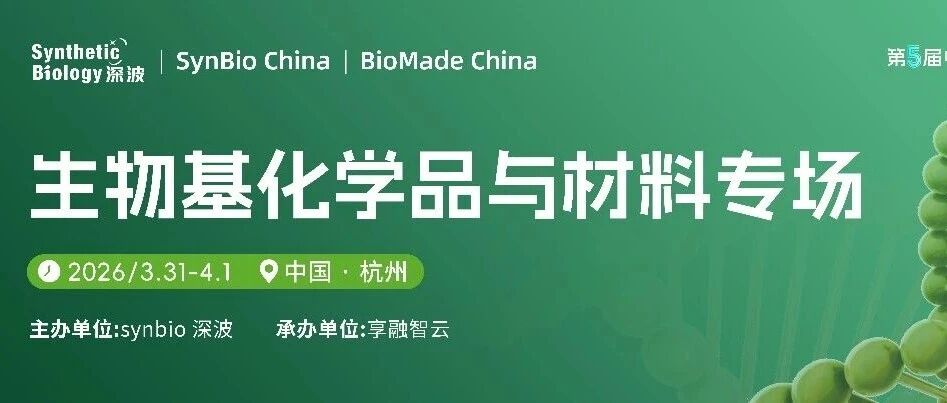
免费报名【生物基化学品与材料专场】,SynBio China第五届中国合成生物学及生物制造大会!
synbio新材料· 2026-01-15 02:09
Core Insights - The article emphasizes the importance of bio-based chemicals and materials as a key pillar of the bio-manufacturing industry, highlighting their advantages such as renewable raw materials and low carbon emissions throughout their lifecycle, which positions them to replace traditional petroleum-based products in various sectors like packaging, textiles, and automotive [2] - The Chinese government prioritizes the development of bio-based new materials, categorizing them as strategic materials, and has implemented multiple supportive policies for the industry [2] - Despite the growth potential, the industry faces challenges including cost competitiveness, stability of raw material supply chains, product performance optimization, and market acceptance [2] Event Details - The "5th China Synthetic Biology and Bio-Manufacturing Conference" will be held in Hangzhou from March 31 to April 1, 2026, with an expected attendance of 1,000 participants [4] - The conference aims to gather insights from various sectors including industry, academia, and research to address challenges in the bio-based chemicals and materials industry [2][4] Forum Setup - The conference will feature multiple sessions, including a dedicated session on bio-based chemicals and materials, along with other topics such as bio-manufacturing technology and applications, functional food and nutrition science, and skincare [8]
三措并举支持资源型经济转型
Jin Rong Shi Bao· 2026-01-15 02:07
Core Insights - The People's Bank of China, Linfen Branch, focuses on extending the energy industry chain and transforming green transportation, promoting financial resources to empower local economic transformation since 2025 [1] - A total of 103 projects have been pushed to financial institutions, with 23 projects receiving bank credit support amounting to 34.32 billion yuan [1][2] - The initiative includes collaboration between government and financial institutions to enhance communication and support for key projects [2] Group 1: Provincial and Municipal Collaboration - The Linfen Branch of the People's Bank of China, in collaboration with local government offices, has established a working group to analyze the city's industrial transformation and identify financial support directions [1] - Policy briefings and financial demand assessments have been conducted to understand the needs of key projects and enterprises [1][2] - A series of activities have been organized to facilitate communication between government, banks, and enterprises, enhancing collaborative efforts [1] Group 2: Mechanism-Driven Initiatives - An action plan has been developed to support the energy industry chain and green transportation, outlining key support areas and tasks [2] - Two information platforms have been established to maintain a directory of key projects and facilitate financing connections [2] - A credit product library covering the entire industry chain has been created, encouraging financial institutions to innovate and develop tailored financial products [2] Group 3: Enterprise-Specific Policies - Financial institutions are encouraged to follow the financing needs throughout the project lifecycle, providing diverse financing models [3] - Supply chain financing models have been innovated to support small and medium-sized enterprises through credit advantages of core enterprises [3] - Tailored services are provided to address specific financing challenges faced by enterprises, enhancing credit limits and reducing financing costs [3]
45.47万亿元!多角度解码2025中国外贸硬核年报
Yang Shi Wang· 2026-01-15 01:40
Core Insights - China's foreign trade reached 45.47 trillion yuan in 2025, marking a 3.8% year-on-year growth, maintaining growth for the ninth consecutive year [1] - Exports grew by 6.1%, while imports saw a modest increase of 0.5% [1] - The export structure has improved, with high-tech product exports reaching 5.25 trillion yuan, a 13.2% increase, contributing 2.4 percentage points to overall export growth [1][3] Trade Characteristics - The external environment posed challenges, but measures were implemented to stabilize orders and expand markets, leading to sustained growth [1] - The number of countries and regions trading with China reached 249, with over 190 experiencing growth in trade with China [2] - Imports hit a record high of 18.48 trillion yuan, indicating a release of import potential [2] Export Dynamics - The "new three categories" (wind power equipment, new energy vehicles, and lithium batteries) have become significant drivers of economic growth, with a 27% increase in exports [4] - China solidified its position as a major global market, being the second-largest market for 17 consecutive years [3] Growth Drivers - The shift from scale-based growth to technology-driven growth is evident, with high-tech products leading export growth [4][5] - China's complete industrial chain and the emergence of innovative forces, such as AI, enhance productivity and reduce costs [5] Import Strategy - Expanding imports is viewed as a long-term strategy for high-quality development, aiming to optimize trade structure and promote balance [6][7] - Emphasis on increasing service trade is expected to become a new growth point, enhancing consumer welfare and demand for high-quality products [7] Challenges in Global Expansion - The transition from product export to technology and service export faces challenges related to external rules and standards [8] - There is a need for more companies to leverage China's AI advantages to enhance global competitiveness and establish a mutually beneficial industrial ecosystem [8]
联合国副秘书长徐浩良:破解全球发展困局需加强多边合作
21世纪经济报道· 2026-01-15 01:08
Core Viewpoint - The article emphasizes the interconnectedness of global challenges such as debt pressure in developing countries, climate financing gaps, energy transition difficulties, and geopolitical uncertainties, highlighting the need for multilateral cooperation to address these issues effectively [1][2]. Group 1: Global Governance Initiatives - China proposed a global governance initiative during the UN General Assembly in September 2025, aiming to establish a Global Sustainable Development Center in Shanghai to share experiences in green transition, digitalization, and trade with developing countries [1]. - The UNDP is collaborating with China to enhance multilateral cooperation and restore confidence in global governance frameworks, which are essential for addressing interconnected global challenges [2][5]. Group 2: Development Financing Challenges - Developing countries face a significant annual financing gap of approximately $430 billion, while global official development assistance totals around $200 billion, indicating a substantial shortfall in funding for sustainable development goals [7]. - The article discusses the importance of leveraging private capital to address development financing challenges, as government revenues in developing countries are often insufficient for necessary investments in infrastructure, education, and social services [6][7]. Group 3: Sustainable Development and Investment - The UNDP is working on initiatives like "Sustainable Development Investment Maps" to help potential investors understand the importance and potential returns of investing in sustainable development sectors [8]. - The integration of sustainable development principles into investment decisions is crucial, with efforts to establish international standards that guide private sector investments towards achieving sustainable development goals [11]. Group 4: Green Transition and Economic Development - Achieving sustainable development goals and pursuing economic growth can coexist, with investments in renewable energy and related sectors being vital for both environmental protection and economic advancement [10]. - The article highlights China's experience in renewable energy and green finance as a model for other developing countries, emphasizing the need for a balanced approach to economic development and emission reduction [10][12]. Group 5: International Cooperation and Multilateralism - The article underscores the importance of multilateral cooperation, particularly between major economies like the US and China, to effectively address global challenges such as climate change [13][14]. - Successful examples of multilateral cooperation, such as the protection of the ozone layer, demonstrate the potential for collective action to tackle significant global issues [13]. Group 6: Lessons from China's Development Experience - China's development experience offers valuable lessons for other developing countries, including the importance of clear long-term development goals, strong financing capabilities, and effective governance [15][16]. - Key factors for successful development include a stable policy environment, innovative problem-solving capabilities, and a commitment to sustainable and inclusive development [16].