电动化转型

Search documents
暴跌69%,豪车天塌了!
商业洞察· 2025-08-09 09:24
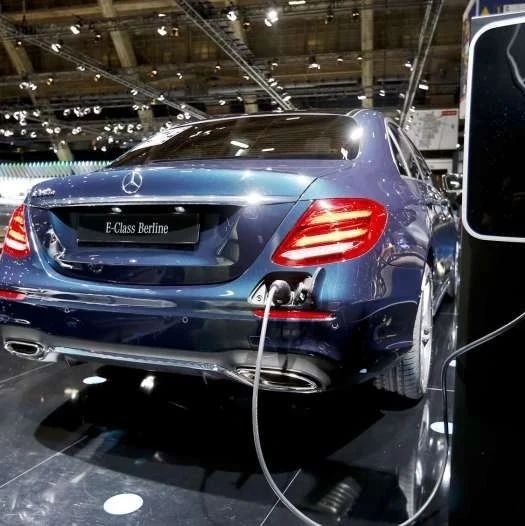
Core Viewpoint - The BBA (Benz, BMW, Audi) luxury car manufacturers are facing significant challenges in the electric vehicle era, with their sales and profits plummeting, indicating a shift in consumer preferences towards domestic electric vehicles [4][5][6]. Group 1: BBA Financial Performance - BMW's net profit fell by nearly 30%, while Audi's profit dropped by 37.5%, and Mercedes-Benz's Q2 net profit plummeted by 69% [4][5][11]. - Mercedes-Benz's Q2 net profit decreased from €3 billion to €957 million, a drop of 68.7%, and its sales in China fell by 19% [11][12]. - Audi's operating profit fell by 45.2% to €1.087 billion, and its net profit dropped by 37.5% to €1.346 billion, with a 6% decline in vehicle deliveries [17][18]. Group 2: Market Dynamics - In the first half of the year, domestic car sales in China reached 9.27 million units, a 25% increase, contrasting sharply with the decline in BBA sales [8][34]. - Mercedes-Benz's electric vehicle sales in China fell by 66%, with its market share in the pure electric vehicle segment dropping to 0.16% [13][12]. - Audi's electric vehicle sales also declined by 23.5%, indicating a broader trend of decreasing demand for traditional luxury vehicles [18]. Group 3: Strategic Shifts - BBA manufacturers are struggling to adapt to the electric vehicle market, with Audi retracting its plans for full electrification due to poor sales performance [18][28]. - The luxury car market is witnessing a significant transformation, with domestic brands rapidly gaining market share and consumer trust, while BBA brands are losing their premium status [32][36]. - The shift in consumer preferences towards more affordable and technologically advanced domestic electric vehicles is evident, as BBA brands are unable to compete effectively [37].

捷豹路虎连续十一个季度盈利,关税影响将逐步缓解
Guan Cha Zhe Wang· 2025-08-09 07:49
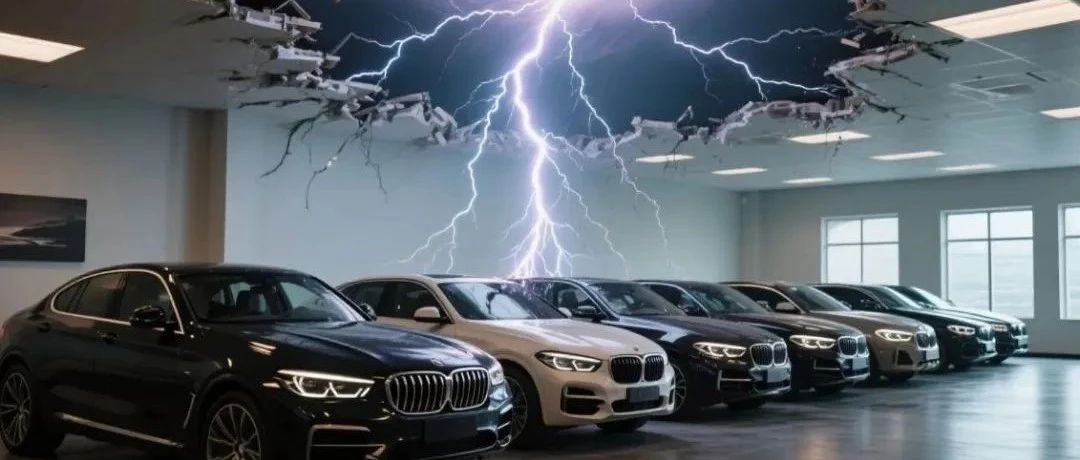
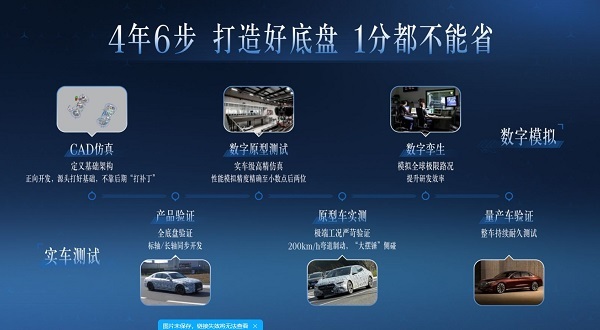
Core Insights - Jaguar Land Rover reported a revenue of £6.6 billion (approximately ¥63.78 billion) and a pre-tax profit of £351 million (approximately ¥3.39 billion) for Q1 of the fiscal year 2025/26, marking the eleventh consecutive quarter of profitability [1][3] - The company sold 87,300 vehicles globally in the quarter, with nearly 80% being Range Rover, Range Rover Sport, and Defender models [1][3] - Free cash flow reached £758 million (approximately ¥7.32 billion) by the end of the quarter, with current assets totaling £5 billion, including £3.3 billion in cash and £1.7 billion (approximately ¥16.43 billion) in undrawn credit facilities [1][3] Financial Performance - The company maintained stable performance despite ongoing geopolitical, tariff, and exchange rate challenges, demonstrating business resilience and strategic foundation [3] - The CEO expects the impact of tariffs on financial performance to gradually ease in subsequent quarters due to the swift conclusion of the UK-US trade agreement [3] - Full-year performance expectations remain unchanged, targeting an EBIT margin of 5%-7% and aiming for year-on-year improvements over the next two fiscal years [3] Strategic Initiatives - Jaguar Land Rover plans to invest £3.8 billion (approximately ¥36.72 billion) in the current fiscal year to support next-generation product development as part of its "Reimagine" strategy [3][5] - The company has created over £100 million (approximately ¥970 million) in value through the refurbishment and repurposing of UK factory facilities and equipment during the last quarter [3] - The electric vehicle transition includes the completion of over 200 tests for the all-electric Range Rover family models at the Halewood plant, with 65,000 registered customers for the electric Range Rover [4] Future Outlook - The company aims to become a fully electric luxury car manufacturer by 2030, with plans to launch electric models under the Range Rover, Discovery, and Defender brands, while the Jaguar brand will achieve full electrification [4][5] - By 2039, Jaguar Land Rover targets net-zero carbon emissions across its entire supply chain, product development, and operations [5] - The company is committed to executing its five-year £18 billion (approximately ¥173.94 billion) investment plan initiated last year [5]
利润集体崩盘,燃油车企用时间换空间
远川研究所· 2025-08-08 08:08
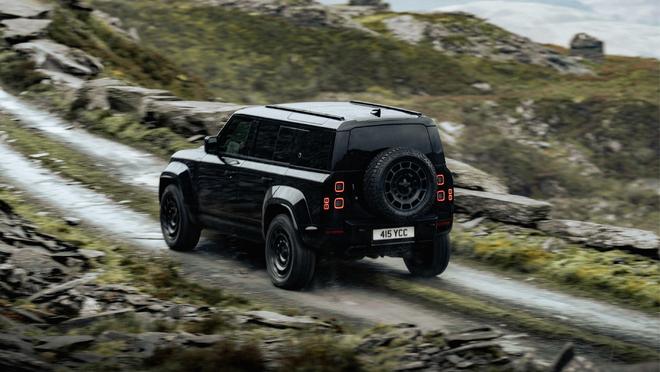
Core Viewpoint - The financial performance of traditional fuel vehicle manufacturers is deteriorating significantly, with profit declines outpacing revenue and sales drops, highlighting the challenges of transitioning to electric vehicles [5][9][15]. Group 1: Financial Performance of Traditional Automakers - Volkswagen's operating profit fell by 32.79% in the first half of the year, despite a slight revenue decline of less than 1% and a 1% increase in delivery volume [9]. - Mercedes-Benz experienced a staggering 69% drop in net profit in Q2, with overall revenue down 8.59% and a more than 70% decline in operating profit from its automotive business [15]. - BMW reported a 26.83% decrease in operating profit, with revenue down 7.98% and a gross margin in its automotive business dropping below 15% [12]. Group 2: Market Trends and Challenges - The shift towards electric vehicles is uneven, with traditional automakers struggling to sell electric models while hybrid vehicles are performing better in certain markets [18][20]. - In the second quarter, Mercedes-Benz's overall passenger car deliveries fell by 9%, with electric models down 24%, while plug-in hybrid models saw a 34% increase [18]. - The Chinese market is leading in electric vehicle penetration, with a forecasted 44.3% market share by mid-2025, while the European market lags behind at around 20% [22][27]. Group 3: Strategic Adjustments - Major automakers are adjusting their electric vehicle strategies, with Volkswagen increasing its target for electric vehicles in China to 80% by 2030, while others like Ford and Stellantis are shifting towards hybrid models [28]. - The financial strain from electric vehicle investments is evident, with Volkswagen's software and battery divisions reporting significant losses, indicating a broader issue among traditional automakers [30][32]. - The need to balance investments in traditional fuel vehicles while transitioning to electric and hybrid models is creating a complex operational environment for these companies [27][36].

确认!高洪祥正式接棒李进,广汽本田再迎“广丰系”高管
Mei Ri Jing Ji Xin Wen· 2025-08-08 03:33
Group 1 - GAC Honda has confirmed the leadership change, with Gao Hongxiang officially taking over from Li Jin as the executive vice president, effective from August 7 [1] - Li Jin has been with GAC Honda since 2004 and has held various senior positions within the GAC group, while Gao Hongxiang previously served as the deputy general manager at GAC Toyota Engine Co., indicating a strategic shift within the company [1][2] - GAC Honda has been experiencing significant challenges, with sales dropping to approximately 155,000 units in the first half of the year, a decline of 25.63% year-on-year, and a decrease in net profit from 12.4 billion yuan in 2020 to 1.8 billion yuan in 2024 [2] Group 2 - The company has struggled to adapt to changing consumer demands, leading to poor sales performance of key models such as the Fit, which sold less than 3,000 units in the first half of the year compared to 110,000 units in 2019 [3] - GAC Honda's market control has weakened, with models like the Accord and the冠道 failing to meet evolving consumer preferences, particularly in hybrid technology [3][4] - In contrast, GAC Toyota has maintained a strong market presence, with a 11.7% year-on-year increase in sales in July, highlighting the differences in strategic execution between the two companies [3][6] Group 3 - GAC Honda's electric vehicle strategy has not yet yielded successful models, while GAC Toyota's "Platinum Smart" brand has seen success with the 3X model, which has delivered over 20,000 units [4] - The management structure differences between GAC Honda and GAC Toyota have led to varying levels of local management influence, impacting their respective strategies in the competitive market [6] - The leadership change at GAC Honda presents an opportunity for the new executive to address the company's strategic challenges and improve its market position [6]
“全球标准+中国配方”,揭秘奔驰如何打造“好开、好坐”的豪华好车
Zhong Guo Jing Ji Wang· 2025-08-07 10:53
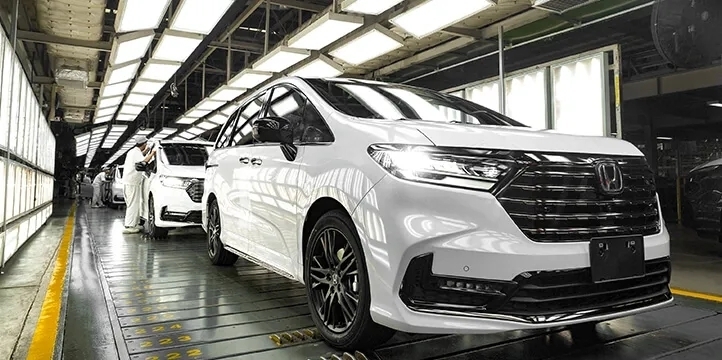
Core Insights - The definition of a "good car" is evolving with the automotive industry's shift towards intelligence and electrification, yet the core demands of users for luxury vehicles remain "good driving" and "good seating" [1] - Mercedes-Benz is leveraging its 139 years of technological heritage and 20 years of research and production in China to create luxury vehicles that meet both global standards and local needs [1] Group 1: Chassis Development - Mercedes-Benz has developed a comprehensive chassis engineering system based on over a century of research and a deep understanding of global user needs, quantifying "good driving" into over 1,000 component indicators and 130 objective KPIs [3] - The "Mercedes-Benz Driving Golden Standard" encompasses five dimensions: ride comfort, safety, control, sportiness, and precision, ensuring every production vehicle meets high standards [3] - The company has created over 10 suspension configurations to cater to diverse driving scenarios, utilizing an agile control system that adapts damping for optimal performance [5] Group 2: Advanced Technologies - The E-ACTIVEBODYCONTROL system scans the road 1,000 times per second to adjust the vehicle's posture, enhancing driving comfort and safety [7] - Rigorous testing processes include CAD development, digital twin simulations, and real-world testing across extreme temperatures and conditions, validating the durability of the chassis [7] Group 3: Seating Comfort and Safety - Mercedes-Benz emphasizes the importance of seat comfort, with a development cycle of 1,460 days and over 6,000 control standards to create the perfect seat [10] - Each model features a unique seat frame designed to meet stringent safety standards, with advanced heating and ventilation systems ensuring comfort [12] - The seats undergo over 200 tests to ensure safety and durability, including crash tests and extensive wear simulations [15] Group 4: Commitment to the Chinese Market - Mercedes-Benz is celebrating 20 years of research and production in China, with a focus on local innovation that feeds back into global operations [16] - The company has established a robust R&D network in China, with significant advancements in electric mobility and intelligent connectivity [16] - Beijing Benz has become one of the largest and most advanced manufacturing bases for Mercedes-Benz globally, producing over 5 million vehicles [16][17]
关税压力显现 本田净利腰斩
Bei Jing Shang Bao· 2025-08-06 16:05
Core Viewpoint - Honda's financial results for the first quarter of fiscal year 2026 show a significant decline in net profit and lower-than-expected annual operating profit forecasts, primarily due to tariff impacts and currency fluctuations [1][2][3] Financial Performance - Honda's sales revenue for the first quarter was 5.34 trillion yen (approximately 260.05 billion RMB), a year-on-year decrease of 1.2% [1] - Operating profit fell to 244.17 billion yen (approximately 11.89 billion RMB), a substantial year-on-year decline of 49.6% [1] - Net profit dropped to 196.67 billion yen (approximately 9.58 billion RMB), reflecting a year-on-year decrease of 50.2% [1] Annual Forecasts - For the fiscal year 2026, Honda expects total sales revenue of 21.1 trillion yen (approximately 1.023 trillion RMB), an increase from the previous estimate of 20.3 trillion yen [2] - The company revised its annual operating profit forecast to 700 billion yen (approximately 34.09 billion RMB), up from 500 billion yen, but still below market expectations of 896.24 billion yen (approximately 43.65 billion RMB) [1][2] - Honda anticipates a net profit of 420 billion yen (approximately 20.37 billion RMB) for the fiscal year, an increase from the previous estimate of 250 billion yen, but still below market expectations of 598.6 billion yen [2] Market Challenges - The automotive industry is undergoing significant changes, with Honda facing pressure from tariff impacts and currency fluctuations, particularly in the U.S. market, which accounts for over 40% of its revenue [2][3] - The company estimates a loss of 300 billion yen due to tariffs and an additional 220 billion yen loss from parts and raw materials [3] - Honda's sales in China have also been affected, with June sales dropping to 58,596 units, a year-on-year decline of 15.2% [5] Strategic Response - To address these challenges, Honda plans to accelerate its electric vehicle transition in China, aiming for 100% of its sales to be electric vehicles by 2035, with an investment of approximately 10 trillion yen before fiscal year 2030 [6]

国际观察|欧美贸易协议难解德国汽车业困境
Xin Hua She· 2025-08-06 11:35
新华社柏林8月6日电(新华社记者李函林)今年4月以来,美国政府挥舞关税大棒,大幅提高自欧盟进 口汽车关税,重创欧洲汽车产业,导致德国主要车企集体陷入利润暴跌的"寒冬"。 欧美日前达成新协议,欧盟输美汽车关税从25%降至15%。分析人士指出,该协议或将暂时避免欧美之 间爆发全面贸易战,但德国制造业的困境远未解除,仍然高企的出口成本与政策反复所带来的不确定 性,正在持续削弱车企信心。 关税冲击车企业绩 宝马、梅赛德斯-奔驰、大众等德国主要车企近日公布的财报显示,2025年上半年,企业利润普遍大幅 下滑。多家企业明确指出,美国高关税政策是造成其财务承压的重要因素。 宝马财报显示,2025年上半年,该集团收入同比下降8.2%,净利润下滑29%。公司指出,高关税是其核 心业务利润率下降的主要因素之一。梅赛德斯-奔驰上半年净利润从去年同期的约61亿欧元"腰斩"至约 27亿欧元。 大众集团2025年上半年销售收入同比下降0.3%,旗下保时捷汽车业绩也受到显著影响。保时捷公司表 示,上半年因关税额外支出约4亿欧元。 与此同时,德国车企现金流状况持续恶化。英国《金融时报》报道,受美国关税政策等因素影响,德国 三大汽车制造商今年 ...
二季度亏损100亿!沃尔沃全球闪电裁员,中国区三天完成裁员283人,赔偿基本为N+3
Jin Rong Jie· 2025-08-06 03:30
Core Viewpoint - Volvo reported a significant loss in Q2 due to U.S. tariffs, marking its first quarterly loss since going public in 2021, with a loss of 10 billion Swedish Krona (approximately 7.4 billion RMB) instead of the expected profit of 2.3 billion Swedish Krona (approximately 1.69 billion RMB) [1][2] Financial Performance - The direct cause of the loss was a one-time charge of 11.4 billion Swedish Krona (approximately 8.44 billion RMB) due to a 25% tariff on foreign-made cars, which prevented the profitable ES90 model from entering the U.S. market [2] - Excluding this one-time charge, Volvo's operating profit for Q2 was 2.9 billion Swedish Krona (approximately 2.15 billion RMB), which, while significantly lower than the 8 billion Krona (approximately 5.92 billion RMB) from the same period in 2024, still slightly exceeded market expectations [2] Workforce and Cost-Cutting Measures - In response to the deteriorating business environment, Volvo announced a global layoff of 3,000 employees, representing about 15% of its white-collar workforce, with a one-time restructuring cost of 1.5 billion Swedish Krona (approximately 1.1 billion RMB) [4][5] - The layoffs will primarily affect administrative, research, and strategic departments, with 283 positions cut in China, accounting for 3.5% of its workforce in the region [4][5] Strategic Adjustments - To mitigate the impact of tariffs, Volvo plans to start producing its best-selling XC60 SUV at its South Carolina plant by the end of 2026 to avoid high import tariffs [2] - The company has initiated a cost-cutting plan totaling 18 billion Swedish Krona (approximately 13.32 billion RMB), set to be completed by 2026, and has canceled financial guidance for 2025 and 2026 [5] Market Challenges - Volvo's sales in China fell by 8% in 2024, with a 12% decline in Q1 2025, indicating significant challenges in its electric vehicle transition [6] - The company has faced criticism for its slow pace in electric vehicle development, with recent models like the EM90 and EX30 receiving poor market reception [7][8] Industry Context - Volvo's struggles reflect broader challenges in the European and Japanese automotive sectors, with analysts predicting a tough earnings season due to the ripple effects of U.S. tariffs [3] - Other major automakers, including Nissan, Volkswagen, and Ford, have also announced layoffs and cost-cutting measures, indicating a trend across the industry [5]

二季度毛利率大跌54% 阿斯顿·马丁下调全年盈利目标
Xi Niu Cai Jing· 2025-08-05 08:21
Core Viewpoint - Aston Martin Lagonda Global Holdings has lowered its profit targets for 2025 due to significant declines in performance, primarily driven by increased tariffs and competitive pressures in key markets [2][3] Group 1: Financial Performance - In Q2 of this year, Aston Martin's wholesale sales dropped from 1,053 units to 972 units year-on-year, resulting in a 34% decline in revenue to nearly £221 million [2] - Gross profit fell by 54% year-on-year to £61.4 million, leading the company to adjust its profit expectations [2] - The company now anticipates that its gross margin will remain roughly in line with the 37% target set for 2024, abandoning the previously set goal of 40% [2] Group 2: Market Challenges - Tariff issues have significantly impacted Aston Martin's business, with the UK automotive manufacturers facing a tariff increase from 2.5% to 10% for exports to the US, and a steep 27.5% tariff for units exceeding 100,000 [2] - Sales in the Asia-Pacific region accounted for over 25% of total revenue in the first half of 2025 but experienced a 9% year-on-year decline [2] - The company faces intense competition in the Chinese market from domestic brands like Hongmeng Zhixing and Xiaomi, which are offering products that challenge the luxury import market [2] Group 3: Strategic Responses - To address its challenges, Aston Martin plans to cut approximately 170 jobs, representing a 5% reduction in workforce, which is expected to save around £25 million annually [3] - The company is shifting its strategic focus towards enhancing operational execution and achieving financial sustainability [3] - Aston Martin has outlined plans for electrification, aiming to sell only electric or hybrid vehicles starting in 2026, and has partnered with Lucid Motors, although progress has been slow and the launch of its first electric model has been delayed [3]
BBA集体失守中国市场
21世纪经济报道· 2025-08-04 15:42
Core Viewpoint - The traditional luxury car giants BBA (BMW, Mercedes-Benz, Audi) are collectively facing growth bottlenecks, with declining revenues and profits, particularly in the Chinese market, indicating a deep transformation pain that requires immediate and decisive action to recover and seize future opportunities [1][3][6]. Group 1: Financial Performance - In the first half of 2025, BBA's financial results showed a trend of "two declines and one increase" in revenue, with all three companies experiencing a "full-line decline" in net profits [3][6]. - BMW led with a revenue of €67.685 billion, despite an 8% year-on-year decline; Mercedes-Benz followed with €66.377 billion, suffering the largest revenue drop of 8.6% and a net profit halved; Audi was the only brand with revenue growth, reaching €32.573 billion, but its net profit was only €1.346 billion, one-third of BMW's [3][6]. - The decline in performance has led BBA to lower their profit forecasts, with Audi adjusting its annual revenue target to €65-70 billion and profit margin expectations down to 5-7%; BMW expects a decrease in profit margin to 5-7%; and Mercedes-Benz anticipates lower sales than the previous year, adjusting its return on sales from 6-8% to 4-6% [6]. Group 2: Market Challenges - BBA has collectively lost ground in the Chinese market, which is their most important single market globally, with delivery volumes declining by 15.5% for BMW, 14.2% for Mercedes-Benz, and 10.3% for Audi [5][6]. - The entry-level models of BBA, priced between 200,000 to 400,000 yuan, are facing fierce competition from domestic brands, leading to a decline in both volume and profit [8][9]. - BMW's popular models, such as the X3/X4 and i3/i4, saw delivery declines of 24.6% and 70.8%, respectively, indicating significant pressure in the mid-range segment [8][9]. Group 3: Electric Vehicle Transition - The shift to electric vehicles (EVs) is seen as essential for BBA's recovery, with distinct strategies emerging: BMW is leading, Audi is gaining momentum, while Mercedes-Benz is lagging [11][12]. - Audi reported a 32.3% increase in pure electric vehicle sales, achieving a penetration rate of 12.8% with 101,400 units delivered; BMW's electric vehicle sales reached 220,600 units, up 15.7%, while Mercedes-Benz's sales fell by 14% to 87,300 units [15][16]. - BMW is focused on a clear electric future, with plans for a new generation platform expected to boost electric vehicle sales significantly, aiming for 50% of its sales to be electric by 2035 [16][17]. Group 4: Strategic Adjustments - Audi has adopted a more cautious approach to its electric vehicle strategy, delaying the complete phase-out of combustion engines and planning to launch new internal combustion and hybrid models from 2024 to 2026 [16]. - Mercedes-Benz has adjusted its electric vehicle strategy, aiming for a maximum of 50% of its sales to be new energy vehicles by 2030, while still planning to introduce new electric models [17]. - The BBA's transition to electric vehicles is characterized by a pragmatic return to rationality, facing the dual challenge of accelerating the transition while addressing shortcomings in smart technology [18].