
线控转向技术

Search documents
耐世特(1316.HK):綫控转向量产将至
Ge Long Hui· 2026-02-14 13:25
Core Viewpoint - 2026 is projected to be the year of mass production for steer-by-wire (SBW) technology, aligning with the trend of autonomous driving, leading to an industry upgrade. The target price is set at HKD 10.2 based on an 18x PE valuation for 2026, with a buy rating [1]. Group 1: Industry Trends - The steering system in automobiles is transitioning from electric power steering (EPS) to steer-by-wire (SBW), with average selling prices (ASP) increasing from C-EPS at 1,000 yuan to R-EPS at 2,000 yuan, and further to SBW at 4,000 yuan [1]. - Currently, EPS remains the mainstream technology in the industry, with a domestic penetration rate reaching 99% [1]. Group 2: Company Developments - The company has seen a growing number of clients and orders for its steer-by-wire technology, being the exclusive supplier for Tesla's robotaxi and the supplier for the Li Auto L9 Livis, both set for mass production in the first half of the year [1]. - Tesla's Cybercab is a key vehicle for achieving Level 4 autonomous driving, aiming to eliminate human intervention through a combination of pure vision FSD solutions and steer-by-wire chassis [1]. Group 3: Regulatory Environment - The legal status of steer-by-wire technology has been clarified with the release of the national certification standard "Basic Requirements for Automotive Steering Systems," effective from July 1, 2026. This standard emphasizes safety requirements and introduces functional safety terminology and verification methods [3]. - The new regulations remove the mandatory mechanical connection between the steering wheel and the steering system, establishing the legal status of SBW and setting strict safety redundancy and failure response standards [3].
智能驾驶专题:2026中国科技出行产业10大战略技术趋势展望
Sou Hu Cai Jing· 2026-01-19 17:08
Core Insights - The report outlines ten strategic technology trends in China's technology mobility industry for 2026, focusing on cost reduction, user experience enhancement, and ecological innovation [1][4][5]. Group 1: Cost Reduction and Efficiency Enhancement - The Chiplet technology is expected to drive the iteration of vehicle chip architecture, addressing the conflict between computing power and energy efficiency [1][7]. - The automotive industry is moving towards comprehensive domestic production of automotive-grade chips, with a significant shift in the communication and power semiconductor sectors anticipated by 2026 [1][13][16]. Group 2: User Experience Enhancement - The AI Box is emerging as a flexible solution for on-vehicle AI computing, enabling local operation of large models (7B and above) without altering existing vehicle hardware [1][11][12]. - The transition to a 3.0 era of smart cockpits is expected, driven by the innovative reasoning capabilities of large models, enhancing user interaction and experience [1][25][27]. Group 3: Ecological Innovation Development - The introduction of vehicle-mounted optical communication technology is projected to alleviate bandwidth crises, with pilot projects expected to commence in 2026 [1][17][21]. - The 48V low-voltage architecture is anticipated to gradually be adopted in vehicles, supporting the application of high-power intelligent components [1][19][22]. - The line control steering technology is set to scale up, with the integration of chassis control across X/Y/Z axes accelerating [1][23][24]. Group 4: Safety and Rational Development - The L3 level of autonomous driving is expected to see phased implementation, with a focus on safety and rational development in the industry [1][28][32]. - The industry is shifting from an overemphasis on technology competition to a balanced approach prioritizing safety and user experience [1][28][32]. Group 5: Interaction and Experience Innovation - In the context of homogenization of central screens, smaller screens are expected to create differentiated multi-touchpoint interaction experiences [1][30][33]. - The evolution of smart cockpits is moving towards a system that perceives, thinks, and collaborates, enhancing the interaction between humans, vehicles, and the environment [1][30][33]. Group 6: Physical AI and Ecosystem Collaboration - Physical AI technology is anticipated to facilitate multi-ecosystem collaboration, aiding manufacturers and supply chains in diversifying their business layouts [1][34][36]. - The core capabilities of Physical AI are expected to be rapidly reused across various applications, including humanoid robots and low-altitude flying vehicles, enhancing the value potential of the supply chain [1][36][38].

《财富》对话采埃孚汪润怡:以“中国速度”破局亚太增长,解码汽车产业变革与未来
财富FORTUNE· 2025-12-12 13:02
Core Viewpoint - ZF Friedrichshafen AG, a century-old automotive technology giant, has successfully navigated the transformative landscape of the global automotive industry, achieving "counter-cyclical growth" in the Asia-Pacific market despite challenges from rising costs and technological advancements [1][2]. Group 1: Company Overview - ZF has evolved from its origins in aviation gear technology in 1915 to become a leading supplier in the automotive parts sector, with a comprehensive portfolio that includes intelligent chassis control systems, advanced electric drive technologies, and autonomous driving assistance systems [1]. - The company operates 161 production bases globally, collaborating with both multinational automotive manufacturers and emerging local companies, thereby establishing a significant industry barrier through its technological expertise and resource integration [2]. Group 2: Market Strategy - ZF's growth in the Asia-Pacific region is attributed to its keen market insight and agile response to evolving demands, rather than merely benefiting from market trends [2][4]. - The company has adapted to the rapid pace of the Chinese automotive market, where the average development cycle for new models is approximately 12 months, with some urgent projects completed in as little as 4-6 months [6][7]. Group 3: Innovation and R&D - ZF has shifted to a "parallel development" model, allowing teams to work on different project phases simultaneously, which enhances efficiency and meets customer deadlines [7]. - The company emphasizes the importance of localizing nearly 100% of materials in China, positioning the market as a "training ground" for global operations, where experiences and best practices can be shared across regions [12][13]. Group 4: Future Outlook - ZF's strategy of "In China, for the world" reflects its commitment to leveraging innovations developed in China for global markets, anticipating increased competition from Chinese supply chain enterprises as they expand internationally [13][14]. - The company aims to build "structural differentiation capabilities" to sustain growth amidst the trends of electrification and digitalization in the automotive industry, focusing on integrated control systems that combine hardware and software [19][20].

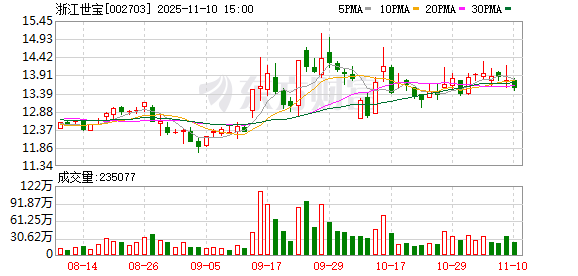
浙江世宝:线控转向技术数个项目同步在开发,预计最早量产有望在2026年下半年实现
Mei Ri Jing Ji Xin Wen· 2025-11-10 13:05
Group 1 - The company has received recognition for its steer-by-wire technology from multiple automotive manufacturers, indicating strong interest and potential partnerships [2] - Several projects related to the steer-by-wire technology are currently in development, showcasing the company's active engagement in this innovative area [2] - The earliest expected mass production of the steer-by-wire technology is projected for the second half of 2026, aligning with the company's strategic timeline [2]

耐世特涨超8% 股价创逾3年半新高 机构看好其迎来收入持续增长
Zhi Tong Cai Jing· 2025-09-29 07:21
Group 1 - Nextracker (01316) shares rose over 8%, reaching a high of 8.79 HKD, the highest since January 2022, with a trading volume of 185 million HKD [1] - Tesla CEO Elon Musk announced the detailed rollout plan for the highly anticipated FSD V14 version, with the first version deployment expected next week, followed by V14.1 and V14.2 in a staggered update approach [1] - Huayuan Securities believes that if the FSD V14 performs better than expected, it could further drive technological changes in the autonomous driving industry and promote Tesla's Robotaxi business [1] Group 2 - Guozheng International stated that Nextracker is a global leader in steering systems and a rare player in the autonomous driving supply chain related to Tesla [1] - Industrial Securities highlighted that the company has over a century of focus on automotive steering systems, with strong R&D and innovation capabilities, and a deep accumulation of experience and technology [1] - The company's core products align with major trends in the automotive industry, with sufficient reserves in steer-by-wire technology, leading the industry and expected to benefit from the ongoing transformation in the automotive sector [1]
港股异动 | 耐世特(01316)涨超8% 股价创逾3年半新高 机构看好其迎来收入持续增长
智通财经网· 2025-09-29 07:16
Group 1 - The stock of Nextracker (耐世特) rose over 8%, reaching a new high of 8.79 HKD since January 2022, with a trading volume of 185 million HKD [1] - Tesla's CEO Elon Musk announced the detailed rollout plan for the highly anticipated FSD V14 version, with the first deployment expected next week, followed by V14.1 and V14.2 [1] - Huayuan Securities believes that if the FSD V14 performs better than expected, it could further drive technological changes in the autonomous driving industry and enhance Tesla's Robotaxi business [1] Group 2 - Guozheng International stated that Nextracker is a leading player in global steering systems and a rare asset in the autonomous driving supply chain related to Tesla [1] - Industrial Securities highlighted that Nextracker has over a century of focus on automotive steering systems, with strong R&D and innovation capabilities, and is well-positioned to benefit from the automotive industry's transformation [1] - The company is expected to see continuous revenue growth and recovery in profitability due to new orders, new customer projects, and effective cost control measures [1]

解码“奔驰标准”:造好开好坐满足中国用户需求的豪华好车
Qi Lu Wan Bao· 2025-08-08 10:05
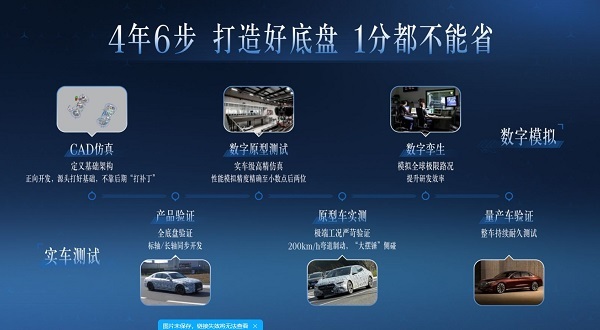
Core Viewpoint - Mercedes-Benz emphasizes its commitment to luxury and quality through meticulous engineering and local adaptation in China, celebrating 20 years of research and production in the country [29][35]. Group 1: Chassis Development - The chassis tuning is described as an art, with Mercedes-Benz focusing on the dynamic performance of vehicles beyond basic functionality [3]. - Over 1,000 performance indicators are transformed into 130 quantifiable KPIs, capturing real-time data on vibrations, angles, and pressure to establish a "golden standard" for driving dynamics [4]. - The chassis development process follows six strict steps, including CAD, product validation, and digital twin testing, taking four years to perfect the system [7]. Group 2: Seat Design and Comfort - The development cycle for a seat can take up to 1,460 days, with over 1,000 precision parts and more than 2,000 specialized tests and simulations [17]. - Mercedes-Benz rejects generic solutions, opting for custom seat frameworks tailored to each model, ensuring perfect integration with vehicle space and safety [19]. - The seats feature comprehensive temperature control and ventilation, with heating pads covering significant areas and advanced fan systems for optimal comfort [22][23]. Group 3: Technological Innovations - The latest steering technology allows for enhanced maneuverability, with a turning radius comparable to compact cars, and has undergone extensive testing over 200,000 kilometers [13]. - The "golden butt" engineers can discern minute differences in damping, ensuring a refined driving experience through tactile calibration [10][12]. Group 4: Manufacturing Excellence - Beijing Benz has become one of the largest manufacturing bases globally, producing over 5 million vehicles and 13 models, including the newly added electric CLA [29]. - The manufacturing process incorporates 100% automated assembly with a precision of 0.1 millimeters, achieving a qualification rate of over 99% for assembly [31]. Group 5: Local Adaptation and Global Standards - The "Mercedes-Benz standard" integrates global expertise with local needs, showcasing a commitment to adapting standards to meet consumer expectations in China [33]. - The company aims to redefine luxury by focusing on the driving and seating experience, ensuring that every detail meets high standards of quality and comfort [35].
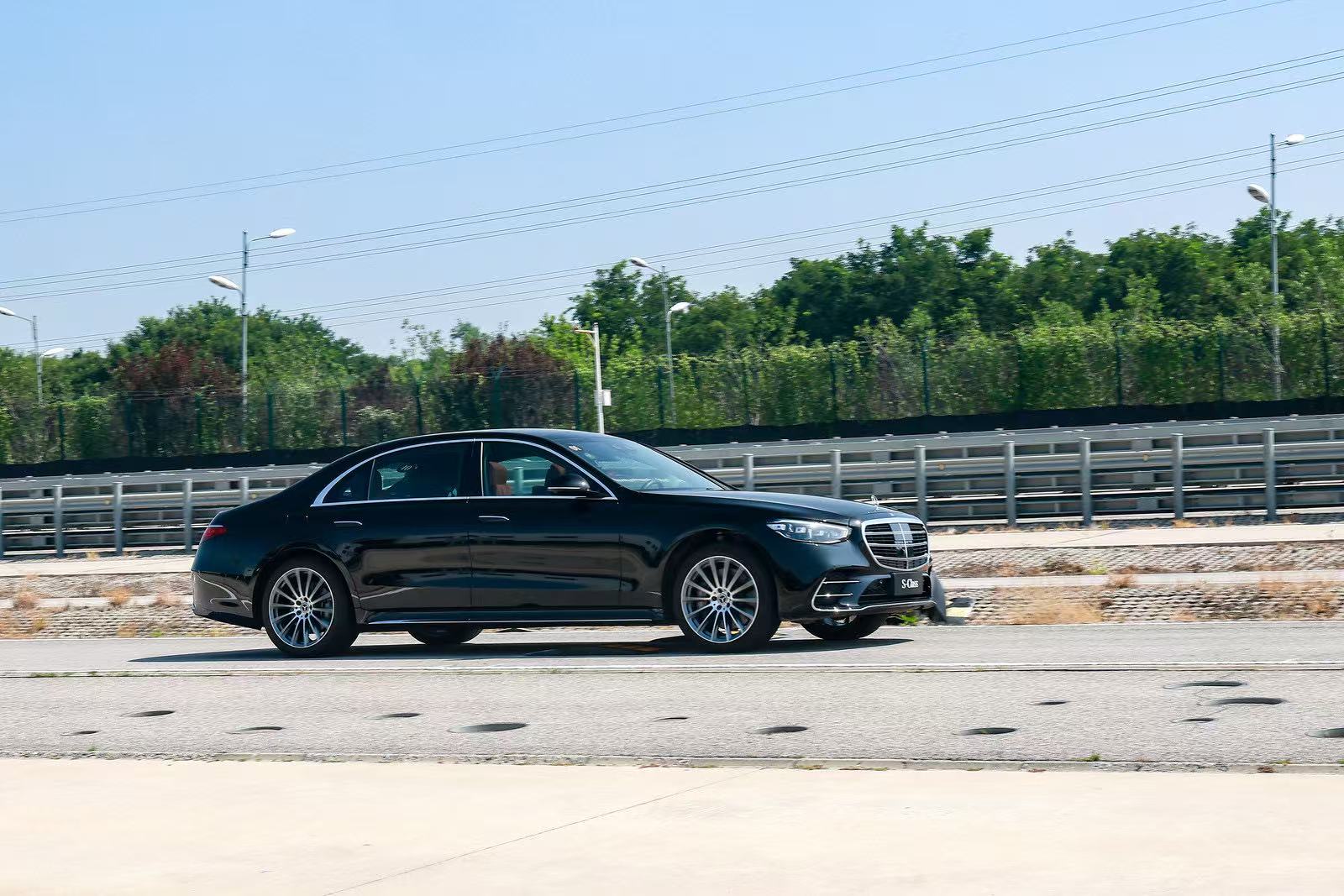
“全球标准+中国配方”,揭秘奔驰如何打造“好开、好坐”的豪华好车
Zhong Guo Jing Ji Wang· 2025-08-07 10:53
Core Insights - The definition of a "good car" is evolving with the automotive industry's shift towards intelligence and electrification, yet the core demands of users for luxury vehicles remain "good driving" and "good seating" [1] - Mercedes-Benz is leveraging its 139 years of technological heritage and 20 years of research and production in China to create luxury vehicles that meet both global standards and local needs [1] Group 1: Chassis Development - Mercedes-Benz has developed a comprehensive chassis engineering system based on over a century of research and a deep understanding of global user needs, quantifying "good driving" into over 1,000 component indicators and 130 objective KPIs [3] - The "Mercedes-Benz Driving Golden Standard" encompasses five dimensions: ride comfort, safety, control, sportiness, and precision, ensuring every production vehicle meets high standards [3] - The company has created over 10 suspension configurations to cater to diverse driving scenarios, utilizing an agile control system that adapts damping for optimal performance [5] Group 2: Advanced Technologies - The E-ACTIVEBODYCONTROL system scans the road 1,000 times per second to adjust the vehicle's posture, enhancing driving comfort and safety [7] - Rigorous testing processes include CAD development, digital twin simulations, and real-world testing across extreme temperatures and conditions, validating the durability of the chassis [7] Group 3: Seating Comfort and Safety - Mercedes-Benz emphasizes the importance of seat comfort, with a development cycle of 1,460 days and over 6,000 control standards to create the perfect seat [10] - Each model features a unique seat frame designed to meet stringent safety standards, with advanced heating and ventilation systems ensuring comfort [12] - The seats undergo over 200 tests to ensure safety and durability, including crash tests and extensive wear simulations [15] Group 4: Commitment to the Chinese Market - Mercedes-Benz is celebrating 20 years of research and production in China, with a focus on local innovation that feeds back into global operations [16] - The company has established a robust R&D network in China, with significant advancements in electric mobility and intelligent connectivity [16] - Beijing Benz has become one of the largest and most advanced manufacturing bases for Mercedes-Benz globally, producing over 5 million vehicles [16][17]
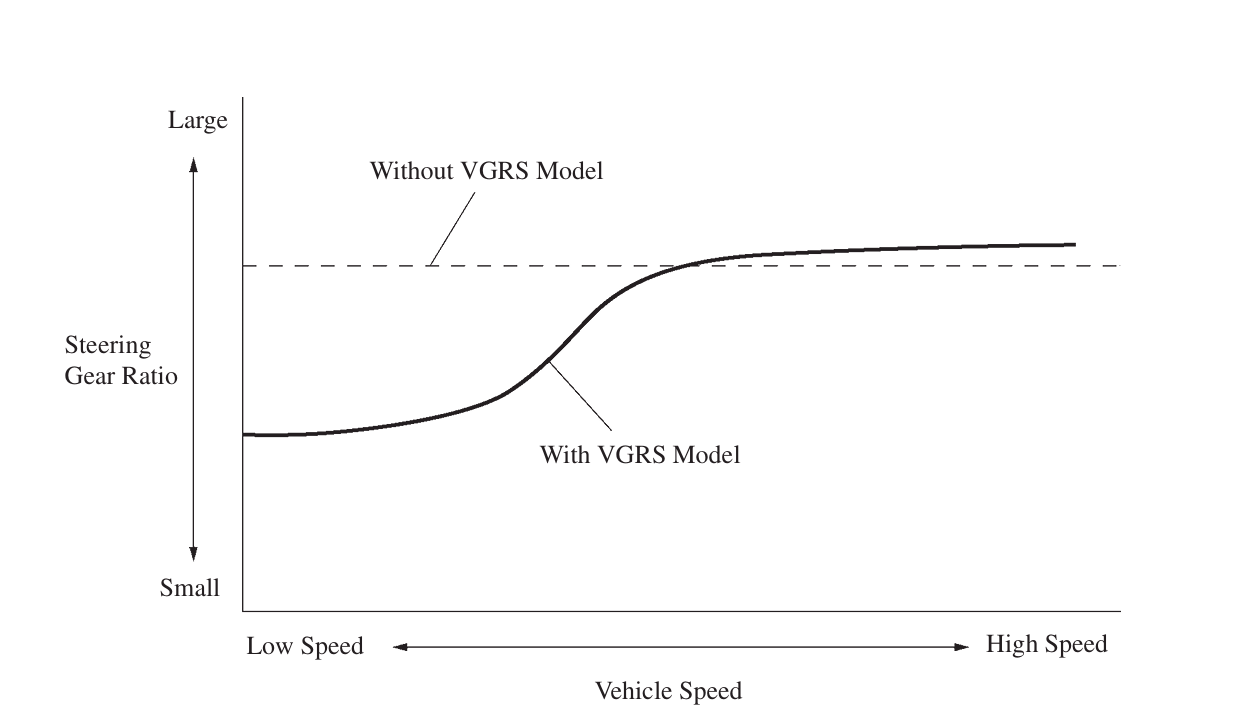
什么是可变速比转向?
Zhong Guo Zhi Liang Xin Wen Wang· 2025-07-11 06:52
Group 1 - The article discusses the complexity of automotive chassis technology, focusing on the variable gear ratio steering (VGRS) system as a specific configuration within the chassis system [1] - VGRS allows for dynamic adjustment of the steering ratio based on vehicle speed and steering angle, optimizing driving experience for both low-speed maneuverability and high-speed stability [6][13] - Traditional fixed gear ratio steering systems (CGR) can lead to challenges in handling at different speeds, necessitating the development of VGRS to address these issues [4][6] Group 2 - VGRS can be implemented through mechanical adjustments to the gear shape or through electronic means, such as steer-by-wire technology [8] - Mechanically, VGRS adjusts the density of the steering rack teeth to change the steering ratio, but it lacks the ability to adapt to vehicle speed [9] - An example of an advanced VGRS structure includes a harmonic drive reducer that allows for steering ratio adjustments based on vehicle speed and stability control [11][13]
浙江世宝(002703) - 002703浙江世宝投资者关系管理信息20250608
2025-06-08 10:36
Group 1: Revenue Growth and Performance - The company's revenue growth in 2024 and Q1 2025 is primarily driven by product structure optimization and increased value per vehicle [1] - Profit growth is attributed to effective cost control, leading to a decrease in expense ratio relative to revenue [2] - The company maintains a strong outlook for sustainable growth, focusing on smart and electric technology routes [2] Group 2: Production and Technology Development - The company has solid technical reserves in steer-by-wire technology and is progressing with several mainstream automakers, with some projects expected to be mass-produced by 2026 [2] - The steering industry is undergoing a competitive restructuring due to the acceleration of vehicle electrification and intelligence [2] - The company plans to enhance R&D investment to strengthen its position in the smart steering sector [2] Group 3: Market Expansion and Client Base - The company is actively expanding its international market presence and is in the process of qualification certification with several well-known international automakers [2] - Major clients in the passenger vehicle sector include traditional automakers like Chery and Geely, as well as new players like NIO and Li Auto [3] - The company is optimistic about revenue growth in 2025, driven by increasing penetration of new energy vehicles and demand for intelligent steering systems [3] Group 4: Future Product Launches and Collaborations - New production capacity in 2025 will focus on electric steering columns and R-EPS [3] - The company is engaged in technical exchanges for steering technology with various clients in the unmanned logistics vehicle sector [3] - The company has developed technology reserves in rear-wheel steering, with projects expected to be mass-produced by 2026 [3]