
京津冀协同发展

Search documents
天津航空以四载深耕服务国家战略 赋能出行新体验
Zhong Guo Min Hang Wang· 2025-12-11 06:10
Core Viewpoint - Tianjin Airlines, under the New HNA Group, has achieved significant growth and development in its aviation network, service quality, and product offerings over the past four years, aligning with national strategies and enhancing regional connectivity [1][2][8]. Group 1: Network Expansion and Optimization - Tianjin Airlines has expanded its route network to a total of 649 domestic and international routes, serving 185 destinations, with 497 new routes and 79 new destinations opened [3]. - The airline has implemented a strategy to enhance regional connectivity by launching 348 branch routes since 2022, including 72 "branch-to-branch" routes, and establishing overnight bases in nine locations [2][3]. Group 2: Service and Product Innovation - The airline has upgraded its service offerings, expanding its "Sea and Sky Unlimited" interline product from 41 to 112 starting airports and from 11 to 34 hub airports, facilitating seamless travel for passengers [4]. - New targeted products have been introduced, such as discounts for youth, seniors, and group bookings, as well as services catering to pet travel and special assistance for elderly and youth travelers [5]. Group 3: Operational Performance and Efficiency - Since joining the Liaoning Fangda Group, Tianjin Airlines has executed 405,200 flights and transported over 43.9 million passengers, with a seat occupancy rate increasing by 15.18 percentage points to 84.28% [6]. - The airline has developed an automated revenue management system that includes 83 automatic adjustment rules and 10 pricing tasks, enhancing operational efficiency and revenue maximization [7]. Group 4: Future Outlook and Strategic Goals - Looking ahead, Tianjin Airlines aims to deepen its service to the "Belt and Road" initiative and other national strategies, focusing on optimizing fleet and route structures to enhance passenger experience and expand its market presence [8].
步调一致绘蓝图 因地制宜启新篇——多省份“十五五”规划建议观察
Shang Hai Zheng Quan Bao· 2025-12-10 17:57
◎新华社北京12月10日电 党的二十届四中全会审议通过的《中共中央关于制定国民经济和社会发展第十五个五年规划的建议》, 为"十五五"时期我国经济社会发展擘画了宏伟蓝图。 截至12月上旬,围绕《建议》提出的主要目标和战略任务,先后已有20余个省份审议通过了地方"十五 五"规划建议,其中大多省份对外公布了地方"十五五"规划建议。 新的历史征程即将开启。在以习近平同志为核心的党中央坚强领导下,各省份深入贯彻落实党的二十届 四中全会精神,更好发挥国家发展规划的战略导向作用,紧密结合自身发展实际,作出新一轮战略部 署,为"十五五"乃至未来更长时期高质量发展打下坚实基础、开创崭新局面。 锚定长远目标,凝心聚力谋篇未来发展 11月14日,浙江杭州,《中共浙江省委关于制定浙江省国民经济和社会发展第十五个五年规划的建议》 审议通过。 作为最早一批出台的地方"十五五"规划建议,这份文件提出"到2030年,我省经济实力、科技实力、综 合竞争力大幅跃升,人均地区生产总值接近发达经济体水平",经济大省浙江在谋划未来五年发展上迈 出关键一步。 在国家发展大局中找准定位,在新起点新征程担当作为。 广东提出"'百县千镇万村高质量发展工程'取 ...
城商行三十年|承德银行:从城市信用社到区域支柱的跨越之路
Jin Rong Jie· 2025-12-10 08:40
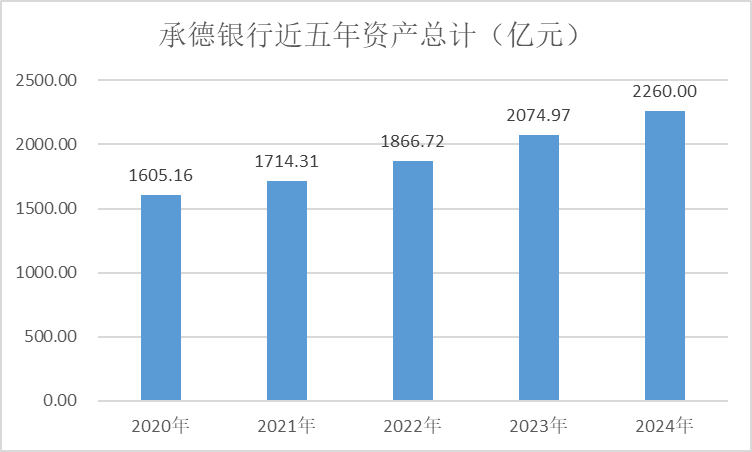
Core Viewpoint - The article highlights the transformation of Chengde Bank from a local credit union to a significant regional financial institution over the past 30 years, emphasizing its role as a pillar of the local economy and its adaptation to market changes [1]. Group 1: Historical Development - Chengde Bank originated from the Chengde City Urban Credit Cooperative, established to meet the financing needs of local small and medium-sized enterprises [2]. - In 2001, the cooperative faced bankruptcy but was restructured with government support, leading to its official opening as a city credit cooperative in 2002 [2]. - The bank underwent significant reforms, including a name change to Chengde City Commercial Bank in 2006 and to Chengde Bank in 2009, achieving regional operations and ranking second in national competitiveness among city commercial banks by 2010 [3]. Group 2: Management Transition - In October 2024, the long-serving president Zhang Lei retired, and a smooth transition of leadership occurred with Wang Yong becoming the new chairman and Zhang Jianjun the new president, both of whom have extensive experience within the bank [3]. Group 3: Shareholding Structure - Chengde Bank has a relatively dispersed shareholding structure, with the largest shareholder being the Chengde Municipal Finance Bureau, holding 8.84% of the shares [4]. Group 4: Regional Opportunities - National policies have been introduced to support small and medium-sized banks in focusing on local operations and serving the real economy, aligning with Chengde Bank's market positioning [5]. - The bank has launched green credit and ecological compensation financial products in response to national policies, capitalizing on its unique regional advantages [5]. Group 5: Economic Development and Financial Demand - Chengde City has implemented policies to promote economic transformation, focusing on industries such as cultural tourism and clean energy, which has created numerous financing opportunities for Chengde Bank [6]. - The city's strategic location and ecological advantages have led to significant tourism and clean energy developments, further diversifying the bank's financial service offerings [6][7]. Group 6: Performance Metrics - As of the end of 2024, Chengde Bank's total assets reached 2260 billion, marking an 8.92% increase from the previous year, with deposits and loans also showing significant growth [9]. - The bank's net profit exceeded 15 billion in both 2023 and 2024, although interest income faced pressure due to lower loan rates [11]. - The bank maintained a non-performing loan ratio of 1.71% as of the end of 2024, with a noted increase in loan concentration among a few clients, particularly in the real estate sector [11]. Group 7: Future Outlook - Chengde Bank's development is closely tied to the prosperity of the regional economy and the improvement of public welfare, with expectations for continued growth and enhanced service quality [12].

科技新城孕育生物医药“新势力”
Xin Hua She· 2025-12-10 05:23
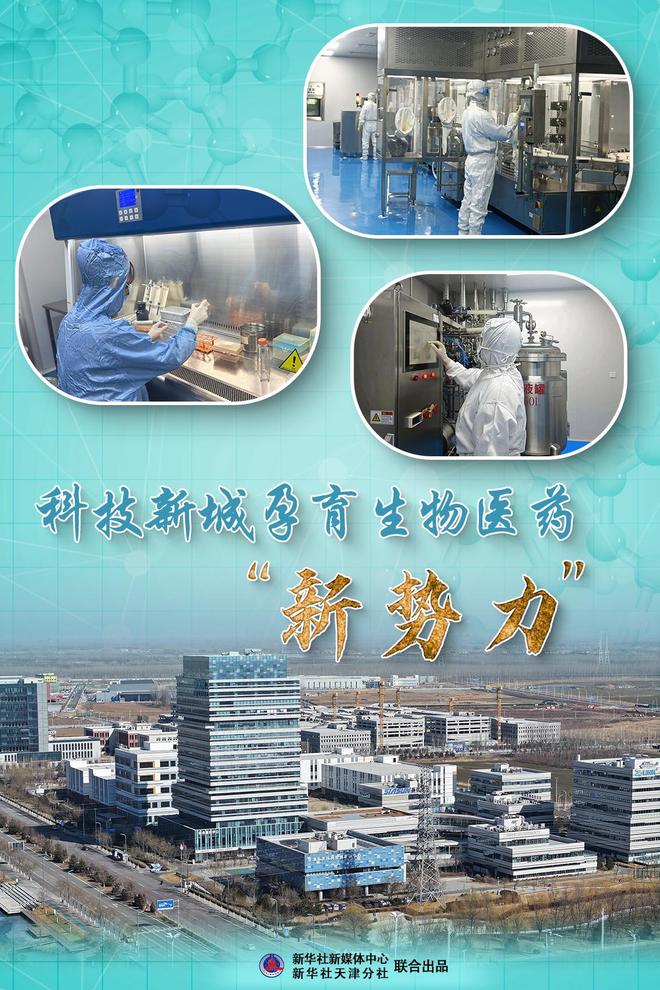
Group 1 - The core product of Zhongke Baike (Tianjin) Biopharmaceutical Co., Ltd. is a recombinant cat interferon, which is a new type of veterinary drug that will soon enter the market, filling a gap in domestic veterinary medicine in China [3] - The company has expanded its research and quality inspection center from 200 square meters to 2000 square meters after relocating to the Tianjin Zhongguancun Science and Technology City, and has established two core technology platforms for recombinant protein drug research and vaccine industrialization [4] - Since the relocation, the company has obtained over 20 patents and is accelerating the launch of various pet medications, entering a "fast track" of development [4] Group 2 - The Yunfei Pharmaceutical R&D and production base project is under construction and is expected to be completed and operational by October 2026, featuring laboratories for chemical drug organic synthesis and drug analysis [6] - The chairman of Yunfei Biopharmaceutical (Tianjin) Co., Ltd. expressed confidence in achieving an annual output value of 500 million yuan within three years after production begins [6] - The Tianjin Baodi District is focusing on enhancing the "class Zhongguancun" ecosystem to mature the "Beijing-Tianjin R&D, regional transformation" model, thereby increasing the technological content and development potential of the biopharmaceutical industry [6]
投身一出大戏,天津“十五五”唱好京津“双城记”
Zhong Guo Xin Wen Wang· 2025-12-09 13:52
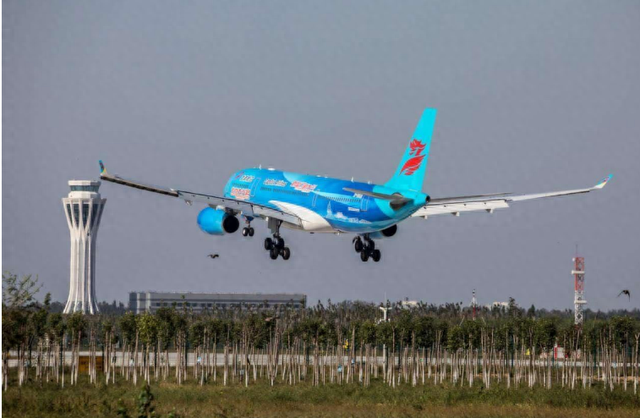
Core Perspective - The article discusses the transformation of Tianjin's role in the Beijing-Tianjin-Hebei (Jing-Jin-Ji) coordinated development strategy, shifting from a "defensive" role of merely absorbing functions from Beijing to a "proactive" role of mutual empowerment and deep integration with Beijing [1][2]. Group 1: Strategic Shift - Tianjin's new approach combines "deep integration" and "active introduction" to enhance its regional value and attract resources, aiming to create a positive cycle of development [2][6]. - The focus has shifted from merely relieving Beijing's non-capital functions to establishing a collaborative model where Beijing's innovation capabilities complement Tianjin's manufacturing and cost advantages [2][3]. Group 2: Practical Implementation - The concept of "dual-directional empowerment" is being realized through practical initiatives, such as the successful transformation of research outcomes from Beijing into production in Tianjin [3][4]. - Notable examples include the establishment of AI application centers and agricultural technology implementations in Tianjin, showcasing the effective collaboration between the two cities [2][3]. Group 3: Transportation Integration - Transportation improvements are a key aspect of the integration, with new rail and air connections significantly reducing travel time between Beijing and Tianjin, facilitating closer economic ties [5][6]. - The development of a comprehensive transportation network is expected to enhance the efficiency of cross-province travel, contributing to the overall connectivity of the Jing-Jin-Ji region [5]. Group 4: Collaborative Innovation - Tianjin is actively engaging in high-level collaborations with national research institutions and universities to build advanced research platforms, enhancing its innovation capacity [6]. - The city aims to establish a world-class advanced manufacturing cluster by deepening industrial cooperation with Beijing and Hebei, focusing on key industries such as high-end equipment and cybersecurity [6].
京津冀实现413项计量技术规范互通共享
仪器信息网· 2025-12-09 09:08
Group 1 - The core viewpoint of the article highlights the collaborative efforts of Beijing, Tianjin, and Hebei's market regulatory departments in establishing seven joint measurement technical standards, addressing key areas such as air pollution prevention and water quality monitoring [2] - The newly released measurement technical standards include the pioneering "Calibration Specification for Volatile Organic Compounds Photoionization Online Monitoring Instruments," which introduces humidity interference error indicators and aims to control measurement errors within ±5% of full scale [2] - The article emphasizes the importance of these standards in filling the performance evaluation standard gap for monitoring instruments in China, ensuring accurate and unified measurement values, and guiding manufacturers to enhance product quality for better environmental protection [2] Group 2 - In the field of water environment governance, the "Automatic Water Quality Intelligent Analysis Instrument Calibration Specification" addresses the issue of manufacturers relying on internal testing methods, which lack a unified standard for effective traceability to national benchmarks [3] - The specification establishes scientific measurement performance indicators, ensuring that the error for spectrophotometric instruments does not exceed ±5% and for volumetric instruments does not exceed ±3%, with repeatability not greater than 3%, thereby strengthening the reliability of detection data [3] - The three regions will continue to improve the regional measurement collaboration system, leveraging measurement support for technological innovation and promoting industrial development, thus integrating measurement work into the broader context of coordinated development in the Beijing-Tianjin-Hebei area [3]

加入方大四载,党建筑基,首都航空擘画高质量发展新蓝图
Bei Jing Ri Bao Ke Hu Duan· 2025-12-09 03:29
Core Viewpoint - Capital Airlines has achieved significant milestones in safety, operational efficiency, and service quality since joining the Liaoning Fangda Group four years ago, marking its commitment to the aviation industry and its responsibilities as a capital-based airline [1]. Group 1: Safety and Operational Performance - Capital Airlines has completed over 295 million flight hours since its establishment, with a steady improvement in safety performance, successfully passing both the Civil Aviation Administration of China (CAAC) safety management system audit and the International Air Transport Association (IATA) Operational Safety Audit (IOSA) [1]. - The airline has implemented a daily safety risk analysis meeting to identify and mitigate operational risks, achieving over 20,000 flights and 55,000 flight hours during the summer peak season of 2025 without any major safety incidents [5]. Group 2: Talent Development and Team Building - The company has focused on enhancing its talent development and team-building systems, with 75.8% of training resources allocated to frontline positions in 2025, fostering a skilled workforce [3]. - Capital Airlines has introduced innovative training methods and project-based learning to engage employees in significant projects, addressing their needs during peak travel seasons [3]. Group 3: Strategic Development and Route Expansion - The airline has aligned its route network with national development strategies, contributing to regional economic growth by connecting key cities and supporting initiatives like the Hainan Free Trade Port [8][9]. - Capital Airlines operates 20 routes from Daxing Airport, serving 21 cities and transporting 2 million passengers annually, with plans to expand its international routes in line with the Belt and Road Initiative [8][9]. Group 4: Social Responsibility and Community Engagement - The airline has demonstrated its commitment to social responsibility through initiatives like the "Hand in Hand with Yushu" project, which supports education and healthcare in the Yushu region, showcasing its role as a vital link between the capital and remote areas [11]. - Capital Airlines has engaged in various collaborations with local enterprises to enhance service offerings and promote cultural exchange, reflecting its dedication to community support [13]. Group 5: Future Outlook - The company aims to continue its growth trajectory by aligning its development plans with Beijing's strategic objectives, focusing on building a global route network centered around Beijing's dual hubs [14].
省级“十五五”规划建议密集出炉,天津有何“与众不同”?
Zhong Guo Xin Wen Wang· 2025-12-08 12:11
Core Viewpoint - The article discusses Tianjin's unique approach in its "14th Five-Year Plan" as it aims to establish itself as a modern socialist metropolis while focusing on specific industrial layouts and open measures to find its unique positioning in the new round of regional competition [1] Group 1: Regional Collaboration - Tianjin's "15th Five-Year Plan" emphasizes the strategic importance of the Beijing-Tianjin-Hebei collaborative development, aiming for deep functional integration rather than passive acceptance [2] - The plan includes specific platforms for innovation and collaboration, such as the Tianjin Binhai-Zhongguancun Science Park and the Tianjin-Jingjin Cooperation Demonstration Zone, promoting a shared benefits and collaborative growth model [2] Group 2: Advanced Manufacturing - The plan outlines a "6+6" strategy for advanced manufacturing, identifying six pillar industries: information technology, biomedicine, new energy, new materials, aerospace, and circular economy [3] - Additionally, it targets six new growth points in future industries, including biomanufacturing and hydrogen energy, reflecting Tianjin's ambition to transition from traditional heavy industries to a modern, high-tech industrial system [3] Group 3: Financial Innovation - Tianjin aims to differentiate itself in financial reforms by establishing itself as a national hub for commercial factoring and a center for aircraft and ship leasing [4] - The plan highlights the integration of finance with the entire industrial chain, promoting a collaborative approach to financial services [5] Group 4: Port Development - The port's role in Tianjin's strategy is evolving from merely a throughput focus to enhancing its capabilities and intelligence, aiming to become a world-class smart green hub port [6] - The plan emphasizes the integration of port, logistics, trade, and industry, positioning Tianjin as a strategic node in domestic and international circulation [6] Group 5: Green Development - Tianjin is tasked with a national mission to develop a resource recycling platform and promote green low-carbon circular development [7] - The plan aims to establish a circular economy industrial cluster and a "waste-free city," positioning Tianjin as a leader in resource recycling and green development in northern China [7] Group 6: Overall Strategy - The "15th Five-Year Plan" represents not just growth in metrics but a redefinition of Tianjin's development approach, focusing on practical and distinctive strategies to meet future challenges [8] - The plan is seen as a critical period for Tianjin to establish itself as a modern socialist metropolis and contribute to China's modernization narrative [8]
冰雪赛道,为塞北山城高质量发展打开想象空间
Xin Jing Bao· 2025-12-08 05:05
Core Viewpoint - The development of ice and snow sports in Zhangjiakou, Hebei, is transforming from elite-focused activities to a more inclusive model that encourages public participation, significantly boosting local economy and tourism [3][4][12]. Group 1: Ice and Snow Sports Participation - Zhangjiakou has implemented innovative measures to lower the barriers for public participation in ice and snow sports, making these activities accessible to the general population [3]. - The city has promoted ice and snow sports through initiatives that integrate these activities into schools, enterprises, and government institutions, resulting in over 7 million participants in ice and snow sports [3][4]. - The region has hosted over 100 community events and various cultural activities, enhancing the experience for visitors and locals alike [3][4]. Group 2: Economic Impact of Ice and Snow Industry - The ice and snow industry in China is projected to exceed 1 trillion yuan (approximately 100.53 billion) this year, becoming a significant driver of regional economic development [6][7]. - In Hebei, the ice and snow economy is crucial, with the province leading the nation in the number of ski resorts (84) and indoor ice rinks (98) [7]. - Zhangjiakou has signed 145 ice and snow industry projects, attracting investments totaling 614.82 billion yuan (approximately 61.48 billion) [8]. Group 3: Tourism and Employment - The booming ice and snow tourism has created numerous job opportunities, with approximately 30,000 people in the Chongli District engaged in the ice and snow industry and tourism services [9]. - The region has been recognized as one of the top ten ice and snow tourism cities for two consecutive years, highlighting its growing popularity [9]. - The opening of direct transportation routes has made Chongli a favored destination for tourists from the Beijing-Tianjin-Hebei area, with 5.235 million visitors expected during the 2024-2025 snow season [12][13]. Group 4: Regional Development and Collaboration - Ice and snow activities are becoming a new approach to promote regional collaboration within the Beijing-Tianjin-Hebei area, creating a resource-sharing ecosystem [12][14]. - The integration of ice and snow sports with local tourism and related industries has led to a significant economic boost, demonstrating the potential for collaborative growth [12][14]. - The synergy between Beijing's event resources and Hebei's venue capabilities is fostering a new trend of "traveling with events," enhancing regional consumption [13][14].

前三季度京津冀实现地区生产总值8.7万亿元
Zhong Guo Xin Wen Wang· 2025-12-05 07:55
前三季度京津冀实现地区生产总值8.7万亿元 京津冀协同创新和产业协作深入推进。前三季度,雄安新区中关村科技园新增入驻企业84家;北京流向 津冀技术合同成交额522.7亿元,增长7.8%;京津冀国家技术创新中心天津中心实现实体化运行,在津 布局技术创新平台13家。 京津冀区域间互联互通更加便捷。前三季度,三地通过铁路发送至其他两省市的旅客量达1.2亿人次, 增长6.8%。三地居民持社会保障"一卡通"可享交通线路超3900条"一卡通乘"、193家景区"一卡通游"。 北京轨道交通22号线(平谷线)作为首条跨省域城市轨道交通线路,河北段车站主体结构完成80%。(完) 来源:中国新闻网 编辑:付健青 中新社北京12月5日电 (记者 陈杭)北京市统计局5日发布的数据显示,今年前三季度,京津冀实现地区 生产总值8.7万亿元(人民币,下同),按不变价格计算,同比(下同)增长5.4%。 京津冀生产领域增势较好,高端产业表现活跃。前三季度,三地高技术产品产量快速增加,北京锂离子 电池、新能源汽车产量成倍增长,天津、河北工业机器人产量分别增长27.9%和44.0%。 京津冀扩内需政策落地显效,需求领域继续恢复。前三季度,三地以旧换 ...