
价值投资

Search documents
投资人眼中的「伟大生意」
投资界· 2025-12-25 08:29
以下文章来源于清科沙丘投研院 ,作者丁宝玉 清科沙丘投研院 . 沙丘投研院——中国投资界的黄埔军校,致力于培育新一代杰出企投家,塑造创投高端人才。我们不仅 分享体系化理论,积极实战,更构筑起"永不毕业"的创投社群,汇聚校友力量,在深度链接与互动中激 发合作,在持续共创与联投中携手向上,一同斩获更大成就。 不同行业,各有其独树一帜的发展脉络与特点。针对该行业的投资策略,也需要随之予以调整。企业 欲在商业世界的激烈角逐中脱颖而出,就必须具备独特的竞争优势,而投资的目标,则是找到这 些"别具一格"的企业。 在沙丘投研院黄埔15期课堂上, 同创伟业管理合伙人 丁宝玉导师 结合过往二十余年的投资经验成 果,分享道:一项投资的成功与否取决于三个关键因素—— 赛道、赛车、赛手 ,并强调 "制定投资 策略的前提,是学会思考底层逻辑" 。其中蕴藏的识人断事之道,往往也是指导经营与投资的关键心 法。 投资决策正确,结果也往往正确吗?什么才是投资人眼中伟大的生意?长期主义的 " 价值投资 " 究竟 要多长?怎样的创始人更容易获得资本青睐? …… 为回答这些问题,本文谨整理摘录 @同创伟业管 理合伙人、沙丘投研院导师 丁宝玉 课堂分 ...

高毅资产招聘计划
高毅资产管理· 2025-12-25 07:04
Core Viewpoint - The article emphasizes the recruitment of talented individuals for various positions within the company, highlighting the importance of expertise in investment research and human resources to support the firm's long-term investment goals and commitment to value investing [18]. Group 1: Recruitment Positions - The company is seeking an Industry Research Analyst focused on the electric power and new energy sectors, requiring at least 2 years of relevant experience and strong analytical skills [7][9]. - A Human Resources Intern position is also available, aimed at students graduating in 2026 or 2027, with responsibilities including organizing training activities and supporting corporate culture initiatives [11][13]. Group 2: Company Overview - Shanghai Gao Yi Asset Management is a private equity fund management company founded by experienced fund managers, focusing on public market investments and fundamental research [18]. - The company promotes a culture of deep analysis and forward-looking research, aiming to identify long-term value creation opportunities amid rapid global changes [18]. - Gao Yi Asset emphasizes professionalism across all business areas, including compliance, risk control, and client service, to enhance investment outcomes for clients [18].

罕见!苹果CEO库克破天荒买股:砸300万美元增持Nike!背后有何玄机?
Sou Hu Cai Jing· 2025-12-25 04:55
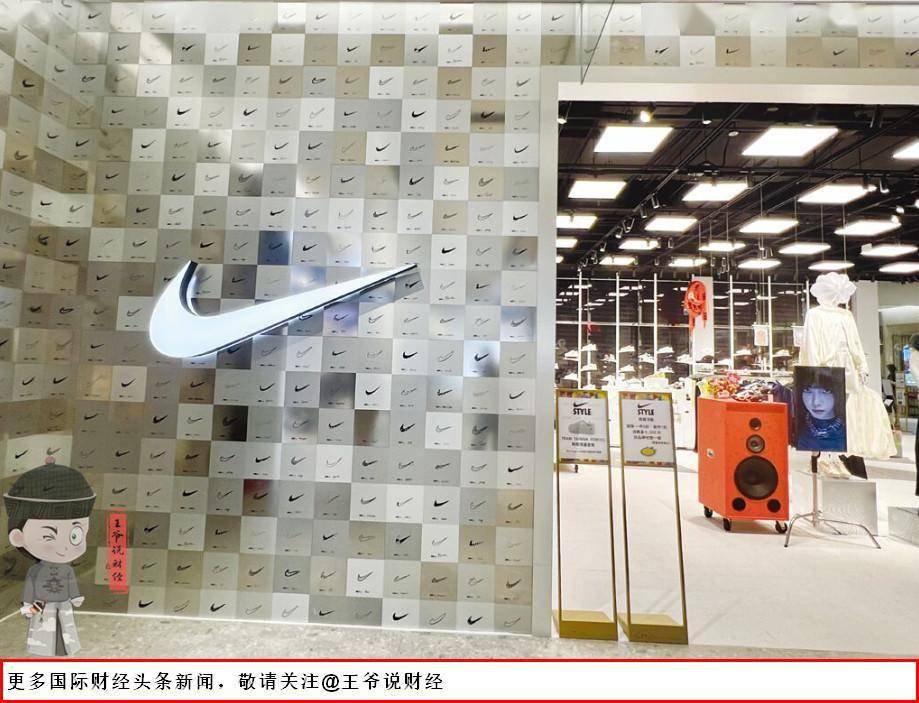
Core Viewpoint - Apple CEO Tim Cook's recent investment of nearly $3 million in Nike stock marks a significant deviation from his usual investment strategy, which has primarily focused on technology sectors, raising questions about potential deeper collaborations between Apple and Nike [1][3]. Group 1: Investment Details - Cook purchased 50,000 shares of Nike at a price of $58.97 per share, totaling approximately $2.95 million [3]. - This investment comes at a time when Nike's stock has faced pressure, dropping 13% following a disappointing earnings report, with a year-to-date decline of 22%, significantly underperforming the S&P 500 index [3][9]. Group 2: Reasons for Investment - The timing of Cook's investment aligns with a bullish outlook on consumer stocks, as highlighted by a recent Goldman Sachs report recommending investment in non-essential consumer sectors for 2026, predicting an improvement in the U.S. consumer environment [5]. - Apple and Nike have a history of collaboration, particularly in integrating technology with sports, which may suggest that Cook's investment is not merely financial but also a vote of confidence in their ongoing partnership [6][7]. - Nike's current valuation appears attractive, with projected revenues of $46.309 billion and net profits of $3.219 billion for 2025, indicating that despite recent performance issues, the company's fundamentals remain strong [9][10]. Group 3: Implications of the Investment - Cook's investment is likely to boost investor confidence in Nike, leveraging his influence as a prominent tech CEO [12]. - This move may signal a broader trend of collaboration between technology giants and consumer brands, potentially leading to deeper integrations in health and fitness technology within Apple's ecosystem [12][14]. - The investment reflects a strategic approach to value investing, akin to historical examples of buying quality companies at lower valuations during market downturns [10][14].


中欧价值派付倍佳:横跨A股+港股的多元价值践行者
Mei Ri Jing Ji Xin Wen· 2025-12-25 00:57
Core Viewpoint - The A-share and Hong Kong stock markets have shown diverse style characteristics since 2025, with growth sectors attracting significant attention due to policy catalysts and technological breakthroughs, while value investing faces scrutiny in the new market environment [1] Group 1: Market Trends - Growth investing has become the core focus for capital, leading to questions about the effectiveness of value investing in the current market [1] - Historical market evolution shows a cyclical rotation between growth and value investing, with value investing consistently facing challenges during growth phases [1] - Long-term data supports the effectiveness of value investing, with the annualized return of the CSI 800 Value Index at 6.79%, outperforming the CSI 800 Growth Index at 4.35% over the past decade [1] Group 2: Performance Metrics - The CSI 800 Value Index has a Sharpe ratio of 0.42 over the past decade, higher than the 0.27 of the CSI 800 Growth Index, indicating better risk-adjusted returns [2] - The average annualized volatility of the CSI 800 Value Index is 17.79%, lower than the 21.6% of the CSI 800 Growth Index, demonstrating stronger resilience [1][2] Group 3: Team Composition and Strategy - The China Europe Fund's value team, known as the "China Europe Value Team," has attracted experienced fund managers with diverse strategies, creating a distinctive investment approach [2][3] - The team consists of seven fund managers with an average of 13 years of experience, focusing on deep value, balanced value, and quality value strategies [2][3] - Fund manager Fu Beijia emphasizes a "multi-dimensional value, macro-driven" approach, integrating macro, meso, and micro perspectives in investment decisions [3] Group 4: Investment Philosophy - Fu Beijia's investment philosophy is rooted in the principles of value investing, focusing on "good assets, good prices, and long durations," while dynamically adjusting weights based on market conditions [7][8] - The investment strategy includes a barbell structure with high dividend assets on one end and innovative growth assets on the other, aiming to effectively diversify risk [8][9] Group 5: Performance in Hong Kong Market - The China Europe Hong Kong Stock Connect Fund, managed by Fu Beijia, has achieved a performance of 32.62% over the past six months, exceeding its benchmark by 23.59% [4] - Fu Beijia's deep understanding of the Hong Kong market's unique characteristics informs her investment strategy, focusing on macro risk avoidance and stringent stock selection [10][11] - The fund's portfolio includes a mix of high-quality assets, particularly in insurance and internet sectors, capitalizing on the valuation advantages present in the Hong Kong market [11][12]
【笔记20251224— “擅长撰写小作文,想象力丰富者优先”】
债券笔记· 2025-12-24 11:31
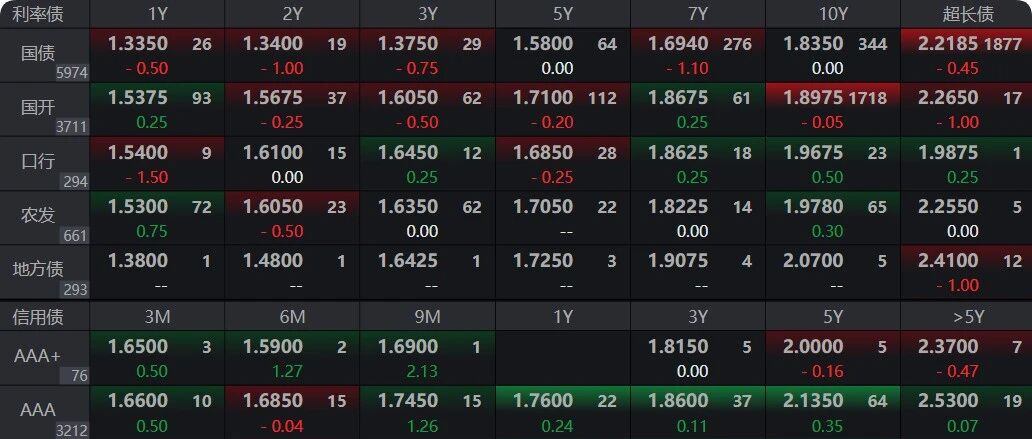
Group 1 - The article emphasizes the importance of a robust asset valuation system and stable liabilities for value investing, particularly in a declining market. Large institutional investors are better positioned to adopt a "buy the dip" strategy [1] - The central bank conducted a 260 billion yuan reverse repurchase operation, with a net withdrawal of 208 billion yuan, indicating a balanced and slightly loose liquidity environment [3][5] - The overnight market showed a slight increase in risk assets, with the 10-year government bond yield fluctuating around 1.835% after a brief rise [5][6] Group 2 - The article discusses the recent easing of real estate purchase restrictions in Beijing, which is more lenient than those in Shanghai, potentially leading to increased buyer activity in the market [6] - The liquidity rates for various repurchase agreements (R001 at 1.36%, R007 at 1.52%, R014 at 1.80%, and R1M at 1.69%) reflect a stable funding environment [4] - The sentiment in the bond market remains stable, with the 10-year government bond yield showing minor fluctuations, indicating a cautious but steady investment climate [5][8]
私募基金经理刘明达:在中国资本市场寻找“必然性”|我们的四分之一世纪
经济观察报· 2025-12-24 11:30
Core Viewpoint - The article reflects on the journey of Liu Mingda, a pioneer in China's private equity sector, highlighting his investment philosophy and adaptation to market changes over 25 years, emphasizing the shift from consumer stocks to hard technology investments in response to evolving economic conditions [4][5][12]. Group 1: Historical Context and Early Investments - In 1996, the Chinese stock market was characterized by rampant speculation and insider trading, yet Liu Mingda distinguished himself by investing in technology stocks based on a simple belief in their future potential [7][8]. - His early investment in Shenzhen Development Technology Co. yielded significant returns during a time when average salaries were only a few hundred yuan [8]. - In 2005, during a market downturn, Liu made a pivotal decision to establish one of the first trust-based securities investment products in China, marking a shift towards a more regulated investment approach [10][11]. Group 2: Investment Philosophy and Strategies - Liu's investment strategy evolved to focus on "blue-chip" and "oligopoly" companies, betting on the concentration of resources and profits among leading firms as the Chinese economy matured [14][15]. - He identified Kweichow Moutai as a cornerstone of his portfolio, arguing that its cultural significance and social currency would ensure its continued demand despite market skepticism [15][16]. - Liu's approach emphasized the importance of stable, cash-rich companies with clear competitive advantages, even as he faced criticism for missing opportunities in emerging tech sectors [15][16]. Group 3: Shift to Hard Technology - In the new decade, Liu's investment focus shifted towards hard technology, driven by the belief that national security and technological self-sufficiency are paramount in the current geopolitical climate [19][20]. - He began investing in hard tech projects, acknowledging the risks involved but also the necessity of adapting to the changing landscape of investment opportunities [21][22]. - Liu expressed concerns about traditional internet giants and their sustainability, predicting that companies failing to innovate in disruptive technologies could face significant challenges [22]. Group 4: Philanthropy and Personal Philosophy - Liu's involvement in environmental philanthropy through the Alashan SEE Ecological Association reflects his desire for sustainable and transparent charitable initiatives, paralleling his investment principles [25][26]. - He believes that true wealth is measured not by monetary accumulation but by the freedom it provides, emphasizing a balanced approach to life and investment [28][29]. - Liu's philanthropic efforts serve as a counterbalance to the competitive nature of the financial markets, allowing him to contemplate the deeper meaning of wealth [29]. Group 5: Future Outlook and Advice - Liu acknowledges the challenges facing the economy and the difficulty for ordinary individuals to generate wealth, yet he remains optimistic about China's market resilience and technological advancements [31][32]. - He advises young investors to adopt a long-term perspective, warning against the pitfalls of seeking quick profits in a competitive market environment [32].



2025大事件:巴菲特退休,他的投资理念给人留下什么启示?
Xin Lang Cai Jing· 2025-12-24 10:15
Core Insights - Warren Buffett's retirement marks the end of an era in investment, emphasizing the enduring value of his investment philosophy [3] - The article highlights the importance of maintaining composure and a long-term perspective in the face of market volatility, as demonstrated by Buffett's investment strategies [6][12] Group 1: Investment Philosophy - Buffett's approach to investing is rooted in the belief that market fluctuations should be viewed as opportunities rather than threats, advocating for a long-term investment horizon [6] - The principle of "ability circle" is emphasized, where investors should only engage in sectors they fully understand to mitigate unknown risks [12][13] Group 2: Fund Management and Performance - The article discusses the challenges faced by public fund managers who may chase short-term performance at the expense of value investing principles, leading to significant performance gaps [8] - The China Securities Regulatory Commission's new guidelines aim to promote long-term performance evaluation for public funds, enhancing the importance of fund ratings [8][9] - Top-performing fund companies, such as E Fund and ICBC Credit Suisse, demonstrate strong long-term performance, with several funds achieving annualized returns exceeding 15% and 20% [9][11] Group 3: Industry Trends and Future Outlook - The public fund industry in China has surpassed 35 trillion yuan, playing a crucial role in supporting the real economy and enhancing investor returns [15] - The shift towards prioritizing investor returns over mere scale is highlighted as a key trend in the ongoing reform of the public fund industry [15]

私募基金经理刘明达:在中国资本市场寻找“必然性”|我们的四分之一世纪
Jing Ji Guan Cha Wang· 2025-12-24 07:02
站在位于深圳福田区深科技城的新办公室窗前,刘明达望向窗外。那里有一条狭长的景观河,穿过繁华的都市腹 地,最终汇入茫茫大海。对于刘明达而言,这个景观不仅是风水上的"聚气",更像是一种隐喻:资本如水,流向 编者按: 2025 年,经济观察报以 " 我们的四分之一世纪 " 为年终特刊主题,旨在通过数十位时代亲历者的故事,共 绘一幅属于这段岁月的集体记忆图谱。 何处往往不由人的意志转移,唯有顺势而为,方能入海。 如果我们以二十五年为一个刻度,将时钟拨回至2000年,那是千禧年的曙光,也是中国资本市场草莽与希望并存 的混沌初开。那一年,互联网泡沫在大洋彼岸破裂,而中国正站在WTO的门口,蓄势待发。 刘明达,受访者供图 在这四分之一世纪的洪流中,有人在浪潮之巅高歌,旋即被"拍死"在沙滩上;有人在谷底绝望,却不知黎明将 至。作为中国阳光私募的第一批从业人员,刘明达是这漫长周期的亲历者。他穿越了A股市场的数轮牛熊,从最 初的"傻瓜组合"到如今重仓硬科技,他始终试图在巨大的不确定性中寻找那难以捕捉的"必然性"。 他不是聚光灯下最喧嚣的演说家,却是这个市场最长情的陪伴者之一。当我们试图通过一个人来管窥中国资产管 理行业的二十五年 ...

400万亿成交额映射A股投资价值
Xin Lang Cai Jing· 2025-12-24 04:48
炒股就看金麒麟分析师研报,权威,专业,及时,全面,助您挖掘潜力主题机会! 来源:资本密闻 400万亿元成交额和指数的慢牛走势是A股市场发展的新起点。 北京商报评论员丨周科竞 A股历史上首次年成交额超过400万亿元。2025年,A股市场实现了指数与成交额双增长,指数走出慢 牛,成交量创出历史新高,这是A股投资价值的重要体现,意味着越来越多的投资者认可买入并长期持 股的价值投资理念。 A股成交金额的突破是市场活跃度提升的直观体现。400万亿元的年成交额,意味着市场交易频繁,资 金流动活跃,众多投资者积极参与其中。无论是个人投资者还是机构投资者,都在这个市场中寻找着投 资机会。 活跃的市场氛围,为各类企业提供了更广阔的融资渠道,有助于企业获得资金支持,实现业务拓展和技 术创新,进而推动实体经济的发展。同时,交投高度活跃也吸引了更多国际投资者的目光,提升了A股 市场在全球资本市场的地位和影响力。 指数的慢牛走势则是市场健康发展的有力证明。与过去大起大落的行情不同,慢牛走势表明市场更加稳 定和成熟。指数的稳步上升,反映出上市公司的整体质量在不断提升,盈利能力在不断增强。在良好的 市场环境下,优质企业能够脱颖而出,获得投 ...

连续8日加仓!中证红利质量ETF(159209)获资金持续加码,“高质量红利”再获青睐
Sou Hu Cai Jing· 2025-12-24 02:53
Group 1 - The core viewpoint of the news is that the China Securities Dividend Quality ETF (159209) has seen a clear intention of capital accumulation at lower prices, with continuous net inflows for eight consecutive days as of the report time [1][3] Group 2 - The China Securities Dividend Quality ETF (159209) tracks the CSI All Share Dividend Quality Index, which selects 50 listed companies with stable dividends, high dividend yields, and good earnings sustainability, reflecting the overall performance of companies with strong dividend and profitability characteristics [3] - Unlike traditional high-dividend strategies, the current holdings of the ETF do not include bank stocks, focusing instead on a "dividend + quality" dual-factor screening mechanism to identify high-quality enterprises with both "low valuation" and "high quality" [3] - The product design features a fee structure of "0.15% + 0.05%", which is the lowest in the market, providing a significant cost advantage for long-term holders; it also employs a monthly assessment dividend mechanism to better meet investors' cash flow needs and enhance the holding experience [3]
