美元霸权

Search documents
美联储降息救市!8月11日,今日凌晨的五大消息已全面来袭
Sou Hu Cai Jing· 2025-08-11 19:42
Core Viewpoint - The ongoing financial turmoil, ignited by a fierce battle between the White House and the Federal Reserve over interest rate cuts, signals a potential decline in the dominance of the US dollar [3][5][8]. Group 1: Financial Market Reactions - Following President Trump's call for an immediate 300 basis point rate cut, market reactions were swift, with the probability of Powell's dismissal rising from 16% to 26% within hours, gold prices increasing by $20 per ounce, and the dollar index dropping by 25 points [3]. - The Federal Reserve's decision to maintain interest rates at 4.25%-4.5% was marked by a historic 9-2 vote, indicating significant internal divisions, the first dual dissent since 1993 [6]. - The Nasdaq index reached a historical high, contrasting with a nearly 1% decline in the Dow Jones, driven by strong performances from tech giants like Nvidia, which saw its market cap exceed $4.3 trillion [6]. Group 2: Central Bank Actions and Global Trends - In April, global central banks sold $36 billion in US Treasuries, while purchasing 280 tons of gold in the first half of the year, the highest in two decades, reflecting a significant loss of confidence in the dollar [8]. - The share of US dollar reserves held by global central banks fell from 72% to 58%, while the ASEAN's renminbi settlement rate surged to 38%, indicating a shift towards de-dollarization [8]. - The European Union and ASEAN are reportedly constructing a "de-dollar trade network," further shaking market confidence in the dollar's supremacy [8].

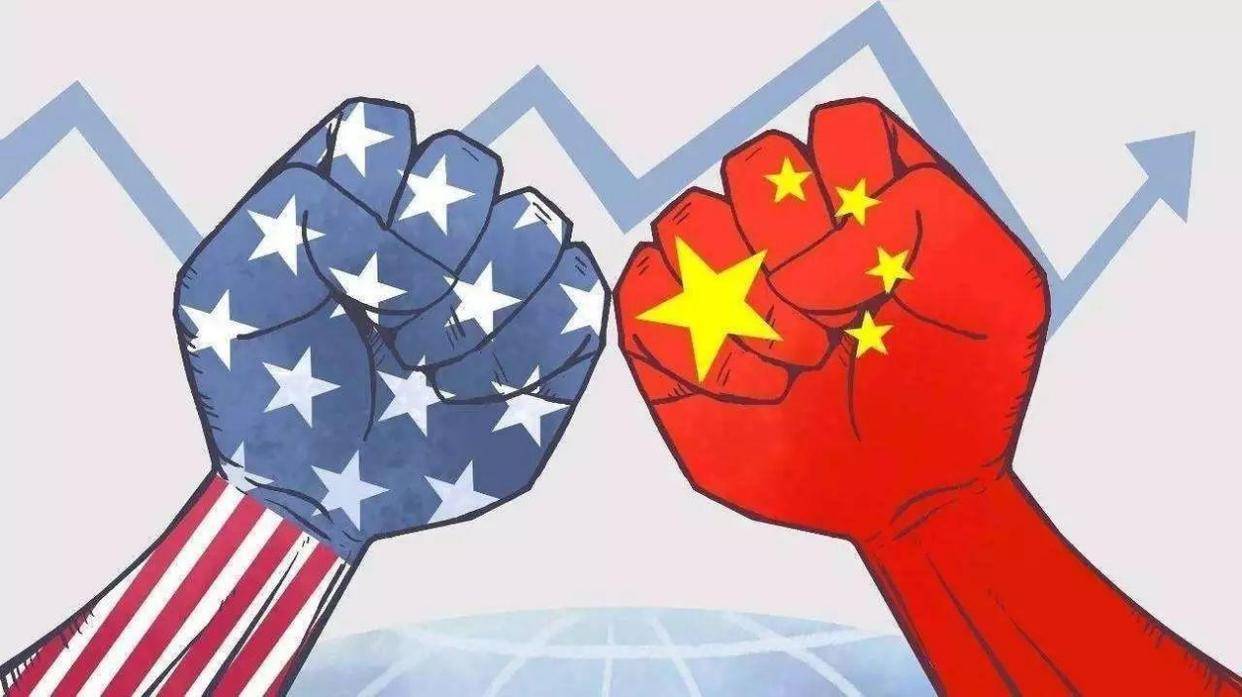
美联储降息救市!今日五大消息已全面发酵!
Sou Hu Cai Jing· 2025-08-11 05:24
2025年7月29日,华盛顿特区笼罩在夜幕下,唯有美联储大楼灯火通明,宛如金融风暴中孤悬海上的一座灯塔。大楼内,美 联储主席鲍威尔眉头紧锁,凝视着桌上堆积如山的报告,额头深陷的皱纹在灯光下愈发清晰可见。37万亿美元的国债利息 支出已吞噬了联邦税收的四分之一,这把达摩克利斯之剑悬在头顶,随时可能落下。 与此同时,特朗普在"真实社交"平台 上发出的"立即降息300个基点"的咆哮,正如同飓风般席卷全球金融市场,引发一场关乎美元命运的激烈搏斗。 一、美元霸权的裂痕:全球风暴来袭 8月2日清晨,一条非农就业数据的消息如同惊雷般炸响,震醒了纽约交易员詹姆斯。7月新增就业仅7.3万人,远低于预期的 10.4万人;更令人震惊的是,5月和6月数据合计下修25.8万人,创下自疫情初期以来最大两月降幅。失业率升至4.2%,为 2021年11月以来最高水平;劳动参与率连续第三个月下滑至62.2%,在劳动力供给缩减的情况下失业率仍在上升,意味着就 业市场的疲软程度远超表面数据。时薪数据也传递出复杂信号:7月非农私人部门时薪环比增速升至0.3%,同比增速升至 3.9%,核心服务通胀压力升温;但商品生产行业薪资环比增速却回落至0.1%,凸 ...
稳定币狂揽1000亿美债,成美国第18大债主!银行怕存款遭掏空?
Sou Hu Cai Jing· 2025-08-10 23:55
Core Insights - The U.S. Treasury market is undergoing a transformation, with cryptocurrency stablecoins emerging as significant buyers, surpassing traditional buyers like China and Japan [1][2] - Tether and Circle have collectively acquired nearly $100 billion in U.S. Treasury bonds, making them the 18th largest external holder of U.S. debt, even surpassing Middle Eastern sovereign wealth funds [1] - The stablecoin industry holds a total of U.S. Treasury bonds that ranks behind only Japan, China, and the UK among sovereign nations [1][2] Group 1: Stablecoin Market Dynamics - Over 83% of stablecoin issuers' holdings are concentrated in short-term Treasury bonds, particularly those with maturities of 3 months to 1 year [2] - The largest stablecoin, USDT, has a circulation of $170 billion, while USDC has surged by 90% in the past year to exceed $65 billion [2] - The passage of the "Genius Act" by the U.S. Congress has established clear standards for compliant stablecoin issuance, facilitating industry growth [2] Group 2: Impact on Banking System - Regional banks have seen an average decline of 34% in personal account balances over the past 18 months, raising concerns about liquidity risks [4] - A significant portion of deposits is converting to stablecoins, with warnings that this could lead to a credit system collapse [4] - The loan-to-deposit ratio for small banks is nearing a critical threshold of 93%, the highest since 2008, indicating potential liquidity issues [4] Group 3: Counterarguments and Perspectives - Stablecoin advocates argue that banks previously expressed similar concerns about money market funds, which now hold $7 trillion in the bond market [5] - Some experts downplay the impact of stablecoins on the Treasury market, suggesting that their total holdings are minimal compared to larger financial institutions [7] - Concerns remain regarding the potential for liquidity pressures if stablecoins continue to dominate short-term Treasury holdings, with 18% already locked up [7]
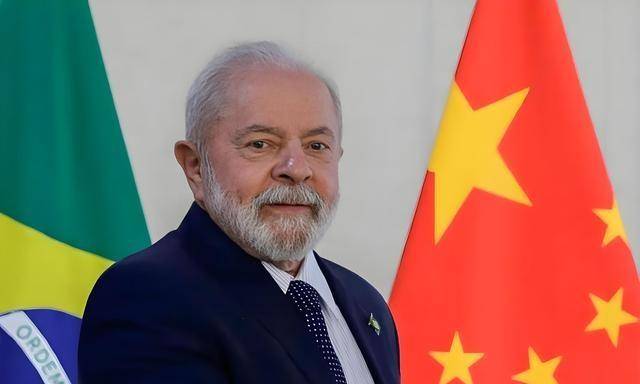
特朗普关税失算,莫迪苦撑局面,巴西联手金砖反击美国
Sou Hu Cai Jing· 2025-08-10 21:14
Core Viewpoint - Trump's tariff strategy, particularly the 50% tariff on Indian agricultural products, is causing significant distress for Indian farmers and is perceived as a threat to their livelihoods, leading to a backlash against Modi's government [2][3][10]. Group 1: Impact on India - The 50% tariff imposed by Trump is pushing Indian farmers to the brink, exacerbating their already difficult living conditions [2]. - Modi faces a dilemma: comply with U.S. agricultural demands or risk alienating a significant portion of his voter base [3][10]. Group 2: Brazil's Response - Brazilian President Lula's reaction to Trump's tariffs is one of defiance, indicating a willingness to retaliate against U.S. trade policies [6][8]. - Lula's refusal to engage with the White House and his pivot towards collaboration with India and China signifies a shift in global economic alliances [10][11]. Group 3: Global Economic Repercussions - The tariffs are catalyzing a unification among BRICS nations (Brazil, Russia, India, China, South Africa) against U.S. economic dominance, suggesting a potential shift towards de-dollarization [10][11]. - The current economic turbulence is not just about tariffs but represents a broader restructuring of the global economic order, challenging U.S. trade hegemony [11][13].
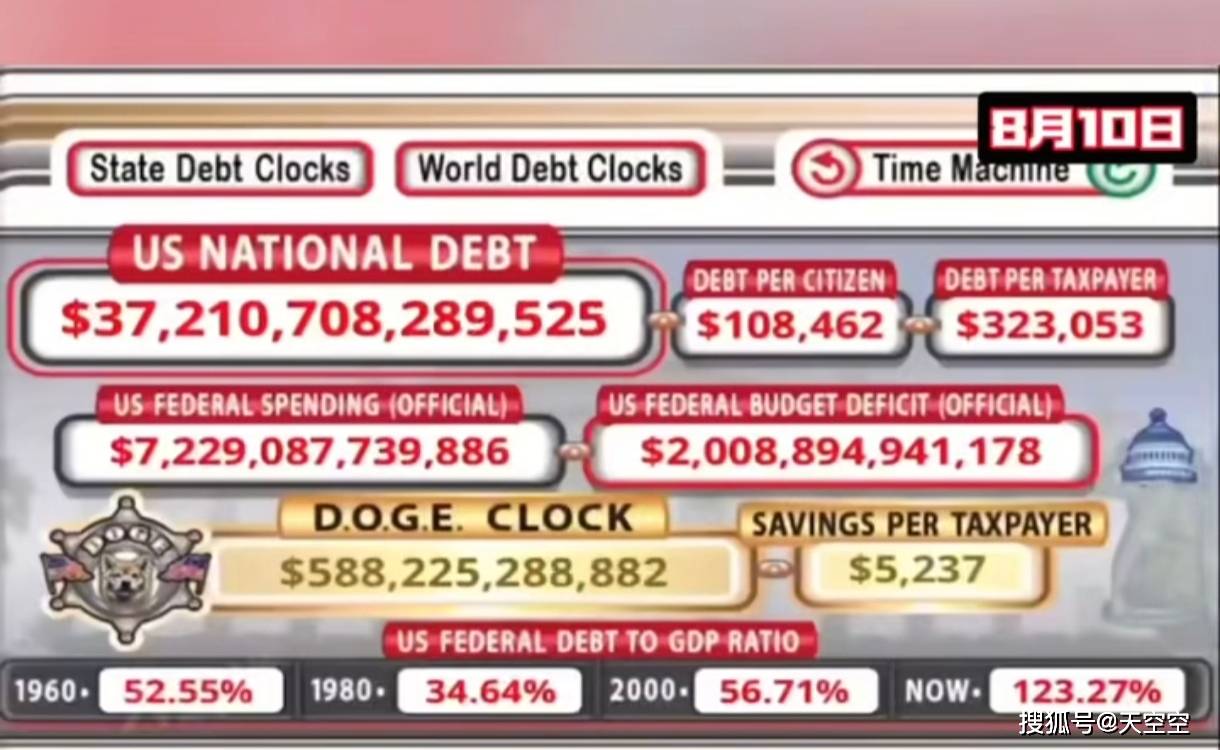
美国债务破37万亿美元,人均背债10.77万美元,利息比军费还高!
Sou Hu Cai Jing· 2025-08-10 12:54
Group 1 - The U.S. federal debt has recently surpassed $37 trillion, marking a historical high, with each American bearing approximately $107,700 in debt, which is 123% of the U.S. GDP, higher than the peak during World War II [1] - The debt has increased dramatically from $30 trillion to $37 trillion in just three years, with an average increase of $1 trillion every 100 days projected for 2025, and $9.3 trillion of debt maturing in 2025, which constitutes a quarter of the total debt [3] - Interest payments on the debt are expected to reach $1.2 trillion in 2025, surpassing military spending and becoming the second-largest federal expenditure, accounting for 17% of the federal budget [3] Group 2 - The Trump administration's policies have led to a contradiction, with tax cuts potentially increasing debt by $22 trillion over the next decade while trade deficits have not decreased, contributing to domestic inflation of 6.5% [5] - There is a growing global distrust in the U.S. dollar, with countries like China reducing their holdings to $765.4 billion and Japan reportedly transferring $200 billion in U.S. debt to tax havens, leading to a decline in the global dollar reserve share to 55%, the lowest in 30 years [10] - The U.S. economy is trapped in a "death triangle" of high debt, high interest rates, and high tariffs, creating a vicious cycle that threatens global economic stability if fiscal reforms are not implemented [10]
美议员提议禁止东大使用美元结算,东大网友:还有这好事?
Sou Hu Cai Jing· 2025-08-09 23:26
Core Viewpoint - The article discusses the rapid decline of the US dollar's dominance in global finance, attributing it to long-standing unilateral policies by the US, culminating in the absurd "Stop China-Russia Act" which has backfired on the US itself [3][4]. Group 1: Impact of US Policies - The "Stop China-Russia Act" includes freezing all Chinese personal assets in the US and excluding Chinese banks from the dollar payment system, which has led to a significant backlash and loss of confidence in the dollar [3][4]. - The immediate reaction from the financial sector indicates that the freezing of Chinese assets could trigger a 20% drop in the Dow Jones index due to panic selling of US Treasuries [4]. - The act has caused a halt in Chinese purchases of US oil and gas, leading to significant layoffs in the US oil sector and a backlog of unsold oil tankers [4]. Group 2: Rise of Alternative Payment Systems - The CIPS (Cross-Border Interbank Payment System) has been established in 42 countries, providing a robust alternative to the dollar, with significant adoption in trade between China and Russia [5]. - The use of digital yuan for transactions has increased, with reports of seamless payments in various sectors, including oil imports from Saudi Arabia [5]. - The shift to CIPS has been embraced by countries in ASEAN and the Middle East, indicating a growing trend away from dollar reliance [5]. Group 3: Global Economic Shifts - The article notes that the dollar's share of global reserves has dropped to 47%, the lowest since the euro's introduction, reflecting a significant shift in global currency dynamics [8]. - The traditional dollar-centric trade cycle involving the US, China, and Saudi Arabia has been disrupted, with countries now opting for alternative currencies in trade agreements [9]. - The celebration of the US sanctions on Chinese social media highlights a growing sentiment against dollar dominance, with many businesses now accepting digital yuan [11].
美议员:不允许东大使用美元进行交易结算,东大网友:还有这好事?
Sou Hu Cai Jing· 2025-08-09 20:52
Group 1 - The decline of US dollar hegemony is marked by proposals from US lawmakers to ban China from using the dollar for settlements, signaling a significant shift in global financial power dynamics [2][3] - The "Stop China-Russia Act" reveals strategic blind spots, such as the potential panic among Wall Street financiers if nearly one trillion dollars of Chinese US Treasury bonds are frozen, which could lead to a collapse in confidence in the dollar [2][5] - The expulsion of China from SWIFT could accelerate the rise of the Renminbi, as China's CIPS system already covers 42 countries and supports 40% of global trade, while the digital Renminbi reduces transaction costs by 50% [2][3] Group 2 - The trend of de-dollarization is gaining momentum, with China prepared as 99.6% of Sino-Russian trade is conducted in local currencies, and countries like Saudi Arabia and Iran are promoting the use of the Renminbi for oil transactions [3][5] - The decline of dollar dominance is attributed to three main factors: the concentration of one-third of global production in China, the risk posed by China's significant holdings of US debt, and the diversification of foreign reserves by countries in response to US actions [5] - The share of the dollar in global reserves has dropped to 47% in 2023, the lowest since 1995, indicating a loss of trust in the dollar [5]
新法案正式落地!又有大的财富机遇要来了?
大胡子说房· 2025-08-09 06:03
Group 1 - The core viewpoint of the article is that the legalization of stablecoins in the U.S. represents a significant shift in monetary policy, potentially allowing for increased liquidity and a new form of currency management that could rival the Federal Reserve [1][2][40]. - The "Genius Act," which has been passed by the U.S. House of Representatives, is essentially a stablecoin bill that legitimizes stablecoins, moving them from a gray market to a regulated financial instrument [3][4]. - The article suggests that the introduction of stablecoins could double or even multiply the purchasing power of the dollar, as one dollar can generate multiple stablecoins, leading to increased liquidity in the market [6][24][28]. Group 2 - The relationship between stablecoins and U.S. Treasury bonds is emphasized, indicating that stablecoins will likely be backed by U.S. debt rather than just the dollar itself, which could change the dynamics of currency issuance [13][14][37]. - The article discusses the potential for stablecoins to act as a "shadow central bank," allowing the U.S. government to issue currency without direct reliance on the Federal Reserve, thus altering the traditional monetary policy landscape [31][39]. - It is projected that the U.S. stablecoin market could grow from $200 billion to $2 trillion in three years, leading to an estimated $4 trillion in liquidity, which could significantly impact asset prices across the board [42][44].

美议员:严禁东大使用美元进行交易结算,东大网友:还有这等好事
Sou Hu Cai Jing· 2025-08-09 01:45
Group 1 - The decline of the US dollar's dominance is evident, with the yuan rising in prominence as a global currency [1][10] - The US's attempt to freeze Chinese assets through the "Stop China-Russia Act" backfired, leading to unexpected reactions from Chinese citizens [1][4] - China's significant holdings of US Treasury bonds pose a risk to Wall Street if sold off, highlighting the interconnectedness of the two economies [1][4] Group 2 - The Cross-Border Interbank Payment System (CIPS) has expanded to 42 countries, covering 38% of international trade, and has recently introduced international letter of credit services [2][9] - The use of the yuan in China-Russia trade has surged, with 99.6% of orders settled in yuan, and Middle Eastern countries are increasingly adopting yuan for oil transactions [4][6] - The BRICS nations are moving away from US influence, with countries like Brazil and India seeking closer ties with China [6][8] Group 3 - The European Union is also shifting towards yuan transactions, with the European Commission expressing intentions to continue using the yuan for settlements [9][10] - The global currency landscape is changing, with the dollar's settlement share dropping below 60% while the yuan's share rises to 5.7% [10] - The financial struggles of Wall Street investment banks are evident as clients demand asset conversions to yuan, indicating a significant shift in investment preferences [9][10]
香港稳定币没戏了?
Hu Xiu· 2025-08-08 12:49
Core Viewpoint - The implementation of the "Stablecoin Regulation" in Hong Kong is expected to revolutionize digital currency, but the stringent licensing requirements have dampened market sentiment and limited the number of approved issuers to a few local financial institutions and banks, delaying the issuance of licenses until early 2026 [1][2][6]. Regulatory Environment - The Hong Kong regulatory framework for stablecoins emphasizes strict compliance and security, prioritizing the prevention of financial crimes such as money laundering and ensuring that issuers can identify users and track transactions [2][3][4]. - Non-local companies, including mainland enterprises, can apply for stablecoin licenses, but they must comply with both Hong Kong and mainland regulations, particularly regarding data security [2][3]. Market Implications - The high barriers to entry for internet giants like JD.com and Ant Group create a "high wall" that favors traditional financial institutions with established compliance capabilities, making it difficult for innovative platforms to participate [4][6]. - The stringent requirements for stablecoin issuance, including high reserve requirements and user identification protocols, position Hong Kong's stablecoin as a regulated digital currency rather than a decentralized cryptocurrency [4][5]. Strategic Objectives - Hong Kong's move to introduce stablecoins is seen as a defensive strategy to mitigate the dominance of the US dollar in global finance while also seeking to enhance its own position in the future monetary system [6][7]. - The regulatory approach aims to balance financial stability and innovation, although it may limit user privacy and flexibility, making it challenging for Hong Kong stablecoins to compete with established dollar-pegged stablecoins like USDT [6][7].