单边主义

Search documents
美财长G7会强推对华200%关税,盟友集体沉默!欧洲选择让美国懵了
Sou Hu Cai Jing· 2025-08-21 07:48
Core Viewpoint - Trump's tariff policy has led to significant tensions between the U.S. and its allies, particularly regarding the approach to China and the implications for global trade relationships [1][3][10] Group 1: U.S. Tariff Policy and Its Implications - U.S. Treasury Secretary Mnuchin's proposal for a 200% secondary tariff on China was met with silence from G7 allies, indicating growing rifts [3] - The U.S. has already imposed tariffs as high as 245% on key Chinese goods, prompting strong retaliatory measures from China, including tariffs on U.S. agricultural products and a blacklist of U.S. companies [8] - Trump's announcement of a 30% tariff on EU goods has further strained relations, with European leaders expressing concerns over the impact on their economies [9] Group 2: European Response and Economic Interdependence - European economies are heavily reliant on China, with over 60% of industrial imports coming from China, making them vulnerable to U.S. trade policies [8] - The silence from G7 members during discussions reflects a shift in European attitudes, with countries like Spain and France seeking to strengthen ties with China despite U.S. pressure [10] - The EU is committed to establishing stronger global trade partnerships, signaling a move away from U.S. unilateralism [10] Group 3: Trust and Cooperation Among Allies - Trump's aggressive tariff strategy has eroded trust among NATO allies, with European leaders calling for more pragmatic negotiations with the U.S. [9] - The ongoing trade tensions are seen as a clash between power politics and economic rationality, with allies caught between defending their economic interests and maintaining strategic alliances [10] - The G7's silence on U.S. tariffs indicates a growing recognition that multilateral cooperation is essential for future global economic stability [10]

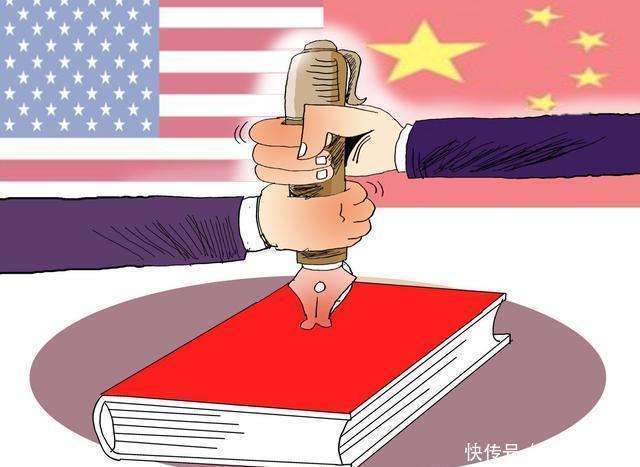
特朗普计划彻底失败,印度总理官宣访华,11国打响反美第一枪!
Sou Hu Cai Jing· 2025-08-21 07:06
Core Points - Indian Prime Minister Modi's planned visit to China at the end of August has garnered significant attention amid rising tensions with the U.S. due to new tariffs imposed on Indian goods [1][9] - The U.S. government has imposed tariffs as high as 25% on Indian products, citing India's continued oil purchases from Russia, leading to a total tariff burden of 50% on Indian goods [3][5] - Despite the pressure from the U.S., India remains firm in its stance, prioritizing the interests of its farmers and rejecting demands that threaten agricultural subsidies [7][16] Trade Relations - The U.S. tariffs have created substantial pressure on India's trade relationship with the U.S., which has historically seen a trade surplus of over $40 billion for India [3] - India's previous negotiations with the U.S. had shown promise, but the sudden imposition of tariffs has led to a breakdown in trust between the two nations [5][8] Diplomatic Strategy - Modi's upcoming visit to China is seen as a strategic move to strengthen ties with China while navigating the complexities of U.S.-India relations [9][12] - India is pursuing a "multi-vector" foreign policy, engaging with both the U.S. and China, as well as participating in organizations like the Shanghai Cooperation Organization to enhance its international influence [12][14] Global Context - The situation reflects a broader trend among BRICS nations, including Brazil, which are also facing U.S. trade pressures and are seeking collective responses to counteract unilateral actions by the U.S. [17][19] - The expansion of BRICS to include additional countries highlights a shift towards greater unity among emerging economies in response to U.S. policies, indicating a potential change in the global economic landscape [19][21]
美国单边主义做法给各方发展带来挑战(国际论坛)
Ren Min Ri Bao· 2025-08-20 22:26
Group 1 - Europe should deepen cooperation with China in areas such as green transition, technological innovation, digital economy, and industrial upgrading to build a more resilient autonomous development capability and promote a more balanced multipolar structure [1][3] - The U.S. unilateral tariff measures will directly impact European exports, leading to continuous outflow of industrial capital to the U.S. market, resulting in job losses and a decline in domestic demand, accelerating Europe's deindustrialization process [3] Group 2 - China has the confidence and capability to respond to U.S. unilateral tariff measures, with a rising proportion of exports to markets outside the U.S. and a booming domestic consumption market [2] - China's strategic ability to safeguard national interests is strengthened, focusing on self-innovation and expanding consumption demand while promoting agricultural modernization and urban-rural integration [2]
被反制的加拿大,认为中国离不开他们,但没想到中国找到了替代者
Sou Hu Cai Jing· 2025-08-20 01:47
面对这样的逆境,加拿大的政界可谓是风声鹤唳,安大略省和不列颠哥伦比亚省的省长纷纷指责联邦政府此举损害了本省的经济利益,农业委员会 甚至提出了对政府的不信任案。在这种压力之下,卡尼总理终于在8月14日于社交媒体上表示其愿意进行"建设性对话",承认中国的措施对农民造成 了重大影响。然而,这样的态度转变并未给受影响的农户带来实质性的解决方案,反而更加凸显了危机管理上的迟钝。 近日,中国商务部发布消息,对加拿大油菜籽征收75.8%的保证金,这一重大决策可谓一石激起千层浪。它不仅让加方农业界心惊胆战,更引发了一 场关于中加贸易关系博弈的深度思考。我们不得不承认,这次举措绝不仅仅是个别政策的体现,而是中国对过去一年多来自加拿大一系列歧视性政 策精准反击的结果。 回顾历史,早在去年10月,加拿大政府就已单方面对中国电动汽车加征100%关税,同时将钢铝产品的关税提高到25%。如此恶劣的做法,毫无疑问 地引发了中国的强烈不满,也为此次征收保证金埋下了伏笔。这一切的背后,是一个更大背景:全球经济复苏乏力的大环境中,各国对市场的争夺 愈演愈烈,而这场贸易战冲突中,加拿大似乎在无意间选择了站在错误的一方。 瞬息万变的市场上,作为曾经 ...

特朗普最担心的一幕发生?巴西突然宣布重大消息!打的美国一个措手不及,更大的崩塌刚刚开始?
Sou Hu Cai Jing· 2025-08-19 13:12
Group 1 - Chinese buyers are shifting their soybean orders primarily to Brazil during the peak procurement season, leaving U.S. soybean exporters facing significant sales challenges [1][3] - The U.S. soybean industry is experiencing unprecedented pressure, with a more than 30% year-on-year increase in soybean inventory over the past two years, leading to storage shortages in some regions [3] - The income of U.S. farmers has sharply declined since the trade war began, with a 15% year-on-year increase in farm bankruptcies reported last year [3] Group 2 - The U.S. trade policy is criticized for its double standards, imposing high tariffs on Chinese products while simultaneously hoping for large purchases of U.S. soybeans from China [5] - The ongoing difficulties in the U.S. soybean industry are not seen as a short-term issue, and without policy adjustments, the U.S. risks losing the critical Chinese market permanently [5] - The influence of U.S. economic hegemony is gradually diminishing, as more countries seek diversified trade partnerships, challenging the traditional U.S.-led trade order [7]
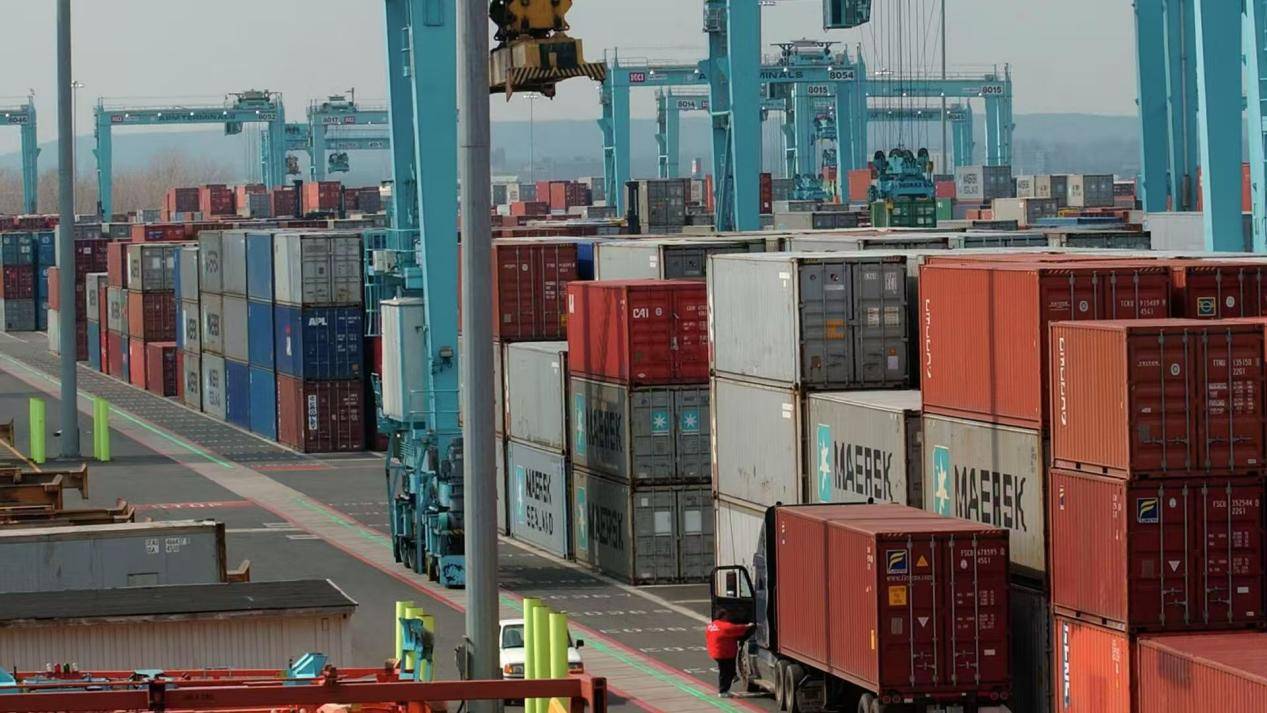
日本火了!关税是加上15%,而不是加到15%,对越南也这样骗
Sou Hu Cai Jing· 2025-08-19 08:54
Group 1 - The article highlights the U.S. as a master of "number games" in international trade negotiations, particularly criticizing its tactics with Japan and Vietnam [2][3] - In the negotiation with Japan, the U.S. claimed Japan would invest $550 billion, but the actual government financial arrangement involved only $5 to $10 billion, with the rest being voluntary corporate investments [2] - The negotiation with Vietnam was described as a "farce," where the U.S. initially agreed to a 1% tariff but later claimed it was 20%, showcasing a manipulation of numbers to gain an advantage [3] Group 2 - The unilateral actions of the U.S. have provoked backlash from several countries, including the EU, Brazil, and India, which have all initiated countermeasures against U.S. tariffs [5] - The U.S.'s international credibility has significantly declined, leading countries to distrust U.S. commitments and agreements, impacting future negotiations [6] - The global trade landscape is shifting as countries like Japan and ASEAN nations reduce reliance on the U.S. market, with Japan accelerating its "de-Americanization" efforts in supply chains [6] Group 3 - The article warns that if the U.S. continues its current approach, it risks becoming increasingly isolated on the international trade stage, potentially leading to significant economic consequences [8] - The core of international trade should be fairness and cooperation, but the U.S. is perceived to be pursuing unilateralism and protectionism, which is unsustainable [8]
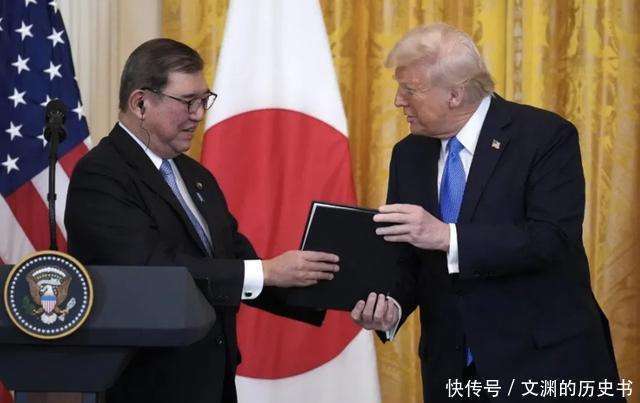
中方4天之内再出“重锤”,将加拿大告上WTO,起诉书发给160多个成员国!
Sou Hu Cai Jing· 2025-08-19 06:40
Core Points - China has formally initiated a lawsuit against Canada at the WTO, claiming that Canada's steel tariff quota policy and the 25% discriminatory tariffs on products containing Chinese steel components violate WTO rules [1][3] - The Chinese Ministry of Commerce recently imposed a high anti-dumping deposit of 75.8% on Canadian canola imports, significantly impacting Canada's agricultural sector [1][3] - Canada's decision to impose tariffs on Chinese electric vehicles and steel products has backfired, leading to a retaliatory response from China that escalates the conflict to a diplomatic level [3][5] Summary by Sections Trade Dispute - The trade dispute between China and Canada is characterized by retaliatory tariffs, with China accusing Canada of violating WTO rules through its steel tariffs [1][3] - The imposition of a 75.8% anti-dumping deposit on canola imports from Canada is expected to severely disrupt the Canadian agricultural economy, as over half of Canada's canola exports rely on the Chinese market [1][3] Economic Impact - The agricultural sector in Canada faces significant economic losses due to the high tariffs, with immediate effects prompting importers to cancel orders [1][3] - The reliance of Canadian farmers on the Chinese market highlights the potential long-term consequences of losing access to this critical market [3][5] Diplomatic Relations - The ongoing trade tensions illustrate the risks of unilateralism and protectionism, as Canada’s actions have led to a loss of trust and cooperation with China [5][7] - Canada is urged to reassess its policies and avoid following the U.S. blindly, as this could further jeopardize its economic interests and international reputation [7]
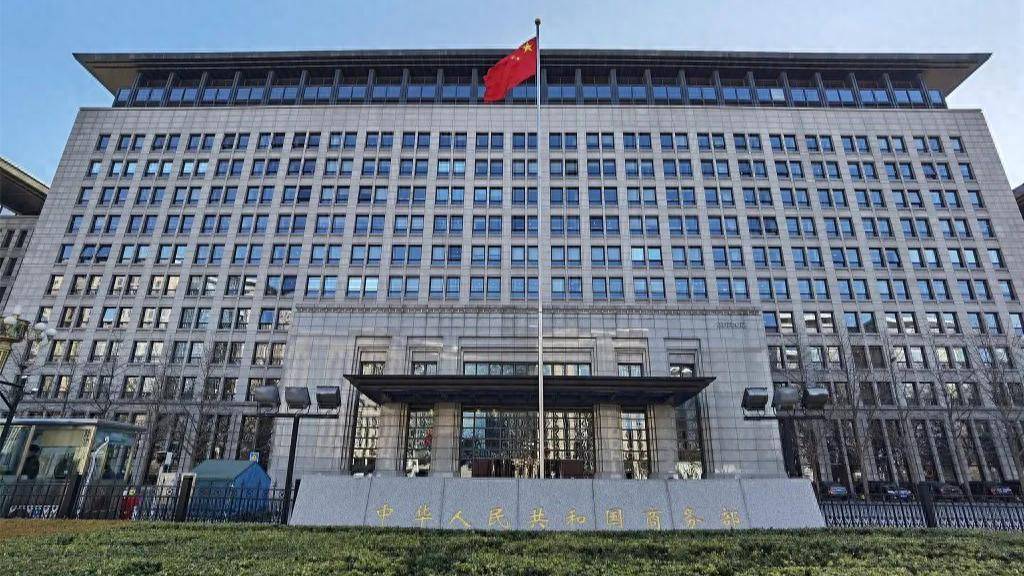
战场已扩大,中国重锤加拿大,160多国接到消息,加政府后悔晚了
Sou Hu Cai Jing· 2025-08-18 11:20
Core Points - The article discusses the escalating trade tensions between Canada and China, primarily triggered by Canada's steel tariff quota policy introduced by Prime Minister Carney in June 2025, which imposes a 50% additional tax on steel products exceeding a 2.6 million ton import quota from non-free trade agreement partners [1][4][8] - China's swift response included filing a lawsuit with the WTO on August 15, 2025, accusing Canada of violating non-discrimination principles and market access obligations [4][6] - The article highlights the broader implications of Canada's trade protectionism, which has led to significant economic repercussions, including job losses and a decline in agricultural exports [20][21] Trade War Dynamics - Canada's additional 25% tariff on products containing Chinese steel is seen as a direct attack on China's steel industry, prompting a strong reaction from China [4][6] - The U.S. tariffs on steel and aluminum, which were raised to 50% in March 2025, have already reduced Canadian steel exports to the U.S., creating a challenging environment for Canada [6][8] - The article emphasizes that Canada's strategy of targeting China has backfired, placing it in a difficult position between U.S. and Chinese tariffs [8] Agricultural Sector Impact - Prior to the steel dispute, China had already taken action against Canadian agricultural products, specifically imposing a 75.8% deposit on Canadian canola due to dumping practices [10][12] - The increase in Canadian canola exports to China from 2.4376 million tons in 2021 to 5.0502 million tons in 2023, while maintaining lower prices than the international market, raised concerns about market distortion [12][14] - The measures taken by China are framed as necessary to protect its agricultural sector and counteract Canadian trade protectionism [14][16] Economic Consequences - The article outlines the severe economic consequences for Canada, including a loss of 40,800 manufacturing jobs in July 2025 and an estimated annual loss exceeding 1.5 billion Canadian dollars in canola exports [20][21] - The unemployment rate in Canada has reached an eight-month high, indicating the broader economic strain caused by the trade disputes [21] - The article suggests that Canada could mitigate these issues by diversifying its markets and engaging in cooperative initiatives like the Belt and Road Initiative [23] Legal and Multilateral Trade Considerations - China's legal actions are framed as a defense of its rights and a commitment to multilateral trade rules, with support from various international economic entities [25][27] - The article notes that China's adherence to international rules during the anti-dumping investigation showcases its commitment to procedural justice and enhances its standing within the WTO [25][27] - The ongoing trade disputes serve as a warning to global trade participants about the risks of unilateral actions in an interconnected economy [27]
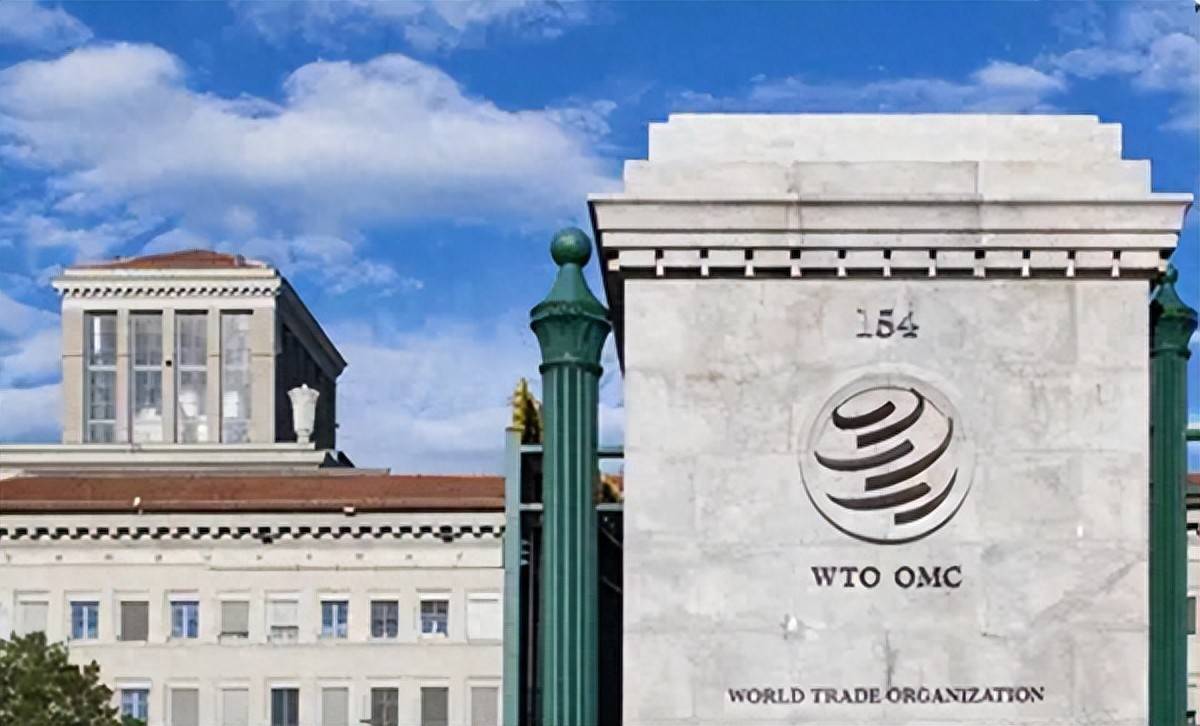
求中国也没用,眼看丢掉数十亿美元大单,特朗普追悔莫及
Sou Hu Cai Jing· 2025-08-18 10:22
Group 1 - The core issue is that the U.S. soybean industry is facing significant losses as China shifts its purchases to Brazil, resulting in billions of dollars in missed orders for American farmers [3][5][11] - In September and October, China purchased 8 million tons and 4 million tons of soybeans from South America, respectively, compared to 7 million tons from the U.S. during the same period last year [3] - The price of soybeans at the Chicago futures exchange has dropped to a five-year low, reflecting the dire situation for U.S. farmers [3] Group 2 - President Trump has called for China to quadruple its soybean orders to reduce the trade deficit, but analysts believe this is unrealistic given the 23% tariffs on U.S. soybeans [5][7] - The Chinese government has indicated that the resolution of trade issues requires the U.S. to reconsider its tariff policies, emphasizing that there are no winners in a trade war [7][9] - The U.S. soybean export association reports that many farmers are struggling due to inventory buildup and are urging the government to negotiate a new agreement with China [11] Group 3 - China's diversification strategy has led to a decrease in the share of U.S. soybeans in its imports, with a 5.7% reduction and an increase in Brazilian soybeans by 6.7% [9] - The ongoing trade tensions have created chaos in the U.S. soybean industry, with political decisions overshadowing the livelihoods of farmers [11] - As the midterm elections approach, the impact of these trade policies on votes in agricultural states remains a concern for the Trump administration [11]
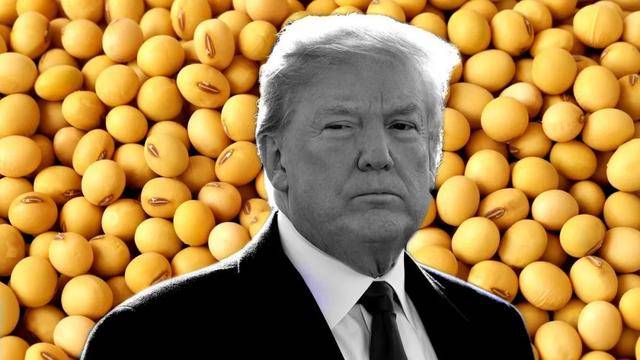
美国这次彻底孤立无援?8月17日,对华关税政策传来新消息
Sou Hu Cai Jing· 2025-08-18 07:02
Core Viewpoint - The trade war initiated by the Trump administration against China has been characterized as a "self-indulgent farce," ultimately failing to achieve its intended goals and revealing the resilience of China in the face of pressure [1][10]. Group 1: Trade War Dynamics - Trump's initial threats included imposing tariffs as high as 200% on Chinese goods, aiming to force China to comply with U.S. trade rules [1]. - The negotiations between the U.S. and China resulted in a 90-day "truce," which did not meet Trump's expectations and dampened his ambitions [3]. - U.S. Treasury Secretary Steven Mnuchin's plans to implement high tariffs on China were met with silence from G7 and EU nations, highlighting their reluctance to align with U.S. actions against China due to significant economic ties [5]. Group 2: Impact on India - Following setbacks with China, Trump shifted focus to India, increasing tariffs from an initial 25% to potentially 250%, targeting India's pharmaceutical exports [7]. - The trade protectionist measures taken by the Trump administration have not only failed to enhance its reputation but have also caused significant harm to the U.S. economy, leading to rising prices and declining purchasing power [7]. Group 3: China's Response and Global Implications - China maintained a principled stance, demonstrating its importance in the global supply chain by tightening rare earth exports, which affected U.S. industries [8]. - The trade war has resulted in the U.S. losing not only economic benefits but also moral standing and global support, as countries recognize the futility of following U.S. unilateral actions [8][10]. - The conclusion of the trade war suggests a shift towards a more multipolar and rule-based global trade system, with China positioned as a key player in promoting fairness and justice in international trade [10].