电动化

Search documents
春风动力(603129):业绩符合预期,关税扰动下经营显韧性
East Money Securities· 2025-11-03 08:58
Investment Rating - The report maintains a "Buy" rating for the company, indicating a positive outlook for its stock performance relative to the market index [3][6]. Core Insights - The company reported a revenue of 14.996 billion yuan for the first three quarters of 2025, representing a year-on-year increase of 30.1%. The net profit attributable to shareholders was 1.415 billion yuan, up 30.9% year-on-year [1]. - The company has shown resilience in its operations despite tariff disruptions, with a significant increase in operating cash flow by 42.8% year-on-year [1]. - The growth in revenue is driven by the recovery in exports of both four-wheeled and two-wheeled vehicles, alongside a substantial increase in sales of electric models [2]. Financial Performance Summary - For Q3 2025, the company achieved a revenue of 5.041 billion yuan, a 28.6% increase year-on-year, and a net profit of 413 million yuan, reflecting an 11.0% growth [1]. - The gross margin for Q3 was reported at 26.14%, a decrease of 4.71 percentage points year-on-year, primarily due to increased tariff costs and the rise in low-margin electric vehicle sales [5]. - The company has established production bases in multiple locations, including Mexico and Thailand, to mitigate tariff impacts and enhance supply chain flexibility [5]. Growth Projections - The company expects to achieve a net profit of 1.75 billion yuan in 2025, with projections of 2.48 billion yuan and 3.09 billion yuan for 2026 and 2027, respectively [6][7]. - Revenue is projected to grow from 19.76 billion yuan in 2025 to 29.66 billion yuan by 2027, with corresponding growth rates of 31.4% and 18.5% [7][12]. - The earnings per share (EPS) are forecasted to increase from 11.46 yuan in 2025 to 20.25 yuan in 2027 [7][12].

春风动力(603129):业绩符合预期 关税扰动下经营显韧性
Xin Lang Cai Jing· 2025-11-03 08:33
Core Viewpoint - The company reported strong financial performance for the first three quarters of 2025, with significant year-on-year growth in revenue and net profit, driven by product expansion and market diversification [1][2][3]. Financial Performance - For the first three quarters of 2025, the company achieved revenue of 14.996 billion yuan, up 30.1% year-on-year, and a net profit attributable to shareholders of 1.415 billion yuan, up 30.9% year-on-year [1]. - In Q3 alone, the company recorded revenue of 5.041 billion yuan, a year-on-year increase of 28.6%, and a net profit of 413 million yuan, up 11.0% year-on-year [1]. - The net cash flow from operating activities for the first three quarters was 3.208 billion yuan, reflecting a 42.8% increase year-on-year [1]. Product and Market Dynamics - The growth in revenue was supported by the recovery in two-wheeler exports and the increase in sales of the "Jike" electric models, with two-wheeler exports in July-August 2025 reaching 23,200 units, a 67% increase year-on-year [2]. - The "Jike" electric model saw a significant sales increase, with 69,700 units sold in July-August 2025, representing a 603% year-on-year growth [2]. - The company is expanding its production capacity in Mexico, with a monthly capacity of 1,500 units, aiming to cover high-end U/Z products for the U.S. market by 2026 [1][3]. Cost and Profitability - The gross margin for Q3 was 26.14%, down 4.71 percentage points year-on-year, primarily due to increased tariff costs and the rise in low-margin electric model sales [2]. - The net profit margin for Q3 was 8.76%, a decrease of 0.98 percentage points year-on-year, but the company is expected to recover profitability as certifications are completed and new high-end products are launched in 2026 [2][3]. Global Strategy and Market Expansion - The company has established production bases in Hangzhou, Thailand, and Mexico, creating a multi-point production system to mitigate tariff impacts [3]. - The company is actively expanding into non-U.S. markets, maintaining a 40% market share in the European four-wheeler market and launching the "CFlite" brand in Latin America to tap into local demand [3]. - The strategic focus on globalization, electrification, and intelligence is expected to enhance the product matrix and competitive advantages [3].
2025年度合力国内营销大会盛大启幕
Zheng Quan Ri Bao Wang· 2025-11-03 06:47
Core Viewpoint - The 2025 annual marketing conference of Anhui Heli Co., Ltd. emphasizes the company's successful transformation and growth in the industry, highlighting record-high performance indicators and a strategic shift towards electric and intelligent products [1] Group 1: Company Performance - Anhui Heli's domestic sales increased by 16% year-on-year as of Q3 this year, with a steady rise in market share, outperforming industry growth [1] - Domestic electric forklift sales reached 120,000 units, marking a 28% year-on-year increase, with electric products accounting for 65% of total sales [1] - Revenue from the aftermarket and intelligent logistics segments grew by 45% and 100% year-on-year, respectively [1] Group 2: Strategic Initiatives - The company aims to shift customer demand from "single procurement" to "full-cycle service" and transform its marketing model from "offline visits" to "digital integration" [1] - The focus is on enhancing industry competition from "single product competition" to "ecosystem competition" [1] - The strategy involves leveraging the "three new" initiatives to drive these changes [1] Group 3: Collaborative Efforts - The company emphasizes the importance of "three synergies": enhancing capabilities to respond to changing customer needs, transforming marketing models through digital empowerment, and expanding market reach through value co-creation [2] - Marketing personnel are encouraged to center their efforts around customer needs and collaborate to achieve shared success [2]

立讯精密(002475):卡位核心赛道和整合提效,进入新一轮加速成长期
CMS· 2025-11-03 05:31
Investment Rating - Strongly recommended (maintained) with a target price of 90.0 CNY and a current stock price of 63.0 CNY [1] Core Insights - The company reported a revenue of 220.9 billion CNY for the first three quarters of 2025, a year-on-year increase of 24.69%, and a net profit attributable to shareholders of 11.52 billion CNY, up 26.92% year-on-year [1][20] - The company expects a full-year net profit range of 16.52-17.19 billion CNY, corresponding to a growth range of 23.59%-28.59% [1] - The third quarter saw a significant acceleration in revenue and profit growth, driven by strong performance in the Apple business and the integration of acquired assets [1][20] Summary by Sections Financial Performance - For Q3 2025, the company achieved a revenue of 96.4 billion CNY, with a year-on-year increase of 31.03% and a quarter-on-quarter increase of 53.57% [1] - The gross profit margin for Q3 was 12.84%, reflecting improvements in business structure and profitability [1][20] - The company’s net profit margin increased to 5.63%, up 0.18 percentage points year-on-year [21] Business Segments - The company is focusing on three main business segments: consumer electronics, automotive, and data centers, with a strategy of "internal growth and external expansion" [7][9] - The automotive segment is expanding its market share in smart and electric vehicle components, with multiple new projects entering mass production [9][15] - The data center segment is experiencing explosive growth in demand for AI computing power, with significant progress in product development and customer acquisition [8][17] Strategic Outlook - The company is optimistic about the growth potential in AI-related hardware and plans to increase investments in emerging fields such as AI edge computing, data centers, and smart vehicles [1][8] - The integration of acquired companies, Leoni and Wenti, is progressing better than expected, enhancing operational efficiency and market competitiveness [15][31] - The company aims to leverage its vertical integration capabilities and global production layout to meet the increasing demand for high-precision components in the consumer electronics and automotive sectors [7][11] Future Projections - Revenue projections for 2025-2027 are set at 341.4 billion CNY, 440.0 billion CNY, and 560.9 billion CNY, respectively, with net profits expected to reach 17.0 billion CNY, 21.7 billion CNY, and 27.7 billion CNY [5] - The company anticipates that the AI computing segment will have the highest growth elasticity among its business units in the coming years [27]

比亚迪的“刀片”和日本市场的“铠甲”
Jing Ji Guan Cha Wang· 2025-11-03 04:48
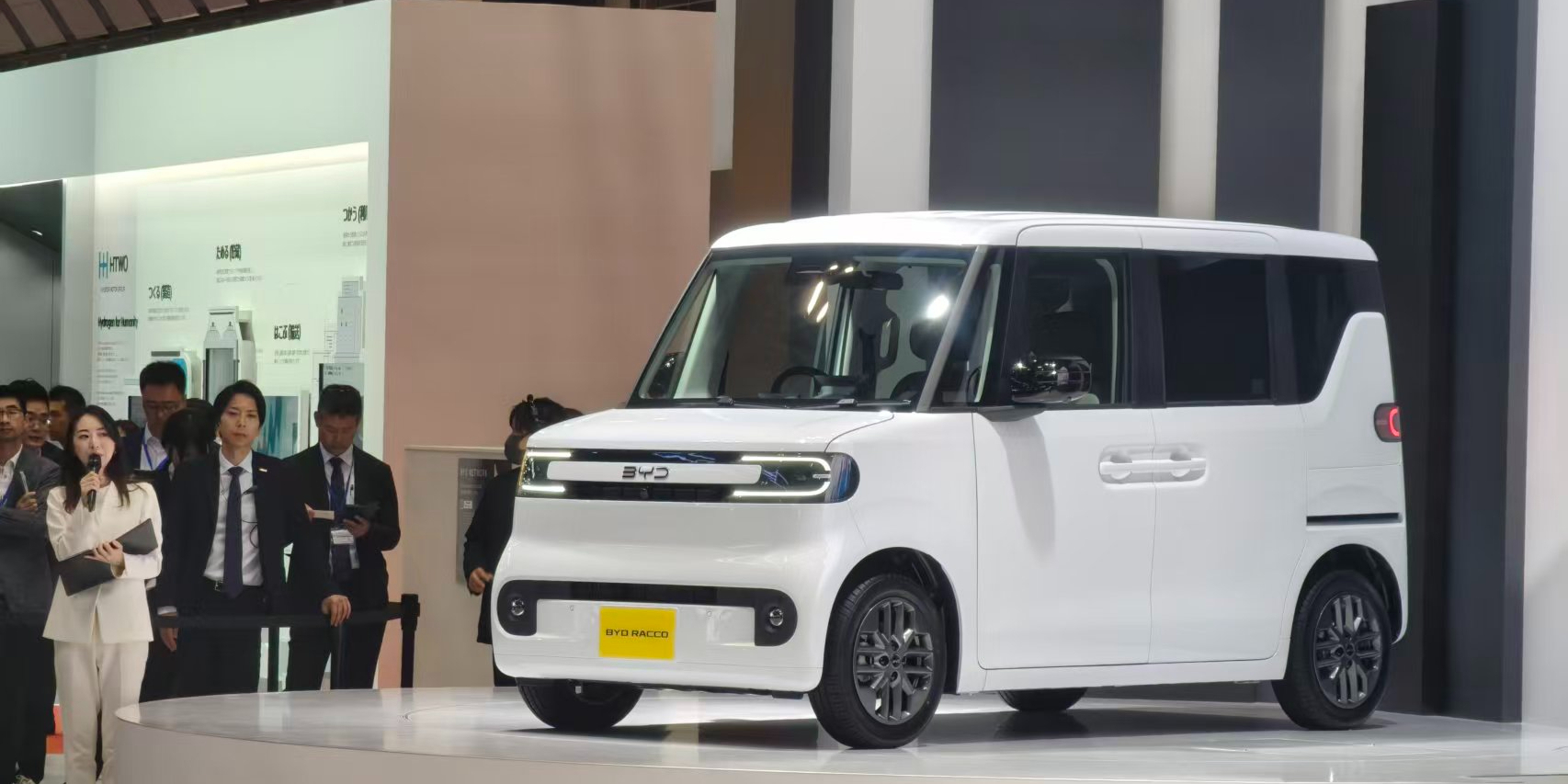
Core Viewpoint - The 2025 Japan Mobility Show highlights the contrasting approaches of Japanese automakers focusing on electrification and future mobility, while only BYD represents the advanced electrification level of Chinese automakers [2][3]. Group 1: Japanese Automakers' Initiatives - Japanese automakers showcased a diverse range of electric and future mobility products, including Toyota's Corolla concept car, Honda's "0 series" electric models, and Nissan's new LEAF [2]. - Other Japanese brands like Mazda, Subaru, Suzuki, and Mitsubishi also presented their electrification products, indicating a strong local commitment to electric mobility [2]. - The event reflects Japan's automotive industry contemplating and adjusting to the wave of electrification and automation, although the transformation is still in its early stages [3]. Group 2: BYD's Market Position - BYD has been in the Japanese market for over 20 years, initially focusing on battery and electronic businesses before introducing electric buses and commercial vehicles since 2015 [4]. - In the last three years, BYD has launched several passenger car models in Japan, including ATTO3, DOLPHIN, SEAL, and SEALION7 [5]. - BYD's sales in Japan have reached approximately 7,100 units, which is modest compared to its performance in other global markets, highlighting the challenges of penetrating the Japanese market [8]. Group 3: K-Car Strategy - BYD's introduction of the K-EV model, specifically designed for the Japanese market, aims to address local consumer preferences for K-Cars, which account for 35% to 40% of the market share [8][9]. - The K-EV offers a range of 180 kilometers and features like sliding doors, differentiating it from traditional small displacement fuel K-Cars [8]. - The success of BYD's K-Car in Japan will depend on the speed of changing consumer perceptions towards electric vehicles [9]. Group 4: Market Dynamics and Future Outlook - The Japanese automotive market is dominated by local brands, with over 90% market share, making it difficult for non-Japanese brands to compete [8]. - Despite the challenges, there is a growing acceptance of electric vehicles in Japan, with a 45.7% increase in registered imported electric vehicles from last year to the first half of this year [10]. - BYD plans to expand its product lineup in Japan, aiming to establish 7 to 8 models by 2027 and increase its sales points from 66 to 100 [7][10].


出租车司机故意“碰瓷”无人驾驶汽车:罚2000元、扣证3个月;理想汽车汤靖详解“MEGA2024款起火事件”丨汽车交通日报
创业邦· 2025-11-02 10:36
Group 1 - A taxi driver in Wuhan was penalized for deliberately colliding with an autonomous vehicle, resulting in a fine of 2000 yuan and a three-month suspension of his driving license [2] - He accelerated into the "Luo Bo Kua Pao" autonomous vehicle while it was changing lanes, despite having the opportunity to avoid the collision [2] - The incident was confirmed through analysis of driving patterns and vehicle logs, which showed the autonomous system maintained a safe distance [2] Group 2 - He Xiaopeng, CEO of Xiaopeng Motors, was selected as the final torchbearer for the Guangzhou leg of the 15th National Games, representing the tech entrepreneur sector [2] - This event highlighted the role of innovation and technology in the automotive industry [2] Group 3 - Li Auto's product line head, Tang Jing, provided details on the "MEGA 2024 model fire incident," revealing that a battery insulation fault was reported four hours prior to the incident [2] - The company had contacted the driver and vehicle control personnel before the fire occurred, indicating proactive measures in response to potential issues [2] Group 4 - A closed-door seminar for foreign and joint venture automotive companies was held in Changchun, focusing on collaboration and high-quality development in China's automotive industry [2] - The seminar aimed to address challenges in deepening joint ventures and cooperation in the context of the ongoing electrification and intelligent transformation of the automotive market [2]

中年男人的梦中情车,崩盘了
虎嗅APP· 2025-11-02 09:21
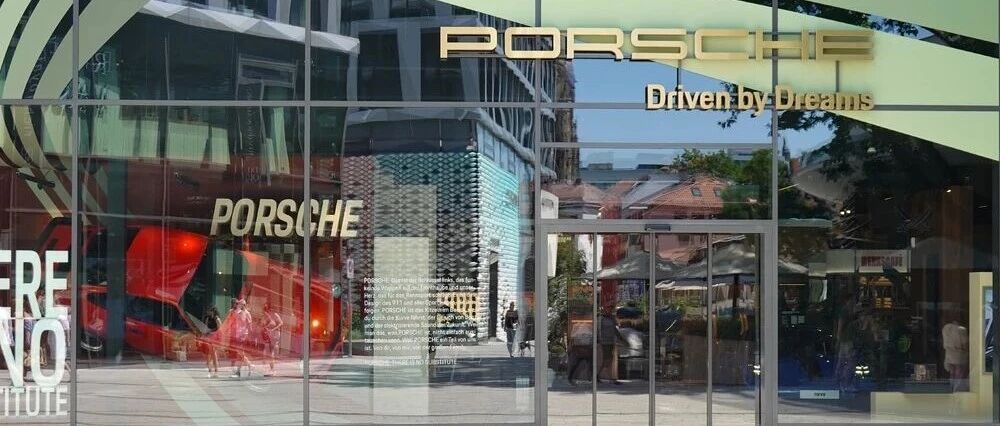
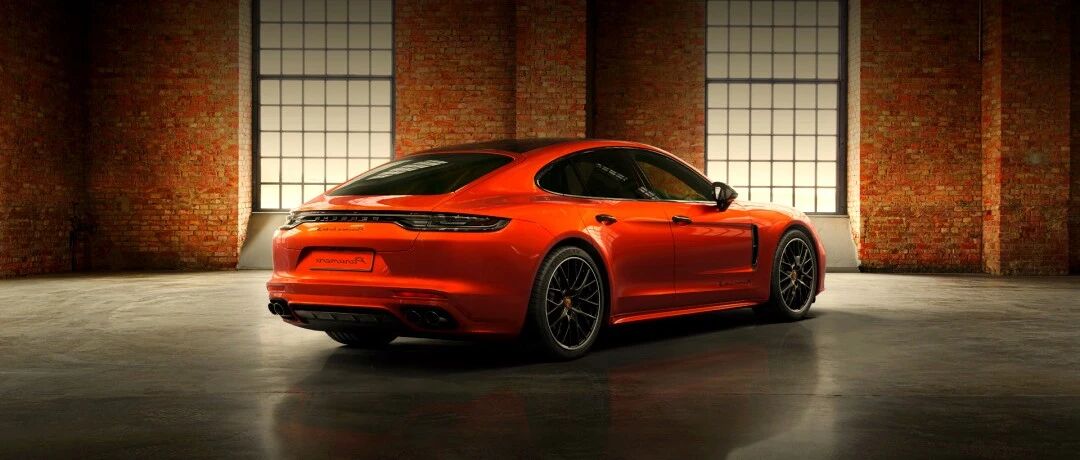
Core Viewpoint - Porsche is experiencing a significant decline in financial performance, with a 99% drop in operating profit and a 6% decrease in sales revenue, marking a dramatic fall from its previous status as a leading luxury car brand [4][10][11]. Financial Performance - In the first three quarters of 2025, Porsche reported sales revenue of €26.86 billion, a 6% year-on-year decline [8][10]. - The operating profit plummeted to €4 million, down from €4.035 billion in the same period last year, representing a 99% decrease [10][11]. - The third quarter alone saw an operating loss of €966 million, contrasting with a profit of €974 million in the previous year [4][10]. Market Position and Historical Context - Two years prior, Porsche was celebrated as a top performer in the European capital market, achieving a valuation of €75 billion during its IPO [5]. - At its peak, Porsche's market value exceeded €83 billion, ranking among the top ten most valuable luxury brands globally [5]. - The brand's sales in China, once its largest market, have drastically declined, with a 26% drop in the first three quarters of 2025 [15][17]. Strategic Challenges - Porsche's current struggles are attributed to multiple pressures, including the shift towards electric vehicles, changing market dynamics, and evolving consumer preferences [6][22]. - The company has postponed the launch of certain electric models and extended the lifecycle of several fuel and hybrid models, indicating a strategic pivot back to traditional internal combustion engines [22][30]. - The decision to halt its battery production plan resulted in a restructuring cost of approximately €2.7 billion, directly impacting profitability [22][30]. Competitive Landscape - The luxury car market is becoming increasingly competitive, particularly in China, where domestic brands are aggressively capturing market share [27]. - Porsche's traditional luxury definition is being challenged by local competitors offering similar features at lower prices [27]. Organizational Changes - Porsche is undergoing significant internal restructuring, including a planned reduction of 1,900 jobs and the appointment of a new CEO, Michael Leiters, who is expected to lead the company through its transformation [31][33]. - The company aims to enhance its product offerings by focusing on personalization and understanding consumer needs better [30][31].
10月汽车新势力“黑马”成群
Jing Ji Guan Cha Wang· 2025-11-01 16:21
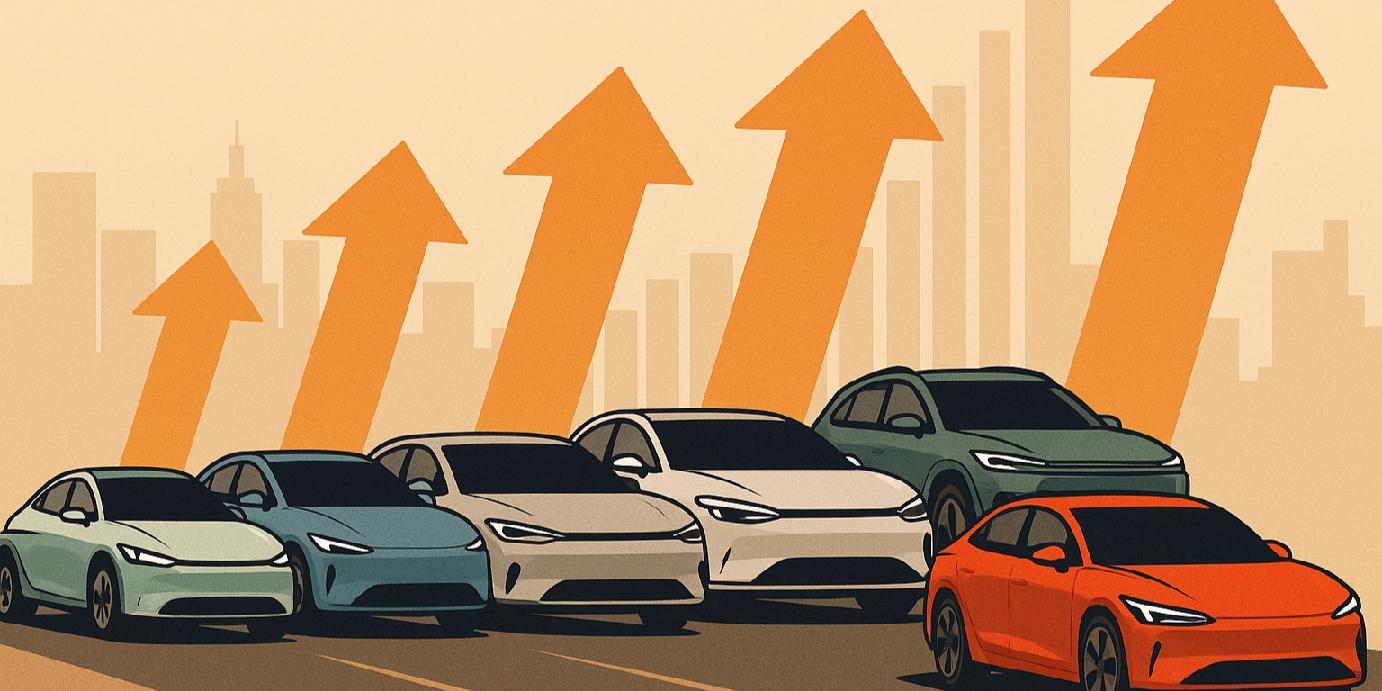
Core Insights - The Chinese automotive market continues to show strong performance in October, particularly in the new energy vehicle (NEV) segment, indicating a shift in industry dynamics and growth logic [2][6] NEV Market Performance - NEVs are becoming the primary growth driver, with companies like Chery achieving over 110,000 NEV sales, Geely experiencing eight consecutive months of growth, and Great Wall Motors reporting a 44% year-on-year increase [2] - BYD remains the leader with over 440,000 units sold, although its growth momentum has slowed, showing a 12% decline compared to October last year [2][3] New Entrants and Competition - New entrants in the market are gaining traction, with Leap Motor surpassing 70,000 units, Xiaopeng achieving 42,000 units in sales, and NIO returning to growth with a monthly sales figure of 40,000 units [3][4] - The competition among new players has shifted from a focus on technology to one centered on production capacity, distribution channels, and after-sales service [4] Traditional Automakers' Strategies - Traditional automakers are experiencing a clear divide, with Geely and Great Wall Motors showing robust growth through diversified brand strategies and product lines [4][5] - SAIC's Roewe and MG brands have seen a 59% increase in NEV retail sales, but overall sales growth remains modest at 3% [4] Export Growth and Challenges - Exports are emerging as a new growth engine for automakers, with Great Wall's overseas sales reaching 57,000 units, a 28% increase year-on-year [5] - However, the risks associated with localization and profit dilution are significant as companies expand internationally [6] Industry Trends and Future Outlook - The industry is approaching a critical juncture, with NEV penetration nearing 60% and a normalization of price competition leading to declining average gross margins [6][7] - The focus is shifting from rapid growth to quality and operational efficiency, as companies must balance efficiency and profitability to succeed in the evolving market landscape [7]



中年男人的梦中情车,崩盘了
商业洞察· 2025-11-01 09:24
Core Viewpoint - Porsche is experiencing a significant decline in financial performance, with a 99% drop in operating profit and a 6% decrease in sales revenue, marking a stark contrast to its previous status as a leading luxury car brand [5][9][13]. Group 1: Financial Performance - In the first three quarters of 2025, Porsche reported sales revenue of €26.86 billion, a 6% year-on-year decline, and an operating profit of only €40 million, down from €4.035 billion the previous year, representing a 99% drop [5][13]. - The third quarter of 2025 saw an operating loss of €966 million, compared to a profit of €974 million in the same period last year [5][13]. - Porsche's stock has significantly declined, leading to its removal from the DAX index, indicating a loss of status in the capital market [17]. Group 2: Market Dynamics - Porsche's sales in China fell by 26% in the first three quarters of 2025, with a 42% drop in the first quarter alone, marking a shift from being its largest market to experiencing negative growth [18][20]. - The brand's luxury image is being challenged by domestic competitors in China, leading to a price collapse for models like the Macan, which is now being sold at a significant discount [21][23]. - The competitive landscape in the luxury car segment is changing, with traditional definitions of luxury being redefined by local brands [34]. Group 3: Strategic Adjustments - Porsche is undergoing a strategic restructuring, delaying the launch of electric models and extending the lifecycle of combustion engine vehicles, which reflects a significant shift in its electric vehicle strategy [27][29]. - The company is facing increased costs due to tariffs in the U.S. market, with an estimated loss of €700 million for the year due to import duties [30]. - A new CEO has been appointed to lead the company through this transition, with a focus on understanding consumer needs and enhancing product personalization [40][41].
“科技领航:驱动产业跨界融合与新质增长”——2025汽车技术领袖论坛成功举办
FOFWEEKLY· 2025-11-01 07:00
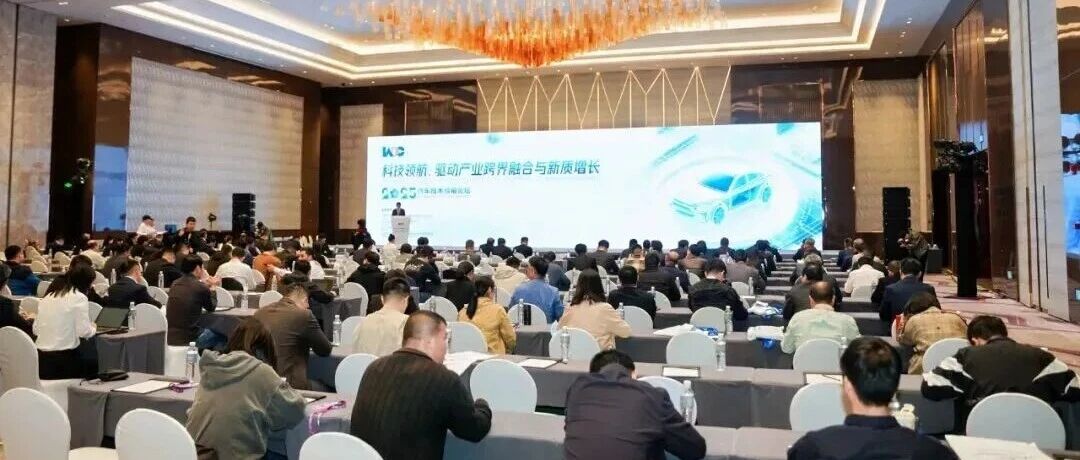
Core Viewpoint - The 2025 Automotive Technology Leaders Forum emphasizes the theme of "Technology Leading: Driving Cross-Industry Integration and New Quality Growth," highlighting the automotive industry's transition towards high-quality development focused on electrification, intelligence, and connectivity [2][4][47] Group 1: Forum Overview - The forum was successfully held in Wuxi, Jiangsu Province, with over 500 participants from domestic and international automotive and industry chain enterprises, industry organizations, and academic institutions [2] - Keynote speeches were delivered by experts from various organizations, focusing on themes such as intelligent networking, automotive smart chips, and cross-industry innovation [12][39] Group 2: Industry Transformation - The automotive industry is undergoing profound changes driven by systematic technological development, which is reshaping the industry ecosystem and accelerating cross-industry integration [6] - The China Transportation Association aims to promote collaborative innovation between the automotive and transportation sectors to support the construction of a strong transportation nation [9] Group 3: New Initiatives and Collaborations - The forum included the release of the 2025 edition of the "China Automotive Industry Yearbook" and the establishment of the International Frontier Technology Acceleration Center, which aims to provide one-stop acceleration services for automotive technology enterprises [23][25][27] - The "Double Bay Co-Creation Alliance" was launched to break down resource barriers and promote deep integration of technology, industry, and innovation between the Guangdong-Hong Kong-Macao Greater Bay Area and the Yangtze River Delta [33] Group 4: Technical Discussions - Multiple technical parallel forums were held, focusing on topics such as electric vehicle remote service and management system technology upgrades, AI-driven industry innovation, and new business trends in low-altitude and automotive industry integration [41][45] - Experts discussed user experience standards and automotive technology applications, aiming to advance relevant standards and promote industry upgrades [45]