
预制菜

Search documents
挨骂冤吗?实探太二酸菜鱼,揭秘“活鱼现杀”真相
凤凰网财经· 2025-09-17 13:40
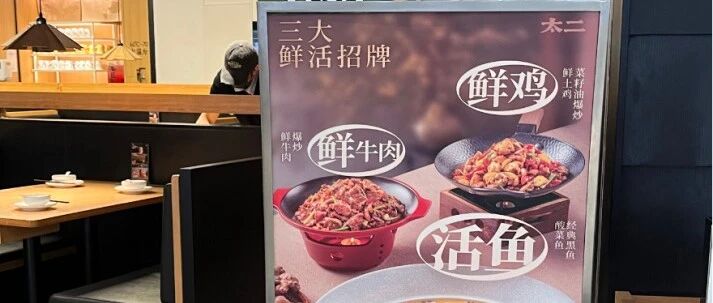
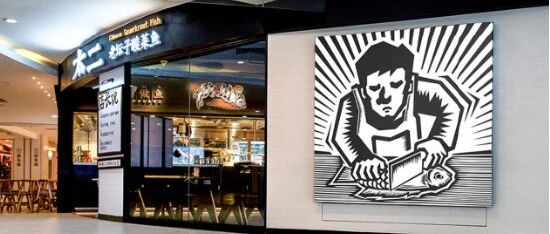
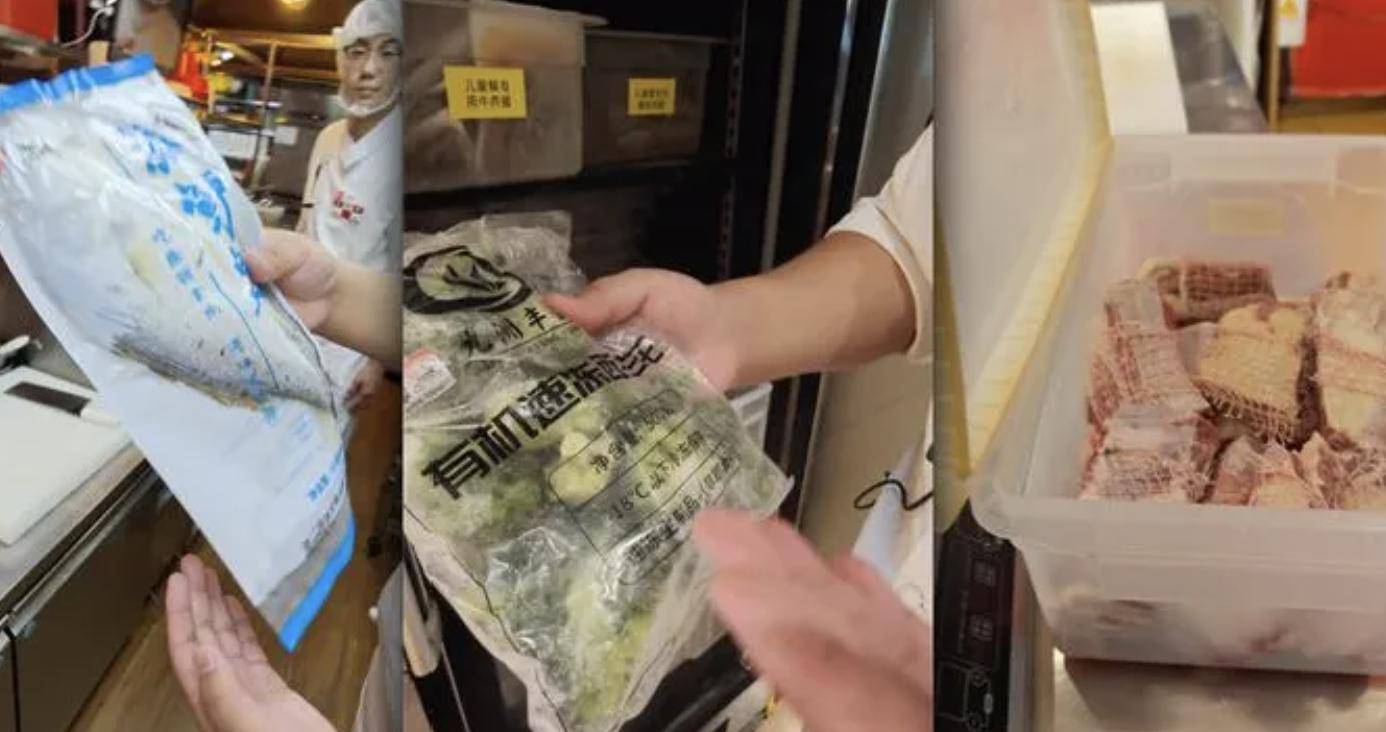
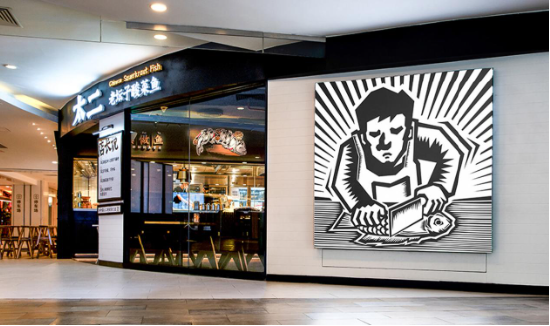
爆料邮箱:all_cj@ifeng.com 一星期内,从西贝莜面村到太二酸菜鱼,又一家连锁餐饮品牌因"预制菜"问题被推上舆论风口。 凤凰网《风暴眼》出品 近日,凤凰网《风暴眼》实探太二酸菜鱼在北京的首家"鲜活门店",实测点单后10分钟鱼已上桌。店员解释,活鱼是指"当天到店现杀",而非"顾客点单后 现杀",现杀现做顾客需要等待45分钟,"时间太长了"。 从实探了解的情况来看,至少将其"鲜活门店"菜品直接定义为"预制菜"并不完全准确,为节省顾客等待时间,门店提前杀鱼似乎也情有可原,只是品牌在 宣传中重点突出"活鱼",容易使消费者产生"即点即杀"的预期,客观上构成了类似"文字游戏"带来的理解偏差。 这一系列事件,再次折射出整个餐饮行业在效率、真实性与宣传尺度上的集体困境,而"预制菜"成为了承接消费者愤怒的宣泄口与典型符号。 01 实探太二"鲜活门店" 近期,有媒体实探太二酸菜鱼门店,"7分钟上齐三道菜"的出餐速度,令消费者对其宣传的"活鱼现做"产生质疑。与此同时,该品牌一年关闭65家门店、业 绩明显下滑, #太二酸菜鱼为何没人吃了 # 话题也登上热搜。 争议的核心,依然围绕"预制菜"是否真实存在,以及品牌宣传与消费 ...

688109,停牌!筹划重大事项
Zheng Quan Shi Bao· 2025-09-17 13:32
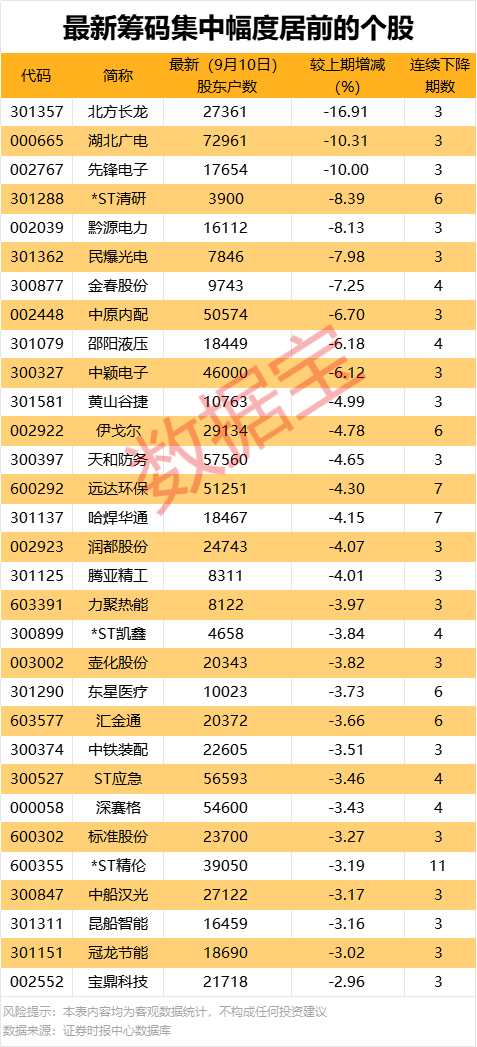
Market Overview - On September 17, A-shares saw all three major indices rise, with the ChiNext Index increasing by nearly 2% and total trading volume in the Shanghai and Shenzhen markets reaching 24,029.24 billion yuan, an increase of over 35 billion yuan compared to the previous trading day [1] - More than 2,500 stocks closed higher, with 80 stocks hitting the daily limit up [1] - Key sectors that performed well included photolithography machines, copper cable high-speed connections, and flexible screens, while sectors such as duty-free shops and prepared dishes saw declines [1] Shareholder Dynamics - According to statistics, 733 companies reported their latest shareholder numbers as of September 10, with 103 stocks experiencing a continuous decline in shareholder numbers for more than three periods, with the most significant drop being 12 periods [2] - ST Huawen had the highest reduction in shareholder numbers, down 14.42% to 63,064, while *ST Jinglun saw a 36.88% decrease to 39,050 [2][3] - Notable companies with significant recent declines in shareholder numbers include Beifang Changlong, Hubei Broadcasting, and Pioneer Electronics, with reductions of 16.91%, 10.31%, and 10% respectively [3] Institutional Activity - In the latest trading session, 11 stocks were net bought by institutions, with Haoen Qidian and Weilan Lithium Chip each seeing net purchases exceeding 90 million yuan [4][5] - Conversely, Tianji Co. faced the highest net sell-off by institutions, amounting to 113 million yuan, followed by Baoxiniang and Bangji Technology, both exceeding 10 million yuan in net sales [4][6] Notable Announcements - Pinming Technology announced a stock suspension due to a major matter that may lead to a change in control [7] - Tianpu Co. completed its stock trading suspension review and will resume trading [7] - Pingzhi Information has pre-awarded a project for artificial intelligence computing power services worth approximately 170 million yuan [7] - Heng Rui Pharmaceutical's HRS-5635 injection has been included in the list of proposed breakthrough treatment varieties [8] - Maiwei Bio-U signed an exclusive licensing agreement with Kalexo, potentially receiving up to 1 billion USD in upfront and milestone payments [9]

“黄狗猪头肉”,刘强东在炒一份什么“菜”
Mei Ri Jing Ji Xin Wen· 2025-09-17 13:06
Core Viewpoint - JD.com is strategically expanding into the food and beverage and hospitality sectors, leveraging its supply chain capabilities to innovate and enhance customer experience [3][5][9] Group 1: Business Expansion - JD.com is entering the food and beverage sector with a focus on the "Seven Fresh Kitchen" brand, aiming to open 10,000 locations nationwide within three years [4] - The company is also venturing into the hospitality industry by signing a strategic partnership with Jin Jiang Hotels, marking its first major collaboration since announcing its entry into the hotel market [5][6] Group 2: Supply Chain Innovation - JD.com is implementing a unique supply chain model in the food delivery market, which includes a "100 million yuan" initiative to recruit partners for signature dishes, aiming to improve food safety and quality [4][8] - The company plans to integrate its "Seven Fresh Kitchen" brand into hotel settings, enhancing the guest experience by offering additional products and services [6] Group 3: Market Positioning - JD.com is positioning itself against competitors by emphasizing quality over price, with a goal to reduce the average industry gross margin from 60% to 20% through supply chain optimization [9] - The company aims to redefine the perception of pre-prepared meals by leveraging its supply chain advantages and ensuring transparency in food preparation [8][9]

6分钟上菜?太二酸菜鱼回应是否“预制”
新浪财经· 2025-09-17 09:13
Core Viewpoint - The article discusses the declining performance and reputation of the restaurant chain "Tai Er" (太二酸菜鱼), highlighting issues related to food quality, customer satisfaction, and financial performance, which have led to a significant drop in stock price and market confidence [3][4][15]. Financial Performance - Tai Er's revenue for the first half of 2025 was 1.946 billion RMB, down 13.3% from 2.248 billion RMB in the same period last year, indicating a severe decline in its core brand performance [10][11]. - The operating profit for Tai Er was 262 million RMB, a decrease of 15.65% year-on-year, reflecting a deterioration in its profitability [10]. - The number of self-operated Tai Er restaurants decreased from 612 to 547, a reduction of 65 locations, contributing to the decline in same-store sales [11]. Customer Experience and Quality Issues - Reports indicate that customers have experienced issues with food quality, such as fish tasting sour and having a poor texture, leading to dissatisfaction [8][10]. - Complaints on platforms like Black Cat Complaints focus on food safety, including foreign objects in food and health issues after consumption [8]. Market Position and Brand Perception - The once-popular brand is losing its appeal, as consumers are no longer willing to wait in long lines for its offerings, indicating a shift in consumer sentiment [4][18]. - The brand's single-product strategy has shown vulnerability as market novelty fades and competition increases, leading to inevitable performance declines [4][18]. Stock Market Reaction - The stock price of the parent company, Jiumaojiu (九毛九), has plummeted from nearly 38 HKD at its peak to the current range of 2-3 HKD, representing a market value loss of over 90% [15]. - The company was recently removed from the "Hong Kong Stock Connect" list due to not meeting market capitalization and liquidity requirements, further impacting investor confidence [15][13]. Industry Competition - The competitive landscape has intensified, with many imitators entering the market, leading to a decrease in Tai Er's unique selling proposition [4][18]. - Analysts suggest that the brand's previous "internet celebrity" status is diminishing, making it more susceptible to price sensitivity and quality scrutiny from consumers [17][18].
同样是预制菜,老乡鸡和萨莉亚怎么没人骂?
Sou Hu Cai Jing· 2025-09-17 09:00
Core Viewpoint - The public dispute between Luo Yonghao and Jia Guolong has ignited a significant controversy surrounding the concept of "pre-prepared dishes," leading to a crisis for the restaurant chain Xibei [1][2][3] Group 1: Crisis Development - The conflict escalated due to Jia Guolong's firm stance against accusations of using pre-prepared dishes, despite evidence suggesting otherwise, including long shelf-life frozen products [1][4] - Xibei's daily revenue reportedly dropped by 1 million yuan over two consecutive days due to the backlash, marking one of the company's most significant external crises [6][7] Group 2: Public Perception and Market Trends - The definition of pre-prepared dishes varies between industry standards and public perception, leading to confusion and mistrust among consumers [3][7] - The pre-prepared dish market is maturing, with many restaurant chains, including Xibei, relying heavily on pre-prepared items, which has become a common practice in the industry [8][9] Group 3: Competitive Landscape - Other restaurant brands, such as Laoxiangji, have adopted transparency in their operations by clearly labeling dish preparation methods, which has been positively received by consumers [11][12] - Xibei's pricing strategy has been criticized, as consumers feel they are being charged excessively for pre-prepared dishes, contrasting with competitors like Sally's, which offers more affordable options [13][14] Group 4: Future Outlook - Xibei aims to achieve a revenue target of 100 billion yuan by 2030 and plans to go public between 2026 and 2027, but the current controversy may hinder these ambitions [17][18] - The ongoing disconnect between Xibei's management and consumer expectations regarding food transparency remains a significant challenge for the brand [18]
6分钟上菜? 太二酸菜鱼回应是否“预制”
Xin Lang Cai Jing· 2025-09-17 08:45
Core Viewpoint - The recent controversy surrounding the speed of service at Tai Er Suancaiyu has highlighted concerns about the quality of its food and the use of pre-prepared ingredients, leading to a significant decline in the company's stock price and consumer trust [2][5][10]. Company Performance - Tai Er Suancaiyu's revenue for the first half of 2025 was 1.946 billion RMB, down 13.3% from 2.248 billion RMB in the same period last year, indicating a severe decline in its core brand performance [5][6]. - The number of self-operated restaurants decreased from 612 to 547 within a year, reflecting a loss of 65 locations, which has contributed to the overall decline in sales [6][7]. - The table turnover rate for Tai Er Suancaiyu was 3.1 times per day in the first half of 2025, compared to 3.8 times for competitors like Haidilao, showing a significant drop from its peak of 4.8 times in 2019 [7][9]. Market Reaction - The stock price of the parent company, Jiumaojiu, has plummeted from nearly 38 HKD at its peak in 2021 to the current range of 2-3 HKD, representing a market value loss of over 90% [9][10]. - Jiumaojiu was recently removed from the "Hong Kong Stock Connect" list due to not meeting market capitalization and liquidity requirements, further impacting investor confidence [9][10]. Industry Context - The competitive landscape has intensified, with the novelty of Tai Er Suancaiyu's brand diminishing, leading to increased price sensitivity among consumers [10]. - The brand's reliance on a single popular dish strategy has proven vulnerable as market freshness wanes and imitators proliferate, resulting in inevitable performance declines [10].
全 聚 德:全聚德菜品均为“现制现做”
Mei Ri Jing Ji Xin Wen· 2025-09-17 08:37
Core Viewpoint - The company emphasizes that all its dishes are prepared fresh on-site, ensuring quality and brand integrity in response to recent public concerns regarding pre-prepared meals [1] Company Response - The company confirmed on September 17 that all dishes are "made to order," with strict quality control by the head chef for each dish [1] - The company reassured customers that they will only taste dishes that reflect the brand's unique flavors and quality standards [1]

2025冻品预制菜销量及最新趋势出炉,冷链物流有哪些新机遇?
Sou Hu Cai Jing· 2025-09-17 08:28
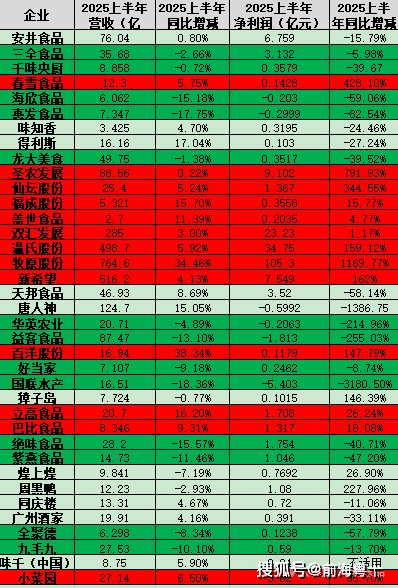
Industry Overview - More than half of the frozen food companies reported a decline in both revenue and net profit in the first half of 2025, with some experiencing increased losses [1] - The industry is facing challenges such as weakened terminal demand and intense price competition, leading to a common strategy of "exchanging price for volume" [1][6] - Despite the overall downturn, some companies achieved counter-cyclical growth, highlighting pockets of resilience within the industry [1] Financial Performance - In the first half of 2025, 12 companies reported growth in both revenue and net profit, with the top five revenue growth companies being Baiyang Co. (38.34%), Muyuan Foods (34.46%), Lihigh Foods (16.2%), Fucheng Co. (15.70%), and Gais Foods (11.39%) [2] - The top five companies with the highest net profit growth were Muyuan Foods (1169.77%), Shengnong Development (791.93%), Chunxue Foods (428.10%), Xiantan Co. (344.55%), and New Hope (162%) [2] - Conversely, 12 companies experienced a decline in both revenue and net profit, with Guolian Aquatic (-18.36%) and Huifa Foods (-17.75%) showing the largest revenue drops, while Guolian Aquatic also reported a significant net profit decline of -3180.50% [3] Segment Performance - The prepared dishes segment performed notably well, with Qianwei Central Kitchen's frozen prepared dishes revenue increasing by 67.31%, driven by significant sales growth [5] - Three Full Foods' refrigerated and short-shelf-life products also showed strong performance, with a revenue increase of 44.49% [5] - The frozen food industry is undergoing adjustments due to channel changes and cost pressures, with traditional supermarket channels seeing a decline in foot traffic [5][6] Market Trends - The industry is under cost pressure, with Three Full Foods reporting a gross margin of 22.7%, down 2.2 percentage points year-on-year due to increased promotional efforts and changes in product mix [6] - The Chinese frozen food industry is projected to reach a scale of approximately 221.2 billion yuan in 2024, making it the second-largest market globally [6] - The global frozen food market is also expanding, expected to reach 417.7 billion USD by 2024, with a compound annual growth rate of 6.0% from 2024 to 2029 [6] - Future industry consolidation is anticipated, with market share increasingly concentrating among leading companies, driven by the rise of restaurant chains and the expansion of new channels [6]
老罗和西贝骂战背后:预制菜的真相
Hu Xiu· 2025-09-17 07:03
Core Viewpoint - The article discusses the rising popularity of "pre-made dishes" in the food industry, sparked by a public debate between two prominent figures, Lao Luo and Xi Bei, regarding the authenticity and quality of such products [1] Group 1: Definition and Perception of Pre-made Dishes - The article questions whether Xi Bei's offerings can be classified as pre-made dishes and explores the extent to which consumers unknowingly consume pre-made foods [1] - It highlights the challenges consumers face in distinguishing between freshly prepared meals and pre-made options when dining out [1] Group 2: Industry Trends and Consumer Behavior - The discussion reflects a broader trend in the food industry where convenience and shelf-life, such as an 18-month shelf life for certain products, are becoming increasingly important to consumers [1] - The article suggests that the perception of quality in food preparation is shifting, with many consumers unaware of the processes behind their meals [1]
广州酒家跌2.03%,成交额1.02亿元,主力资金净流出1438.44万元
Xin Lang Cai Jing· 2025-09-17 07:02
Core Viewpoint - Guangzhou Restaurant experienced a stock price decline of 2.03% on September 17, with a current price of 17.34 CNY per share and a total market capitalization of 9.862 billion CNY [1] Financial Performance - For the first half of 2025, Guangzhou Restaurant reported a revenue of 1.991 billion CNY, representing a year-on-year growth of 4.16%. However, the net profit attributable to shareholders decreased by 33.11% to 39.1007 million CNY [2] - Since its A-share listing, Guangzhou Restaurant has distributed a total of 1.586 billion CNY in dividends, with 774 million CNY distributed over the past three years [3] Shareholder Information - As of June 30, 2025, the number of shareholders for Guangzhou Restaurant was 22,300, a decrease of 0.39% from the previous period. The average circulating shares per person increased by 0.39% to 25,460 shares [2] - Among the top ten circulating shareholders, Hong Kong Central Clearing Limited is the fourth largest, holding 12.4707 million shares, a decrease of 3.2498 million shares from the previous period [3] Stock Market Activity - The stock saw a net outflow of 14.3844 million CNY from main funds, with significant selling activity amounting to 9.3007 million CNY, representing 9.11% of the total [1] - Year-to-date, the stock price has increased by 7.37%, but it has declined by 3.67% over the last five trading days [1] Business Overview - Guangzhou Restaurant, established on May 11, 1992, primarily engages in food manufacturing and catering services, with the revenue breakdown being 38.82% from catering services, 30.80% from other products, 26.44% from frozen foods, and 1.63% from mooncake products [1] - The company is classified under the food and beverage industry, specifically in the leisure food and baking segment, and is associated with concepts such as prepared dishes and state-owned enterprise reforms [1]
