
首店经济

Search documents
充分释放消费潜力,大力提振消费|宏观经济
清华金融评论· 2025-05-06 10:31
Core Viewpoint - China is transitioning to a high-income stage, with significant potential for consumption growth as the economic environment and consumer characteristics evolve. It is essential to effectively implement the decisions of the central government to stimulate consumption and improve livelihoods, thereby creating a virtuous cycle of economic development and social welfare [1][2]. Group 1: Consumption Growth Potential - Resident consumption in China has substantial growth potential, driven by changes in social and economic conditions [2]. - International experiences indicate that as countries transition to high-income status, there is typically a deceleration in consumption growth, but new growth drivers emerge. For instance, in the five years before reaching high-income status, OECD countries saw an average decline of 1.7 percentage points in consumption growth [3]. - The increase in economic development and urbanization is expected to drive service consumption growth, with service consumption's income elasticity being high. As income levels rise, the focus of consumer spending shifts from goods to services [3][4]. Group 2: Urbanization and Service Consumption - Urbanization leads to population concentration and industrial integration, which stimulates demand for services such as education, healthcare, and entertainment. The service consumption share is positively correlated with urbanization rates [4]. - In 2024, China's urbanization rate is projected to be 67%, still 9 percentage points lower than the average of similar high-income countries, indicating significant room for growth in service consumption [4]. Group 3: Diverse Consumer Preferences - There is a clear trend of consumption differentiation among various income, age, and regional groups, with digital technology enabling diverse consumer needs [4][6]. - Over 50% of lower-income groups allocate most of their income to daily necessities, while nearly 30% of higher-income groups are shifting towards development and enjoyment-oriented consumption [6]. - Different generational preferences are evident, with younger consumers valuing social attributes and experiences, while older consumers focus on practicality and essential goods [7]. Group 4: Quality and Value in Consumption - A significant portion of consumers prioritize cost-effectiveness, with over half indicating that price-performance ratio is their main concern when shopping [8]. - The demand for high-quality, cost-effective products is expected to grow, similar to trends observed in Japan during the 1990s, where consumers favored value-for-money products [8]. Group 5: Service Demand and Family Structure Changes - The trend towards smaller family units is increasing the demand for outsourced family services, such as elder care and childcare. The average household size in China has decreased from 3.1 to 2.62 persons per household from 2010 to 2020 [9]. - The market for household services reached approximately 1.2 trillion yuan in 2023, with an annual growth rate of about 20% from 2015 to 2023, indicating a strong demand for marketized services [9]. Group 6: Challenges in Consumption Growth - There is a growing pressure on residents' consumption capacity, with the nominal growth rate of per capita disposable income in 2024 projected at 5.3%, a decline of 3.5 percentage points compared to 2019 [13]. - The supply and demand mismatch in the service sector needs to be addressed, as the service industry is lagging in development compared to high-income economies, with insufficient supply and quality issues in education, healthcare, and other sectors [14]. - Consumer expectations regarding product quality are not being met, with a significant number of complaints related to product quality and service issues, particularly in the elderly consumer market [15].


不靠补贴,苏州邻里中心如何从民生生意中赚钱? | 城市观察家
Xin Lang Cai Jing· 2025-05-06 07:42
Core Insights - The opening of ALDI's first store in Jiangsu at Fangzhou Neighborhood Center reflects the growing trend of "first store economy" supported by local governments [3][5] - The neighborhood center concept, originating from Singapore, has evolved in Suzhou, providing essential services and entertainment to local residents [9][12] - Suzhou Industrial Park Neighborhood Center Development Co., Ltd. has successfully operated 24 projects with a total area exceeding 1.5 million square meters, demonstrating resilience in the face of e-commerce challenges [8][12] Group 1: Business Model and Strategy - The neighborhood center operates on a market-oriented model, achieving self-sufficiency through rental income and light asset service revenue [12][13] - The company benefits from its state-owned status, allowing for stable long-term development and avoiding blind expansion [13] - The neighborhood centers are required to allocate at least 45% of their area for basic and public service functions, enhancing their community value [16] Group 2: Digital Transformation - The neighborhood center has embraced digital transformation, launching the "Neighborhood Life" platform with 1.25 million users and daily active users of approximately 38,000 [20][21] - The integration of digital payment and retail systems has improved customer experience and operational efficiency [20][21] - The company has issued three REITs products, enhancing its financial capabilities and enabling sustainable project development [21] Group 3: Expansion and Future Outlook - The neighborhood center is expanding its successful model across 11 provinces and 38 cities, covering approximately 3.2 million square meters [22] - The Chinese urbanization rate is projected to reach 70% by 2030, indicating significant growth potential for community commercial spaces [23] - Challenges in replicating the model in different regions include adapting to local government cooperation and consumer habits [22]
消费市场供给多元活力十足 一千余场活动释放假期消费潜力
Si Chuan Ri Bao· 2025-05-06 00:10
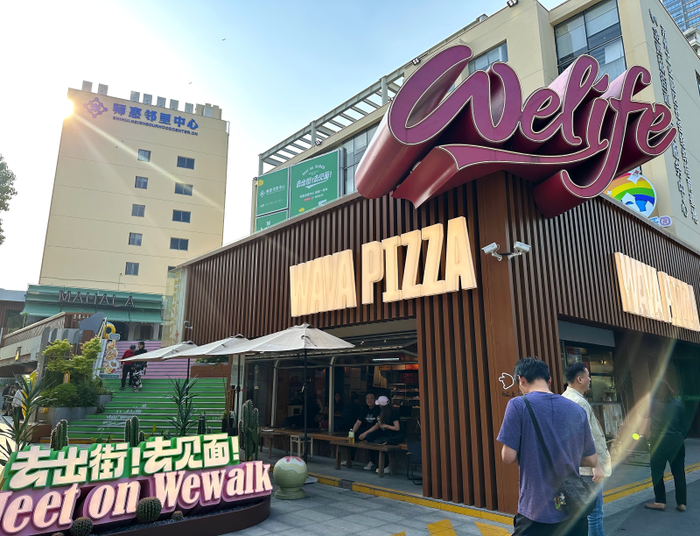
5月5日,四川省商务厅监测数据显示,"五一"假期期间,全省550家重点商贸流通企业实现销售额 (营业额)25.1亿元,同比增长5.9%。另外,第三方大数据显示,全省线下共发生消费金额606.4亿 元,同比增长6.3%;消费笔数1.7亿笔,同比增长3.6%。全省消费市场供给多元、活力十足,消费潜力 加快释放。 "五一"假期,四川抢抓居民消费需求集中释放有利时机,全省商务系统组织"春启万象·购在天 府"消费促进活动,推出各具特色的促销活动。 首店经济、离境退税带动消费新热潮。泸州放大首店首展集聚势能,Sinsin四川首店、和序川南首 店、暴龙眼镜全国概念首店等七大首店亮相泸州,TEENIE WEENIE川南首展人气火爆,吸引众多消费 者打卡。成都加快推进"即买即退",其中锦江区联动全区214家离境退税商店,以春熙路全省首个"即买 即退"集中退付点为核心,优化升级"购物+退税"一站式服务,促进"二次消费",离境退税"即买即退"消 费金额较节前增长超270%。 互动玩法拉满假期氛围感。绵阳推出全国首部宝莲灯题材实景剧《宝莲灯·仙海奇缘》,吸引客流 15.29万人次、同比增长22.7%;宜宾推出全国首部行浸式躺游夜游《 ...
街区焕新 首店频现 假期消费市场活力迸发
Zhen Jiang Ri Bao· 2025-05-05 23:30
Group 1 - The "May Day" holiday saw a significant increase in consumer spending in Zhenjiang, with sales up 11.0% compared to the same period last year, according to the city's Business and Statistics Bureau monitoring 35 key retail and catering enterprises [1] - The transformation of Jingji Road into a "net celebrity street" has attracted a large number of local citizens and tourists, with the combination of street lighting improvements and exclusive discounts leading to a doubling of merchant sales compared to regular weekends [2] - The "Youth Economy" initiative, which includes the "Zhenjiang Jinshan Consumption Season" promotional activities, has created new consumption scenarios focused on youth, fashion, and quality, resulting in a government subsidy leverage ratio of 1:9 [3] Group 2 - The "old-for-new" policies in the consumer goods market have significantly boosted sales, with the expected consumption increase of over 2.3 billion yuan in the first four months of the year, ranking third in the province for home renovation subsidies [4] - During the "May Day" holiday, key retail enterprises reported a 50.05% increase in sales of household appliances and audio-visual equipment, and a 37.54% increase in communication equipment sales [4] - The automotive sector also experienced a surge, with a 127.22% year-on-year increase in sales of automotive products among monitored enterprises, driven by various subsidy policies [4]


多家首店“上新”了!“五一”期间,北京掀起新店消费热
Sou Hu Cai Jing· 2025-05-05 20:35
Group 1: New Store Openings - During the "May Day" holiday, Beijing saw the opening of nearly 300 new stores across various sectors including retail, dining, and services from January to April this year [1] - The new dining brand "Warm Mountain" under Jindingxuan attracted long queues during lunch hours, reporting a 30% increase in customer flow and revenue during the holiday period [1] - The "THE BOX" youth center has introduced over 50 new stores and hosted nearly 100 premiere events since its opening, further enhancing the new store economy during the "May Day" holiday [5][7] Group 2: Cultural and Artistic Events - The MADverse digital art space launched its first store in Beijing, featuring a 15-minute AIGC film based on traditional Chinese culture, which combines dining, performances, and cultural products [3] - The "THE BOX" center hosted the first "Aroma Shanghai" fragrance market and the inaugural Tomato Original Art Festival, showcasing over 40 unique fragrance brands [5][7] Group 3: Future Developments - By 2025, Beijing plans to complete the renovation of 12 traditional commercial districts, adding 1 million square meters of new commercial space, which is expected to accommodate around 800 new stores [7]
商场“五一档”扎堆开业潮冷却,特色、体验成为竞争关键
Xin Lang Cai Jing· 2025-05-05 14:00
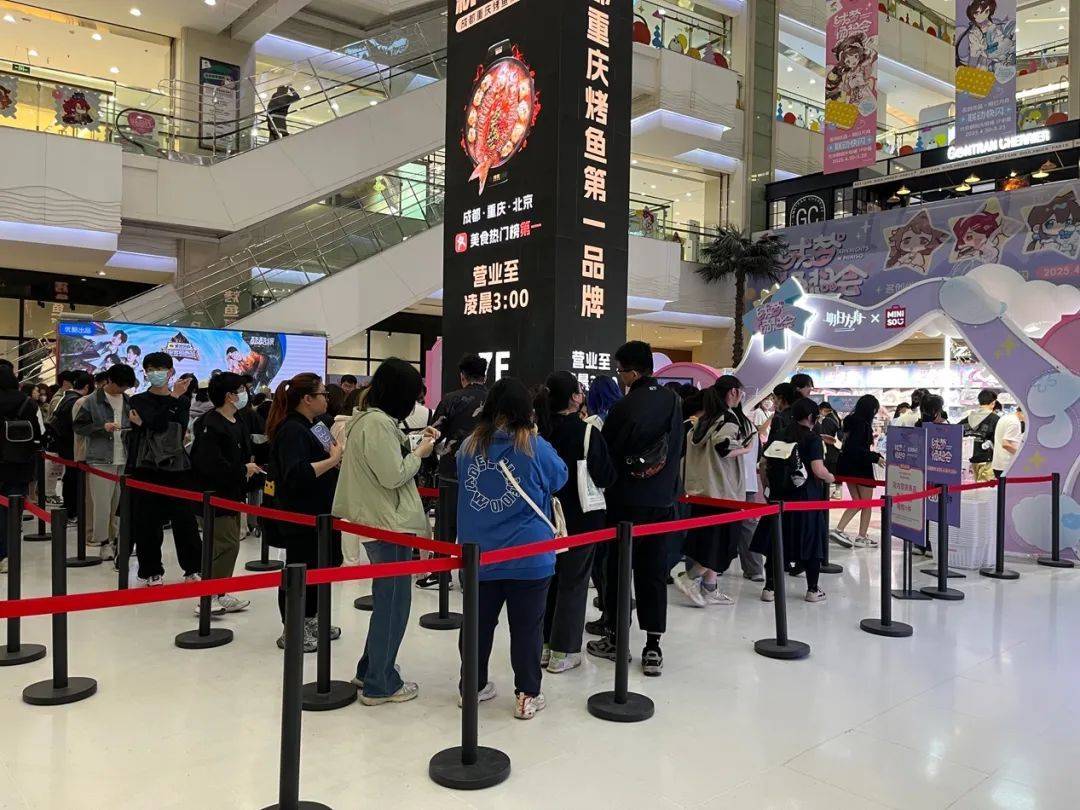
Group 1 - The "May Day" holiday is traditionally a peak season for consumer spending, with new shopping malls opening to capture market share and boost consumption, especially in the context of a recovering cultural and tourism economy [1][2] - This year, the commercial real estate sector has seen a significant decline in the number of new mall openings, indicating a shift in industry dynamics as it enters a phase of saturation and increased competition [2][3] - Developers are now more cautious about opening new malls, preferring to time openings based on project readiness rather than following the previous trend of launching multiple projects simultaneously during peak periods [4][5] Group 2 - Unique and experiential offerings are becoming key strategies for malls to differentiate themselves in a saturated market, with examples including Shanghai's "Cha Cha Valley" and the "Urban Living Room" concept in Nanjing [4][7] - The "first store economy" remains a crucial competitive advantage for developers, with many new projects focusing on attracting flagship and first-time brands to create a unique shopping experience [13][14] - The integration of cultural elements and innovative experiences is essential for malls to thrive in the current environment, as seen in initiatives like AI-driven shopping experiences and cultural events [19][21]
“商圈+文旅”点燃消费新引擎,奏响假期文旅狂欢曲
Qi Lu Wan Bao Wang· 2025-05-05 09:13
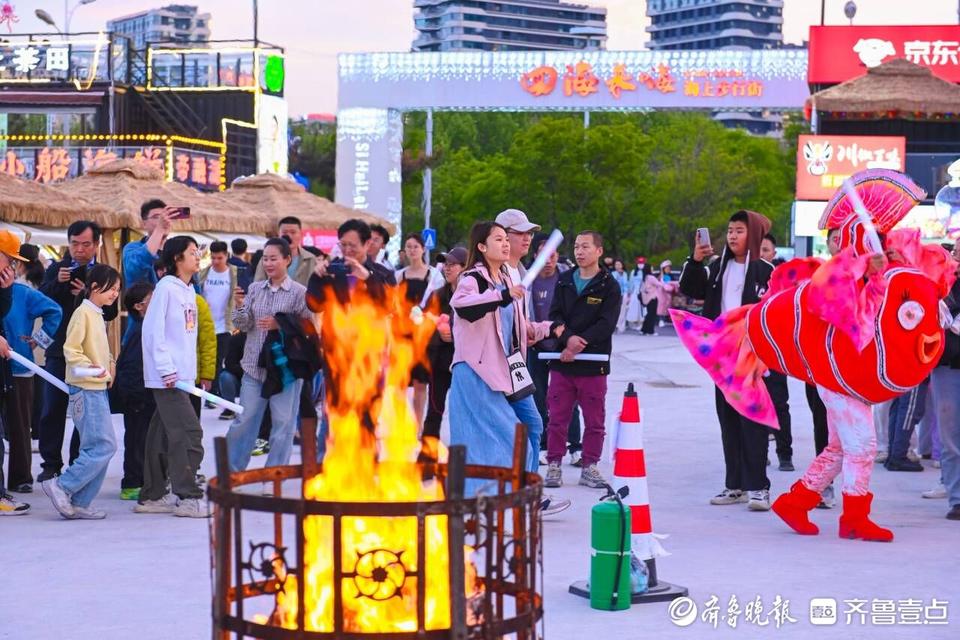
Core Insights - The article highlights the integration of commerce and tourism in Qingdao's West Coast, particularly in the Yinjuzhijiao area, which is becoming a new growth engine for cultural and tourism consumption [1][8]. Group 1: Event Highlights - The "Happy Bay Music Market" opened on May 1, featuring live performances and attracting over 20,000 visitors in a single day during the holiday period [3][8]. - The "Four Seas Come to Hi" pedestrian street launched with an "Ocean of Fluorescence" theme, offering immersive experiences such as bonfire parties and interactive light shows [5][6]. Group 2: Infrastructure and Development - Happy Bay, a 245,000 square meter commercial complex, includes over 30 well-known dining brands and various entertainment options, creating a comprehensive consumption ecosystem [3][5]. - The upcoming Ling Shan Bay commercial complex, set to start in 2025, will feature a 27,000 square meter shopping center with an expected annual sales of 260 million yuan and create 500 new jobs [8]. Group 3: Economic Impact - The integration of cultural and tourism elements into commercial areas has significantly boosted consumer activity, with events like the Ling Shan Bay Festival expected to attract over 100,000 visitors in 2024 [8][9]. - The local government has implemented initiatives to enhance the business environment, resolving over 500 enterprise issues and facilitating connections between banks and businesses [8].
落地生花,破局出圈:上海首店经济调研启示|封面专题
清华金融评论· 2025-05-01 09:11
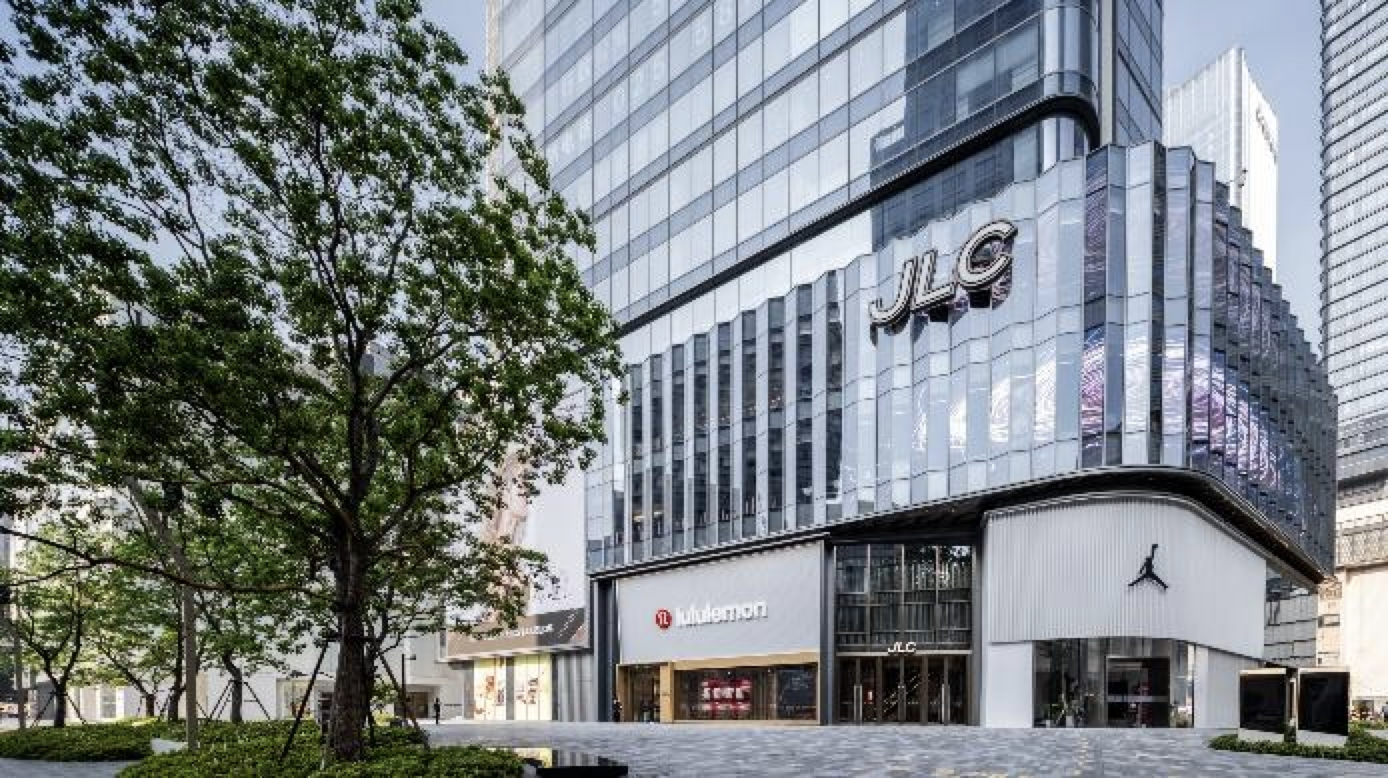
首店经济是首发经济的重要组成部分,有利于创造消费热点、激发消费热 情、彰显创新能力。笔者近期调研了上海首店经济的发展状况,感受到了 优质门店带来的精彩卖场呈现、旺盛客流量、创新货品组合、与众不同的 购物体验。展望未来,看好线下零售渠道的高质量发展趋势,市场份额将 向优势商圈、创新店铺集中,首店经济也将助力各地消费市场的繁荣。 首店经济:首发经济的重要组成部分 文/中国国际金融股份有限公司研究部董事总经理 郭海燕 ,中国国际金融股份有 限公司研究部研究助理 庄铭楷 ,中国国际金融股份有限公司研究部副总经理 周 彭 2024年7月21日,党的二十届三中全会审议通过了《中共中央关于进一步全面深化改革、推进中国式现代化的决定》(以下简称《决定》),其中针对"构建 全国统一大市场"进行了系统规划,并提及"积极推进首发经济"。同年,中央经济工作会议将提振消费作为2025年的首要任务,并明确指出要"积极发展首发 经济"。 "首发经济"的内涵丰富,发轫于"首店经济",从全链路强调企业创新。根据《决定》辅导读本,首发经济是指"企业发布新产品,推出新业态、新模式、新 服务、新技术,开设首店等经济活动的总称,涵盖了企业从产品或服务 ...

河畔“星光”点燃文旅商融合热浪
Yang Guang Wang· 2025-05-01 07:02
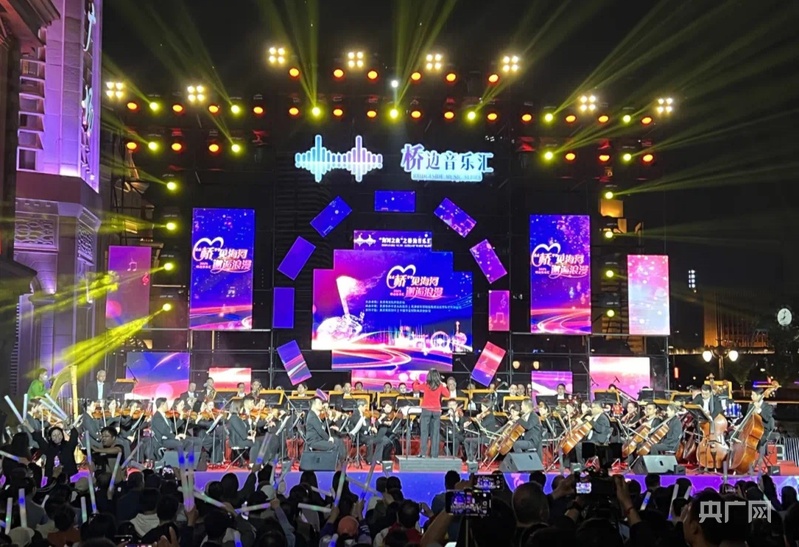
Group 1 - The 2025 Bridge Music Festival is a significant cultural event in Tianjin, showcasing a blend of traditional and modern performances, enhancing the city's cultural atmosphere and tourism appeal [2][4] - The Tianjin Cultural and Tourism Bureau emphasizes the integration of culture, tourism, and commerce to drive consumer upgrades, reflecting the city's cultural essence [2][3] - Tianjin's Tsingwan Square is positioned as a "city living room," attracting over 2 million visitors from the Beijing-Tianjin-Hebei region in 2024 through various cultural and sporting events [3][9] Group 2 - The immersive experience of the first interactive crosstalk venue, "Encounter Crosstalk Society," adds vitality to Tsingwan Square's economy, blending traditional art with modern engagement [6][7] - Tsingwan Square aims to enhance its cultural offerings by transforming its space into a dynamic cultural container, promoting a series of events that highlight Tianjin's diverse cultural charm [7][9] - The "Tianjin Eye" Ferris wheel project achieved record revenues exceeding 90 million yuan and welcomed over 1.1 million visitors in 2024, showcasing the area's tourism potential [10][12] Group 3 - The Ancient Culture Street in Tianjin recorded a visitor count of 13.5 million in 2024, highlighting the successful fusion of traditional culture and modern trends [13][15] - The Mudman Zhang family business has seen a 40% increase in visitor numbers and significant revenue growth, driven by innovative cultural products and experiences [15][18] - The Yangliuqing Painting Society is leveraging e-commerce and collaborations with cultural IPs to attract younger consumers, enhancing the reach of traditional crafts [17] Group 4 - In 2024, Tianjin received 260 million domestic tourists, generating 293 billion yuan in tourism revenue, marking a year-on-year growth of 10.9% and 32.3% respectively [17] - The online tourism sector in Tianjin reported 28.1 million total visitors and a transaction volume of 4.66 billion yuan in the first quarter of 2025, indicating a strong recovery and growth in tourism [17] - The surge in inbound tourism orders during the "May Day" holiday, with a 250% year-on-year increase, is expected to further boost international consumption in Tianjin [17]
强势出圈的十全街何以成顶流
Su Zhou Ri Bao· 2025-04-30 00:29
Core Insights - The article highlights the vibrant commercial transformation of Suzhou's Qian Street, which has become a hub for numerous first-store openings, attracting significant foot traffic and revitalizing the local economy [1][5][6] Group 1: Brand First-Stores - Qian Street has seen a concentration of first-stores from various popular brands, including "Louxia Yogurt," "Chabaile," and "Big Beard Matcha," contributing to a lively shopping atmosphere [1][2] - The street's daily foot traffic has reached approximately 50,000 visitors, making it an attractive location for new brands [2][5] Group 2: Economic Drivers - The influx of first-stores has created a strong engine for street consumption, enhancing the variety of commercial offerings, including tea, food, cultural products, and bars [2][5] - The "main operator economy" has empowered local entrepreneurs to innovate and attract consumers, transforming Qian Street into a brand incubation hub [3][4] Group 3: Urban Renewal and Cultural Integration - The successful transformation of Qian Street is attributed to a comprehensive urban renewal strategy that combines cultural heritage with modern commercial practices [5][6] - The integration of traditional cultural elements into contemporary business models has enriched the consumer experience and provided a unique identity for the street [5][6] Group 4: Emerging Economic Trends - The emergence of "second-floor economy" and "backstreet economy" has expanded commercial space and diversified consumer experiences, with creative dining and cultural experiences becoming prominent [4][5] - The street's transformation serves as a model for other urban areas, showcasing the potential for cultural and commercial synergy in revitalizing older districts [6]