保护主义

Search documents
巴西总统谴责单边主义、霸权主义等“死灰复燃”
Yang Shi Xin Wen· 2026-01-28 16:17
(文章来源:央视新闻) 当地时间1月28日,巴西总统卢拉在巴拿马出席拉丁美洲和加勒比国际经济论坛时发表讲话,捍卫拉丁 美洲和加勒比地区更加自主的一体化,谴责单边主义、保护主义和"霸权主义诱惑"在国际舞台上"死灰 复燃"。卢拉表示,将世界划分为势力范围和为获取战略资源而进行的新殖民主义入侵,是过时的做法 和历史的倒退。卢拉强调"基础设施一体化不涉及意识形态",并捍卫巴拿马运河的中立性。他表示,近 三十年来,巴拿马运河一直得到"高效、安全且非歧视性"的管理。 ...
美媒很感慨:要不是中国还在反抗特朗普,几乎全世界都向他投降了
Sou Hu Cai Jing· 2026-01-28 06:44
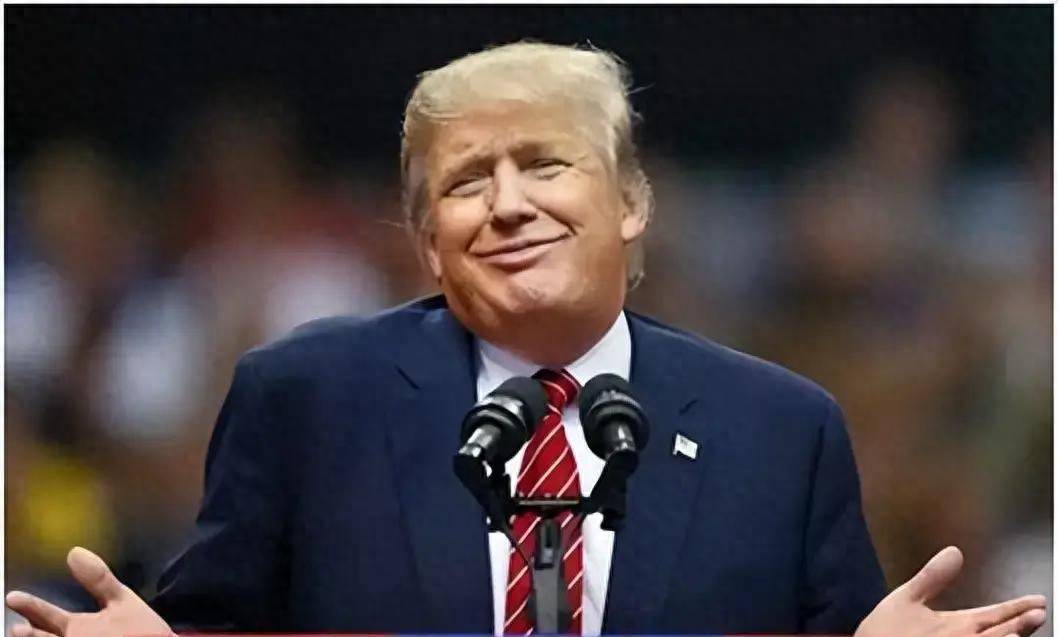
中国敢于硬气的背后,不仅是体量上的庞大,更是骨气上的坚定。从朝鲜战争到越南战场,中国有着不低头的传统。中国并非想要打败别人,而是希 望打破那种将世界各国绑在霸权方式下的枷锁。正常的经济秩序应该是互利共赢,而非零和博弈,更不能是你动手我流血的恶性循环。近些年,中国 不断扩大市场、稳定预期、促进合作,签署了更多自由贸易协定,推动了通关便利化,改善了营商环境,完善了基础设施,修路修桥、畅通货物和人 员的流动,使得合作走得更远、做得更稳。看看欧洲八国,德国的汽车产业链如此庞大,关税一旦加征,配件、物流、销售等各个环节都会受到波 及;法国的葡萄酒、奶酪及农产品从田地到货架,都必须重新核算成本。而更致命的隐性杀伤,是关税带来的预期破裂。投资收缩、创业退缩、消费 萎缩,经济的活力消失殆尽,所有这一切,都是关税带来的间接影响。欧洲并非没有反击之道:无论是市场、技术,还是人才,都拥有一定的韧性, 但关键在于是否能够保持战略定力。安全受制于北约,经济则受制于关税,要想稳住局面,就必须在规则上发声,在合作中主动出击。 1月17日,特朗普宣布对德国、法国、英国、丹麦、挪威、瑞典、荷兰和芬兰等国加征关税,计划自2月1日起先加10%,到 ...

特朗普美梦破碎,中国帮了拉美国家一个大忙,西方国家纷纷向东看
Sou Hu Cai Jing· 2026-01-28 04:35
Core Viewpoint - The article highlights how Latin American countries have managed to navigate the trade challenges posed by the Trump administration's tariffs, largely due to support from China, which has allowed them to maintain economic stability without making significant concessions to the U.S. [1][3] Group 1: Impact of U.S. Tariffs - Many Latin American countries are still under the shadow of high U.S. tariffs and have not reached effective trade agreements with the U.S. [1] - Some countries have received tariff exemptions in specific industries, but overall, they continue to feel the impact of U.S. tariffs [3]. Group 2: China's Role - China's assistance has enabled these countries to overcome the negative effects of U.S. tariffs, allowing them to keep their economies running [3]. - Latin American countries have deepened their reliance on China by exporting minerals, beef, and agricultural products, effectively countering the impact of U.S. tariffs [5]. Group 3: Global Implications - The success of Latin American countries in relying on China serves as a model for others, influencing global perceptions and encouraging countries like South Korea, Canada, Finland, the UK, and Germany to strengthen ties with China [5][6]. - This trend reflects a broader reevaluation of global economic development models and implicitly challenges U.S. unilateralism [6]. Group 4: Shift in Alliances - The increasing cooperation with China allows countries to avoid forced political compromises and achieve genuine win-win outcomes [6]. - The movement of traditional U.S. allies towards China indicates a shift towards a more sustainable development path, resisting the protectionist policies of the Trump administration [6]. Group 5: Future Outlook - Even if Venezuela cannot currently export oil to China, future cooperation is likely to strengthen, indicating a long-term trend [6]. - The deepening ties between Latin America and China position the region as a significant player in the global economic landscape, challenging the traditional dominance of the U.S. [6].
美媒:欧洲正步入“丢脸时代”?
Huan Qiu Shi Bao· 2026-01-26 23:02
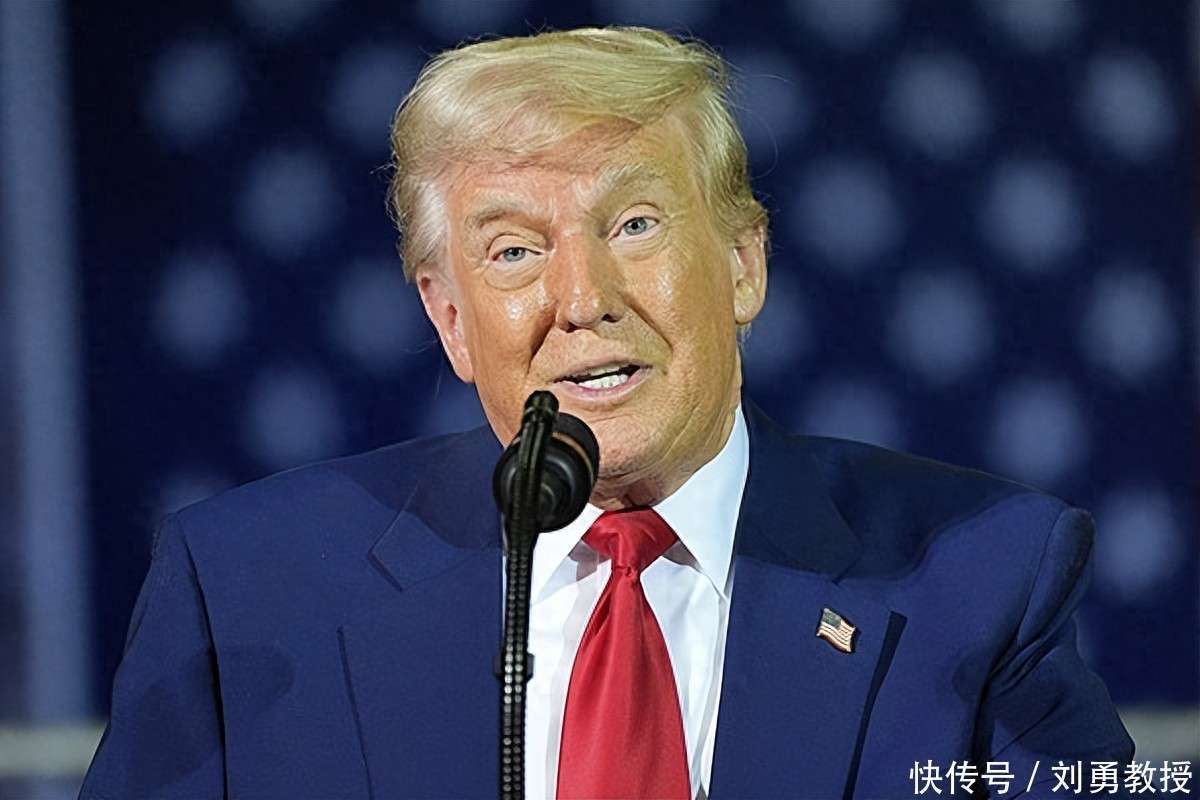
美国彭博社 1 月 23 日文章,原题:欧洲正步入 " 丢脸时代 " 发现时代、理性时代、扩张时代、毁灭时代和 统一时代……欧洲在其漫长的历史发展过程中,经历过许多时期,如今它正缓缓步入"丢脸时代"。围绕 美国是否能从丹麦手中强行购买格陵兰岛这一问题展开的争论,就能很好地揭示当代欧洲的"丢脸"一 面:美国采取行动,欧洲作出表态;美国果断出手,欧洲犹豫不决。 曾左右人类历史 日前,美国总统特朗普威胁要动用武力或采取加征关税的措施来控制格陵兰岛,这让欧洲精英们惊慌失 措。几天后,特朗普突然转变态度,声称他已与北约秘书长吕特就未来达成有关格陵兰岛的协议制定了 框架,因此不会实施原定于2月1日生效、对欧洲8国加征关税的措施。不过,吕特称,他与特朗普举行 的会晤并未谈及格陵兰岛主权问题。这场风暴已经过去,但欧洲又将不得不再次面对其他外部挑衅。 自15世纪以来,欧洲一直是左右人类历史发展的主要力量之一,有时会带来积极影响(如文艺复兴), 有时带来消极影响(如纳粹),但有一点可以肯定:欧洲始终都能够产生改变世界的影响。欧洲人发展 了构建现代社会的关键技术和革命思潮,从印刷机到蒸汽机,以及现代政治制度。在近代史上最具破坏 性 ...
美国威胁加拿大征100%关税,中国外交部回应:各国应秉持共赢思维、走合作而非对抗之路
Sou Hu Cai Jing· 2026-01-26 13:46
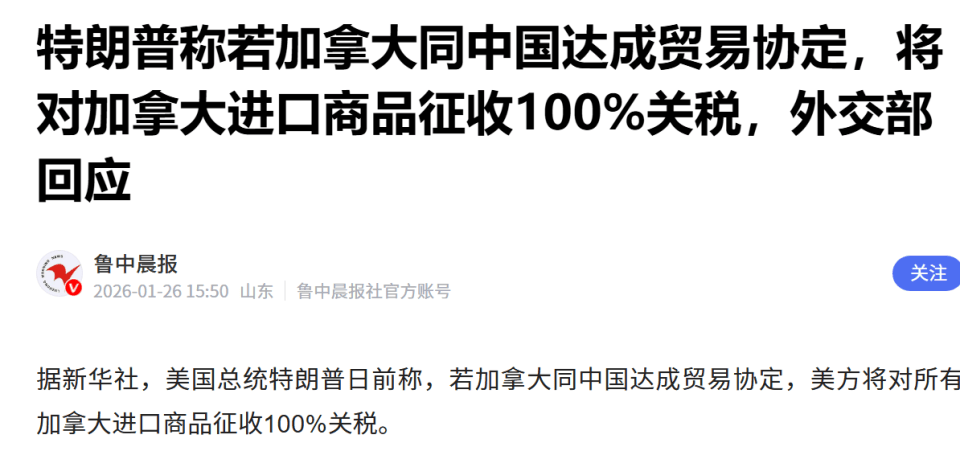
Core Viewpoint - The recent threats from the U.S. to impose 100% tariffs on Canadian goods if Canada engages in trade agreements with China highlight a shift towards unilateralism and coercive diplomacy in international relations, contrasting sharply with China's call for win-win cooperation and multilateralism [1][3][10]. Group 1: U.S. Actions and Implications - U.S. President Trump's ultimatum to Canada represents an escalation of "long-arm jurisdiction," disregarding Canada's sovereignty and autonomy in trade decisions [3][5]. - This is not the first instance of the U.S. using tariffs as a coercive tool, having previously threatened other allies like Denmark and Germany over various disputes [5][6]. - The U.S. approach to trade has transformed tariffs from economic tools into instruments of geopolitical pressure, affecting even its allies without hesitation [6][10]. Group 2: Canada's Response and Strategy - Canadian Prime Minister Carney's response reflects a mix of resignation and determination, urging citizens to support local products while seeking to diversify trade relationships beyond the U.S. [6][12]. - Carney's recent visit to China resulted in the signing of the "China-Canada Economic Cooperation Roadmap," which outlines 28 cooperative measures across eight sectors, indicating Canada's intent to strengthen ties with China [6][8]. - The cooperative model between China and Canada emphasizes mutual understanding and win-win outcomes, contrasting with the U.S. approach [8][10]. Group 3: Global Trade Dynamics - The situation underscores a broader dilemma in the global trade system: whether to uphold a multilateral trade framework centered around the WTO or revert to unilateralism and protectionism [8][10]. - The uncertainty surrounding tariffs is identified as a significant threat to the global trade environment, prompting countries to reconsider their alliances and trade strategies [10][12]. - The trend towards multipolarity is evident, with nations seeking to assert their autonomy and pursue equitable international relations, as highlighted by China's diplomatic stance [12].
马克龙呼吁中国投资欧洲,中方回应愿当世界市场推动共赢合作
Sou Hu Cai Jing· 2026-01-25 22:57
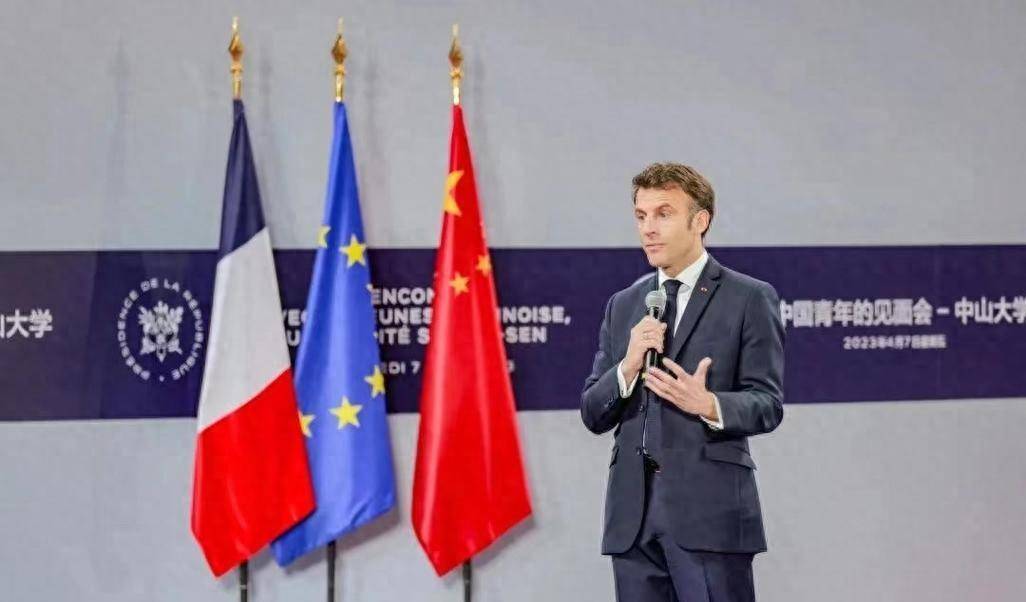
Core Viewpoint - Macron's call for increased Chinese investment in Europe highlights the urgency of economic collaboration amid rising geopolitical tensions and trade barriers from the U.S. [1][3][30] Group 1: Geopolitical Context - Trump's recent tariff threats against European countries, including a 200% tariff on French wine and champagne, exemplify the aggressive U.S. trade policy that pressures European economies [1][3][5] - The U.S. is using security alliances to bind Europe while simultaneously imposing economic penalties, creating a challenging environment for European nations [5][22] Group 2: European Economic Challenges - Europe is facing significant economic hurdles post-pandemic, with slow industrial upgrades and a lack of unified funding mechanisms for key sectors like chips, renewable energy, and AI [5][7] - The internal financial flow within the EU is sluggish, making it difficult for countries to invest in necessary technological advancements [7][20] Group 3: Chinese Investment Potential - Chinese companies have demonstrated substantial overseas investment capabilities, backed by technological advancements and market competitiveness, rather than mere subsidies [7][10][12] - Macron's appeal for direct investment in "key areas" indicates a strategic move to attract Chinese capital to bolster European industries [8][28] Group 4: Mutual Benefits and Fairness - The essence of Sino-European economic relations is based on mutual benefits and complementary advantages, with China emphasizing the importance of fair treatment in investment opportunities [10][14][24] - China is open to collaboration in sectors like renewable energy and high-end manufacturing, provided that Europe dismantles barriers and ensures equitable conditions for investment [20][28] Group 5: Future of Sino-European Relations - The potential for a new chapter in Sino-European relations hinges on Europe's willingness to revise biased investment review mechanisms and ensure fair treatment for Chinese enterprises [30][32] - The choice between maintaining old alliances or embracing new partnerships will significantly impact Europe's economic future over the next decade [33][35]
观察|欧盟南美“联姻”能否对抗贸易寒流
Xin Lang Cai Jing· 2026-01-25 15:07
特约撰稿 张梦婷 马晓霖 这股外部推力,其源头清晰无误地指向美国。特朗普政府的贸易逻辑日益凸显出鲜明的交易色彩与对抗 特质,近期更是将关税直接与盟友的领土主权问题相捆绑。此举从根本上撼动了欧洲长期以来所依赖的 传统经济安全架构与信任基础。这种与日俱增的战略不安全感,为这项搁置已久的协议注入了前所未有 的政治动能。欧盟委员会贸易和经济安全委员直称此项协定为至关重要的"战略工具"。其核心战略意 图,是通过快速构建一个具备显著规模效应的多元化经济伙伴网络,以系统性降低对任何单一且行为难 以预测的主要市场的过度依赖,从而实质性增强自身的经济韧性与战略议价能力。 欧盟与南共市的这场历史性握手所试图释放的"暖流",本质上是一股服务于战略平衡与风险对冲的"人 工暖流"。它是在单边主义与保护主义"寒流"不断侵袭全球体系的背景下,被迫紧急启动的一套供暖装 置。欧盟正借此传递一个信号:即使最传统的联盟关系发生动摇,它仍有能力与意愿构筑起新的经济合 作支柱。 廿五载僵局,恐惧催化共识 一项耗时四分之一世纪的谈判,在2026年初戏剧性地冲刺撞线。 1月17日,欧盟与南美南方共同市场(以下简称"南共市")在巴拉圭首都亚松森正式签署自由 ...
从保护主义到贸易壁垒 空客CEO呼吁“自力更生”
Xin Lang Cai Jing· 2026-01-25 12:06
格隆汇1月25日|空客集团首席执行官Guillaume Faury近日向员工发出警告,称由于去年受到美国保护 主义及全球贸易紧张局势带来的"重大"物流和财务损失,公司必须准备好应对令人不安的新地缘政治风 险。Faury在路透社获取的一封内部信函中表示:"2026年伊始,以前所未有的多重危机和动荡的地缘政 治局势为特征。我们应当本着团结和自力更生的精神继续前行。"他指出:"我们所处的工业环境困难重 重,大国之间的对抗更是加剧了这一局面。"福里在信中并未具体指明地缘政治事件,但这封信函是在 上周分发的,当时华盛顿与其盟友在格陵兰岛问题及北约角色上正处于分歧不断的背景之下。空客是欧 洲主要的防务供应商。他表示,多重贸易压力已经"在物流和财务上造成了重大的次生损害"。 ...

不许报复美国,美方话音刚落,27国同谋对华出手,中企已被踢出局
Sou Hu Cai Jing· 2026-01-25 06:45
Group 1 - The U.S. is applying pressure on Europe while warning against retaliation, particularly regarding tariffs and investments in U.S. assets [1][2] - The U.S. holds significant foreign debt, with European countries owning nearly 40% of it, totaling over $10 trillion, which includes major holdings from the UK and Norway [1] - The U.S. is concerned about Denmark's decision to sell U.S. government bonds, which could set a precedent for other European nations [1][2] Group 2 - The European Commission is targeting Chinese companies through a proposed cybersecurity law that mandates the removal of high-risk suppliers from critical sectors [5][7] - The scope of the proposed law is extensive, covering energy, transportation, ICT, and even solar energy, which could impact many Chinese-made products [7][8] - The European Commission's actions are seen as a demonstration of solidarity with the U.S. against China, despite lacking technical evidence for the claims against Chinese suppliers [8][10] Group 3 - China's response to the EU's actions has been firm, with both the Ministry of Foreign Affairs and the Ministry of Commerce condemning the discriminatory measures against Chinese companies [10][12] - The EU's potential exclusion of Chinese technology could hinder its green transition plans, as Europe heavily relies on Chinese manufacturing for solar energy and other technologies [12][14] - The shift away from Chinese suppliers in telecommunications, particularly in 5G, could lead to significant delays and increased costs for European operators, impacting their competitive edge [13][14]
AI正在重构比较优势和市场主导格局,中国在数据、资本与产业协同上占优
Xin Lang Cai Jing· 2026-01-24 03:08
Group 1 - The core viewpoint is that AI is reshaping comparative advantages and market dominance, with China excelling in data, capital, and industrial synergy [2] - Without international coordination, the technological competition may intensify protectionism and instability, highlighting the urgent need for cooperative governance [2]