
兴趣消费

Search documents
击败DIOR旗舰店,MINISO LAND斩获国际大奖
Ge Long Hui· 2025-12-09 09:59
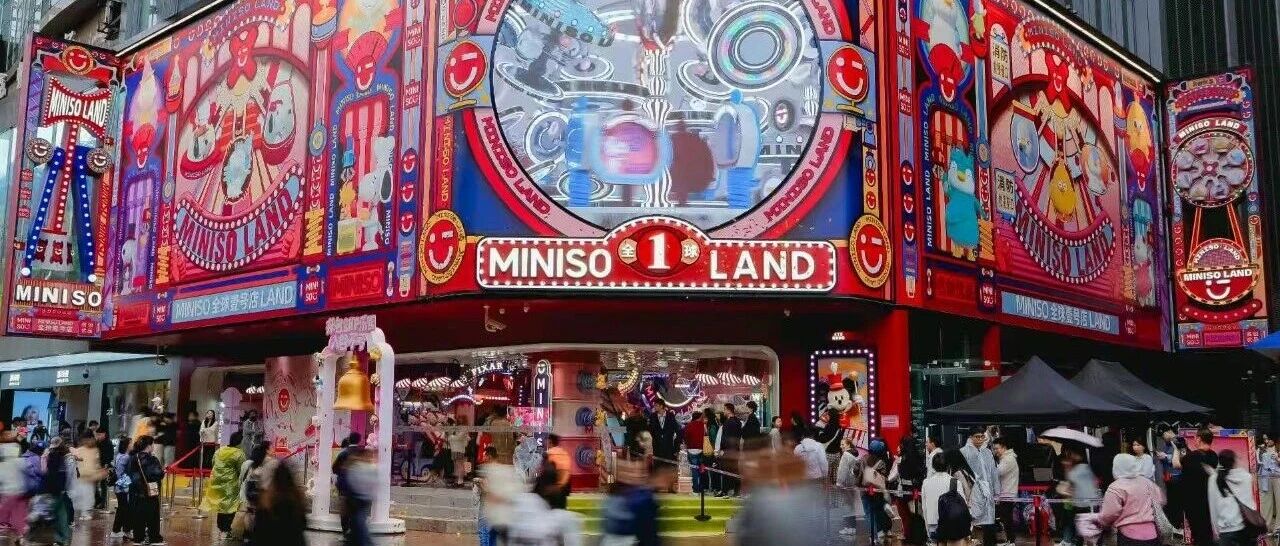
MINISO LAND斩获国际零售行业"奥斯卡"奖。日前,2025年全球零售商业地产峰会大奖(MAPIC Awards)在法国颁发,全球级IP乐园创新店态MINISO LAND,击败DIOR旗舰店和英国奢侈品零售品牌Flannels旗舰店,荣获 "最佳新店概念奖"。 MINISO"乐园系"另一创新店型MINISO FRIENDS,日前也获得国际设计界权威奖项"2025年伦敦设计奖铂金奖"。自2024年MINISO LAND全球壹号店亮相上 海南京东路,MINISO"乐园系"门店在全球开花,引领新一轮的"兴趣消费"风向。 ...


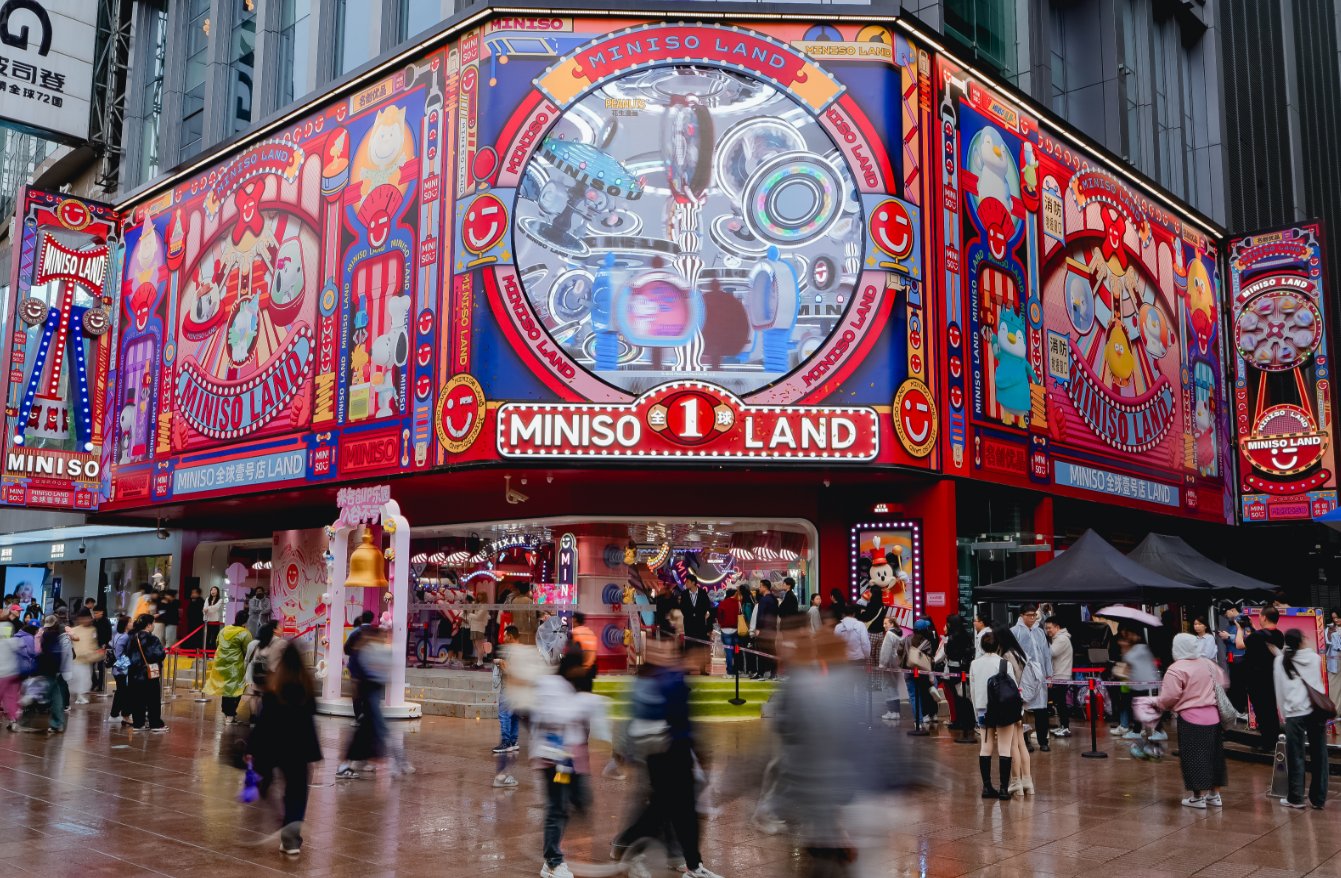
击败DIOR旗舰店 MINISO LAND获国际大奖
Zheng Quan Shi Bao Wang· 2025-12-09 07:13
Core Insights - MINISO's innovative store concept, MINISO LAND, won the "Best New Store Concept Award" at the 2025 MAPIC Awards in France, outperforming flagship stores from DIOR and Flannels [1] Group 1: Store Performance - MINISO LAND is a strategic store type that promotes a shift towards an "immersive IP park" retail format [1] - In China, MINISO LAND has established 18 locations in major cities such as Beijing, Shanghai, and Guangzhou, with the Shanghai flagship store achieving over 100 million yuan in sales within 9 months and monthly sales exceeding 16 million yuan, setting a record for MINISO's global stores [1] Group 2: International Expansion - The overseas expansion of MINISO LAND is accelerating, with the first stores in Thailand and Australia becoming popular trend destinations among local youth [1] Group 3: Awards and Recognition - Another innovative store type, MINISO FRIENDS, recently received the prestigious Platinum Award at the 2025 London Design Awards [1] - Since the launch of the global flagship MINISO LAND store in Shanghai's Nanjing East Road in 2024, MINISO's "park series" stores have been expanding globally, leading a new wave of "interest consumption" trends [1]
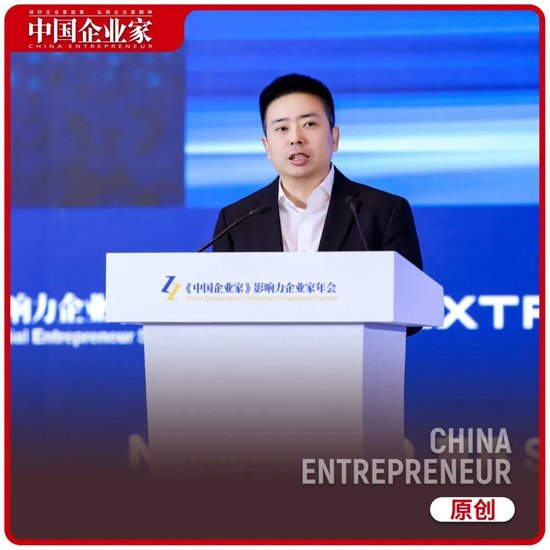
名创优品叶国富:将孵化中国原创IP成为世界级IP
Xin Lang Cai Jing· 2025-12-08 09:59
Core Viewpoint - The future direction for companies like Miniso is to shift from merely introducing and operating global IPs to deeply participating in and leading the incubation of Chinese original IPs and their global influence [3][4][18]. Group 1: Globalization and Cultural Integration - In the era of globalization, true competitiveness for Chinese companies and brands can only be achieved by deeply integrating hard technology with unique cultural charm [4][21]. - The concept of "interest consumption," which emphasizes emotional value over functional value, is expected to dominate the new generation of global consumer markets [6][21]. - Miniso has established a leading advantage in global interest consumption over the past five years, aligning with national strategies to enhance consumer demand [6][22]. Group 2: Miniso's Global Expansion - Since its global expansion began in 2015, Miniso has rapidly developed, currently operating over 8,000 stores in 112 countries, with more than 3,424 stores located overseas [7][22]. - The company has achieved significant milestones, such as opening its first global flagship store in Times Square, New York, and plans to open a flagship store in Paris during the 2024 Olympics [8][23]. - Miniso's strategy focuses on deep global resonance rather than simple commercial replication, emphasizing local insights and cultural integration [7][22]. Group 3: IP Development and Cultural Confidence - The year 2025 is projected to be a pivotal year for Chinese IP, with significant cultural products like the film "Nezha" showcasing the potential of Chinese cultural innovation [10][25]. - Miniso aims to transform into a leading global IP operation platform, focusing on developing original IPs and transitioning from a retail company to a cultural company [10][25]. - The launch of the "IP Genius Youth Program" aims to nurture young IP creators, providing them with resources and pathways to market their creations [11][26]. Group 4: Future Vision and Cultural Mission - Miniso's vision for the next decade includes taking 100 Chinese IPs global, fostering cultural confidence and responsibility in promoting Chinese culture worldwide [12][27]. - The company recognizes the importance of cultural consumption as a future direction, aligning with national strategies for cultural and technological advancement [9][24]. - The integration of technology and culture is seen as essential for the revival and global dissemination of Chinese values and creativity [11][28].
全球掀起逛名创优品热潮:“兴趣消费”正重塑全球消费格局
Sou Hu Cai Jing· 2025-12-08 05:49
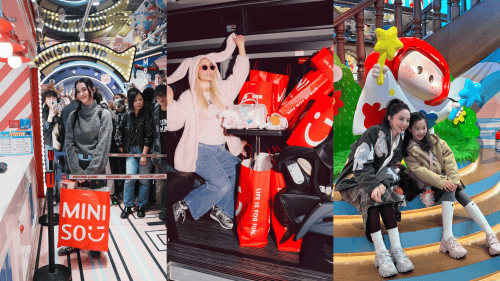
Core Insights - MINISO is experiencing a surge in popularity among celebrities and high-net-worth individuals, indicating a shift from traditional luxury consumption to a broader appeal in the retail market [3][4][6] Group 1: Brand Strategy and Market Positioning - MINISO is transitioning from a "mass market" brand to one that appeals to "high-potential circles," reflecting a strategic elevation in its market positioning [3] - The brand is leveraging "interest consumption" to reshape global consumer aesthetics and achieve a cultural resonance beyond mere commercial output [3][4] - MINISO's strategy includes a "multi-IP matrix" and a diverse range of products, creating an immersive shopping experience that meets both functional and emotional needs [4][6] Group 2: Product and IP Integration - The company emphasizes the integration of core product categories as "stabilizers" for customer flow and repurchase, while IP serves as a "magnifier" to enhance product value and brand appeal [6] - MINISO collaborates with over 150 well-known IPs and has successfully developed its own IPs, such as the Gifford Bear and DUN Chicken, to create a comprehensive IP matrix that resonates with consumers of all ages [4][6] Group 3: Global Expansion and Retail Experience - As of September 2025, MINISO has entered 112 countries and regions, with over 8,000 stores globally, including more than 3,400 overseas [7] - The company is implementing a channel strategy focused on "opening good stores and large stores," aiming to create IP trend destinations [7] - MINISO LAND, a flagship store concept, features a high percentage of IP products (70%-80%) and transforms traditional retail spaces into interactive "IP playgrounds" [7][9] Group 4: Consumer Engagement and Cultural Impact - MINISO's diverse store formats, including MINISO LAND and MINISO FRIENDS, allow for targeted engagement with different consumer demographics, breaking down barriers of age, social class, and geography [11] - The brand's approach to "interest consumption" and "joy equality" is reshaping global consumer behavior, making shopping at MINISO a cross-cultural experience [11]
【晶采观察·解码“十四五”】“兴趣消费”供给扩容 释放文旅新动能
Yang Guang Wang· 2025-12-07 02:55
Core Insights - The article highlights a significant shift in travel preferences towards immersive experiences driven by personal interests, moving away from traditional sightseeing [1] - The "14th Five-Year Plan" period has seen a surge in demand for cultural and tourism experiences, emphasizing the integration of tourism with agriculture, industry, and sports [1] Group 1: Industry Developments - Since the "14th Five-Year Plan," China has launched 40 national-level tourist resorts, 204 national-level leisure streets, and 345 national-level night cultural and tourism consumption clusters [2] - There are 1,597 key rural tourism villages and towns, 300 classic red tourism scenic spots, and over 1,400 provincial-level resorts and leisure streets available for exploration [2] Group 2: Policy Initiatives - The Ministry of Industry and Information Technology and other departments have issued a plan to enhance the adaptability of consumer goods supply and demand, focusing on expanding diverse interest consumption offerings [2] - The plan includes supporting the introduction of high-quality cultural and tourism products, promoting innovative IP in the animation industry, and encouraging cultural trade activities [2] - There is an emphasis on revitalizing cultural and tourism consumption scenes, with a focus on integrating non-heritage products into retail environments to unlock their consumption potential [3] Group 3: Consumer Engagement - The initiative aims to cater to both domestic and inbound tourists, promoting activities that encourage rural tourism while providing market opportunities for rural products [3]
火烧咖啡 卡通煎饼……创新“主理人”出圈 现场“哇”声一片
Yang Shi Xin Wen· 2025-12-04 06:41
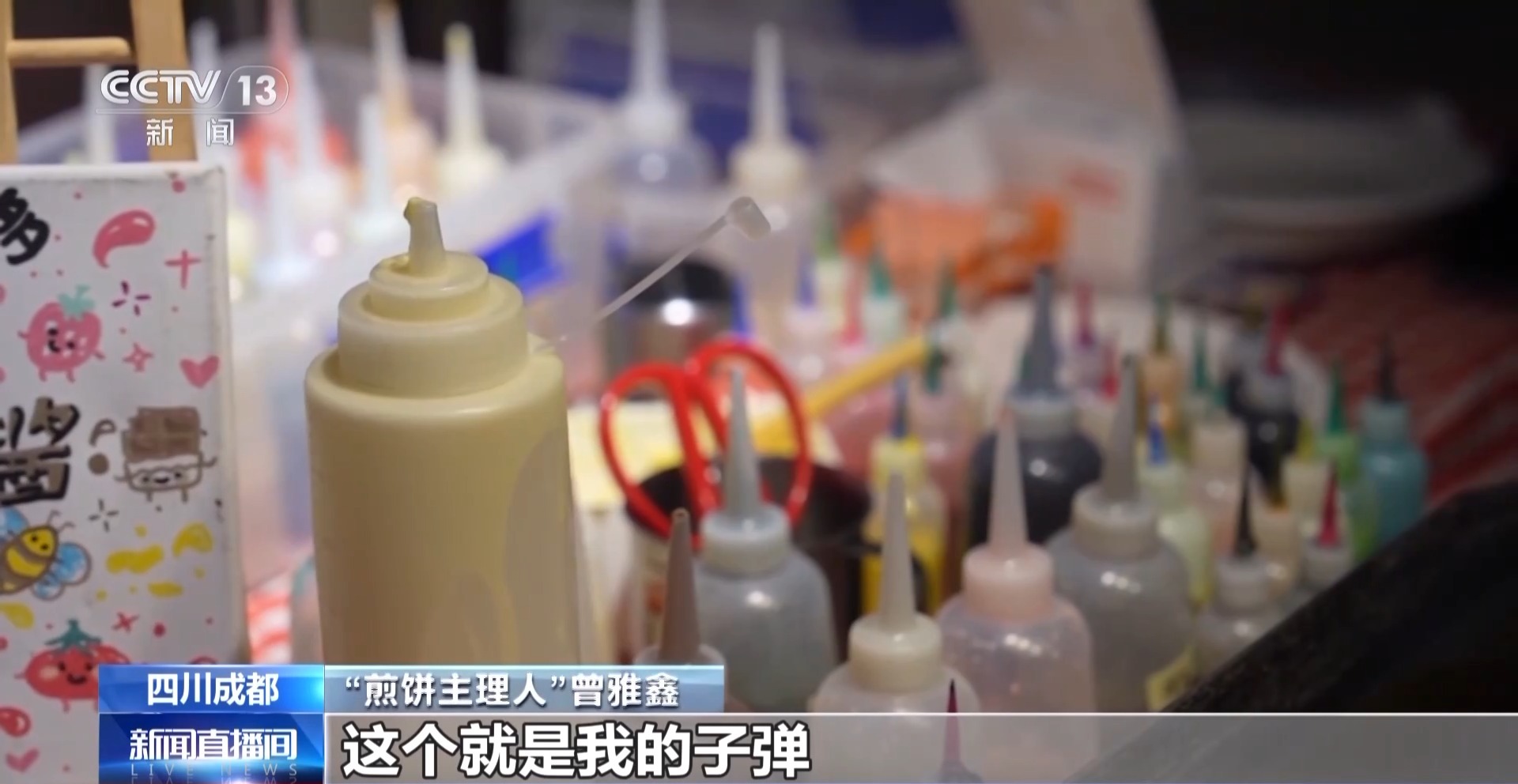
Core Insights - The rise of innovative "principals" in the consumer market is driven by increasing demand for personalized experiences and consumption upgrades [1] - A notable example is a pancake vendor in Chengdu, who combines artistic skills with traditional food to create cartoon-patterned pancakes, attracting significant consumer interest [2][4] Group 1: Consumer Trends - The popularity of personalized and experiential consumption is evident, as consumers are willing to pay for unique experiences that convey deeper emotions and stories [6][8] - The concept of "interest consumption" is emerging, where products like customized pancakes serve beyond basic needs, offering emotional value [6] Group 2: Business Innovation - The pancake vendor, Zeng Yaxin, utilizes her art background to innovate within the traditional snack market, leading to a surge in popularity and customer engagement [4][10] - Similar trends are observed in other regions, such as the "fire-burnt coffee" concept in Yunnan, showcasing how unique offerings can create local consumer excitement [14][16] Group 3: Policy Support - Local governments are increasingly providing policy support and financial incentives to foster new consumption scenarios and business models, enhancing the growth of personalized and experiential consumption [19][20] - Initiatives include loans, tax reductions, and support for creative businesses, aiming to stimulate local economies and diversify consumer experiences [22][24] Group 4: Market Dynamics - The evolving consumer landscape is characterized by rapid updates in consumption models, leading to new supply and demand dynamics that enhance market vitality [26]
国际巨星扎堆打卡名创优品:“兴趣消费”背后的全球商业变局
2 1 Shi Ji Jing Ji Bao Dao· 2025-12-02 13:24
Core Insights - The recent trend of "shopping at MINISO" led by top celebrities and affluent families has become a global phenomenon, indicating a shift in MINISO's strategy from targeting the mass market to engaging high-potential consumer segments and families worldwide [1][2] - MINISO's Q3 financial report shows total revenue of 58 billion, a 28% year-on-year increase, with overseas market revenue reaching 23.1 billion, also up 28%, highlighting the brand's successful global expansion [2][4] - The launch of MINISO LAND stores represents a strategic shift towards immersive retail experiences, enhancing brand value and consumer engagement [3][4] Financial Performance - MINISO's total revenue for Q3 reached 58 billion, with a 28% increase year-on-year [2] - Revenue from the MINISO brand was 52.2 billion, marking a 23% growth [2] - Overseas revenue accounted for 44.3% of total brand revenue, with the U.S. market showing a remarkable 65% year-on-year growth [2] Global Expansion - MINISO has entered 112 countries and regions, with over 8,000 stores globally, establishing overseas markets as a significant revenue driver [2] - The number of overseas stores reached 3,424, with a focus on high-potential commercial areas [2][3] Brand Strategy - MINISO is transitioning to a high-quality development phase driven by brand value and experiential innovation, with a focus on creating immersive shopping environments [4] - The company aims to build a "multi-IP matrix" and a diverse product range to meet various consumer needs, enhancing both functional and emotional connections with products [6][8] Cultural Impact - MINISO's strategy aligns with the growing trend of "interest consumption," which has gained global recognition, reflecting a shift in consumer behavior [9][10] - The company is positioning itself as a cultural ambassador for China, aiming to elevate Chinese original IPs to a global level [10]
国际巨星扎堆打卡名创优品:“兴趣消费”背后的全球商业变局
21世纪经济报道· 2025-12-02 13:18
Core Viewpoint - The article highlights the global trend of "shopping at MINISO," driven by celebrity endorsements and the brand's strategic shift from a mass market to a high-energy consumer base, indicating a significant cultural resonance and globalization of Chinese brands [3][4][18]. Financial Performance - In Q3, MINISO reported total revenue of 5.8 billion yuan, a year-on-year increase of 28%. The MINISO brand revenue reached 5.22 billion yuan, growing by 23%, while overseas market revenue was 2.31 billion yuan, also up by 28% [5][4]. - The overseas revenue accounted for 44.3% of the total brand revenue, with the U.S. market showing a remarkable growth of approximately 65% year-on-year [5][4]. Global Expansion - MINISO has entered 112 countries and regions, with over 8,000 stores globally, marking a new phase in its international development [5][7]. - As of September 30, 2025, MINISO had 3,424 stores in overseas markets, establishing a presence in major global landmarks [7]. Strategic Initiatives - The launch of MINISO LAND, an immersive IP park, has transformed retail spaces into trend destinations, achieving over 100 million yuan in sales within nine months at its flagship store in Shanghai [8][11]. - MINISO aims to create a multi-IP matrix and a diverse product range to meet both functional and emotional consumer needs [10][11]. IP Development - The company has established partnerships with over 150 well-known IPs and developed its own IPs, enhancing emotional connections with consumers [15][16]. - MINISO's strategy includes recruiting top IP design talents globally to strengthen its original IP incubation efforts [16][21]. Cultural Impact - The rise of MINISO reflects a broader trend of "interest consumption," which has become a global consensus, aligning with national policies to expand diverse consumer offerings [18][21]. - MINISO is positioned as a cultural ambassador for China, aiming to integrate Chinese brand innovation into global daily life and enhance cultural soft power [20][21].
一场席卷全球的“兴趣消费”浪潮
Jing Ji Wang· 2025-12-01 03:34
Core Insights - MINISO is experiencing a global trend driven by celebrities and affluent families, marking a strategic shift from a mass market to a high-potential consumer base, focusing on "interest consumption" as a core value [1][2][8] - The brand's transformation reflects a successful globalization effort, establishing cultural resonance in the global consumer market [1][8] Brand Strategy - MINISO is breaking traditional consumer perceptions by positioning itself as a brand for "interest consumption," leveraging a differentiated strategy that balances IP products with a diverse range of categories [2][4] - The company has developed a "multi-IP matrix + multi-category quality products + immersive experience" ecosystem, collaborating with over 150 well-known IPs and creating proprietary IPs like Jifute Bear and DUN Chicken [4][9] Channel Development - MINISO has expanded its global footprint, operating in 112 countries with over 8,000 stores, including flagship locations in high-profile areas like Times Square in New York and Champs-Élysées in Paris [5][7] - The introduction of MINISO LAND stores, which provide an immersive IP experience, has shown strong commercial performance, with the Shanghai store achieving over 100 million in sales within nine months [7] Cultural Impact - The rise of MINISO's popularity globally signifies a shift towards "interest consumption," reflecting a broader trend where consumer behavior is moving from functional satisfaction to emotional experiences [8][9] - The company's CEO, Ye Guofu, emphasizes that the goal of consumption is happiness, aligning with national policies promoting diverse interest consumption [9]
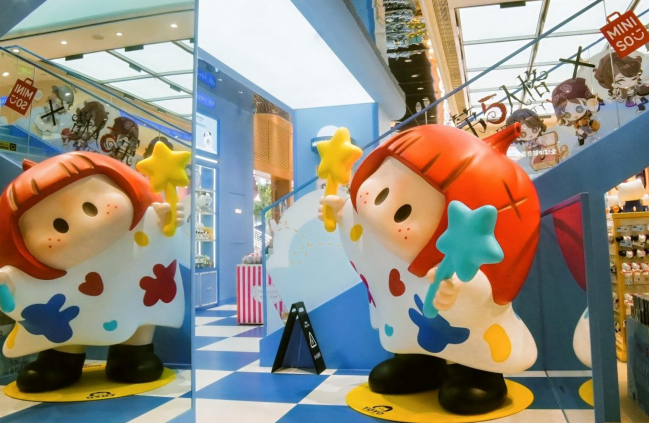
年末黑马《疯狂动物城2》中国票房已破19亿元
Zheng Quan Ri Bao Zhi Sheng· 2025-11-30 16:17
Core Insights - The animated film "Zootopia 2" has surpassed 1.9 billion yuan in box office revenue in China, breaking the record set by its predecessor and becoming the highest-grossing imported animated film in the country [1] - The film is projected to exceed 4 billion yuan in total box office revenue, indicating strong market performance and consumer interest [1] - "Zootopia 2" is the third animated film in 2025 to surpass 1 billion yuan in box office, highlighting the commercial value of all-age animated films [1] Box Office Performance - As of November 30, "Zootopia 2" has achieved a box office of over 1.9 billion yuan in China, surpassing North America’s total [1] - The film has broken the box office record of the original "Zootopia" in China [1] - Predictions suggest that the total box office could reach 4 billion yuan in the future [1] IP Collaboration and Merchandise - "Zootopia 2" has over 60 IP collaborations across various sectors, including toys, beverages, and apparel, with some products topping e-commerce popularity lists [1] - The "Zootopia Best Partners" blind box series by 52TOYS quickly sold out within a week of its launch in Wanda Cinemas, indicating strong consumer demand [1] - MINISOLAND reported a significant number of consumers purchasing related merchandise, with over a hundred co-branded products available [2] Consumer Trends - Interest-based consumption is emerging as a new market trend, particularly among Generation Z, who are willing to spend on beloved franchises [2] - The success of animated IPs in the merchandise sector reflects diverse monetization strategies for films, suggesting a potential shift in focus for film companies towards sustainable IP exploration [2][3] Industry Insights - Toy companies are seen as "co-creators" in the ecosystem of popular IP merchandise, collaborating with IP owners to enhance content and extend the IP lifecycle [3] - The need for a robust industry chain to support high-quality IP is emphasized, indicating a trend towards comprehensive IP management and development [3]