
消费券

Search documents
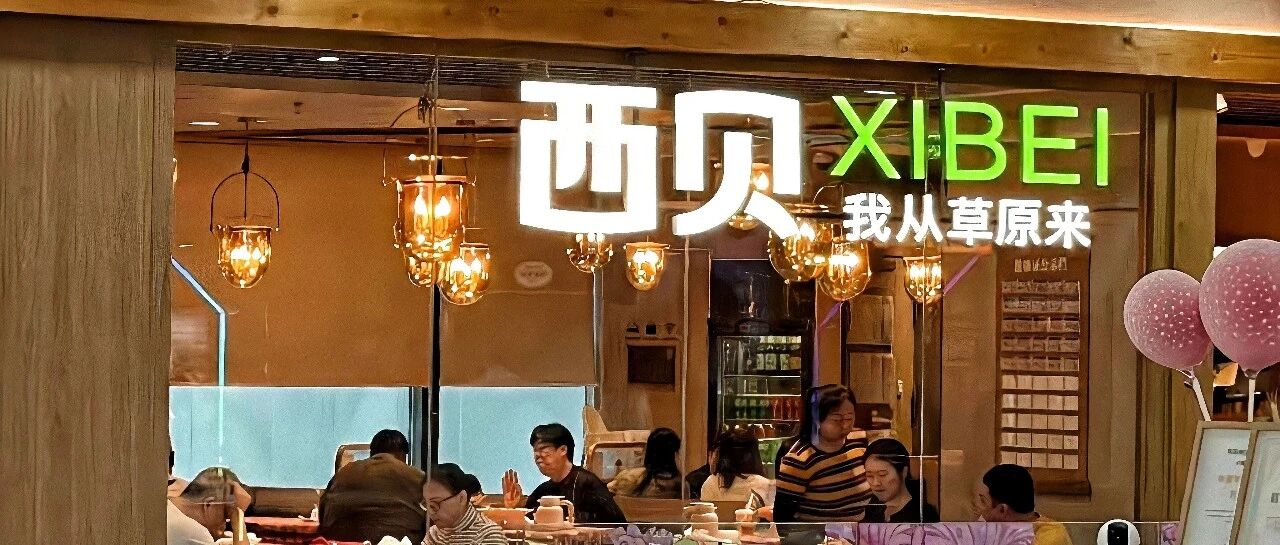
独家 | 贾国龙回应西贝更换门头:不会普及全国
新浪财经· 2025-10-10 08:22
Core Viewpoint - The article discusses the recent changes at Xibei's Beijing Shijingshan Wanda store, including a logo change and price adjustments on menu items, in response to declining sales and customer feedback following a "pre-made dish" controversy. Group 1: Logo Change and Brand Strategy - Xibei has changed its logo from red and white to white and green, with the slogan "I come from the grassland" replacing "Yao Mian Village" [4] - The founder, Jia Guolong, stated that this logo change is a small-scale trial and will not be implemented nationwide, with potential for a few stores in major cities to adopt it [4] Group 2: Sales and Pricing Adjustments - Following a significant sales decline since mid-September, Xibei is implementing measures such as issuing consumer vouchers and adjusting menu prices [6] - During the National Day period, Xibei has reportedly reduced menu prices by 20% to 40%, although actual reductions observed were around 9.8% for specific items [6][7] - For example, the price of the "Roaming Menu" has decreased from 663 yuan to 598 yuan, with specific dishes like grassland tender roasted lamb rack dropping from 119 yuan to 99 yuan [6][7] Group 3: Customer Experience and Promotions - Despite the price adjustments, customer traffic has not significantly increased, with many seats remaining empty during peak hours [8] - Customers have noted improvements in service, with staff offering complimentary tea and snacks [8] - Xibei launched a promotional campaign offering 100 yuan dining vouchers to customers, which has led to some consumers reselling these vouchers at a lower price [10][12] - The company plans to continue issuing vouchers through the end of October, with various thresholds for receiving additional vouchers based on spending [15]

准格尔旗发放千万元消费券 以小杠杆撬动内需大循环
Sou Hu Cai Jing· 2025-10-05 13:17
Core Insights - The issuance of 10 million yuan in consumption vouchers in Ordos City, Inner Mongolia, aims to stimulate consumer spending and activate the local economy, reflecting a strategic economic approach to leverage limited government investment for broader social consumption potential [1][2][8] Economic Mechanism - Consumption vouchers are viewed as effective tools to address short-term economic fluctuations, stimulate demand, and promote economic recovery, with a focus on immediate consumption rather than savings [2][3] - The 10 million yuan in vouchers is expected to create a "leverage effect," where government spending can trigger a much larger increase in total social consumption through market mechanisms [2][6] Market Response - Following the launch of the consumption voucher program, there has been a noticeable increase in consumer activity, with local businesses reporting higher foot traffic and sales, particularly in supermarkets and restaurants [4][5] - The vouchers have successfully attracted both local residents and tourists, boosting the hospitality and tourism sectors, which in turn supports related industries [4][5] Long-term Goals - The ultimate aim of the consumption voucher initiative is to foster a sustainable consumption ecosystem, creating a positive cycle of government guidance, increased consumer spending, and stable employment [6][7] - The targeted focus on sectors such as dining, tourism, and retail is intended to revitalize industries that are crucial for employment and economic stability [7][8] Innovation and Resilience - Businesses are responding proactively to the influx of customers by introducing special promotions and enhancing service quality, leading to a win-win situation for consumers and merchants [7] - Stimulating internal consumption is seen as a way to bolster economic resilience against external uncertainties, thereby laying a solid foundation for sustainable growth [7][8]
假期前四天,北京60个重点商圈客流增长14.3%
Bei Jing Ri Bao Ke Hu Duan· 2025-10-04 09:57
Group 1 - The Beijing consumption market showed vitality during the National Day and Mid-Autumn Festival holiday, with key monitored enterprises achieving a sales growth of 0.4% year-on-year from October 1 to 4 [1] - The restaurant sector, particularly time-honored brands and chain fast food, drove a 4.8% increase in the catering industry [1] - Foot traffic in 60 key commercial districts increased by 14.3% year-on-year during the holiday period [1] Group 2 - Essential goods prices remained stable, with major agricultural wholesale markets enhancing supply organization to ensure market supply during the holiday [1] - Key chain supermarkets and e-commerce platforms stocked up to twice their usual sales volume, increasing delivery frequency to meet consumer demand [1] - The "京彩四季" themed activities included over 500 promotional events to enrich holiday consumption experiences [2] Group 3 - The Beijing Culinary Association and Meituan launched online and offline themed activities to engage tourists in experiencing Beijing's culinary culture [2] - The first China International Candy Festival introduced an "art consumption + candy experience" model, setting a new consumption trend [2] - Various districts utilized consumption vouchers to stimulate regional consumption, with notable initiatives like "宠粉消费券" and "餐饮消费券" [2] Group 4 - A total of 364 commercial performances and 2,102 shows were launched during the holiday, enhancing consumer enthusiasm [2] - Movie box office revenue reached 30 million yuan by October 4, indicating effective release of consumption potential [2] - Tourism ticket sales and cultural entertainment spending increased by 15% and 8.3% year-on-year, respectively, during the holiday [2]
消费热供给足 多维数据看国庆中秋假期活力四射
Sou Hu Cai Jing· 2025-10-01 03:41
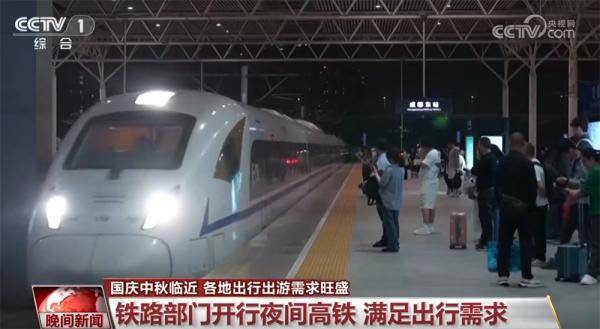
Transportation Sector - The railway sector is expected to send 18.4 million passengers on September 30, with 2,002 additional trains scheduled to operate, particularly in key urban areas like Beijing-Tianjin-Hebei and the Yangtze River Delta [1] - The civil aviation sector anticipates operating 19,207 flights and transporting 2.44 million passengers on the same day, with a shift to electronic itinerary services starting October 1 [5] Hospitality Sector - There is a surge in hotel and homestay bookings as the National Day and Mid-Autumn Festival approach, with Beijing leading in hotel booking rates, surpassing Shenzhen and Shanghai by 6 percentage points [9] - The overall booking volume for homestays has increased by over 30% year-on-year, with rapid growth in smaller cities like Qinzhou and Longnan [9] Consumer Spending and Promotions - A national cultural and tourism consumption month has commenced, with over 480 million yuan in subsidies being distributed to enhance travel experiences [9] - In Zhejiang, 47.75 million yuan in tourism consumption vouchers are expected to be issued during the autumn tourism season [9][13] Food Supply and Prices - The Ministry of Agriculture reports that the area of vegetables planted has increased to 10.8 million acres, with daily supplies of key vegetables exceeding 100,000 tons [22] - Various regions are ensuring efficient logistics for food supply, with cities like Guangzhou and Shenzhen increasing inventory levels for meat and vegetables by 2 to 5 times compared to normal [26][28] Entertainment Sector - The film market is set to offer a diverse range of new releases during the holiday, with over ten films catering to all age groups, including genres like war, fantasy, and animation [19] - A nationwide initiative called "Follow the Movie for Science Popularization" has been launched, providing educational content alongside film screenings [21]
郑州市将发放2000万元金秋通用消费券
Zheng Quan Shi Bao Wang· 2025-09-30 14:13
Core Points - Zhengzhou City will distribute a total of 20 million yuan in general consumption vouchers starting from October 1, with the first batch being 10 million yuan [1] - The consumption vouchers have a face value of 20 yuan and can be used to offset purchases when spending reaches 100 yuan [1] - The vouchers can be utilized at various physical merchants within Zhengzhou, including retail, dining, fuel, sports, and cultural tourism sectors [1] Summary by Categories Distribution Schedule - The vouchers will be issued in three batches: 10 million yuan on October 1, 5 million yuan on October 11 (including unredeemed amounts from the first batch), and 5 million yuan on October 22 (including unredeemed amounts from the second batch) [1] Voucher Details - Each voucher is worth 20 yuan and can be redeemed when the total spending is 100 yuan or more [1] Eligible Merchants - The consumption vouchers are valid at physical stores in various sectors such as department stores, restaurants, fuel stations, sports, and cultural tourism within the Zhengzhou area [1]
8亿人次、7500亿元袭来,地方争夺国庆中秋流量
第一财经· 2025-09-24 16:04
Core Viewpoint - The article discusses the competitive landscape of cultural and tourism consumption in China as various regions prepare for the upcoming National Day holiday, highlighting the extensive promotional activities and financial incentives being implemented to attract tourists and stimulate spending [3][10]. Group 1: Regional Initiatives - Yunnan Province has launched a series of themed activities and discounts for the National Day and Mid-Autumn Festival, aiming to enhance local tourism [5]. - Sichuan Province has organized over 1,300 cultural and tourism events, focusing on various themes to meet the holiday demand [5]. - Both provinces are part of a broader trend where local governments are actively promoting tourism to capture consumer interest during peak travel seasons [5][10]. Group 2: Expected Tourism Trends - In 2024, the National Day holiday is projected to see over 8 billion domestic travelers, with expected tourism revenue around 750 billion yuan [6]. - Recent data indicates a 45% year-on-year increase in cross-province travel orders for the National Day holiday, reflecting a shift in consumer preferences towards experiential travel [6][10]. - The average spending per tourist during the 2024 National Day holiday reached a historical high of 916 yuan, indicating strong consumer demand [10][11]. Group 3: Marketing Strategies - Regions are employing various strategies to attract tourists, including creating viral marketing campaigns, hosting events, and offering discounts through consumption vouchers [7][8]. - Sichuan's initiative to combine sports events with tourism, such as offering packages that include event tickets and accommodation, exemplifies innovative marketing approaches [7][11]. - The Ministry of Culture and Tourism is coordinating a three-year action plan to enhance cultural and tourism consumption, including the distribution of consumption vouchers [8][10]. Group 4: Economic Impact - Cultural and tourism consumption is seen as a key driver for local economic growth, especially in the context of insufficient overall consumption growth [10][11]. - The article highlights the importance of transforming tourist interest into actual spending, with local governments leveraging events to stimulate broader economic activity [11]. - The ongoing development of new tourism formats, such as night tourism and wellness tourism, reflects changing consumer preferences and presents opportunities for growth in the sector [11].
江苏银行带你解锁文博新福利 南京博物院等精美文创大放送!
Zhong Jin Zai Xian· 2025-09-19 06:58
Core Points - Jiangsu Bank is enhancing its "Follow Su Chao to Celebrate" theme activity by leveraging a large amount of consumer vouchers to provide users with various benefits in dining, entertainment, and shopping, aiming to stimulate consumption potential and empower regional economic growth [1] - The current activity features a cultural and museum section, collaborating with several popular cultural institutions such as Nanjing Museum, Suzhou Museum, and others, offering unique cultural gifts and immersive experiences [1] Summary by Categories - **Activity Overview** - Jiangsu Bank is hosting a cultural museum tour event in September, focusing on consumer engagement through various benefits [1] - The event allows users to participate in a lottery for consumer vouchers across seven categories, enhancing user interaction [1] - **Cultural Collaboration** - The bank partners with multiple renowned museums to provide exclusive cultural gifts and experiences, including VR exhibition tickets [1] - Featured gifts include refrigerator magnets, mirrors, bookmarks, and other creative cultural items from various museums [1]


抽奖赢快乐!江苏银行“苏超”城市系列盲盒上线!
Zhong Jin Zai Xian· 2025-09-19 01:35
Core Points - Jiangsu Bank continues to enhance its "Follow Su Chao to Celebrate" theme activity, leveraging millions in consumer vouchers to boost consumer spending and regional economic growth [1] - The new "Go Win" section introduces collectible blind boxes featuring city-themed figurines, encouraging user engagement and social sharing [1] - The bank collaborates with several popular cultural and museum venues to offer unique cultural gifts and immersive experiences, including VR exhibition tickets [1] - The addition of free tickets to the classic play "Dream of the Red Chamber" enhances the cultural offerings of the event [1] - The "Hi Buy" section allows users to win various products and discount vouchers, promoting consumer participation [1] - Users can participate in weekly draws across seven categories, maximizing engagement opportunities [1] Summary by Categories Consumer Engagement - Jiangsu Bank's initiative aims to release consumer potential through substantial voucher offerings [1] - The introduction of collectible blind boxes encourages user interaction and social media visibility [1] Cultural Promotion - The collaboration with multiple museums provides unique cultural gifts and experiences, enhancing community engagement [1] - Free tickets to "Dream of the Red Chamber" add value to the cultural offerings [1] Promotional Activities - The "Hi Buy" section features a variety of products and discount vouchers to stimulate purchasing behavior [1] - Weekly draws across seven categories provide multiple chances for user participation [1]

如何从日常事物中看懂货币流动与经济周期?|青少年政经课
Sou Hu Cai Jing· 2025-09-18 12:38
Group 1 - The economic cycle is defined as the fluctuating movement of the national economy, alternating between periods of growth and decline, typically categorized into four phases: expansion, peak, contraction, and recession [2] - During the expansion phase, businesses receive more orders and hire more employees, leading to rising incomes, while the peak phase represents the highest economic activity before a gradual cooling [2] - In the contraction phase, businesses may reduce production or lay off employees, making job searching more difficult, and the economy reaches its lowest point during the recession phase before starting to recover [2] Group 2 - Key drivers of the economic cycle include consumption and investment, where increased consumer spending leads to economic expansion, while reduced spending can cause economic cooling [3] - "Monetary flow" is identified as a significant driver of economic cycles, referring to the speed at which money circulates among individuals, businesses, and banks [3] - When monetary flow accelerates, it typically signals a move towards the expansion phase, as increased liquidity boosts market demand and facilitates business investments [3] Group 3 - The relationship between monetary flow and economic development is characterized as a symbiotic balance, where adequate monetary flow is necessary for economic growth, and the pace of monetary flow can influence the rhythm of economic cycles [4] - Excessive monetary flow can lead to economic bubbles, causing rapid price increases and potential downturns, while insufficient flow can result in stagnation and declining prices [4] - Observations of daily life, such as the number of new businesses or changes in consumer prices, can provide insights into the state of the economy and monetary flow [4]
多地发放新一轮消费券,叠加四季度消费旺季,大消费或迎估值修复-股票-金融界
Jin Rong Jie· 2025-09-05 00:28
Group 1 - Recent initiatives in various cities to distribute consumption vouchers, with Ningbo launching a total of 60 million yuan in automotive consumption vouchers and Jinan starting its third round of retail and dining consumption vouchers [1] - The issuance of consumption vouchers has become normalized and precise this year, effectively stimulating demand for durable goods and services, particularly in the context of domestic demand and consumption driving economic growth [1] - The State Council's measures aim to restore and expand consumption, projecting a total retail sales of 47.15 trillion yuan for the year, a year-on-year increase of 7.2% [2] Group 2 - The "Consumption Promotion Year" initiative by 14 departments is expected to further boost consumption, with national catering revenue surpassing 5 trillion yuan for the first time, reaching 5.57 trillion yuan [2] - By 2025, the People's Bank of China will include consumer finance in its inclusive finance assessment, and various regions are launching digital yuan red envelopes, with retail sales expected to exceed 50 trillion yuan [2] - Domestic models indicate that every 1 yuan of consumption vouchers can stimulate an additional 2.3 yuan in consumption, suggesting that policy tools still have room for expansion [2]