清洁标签

Search documents
国内首份!简爱全线低温乳制品斩获五星“清洁标签”认证
Jin Tou Wang· 2025-11-14 03:36
Core Insights - Jianai Yogurt has developed a comprehensive innovation logic that connects research and development to consumer scenarios, focusing on providing safe and healthy dairy products for families and children [1][2] - The company emphasizes deep consumer insights into health needs rather than following market trends, leading to the creation of a multi-gradient sugar control scheme tailored to different consumer preferences [1] - Jianai Yogurt's products have gained significant market recognition, with its low-temperature yogurt category leading in sales on e-commerce platforms and its fatherly formula yogurt becoming a best-seller in maternal and infant channels [2] Group 1 - Jianai Yogurt's innovation is driven by a thorough understanding of consumer health demands, resulting in products like the 0% and 4% sugar content yogurts that cater to specific dietary needs [1] - The company has engaged over 3,000 families in the development of its children's dairy products, achieving a breakthrough in simplified ingredients and staged sugar control [1] - Jianai Yogurt's products have been recognized for their quality, with the entire product line receiving a five-star "clean label" certification, making it the first dairy company in China to achieve this [2] Group 2 - The company's research and development system integrates production, academia, and research, with a core team consisting of 94% individuals holding advanced degrees [2] - Jianai Yogurt collaborates with several universities and research institutions to efficiently translate laboratory innovations into market-ready products [2] - Future plans include continued breakthroughs in simplified formulations and precise sugar control to promote healthier dairy options for consumers [2]
双汇发展三季度业绩亮眼:肉类总外销量创新高
Di Yi Cai Jing· 2025-11-10 07:49
Core Insights - In a steadily recovering domestic consumption market, Shuanghui Development (000895.SZ) reported resilient Q3 results, with revenue of 44.52 billion yuan, a year-on-year increase of 1.2%, and a net profit of 3.96 billion yuan, up 4.1% [1][5] Financial Performance - For Q3 2025, the company achieved a net profit of 1.64 billion yuan, representing a significant year-on-year growth of 8.5%, while the net profit excluding non-recurring items was 1.6 billion yuan, up 10.7% [5][6] - The overall revenue for the first three quarters was stable, with the meat products sector generating 17.99 billion yuan and the slaughtering sector 19.37 billion yuan, alongside 7.3 billion yuan from other businesses [5][6] Sales and Volume Growth - The total external sales volume of meat products reached 2.489 million tons, a year-on-year increase of 5.9%, marking a historical high for the same period [5][6] - In Q3 alone, the external sales volume of meat products was 923,000 tons, reflecting a growth rate significantly above the average for the first three quarters [5][6] Product and Channel Innovation - The fresh pork business saw a 13.4% increase in external sales volume to 1.087 million tons, while the poultry business experienced an 18.4% rise to 285,000 tons, achieving historical highs [6][7] - The company has implemented a specialized sales team reform, leading to a 25.8% increase in new channel sales of meat products, with significant contributions from the snack and e-commerce channels [7] Cost Management and Profitability - The company’s weighted average return on net assets reached 18.5%, an increase of 0.5 percentage points year-on-year, indicating improved asset profitability [6] - Sales expenses rose by 8.7% to 1.57 billion yuan, while management expenses slightly decreased by 1.2% to 950 million yuan, showcasing effective cost control [6] Cash Flow and Future Outlook - The net cash flow from operating activities for the first three quarters was nearly 6 billion yuan, providing a solid foundation for ongoing development and strategic initiatives [8] - For Q4, the management anticipates a decrease in raw material costs but plans to increase market expenditure to boost sales, expecting stable year-on-year profits despite potential declines in per-ton profits [8]


盒马烘焙新品蛋挞的背后:用长期主义和纯粹打动消费者
东京烘焙职业人· 2025-11-06 08:31
Core Viewpoint - The article emphasizes that successful products are the result of long-term commitment rather than luck, highlighting the importance of quality ingredients and transparency in the baking industry [1][4]. Group 1: Product Innovation - Hema's new "安心真蛋奶花边蛋挞" (Assured True Egg and Milk Tart) has gained popularity by focusing on product quality rather than visual appeal, addressing the core question of where product strength begins [4]. - The introduction of the "9.9元四粒" (9.9 yuan for four) egg tarts by Hema ignited the market, with egg tarts accounting for 35% of the search volume in the baking category, making it the top product for attracting customers [8][10]. - The industry faces an innovation dilemma, with many retailers following the trend of "9.9元四粒," leading to a saturated market with little differentiation in product quality [10][12]. Group 2: Consumer Preferences - Consumers are increasingly frustrated with superficial innovations that do not enhance their experience, as seen in the backlash against overpriced egg tarts that offer no real upgrade in quality [12][14]. - A significant 74% of consumers prioritize ingredient quality in their baking purchases, with younger generations and health-conscious groups placing a premium on safe and healthy options over low prices [16][18]. Group 3: Quality and Transparency - Hema's egg tart stands out due to its commitment to transparency, showcasing its ingredient list and achieving the industry's first A++ level clean label certification, indicating no chemical additives and clear sourcing of key ingredients [22][26]. - The tart contains 85% egg and milk, significantly higher than typical products, which often use cheaper substitutes, thus providing a richer flavor and a sense of safety for consumers [29][30]. Group 4: Production Innovation - Hema has developed a revolutionary integrated production process that balances taste, freshness, and efficiency, allowing for a significant increase in production efficiency by 3-4 times while maintaining high quality [33][35]. - This approach reflects a strategic shift in the baking industry, moving away from superficial trends to focus on core ingredients and innovative processes that genuinely enhance product quality [36][40]. Group 5: Market Trends - The baking industry is undergoing structural changes, with consumers shifting from "aesthetic consumption" and "low-price consumption" to "quality consumption" and "health consumption," with 46.4% of consumers prioritizing food freshness [42][43]. - Hema's focus on clean recipes, high-quality materials, and simplicity aligns with the inevitable direction of consumer upgrades and serves as a solid foundation for building trust and reputation [43].

千禾味业获行业首个清洁标签产品0级认证,加速配料干净酱油消费普及
Bei Jing Shang Bao· 2025-11-06 06:01
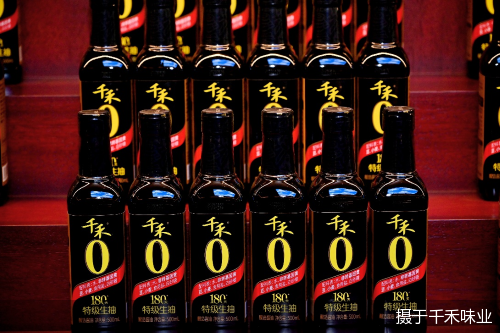
Core Insights - Qianhe Flavor Industry has achieved the first "Clean Label Product Level 0 Certification" in the Chinese seasoning industry, marking a significant milestone in the production of clean ingredient soy sauce and indicating a shift towards health and transparency in the industry [1][3]. Group 1: Product Development and Certification - The Qianhe 0 series soy sauce is made with only 4 to 5 clean ingredients, free from additives, and has passed rigorous audits and testing by the China Quality Certification Center [3]. - The company is the first to implement the new national standards for pre-packaged food and the "Double Reduction" initiative for additives, set to begin in September 2025, which includes placing the ingredient list prominently on the packaging [3]. Group 2: Production Process and Quality Control - Qianhe Flavor Industry benefits from a unique geographical location in Sichuan, which provides optimal conditions for soy sauce fermentation, including ideal temperature, humidity, and water quality [4]. - The company employs a "6+6" dual fermentation strategy, where the soy sauce undergoes a total of 12 months of fermentation to enhance flavor [6]. Group 3: Market Trends and Consumer Demand - The Chinese soy sauce market is projected to reach 104.1 billion yuan by 2024, with a shift from basic to quality-driven consumer demand [7]. - Clean ingredient soy sauce is expected to become the preferred choice for Chinese households, with leading brands capturing 50% of the market share, and its retail market share is anticipated to rise to 63.9% in the next three years [7]. Group 4: Business Focus and Financial Performance - Qianhe Flavor Industry is concentrating on four main product categories: soy sauce, vinegar, oyster sauce, and cooking wine, without diversifying into other categories [8]. - In the first three quarters of 2025, the company reported revenue of 2 billion yuan, with a gross margin of 37.41%, reflecting a year-on-year increase of 1.21 percentage points [8].

中国调味品行业颁发首个清洁标签认证证书 配料干净酱油将成消费新趋势
Sou Hu Cai Jing· 2025-11-01 11:45
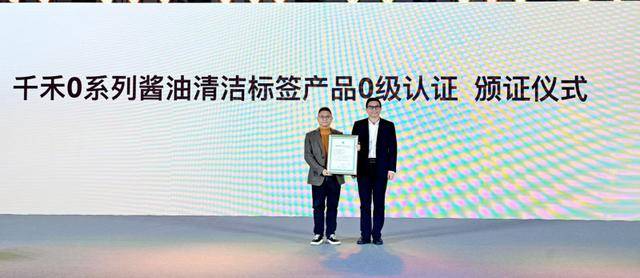
Core Insights - The first clean label certification in China's seasoning industry was awarded to Qianhe Flavor Industry for its products, marking a significant milestone in the sector [1] - A clean label and reduced use of food additives are central to a transformative wave in the food industry, driven by new food safety standards and a dual reduction initiative [3] - Qianhe Flavor Industry's 0-series soy sauce features a transparent ingredient list, addressing consumer concerns about complex ingredients [3] - The clean label certification, based on EU standards, requires a comprehensive risk control system from raw material selection to packaging, with the 0-level being the highest grade [3] - The clean label soy sauce is expected to become the preferred choice for Chinese households, with leading brands capturing 50% of the market share [4] Industry Developments - The food industry in China is undergoing a transformation focused on clean labels and reduced food additives, with Qianhe Flavor Industry leading the way [3] - The clean label certification reflects a growing consumer demand for food safety and quality, indicating a market shift towards cleaner ingredient profiles [3] - Research indicates that the share of quality soy sauce in the retail market is projected to rise to 63.9% over the next three years [4]
千禾味业响应预包装食品标签新规:9月完成外包装替换,拿下清洁标签产品0级认证
Cai Jing Wang· 2025-11-01 10:57
Core Viewpoint - Q3 2023 financial results of Qianhe Flavor Industry show a recovery in revenue and profit, alongside the company's proactive response to new food labeling regulations, emphasizing transparency and consumer health [1][2][6] Financial Performance - Qianhe Flavor Industry reported a revenue of 1.987 billion yuan and a net profit of 260 million yuan for the first three quarters of 2023 [1] - In Q3 alone, the company achieved a revenue of 669 million yuan and a net profit of 86 million yuan [1] - Revenue from soy sauce, vinegar, and other businesses in Q3 was 419 million yuan, 79 million yuan, and 133 million yuan respectively, with a significant reduction in the decline compared to Q2 [1] Market Response and Strategy - The company has removed "0 additives" labeling from its packaging in response to new regulations, placing ingredient lists on the front for better consumer visibility [1][2] - Qianhe's chairman emphasized the importance of product quality and compliance with new labeling standards to avoid consumer misunderstandings [2][6] - The company supports the new GB 7718 regulations, which aim to clarify food labeling and promote consumer awareness of ingredients [2][4] Industry Trends - The clean label concept, which originated in Europe, emphasizes transparency and the rejection of artificial additives, pushing companies towards innovation in natural ingredients and processing methods [4][6] - The new GB/T 18186-2025 standard for soy sauce has raised quality requirements and eliminated substandard products, marking a shift towards pure grain brewing [6][7] - Retailers like Walmart are adjusting their product offerings to focus on high-quality, clean-label soy sauces, indicating a market shift towards cleaner ingredients [7][9] Collaboration and Partnerships - Qianhe Flavor Industry is collaborating with major retailers like Walmart to develop unique product quality standards, enhancing its market position [9] - The company aims to leverage partnerships to promote clean-label products, aligning with consumer demands for food safety and quality [9]
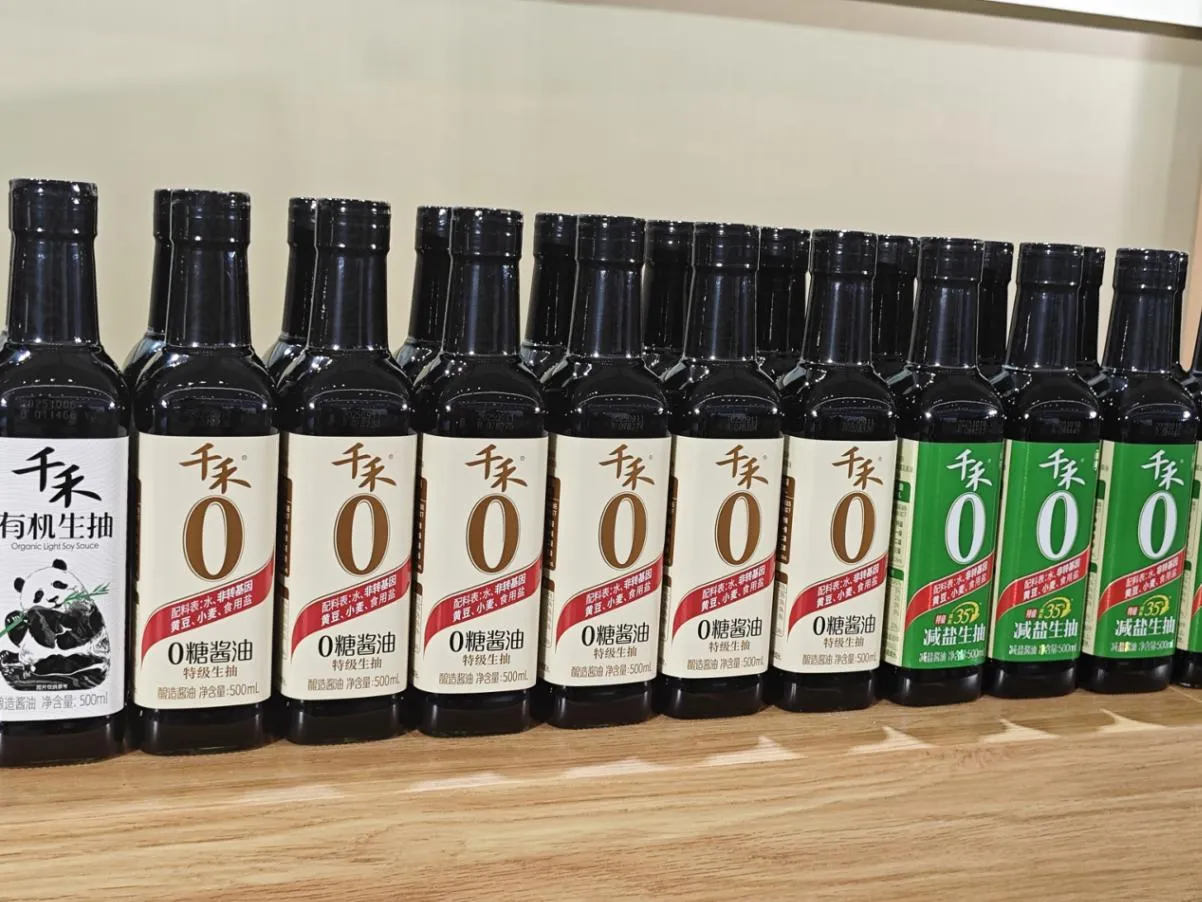
中国调味品行业颁发首个清洁标签认证证书 配料干净酱油将成消费新趋势
Chang Sha Wan Bao· 2025-11-01 10:26
Group 1 - The first clean label certification in China's seasoning industry was awarded to Qianhe Flavor Industry for its products, marking a significant milestone in the sector [1] - The clean label certification, which is the highest level (0 level), requires a comprehensive risk control system from raw material selection to production and packaging, based on EU standards [3] - Qianhe's 0 series soy sauce features a transparent ingredient list on the front of the packaging, addressing consumer concerns about complex ingredients [3] Group 2 - By 2025, a wave of industry reform focusing on "clean labels" and reduced use of food additives is expected in China's food sector, driven by new food safety standards and a dual reduction initiative [3] - Ipsos research indicates that clean label soy sauce will become the preferred choice for Chinese households, with leading brands capturing 50% of the market share [4] - The market share of quality soy sauce in the retail sector is projected to rise to 63.9% over the next three years [4]

千禾味业产品获国内调味品行业首个清洁标签产品0级认证
Zhong Zheng Wang· 2025-10-31 12:38
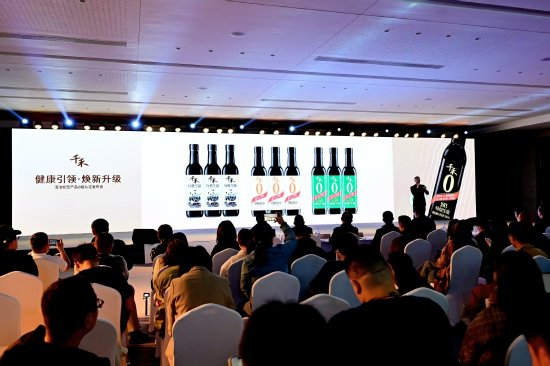
Core Insights - The event "2025 Qianhe Flavor Industry Product Renewal and Clean Label Product Level 0 Certification Launch" was held in Meishan, Sichuan, where Qianhe's 0 series soy sauce received the first Clean Label Product Level 0 certification in China's condiment industry, using only 4 to 5 clean ingredients [1] - The Chinese soy sauce market is projected to reach 104.1 billion yuan in 2024, with a shift from basic to quality demand, and clean ingredient soy sauce expected to dominate household purchases, capturing 63.9% of the premium soy sauce market by 2026 [2] - The new national standard for soy sauce, effective December 1, 2026, emphasizes quality over additives, reflecting a market demand for healthier and safer food options [2] Company Insights - Qianhe Flavor Industry has pioneered the implementation of the new national standards for pre-packaged food and the "dual reduction" initiative for additives, enhancing transparency in ingredient labeling [1] - The company has achieved large-scale production of clean ingredient soy sauce, which does not rely on external additives for flavor enhancement, positioning itself as a healthier alternative [2] - Qianhe's Clean Label Product Level 0 certification indicates a commitment to high standards in food safety and quality, aligning with international benchmarks [3] Industry Insights - The clean label certification standard, derived from the EU, requires a comprehensive risk management system from raw material selection to packaging, with Level 0 being the highest certification [3] - The shift towards clean ingredient soy sauce reflects a broader trend in the condiment industry towards quality competition and consumer safety demands, driven by policy guidance and changing consumer awareness [3]
千禾味业三季度业绩稳定 以清洁标签开启健康消费新篇章
Zheng Quan Ri Bao Wang· 2025-10-31 12:37
Core Viewpoint - In 2025, the Chinese food industry is undergoing a transformation centered around "clean labels" and the reduction of food additives, driven by new food safety standards and a dual reduction initiative in salt and sugar [1][2]. Industry Developments - The National Market Supervision Administration has introduced multiple policies to guide the seasoning industry towards reducing food additives and promoting the use of natural ingredients, ensuring higher food safety standards [2]. - Qianhe Flavor Industry has become the first company in the Chinese seasoning industry to receive a clean label product level 0 certification, marking a significant milestone in the industry [2][3]. Company Initiatives - Qianhe Flavor Industry has registered "0" as a trademark to signify its zero-additive product line, enhancing consumer recognition of the "zero additives" concept [2]. - The company has upgraded its product packaging to display ingredient lists prominently, addressing consumer concerns about ingredient transparency [2][3]. Market Trends - The demand for clean-label products is increasing, with a report indicating that clean-label soy sauce will become the preferred choice for Chinese households, potentially capturing 63.9% of the premium soy sauce market by 2028 [3]. - The new national standard for soy sauce, effective December 1, 2026, emphasizes quality over mere compliance with additive regulations, pushing the industry towards prioritizing product quality [3]. Financial Performance - Qianhe Flavor Industry reported a revenue of 1.986 billion yuan and a net profit of 259 million yuan for the first three quarters of 2025 [5]. - The company has seen a 3.69% year-on-year increase in offline channel revenue in Q3, with a significant increase in the number of distributors [6]. Market Response - Following the announcement of the clean label certification, Qianhe Flavor Industry's stock price rose by 5.82%, closing at 9.27 yuan per share [6]. - Analysts have expressed positive outlooks on the company's performance, anticipating a recovery in revenue as brand strength and channel capabilities improve [6].
千禾味业:获行业首个清洁标签产品0级认证
Xin Lang Ke Ji· 2025-10-31 04:43
Core Insights - Qianhe Foods has achieved the first clean label product Level 0 certification in China's condiment industry, marking a significant milestone in the production of clean ingredient soy sauce [1][3][4] - The clean ingredient soy sauce market is projected to capture 63.9% of the retail quality soy sauce market share in the next three years, driven by consumer demand for healthier options [1][2][3] Company Developments - Qianhe's 0 series soy sauce is made with only 4 to 5 ingredients, free from additives, and has passed rigorous quality certification processes [3][4] - The company has implemented a packaging upgrade that clearly displays the ingredient list on the front, enhancing transparency for consumers [3][4] Industry Trends - The Chinese soy sauce market is expected to reach a scale of 1,041 billion yuan by 2024, with a shift from basic to quality-driven consumer demand [2][3] - The new national standard for soy sauce, effective December 1, 2026, emphasizes quality over mere compliance with additive regulations, reflecting a broader industry trend towards prioritizing product quality [4][5] Consumer Behavior - There is a growing consumer preference for clean ingredient soy sauce, which is seen as a response to health and safety concerns in the condiment market [4][5] - The shift towards clean ingredients is expected to drive competition in the industry, positioning clean ingredient products as a key factor in the ongoing upgrade of condiment consumption [5]