系统治理

Search documents
笔谈丨用好典型案例活教材
Zhong Yang Ji Wei Guo Jia Jian Wei Wang Zhan· 2025-09-18 00:56
Group 1 - The core viewpoint emphasizes the importance of using local cases of disciplinary violations as effective teaching materials for warning education and enhancing discipline awareness among party members and officials [1][2] - The focus is on selecting typical cases from local areas that resonate more with party members, highlighting grassroots corruption and accountability issues [1] - The approach advocates for precise education based on the nature of the cases, categorizing them according to the involved personnel's roles and responsibilities to ensure targeted warnings [1] Group 2 - The value of cases extends beyond warnings to include systematic application and long-term governance, integrating them into mandatory educational resources for party members [2] - There is a call for in-depth analysis of cases to identify systemic flaws and governance issues, leading to comprehensive solutions and improved institutional mechanisms [2] - Establishing a case resource database and data analysis mechanism is recommended to regularly assess regional and sectoral integrity risks, supporting political ecology analysis and daily supervision [2]
传承三线荣光 探索共富新路 攀枝花西区大宝鼎街道的转型实践
Zhong Guo Jing Ji Wang· 2025-09-15 09:55
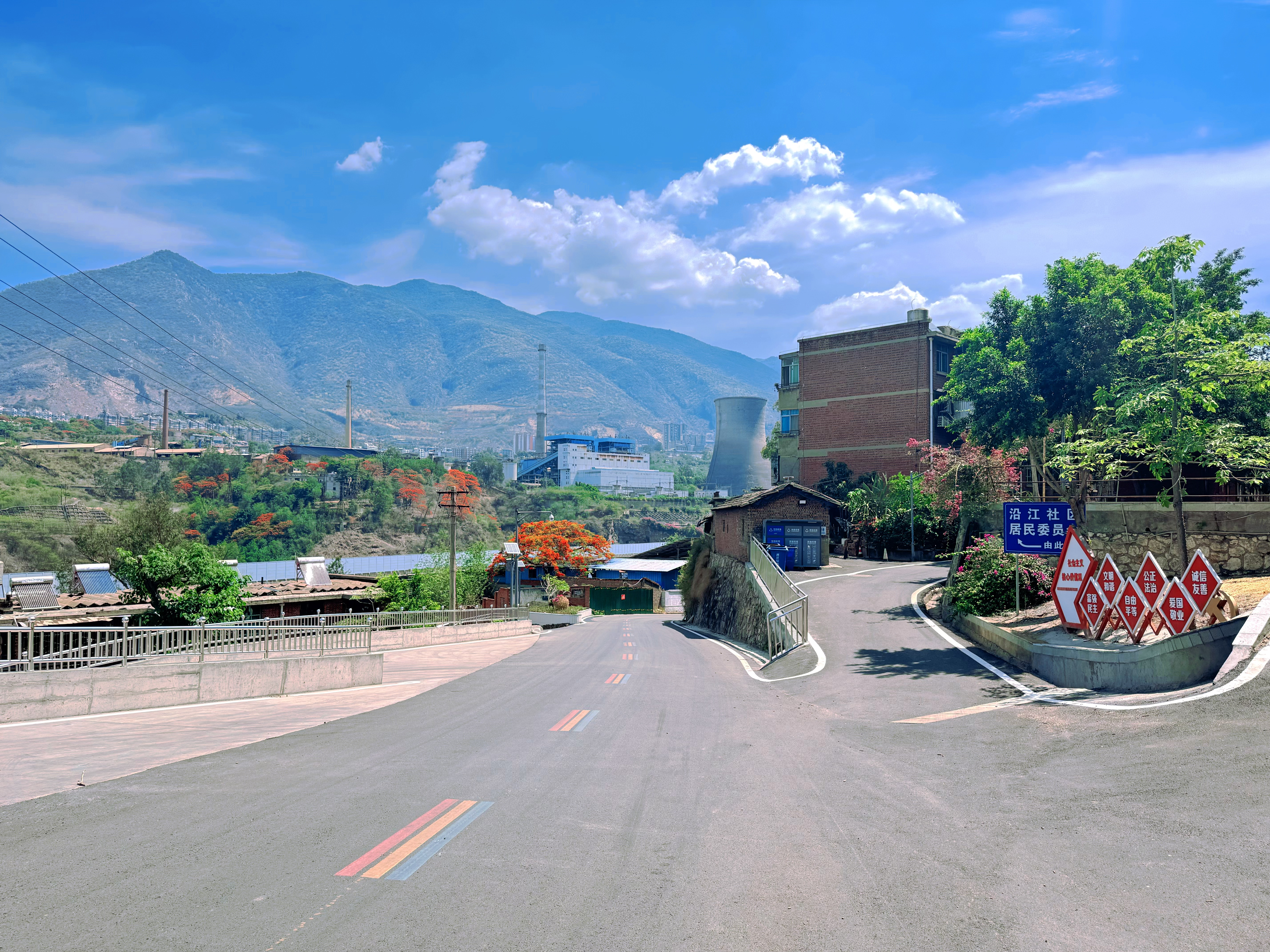
Core Viewpoint - The article discusses the transformation and sustainable development of the old industrial area in Panzhihua, particularly focusing on the Dabaoding Street, which is implementing innovative strategies to address infrastructure, industrial development, and governance challenges, thereby providing a model for resource-based cities to achieve high-quality development and common prosperity [1][11]. Group 1: Urban Renewal and Infrastructure Improvement - Dabaoding Street is focusing on urban renewal through the "Four Transformations" strategy, which includes road surface improvement, street lighting enhancement, greening, and beautification of walls, transitioning the mining area from a "production space" to a "living space" and "ecological space" [4][5]. - The street has completed 11,000 square meters of road blackening, installed over 200 solar street lights, and added 800 square meters of green space, significantly improving residents' living conditions and fostering community identity [4][5]. Group 2: Industrial Transformation - The street is establishing four major bases: cultural research and study, party member training, cultural tourism, and national defense education, shifting the local economy from a single mining focus to a diversified model [7]. - This transformation leverages local historical and cultural resources, creating a unique educational tourism route that integrates political and cultural resources with training needs, thus fostering sustainable service-oriented industries [7]. Group 3: Collaborative Governance Mechanisms - Dabaoding Street has developed a collaborative governance model involving enterprises, local governments, educational institutions, and financial organizations, enhancing sustainable development through shared resources and joint initiatives [9][10]. - The establishment of a "Five Connections" mechanism with local mines has effectively resolved 81 conflicts, promoting integration and collaborative governance [9]. Group 4: Development Philosophy and Future Directions - The "Three-Four" project reflects a development philosophy centered on human needs, systemic thinking, cultural empowerment, and open collaboration, which are essential for the sustainable transformation of resource-based cities [11][13]. - Panzhihua is accelerating its development as a modern regional center, with Dabaoding Street's initiatives exemplifying how old industrial areas can achieve beautiful landscapes, thriving industries, and shared prosperity through effective governance and community engagement [13].

广西两项目荣获联合国生态大奖
Guang Xi Ri Bao· 2025-09-12 03:13
Group 1 - The United Nations "Decade of Ocean Science for Sustainable Development" event highlighted successful marine ecological protection and restoration projects, with notable recognition for projects from Fangchenggang and Qinzhou [1] - Fangchenggang has implemented comprehensive ecological restoration measures since 2012, including ecological revetment, mangrove planting, and shoreline restoration, achieving a natural shoreline retention rate of 59% and planting 113.7 hectares of mangroves [1] - The city has integrated disaster reduction, ecological protection, and cultural leisure into its coastal restoration efforts, significantly enhancing the area's ability to withstand erosion from wind, waves, and currents [1] Group 2 - Qinzhou has adopted a "land-sea coordination and systematic governance" approach, focusing on "ecological priority and green development," and has invested 309 million yuan in the Jin'gu River shoreline ecological restoration project [2] - The project has successfully restored 90.12 hectares of mangroves, repaired 5.3 kilometers of shoreline, and restored 1.47 hectares of seabird habitats, contributing to improved water quality in the bay [2] - The ecological restoration efforts aim to recreate the scenic beauty of "birds nesting in mangroves and fish swimming in clear waters" in the Peacock Bay area [2]
强化协同联动 完善国家生态安全工作协调机制(专题深思)
Ren Min Ri Bao· 2025-08-27 22:40
Core Viewpoint - Ecological security is a crucial component of national security and a vital guarantee for sustainable economic and social development, emphasizing the need for a comprehensive and coordinated approach to address ecological risks and challenges [1] Group 1: Coordination Mechanisms - Strengthening inter-departmental collaboration is essential to establish a joint working mechanism, breaking down departmental barriers and enhancing overall governance efficiency [2] - A targeted inter-departmental coordination mechanism should be developed for specific ecological security issues, such as invasive species, requiring collaboration between forestry and customs departments [2] Group 2: Regional Collaboration - The integrity of ecosystems necessitates cross-regional cooperation, as ecological security issues often transcend administrative boundaries, highlighting the need for joint prevention and control mechanisms [3] - Existing agreements among over 20 provinces for cross-provincial ecological protection compensation indicate progress in establishing collaborative mechanisms for ecological governance [3] Group 3: Pollution Management - A comprehensive approach to managing multiple pollutants is required, recognizing the complex interactions and cumulative effects of pollutants across different environmental media [4] - Establishing monitoring, assessment, and evaluation mechanisms for multi-pollutant governance is critical to ensure effective management and risk mitigation [4] Group 4: Policy Coordination - Ecological security policies must be mutually supportive across various fields, such as industry, energy, and land use, to enhance overall governance efficiency and reduce policy conflicts [5] - The integration of ecological protection policies with spatial planning can promote complementary development between ecological conservation and socio-economic growth [5][6]
宁夏平罗县毛乌素沙地生态修复成效显著
Zhong Guo Xin Wen Wang· 2025-08-21 00:23
Group 1 - The core viewpoint of the articles highlights the successful ecological restoration efforts in Ningxia Pingluo County, focusing on desertification control and the promotion of biodiversity through various innovative techniques and local plant species [1][2] - The implementation of a scientific desertification control strategy using drought-resistant plants such as Caragana, Haloxylon, and others has led to the comprehensive management of 76,300 acres of desertified land [1] - Technological innovations, including the "grass grid + sand crust" technique and the use of water drilling for shrub planting, have significantly improved survival rates of planted vegetation to over 80% [1] Group 2 - The ecological restoration efforts have resulted in substantial benefits, such as the Tianhe Bay wetland's annual water conservation of several million cubic meters and the enhancement of biodiversity, making it a crucial habitat for migratory birds [2] - The investment of 188 million yuan in six key projects aims to further improve desertification control and wetland restoration, targeting the management of an additional 50,300 acres of desertified land and 48,000 acres of wetland [2] - The overall goal is to strengthen the ecological security barrier in Northwest China by enhancing functions related to wind and sand prevention, soil conservation, carbon sequestration, and biodiversity protection [2]
以“两山”理念为引领建设美丽宜居的人民城市
Zhong Guo Huan Jing Bao· 2025-08-20 23:20
Core Concept - The "Two Mountains" theory emphasizes the harmonious relationship between ecological protection and economic development, guiding urban construction towards high-quality development and improved living conditions for citizens [1][2][7]. Group 1: Urban Development and Ecological Integration - Urban construction must prioritize the "Two Mountains" theory, integrating ecological priorities and green development throughout planning, construction, and governance processes [1][2]. - The shift in urban development from large-scale expansion to enhancing existing resources necessitates a focus on ecological protection alongside urban growth [2][3]. Group 2: Green Transformation and Economic Growth - A green low-carbon transformation is essential for urban development, demonstrating that ecological protection and economic growth can mutually reinforce each other [3][4]. - The promotion of green industries and the application of renewable energy in urban infrastructure are key strategies for generating new economic growth points [3][4]. Group 3: Systematic Governance and Technological Support - Establishing a modern governance system for urban ecological environments is crucial, requiring a comprehensive approach and the integration of technology [4][5]. - The use of big data, AI, and IoT in urban governance enhances resilience and efficiency in managing urban infrastructure and public safety [4][5]. Group 4: Community Engagement and Public Awareness - Active participation from the community is vital for effective ecological governance, encouraging citizens to engage in environmental protection initiatives [5][6]. - Education and awareness campaigns are necessary to instill a sense of responsibility towards ecological conservation among the public [5][6]. Group 5: Benefits to Citizens and Cultural Integration - Urban development should focus on enhancing public services and ensuring that citizens benefit from improved ecological environments [6][7]. - The cultural aspect of urban ecology, including the preservation of historical and natural heritage, contributes to the overall quality of life and community identity [7][8].
从生态“痛点”到滨海“明珠”,广西犀丽湾生态修复成果丰硕
Zhong Guo Huan Jing Bao· 2025-08-15 09:14
Core Insights - The article highlights the successful ecological restoration of Xili Bay in Qinzhou, Guangxi, transforming it from an environmentally degraded area into a thriving tourist destination [1][5] Group 1: Historical Context - Xili Bay, located in Qinzhou, faced severe ecological challenges due to climate change, overdevelopment, and pollution, leading to significant coastal erosion and a decline in marine biodiversity [2][3] - Prior to 2019, the area was characterized by illegal constructions and overfishing, resulting in a drastic reduction of marine life and threatening the livelihoods of local fishermen [2][3] Group 2: Restoration Efforts - Starting in 2019, Qinzhou initiated a systematic ecological restoration project for Xili Bay, focusing on comprehensive management strategies rather than temporary fixes [3][4] - The restoration involved three phases: removal of illegal structures, beach restoration, and the establishment of marine protected areas with artificial reefs [3][4] Group 3: Results and Achievements - By 2022, the restoration efforts led to significant improvements, including a 63.38% increase in coastal erosion protection efficiency and a substantial rise in biodiversity, with the number of marine species recorded increasing from 37 to 89 [4][6] - Xili Bay was recognized as a national AAA-level tourist attraction in 2023, attracting over 800,000 visitors and generating more than 30 million yuan in revenue for local businesses [5][6] Group 4: Socioeconomic Impact - The ecological restoration has not only improved the environment but also created new economic opportunities, allowing former fishermen to transition into tourism-related businesses [5][6] - The integration of ecological protection with tourism has led to the creation of over 100 direct jobs and has indirectly benefited more than 2,000 fishermen through the shift to eco-tourism [6]
李国英调研西藏水利工作
news flash· 2025-07-22 23:55
Group 1 - The core viewpoint emphasizes the importance of implementing Xi Jinping's water management philosophy, focusing on water conservation, spatial balance, systematic governance, and dual efforts to enhance water safety in Tibet [1][2] - The Ministry of Water Resources is accelerating the improvement of urban flood control systems, major water conservancy projects, and modernization of irrigation areas to ensure long-term stability and high-quality development in Tibet [1] - The research includes visits to various river basins and ongoing water conservancy projects, highlighting the need for effective river basin protection and flood control engineering in cities like Lhasa and Shigatse [1] Group 2 - The emphasis is placed on disaster prevention and mitigation, advocating for a systematic approach to flood control that includes the establishment of monitoring and forecasting systems [2] - There is a call for modernizing existing reservoirs and ensuring safety standards for both existing and planned reservoirs, with a focus on ecological and intelligent dam construction [2] - The initiative also includes advancing irrigation modernization and enhancing water culture heritage research and protection [2]
在4000多年的治淮历程中传承弘扬淮河水生态文化|征文选登
Zhong Guo Huan Jing Bao· 2025-07-15 05:47
Core Viewpoint - The article emphasizes the historical significance and ecological wisdom of the Huai River, highlighting its role in Chinese civilization and the ongoing efforts in water management and pollution control [1][4][5]. Group 1: Historical Context - The Huai River, known as one of the "Four Rivers" in ancient China, has been a crucial part of Chinese civilization for over 4,300 years, reflecting the struggle between humans and nature [1]. - From 1194 to 1855, the Yellow River diverted the Huai River for 661 years, leading to significant efforts by various dynasties to manage the river and protect local communities [2]. - Notable figures like Pan Jixun contributed to the systematic governance of the Huai and Yellow Rivers, implementing innovative strategies to mitigate flooding [2]. Group 2: Modern Water Management - Since the establishment of the People's Republic of China, the Huai River has undergone extensive management, with significant initiatives launched after severe flooding in 1950 [2][3]. - The "蓄泄兼筹" (storage and discharge) strategy has guided three major waves of water management efforts, resulting in the construction of key infrastructure such as the Wangjiaba Dam [3]. - The Wangjiaba Dam has played a critical role in flood control, demonstrating the community's spirit of sacrifice for the greater good [3]. Group 3: Pollution Control Efforts - The 1980s saw increasing water pollution in the Huai River, prompting the government to prioritize its restoration through comprehensive management strategies [4]. - The implementation of the first basin-wide regulation for water pollution control marked a significant step in addressing the river's ecological challenges [4]. - Continuous efforts have led to improvements in water quality, with the Huai River's water quality classified as Grade III since 2019, transitioning from moderate pollution to good status [4]. Group 4: Cultural and Ecological Significance - The Huai River's ecological culture is an essential part of Chinese traditional culture, embodying the wisdom and emotions of the local people [5]. - There is a call for enhanced protection of cultural heritage related to the Huai River, including traditional water management techniques and local customs [6]. - Education and public engagement are crucial for fostering appreciation and recognition of the Huai River's ecological culture, promoting a collective effort in its preservation [6].
华为的IPD,为什么你学不会?
3 6 Ke· 2025-06-26 02:30
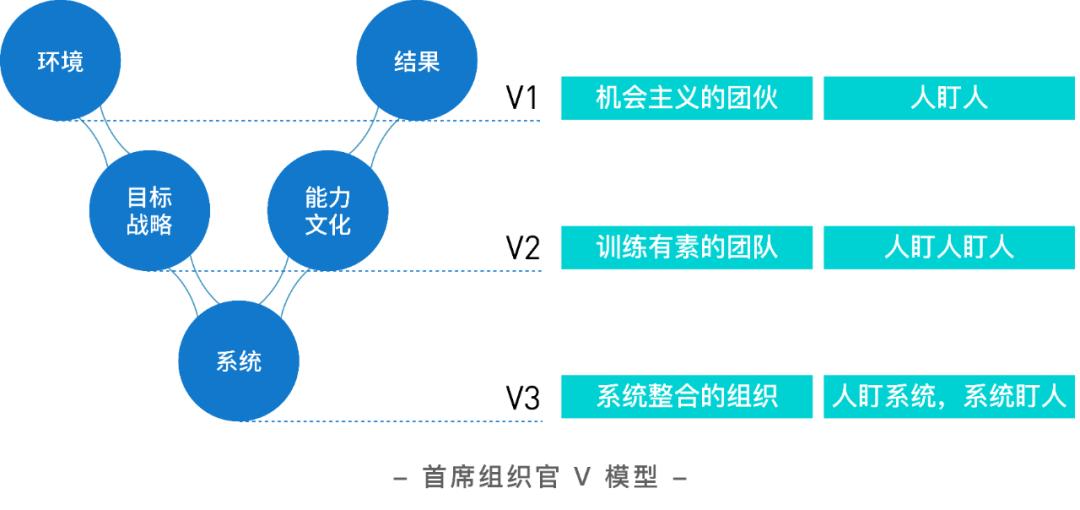
Core Insights - The article discusses the challenges faced by many domestic private enterprises in China when attempting to adopt Huawei's Integrated Product Development (IPD) methodology, often resulting in short-lived enthusiasm and eventual abandonment of the initiative [1][2][15]. Group 1: Understanding IPD - IPD, originally developed by IBM and later refined by Huawei, is not merely a project management tool but a comprehensive system governance capability that shifts product development from reliance on individuals to a structured system [3][6][8]. - The core value of IPD lies in its ability to facilitate efficient collaboration and decision-making across large, cross-functional organizations throughout the product lifecycle [6][8]. Group 2: Transition from Individual to System Governance - The transition from "people management" to "system governance" is essential for modern enterprises to scale effectively, moving through stages from opportunistic teams to well-trained groups and finally to system-integrated organizations [4][6]. - Effective implementation of IPD requires a shift from command-and-control management to role-based collaborative governance, where responsibilities and collaboration rules are clearly defined [7][8]. Group 3: Professionalism and Commitment - Successful IPD implementation necessitates a foundation of professionalism, where each role within the process is filled by individuals with the appropriate expertise [9][10]. - High levels of discipline and commitment are required for IPD processes, as the system cannot rely solely on enthusiasm or goodwill [11][22]. Group 4: Cultural and Structural Considerations - The effective operation of IPD is heavily dependent on a culture of universalism and low power distance, which allows for equitable treatment and decision-making based on data rather than personal relationships [13][14]. - Without these cultural elements, the implementation of IPD may result in superficial adherence to processes while underlying "people management" practices persist [14][20]. Group 5: Long-term Commitment and Leadership Involvement - Many companies underestimate the complexity and long-term commitment required for successful IPD adoption, often expecting quick results from minimal investment [15][16]. - Leadership must actively participate in the IPD process rather than merely delegating it to others, as seen in Huawei's approach where top executives were deeply involved in the initiative [17][18][22]. Group 6: Conclusion and Readiness Assessment - Companies must assess their readiness for adopting IPD, recognizing that it is not a simple replication of Huawei's practices but a fundamental shift in governance and operational capabilities [21][22][23].