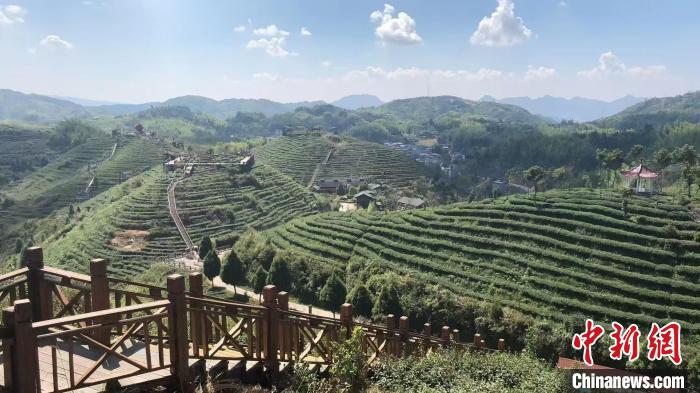
茶旅融合

Search documents
茶香飘出薄家口
Jing Ji Ri Bao· 2025-08-13 06:25
Core Insights - Shandong Rizhao has transformed from a "forbidden zone" for tea cultivation to one of the "world's three major coastal green tea cities" with a thriving tea industry [1] - The tea industry in Rizhao, particularly in the core production area of Banjiaokou Village, has become a significant agricultural feature, generating over 200 million yuan in annual transactions [1][2] Industry Overview - Banjiaokou Village has established itself as the largest fresh tea trading market in northern Jiangsu, with daily transaction volumes nearing 1 million yuan during peak seasons and annual totals exceeding 100 million yuan [2] - The village has a rich history of tea cultivation, dating back to 1966 when tea varieties were introduced from southern China, leading to a shift from grain to tea farming [3] Market Dynamics - The tea market in Banjiaokou has evolved from small-scale family operations to larger tea factories, with over 50 tea enterprises and standardized workshops producing 72,000 pounds of dry tea annually [4] - The introduction of e-commerce and live streaming has allowed local tea producers to reach broader markets, with one entrepreneur achieving nearly 10,000 online sales annually [6] Innovations and Trends - New business models, such as the "Party branch + cooperative + farmer + base + enterprise" approach, have been implemented to ensure quality control and expand market reach [7] - The development of new tea varieties and deep processing products is seen as essential for enhancing the value of Rizhao's tea offerings [8] Future Directions - The village is investing in infrastructure upgrades, including a new fresh leaf market and a white tea production base, to diversify its product offerings and improve trading conditions for farmers [9] - There is a focus on integrating tea tourism with local production to attract visitors and enhance the overall economic impact of the tea industry [9]
港澳大学生海南白沙植茶树:种下“常回来看看”的念想
Zhong Guo Xin Wen Wang· 2025-08-11 08:02
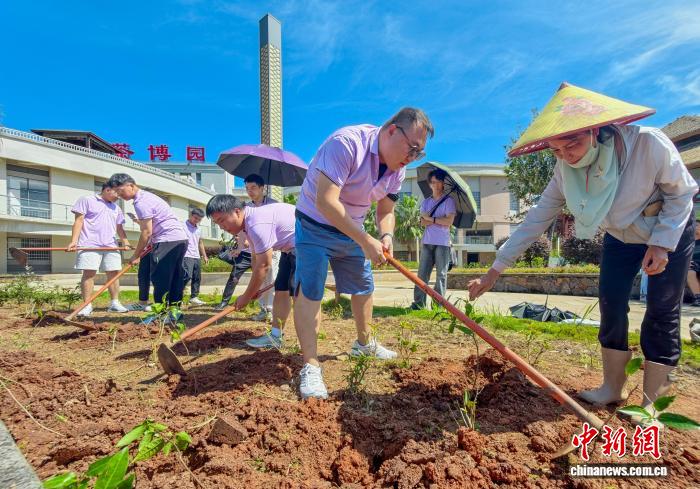
Group 1 - The "Zhulang Plan" summer internship program in Hainan aims to integrate tea culture with ecological practices, allowing students from Hong Kong and Macau to engage in hands-on activities such as planting tea trees [1][3] - The ecological tea garden in Baisha County is situated on a unique geological site formed by an asteroid impact approximately 700,000 years ago, contributing to the distinct quality of Baisha green tea [3][4] - Baisha Tea Industry Co., Ltd. is actively developing new products like instant tea and tea polyphenol extracts to enhance the industry's added value and expand sales channels, benefiting local tea farmers [3] Group 2 - The Baisha Tea Expo Park is a demonstration project focusing on the integration of tea culture and tourism, featuring various facilities for tea culture display, education, and leisure [4] - Students participating in the internship learned about the tea processing workflow and had the opportunity to taste freshly brewed Baisha green and black teas [4][7] - The experience of planting tea trees has created a sense of connection for students, symbolizing their lasting impact and intention to return [7]

青山绿水间|茶海里的“金账本”
Yang Shi Xin Wen Ke Hu Duan· 2025-08-11 02:43
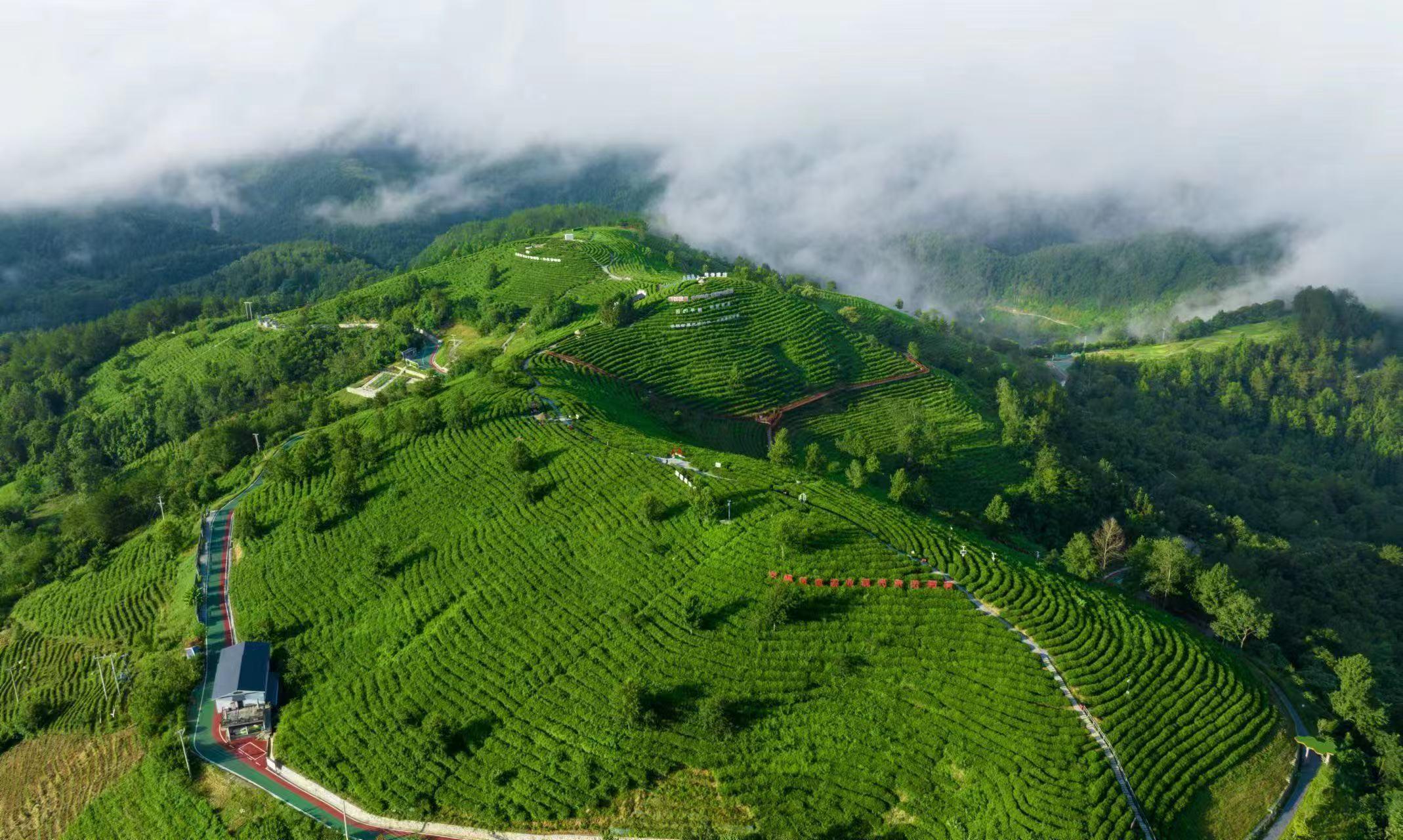
Group 1 - The core viewpoint of the article highlights the transformation of Jiangjiaping Village through tea cultivation, leading to improved livelihoods and tourism development [3][5][7] - The village has implemented efficient tea planting and renovation of old tea gardens, resulting in better ecological conditions and increased income for residents, with an average annual income exceeding 20,000 yuan in 2024 [5] - The integration of tea culture and tourism has attracted more visitors, contributing to the local economy and showcasing the village's journey out of poverty [7] Group 2 - The article emphasizes the importance of natural resources as both ecological and economic wealth, as stated by General Secretary Xi Jinping during his visit to the village [3] - The scenic beauty of the Phoenix Tea Mountain and the thriving tea industry have become significant draws for tourism, enhancing the village's reputation [7]
传统茶该向“新茶饮”学点啥
Jing Ji Ri Bao· 2025-08-06 22:23
Core Insights - The new tea beverage industry has experienced rapid growth, with annual sales reaching tens of billions or even over a hundred billion yuan, attracting attention from traditional tea practitioners [1] - New tea beverages are popular due to their appealing taste, high aesthetic value, and effective marketing strategies [1][2] Group 1: Popularity Factors of New Tea Beverages - The taste of new tea beverages caters to young consumers' desire for innovative flavors and personalized experiences, combining tea with fruits, milk, and other ingredients for a unique "drink and chew" experience [1] - The aesthetic appeal of new tea beverages, characterized by attractive packaging and distinctive branding, aligns with young consumers' tendencies to share visually appealing products on social media [1] - Effective marketing strategies, including a unified brand image and diverse service channels (online, offline, takeout, delivery), have successfully attracted more customers [1] Group 2: Challenges and Opportunities for Traditional Tea Industry - The traditional tea industry has advantages such as rich cultural heritage and unique product characteristics but faces challenges like low cultural accumulation and easy replicability of business models [2] - Traditional tea brands should enhance their original branding through measures like ecological tea garden construction and geographical indication protection to avoid homogenization [2] - Accelerating digital transformation through new media channels can help bridge the gap between traditional tea culture and younger consumers [2] - Diversifying product forms, such as developing tea powders and capsules, can address the complexities of traditional tea preparation and adapt to fast-paced lifestyles [2] Group 3: Market Structure and Capitalization - The national tea market has a scale of nearly 300 billion yuan with over 70,000 tea companies, yet there are no A-share listed companies in the traditional tea sector [3] - The new tea beverage industry is actively seeking capital in overseas markets, highlighting the need for the traditional tea industry to improve its market concentration to realize its potential [3]
四川雅安多举措推动“雅茶”产业稳步发展
Zhong Guo Chan Ye Jing Ji Xin Xi Wang· 2025-07-31 22:08
Core Viewpoint - The government of Ya'an City, Sichuan Province, is actively addressing adverse conditions in the tea market and climate by implementing measures to strengthen the tea industry, enhance the "Mengding Mountain Tea" brand, and promote the steady development of the "Ya Tea" industry [1] Group 1: Stock Optimization and Strengthening Traditional Tracks - The government supports the establishment of green management practices in tea gardens and provides subsidies for cooperative tea leaf purchasing and sales [2] - The city aims to create over 600,000 acres of national green (organic) tea bases by completing certification processes for specific counties [2] - Efforts are being made to enhance tea processing standards and promote deep processing projects, with an average construction progress of over 50% for three provincial-level projects [2] Group 2: Incremental Breakthroughs and New Emerging Tracks - New tea beverage brands like "Heytea" and "Ya Tea Group" are launching innovative products, with significant investments in production lines for new tea drinks [3] - Collaboration with Sichuan Agricultural University is enhancing research on the health benefits of Ya'an藏茶, leading to the development of functional tea products [3] - The tea industry is exploring cross-industry integration, including the development of tea-themed tourism and collaborations with the hot pot industry [3] Group 3: Strengthening Support and Building a Support System - The implementation of the "Mengding Mountain Tea Culture Protection Regulations" is promoting the preservation and development of tea culture in the region [4] - A financial incentive policy has been introduced, allocating 10 million yuan to support various aspects of the tea industry, boosting confidence among businesses and farmers [4] - Brand promotion activities are being organized, with significant brand values reported for "Mengding Mountain Tea" and "Ya'an藏茶," indicating a strong market presence [5]
小小茶农趣研学
Jing Ji Ri Bao· 2025-07-26 22:27
Core Insights - The article highlights the integration of tea culture and tourism in Haiqing Town, Shandong, through hands-on experiences for students, promoting both education and local industry [1][3]. Group 1: Tea Industry Development - Haiqing Town has approximately 35,000 acres of tea gardens, actively exploring new paths for the integration of tea industry and cultural tourism [3]. - The town aims to transform traditional tea areas into tourist attractions, enhancing the economic value of tea production [3]. Group 2: Educational Initiatives - The "One Day Tea Farmer Experience" program allows students to engage in tea picking, handcrafting tea, and learning about tea culture, fostering a deeper understanding of the tea production process [1][2]. - Over 200 educational activities have been conducted in Haiqing Town, attracting more than 30,000 participants, including students and international visitors [3]. Group 3: Community Engagement - The initiative has created various practical bases for research and learning, including the North Tea Business Street and the Haiqing Tea "Three Industry" Integration Innovation Demonstration Base [3]. - The program emphasizes experiential learning, moving from theoretical knowledge to practical engagement, enriching students' understanding of agriculture and local culture [3].
非遗茶香润武隆 匠心传承助振兴 ——重大学子调研武隆高山茶非遗技艺传承新路径
Zhong Guo Shi Pin Wang· 2025-07-24 11:27
Core Insights - The article highlights the integration of traditional craftsmanship with modern industry in the context of rural revitalization through the production of Tongzi Shuangfeng high mountain tea in Chongqing [1][6]. Group 1: Company Overview - Chongqing Mushi Agricultural Development Co., Ltd. is recognized for its high-quality tea produced in a unique environment characterized by significant temperature differences and mineral-rich soil, which enhances the tea's amino acid content and distinctive "orchid fragrance" [1]. - The company adheres to organic farming standards and has maintained national organic certification for five consecutive years, ensuring high-quality tea leaves through strict "no ground picking" practices [1]. Group 2: Employment and Economic Impact - The "company + cooperative + farmer" model employed by the company not only guarantees tea quality but also boosts local employment, with farmers earning nearly 200 yuan per day during the tea-picking season [2]. Group 3: Challenges and Future Plans - Despite winning prestigious awards like the "China Tea Cup" Special Gold Award, the company has yet to achieve profitability due to the high costs associated with organic farming and manual processing [6]. - The company plans to develop a "1+1+N" tea tourism integration model, leveraging local resources to combine tea cultivation with outdoor activities, wellness retreats, and educational experiences, aiming to enhance its market presence and economic viability [6].
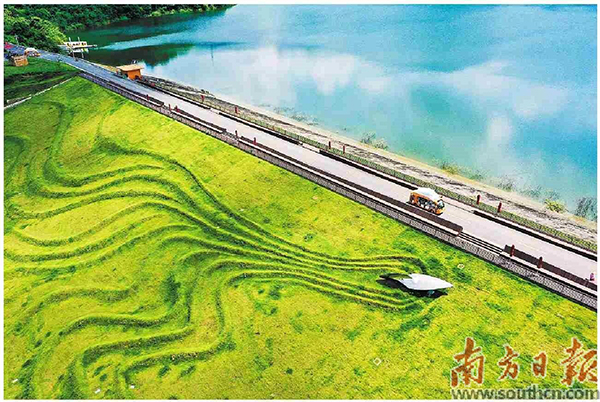
广东7665公里碧道串珠成链 “绿色动脉”持续输送生态红利
Nan Fang Ri Bao Wang Luo Ban· 2025-07-24 07:44
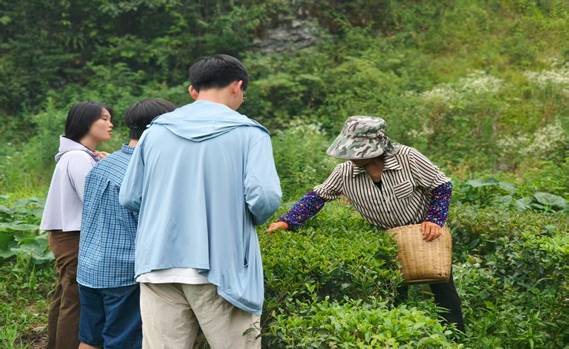
Group 1 - The core viewpoint highlights the significant progress in the construction of green waterways in Guangdong, with a total of 7,665 kilometers completed by June 2025, achieving 76% of the annual target for 2023 [1] - The establishment of these green waterways has led to improved water quality, with 4,738.9 kilometers of river sections now rated better than Class III, while the length of Class V and inferior Class V sections has decreased by 827.2 kilometers [1] - The green waterways are described as "green arteries" that connect ecological networks, enhancing the recreational value of rivers and lakes for local residents [1] Group 2 - The emergence of a vibrant green water economy is evidenced by the completion of 16 provincial pilot projects, which have attracted a total investment of 3.73 billion yuan, with nearly 90% coming from social capital [2] - In Guangzhou Conghua, the transformation of the Shaxi Reservoir into a tourist destination has attracted nearly 1 million visitors in 2024, generating over 80 million yuan in surrounding consumption [2] - The water beverage industry in the Wanshan Lake area has seen significant growth, with major companies like Nongfu Spring and China Resources Beverage contributing to an operational revenue of 380 million yuan and a total output value of 9.29 billion yuan from 40 industrial enterprises [2] Group 3 - The integration of organic tea production with rural tourism in Kaiping has benefited over 3,000 tea farmers, showcasing a successful model of "tea and tourism" fusion [3] - Events such as fishing festivals and music festivals held in conjunction with local resources have enhanced community engagement and economic activity [3] Group 4 - There are over 100 billion yuan worth of planned investments in new water economy projects across Guangdong, indicating a shift from traditional water infrastructure to a more diversified ecological economy [5] - The continuous emergence of green waterways and scenic water areas is expected to further enhance the ecological and economic benefits for the region [5]
广东职工文体汇——2025年广东省地方特色茶文化交流暨茶旅融合助力“五大百亿”活动在清远英德举办
Nan Fang Nong Cun Bao· 2025-07-20 13:06
Group 1 - The event "2025 Guangdong Provincial Local Characteristic Tea Culture Exchange and Tea Tourism Integration" was successfully held in Qingyuan, aimed at promoting the integration of tea culture and worker culture through various activities [5][6][76] - The event featured tea art competitions, exhibitions, tea parties, and tea garden experiences, creating a platform for deep integration of worker culture and tea culture [6][7][76] - The tea industry is expected to combine economic benefits with ecological and cultural values, supporting Qingyuan's "Five Major Billion" agricultural industry initiative [7][76] Group 2 - Qingyuan's Yingde is recognized as the "Hometown of World Black Tea," with the "Yingde Black Tea" brand valued at the top of the national black tea rankings, and the tea industry output value expected to exceed 9 billion yuan in 2024, aiming to break the 10 billion yuan target this year [20][21] - The event is part of the "Hundred Million Project" and aims to stimulate worker enthusiasm and gather wisdom to explore new models for the tea industry [22][76] - The event also included a tea culture sharing session where participants could learn about the characteristics and brewing techniques of representative Guangdong teas [55][56] Group 3 - The event showcased the achievements of Yingde tea enterprises in "inheritance + innovation" dual-track development, and highlighted the integration of local agricultural products from Qingyuan [45][51] - A total of 38 representatives from various cities participated in the tea art performance, demonstrating Guangdong's tea culture through skilled techniques and immersive presentations [38][40] - The awards ceremony recognized outstanding participants, with one first prize, two second prizes, three third prizes, and ten excellence awards presented [57][66] Group 4 - The event is seen as a vibrant practice of the "Guangdong Workers' Cultural Exchange" brand, promoting cultural construction and local industry development through a "cultural + sports" integration model [76][80] - Future initiatives will focus on continuous promotion of tea culture and tea tourism integration, establishing platforms for production and sales connections, and cultivating a core team of tea culture workers [80][87]

台青扎根茶乡:美人茶沏出两岸“同心味”
Zhong Guo Xin Wen Wang· 2025-06-24 14:13
Core Insights - The article highlights the innovative efforts of Taiwanese tea entrepreneur Peng Anyuan in promoting and modernizing the traditional tea industry in Daitian, Fujian, China, particularly through the production of Oriental Beauty tea [1][2][3] Group 1: Company Development - Peng Anyuan has been instrumental in developing new tea products, such as flower-scented tea, to attract younger consumers, reflecting a shift towards modern consumer preferences [1][2] - The tea company established by Peng's father has evolved into a 4A-level tourist attraction, producing "Jiangshan Beauty" tea, which has received over 30 awards in various tea competitions [2] - The annual production of Daitian Beauty tea has reached 4,300 tons, accounting for 70% of the national market share, with products exported to Europe and Southeast Asia [2] Group 2: Cultural Integration - The tea industry in Daitian serves as a bridge for cultural exchange between Taiwan and mainland China, with Peng's initiatives fostering collaboration and skill development among tea artisans from both regions [2][3] - The "Tea Industry Bridge" program has been running for ten years, providing training for tea masters and enhancing the quality of tea production through the involvement of Taiwanese experts [2] Group 3: Innovation and Technology - Peng Anyuan has introduced a "smart tea garden" management system, establishing a traceable production process to ensure quality and transparency [2] - The company is developing new products like cold brew tea and concentrated tea to cater to the preferences of younger consumers, indicating a strategic focus on innovation [2]