关税政策

Search documents
被手下狠捅一刀,特朗普还想攀咬中国,中方一句话,砸碎美国算盘
Sou Hu Cai Jing· 2026-02-16 09:21
在被自己人狠狠捅了一刀之后,特朗普依旧心心念念想着对中国指手画脚,这样的算盘注定难以奏效。 面对美国国内外的压力,中方没有丝毫犹豫,一句话就亮明了立场,没有给美国任何的回旋余地。 而在这个关键时刻,特朗普依旧想着拿中国说事。此前,特朗普曾公开宣称,如果加拿大和中国之间的 合作继续下去,中国将终止加拿大的冰球运动,这一说法荒谬得令人忍俊不禁。美国显然是希望借此影 响中加合作,迫使加拿大更加依赖美国,听从美国的摆布。然而,特朗普的这种言论根本站不住脚,中 方立刻回应,并坚定表示,中加之间的合作完全没有针对任何第三方,完全是基于两国的共同利益。中 国外交部发言人林剑明确指出,所有关于中加合作的抹黑言论都是不成立的,中国与任何国家的合作始 终是互利共赢的,国际社会对此早已心知肚明。与其花时间抹黑中国,特朗普倒不如先担心自己。毕 竟,一个无法有效团结党内力量、又肆意挥霍国际信誉的领导人,其政策的可持续性和实际成效,必然 会被打上巨大的问号。 林剑的话语虽然平淡,但却也敲响了特朗普政治前景的警钟。特朗普的关税大棒,实际上敲打的已经不 仅仅是别国的关税,更是在敲响他自己政治前景的不确定性。随着国内外的反弹力量愈发强大,这位 ...

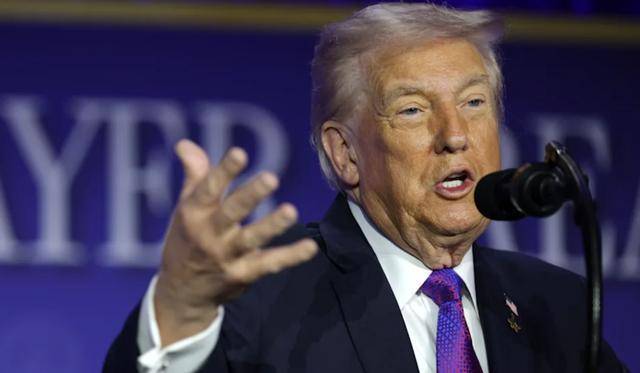
共和党反水!219比211美国压倒性通过:终止特朗普对加拿大关税令
Sou Hu Cai Jing· 2026-02-16 07:26
音。对盟友与供应链的影响更加深远,北美供应链宛如一张编织多年的网,涵盖能源、汽车零部件、农产品、木材、矿产等多个领域。对加拿大加征关税, 表面看是施加压力,实际上是在提醒:你们的命门,掌握在我手中。从加拿大的角度来看,今天用关税来威胁你,明天同样可以用这招威胁其他国家。如此 一来,分散风险、降低单一依赖就成为了必然趋势。长此以往,副作用显现:盟友们开始寻找新的路径,企业加速区域化,供应链寻求备胎。经过几轮博 弈,美国的牵引力开始减弱,交易成本提高,联盟的粘性也在逐渐消退。关税可能会赢得一场谈判,但如果屡次使用,就有可能输掉一场长期的博弈。 2月12日,众议院投票屏幕上显示了219:211,表面上看,这只是对一份决议案的表决,实际上却是一场关于关税开关应由谁掌控的公开争夺。与其说这场角 力是与对手的对抗,不如说它是在挑战一个长期被视为最铁盟友的国家——加拿大。特朗普直言不讳,称加拿大是美国的朋友,目的明确,便是为了限制总 统能否以国家紧急状态为理由,对加拿大征收惩罚性关税,将这把刀暂时从白宫的手中夺走。令人戏剧性的是,反对的并非仅仅是民主党人,甚至有部分共 和党人也投了赞成票。对于特朗普来说,这些倒戈的声音沉重 ...
219比211!中方表态不到24小时,美国会通过决议,特朗普遭背刺
Sou Hu Cai Jing· 2026-02-16 04:54
在林剑回应后不到24小时,众议院便通过了这一法案。在共和党占据218席、民主党占据214席的435个席位中,要想通过,必须有部分共和党议员倒戈。来 自内布拉斯加州的共和党议员直言不讳地表示,提高关税只会加剧美国现有经济困境,最终受害的将是美国的消费者和农民,这句话一针见血地揭示了关税 可能带来的实际后果,也为此次背刺行为提供了深刻的解释。这一票的意义远不止表面上的政治斗争,它昭示了一个信号:曾经看似牢不可破的特朗普权 力,在关税问题上并非铁板一块。虽然法案接下来还需要通过参议院,但即使通过,特朗普是否签字仍然存在变数。然而,众议院已经通过这一法案,明确 表态不愿再被关税政策牵着鼻子走,更不希望把加拿大作为打击中国的筹码。 美国要对加拿大下手,背后有几个重要的考虑:首先,关税是特朗普最为熟悉的工具,一旦拍下去,市场会立刻有反应,媒体会迅速制造话题,支持者会认 为他强硬。其次,地理上的紧张也促使美国担心中加合作会导致北美贸易版图发生变化,美国可能被边缘化,因此,美国要用威胁手段把加拿大拉回到美方 阵营。此外,关税还可以吸引特朗普的基本支持群体,尤其是在通胀和选民焦虑情绪高涨的情况下,特朗普通过保护美国的叙事,能够 ...
中国用一年时间向全球证明,特朗普关税大棒,全砸在美国人头上了
Sou Hu Cai Jing· 2026-02-15 11:01
Group 1 - The article highlights that despite the implementation of U.S. tariffs, Chinese manufacturing has not been significantly impacted, with factories and ports in China experiencing increased activity and order volumes ahead of the Spring Festival [1][8][30] - U.S. tariffs, initially intended to reduce trade deficits and bring manufacturing back to the U.S., have instead resulted in increased costs for American consumers and businesses, with nearly 90% of the tariff burden falling on them [12][15][32] - The Chinese manufacturing sector has shown resilience, maintaining export levels and even experiencing growth due to strong demand and a diversified market strategy, countering the expected negative effects of tariffs [26][28][30] Group 2 - The article discusses the political and legal challenges faced by the Trump administration's tariff policies, including internal dissent within the Republican Party and court rulings questioning the legality of the tariffs [18][22][20] - There is a growing sentiment of "tariff fatigue" among U.S. retailers, importers, and consumers, with many businesses seeking to recover paid tariffs and expressing dissatisfaction with the ongoing trade policies [25][32] - The article concludes that the U.S. approach of unilateral protectionism through tariffs has not only failed to achieve its goals but has also led to negative repercussions for the U.S. economy, highlighting the importance of respecting market dynamics and pursuing mutually beneficial trade relationships [33][35][38]
突发!6名共和党人倒戈支持终止对加拿大关税,中期选举要变天?
Sou Hu Cai Jing· 2026-02-15 05:14
Group 1 - The Trump administration's tariff and trade policies are facing renewed uncertainty, with discussions about potentially withdrawing from the USMCA [1][2] - The US House of Representatives voted to overturn Trump's tariff policy on Canada, marking a significant blow to his economic agenda [1][7] - The USMCA, which replaced NAFTA, is crucial for North American trade, and a US exit could have severe repercussions on the integrated value chain [1][6] Group 2 - Negotiations are expected to occur separately with Mexico and Canada, with the US Trade Representative indicating that discussions with Canada are more challenging [3][5] - The USMCA is set for a mandatory review before its expiration on July 1, and this review has evolved into intense negotiations, with Trump demanding more concessions [3][5] - If a solution that incorporates industry stakeholders' opinions is reached, the agreement could be extended for another 16 years; otherwise, a 10-year annual review process will commence [5] Group 3 - The House's decision to challenge Trump's tariffs reflects growing dissatisfaction among Republican lawmakers, especially with midterm elections approaching [7][8] - Polls indicate that a majority of Americans oppose Trump's tariff increases, including a significant portion of Republican voters [8] - The Supreme Court is expected to rule on the legality of Trump's tariff policies in the coming months, which could further impact the political landscape [9]
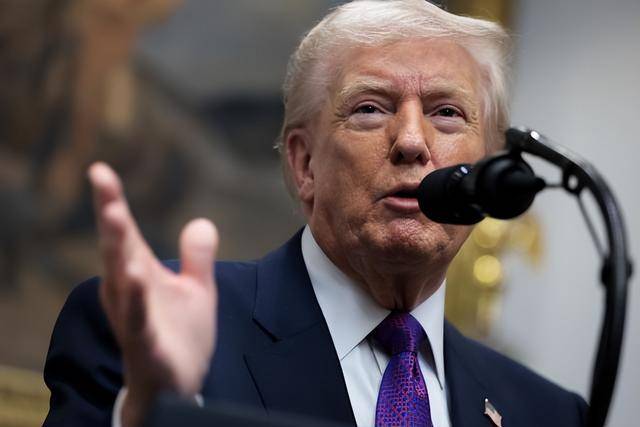
美国消费者扛不住,特朗普又要降关税了?
Sou Hu Cai Jing· 2026-02-15 05:03
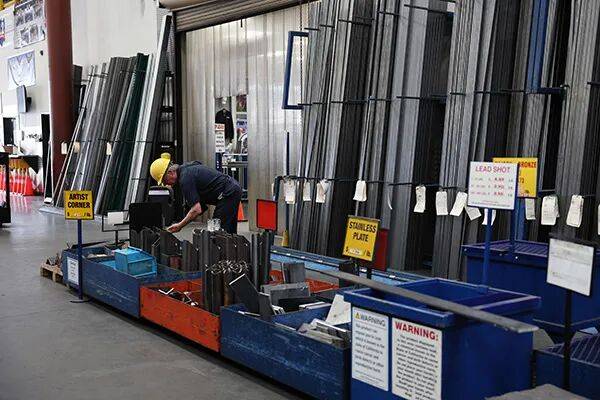
► 文 观察者网 王一 在生活成本高企、选民怨气升温的背景下,特朗普政府又要TACO了,在钢铁和铝制品关税问题上出现 松动迹象。英国《金融时报》2月13日援引知情人士的话报道称,美国总统特朗普正计划削减部分钢铁 和铝制品关税,暂停扩大征税清单,并对部分商品给予豁免。 三名知情人士透露,美国商务部和贸易代表办公室的官员们认为,相关关税推高了食品罐、饮料罐等日 用品的价格,给消费者带来负担。他们正重新审查受影响产品名单,计划对部分商品予以豁免,暂停通 过"纳入程序"不断扩大征税范围的做法,转而对特定商品启动更具针对性的国家安全调查。 这被外界视为特朗普的又一次TACO,"特朗普总是退缩"的英文缩写(Trump Always Chickens Out), 这常被用以戏谑特朗普在政策执行中表现出反复无常和最终妥协的倾向。 美国自2025年3月12日起对所有进口钢铁和铝征收25%关税,特朗普后来又将这一关税提高至50%,6月 4日开始生效,并将征税范围扩大至以这些金属为原材料生产的一系列商品,包括洗衣机、烤箱等,导 致美国整体关税水平升至二战前以来的最高水平。 加征关税后,特朗普政府还允许美国企业通过所谓"纳入程序" ...
欧盟焦虑爆发,中国工业被盯上?关税威胁下,中方已看准反击方向
Sou Hu Cai Jing· 2026-02-15 03:40
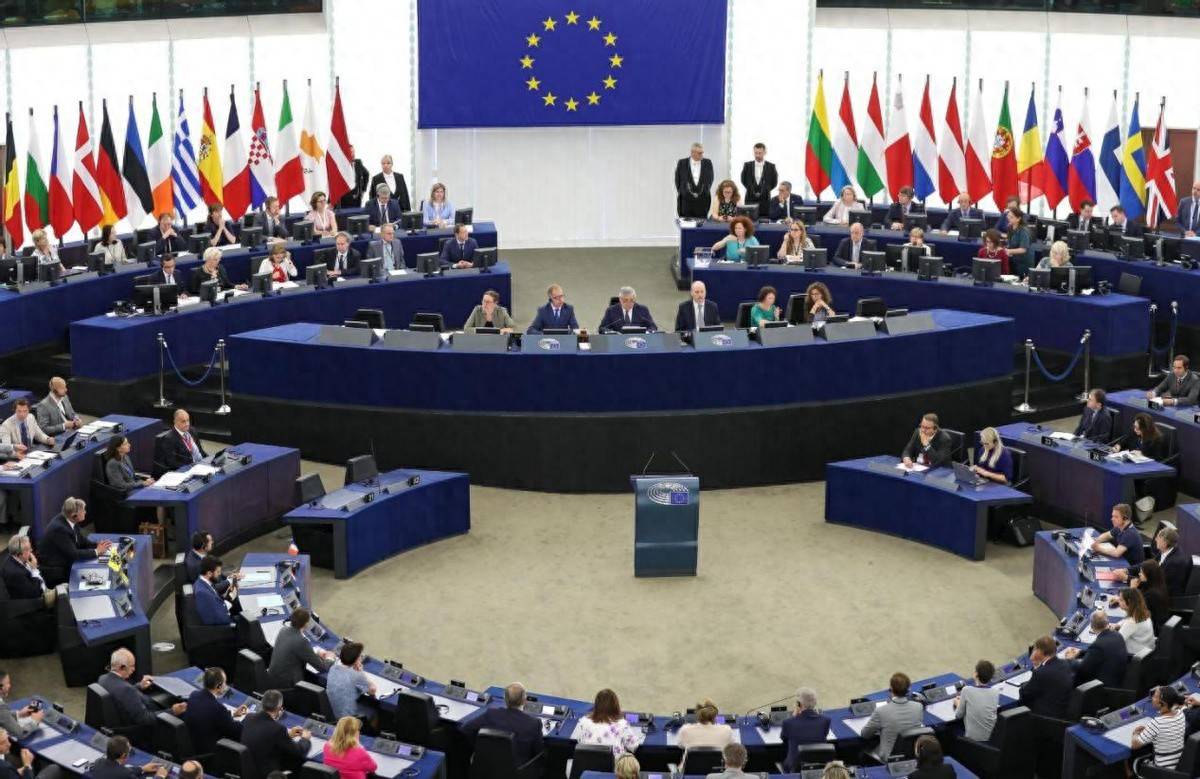
此外,一些对华贸易依赖较大的成员国也在担忧,如果与中国的对抗进一步升级,反制措施将直接对本国经济产生冲击。这意味着欧盟内部要形成一致的对 华关税政策几乎是不可能的,所谓的30%关税更多是法国在推动其国内诉求、转移国内压力的政治工具,而不是欧盟的统一意志。即便欧盟最终决定加征关 税,中国也早已准备好反击。一旦欧盟采取违反世贸规则的措施,中国完全可以通过反倾销、反补贴调查等手段进行有针对性的反制。例如,法国的葡萄酒 长期占据着中国市场的一个重要份额,如果局势恶化,像葡萄酒这样的商品必然会成为中方政策评估的对象。通过精准的回应,中国可以施加压力的同时, 也能避免局势失控。与此同时,多边机制仍然是解决争端的重要途径。如果欧盟采取的措施违反了世贸规则,中国完全可以通过申诉程序来维护自身的权 益。近年来,欧盟已对中国发起了多项贸易救济和补贴调查,还在公共采购领域设置了一些限制,而中国的反应,本质上是对这些不公平做法的反向平衡, 而非主动加剧矛盾。 然而,更为重要的是,中国始终强调合作的基本立场没有改变。中欧之间的经贸规模庞大,双方产业结构本身具备互补性。中国不仅 是全球的制造者,还是一个庞大的市场,不仅在持续向外出口产品 ...
美媒:春节前夕,中国工厂和港口热闹非凡
Xin Lang Cai Jing· 2026-02-14 06:11
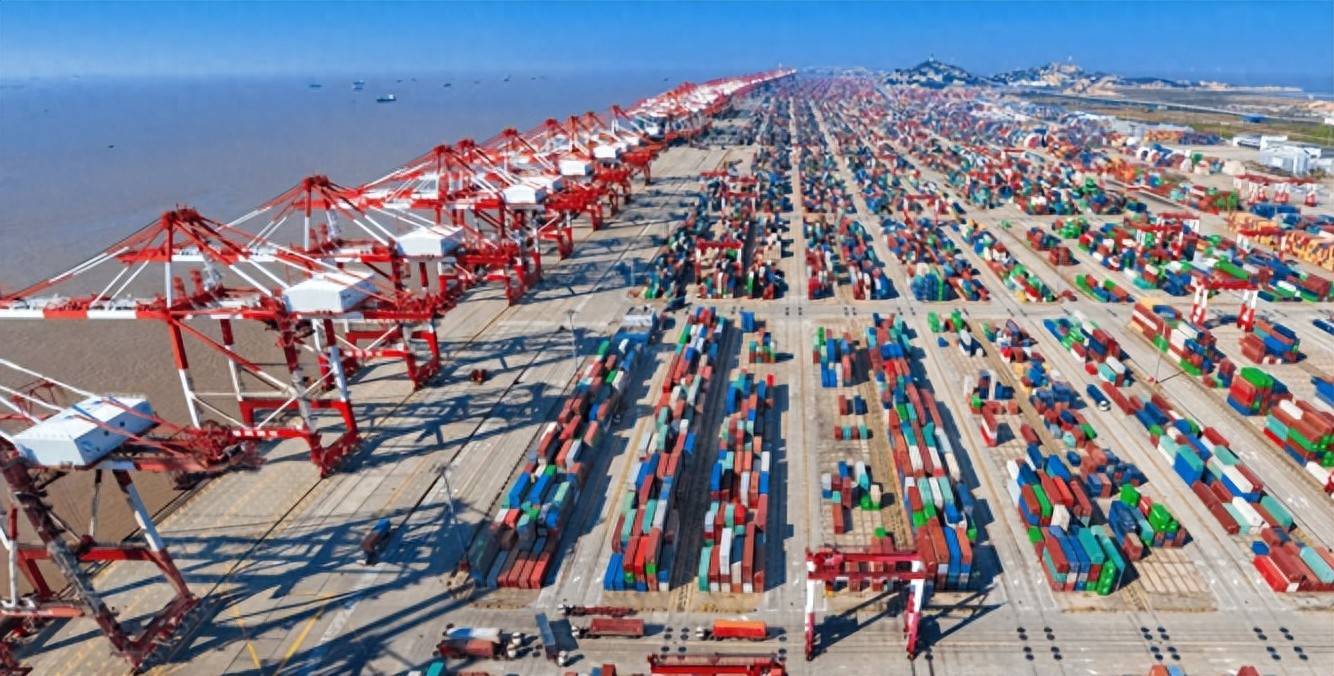
春节长假前的提前发货推动运费上涨。汇丰银行发布的货运监测报告显示,今年1月初上海出口集装箱 运价指数介于1400至1656之间,明显高于过去15年来1337至1568之间的水平。该报告还显示,在今年1 月的大部分时间和2月初,从中国发往美国的大型集装箱运输船的运输量高于2024年和2025年同期水 平。 美国消费者新闻与商业频道2月15日文章,原题:美国关税政策实施一年后,中国的工厂和港口正热闹 非凡 在美国征收高额关税引发出口商及客户恐慌的一年后,中国的工厂和港口在农历新年前夕仍然呈 现出热火朝天的繁忙景象,甚至推高了运费。中国工厂的活动通常在年初激增,因为制造商们竞相在春 节长假前完成订单并发货。即使在美国对中国商品加征关税后,今年春节前的"赶工潮"依然强劲。 随着来自世界各地的客户纷纷为他们的下一个生产周期下订单,中国的工厂车间一直忙得热火朝天—— 这是商业咨询人士卡梅伦·约翰逊上个月走访中国华南多家工厂时看到的景象。他表示,华南地区的许 多汽车、消费品和体育用品制造商都"相当忙碌",他们正在处理积压订单,并回答包括美国买家在内的 外国买家的现场咨询。(作者Anniek Bao,王会聪译) 广东一家电子 ...
物价要上天?美国老百姓:关税大棒挥下,我们的好日子到头了!
Sou Hu Cai Jing· 2026-02-14 03:56
Core Points - The U.S. House of Representatives rejected a Republican rule aimed at preventing challenges to Trump's tariff policy, marking a significant setback for President Trump and his allies in Congress [1][3] - The vote against the rule was 217 to 214, with all House Democrats and three dissenting Republicans opposing it, indicating growing discontent within the Republican Party regarding Trump's economic policies [1][3] - A report from the nonpartisan Tax Foundation highlighted that tariffs could cost American households $1,000 in 2025 and $1,300 in 2026, emphasizing the negative impact of tariffs on consumers and manufacturers [1][4] Group 1: Political Dynamics - The rejection of the rule reflects a broader trend of congressional members planning to challenge Trump's trade agenda, which has disrupted global trade and contributed to rising U.S. prices [3] - The Democratic Party, led by Congressman Meeks, is preparing to vote on measures to block Trump's tariffs on Canada, showcasing a unified opposition against the administration's trade policies [3][4] - The internal dissent among Republicans, including three members who voted against the rule, suggests increasing dissatisfaction with Trump's economic strategies within his own party [3][4] Group 2: Economic Implications - The rising awareness among Americans regarding the correlation between tariffs and inflation has made affordability a key campaign issue for Democrats in the upcoming midterm elections [4][5] - The average annual cost of tariffs to American households is estimated at $1,400, with the Tax Foundation projecting this cost to rise to $1,300 this year, indicating a significant financial burden on working families [6] - Economic experts estimate that tariffs contribute approximately 0.5 percentage points to inflation, raising concerns about the long-term effects of trade policies on consumer prices [6]


文斯控股因关税下调利润指引,通过提价与供应链优化应对
Jing Ji Guan Cha Wang· 2026-02-13 22:08
Core Viewpoint - Vince Holdings has lowered its full-year profit guidance due to the impact of U.S. tariff policies, with management stating that "profits will be below expectations" [1][2] Tariff Cost Impact Overview - Vince Holdings has adjusted its full-year profit guidance as a result of U.S. tariff policies, although specific costs have not been quantified [2] - The company is implementing strategies such as price adjustments, supply chain collaboration, and business structure flexibility to mitigate pressure [2] Core Mitigation Strategies - Price adjustments are being made to pass on some tariff costs, with an average price increase of 6%-7%. Management noted that both consumers and wholesale partners have shown good acceptance of these price increases, with positive market feedback following the price hike of the Cloud6 series [2] Supply Chain Collaboration and Cost Optimization - The company is negotiating price concessions with suppliers and optimizing inventory management. Although inventory increased in Q2 due to rising tariff costs, the overall situation remains manageable. Internal cost reductions, such as operational process optimizations, are also being employed to alleviate some of the unpassed pressure [3] Business Structure Flexibility - In FY2025, the direct-to-consumer (DTC) business experienced growth in Q2, partially offsetting the impact of tariffs on wholesale business. The guidance for Q3 net sales is projected to be "flat to low single-digit growth," indicating business resilience [4] Financial Performance Comparison - The company faced short-term pressure, reporting a net profit of $56.9 thousand for Q2 FY2025 (ending August 3, 2025), but experiencing a significant net loss of $28.345 million in Q4 (ending February 1, 2026), reflecting the compounded effects of tariffs and seasonal factors [5] Gross Margin Support - The full-year operating gross margin reached 48.1%, with the price adjustment strategy helping to buffer against rising costs [6] Industry Response Reference - Other international brands like PUMA and Deckers are similarly adopting strategies such as supply chain diversification and selective price increases. Vince Holdings' approach aligns with common industry strategies, although there are no disclosed plans for overseas capacity relocation [7]