烤箱

Search documents
美国消费者扛不住,特朗普又要降关税了?
Sou Hu Cai Jing· 2026-02-15 05:03
Core Viewpoint - The Trump administration is showing signs of easing tariffs on steel and aluminum products due to rising living costs and voter dissatisfaction, with plans to review affected product lists and potentially grant exemptions [1][6]. Group 1: Tariff Adjustments - Reports indicate that the U.S. government is considering reducing certain steel and aluminum tariffs and pausing the expansion of the tariff list, which has been criticized for increasing prices on everyday goods [1][6]. - The current tariff system is viewed as overly complex and difficult to enforce, prompting calls for simplification from U.S. trade officials [3]. Group 2: Economic Impact and Voter Sentiment - A recent poll shows that over 70% of American adults believe the current economic situation is below acceptable levels, with 52% stating that Trump's economic policies have worsened conditions [5]. - The average tariff in the U.S. has risen to 13% due to tariffs imposed by Trump, with 90% of the economic burden falling on consumers and businesses [5]. Group 3: Political Ramifications - Republican lawmakers are feeling voter discontent regarding tariffs, leading to instances of party members voting against proposed tariffs, indicating a significant internal rift [5][6]. - If the U.S. relaxes steel and aluminum tariffs, countries like the UK, Mexico, Canada, and the EU may benefit, although the Trump administration continues to defend the economic benefits of these tariffs [7].

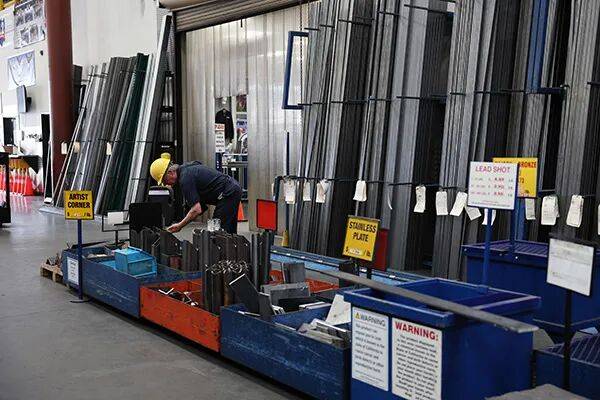
刚刚,直线跳水!关税,传来重大变数!
券商中国· 2026-02-13 12:11
Core Viewpoint - The Trump administration is planning to reduce tariffs on certain steel and aluminum products, which has led to a significant drop in the prices of aluminum and copper futures. This decision is influenced by rising consumer dissatisfaction regarding living costs and the economic impact of tariffs [1][4]. Group 1: Tariff Policy Changes - Reports indicate that the Trump administration is reviewing the list of products affected by tariffs and plans to exempt certain items while halting the expansion of the tariff list. This shift aims to address the affordability crisis faced by consumers [4][6]. - The tariffs imposed last summer reached as high as 50% on steel and aluminum products, affecting various metal goods, including appliances [4][7]. Group 2: Economic Impact - Economic analysts highlight that the burden of the steel and aluminum tariffs has primarily fallen on American consumers, contradicting the administration's claim that foreign entities would bear the costs. Approximately 90% of the tariff costs are shouldered by consumers and businesses [6][7]. - A recent poll by the Pew Research Center shows that over 70% of American adults view the current economic situation as "fair or poor," with about 52% believing that Trump's economic policies have worsened conditions [4][7]. Group 3: Political Repercussions - The tariff policy has sparked political backlash, with some Republican lawmakers and Democrats voting against tariffs on Canada, indicating a significant challenge to Trump's trade policies as midterm elections approach [7][8]. - The complexity of the current tariff system has led to confusion among businesses, with reports of inconsistent tax rates applied to identical products, highlighting the need for simplification [8].

又要TACO?传特朗普拟削减钢铝制品关税 以应对通胀及选情压力
智通财经网· 2026-02-13 08:27
Group 1 - The Trump administration plans to reduce tariffs on certain steel and aluminum products to address inflation pressures and improve voter support ahead of the midterm elections [1][2] - High tariffs, up to 50%, imposed last summer on imported steel and aluminum have significantly impacted U.S. consumers and businesses, contradicting claims that foreign exporters bear the cost [1][3] - The U.S. Trade Representative's office is reviewing the list of products affected by tariffs and may exempt certain items while launching targeted national security investigations [2] Group 2 - The overall tariff levels in the U.S. have reached their highest point since before World War II due to the extensive tariff actions initiated by the Trump administration [3] - A recent poll indicates that over 70% of American adults view the current economic situation as only fair or poor, with 52% believing Trump's economic policies have worsened conditions [3] - The complexity of the current tariff system has led to difficulties in enforcement, with businesses facing inconsistent tax rates on identical products, highlighting the need for simplification [3]
特朗普计划取消对金属和铝制品征收的关税
Xin Lang Cai Jing· 2026-02-13 08:25
Group 1 - President Trump is planning to lower tariffs on certain steel and aluminum products due to a crisis in consumer purchasing power, which has significantly impacted his approval ratings ahead of the midterm elections [1][9] - The tariffs, which were as high as 50%, were initially imposed last summer on imported steel and aluminum, and expanded to include various products made from these metals [1][10] - The U.S. Department of Commerce and trade officials believe that the tariffs have increased prices on consumer goods, negatively affecting consumer interests [1][10] Group 2 - The government has exempted certain popular food items from tariffs to alleviate food price inflation faced by ordinary Americans, contradicting the previous assertion that foreign companies would bear the cost of tariffs [2][10] - The trade war initiated by Trump has faced political backlash, with even some allies opposing the tariffs, as evidenced by a recent House vote against tariffs on Canada, where members from both parties expressed disapproval [3][11] - The adjustment of metal tariffs is also aimed at streamlining the increasingly complex lobbying process in Washington, which has evolved since the imposition of tariffs [3][13] Group 3 - The current tariff system is considered difficult to enforce and in need of simplification, as many household items have been included in the tariff list, leading to significant financial burdens on consumers [4][5][12] - Various countries, including the UK, Mexico, Canada, and EU member states, may benefit from the U.S. decision to relax steel and aluminum tariffs [6][13] - A significant number of lobbying applications have been submitted by U.S. manufacturers claiming national security risks associated with a wide range of products, indicating a broad interpretation of what constitutes a national security concern [7][13]
伦铝跳水!报道:美国考虑部分取消铝和钢铁关税
Hua Er Jie Jian Wen· 2026-02-13 05:59
Group 1 - The Trump administration is planning to reduce tariffs on steel and aluminum products to address rising inflation and improve voter support ahead of the midterm elections [1] - The government is reviewing the list of products affected by tariffs and plans to exempt certain items while stopping the expansion of the tariff scope [1] - The adjustment reflects a softening of the Trump administration's trade stance, which previously imposed tariffs as high as 50% on steel and aluminum imports [1] Group 2 - The adjustment comes amid a growing "affordability crisis" in the U.S., with over 70% of American adults rating the economy as "fair" or "poor" [5] - Republican lawmakers are facing tough elections, and concerns over the impact of tariffs on small businesses and consumers have become a focal point [5] - The complexity of the current tariff system has led to calls for simplification, as the existing mechanism is seen as difficult to enforce [6] Group 3 - The misuse of national security claims for imposing tariffs has sparked controversy, with companies requesting tariffs on various foreign goods under this pretext [7] - The policy adjustment aims to bring clarity to the complex lobbying process in Washington, potentially benefiting exporters from countries like the UK, Mexico, Canada, and EU member states [7]
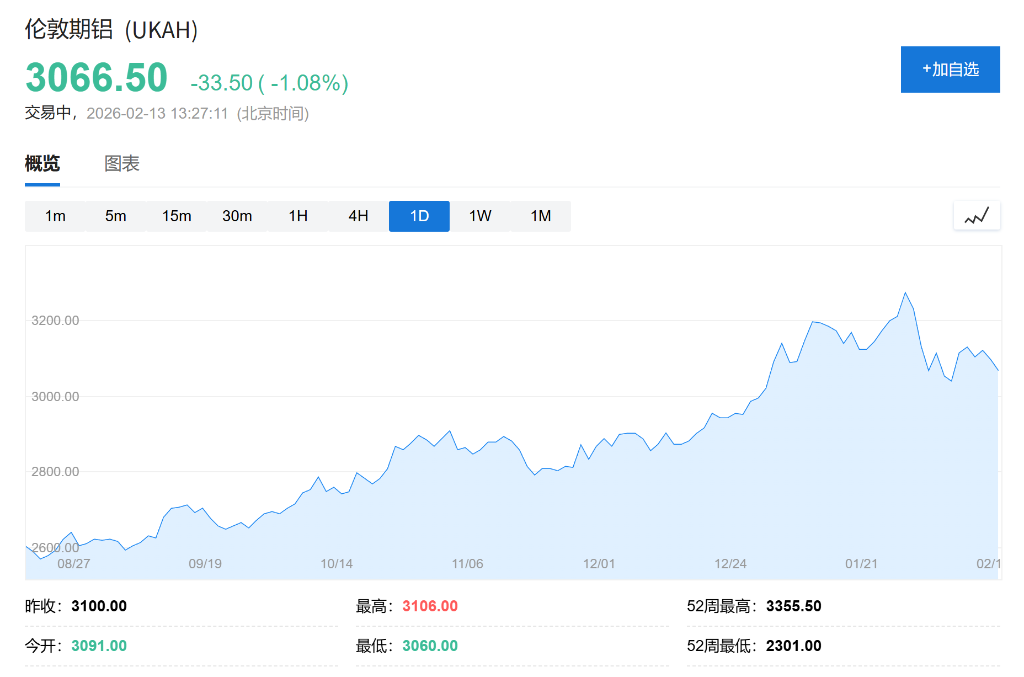
特朗普又要TACO:拟削减部分钢铁铝制品关税!
Jin Shi Shu Ju· 2026-02-13 05:33
Group 1 - The Trump administration is planning to reduce certain tariffs on steel and aluminum products to address the rising cost of living for American citizens, which has negatively impacted his approval ratings ahead of the midterm elections [1] - The tariffs, which were previously raised to as high as 50% on steel and aluminum imports, have been criticized for increasing prices on consumer goods, including food and beverage cans [1][2] - A recent Pew Research Center poll indicates that over 70% of American adults view the economy as average or poor, with about 52% believing Trump's economic policies have worsened the situation [1] Group 2 - The softening of steel and aluminum tariffs is one of the earliest policies introduced in Trump's second term, with economists noting that the costs of tariffs are being borne by American citizens, undermining Trump's claim that foreign companies would pay for them [2] - Trump's trade policies have faced political backlash, including opposition from both Republican and Democratic lawmakers regarding tariffs on Canada, which may set the stage for further votes against his economic policies [3] - Several Republican lawmakers are facing tough re-election campaigns due to voter concerns about the impact of tariffs on small businesses and consumers, prompting the adjustment of metal tariffs to simplify the increasingly complex lobbying process in Washington [4] Group 3 - The current tariff system has been described as overly complex and difficult to enforce, indicating a need for simplification [6] - Countries such as the UK, Mexico, Canada, and EU member states may benefit from the relaxation of U.S. tariffs on steel and aluminum products, as discrepancies in tax rates have been reported by companies exporting to the U.S. [7] - Numerous applications from U.S. companies have sought additional tariffs on foreign products, often framing them as national security risks, highlighting the extent to which businesses are leveraging this narrative [8]
英媒:特朗普拟缩减部分钢铁和铝制品关税 以缓解“可负担性危机”
Xin Lang Cai Jing· 2026-02-13 05:16
Core Viewpoint - The Trump administration plans to reduce certain tariffs on steel and aluminum products due to a "affordability crisis" impacting consumer prices and weakening support ahead of the midterm elections [3][5]. Group 1: Tariff Changes - Last summer, the U.S. imposed tariffs as high as 50% on steel and aluminum products, which were later expanded to include various metal goods such as washing machines and ovens [3][5]. - The administration is reviewing the list of products affected by these tariffs and intends to exempt certain items while halting the expansion of the tariff list [3][5]. Group 2: Economic Impact - Trade officials from the U.S. Department of Commerce and the Office of the U.S. Trade Representative believe that these tariffs are harming consumers by increasing prices on items like food and beverage cans [3][5]. - Countries including the UK, Mexico, Canada, and EU member states may benefit from the potential relaxation of U.S. tariffs on steel and aluminum products [3][5].

报道:特朗普拟放松部分钢铝关税 以缓解美民众生活成本
Xin Lang Cai Jing· 2026-02-13 05:10
Core Viewpoint - The Trump administration is planning to reduce the scope of tariffs on certain steel and aluminum products due to ongoing inflation and rising living costs, which are negatively impacting his approval ratings ahead of the midterm elections [1][5]. Group 1: Tariff Adjustments - The U.S. government is reviewing the list of products affected by tariffs and plans to exempt certain items while halting further expansions of the tariff list [1][5]. - Tariffs on steel and aluminum imports were raised by up to 50% last summer, affecting a wide range of products, including household appliances [1][5]. - The current tariff measures have raised the overall tariff level in the U.S. to its highest point since before World War II [6]. Group 2: Consumer Impact - Officials from the U.S. Department of Commerce and the Trade Representative's office believe that these tariffs are increasing consumer prices, particularly for everyday items like disposable aluminum pie plates and beverage cans [6]. - A recent Pew Research Center poll indicated that over 70% of American adults view the current economic situation as "only fair or poor," with about 52% believing Trump's economic policies have worsened the situation [6]. Group 3: Political Reactions - The tariff policy has sparked political backlash domestically, with some Republican and Democratic lawmakers voting against tariffs on Canada, which is seen as a significant challenge to Trump's trade policies [2][6]. - As the midterm elections approach, many Republican lawmakers are facing intense competition in their districts, with voters concerned about the impact of tariffs on small businesses and consumers [6]. Group 4: Complexity of Tariff System - The relaxation of steel and aluminum tariffs is viewed as part of an effort to simplify the current complex lobbying mechanisms that have expanded the list of taxed household goods [7]. - The existing tariff system has become overly complex and difficult to enforce, necessitating simplification [7]. - If the U.S. relaxes these tariffs, trade partners including the UK, Mexico, Canada, and EU member states could benefit [7].
国补及春节促销催热家电3C消费市场,消费电子ETF(561600)涨近1%
Xin Lang Cai Jing· 2026-02-12 05:25
Group 1 - The core viewpoint of the news highlights a strong performance in the consumer electronics sector, with the CSI Consumer Electronics Theme Index rising by 1.03% and key stocks like Lianxu Electronics and Dongshan Precision showing significant gains [1] - The consumer electronics ETF has also seen an increase of 0.90%, currently priced at 1.23 yuan, indicating positive market sentiment ahead of the Spring Festival [1] - A new round of government subsidies for digital and smart products has been launched, leading to increased consumer activity and reports of shortages for popular smartphone models [1] Group 2 - The top ten weighted stocks in the CSI Consumer Electronics Theme Index account for 53.34% of the index, with notable companies including Cambricon, Luxshare Precision, and SMIC [2] - The consumer electronics ETF closely tracks the CSI Consumer Electronics Theme Index, which includes 50 listed companies involved in component production and brand design [1][2]
华为小米已成新“年货”,后国补时代市场热度几何?
财联社· 2026-02-12 03:25
Core Viewpoint - The article discusses the impact of the new round of national subsidies on consumer electronics and home appliances during the upcoming Spring Festival, highlighting increased consumer demand and sales driven by these subsidies [2][15]. Group 1: National Subsidy Implementation - The Ministry of Commerce has allocated the first batch of 62.5 billion yuan in national subsidies, which will be distributed to local commerce departments to ensure consumers can claim these subsidies during the Spring Festival [1]. - Consumers can now apply for subsidies online for digital and smart products, with significant sales increases observed in various electronics stores [2][4]. - The new subsidies are expected to stimulate sales, particularly in the home appliance and 3C product sectors, with sales of air conditioners, refrigerators, washing machines, and televisions seeing over 90% month-on-month growth [2][11]. Group 2: Consumer Trends and Product Preferences - The demand for home appliances and 3C products has surged, with consumers increasingly seeking products that enhance efficiency and create a festive atmosphere [3][10]. - Popular products include smart appliances like automatic washing machines, large-capacity refrigerators, and high-end AI smartphones, reflecting a shift towards premium and technologically advanced items [3][16]. - The sales of energy-efficient appliances have risen significantly, with 92% of sales now comprising first-level energy/water efficiency products, indicating a trend towards greener and smarter home solutions [11][16]. Group 3: Market Dynamics and Manufacturer Strategies - Manufacturers are preparing for the Spring Festival by increasing inventory of energy-efficient products and optimizing supply chains to ensure product availability [12]. - Major brands like Huawei, Xiaomi, and OPPO are offering additional discounts alongside the national subsidies to enhance promotional efforts [12]. - Despite the positive impact of subsidies, rising costs of raw materials are leading to price increases for some products, which may affect overall sales volumes in the consumer electronics sector [13][14]. Group 4: Future Outlook and Challenges - The article notes that while national subsidies have boosted market confidence and consumer demand, the underlying issue of supply-demand mismatch remains a challenge [17]. - The effectiveness of subsidies may diminish as consumers become accustomed to them, necessitating a focus on product innovation and user engagement to sustain growth [17]. - Analysts express caution regarding the marginal benefits of subsidies in 2026, suggesting that manufacturers may prioritize high-margin products over volume sales, potentially impacting overall market performance [17].