
虚拟电厂

Search documents
电力市场化改革涉深水区,电价下行如何影响行业格局?
证券时报· 2025-09-24 09:22
Core Viewpoint - The trend of declining electricity prices in China is becoming more pronounced as the proportion of market-based electricity trading increases, impacting the profitability of power generation companies [1][5]. Summary by Sections Electricity Price Trends - In the first half of this year, the on-grid electricity prices have decreased to varying degrees, affecting net profit margins of power generation companies. The decline is attributed to factors such as policy changes, supply and demand dynamics, costs, and the spot market [2][6]. - Shandong province has announced the results of its 2025 renewable energy pricing auction, marking a significant milestone in the marketization of the renewable energy sector. The auction revealed that the photovoltaic mechanism price was set at 0.225 CNY/kWh, which is 43% lower than the coal-fired benchmark price [2][10]. Impact on Investment Decisions - The decline in electricity prices is significantly influencing investment decisions among power generation companies. Some companies are reconsidering investments in photovoltaic projects in Shandong due to the competitive pricing environment [4][13]. - Companies are advised to enhance their operational capabilities and actively engage with electricity market rules rather than passively adapting to price changes [4][12]. Financial Performance of Power Generation Companies - Longyuan Power reported an average on-grid electricity price of 399 CNY/MWh in the first half of the year, a decrease of 23 CNY/MWh compared to the same period in 2024. Wind power prices averaged 422 CNY/MWh, down 16 CNY/MWh, while photovoltaic prices were 273 CNY/MWh, down 5 CNY/MWh [6][11]. - Datang New Energy noted a decline in net profit margin from 29.90% in 2024 to 27.89% in the first half of this year, primarily due to falling electricity prices [6]. Market Dynamics and Policy Changes - The implementation of the "136 Document" has significantly influenced the electricity market, allowing renewable energy to participate in market trading without discrimination, leading to price reductions driven by supply and demand [6][7]. - The marketization of electricity trading has accelerated, with market trading volume reaching 2.95 trillion kWh in the first half of the year, a year-on-year increase of 4.8%, and market trading accounting for 60.9% of total electricity consumption [9][10]. Future Outlook and Strategies - As the proportion of renewable energy increases, the volatility of electricity prices is expected to rise. Companies are encouraged to adapt their investment strategies to focus on cost control, project site selection, and enhancing trading capabilities [12][14]. - Long-term power purchase agreements are suggested as a strategy for power generation companies to stabilize revenue expectations amidst price fluctuations [14].

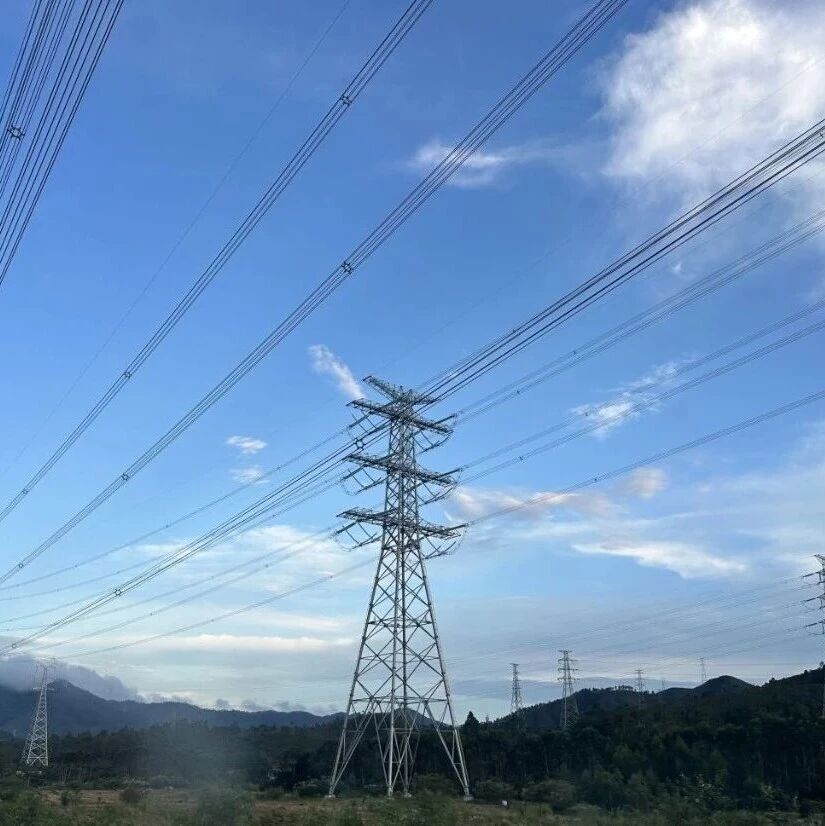
新中港涨2.76%,成交额5070.79万元,近5日主力净流入-1226.48万
Xin Lang Cai Jing· 2025-09-24 09:05
Core Viewpoint - The company, Zhejiang Xinhonggang Thermal Power Co., Ltd., is focusing on developing a "three-dimensional virtual power plant" system and aims to enhance its carbon neutrality efforts through various projects and technologies [2][3]. Company Overview - Zhejiang Xinhonggang Thermal Power Co., Ltd. was established on October 17, 1997, and listed on July 7, 2021. The company primarily engages in the production and supply of thermal and electric power through cogeneration, with 95.17% of its revenue coming from this segment [7]. Financial Performance - As of June 30, the company reported a decrease in revenue to 364 million yuan, down 17.74% year-on-year, and a net profit of 61.81 million yuan, down 4.62% year-on-year [8]. Market Activity - On September 24, the company's stock rose by 2.76%, with a trading volume of 50.71 million yuan and a turnover rate of 1.43%, bringing the total market capitalization to 3.581 billion yuan [1]. Investment Projects - The company is planning to construct a "three-dimensional virtual power plant" to improve operational efficiency and safety through real-time data analysis and modeling [2]. - The company aims to establish a regional comprehensive energy supply center and carbon neutrality center, focusing on enhancing efficiency and reducing carbon emissions through new unit expansions and technological upgrades [2]. Carbon Emission Management - The company reported a total carbon emission quota of 2.6483 million tons for 2019 and 2020, with actual emissions of 2.1483 million tons, resulting in a surplus of 500,100 tons, which is 18.88% of the quota [2]. - The company has initiated measures to reduce carbon emissions, including the production line of RDF and the upcoming operation of a biomass fuel boiler renovation project [2]. Shareholder Information - As of June 30, the number of shareholders decreased to 20,400, a reduction of 4.18%, while the average circulating shares per person increased by 4.37% to 19,622 shares [8].

电力市场化改革涉深水区,电价下行如何影响行业格局?
Zheng Quan Shi Bao Wang· 2025-09-24 07:15
Core Viewpoint - The trend of declining electricity prices in China is increasingly evident due to the rising proportion of market-based electricity trading, impacting the profitability of power generation companies [1][2][4]. Group 1: Electricity Price Trends - The average on-grid electricity price for Longyuan Power's generation business decreased to 399 RMB/MWh in the first half of the year, down 23 RMB/MWh from the same period in 2024 [2]. - The average on-grid electricity price for wind power was 422 RMB/MWh, a decrease of 16 RMB/MWh, while solar power averaged 273 RMB/MWh, down 5 RMB/MWh [2]. - The 136 Document issued by the National Development and Reform Commission and the National Energy Administration is a significant policy affecting the electricity market, allowing renewable energy to participate in market trading without differentiation [2][4]. Group 2: Market Dynamics - The market trading volume reached 2.95 trillion kWh in the first half of the year, a year-on-year increase of 4.8%, with market-based trading accounting for 60.9% of total electricity consumption [4]. - The decline in coal prices has reduced the cost of thermal power, leading to competitive pricing pressures on renewable energy sources like solar and wind [3][6]. - The rapid increase in solar power installations has exacerbated the supply-demand imbalance, further driving down solar electricity prices [6]. Group 3: Company Strategies and Adjustments - Companies are adjusting their investment strategies in response to the changing electricity market, focusing on cost control, project site selection, and enhancing trading capabilities [9]. - Long-term power purchase agreements are seen as a viable strategy for stabilizing revenue expectations and facilitating renewable energy consumption [9]. - Companies are encouraged to actively engage with market rules and enhance operational capabilities rather than passively adapting to price changes [1][9].
分布式储能+充电桩!重庆虚拟电厂建设示范应用项目框采招标
中关村储能产业技术联盟· 2025-09-23 11:00
Group 1 - The core viewpoint of the article highlights the announcement of a procurement tender for a virtual power plant construction demonstration project, focusing on distributed energy storage and charging station equipment [2][3] - The project involves the procurement of various energy storage devices, including 50 units of 233 kWh, 15 units of 261 kWh, 20 units of 466 kWh, and multiple charging stations, indicating a significant investment in energy infrastructure [2] - The estimated procurement amount for this project is approximately 29.67 million yuan, showcasing the financial scale of the initiative [3] Group 2 - The tender scope includes comprehensive services such as design, manufacturing, assembly, transportation, installation, debugging, and maintenance, emphasizing the project's complexity and the need for a wide range of expertise [2] - The project is managed by Chongqing Science City Urban Operation Group Co., Ltd., indicating a strategic focus on urban energy solutions [2]
宁德时代董事长曾毓群:储能产业面临5大挑战
Zhong Guo Hua Gong Bao· 2025-09-23 09:58
Core Viewpoint - China has become the world's largest new energy storage market, entering a new phase of full marketization, but faces significant challenges including safety risks, intense price competition, false advertising, technological homogenization, and disorderly expansion [1][2][3] Industry Overview - Over the past five years, global new energy storage installations have increased elevenfold, with a target of 1.5 terawatts of cumulative storage capacity by 2030 to support a threefold increase in renewable energy [1] - In 2022, China's new energy storage installations exceeded 100 million kilowatts, with a goal of reaching over 180 million kilowatts by 2027 [1] - China holds the most complete and advanced energy storage supply chain globally, with battery and system shipments accounting for over 90% and 70% of the global market, respectively [1] Challenges in the Industry - Safety hazards are a major concern, with 167 incidents of fires and explosions reported globally as of May this year [2] - Price competition has led to an 80% drop in average storage system prices over the past three years, with some bids falling below 0.4 yuan per watt, raising quality and safety concerns [2] - Many products have inflated specifications, with actual lifespans often falling below promised durations [2] - Technological homogenization is prevalent, as many companies opt for shortcuts rather than investing in independent innovation and research [2][3] - The industry is experiencing chaotic expansion, with over 300,000 registered storage companies, leading to predictions of significant market consolidation in the next three years [3] Recommendations for Improvement - Establish a safety baseline for energy storage, as safety is fundamental to the industry's development [4] - Create a credible market environment based on transparency, which is essential for sustainable development [4] - Strengthen intellectual property protection to encourage innovation, with over 800 billion yuan invested in R&D since 2014 and more than 43,000 patents filed [4] - Drive innovation towards a zero-carbon future by integrating technologies across disciplines, including AI and virtual power plants [4]

江西:实施“虚拟电厂+车网互动”实测活动
Xin Hua Cai Jing· 2025-09-23 06:55
Group 1 - The core idea of the news is the launch of a "virtual power plant + vehicle-grid interaction" initiative by State Grid Jiangxi Electric Power Company to explore a new model of bidirectional interaction between electric vehicles as distributed energy storage units and the power grid [1] - The initiative aims to provide new technical support for peak shaving and power supply assurance in the regional power grid [1] - The activity runs from September 19 to September 30, with participation incentives for electric vehicle owners, including a subsidy of 3 yuan for every kilowatt-hour of reverse discharge and additional charging coupons for the top 30 participants [1] Group 2 - State Grid Jiangxi Electric Power Company has established (or is in the process of establishing) four vehicle-grid interaction demonstration stations in Jiangxi, including one large public demonstration station, one substation demonstration station, and two office park demonstration stations [2] - The company plans to add at least six more public demonstration stations in the next two years [2]
国信证券每日晨报精选:8月规上工业发电量同比增长1.6%
Zhong Guo Neng Yuan Wang· 2025-09-23 02:26
Group 1: AIDC Power Equipment and Grid Industry - The AIDC power equipment sector has seen a general increase in the past two weeks, with the top three performers being uninterruptible power supplies (UPS) at +21.0%, high voltage direct current (HVDC) at +20.7%, and battery backup power (BBU) at +15.9% [1] - Recommendations for investment focus include four key areas: transformers and switchgear, UPS and HVDC, active power filters (APF), and server power supplies, with specific companies suggested such as Jinpan Technology, Mingyang Electric, Hezhong Electric, Shenghong Co., and Weilan Lithium [1] - For the grid sector, the national power engineering investment completion amount in July 2025 was 65.3 billion yuan, down 8.9% year-on-year, while the cumulative investment from January to July was 428.8 billion yuan, up 3.1% year-on-year [1] Group 2: Wind Power Industry - In July 2025, China's newly installed wind power capacity was 2.28 GW, a decrease of 44.0% year-on-year, while the cumulative new capacity from January to July reached 53.67 GW, an increase of 79.4% year-on-year, totaling 574.87 GW, which accounts for 15.7% of total installed capacity [1] - The wind power sector has also experienced a general increase in the past two weeks, with the top three performing segments being bearings at +14.9%, complete machines at +12.5%, and blades at +11.7% [1] Group 3: Offshore Wind and Onshore Wind Developments - Major projects in Jiangsu and Guangdong for offshore wind are set to commence in the first half of 2025, with expectations for planning, competitive allocation, bidding, and policies to be implemented in the second half of the year [2] - The annual average offshore wind installation during the 14th Five-Year Plan period is expected to exceed 20 GW, significantly surpassing the previous plan's levels [2] - The onshore wind industry is projected to reach 100 GW of installed capacity in 2025, marking a historical high, with component manufacturers experiencing simultaneous increases in volume and price, leading to substantial growth in annual performance [2] Group 4: Public Utilities and Environmental Protection - In August, the industrial power generation volume increased by 1.6% year-on-year, totaling 936.3 billion kWh, while the cumulative generation from January to August was 6419.3 billion kWh, reflecting a 1.5% year-on-year growth [3] - The Guangdong Provincial Development and Reform Commission and Energy Bureau released a plan to deepen the market-oriented reform of renewable energy grid pricing, with existing project pricing set at 0.453 yuan per kWh [3]

上海电力实业与中国石油上海销售携手共进 在新能源浪潮中释放 1+1>2 的聚变能量
Sou Hu Cai Jing· 2025-09-23 02:07
Core Viewpoint - The collaboration between Shanghai Electric Power Industry Co., Ltd. and China National Petroleum Corporation Shanghai Sales Company represents a strategic alliance aimed at transforming the energy sector amidst the global energy revolution, focusing on complementary strengths and sustainable development [1][9]. Group 1: Strategic Cooperation - The partnership is driven by a shared understanding of the need for accelerating the development of new energy businesses in line with the "dual carbon" goals, ensuring long-term strategic growth for both companies [2][9]. - Shanghai Electric Power has established a comprehensive service system across the entire value chain of new energy, leveraging its technological expertise in smart grids and energy storage [2][3]. - China National Petroleum is committed to integrating oil and gas with new energy, having achieved significant milestones in energy conservation and renewable energy installations [3][9]. Group 2: Business Collaboration - The collaboration addresses existing challenges in the electric vehicle charging infrastructure in Shanghai, such as uneven distribution and low equipment utilization, by combining the strengths of both companies [6][9]. - The first joint project, a charging station in Pudong, features 40 charging spots and integrates a vehicle-to-grid (V2G) system, enhancing user experience through additional services [6][7]. - The partnership also includes a photovoltaic project at a gas station, aiming to create a new energy service model that combines oil, electricity, and renewable energy [7][9]. Group 3: Ecosystem Development - The collaboration transcends simple project cooperation, focusing on building a "charging + ecosystem" that enhances user engagement and creates additional value [8][9]. - Both companies emphasize the importance of long-term service in the charging business, aiming to connect users, enterprises, and society through their services [8][9]. - The partnership is positioned as a proactive response to the national "dual carbon" strategy, with ongoing efforts to explore new energy solutions in heavy-duty vehicle charging and other areas [9][10].


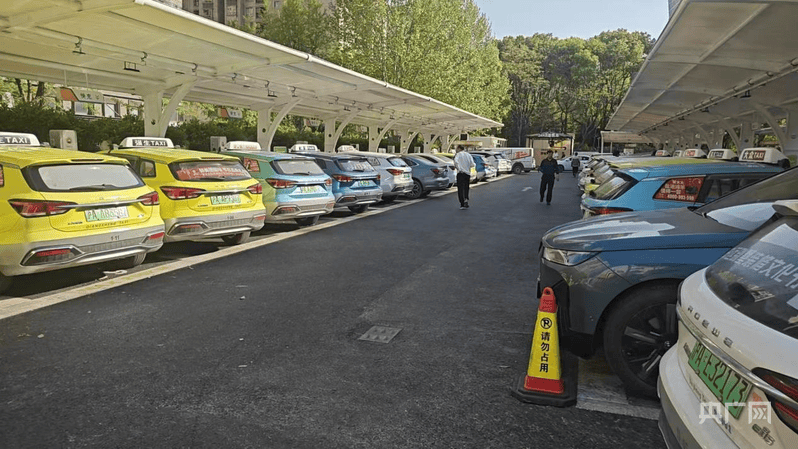
国信证券晨会纪要-20250923
Guoxin Securities· 2025-09-23 01:05
Group 1: AIDC Power Equipment Industry - The AIDC power equipment sector has seen significant growth, with the top three performers being uninterruptible power supplies (UPS) at +21.0%, high voltage direct current (HVDC) at +20.7%, and battery backup power (BBU) at +15.9% [7] - Key companies in the sector include Kehua Data (+34.6%), Zhongheng Electric (+27.2%), and Xinwangda (+24.3%) [7] - The industry is expected to benefit from the ongoing domestic replacement of computing chips, with a shift in the data center value chain towards Chinese companies anticipated in 2025 [7][8] - Investment in national power engineering reached 653 billion yuan in July 2025, a year-on-year decrease of 8.9%, while cumulative investment for the first seven months was 4.288 trillion yuan, up 3.1% [9] Group 2: Wind Power Industry - As of September 2025, the cumulative public tender capacity for wind turbines in China is 68.6 GW, a decrease of 13% year-on-year, with onshore wind accounting for 64.3 GW [13] - The average winning bid price for onshore wind turbines (excluding towers) in 2025 is 1,533 yuan/kW [13] - The wind power sector has shown strong performance recently, with the top three segments being bearings (+14.9%), complete machines (+12.5%), and blades (+11.7%) [13] - The industry is expected to see significant growth in offshore wind projects, with annual installations projected to exceed 20 GW during the 14th Five-Year Plan period [13] Group 3: Home Appliance Industry - In August 2025, the production and sales of air conditioners exceeded expectations, with domestic sales increasing by 1% and exports declining by 4% [17] - The overall home appliance export value decreased by 6.2% year-on-year, with air conditioner exports under pressure while refrigerator exports saw a rebound [18] - The U.S. home appliance retail sales grew by 2.6% year-on-year in August, indicating stable demand despite tariff impacts [19] - The home appliance sector's relative performance increased by 2.04% recently, with key recommendations including Midea Group, Gree Electric, and Haier Smart Home [20] Group 4: Public Utilities and Environmental Protection - In August 2025, the industrial power generation volume increased by 1.6% year-on-year, with significant developments in renewable energy projects [21] - The Guangdong provincial government has released a plan to promote high-quality development in renewable energy, with specific pricing mechanisms for offshore wind and solar projects [21][22] - The public utilities sector is expected to benefit from ongoing policy support for renewable energy, with recommendations for leading companies in the sector [22] Group 5: Gold Mining Industry - The company operates in the gold mining sector, with a focus on resource expansion and strategic partnerships, including a long-term gold stream agreement with Zijin Mining [24][25] - The average gold resource grade is 8.26 grams per ton, with a total resource volume of 55 tons, and projected revenues of 1.6 billion HKD in 2024 [24] - The company anticipates a significant increase in net profit over the next three years, with a projected growth rate of 269% in 2025 [26]
青岛地铁打造轨交绿色低碳转型“青岛样板”
Qi Lu Wan Bao Wang· 2025-09-22 14:55
Core Viewpoint - Qingdao Metro is actively pursuing sustainable development and green transformation in urban rail transit, aligning with national "dual carbon" strategies and aiming to become a leader in the industry's green transition [1][2][6]. Group 1: Green Development Goals - Qingdao Metro's total electricity consumption accounts for 10% of its annual operating costs, with a target to reduce electricity consumption by 30% and carbon emissions by 50% [2]. - The company has outlined a "three-step" strategy in its 2022 "Green Rail Development Implementation Plan," aiming to establish a green development system by 2025, achieve carbon peak by 2030, and reach carbon neutrality by 2050 [2][5]. Group 2: Technological Innovations - Qingdao Metro is implementing advanced technologies such as autonomous train operation systems, flywheel energy storage, and multi-source heat pumps to achieve significant energy savings [3][4]. - The company is developing a "virtual power plant" and a smart energy management system to enhance energy efficiency and integrate various energy resources [4][6]. Group 3: Industry Ecosystem Development - Qingdao Metro is building a green industrial ecosystem that includes new energy, resource recycling, and green energy-saving sectors, creating new economic growth points [5][6]. - The focus on renewable energy includes the establishment of a multi-dimensional energy industry that integrates solar power, energy storage, and virtual power plants [5]. Group 4: Urban Empowerment - The green practices of Qingdao Metro are contributing to urban green development, supporting the city's innovative industrial system and enhancing resource efficiency [6][7]. - By 2025, the company expects to achieve an annual electricity saving of 100 million kWh, generate 43 million kWh from solar power, and reduce carbon emissions by 91,000 tons [6]. Group 5: Recognition and Standards - Qingdao Metro has received multiple recognitions for its green initiatives, including being designated as a pilot unit for low-carbon transportation by the Ministry of Transport [7]. - The company has developed a comprehensive set of green standards for urban rail construction, enhancing the industry's regulatory and precision levels [7]. Group 6: Future Outlook - Qingdao Metro plans to continue its commitment to sustainable development, aiming to increase the share of green electricity to over 20% and expand its AI-enabled smart energy initiatives [8].