
关税战

Search documents
智通财经港股08月投资策略及十大金股
Zhi Tong Cai Jing· 2025-07-31 14:22
Market Overview - The Hang Seng Index (HSI) experienced a monthly increase of 4.59% in July, with a trading range of 23,690.94 to 25,735.89 points [1] - The market showed relatively low volatility in July, attributed to a temporary calm in geopolitical tensions and the absence of significant trade conflicts affecting the region [1] - The upcoming August market is expected to exhibit a pattern of initial suppression followed by recovery, influenced by the upcoming military parade in September [2] International Trade and Tariffs - The international situation remains complex, with tariff issues acting as a key disruptive factor; recent agreements between the US and major economies are still in preliminary stages, lacking detailed execution plans [3] - The impact of tariffs has led to rising consumer prices in the US, contributing to increased inflation rates, which economists believe is a direct result of the Trump administration's tariff policies [4] - The Federal Reserve's stance on interest rates remains cautious, with indications that inflation risks are rising, complicating the potential for rate cuts [5] Domestic Economic Conditions - Recent domestic meetings have left the market disappointed due to a lack of new stimulus measures; the focus remains on stabilizing foreign trade and leveraging large projects like the Yaxia Hydropower Station [6][7] - The ongoing issue of overcapacity in various sectors is being addressed through market-oriented solutions rather than abrupt shutdowns [7] Sector Performance - The innovative pharmaceutical sector continues to show strong performance, driven by favorable policies and robust earnings, with notable companies like Kangfang Bio and Zhaoyan New Drug seeing significant stock price increases [2] - The AI sector is expected to gain momentum, particularly with the US's recent legislative changes that may boost technology spending among major firms [9] - The healthcare sector, particularly companies like Haijia Medical, is experiencing stable growth despite external pressures, with ongoing expansions and new projects in the pipeline [13] Specific Company Insights - Kangzhe Pharmaceutical reported a revenue of 7.47 billion yuan for 2024, with a net profit of 1.61 billion yuan, indicating a solid performance amidst market challenges [11] - Kelong Biotechnology is set to enter a commercialization phase in 2025, with multiple drug candidates progressing through clinical trials, suggesting strong future growth potential [12] - Haijia Medical achieved a revenue of 4.446 billion yuan in 2024, with a focus on expanding its hospital network and enhancing service quality through AI applications [13] - Kingdee International's cloud services revenue reached 81.6% of total revenue in 2024, reflecting a successful transition to cloud-based solutions [14] - Kuaishou's AI platform has gained significant traction, with over 45 million creators and rapid revenue growth, indicating strong market positioning [15] Investment Strategy - The investment strategy for August focuses on identifying potential rebound opportunities in sectors like pharmaceuticals and AI, which are expected to attract investor interest [8][9] - Companies with strong fundamentals and growth prospects, such as Guoquan and Maanshan Steel, are being monitored for potential investment opportunities despite current market challenges [20][21]
美企大豆耍花招被看穿!美国的CEO们连夜来华,中方三张牌已摆好
Sou Hu Cai Jing· 2025-07-31 12:38
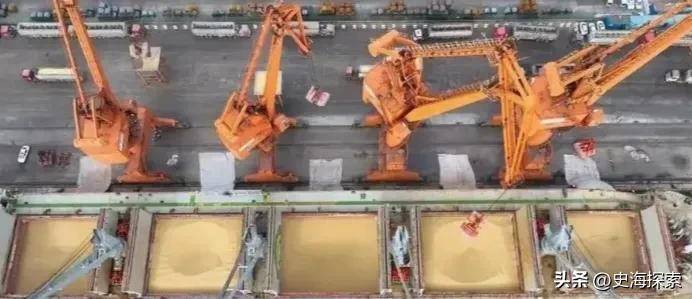
Core Insights - The article highlights the detection of high protein content in soybeans imported from Argentina to China, raising concerns about the authenticity of the product [1] - It emphasizes the technological advancements in China's customs inspection processes, which have improved the accuracy of biological risk factor interception by 20% [3] - The article discusses the implications of these developments for U.S. agricultural exports, particularly soybeans, which are facing increased costs and competition from South American suppliers [5] Group 1: Trade and Technology - A cargo ship carrying 300,000 tons of "South American soybeans" was found to have a protein content of 35.3%, exceeding the average of 34% for South American soybeans [1] - The blockchain traceability platform records 12 data points for each soybean, making it difficult to alter the product's origin [5] - China's customs have implemented three layers of checks, including protein spectrum analysis and random inspections, to ensure product integrity [5] Group 2: U.S. Business Response - U.S. businesses are responding to the challenges posed by the soybean incident by sending a high-level delegation to China, indicating the urgency of the situation [6] - Companies like Boeing and FedEx are particularly concerned about their market positions in China, with Boeing's orders constituting 23% of its global total [6] - Financial technology giants such as BlackRock and Nvidia are also increasing their presence in China, focusing on sectors like renewable energy and AI chips [6] Group 3: Strategic Implications - The soybean incident reflects a broader strategic competition between the U.S. and China over critical resources, including rare earth elements [6] - In June, China increased its rare earth exports to the U.S. by 660%, but still maintains strict controls on certain materials for military use [6] - The ongoing U.S.-China trade negotiations are centered around tariff extensions and export controls, with both sides seeking to protect their interests [7]

一觉醒来,韩国“跪”了!GDP前9中,除中国,只剩2国未向美妥协
Sou Hu Cai Jing· 2025-07-31 10:28
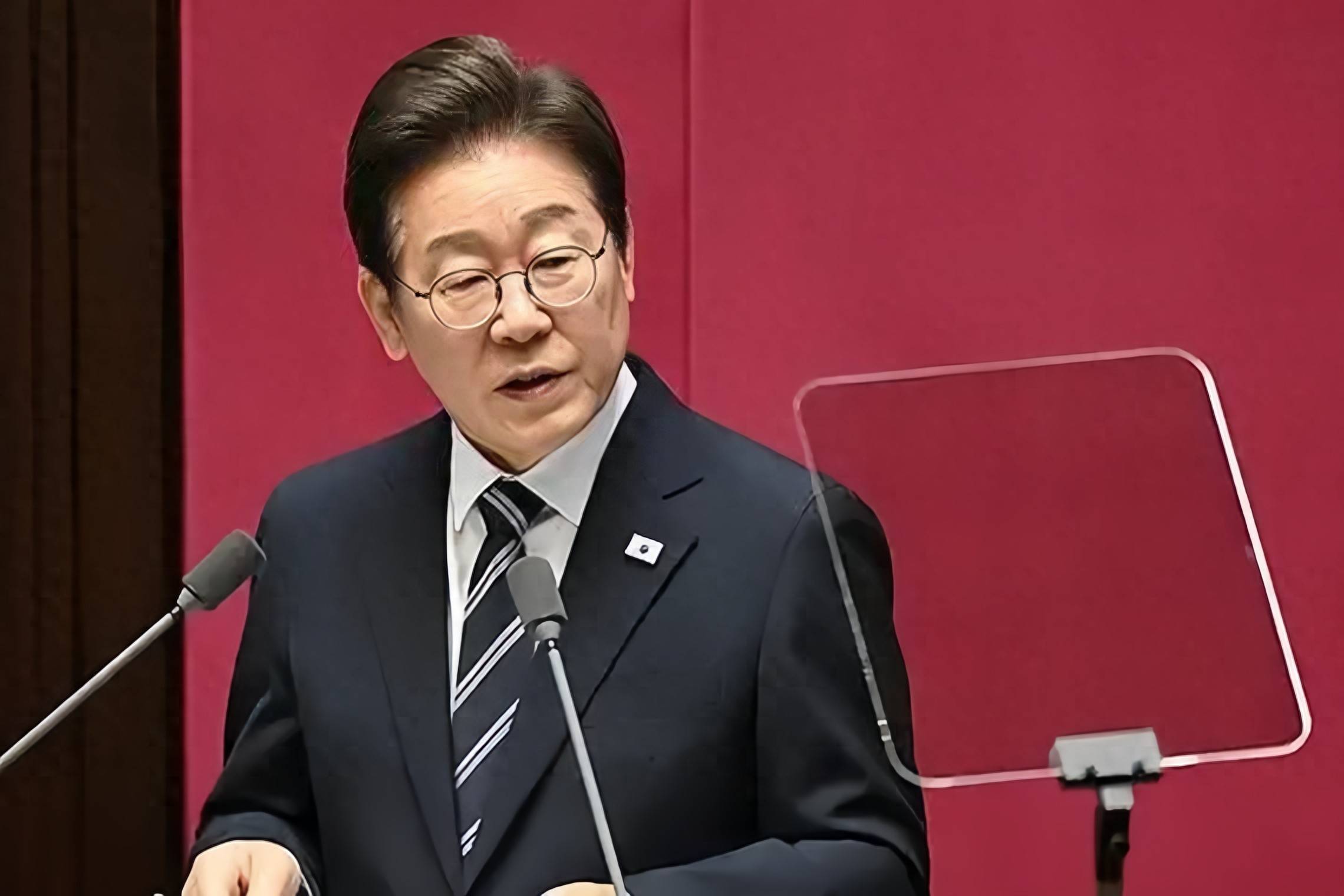
Group 1 - The core point of the news is that the United States has officially imposed a 15% tariff on South Korean products, while South Korea has responded with zero tariffs on U.S. products and committed to investing $350 billion and purchasing $100 billion worth of U.S. liquefied natural gas over the next decade [2][21] - This agreement signifies a major concession from South Korea, which has been pressured into this position due to competitive disadvantages against Japan, which secured a similar agreement earlier [5][8] - South Korea's automotive exports are crucial to its economy, and the country cannot afford to lose market share to competitors who have received tariff advantages [8][10] Group 2 - The tariff conflict has created two distinct camps: the "compromise camp," which includes Japan, the UK, the EU, and South Korea, all of which have signed agreements with the U.S., and the "resistance camp," which includes China, Canada, and India, who have not reached any agreements [10][12] - Canada faces a looming deadline from the U.S. for a potential 35% retaliatory tariff, which poses a significant threat to its economy, as over 60% of its exports go to the U.S. [15][21] - India is taking a hardline stance, refusing to make unilateral concessions due to the political implications of agricultural tariffs, which are critical to its domestic stability [18][29] Group 3 - The U.S. has gained significant tactical advantages through these tariff negotiations, increasing revenue and encouraging some manufacturing to return, as evidenced by South Korea's substantial investment commitments [21][27] - However, the actual effectiveness of these agreements is in question, as previous commitments from Japan and the EU have faced delays, raising concerns about whether these investments will materialize [21][23] - The ongoing trade tensions and high tariffs may lead to a fragmented global economy, with potential declines in global GDP growth, as countries begin to form trade groups rather than cooperate [29][31]
英国《金融时报》对美发出警告,美股有巨大泡沫,鲍威尔拒绝降息
Sou Hu Cai Jing· 2025-07-31 09:23
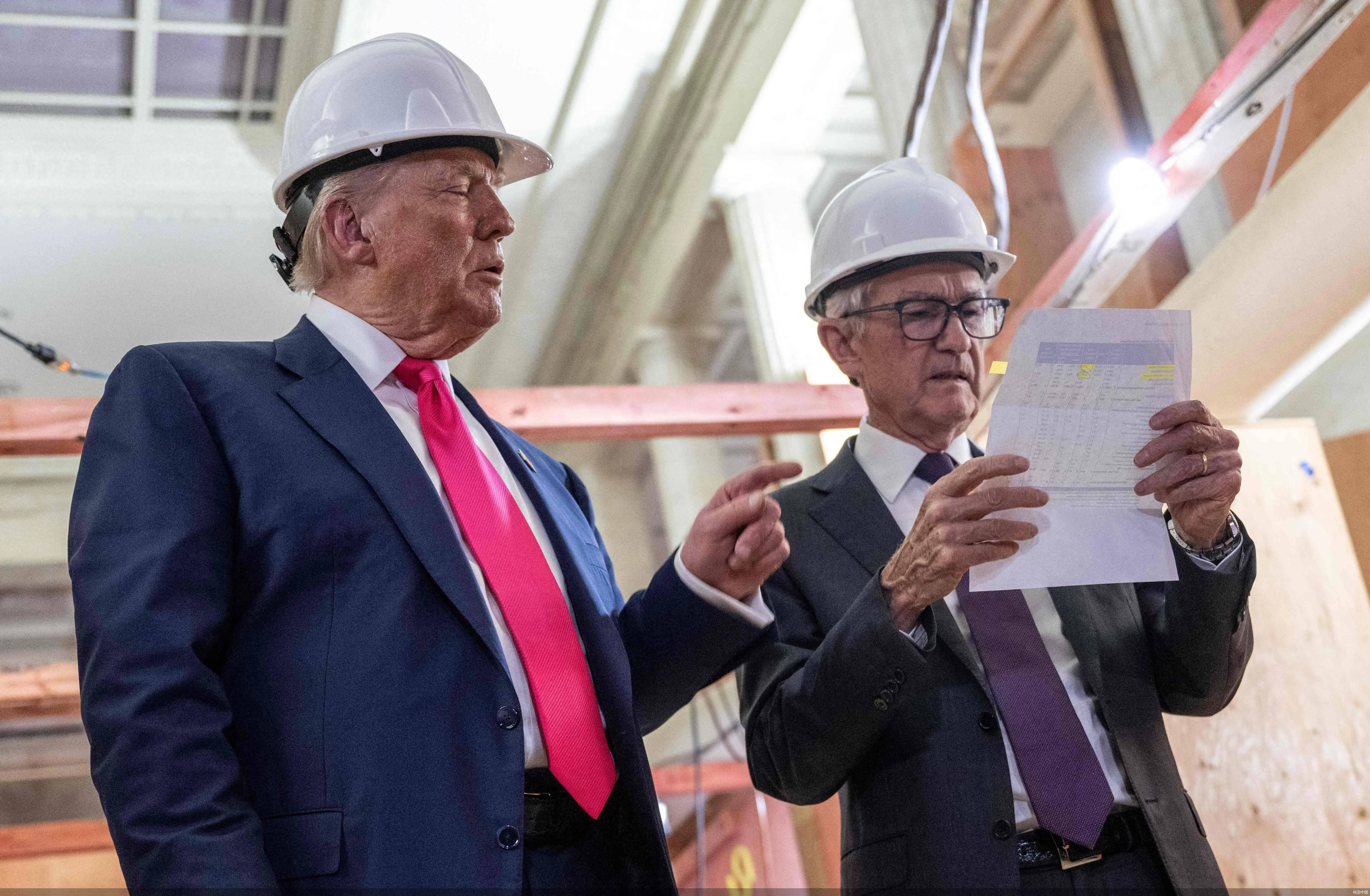
但鲍威尔手握通胀数据这道防火墙。尽管整体通胀有所回落,核心PCE物价指数仍停留在2.6%,距离2%目标尚有差距。他深知1970年代政治干预央行引发 的滞胀灾难,在美联储内部会议中反复强调:决策必须基于经济数据,而非政治压力。面对特朗普不降息就换人的威胁,他在镜头前那个微小的摇头动作, 成为技术官僚最后的无声抵抗。 特朗普这个人最大的毛病,就是志得意满!本来这件事只出了80分的成绩,他偏要说自己做到了100分。 前几天,美国总统特朗普在摄像机簇拥下径直走向主席鲍威尔,这是二十年来首次有在任总统踏入这个全球金融权力的圣殿。他借视察大楼翻新工程之名, 手指天花板抛出质问:31亿美元!远超预算。 特朗普话音未落,鲍威尔面无表情地摇头纠正数据错误。这场精心编排的逼宫戏背后,特朗普真正目的昭然若揭:当面施压美联储立即启动降息。 PAN 8 3 rig the 27200 20000 15 12 483 are 7 2 2 011 0-11 AND START arm ar sing in 20 03 11 - 6 ten The a are all 018 TIPE AM rall and Press of the st ...

报名倒计时(上海场)| 关税战背景下中国企业并购的机遇和挑战
Refinitiv路孚特· 2025-07-31 06:03
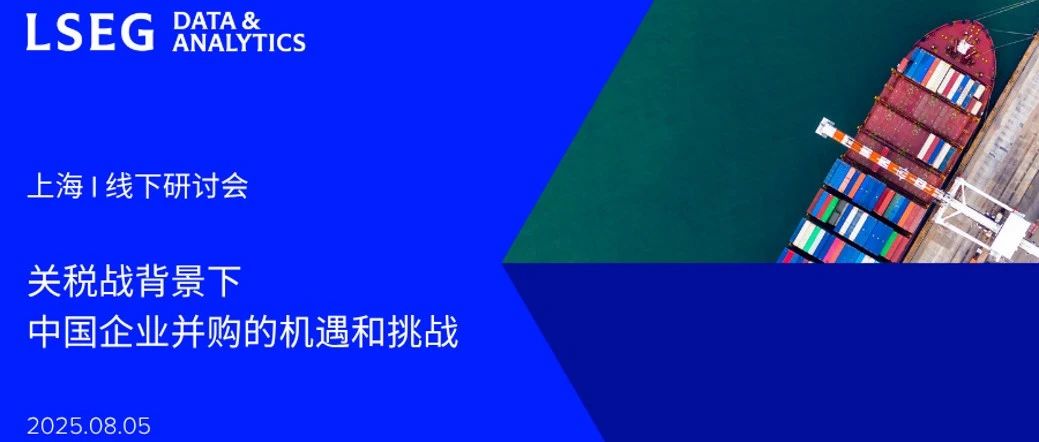
Core Viewpoint - Since 2025, the global trade landscape has undergone profound changes, with tariff wars and geopolitical factors significantly impacting Chinese companies' "going out" strategy, particularly in the context of overseas mergers and acquisitions (M&A) [1] Group 1: Challenges and Opportunities in M&A - Despite numerous challenges, opportunities remain in cross-border M&A projects that exhibit industrial synergy, technological complementarity, and market expansion potential [1] - The London Stock Exchange Group (LSEG) has initiated a series of offline seminars to discuss and exchange views on these topics with experts from various fields [1] Group 2: Event Details - The seminar in Beijing has concluded successfully, and the Shanghai seminar is set to begin, focusing on the challenges and potential opportunities faced by Chinese companies in M&A processes in 2025 [1] - The agenda includes discussions on the review of the Chinese M&A market in the first half of the year, thoughts on outbound M&A by Chinese enterprises, risks and challenges in the Indonesian market, and financial risks and management under the backdrop of tariff wars [2][4] Group 3: Key Speakers - Xiang Chen, Co-Head of International Business and Executive General Manager at Huatai United Securities, has nearly 15 years of experience in overseas investment and cross-border M&A, leading numerous projects across various regions and industries [5] - Luo Xingguo, a professor at Zhejiang University, specializes in derivatives, green finance, and credit risk, with extensive research and publication experience [6] - Huang Xuchun, a partner at Global Law Firm, has significant experience in M&A and cross-border licensing transactions, particularly in the life sciences and healthcare sectors [7]
特朗普登机访华前,中方说到做到,连断美3条“财路”,特朗普不敢再狂了,反复强调1句话
Sou Hu Cai Jing· 2025-07-31 05:42
Group 1 - The core issue is the significant decline in U.S. energy exports to China, with imports of coal, crude oil, and LNG dropping to nearly zero in June, marking a drastic shift from previous years [1][2] - The direct cause of this decline is China's imposition of tariffs on U.S. energy products, which has led to a substantial increase in the overall tax rates, making U.S. energy exports less competitive [5][6][7] Group 2 - China has diversified its energy sources, reducing reliance on U.S. imports by sourcing energy from Africa, the Middle East, South America, and Australia, with Russia becoming a key supplier [8][9] - The growth of China's renewable energy sector, including wind, solar, and hydropower, is enhancing its energy security and reducing dependence on foreign sources [9][10] Group 3 - The U.S. energy sector is facing challenges due to lower competitiveness against Russian oil prices and stable Middle Eastern supplies, leading to a loss of market share [16] - High inflation in the U.S. is pressuring importers to manage inventory, complicating the situation further as continued tariffs could lead to higher costs for American consumers [18] Group 4 - The trade conflict has resulted in a clear advantage for China, which has successfully cut off U.S. energy exports while enhancing its own energy security through diversification and renewable energy development [20]
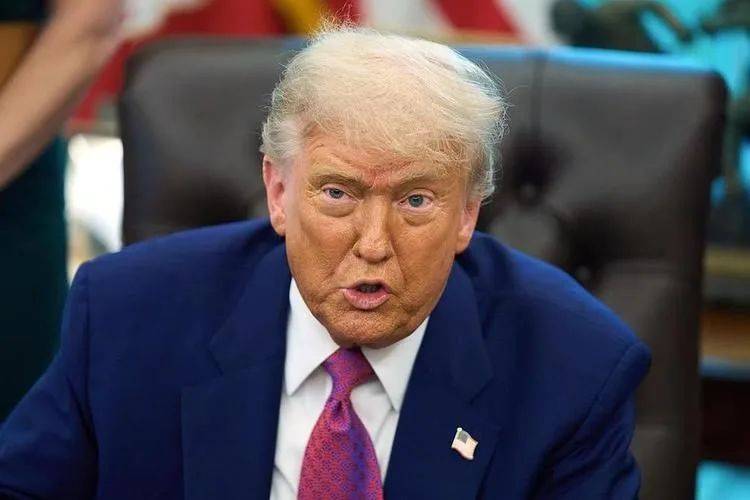
特朗普:对韩国征收15%关税
Sou Hu Cai Jing· 2025-07-31 02:01
Group 1 - The United States has reached a "comprehensive and complete" trade agreement with South Korea, which includes South Korea providing $350 billion for U.S.-controlled investment projects [1] - South Korea will also purchase $100 billion worth of liquefied natural gas or other energy products and commit to reinvesting a significant amount for domestic investment purposes [1] - The agreement stipulates that the U.S. will impose a 15% tariff on South Korea, while South Korea will fully open trade to U.S. products, including automobiles, trucks, and agricultural products [1] Group 2 - The U.S. has also reached trade agreements with the European Union and Japan, with both parties committing to invest $550 billion and $600 billion respectively in the U.S. and increase purchases of American goods [3][4] - Analysts suggest that these agreements may superficially ease trade tensions but reflect the U.S.'s use of economic dominance for coercive purposes, indicative of "new economic colonialism" [4] - President Trump has indicated that the deadline for imposing new tariffs on August 1 will not be extended, emphasizing the significance of this date for the U.S. [4]
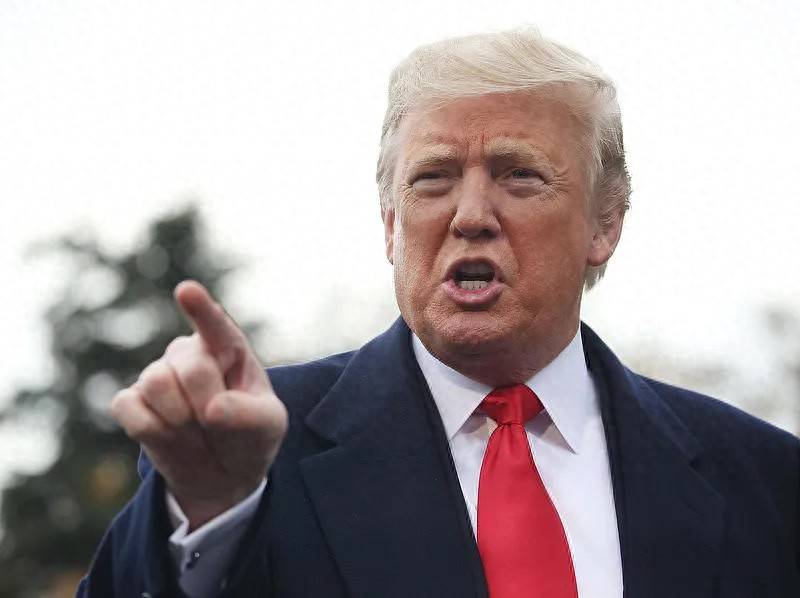
美国财政部长:如果中国继续购买俄罗斯石油,中国可能会面临更高的关税!外交部:中国将根据自身国家利益采取合理的能源保障措施
Ge Long Hui· 2025-07-30 19:42
格隆汇7月30日丨据央视,外交部发言人郭嘉昆今日主持例行记者会。有记者问:美国财政部长表示, 如果中国继续购买俄罗斯石油,中国可能会面临更高的关税。请问中方对此有何评论?郭嘉昆表示,中 国将根据自身国家利益采取合理的能源保障措施,关税战没有赢家,胁迫、施压解决不了问题。中方将 坚定维护自身主权、安全和发展利益。 【免责声明】本文仅代表作者本人观点,与和讯网无关。和讯网站对文中陈述、观点判断保持中立,不对所包含内容 的准确性、可靠性或完整性提供任何明示或暗示的保证。请读者仅作参考,并请自行承担全部责任。邮箱: news_center@staff.hexun.com (责任编辑:宋政 HN002) ...
期限临近,特朗普高调发帖:美国不会延长8月1日起加征关税期限
Huan Qiu Wang· 2025-07-30 14:38
Core Viewpoint - The U.S. will not extend the deadline for imposing additional tariffs starting August 1, as stated by President Trump on his social media platform [1][3]. Group 1 - Trump emphasized that the August 1 deadline is firm and will not be changed, marking it as a significant day for the U.S. [3]. - The Trump administration has been sending mixed signals regarding tariff increases, leading to a perception of unpredictability in U.S. trade policy [3]. - Many countries are signaling their commitment to maintaining a multilateral trade system, while the Trump administration appears to be seeking concessions through uncertainty [3]. Group 2 - The approach taken by the U.S. in both military diplomacy and trade, characterized by threats and coercion, has resulted in a collapse of trust among trade partners [3].
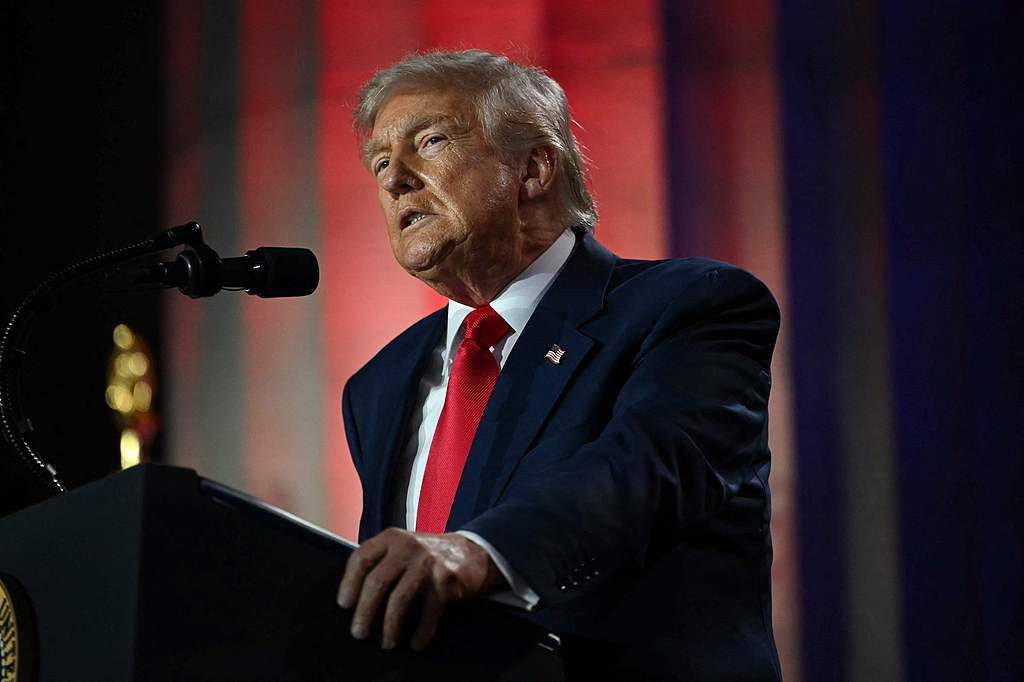
中方回应美财长涉华言论:胁迫施压解决不了问题
Zhong Guo Xin Wen Wang· 2025-07-30 14:05
中新网北京7月30日电 (记者 曾玥)中国外交部发言人郭嘉昆30日主持例行记者会。 有记者提问:美国财长贝森特昨天称,中国如果继续购买俄罗斯石油,或将面临更高关税。请问中方对 此有何评论? 郭嘉昆:中国将根据自身国家利益采取合理的能源保障措施。关税战没有赢家,胁迫施压解决不了问 题。中方将坚定维护自身主权、安全和发展利益。(完) ...