
人工智能

Search documents
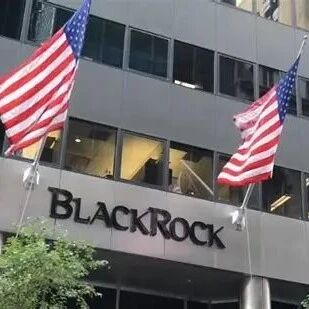
贝莱德的叙事转向:从 AI 狂热到“锁死流动性”
美股研究社· 2026-03-26 10:36
Group 1 - The core viewpoint of the article suggests that the capital market is shifting from a focus on high-growth technology assets, particularly AI and chips, to more stable investments in energy, infrastructure, and skilled labor training, indicating a defensive repositioning by major financial institutions like BlackRock [2][10][14] - BlackRock's recent actions, such as tightening redemption on private credit products and shifting focus from AI to energy and infrastructure, reflect a collective instinctive response from global capital at a macroeconomic turning point [2][8][10] - The article highlights a critical physical bottleneck in the energy supply necessary for AI operations, as global data center electricity consumption is expected to double by 2026, while infrastructure development typically requires 5 to 10 years [6][12] Group 2 - The shift in BlackRock's narrative from a technology-driven bull market to recognizing supply constraints indicates a correction of past over-speculation, with a focus on the physical realities of energy supply rather than just technological advancements [4][6][12] - The limitation on redemptions in private credit markets is seen as a proactive measure to manage liquidity risks, reflecting concerns over the quality of underlying assets and potential market volatility [8][9][10] - The article posits that the current high-interest rate environment and increased macroeconomic uncertainty are driving capital to prioritize cash flow certainty and stability over speculative growth [11][12][14]


抄底微软,还是逃离?一场关于 AI 叙事的再定价
美股研究社· 2026-03-26 10:36
Core Viewpoint - The global tech stock market is at a critical psychological juncture, with investors shifting from a "faith-based" approach to a "numbers-based" approach due to high interest rates and macroeconomic uncertainties [1][2]. Group 1: Microsoft’s Internal Changes - Microsoft's recent departure of its Chief Diversity Officer signals a shift in internal priorities, reflecting a broader trend in Silicon Valley where companies are reassessing resource allocation amidst rising capital costs and intensified AI competition [4][5]. - The adjustment indicates a transition from "value-driven expansion" to "efficiency-driven contraction," as companies prioritize resource allocation towards core AI investments rather than non-core initiatives [5][6]. Group 2: Market Reactions and Stock Performance - Despite a strong financial performance, with a 17% year-over-year revenue growth and nearly 40% growth in Azure, Microsoft's stock has declined over 25% from its peak due to three simultaneous narrative shifts [8][10]. - Concerns over cash flow arise from Microsoft's projected $120 billion capital expenditure, leading to fears that the AI investment cycle may take longer to yield returns, reminiscent of Cisco's experience during the 2000 internet bubble [8][9]. Group 3: Uncertainties in Competitive Position - The uncertainty surrounding Microsoft's competitive moat has increased as OpenAI begins to diversify its partnerships, potentially undermining Microsoft's exclusive collaboration and cloud advantages [9][10]. - Market fears of AI disrupting traditional software demand have led to a mispricing of Microsoft, which is no longer a pure software company but a diversified entity across cloud computing, operating systems, and more [10][12]. Group 4: Investment Considerations - Current valuation metrics suggest that Microsoft is trading at approximately 19 times its projected earnings for fiscal 2026, a significant drop from its historical average of over 30 times, indicating a potential safety margin for value investors [12][13]. - The critical factors influencing Microsoft's future stock performance include the commercialization speed of Copilot and Microsoft 365, as well as Azure's ability to convert demand into revenue [13][14]. Group 5: Long-term Outlook - The recent stock decline is viewed as a "reset of expectations" rather than a fundamental reversal, with the market transitioning from an "AI will win" narrative to questioning "when will AI generate profits" [16]. - For long-term investors, the key lies in determining whether Microsoft can leverage its scale advantages into profitability in the AI race, with its extensive enterprise customer base and robust cash flow serving as potential strengths [16].


AI牛市四部曲:狂热、淘金、抱团与撤退
美股研究社· 2026-03-26 10:36
Group 1 - The core viewpoint of the article emphasizes the evolution of the AI bull market from blind optimism to a more cautious and defensive investment strategy, highlighting the changing narratives and market dynamics over the years [2][10][13] - In 2023, the AI bull market was characterized by a collective euphoria surrounding ChatGPT, leading to a significant valuation surge for companies like Nvidia, which was seen as a core asset in the new era [5][6] - By 2024, the market began to differentiate between speculative narratives and companies that could deliver actual profits, leading to a focus on infrastructure companies like Broadcom and AMD, marking the first phase of valuation correction [6][10] Group 2 - The year 2025 saw a shift towards a "crowded trade" where large-cap companies like Microsoft, Apple, and Google became the main beneficiaries, as funds rotated within a limited set of core assets [7][8] - The market dynamics in 2025 indicated a narrowing breadth of gains, with most of the index's performance driven by a small percentage of companies, creating a challenging environment for average investors [8][10] - Entering 2026, a strategic shift towards "HALO" assets (heavy assets with low turnover and high barriers) emerged, reflecting a fundamental change in capital preferences towards sectors less likely to be disrupted by AI [10][11] Group 3 - The article summarizes the bull market phases with four keywords: "Faith" for 2023, "Realization" for 2024, "Herding" for 2025, and "Defense" for 2026, indicating a transition from speculative growth to a focus on asset survival [13][14] - The narrative suggests that while the AI revolution is real, the capital cycle is unforgiving, and not all participants in the market will benefit equally from the technological advancements [13][14] - The final insight emphasizes the importance of recognizing market signals and adapting strategies accordingly, as the shift from offensive to defensive postures indicates a potential end to the bull market for the majority [13][14]

三所香港高校月内落子深圳
21世纪经济报道· 2026-03-26 10:15
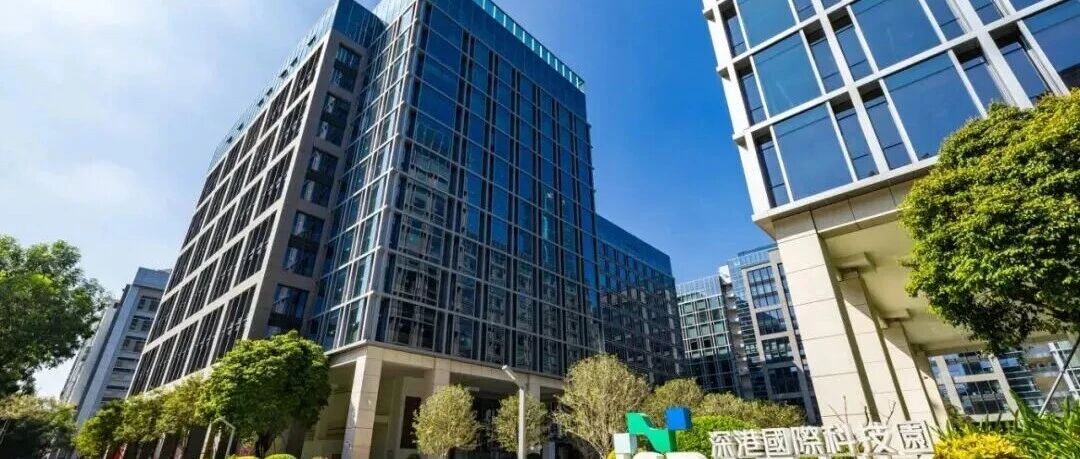
Core Viewpoint - The establishment of research institutes from Hong Kong universities in Shenzhen signifies a strategic integration of Hong Kong into the national development framework, enhancing innovation collaboration within the Greater Bay Area [2][6]. Group 1: Hong Kong Universities' Initiatives - Hong Kong Polytechnic University launched its Shenzhen Technology Innovation Research Institute on March 23, focusing on AI, smart cities, robotics, aerospace, and autonomous driving, aiming to apply research outcomes on a large scale in Shenzhen [1][6]. - The Chinese University of Hong Kong inaugurated its New Quality Industry Center on March 10, targeting technology transfer and industry collaboration, with an emphasis on AI, robotics, and biomedical fields [10][11]. - Hong Kong Metropolitan University established its Shenzhen Research Institute on March 16, concentrating on biomedical sciences, net-zero emissions, quantum technology, and digital manufacturing, with 12 R&D projects already initiated [13][15]. Group 2: Innovation Ecosystem Development - The "Shenzhen-Hong Kong-Guangzhou" innovation cluster has ranked first in the global innovation cluster list, reflecting the collaborative efforts of Hong Kong and mainland cities in building a comprehensive innovation ecosystem [2]. - The establishment of the Shenzhen research institutes is part of the "He Tao Shenzhen Park" initiative, which aims to leverage Hong Kong's research strengths for practical applications in Shenzhen, thus creating a sustainable model for industry-academia collaboration [6][8]. - The research institutes are expected to enhance talent mobility between Shenzhen and Hong Kong, fostering a robust innovation talent cultivation mechanism [6][8].
圣贝拉做LP,参设10亿元人工智能基金
FOFWEEKLY· 2026-03-26 10:10
Core Viewpoint - Saint Bella Group Limited announced its participation in a fund focused on artificial intelligence technology applications and embodied intelligent robotics, with a total size of RMB 1 billion [1] Group 1 - The fund will primarily invest in two core areas: artificial intelligence technology applications and embodied intelligent robotics [1] - The fund is managed by Shanghai Dunhong Asset Management Co., a leading investment institution in the field of embodied intelligent robotics [1] - The investment will be funded by the group's operational income, aligning with the company's technological strategy [1] Group 2 - The fund aims to build a layout around the embodied intelligence industry, investing in companies with leading technologies and growth potential, as well as core enterprises in the industry chain [1] - Saint Bella believes that participating in this fund will advance its AI strategic layout into a new phase, deeply linking technology sources and ecological clusters [1] - This investment is expected to inject strong technological momentum into the company's long-term development [1]
50亿,杭州青科智合产业母基招GP
FOFWEEKLY· 2026-03-26 10:10
Group 1 - The core viewpoint of the article is the public selection of fund management institutions for the Qingshan Lake Technology City Industrial Mother Fund, aimed at promoting industrial upgrading and high-quality development in the region [1] - The Qingshan Lake Technology City Industrial Mother Fund has a total scale of 5 billion yuan, focusing on strategic emerging industries such as high-end equipment, life and health, integrated circuits, artificial intelligence, new energy, and new materials [1][2] - The fund operates primarily through sub-fund investments, with at least 80% of the total fund size allocated to sub-funds [1] Group 2 - Sub-funds are required to focus on the leading industries of Qingshan Lake Technology City and invest in niche sectors to cultivate quality projects through market-oriented methods [2] - The investment requirements allow for early-stage, growth-stage, mature, and merger projects, with a maximum investment ratio of 40% from the mother fund to any single sub-fund and a maximum investment amount of 200 million yuan [2] - The duration of sub-funds should not exceed 10 years, and the total equity investment in a single enterprise should not exceed 20% of the sub-fund's size [2]
协合新能源(00182) - 2025 H2 - 电话会议演示
2026-03-26 09:50
ANNUAL RESULTS PRESENTATION CONCORD NEW ENERGY GROUP LIMITED FOR THE YEAR ENDED 31 DECEMBER 2025 STOCK CODE HONG KONG : 182 | SINGAPORE : SEG incorporated in Bermuda with limited liability 2025 ANNUAL REPORT Disclaimer CONCORD NEW ENERGY GROUP LIMITED 2 • The Concord New Energy Group Limited (the "Company") hereby reminds prospective investors, financial analysts, shareholders, and other recipients of this document (the "Summary") that the contents of this Summary and any related oral discussions are for re ...
小马智行-W(02026)2025年实现收入9000万美元,同比增加20.0%
智通财经网· 2026-03-26 09:44
Core Viewpoint - The company reported significant growth in revenue and profitability for the fourth quarter of 2025, driven by strong demand for its autonomous ride-hailing services and strategic partnerships [1][2]. Financial Performance - Total revenue for Q4 2025 reached $29.1 million, with autonomous ride-hailing service revenue at $6.7 million, a year-on-year increase of 159.5% [1]. - The net profit for Q4 2025 was $75.5 million, marking a turnaround from losses, primarily due to gains from the fair value changes of trading financial assets [1]. - For the full year 2025, total revenue was $90 million, a 20% increase year-on-year, with autonomous ride-hailing service revenue at $16.6 million, up 128.6% [1]. Operational Highlights - Passenger fare revenue increased by over 500% year-on-year, attributed to strong order growth since the launch of the seventh-generation model [1]. - The company’s technology licensing and application revenue reached $32.8 million in 2025, a 19.7% increase from 2024, driven by rising demand for autonomous domain controllers [1]. Strategic Initiatives - The company aims to expand its fleet to over 3,000 vehicles and extend operations to more than 20 cities domestically and internationally by 2026 [2]. - A strategic partnership with Toyota has facilitated the mass production of the seventh-generation autonomous taxis, securing an order for 1,000 vehicles [2]. - The company is focused on enhancing its artificial intelligence capabilities to improve user experience and operational efficiency [2].
小马智行-W2025年实现收入9000万美元,同比增加20.0%
Zhi Tong Cai Jing· 2026-03-26 09:42
Core Insights - The company reported a total revenue of $29.1 million for Q4 2025, with autonomous driving service revenue reaching $6.7 million, a year-on-year increase of 159.5% [1] - The net profit for Q4 2025 was $75.5 million, marking a turnaround from losses, primarily due to gains from the fair value changes of trading financial assets [1] - For the full year 2025, total revenue was $90 million, a 20% increase year-on-year, driven by strong growth in autonomous driving services and technology licensing [1] Revenue Breakdown - Autonomous driving service revenue for 2025 was $16.6 million, up 128.6% year-on-year, with passenger fare revenue increasing nearly 400% due to rising demand in first-tier cities and the successful launch of the seventh-generation autonomous taxi [1] - Technology licensing and application revenue reached $32.8 million in 2025, a 19.7% increase from 2024, driven by growing demand for autonomous driving domain controllers in various sectors [1] Profitability and Losses - The gross profit for 2025 was $14.2 million, reflecting a year-on-year increase of 24.2% [2] - The net loss for 2025 was narrowed to $76.8 million, a reduction of approximately 72% year-on-year, mainly due to increases in the fair value of trading financial assets [2] Strategic Outlook - The CEO highlighted 2025 as a year of significant performance, with scalable growth in revenue, fleet size, operational footprint, and user base [2] - The company aims to accelerate growth in 2026, with plans to expand its fleet to over 3,000 vehicles and operations to more than 20 cities domestically and internationally [2] - The CTO emphasized the company's leading position in driving capabilities, leveraging AI technologies to enhance user experience and profitability [2]
金山办公(688111):业绩稳健增长,办公Agent可期
Guoxin Securities· 2026-03-26 09:38
Investment Rating - The investment rating for the company is "Outperform the Market" [6][20]. Core Insights - The company reported a revenue of 5.929 billion yuan in 2025, representing a growth of 15.78%, and a net profit of 1.836 billion yuan, which is an increase of 11.63% [9]. - The WPS personal business showed steady growth, with a revenue of 3.626 billion yuan in 2025, up by 10.42%, and overseas revenue reaching 0.282 billion yuan, a significant increase of 53.67% [2]. - The WPS 365 business continued to grow rapidly, with a revenue of 0.720 billion yuan, reflecting a growth of 64.93%, and the software business revenue increased by 15.24% to 1.461 billion yuan [3]. - The company is focusing on AI integration, with WPS AI domestic monthly active users exceeding 80.13 million, a year-on-year growth of 307% [3]. Financial Performance - In Q4 2025, the company achieved a revenue of 1.750 billion yuan, an increase of 17.16%, and a net profit of 0.658 billion yuan, up by 8.73% [9]. - The gross margin for 2025 was 85.95%, showing a slight improvement year-on-year, while R&D investment reached 2.095 billion yuan, a growth of 23.57% [15]. - The company’s operating cash flow for 2025 was 2.502 billion yuan, reflecting a year-on-year increase of 13.93% [18]. Earnings Forecast - The company has adjusted its profit forecast for 2026-2028, expecting net profits of 2.212 billion yuan, 2.621 billion yuan, and 3.115 billion yuan, with growth rates of 20%, 19%, and 19% respectively [20].
