可持续发展

Search documents
越南自2026年1月起生效的重要经济政策
Shang Wu Bu Wang Zhan· 2026-01-01 16:46
Group 1: New Economic Policies in Vietnam - From January 2026, several important new economic policies will take effect in Vietnam, including the Special Consumption Tax Law, Advertising Law, land use fee reductions, minimum wage increases, and a technology transfer mechanism for railway projects [1] Group 2: Special Consumption Tax Law - The new Special Consumption Tax Law, passed on June 14, 2025, aims to increase fiscal budget revenue, adjust consumption behavior, and guide the market towards sustainable development [2] Group 3: Advertising Law Adjustments - The amended Advertising Law, passed on June 16, 2025, focuses on administrative reform, reducing compliance costs for businesses, and enhancing the efficiency of advertising activities in a digital economy context [3] Group 4: International Financial Center Court Law - The National Assembly has passed the International Financial Center Court Law, establishing the court's functions, structure, and procedures, which is a significant legislative achievement [4] Group 5: ODA and Foreign Loan Regulations - New regulations on Official Development Assistance (ODA) and foreign loan transfer mechanisms have been introduced to enhance flexibility and expand access to preferential funding, supporting development investments [5] Group 6: Price Management Mechanism - The amended Price Law focuses on expanding regulatory scope, protecting consumers, and improving market transparency, which is essential for macroeconomic stability [6] Group 7: Macro-Economic Stability and Sustainable Development - The National Budget Law emphasizes maintaining macroeconomic stability and sustainable development, incorporating transparency and social oversight into the fiscal budget framework [7] Group 8: Railway Investment Prioritization - The Railway Law designates railways as a priority investment area, introducing mechanisms to encourage private sector participation in railway infrastructure development [8] Group 9: Statistical Law Adjustments - The amended Statistical Law aims to improve economic and social governance by reducing compliance costs and enhancing data transparency [10] Group 10: Land Use Fee Reductions - A resolution allows for reduced land use fees when converting agricultural land to residential use, aimed at alleviating financial burdens on families and meeting housing demands [11] Group 11: Agricultural Land Tax Policy - A new policy extends the tax exemption period for agricultural land use, encouraging production scale expansion and enhancing agricultural competitiveness [12] Group 12: Minimum Wage Increase - The minimum wage has been set between 3.7 million and 5.31 million VND per month, aimed at ensuring worker income and purchasing power [12] Group 13: Railway Technology Transfer Mechanism - A new decree establishes a special mechanism for technology development and transfer in the railway sector, promoting local capabilities and reducing reliance on foreign technology [13] Group 14: New Accounting Standards - The new accounting standards issued by the Ministry of Finance aim to align with international standards, enhancing financial transparency and financing capabilities for businesses [14] Group 15: Corporate Tax Incentives for Electronics Manufacturing - New standards for corporate tax incentives for electronics manufacturing companies have been introduced, aimed at reducing costs and encouraging investment in high-tech sectors [15]
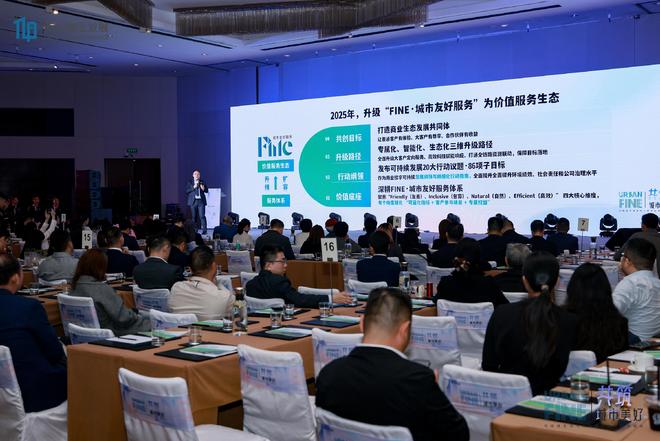
从碳普惠到生态联盟:天力商服的“价值共生样本”
Zhong Guo Jing Ying Bao· 2026-01-01 12:29
Core Insights - The commercial office space is undergoing a profound transformation from functional utility to value co-creation in the context of the "dual carbon" goals and the upgrade of quality consumption [1][3] - The green transformation of commercial buildings has become a necessity for improving living quality, urban resilience, and future sustainability [1] Group 1: Sustainable Practices - Tianli Property Development has implemented a series of sustainable practices since 2025, showcasing a clear path for the transition of commercial office spaces into a multi-dimensional value ecosystem [1] - In early 2025, Tianli launched a "Carbon Neutrality White Paper," outlining its carbon neutrality commitments and action roadmap, demonstrating industry leadership and foresight [3] - By September 2025, Tianli became the first in the industry to achieve both carbon management system certification and practical carbon inclusivity, launching the "CarbonHug" app to quantify and incentivize low-carbon behaviors [3] Group 2: Management Framework - In November 2025, Tianli released "20 Major Action Topics and 86 Sub-goals for Sustainable Development in Commercial Buildings," breaking down green operations and resource recycling into measurable and executable tasks [3] - The "FINE City Friendly Service System" was upgraded to form a complete sustainable development loop, integrating strategic guidance, mechanism assurance, scenario implementation, and ecological co-construction [3] Group 3: Service Innovation - Tianli introduced the "FINE Friendly Service Experience Officer" mechanism, inviting clients to participate in service design and supervision, creating a value co-creation loop [4] - Customized service plans are implemented for key clients, transitioning from merely providing space to offering comprehensive solutions [4] Group 4: Resource Sharing Platform - Tianli has established a resource-sharing platform with a scale of billions, connecting enterprises, capital, technology, and services, breaking physical boundaries of buildings [5] - The company aims to create a high-quality building ecological community characterized by efficient resource linkage, warm experiences, and integration of diverse entities [5] Group 5: Future Directions - Looking ahead, Tianli will focus on sustainable development practices, iterative service product matrices, and expansion of commercial ecological alliances, exploring diverse applications of green technologies [5]

在格桑花海中仰望“宇宙飞船”:科技与田园的诗意交融
Xin Lang Cai Jing· 2026-01-01 11:31
Core Insights - The article discusses the harmonious integration of technology and nature in the Guangming District of Shenzhen, which is being developed as a world-class science city, balancing technological innovation with ecological preservation [1][2][10]. Group 1: Overview of Guangming District - Guangming is one of Shenzhen's youngest administrative districts, characterized by a strategic mission to create a "world-class science city" and a "northern center of Shenzhen" [2][3]. - The district features significant national-level scientific infrastructure, including facilities for synthetic biology and brain research, enhancing its future-oriented capabilities [2][5]. - Guangming's ecological attributes include over 30% forest coverage and notable parks, which contribute to a narrative that transcends mere economic growth, exploring a new urban model where innovation and nature coexist [2][5]. Group 2: The Role of Nature in Urban Development - The presence of seasonal ecological spaces, such as the vast cosmos flower fields, serves as a reminder of humanity's roots in nature, emphasizing the importance of land and agricultural heritage [5][10]. - The juxtaposition of the Shenzhen Science and Technology Museum, described as a "spaceship," with the flower fields symbolizes the aspiration to transcend natural limitations through technology while remaining grounded in human existence [6][10]. - The open accessibility of the area encourages public engagement with science, breaking down barriers between research facilities and the community, making science a part of daily life [6][10]. Group 3: Philosophical Implications of Technology and Nature - The cyclical nature of the cosmos flower fields contrasts with the linear narrative of technological progress, suggesting that successful innovation requires a blend of disruptive ambition and respect for natural processes [9][10]. - The article posits that the "coexistence philosophy" inherent in rural wisdom can provide ethical guidance in advanced fields like genetic editing and artificial intelligence, advocating for progress that enhances rather than disrupts life networks [10][11]. - The vision for Guangming District reflects a new urban development model where technological civilization is nourished by rural values, emphasizing respect for life, sustainability, and the interconnectedness of all living systems [10][11].

商务部回应欧盟碳边境调节机制:对中方构成不公平待遇
Zhong Guo Xin Wen Wang· 2026-01-01 10:54
Core Viewpoint - The European Union's Carbon Border Adjustment Mechanism (CBAM) will be implemented starting January 1, 2026, which China views as unfair and discriminatory towards its products due to high default carbon emission intensity values set by the EU [1][2] Group 1: CBAM Implementation and Concerns - The EU has released legislative proposals and implementation details for CBAM, including setting high default carbon emission intensity values and plans to expand product coverage [1] - China argues that the EU's approach violates World Trade Organization principles and the United Nations Framework Convention on Climate Change, as it imposes unfair treatment on Chinese products [1][2] Group 2: Expansion of CBAM and Trade Protectionism - The EU plans to expand CBAM to include approximately 180 steel and aluminum-intensive downstream products, such as machinery, automobiles, and household appliances starting in 2028 [1] - This expansion is seen as a move beyond climate change response, reflecting unilateralism and trade protectionism, which China strongly opposes [1] Group 3: Double Standards and International Cooperation - The EU has relaxed its green regulations for internal markets while promoting protectionist measures externally, showcasing a double standard in its climate policies [2] - China emphasizes the need for the EU to adhere to international climate and trade rules, advocating for open markets and fair principles in green trade and investment [2]
商务部最新回应!
券商中国· 2026-01-01 07:51
Core Viewpoint - The Chinese government expresses serious concerns and strong opposition to the European Union's Carbon Border Adjustment Mechanism (CBAM), which is seen as unfair trade restrictions that do not align with China's actual carbon emission levels and development trends [1][2]. Group 1: EU's CBAM Implementation - The EU's CBAM will officially be implemented on January 1, 2026, with recent legislative proposals and implementation details being released [1]. - The EU has set a significantly high default carbon emission intensity value for Chinese products, which will increase annually over the next three years, contradicting China's achievements in green and low-carbon development [1]. Group 2: Expansion of CBAM Scope - Starting in 2028, the EU plans to expand the CBAM to include approximately 180 downstream products that are intensive in steel and aluminum, such as machinery, automobiles, and household appliances [1]. - The design of these rules is viewed as exceeding the scope of climate change response and exhibiting clear unilateralism and trade protectionism [1]. Group 3: Double Standards and Trade Protectionism - The EU has relaxed its green regulations for internal markets while promoting protectionism externally under the guise of climate action, showcasing a double standard [2]. - The EU's approach is criticized for ignoring historical emissions responsibilities and the development stages of countries, imposing its carbon standards on developing nations, which raises the costs of climate action for them [2]. Group 4: Call for Fair Trade Practices - The Chinese government urges the EU to adhere to international climate and trade regulations, reject unilateralism and protectionism, and maintain an open market based on fairness, science, and non-discrimination [2]. - China is willing to cooperate with the EU to address global climate change challenges but will take necessary measures to respond to any unfair trade restrictions, protecting its development interests and the stability of global supply chains [2].
海外多家百年企业共同选择,朗高电机凭什么吸引他们?| 头条
第一商用车网· 2026-01-01 02:35
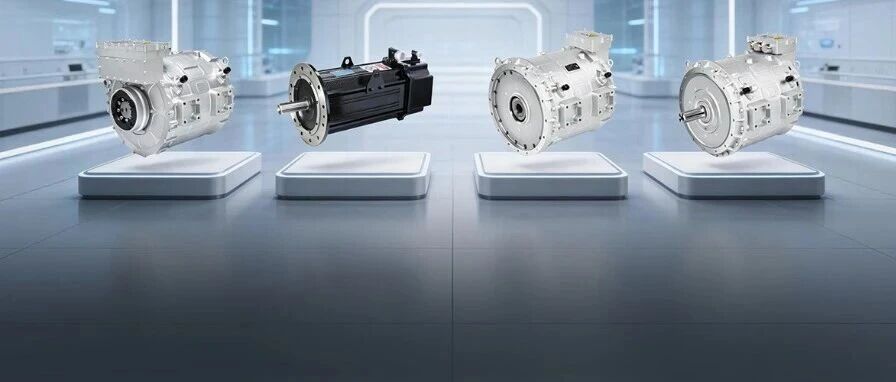
Core Viewpoint - Longgao Electric has positioned itself at the forefront of sustainable development in the global low-carbon transition and green energy movement, achieving significant market share and partnerships in the electric bus and wind power sectors [1]. Group 1: Electric Bus Sector - Longgao Electric holds over 35% of the electric bus drive motor market share in Europe and has established deep collaborations with various domestic and international companies to expand its customer base [1]. - The company is actively investing in the research and development of electric trucks, construction machinery, and agricultural machinery for overseas markets, gaining recognition and collaboration opportunities from leading enterprises in these fields [5]. Group 2: Wind Power Sector - As a key partner for major wind turbine manufacturers in the United States and Germany, Longgao Electric exports thousands of pitch, yaw, and lubrication cooling motors annually, becoming a primary supplier for auxiliary drive systems [1]. Group 3: Product Range and Customization - Longgao Electric offers a comprehensive product range from a few kW to several thousand kW, with torque coverage from 100 Nm to 25,000 Nm, meeting diverse industry needs and facilitating efficient project development for clients [6]. - The company possesses the capability to customize products based on specific application scenarios, ensuring high adaptability and reliability in various complex environments and harsh working conditions [8]. Group 4: Service and Quality - Longgao Electric emphasizes rapid development, prototyping, and testing, committing to respond to customer technical and service needs within 24 hours to ensure project timelines are not delayed [9]. - The company maintains stable product quality with a failure rate significantly lower than the industry average, supported by extensive application experience and a strict quality control system [10]. Group 5: Cost Efficiency and Sustainability - Through flexible manufacturing and automated production lines, combined with platform-based product planning and lean production, Longgao Electric achieves controlled manufacturing costs and competitive maintenance and service costs [11]. - The company is expanding its overseas service network, including establishing a wholly-owned subsidiary in Munich, Germany, to enhance local support capabilities and improve delivery efficiency [13]. - Longgao Electric is committed to environmental protection and low-carbon manufacturing, actively reducing product carbon footprints and responding to EU carbon border adjustment mechanisms [13].
2026年,半导体技术趋势预测
半导体行业观察· 2026-01-01 01:26
Core Viewpoint - The semiconductor manufacturing sector is poised to become the core of the next phase of digital transformation, driven by flexible ultra-thin chip technology that will foster innovation across various emerging product forms, enhancing functionality and energy efficiency in manufacturing processes [2]. Group 1: Technological Trends - Flexible ultra-thin chip technology will lead to new innovations in wearable and audible devices, achieving higher functional density in limited spaces and promoting more energy-efficient manufacturing models [2]. - The demand for low-power machine learning accelerators, sensor-integrated chips, and memory-optimized chips will dominate the market by 2026, indicating a shift towards specialized chips in the semiconductor field [6]. - Heterogeneous integration will drive manufacturing innovation by combining different processes to create powerful and cost-effective systems, surpassing traditional single-chip technologies to meet the demands of AI, 5G, and other industrial needs [6]. Group 2: Market Dynamics - Companies that incorporate interconnected technologies into their 2026 strategies will be better positioned to seize future digital transformation opportunities, enhancing innovation and consumer engagement [2]. - The transition from batch customization to AI-driven personalized products in sectors like smart packaging, healthcare, and logistics will reshape market dynamics [6]. - As regulatory frameworks become more refined, the focus will shift from cost to competition, with NFC applications helping companies meet compliance and governance requirements [6]. Group 3: Sustainability and Energy Management - There is a growing emphasis on energy-efficient infrastructure in semiconductor manufacturing, driven by the increasing energy consumption associated with AI [6]. - Companies that adhere to principles of circular economy, sustainability, and resilience are expected to gain a competitive edge in the market transformation [6].
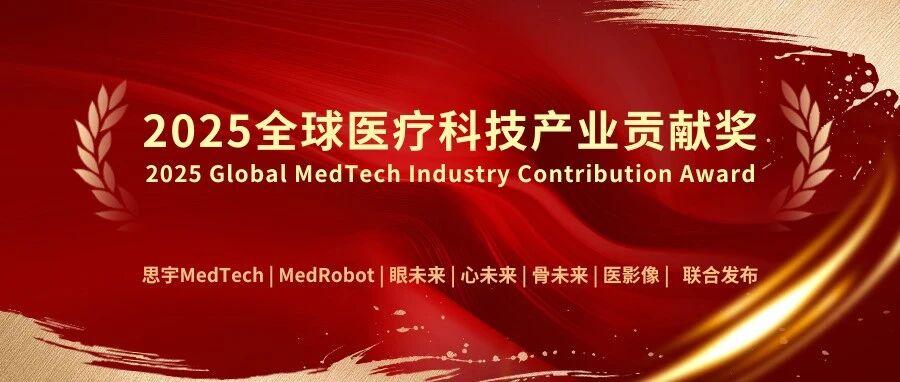
最新出炉!2025全球医疗科技产业贡献奖
思宇MedTech· 2025-12-31 10:00
Core Viewpoint - The article emphasizes the importance of continuous technological innovation and stable industrial systems in the global medical technology industry, highlighting the launch of the "Global MedTech Awards" by Siyu MedTech to recognize companies that positively impact the industry through innovation, collaboration, and long-term investment [2]. Group 1: Award Criteria - The awards focus on companies' capabilities in technology and product innovation, assessing their ability to convert innovations into stable product systems that provide clinical value [3]. - The evaluation also considers the role of companies in industrial collaboration and ecosystem building, including their efforts in resource integration and enhancing industry efficiency through capital, technology, or organizational capabilities [4]. - Companies are assessed on their sustainable development and long-term investment strategies, particularly in R&D, manufacturing, localization, and social responsibility in key markets like China [5]. Group 2: Award Winners - Medtronic, a leading global medical technology company, received the "Medical Technology Industry Contribution Award" for its long-term commitment to cardiovascular, neurostimulation, and chronic disease management, showcasing significant contributions in technology innovation and industry collaboration [9][10]. - Stryker, recognized for its advancements in orthopedic and minimally invasive technologies, was awarded for its systematic investments in technology and ecosystem development, particularly in surgical robotics and pain management [13][14]. - Boston Scientific was acknowledged for its leadership in cardiovascular and neurostimulation fields, with notable innovations like the FARAPULSE™ system for atrial fibrillation treatment and a focus on enhancing clinical capabilities through strategic acquisitions [17][18]. - Alcon, a prominent player in the ophthalmic sector, was awarded for its continuous innovation in eye care technologies, including the Voyager™ DSLT system and advancements in cataract and refractive surgery [22][23]. - MicroPort, recognized for its multi-platform capabilities in high-end medical devices, demonstrated significant progress in product maturity and international market expansion, earning the award for its systematic approach to technology and clinical application [25][27]. - United Imaging Healthcare, a representative of high-end medical imaging equipment in China, was awarded for its technological innovations and global expansion efforts, particularly in ultrasound and AI applications [31][32].
海王生物新一届董事局履新 战略聚焦驱动高质量发展
Quan Jing Wang· 2025-12-31 07:41
Core Insights - The company has completed a new board election, marking a new development phase with a focus on enhancing sales margins, ensuring asset security, improving financing channels, and optimizing capital returns [1] - The company is transitioning from scale expansion to a profound transformation focused on quality and efficiency, demonstrating clear strategic vision and strong execution [1] Financial Performance - In the first three quarters of 2025, the company achieved operating revenue of 21.513 billion yuan, with significant investment gains of approximately 878 million yuan from the disposal of non-core and inefficient assets [1] - The overall cash flow remains robust, with positive operating cash flow per share, supporting strategic transformation and ongoing operations [1] Business Segments - The company focuses on three core sectors: pharmaceutical distribution, pharmaceutical manufacturing, and pharmaceutical research and development [2] - The pharmaceutical distribution segment has shown significant improvement, with medical device agency business generating revenue of 4.986 billion yuan in the first half of 2025, becoming a key growth driver [2] - The pharmaceutical manufacturing segment, while smaller in revenue, has a high profit potential with a gross margin of 36.14% in the first half of 2025, crucial for optimizing profit structure [2] Innovation and R&D - The company invested 31.68 million yuan in R&D in the first three quarters of 2025, with positive progress in its R&D pipeline, including the completion of Phase I clinical trials for the innovative drug HW130 injection [2] - The management emphasizes a focus on profitability, planning to exit low-margin businesses and concentrate resources on high-value areas to enhance overall profitability and asset return levels [2] Governance and Sustainability - The company has revised 26 internal management systems and improved the operation mechanism of committees led by independent directors, reinforcing internal controls and shareholder return systems [3] - Under the new board's leadership, the company is steadily advancing along the path of focusing on core business and enhancing quality and efficiency, injecting strong momentum for future development [3]

连续32年第一,一节南孚的“耐力游戏”
Xi Niu Cai Jing· 2025-12-31 06:07
Core Viewpoint - Nanfang Battery has established itself as a trusted household battery brand in China, known for its durability and reliability, leading to a strong consumer preference for its products [2][3][6]. Group 1: Brand Recognition and Consumer Trust - Nanfang Battery is synonymous with reliability in Chinese households, being a common choice for various devices from toys to smart locks [3][5]. - The brand's reputation is built on real user experiences, with many consumers sharing positive feedback about its longevity and performance compared to competitors [6][7]. - A significant number of families have developed a habit of exclusively purchasing Nanfang batteries, indicating a strong brand loyalty [7]. Group 2: Product Innovation and Technology - Nanfang has continuously improved its products, with the latest generation, the 聚能环5, featuring significant advancements in battery capacity and durability [6][14]. - The 聚能环5 utilizes innovative structural and material enhancements, achieving a capacity that exceeds national standards by 333% and ensuring long-term energy retention [17][19]. - The company has invested heavily in research and development, with over 500 patents and a commitment to maintaining high manufacturing standards [23][24]. Group 3: Sustainable Practices - Nanfang has adopted a sustainable development philosophy, focusing on environmentally friendly practices, including the elimination of harmful materials in its batteries [32][34]. - The company has implemented measures to reduce greenhouse gas emissions in its manufacturing processes and has developed products that can be disposed of with regular waste [34]. - This commitment to sustainability aligns with the growing consumer demand for responsible and high-quality products, particularly among younger generations [34]. Group 4: Market Position and Performance - Nanfang Battery holds a dominant market position, with over 80% market share in the household battery segment, reflecting its widespread consumer trust [36]. - The brand's continuous innovation and focus on user needs have created a strong competitive advantage, making it a leader in the battery industry [36].