
品牌出海

Search documents
广州跨境电商交易会8月举行,首设AI专区、助力特色产业带出海
Di Yi Cai Jing· 2025-08-01 14:39
Group 1 - The Guangdong province is promoting the integration of specialty industrial belts with cross-border e-commerce platforms and service resources, with the 2025 China (Guangzhou) Cross-Border E-Commerce Fair scheduled for August 15-17, featuring new AI and compliance zones [2] - The fair will host over 1,000 quality supply chain enterprises, more than 40 major domestic and international cross-border e-commerce platforms, and nearly 200 ecosystem service providers, with over 1,800 standard exhibition booths [3] - The total import and export volume of cross-border e-commerce in Guangdong is projected to reach 745.4 billion yuan in 2024, accounting for over one-third of the national total [4] Group 2 - The shift from "product export" to "brand export" in cross-border e-commerce is increasing the demand for comprehensive overseas warehouse services, which now include logistics, local brand channels, and after-sales service [3] - The overall import and export of goods in China reached 21.79 trillion yuan in the first half of the year, with cross-border e-commerce imports and exports amounting to approximately 1.32 trillion yuan, reflecting a year-on-year growth of 5.7% [3]
极米科技上半年净利润同比大幅预增 车载投影业务发展显成效
Zheng Quan Ri Bao Wang· 2025-07-31 10:57
Group 1 - The core viewpoint of the news is that XGIMI Technology Co., Ltd. anticipates significant growth in its financial performance for the first half of 2025, with a projected revenue of 1.626 billion yuan and a net profit of approximately 88.66 million yuan, reflecting a year-on-year increase of 2062.33% [1] - The company continues to implement a research and development innovation strategy and improve its supply chain efficiency, which enhances resource allocation and cost control, thereby boosting overall profitability [1] - XGIMI has launched several new products, including the portable projector Play6 and the flagship home series RS20, solidifying its market position in entry-level products while maintaining a leading position in mid-to-high-end laser projection products [1] Group 2 - The company is expanding into the automotive sector, with its car-mounted projection business achieving production and delivery milestones, indicating a successful diversification strategy [2] - The smart home and IoT technologies are expected to drive growth in the home smart projection market, as consumer demand for quality entertainment continues to rise [2] - Future competition in the home and automotive projection markets will hinge on factors such as technological innovation, product quality, brand influence, and supply chain management capabilities [3]

国泰海通独家保荐家居五金龙头企业悍高集团登陆深交所主板
Sou Hu Wang· 2025-07-31 07:21
Group 1 - The core viewpoint of the article highlights the successful IPO of Hanhigh Group, a leading company in the home hardware industry, on the Shenzhen Stock Exchange, raising a total of 617 million yuan with an oversubscription rate of 46.99% [1] - Hanhigh Group, founded in 2004, has evolved into a diversified innovative enterprise focusing on home hardware, offering a comprehensive high-end hardware solution for global users, and has won over 30 international design awards [3] - The company has achieved a compound annual growth rate (CAGR) of 32.78% in revenue and 61.83% in net profit from 2022 to 2024, indicating rapid growth in performance [3] Group 2 - Hanhigh Group is the first company to be listed on the main board of the Shenzhen Stock Exchange after the merger of Guotai Junan, showcasing the firm's capability in supporting the listing process [6] - Guotai Junan has successfully assisted multiple private enterprises in entering the capital market this year, demonstrating its commitment to supporting the high-quality development of the private economy [8] - The financial support provided by Guotai Junan to Hanhigh Group is part of a broader strategy to empower private enterprises and enhance their growth potential [8]


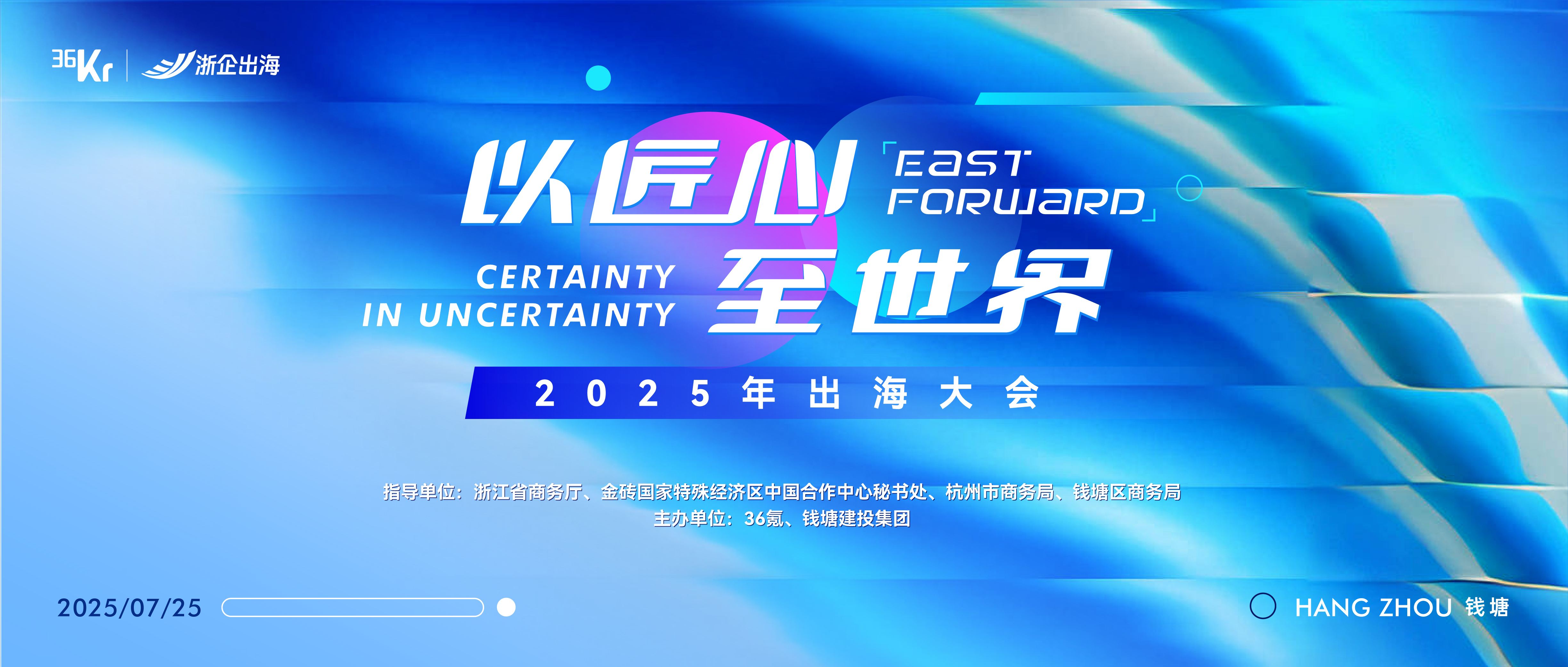
中国品牌出海,如何在不确定中锚定“确定”?2025出海大会嘉宾超级金句来了!
3 6 Ke· 2025-07-31 06:27
Core Insights - The 2025 Outbound Conference held in Zhejiang focused on the theme "From Craftsmanship to the World," addressing key topics such as "certainty in uncertainty" and "doing business globally" [2][4] - The conference highlighted the evolution of Chinese companies from "Made in China" to "Created in China" and now to "Belief in China," emphasizing the importance of technology in redefining industry standards [6][8] Group 1: Conference Highlights - The conference gathered experts and industry leaders to discuss trends in outbound business, regional policies, brand strategies, and cultural integration [2][4] - Zhejiang province aims to support outbound enterprises through an overseas service system and deepening BRICS cooperation [2][4] Group 2: Key Strategies for Outbound Success - Successful outbound companies share three common traits: clear strategic planning, deep market insights, and sustained strategic determination [8] - Key factors for Chinese companies' outbound success include product technology uniqueness, deep localization capabilities, and long-term strategic patience [8] Group 3: Industry Perspectives - The food and beverage sector faces challenges such as precise user research, distinct cultural symbols, and stringent compliance requirements [11] - Companies like Zhengtai New Energy are advancing through a clear path of "products going out," "brands going out," and "production capacity going out," promoting a win-win model for globalization [15] Group 4: Market Opportunities - The Middle East, particularly Dubai, is highlighted as a prime destination for Chinese companies due to its favorable business environment, tax incentives, and strong economic growth [10][49][52] - The UAE's capital, Abu Dhabi, has seen a shift towards a non-oil economy, making it an attractive option for Chinese enterprises looking to expand [49] Group 5: Cultural and Compliance Considerations - Cultural understanding and compliance with local regulations are crucial for successful market entry, especially in diverse regions like the Middle East [61][62] - Companies must adapt their talent strategies based on their development stages, focusing on marketing talent during the initial phase and local experts during brand-building [62]
极米科技上半年净利润预增2062.33%
Zheng Quan Shi Bao Wang· 2025-07-30 14:55
Core Viewpoint - The company, XGIMI Technology, expects significant growth in revenue and net profit for the first half of 2025, driven by innovation in research and development, supply chain improvements, and enhanced operational efficiency [1][2]. Financial Performance - The company anticipates a revenue of 1.626 billion yuan for the first half of 2025, representing a year-on-year increase of 1.63% [1]. - The projected net profit is 88.6622 million yuan, which marks an increase of 84.5619 million yuan or 2062.33% compared to the same period last year [1]. - In the same period last year, the company reported a revenue of 1.6 billion yuan and a net profit of 4.1003 million yuan [1]. Business Operations - XGIMI Technology focuses on the research, production, and sales of smart projection products, along with accessories and internet value-added services [1]. - The company is expanding its application scenarios for projection technology, entering the automotive smart cockpit and intelligent lighting sectors [1][3]. - In 2024, the company generated 2.999 billion yuan in revenue from projection products, with long-focus projectors accounting for 2.768 billion yuan, or 81.31% of total revenue [2]. Product Development - In the first half of 2025, the company launched several new products, including the portable projector Play6, the flagship home RS20 series, and the lightweight Z6X Pro three-color laser version [2]. - The company aims to strengthen its position in the mid-to-high-end laser projection market while maintaining its advantage in entry-level products [2]. - The company is actively exploring new business opportunities in the automotive projection market and has begun mass production and delivery of in-car projection products [3]. Market Expansion - XGIMI Technology is implementing a global business strategy, with products entering major offline channels in Europe, North America, Japan, and Australia [2]. - The company plans to enhance brand recognition and product awareness among overseas consumers through refined operations based on existing channel accumulations [2].
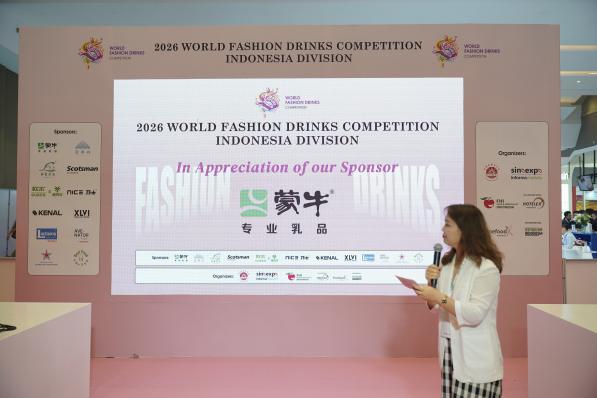
蒙牛专业乳品亮相2026世界潮饮大赛 “饮”领行业创新风潮
Zhong Guo Jing Ji Wang· 2025-07-30 09:19
Core Insights - The 2026 World Trend Beverage Competition in Indonesia successfully concluded, with Mengniu Professional Dairy as the designated dairy product sponsor, marking its first collaboration with an international event [1][3] - This event provided a platform for top beverage competitors to showcase their skills and foster industry communication and product innovation amidst the trend of beverage globalization [3][6] Company Overview - Mengniu Professional Dairy is a brand developed by Mengniu Group targeting professional dining clients, focusing on high-quality dairy products and customized solutions [5] - The brand emphasizes its commitment to quality, with products like pure milk and cream, leveraging its extensive supply chain and R&D capabilities to meet market demands [5][6] Product Highlights - Mengniu's star product, the Mengniu Catering Pure Milk, was the only designated dairy product at the competition, known for its stringent quality control and versatility in various culinary applications [7] - The product contains 3.2g of protein and 4.0g of fat per 100ml, designed specifically for diverse dining needs such as coffee and baking [7] Competitive Achievement - The competition featured skilled mixologists, with Muhammad Ipal Alpikri winning the championship with a non-alcoholic cocktail inspired by traditional Sundanese cuisine, showcasing the unique flavor profile achieved with Mengniu products [9] Strategic Direction - Mengniu Professional Dairy aims to leverage this international collaboration to enhance product innovation, global supply chain management, and partnerships with international dining enterprises [13] - The company is committed to promoting the integration and development of Chinese dairy products within the global supply chain, ensuring consumers have access to high-quality dairy [13]

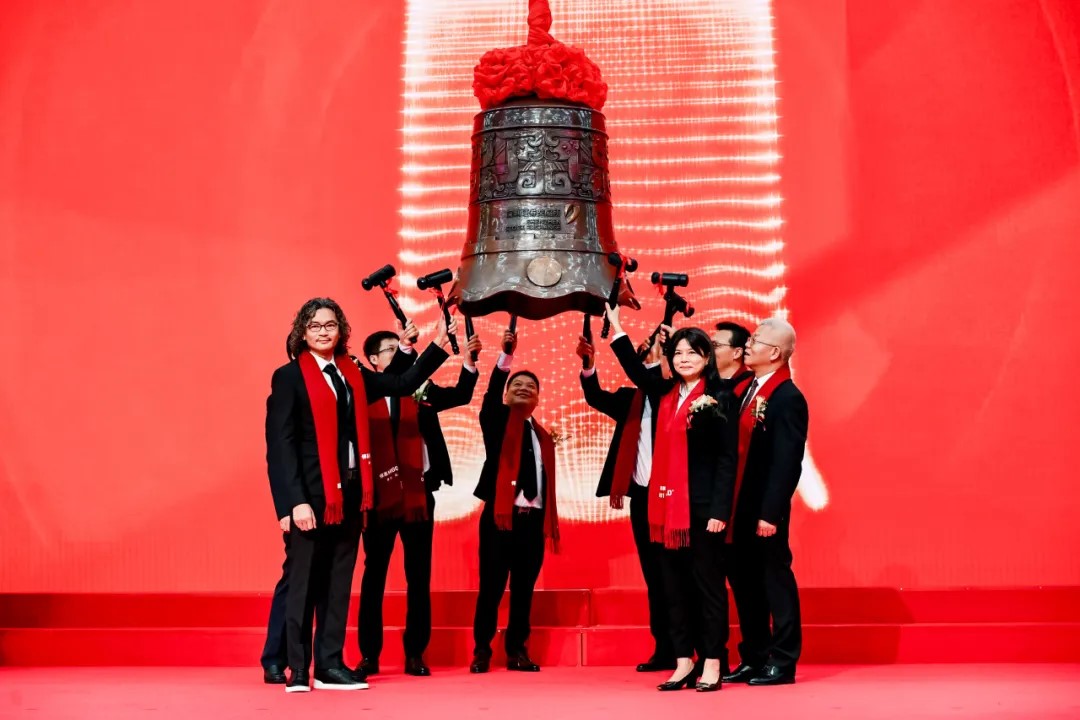
智能制造与品牌出海双轮驱动 悍高集团引领行业发展新典范
Huan Qiu Wang· 2025-07-30 04:15
Core Viewpoint - The company is transitioning from "Made in China" to "Intelligent Manufacturing" by leveraging technological innovations to reshape the traditional manufacturing industry and create a new paradigm for industrial upgrades [1][5]. Group 1: Company Overview - Founded in 2004, the company has become a leading player in the hardware and home furnishings industry through a combination of diverse original designs and high-quality products [3]. - The company emphasizes its core logic of building a brand through quality, showcasing its commitment to independent innovation and strategic investments [3][5]. - The product matrix includes a wide range of offerings such as functional hardware, basic hardware, kitchen and bathroom hardware, and outdoor furniture, aiming to provide a comprehensive high-end hardware solution for global users [5]. Group 2: Innovation and Technology - As a national high-tech enterprise, the company has initiated a smart transformation strategy, establishing dedicated R&D teams and a provincial industrial design center [5]. - The company has received 30 international design awards and holds over 1,100 patents, with a digital production base covering 600,000 square meters [5]. - Future investments will focus on smart home solutions, including the establishment of automated manufacturing bases and R&D centers, which are crucial for enhancing core competitiveness and seizing future opportunities [5]. Group 3: Global Expansion - The company is actively pursuing international expansion, having established a subsidiary in Vietnam and planning further entries into markets like Mongolia and Kazakhstan [6]. - Currently, the company operates in over 90 countries and regions, with plans to strengthen cooperation with foreign clients and develop sales networks in Southeast Asia, Western Europe, and North America [6]. - The dual-track development model of "localization + globalization" aims to integrate precision hardware craftsmanship with Eastern aesthetics, enhancing the brand's global presence [6]. Group 4: Financial Performance - The company has a solid business foundation, with sales of hardware and basic hardware accounting for over 65% of total sales [8]. - From 2022 to 2024, the company expects a compound annual growth rate of 61.83% in net profit attributable to the parent company, with projected revenues for the first half of 2025 between 1.387 billion and 1.502 billion yuan, reflecting a year-on-year growth of 17.04% to 26.77% [8]. - The company successfully debuted in the capital market on July 30, further enhancing its visibility and market position [8].

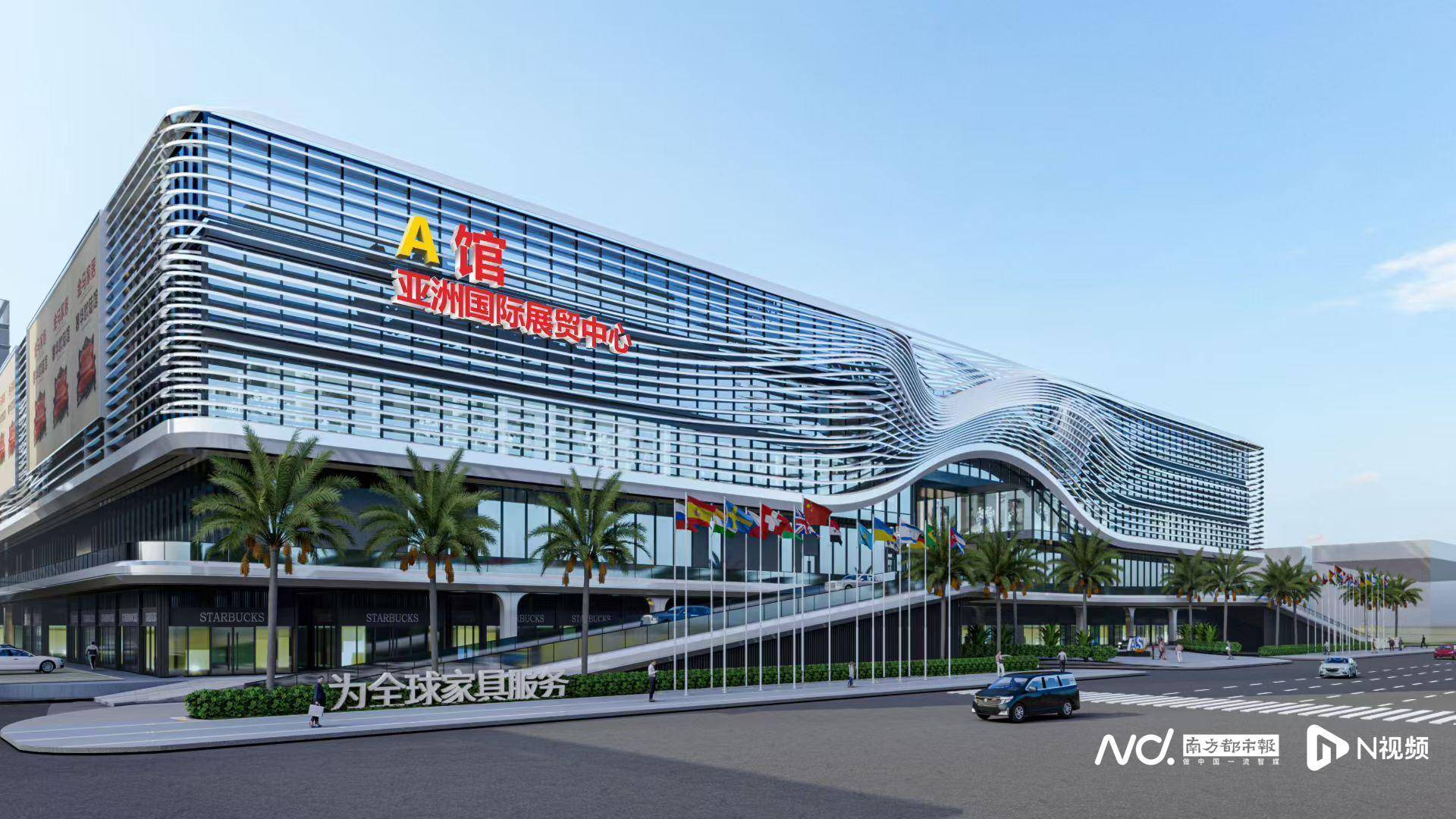
新地标崛起,顺德家具业向全球枢纽跃迁的时代“答卷”
Sou Hu Cai Jing· 2025-07-29 20:45
Core Insights - The establishment of the Asia International Exhibition and Trade Center marks a significant transformation for the Shunde furniture industry, transitioning from a "manufacturing giant" to a "global hub" with a total investment of 2.5 billion yuan and an area exceeding 400,000 square meters [1][11] - The Shunde furniture industry has evolved from producing China's first self-manufactured sofa to creating a trillion-level industrial cluster, highlighting its dominance in the furniture sector [2] - The Asia International Exhibition and Trade Center aims to address challenges such as design homogenization and inefficient supply chain collaboration, providing a platform for resource integration and global connectivity [2][3] Industry Development - The center will leverage a 1.2 million square meter industrial space and a cluster of 3,000 enterprises, reducing raw material procurement costs by 15%-20% and shortening design and development cycles by nearly 30% [3] - The center represents a shift from isolated operations to a collaborative approach, enabling the furniture industry to embrace a "go global" strategy [3][7] Strategic Importance - The Asia International Exhibition and Trade Center is positioned as a key component of Shunde's strategic layout for high-quality development, integrating the entire industrial chain from design to marketing [7] - The center will facilitate a one-stop procurement experience, allowing businesses to access global markets without leaving the town [7] Brand and Cultural Integration - The center is expected to enhance brand visibility and facilitate international exposure for local companies, with notable achievements in design and technology recognized at prestigious events [8] - The integration of cultural aesthetics with industrial manufacturing aims to create a distinctive identity for Shunde furniture, promoting a blend of green and artistic design in industrial space planning [9] Future Prospects - The upcoming 39th Asia International Home Furnishing Expo will serve as a platform for showcasing "Shunde Design," emphasizing cultural dialogue and product innovation [8] - The Asia International Exhibition and Trade Center is seen as an invitation for global engagement, marking a new beginning for the furniture industry in Foshan [11]
关税复盘:产能转移大势所趋,多元布局公司占优
2025-07-29 02:10
Summary of Conference Call Records Industry Overview - The records focus on the impact of tariffs on the **cleaning appliances** and **small home appliances** industries, particularly in relation to the U.S.-China trade tensions and the subsequent shifts in production capacity to Southeast Asia [1][2][4][30]. Key Points and Arguments Tariff Impact on Exports - Following the U.S. tariffs on vacuum cleaners, China's export share to the U.S. dropped from **40% to 25%**, with Vietnam becoming a significant alternative source, accounting for approximately **30%** of imports [1][3]. - The cleaning appliance sector experienced a slowdown in shipments in Q2 2025 due to increased tariffs, but companies began to ramp up production in Southeast Asia to mitigate costs [1][5]. Company Strategies - Companies like **Dechang**, **Lec** and **Fujia** have shifted production to Southeast Asia to meet U.S. demand, with Lec already covering its export needs through overseas capacity [4][29]. - Brands such as **Ecovacs** and **Roborock** have also moved some production to Southeast Asia to benefit from lower tariffs, reducing cost pressures [6][7]. Small Appliance Sector Dynamics - The small appliance sector is slower in capacity transfer compared to cleaning appliances, with coffee machines moving to Indonesia and Thailand, while air fryers are being produced in Mexico and Southeast Asia [9][10]. - Leading companies like **Xingbao** have leveraged their Southeast Asian production advantages to secure more orders, while those lacking overseas capacity face order losses [10][11]. Black Appliance Industry Resilience - The black appliance sector, represented by companies like **Hisense** and **TCL**, has shown resilience against tariffs due to global production strategies and technological upgrades [12][16]. - The U.S. market remains crucial, accounting for **17%** of global demand, and despite tariffs causing a **10%-15%** increase in retail prices, demand remains stable due to the essential nature of these products [12][13]. Future Trends - The tariff situation has catalyzed a shift towards diversified and decentralized production strategies in the home appliance industry, with companies increasingly establishing overseas capacities [30][32]. - Component suppliers are also adapting by following major clients abroad, enhancing their market presence and product offerings in new regions [32][33]. Additional Important Insights - The cleaning appliance industry is expected to recover from Q2 2025 impacts as production ramps up in Southeast Asia [8]. - The overall export scale of Chinese white goods remains robust despite a decline in the U.S. import share, driven by overseas capacity and growing demand in non-U.S. markets [26][28]. - The ongoing trade tensions have prompted a strategic shift among second-tier appliance manufacturers, who are capitalizing on favorable conditions in Southeast Asia to enhance their international revenue [33].


创始人突然身故,居然智家还有两件大事业未完成
Di Yi Cai Jing· 2025-07-28 13:20
Core Viewpoint - The unexpected passing of Wang Linpeng, the founder and CEO of Juran Zhijia, raises questions about the future direction of the company and its ongoing transformation efforts in the home furnishing industry [1][3][12]. Company Overview - Juran Zhijia, formerly known as Juran Home, is the largest home furnishing retail enterprise in China, with an annual sales volume (GMV) of 122.2 billion yuan and over 400 stores across more than 300 cities [1][10]. - As of the end of 2024, Juran Zhijia employed a total of 7,028 staff and operated 407 home furnishing stores, along with 4 shopping centers, 4 modern department stores, and 165 supermarkets [1][10]. Leadership and Transition - Wang Linpeng had been actively leading the company towards international expansion and digital transformation before his untimely death [2][13]. - Following his passing, the board of directors appointed Wang Ning, the current Executive President, to temporarily assume the roles of Chairman and CEO [15][16]. Industry Context - The home furnishing market has seen intense competition, particularly between Juran Zhijia and Red Star Macalline, with the former recently surpassing the latter in revenue for the first time in 2023 [4][10]. - Juran Zhijia has adopted a light asset model with over 80% of its properties leased, contrasting with Red Star Macalline's heavy asset model [6]. Future Prospects - Wang Linpeng had ambitious plans to establish a new "Juran Home" overseas by 2030, aiming for international revenue and profit to reach 30% of the current totals [2][14]. - The company is also focusing on digital transformation through platforms like "Juran Design Home" and "Juran Smart Home," which aim to integrate AI and smart home technologies into its offerings [15].
