资本市场改革

Search documents
吴清:中国资产吸引力明显增强
券商中国· 2025-09-22 09:48
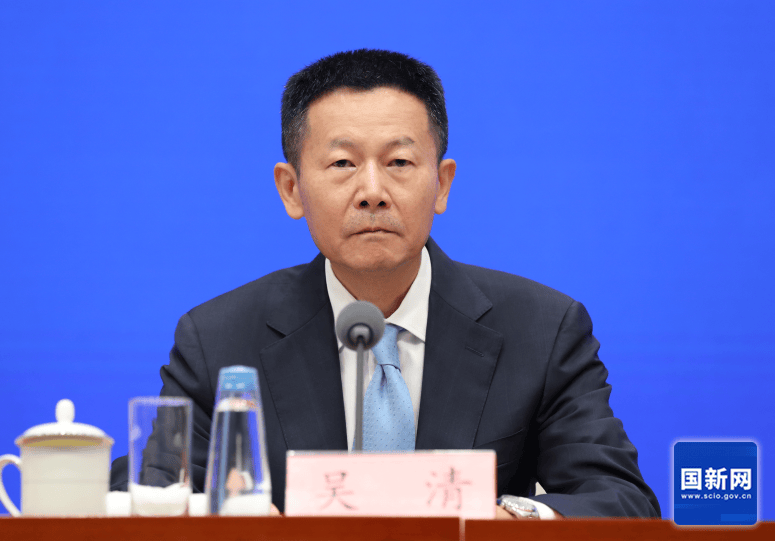
国务院新闻办公室于2025年9月22日(星期一)下午3时举行"高质量完成'十四五'规划"系列主题新闻 发布会,中国人民银行行长潘功胜,金融监管总局局长李云泽,中国证监会主席吴清,中国人民银行副 行长、国家外汇局局长朱鹤新介绍"十四五"时期金融业发展成就,并答记者问。 吴清表示, 去年9·26中央政治局会议以来,财政、金融、产业等一揽子大力度、超预期政策扩围增效,有利 地促进资本市场稳定发展,科技创新与产业创新加快融合发展,一批现象级的科技企业和创新产品相继出圈, 资本市场" 1+N "政策体系加快落地见效。 在各方面因素共同作用下,中国资产吸引力明显增强。 会上,吴清提到,"十四五"期间,上市公司通过分红、回购派发"红包"合计超过10.6万亿元,比"十三 五"增长超过八成,相当于同期股票IPO和再融资金额的2.07倍。同时,"十四五"期间A股市场韧性和抗风 险能力明显增强,上证综指年化波动率15.9%,较"十三五"下降2.8个百分点。吴清表示, 外资持有A股 市值3.4万亿元,269家企业境外上市,中国资本市场的"朋友圈"越来越大。 吴清表示, 过去五年硕果累累,展望未来五年信心满满,也是一份沉甸甸的责任,需 ...


证监会主席吴清:截至今年8月底 各类中长期资金合计持有A股流通市值约21.4万亿元
Zheng Quan Ri Bao Wang· 2025-09-22 09:07
Group 1 - The core viewpoint of the news is that the China Securities Regulatory Commission (CSRC) has made significant reforms in the capital market over the past five years, focusing on market-oriented, legal, and international approaches to enhance the quality of the financial system [1][2][3] Group 2 - Major breakthroughs in investment-side reforms include the implementation of a high-quality development action plan for public funds, establishing a performance evaluation system centered on investment returns, and a comprehensive fee reduction reform [1] - As of August 2023, various long-term funds held approximately 21.4 trillion yuan in A-share market value, representing a 32% increase compared to the end of the 13th Five-Year Plan [1] Group 3 - Financing-side reforms have deepened with the full rollout of the stock issuance registration system, focusing on supporting new productive forces through various initiatives such as the "16 Articles for Science and Technology Innovation" and "6 Articles for Mergers and Acquisitions" [2] - The introduction of the "1+6" reform measures on the Sci-Tech Innovation Board has led to the registration of three unprofitable tech companies under the new standards [2] Group 4 - The institutional mechanisms for promoting high-quality development of listed companies have been continuously improved, with two revisions of the information disclosure management measures and systematic enhancements to corporate governance standards [2] - Since the release of the "6 Articles for Mergers and Acquisitions," 230 major asset restructuring cases have been disclosed, supporting industry consolidation among listed companies [2] Group 5 - The high-level institutional opening of the capital market has been steadily expanded, with the complete removal of foreign ownership limits in various sectors during the 14th Five-Year Plan [3] - The foreign investment in A-shares reached 3.4 trillion yuan, and 269 companies have listed overseas, indicating an expanding "circle of friends" for China's capital market [3]
证监会:严格出清“害群之马”“空壳僵尸”,“十四五”时期共207家公司平稳退市
Sou Hu Cai Jing· 2025-09-22 09:06
Group 1 - The core viewpoint of the news is the significant achievements in the development of China's financial industry during the "14th Five-Year Plan" period, as highlighted by the Chairman of the China Securities Regulatory Commission (CSRC), Wu Qing [1][3] Group 2 - Major breakthroughs in investment-side reforms have been achieved, focusing on investor interests, implementing high-quality public fund development action plans, and establishing a comprehensive evaluation system centered on investment returns. By the end of August, various long-term funds held approximately 21.4 trillion yuan in A-share market value, a 32% increase compared to the end of the "13th Five-Year Plan" [3] - Continuous deepening of financing-side reforms has been noted, with the stock issuance registration system fully rolled out and various measures introduced to support new productive forces, including the "16 Articles for Sci-Tech Innovation" and "6 Articles for Mergers and Acquisitions" [3][4] - The institutional mechanisms for promoting high-quality development of listed companies have been continuously improved, with two revisions of information disclosure management measures and support for significant asset restructuring, resulting in 230 major asset restructuring disclosures since the release of the "6 Articles for Mergers and Acquisitions" [4] - The high-level institutional opening of the capital market has steadily expanded, with the complete removal of foreign ownership limits in various sectors and the establishment of a comprehensive overseas listing filing system. During the "14th Five-Year Plan" period, foreign investment in A-shares reached 3.4 trillion yuan, with 269 companies listed overseas [4]
中金:A股“长期”、“稳进”的四大条件
中金点睛· 2025-09-21 23:54
Core Viewpoint - The report analyzes the recent upward trend in A-shares since September last year, highlighting that the Shanghai Composite Index has increased by over 40% over the past year, and compares this with historical upward phases in the A-share market over the last 20 years [2][3]. Historical Upward Phases - Historical upward phases in A-shares typically last 2-3 years, show significant overall gains, and are characterized by increased trading volume due to new capital entering the market. These phases often begin from historical lows, where investor sentiment is extremely pessimistic [2]. - The report identifies key historical phases: 2005-2007, 2013-2015, and 2019-2021, noting that the current phase since September 2024 has also experienced several adjustments and a differentiated entry of investors [2][3]. Driving Factors - The upward trends in A-shares have been driven by macroeconomic improvements, liquidity enhancements, and favorable trends in key industries. For instance, the 2007 rise was linked to rapid industrialization and strong commodity prices, while the 2015 rise was associated with economic transformation and monetary easing [3]. - The current upward trend is influenced by changes in the international monetary system and deepening narratives of innovation in China, with growth sectors like AI, innovative pharmaceuticals, and high-end manufacturing leading the charge [3][4]. Capital Market Reforms - Reforms in the capital market have played a crucial role in stimulating market vitality. Key reforms include the "National Nine Articles" and subsequent policies that have enhanced market structure and institutional participation [4]. - Recent reforms since the new "National Nine Articles" have focused on market management, long-term capital inflows, and support for innovative enterprises, indicating a commitment to further reform in the capital markets [4]. Earnings and Valuation - The report notes that previous upward phases were characterized by a combination of earnings growth and valuation expansion. Currently, A-share companies are expected to see a turnaround in earnings growth, with an estimated overall growth rate of around 3.5% for the year, particularly in non-financial sectors where growth may exceed 8% [5][11]. Mainline Characteristics of Upward Phases - The report outlines that previous mainline trends in the market have shown distinct characteristics, such as prolonged periods of broad market gains and significant sector rotations. The current mainline is driven by growth sectors, with AI, innovative drugs, and high-end manufacturing leading the way [6][7]. - Historical data indicates that even during clear upward trends, sectors may experience over 20% adjustments, but the overall long-term trend remains intact [7][8]. Long-term and Steady Conditions - The current market is viewed as having more "long-term" and "steady" conditions compared to previous phases. The government's increased focus on the capital market and its role in economic transformation is expected to enhance market stability and growth [9][10]. - The report emphasizes that the global monetary system's restructuring may still be in its early stages, providing further room for the revaluation of Chinese assets [10]. Valuation Context - Despite the significant rise in the index, the overall valuation of A-shares remains reasonable, with the CSI 300 index trading at a PE ratio of around 14 times, which is relatively low compared to other major global markets [11]. - The report highlights that the current market capitalization of A-shares exceeds 100 trillion yuan, but the ratio to GDP remains moderate, indicating that the market is not overvalued despite the recent gains [11][29]. Investment Strategy - The report suggests that growth styles are currently showing signs of expansion and rotation, with a focus on sectors benefiting from new productivity and green development. Investors are advised to pay attention to upcoming quarterly earnings reports and policy directions that support these sectors [12].

“稳”字打底 “活”力提升 一揽子政策显效 资本市场向好势头持续巩固
Zhong Guo Zheng Quan Bao· 2025-09-21 20:43
Group 1 - The core viewpoint of the news is the introduction of a comprehensive set of policies by the People's Bank of China, the Financial Regulatory Administration, and the Securities Regulatory Commission to stabilize growth, markets, and expectations, signaling strong financial support for high-quality economic development [1] - The A-share market has shown increased activity, with daily trading volumes exceeding 3 trillion yuan and margin financing balances surpassing 2.4 trillion yuan, indicating a solid foundation for market stability and a vibrant ecosystem [1][2] - The implementation of a "1+N" policy system has led to breakthroughs in funding supply, market structure, and ecological construction, enhancing the market's attractiveness and inclusivity [1][4] Group 2 - Key indicators show that the A-share market's vitality is being continuously released, with a significant increase in trading activity and investor participation [2] - The margin financing balance has risen to 24,024.65 billion yuan, reflecting a growing optimism among investors [2] - The number of new A-share accounts opened in August reached 2.6503 million, a 34.97% month-on-month increase and a 165% year-on-year increase, indicating heightened investor interest [2] Group 3 - The continuous rise in financing balances and private fund sizes, along with active individual investor account openings, suggests a robust inflow of new capital into the market [3] - The collaborative effect of various policies has provided solid support for market stabilization and confidence restoration [4] Group 4 - The foundation of market stability has been reinforced by the implementation of significant financial policies since September 24 of the previous year, enhancing macro policy coordination [4] - Multiple policy initiatives have been introduced to improve market resilience and depth, including reforms in the Sci-Tech Innovation Board and new regulations for major asset restructuring [4][5] Group 5 - The push for long-term capital to enter the market is crucial for enhancing market vitality and stability, with new guidelines aimed at addressing issues related to insufficient long-term capital [5] - Legal measures to combat fraudulent activities and improve market order are being implemented to foster a high-quality market environment [5] Group 6 - Future policies are expected to focus on deepening capital market reforms and enhancing the investment value of listed companies, which will further strengthen market stability and attractiveness [6] - Recommendations include improving the regulatory framework for long-term capital investments and enhancing the quality of listed companies [7][8]

一揽子政策显效 资本市场向好势头持续巩固
Zhong Guo Zheng Quan Bao· 2025-09-21 20:17
Core Viewpoint - The Chinese government has launched a comprehensive set of policies aimed at stabilizing growth, markets, and expectations, signaling strong financial support for high-quality economic development [1][2]. Market Activity - The A-share market has seen daily trading volumes exceeding 3 trillion yuan, with total market capitalization reaching over 100 trillion yuan [2]. - The margin trading balance has risen to 2.4 trillion yuan, indicating increased investor engagement and optimism in the market [1][2]. - New investor accounts opened in August reached 2.6503 million, a 34.97% month-on-month increase and a 165% year-on-year increase, reflecting heightened investor interest [2]. Policy Impact - A series of financial policies implemented since September 24, 2023, have provided a solid foundation for market stabilization and confidence restoration [2][3]. - The introduction of various policies, including the "1+6" policy for the Sci-Tech Innovation Board and reforms for public funds, aims to enhance market resilience and depth [3]. Long-term Investment Strategies - Policies promoting long-term capital inflow, such as expanding insurance fund investment trials and implementing long-term assessments for public funds and pensions, are crucial for enhancing market vitality [3][6]. - The focus on improving the quality of listed companies and strict governance measures is expected to further stabilize the market and stimulate activity [6]. Legal and Regulatory Framework - Strengthening legal frameworks to combat fraudulent activities and ensure transparency is essential for maintaining a healthy market ecosystem [4][5]. - Regulatory measures are being implemented to optimize the behavior of market participants, contributing to high-quality market development [5]. Future Outlook - Continued reforms in capital markets, including enhancing the inclusivity of the Sci-Tech Innovation Board and the Growth Enterprise Market, are anticipated to further boost market stability and attractiveness [6]. - The emphasis on developing patient capital and improving the investment environment is expected to attract more long-term funds into the market [6].
投融资改革持续深化 资本市场回稳向好势头巩固
Shang Hai Zheng Quan Bao· 2025-09-21 17:55
Core Viewpoint - The Chinese capital market has implemented a series of policies to enhance long-term capital inflow, support technological innovation, and improve resource allocation efficiency, leading to a more resilient and stable market environment [1][2][3]. Group 1: Policy Implementation and Market Response - A package of incremental policies was launched by the Central Political Bureau meeting on September 26 last year, resulting in significant reforms in the capital market, including public fund reforms and the introduction of new listing standards [1]. - The capital market has shown resilience against unexpected external shocks, with improved market expectations and a steady recovery trend [1]. - The reactivation of the Sci-Tech Innovation Board and the introduction of new listing standards for the Growth Enterprise Market have facilitated the listing of innovative companies, indicating a shift towards supporting emerging industries [1]. Group 2: Mergers and Acquisitions - The mergers and acquisitions (M&A) sector is experiencing growth, with notable transactions such as BGI's acquisition of Chip Semiconductor and Lixun Precision's acquisition of a subsidiary of Wenta Technology [2]. - The increase in M&A activities reflects the capital market's financing reforms and the policy direction favoring emerging industries, with a focus on high-tech and high-value-added sectors [2]. Group 3: Long-term Capital Inflow - Long-term capital, represented by social security funds, insurance funds, and public funds, is increasingly entering the market, aiming to stabilize market operations and foster new productive capacities [3]. - The National Team, including Central Huijin Investment, has been actively increasing its holdings in ETFs, signaling confidence in the capital market's future [3]. - Insurance funds are shifting towards long-term stock investments, with a total investment scale reaching 222 billion yuan, reflecting a significant increase in stock asset holdings among listed insurance companies [3][4]. Group 4: Public Fund Reforms - The ongoing reforms in public funds have introduced new management fee models, allowing investors to benefit directly from fund performance, with an estimated annual savings of around 30 billion yuan for investors [5]. - The net subscription of equity funds reached 2.373 billion yuan in the first half of 2025, marking a year-on-year increase of 76.04% [5]. Group 5: Market Stability and Growth Potential - As of June 2024, the total market value of A-shares surpassed 100 trillion yuan, with strategic emerging industries accounting for over 40% of the market capitalization [6]. - The average daily trading volume in the A-share market has significantly increased, indicating a robust market activity and resilience against international volatility [6]. - Foreign investment in domestic stocks and funds has reversed a two-year trend of net selling, with a net increase of 10.1 billion USD in the first half of the year, reflecting a growing willingness to allocate capital to Chinese assets [6][7].
重塑A股价值逻辑 监管三巨头齐聚,释放深改强信号
Jing Ji Guan Cha Wang· 2025-09-21 05:29
Core Viewpoint - The upcoming press conference on September 22, 2024, will focus on the achievements of the financial industry during the "14th Five-Year Plan" period, with capital market development expected to be a core topic [1] Group 1: Policy Evolution - The three high-level press conferences within 363 days illustrate the shifting focus of capital market policies from stabilizing the market to establishing long-term mechanisms [2] - The People's Bank of China (PBOC) has introduced two new monetary policy tools: a 500 billion yuan "securities fund insurance company swap facility" and a 300 billion yuan "special re-loan for stock repurchase and increase" [2] - The China Securities Regulatory Commission (CSRC) is set to release guidelines to promote long-term capital inflow and reform mergers and acquisitions, including measures to enrich equity fund products and lower fees [2] Group 2: Market Changes - Since September 2024, the A-share market has undergone a significant value reassessment, with the Shanghai Composite Index rising 33.42% from 2863.13 points to 3820.09 points by September 19, 2025 [4] - The market's driving logic has shifted from policy expectations to performance growth, indicating a fundamental change in market dynamics [4] - The "14th Five-Year Plan" period has seen institutional breakthroughs, including the smooth implementation of a comprehensive registration system and improved IPO review efficiency [4] Group 3: Future Development - The upcoming press conference is anticipated to signal important reforms for the capital market, focusing on enhancing the quality of listed companies and optimizing trading mechanisms [5] - The capital market has transitioned from short-term volatility concerns to long-term development strategies, reflecting a more mature and stable policy framework [5] - The continuous and stable nature of these policies provides valuable certainty for the market, as it moves towards a more regulated, transparent, and resilient capital market [5]
证监会重磅会议!
证券时报· 2025-09-19 11:35
Core Viewpoint - The China Securities Regulatory Commission (CSRC) emphasizes the importance of implementing Xi Jinping's directives on party construction and work style improvement as a long-term political task, aiming to enhance the regulatory capabilities and work style of its members to support high-quality development in the capital market [1][2]. Group 1 - The CSRC has been actively promoting the study and implementation of Xi Jinping's important thoughts on party construction and self-revolution since March, resulting in improved political awareness and regulatory capabilities among its members [1][2]. - The meeting highlighted the need for a continuous mechanism to identify and address issues related to the "Four Winds" (formalism, bureaucracy, hedonism, and extravagance) in the CSRC system [2]. - The CSRC aims to strengthen the supervision and execution of the Central Eight Regulations, ensuring that institutional results translate into effective governance [2]. Group 2 - The meeting included representatives from the CSRC's disciplinary inspection and supervision teams, as well as major officials from various departments and stock exchanges [3].

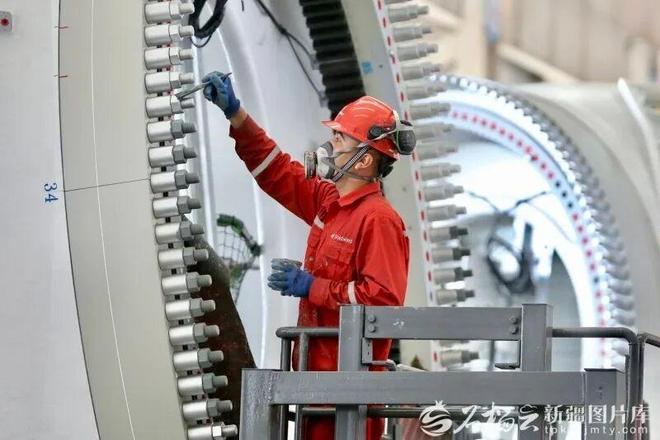
资本活水润边疆:新疆资本市场的发展成果与时代答卷
2 1 Shi Ji Jing Ji Bao Dao· 2025-09-19 07:31
Economic Transformation - Xinjiang's economy has undergone significant changes under national policy guidance, with the market capitalization of A-share listed companies reaching 809.31 billion yuan, a 4.05% increase since the beginning of the year [1] - The establishment of a multi-tiered capital market system has facilitated the transition from traditional industries to strategic emerging industries, showcasing the successful implementation of financial market reforms [1][2] Capital Market Development - The number of listed companies in Xinjiang has grown to 61 by September 2025, positioning it among the leaders in the northwest region [2] - The capital market has evolved from being dominated by agriculture, energy, and basic industries to encompassing various sectors, including technology and consumer goods [3][5] Industry Growth and Diversification - New energy and new materials have become significant components of Xinjiang's capital market, with companies like Goldwind Technology and Daqo New Energy leading the way [5][6] - The rise of technology and consumer sectors is evident, with companies such as Xiling Information and Lian Technology making notable contributions [5] Financial Support and Investment - Capital markets have played a crucial role in supporting traditional industries' transformation and the growth of emerging sectors, with companies like Zhongtai Chemical successfully utilizing capital market tools for industry upgrades [7] - The establishment of the Science and Technology Innovation Board has provided critical opportunities for technology companies, enhancing the overall economic landscape [9][10] Policy and Regulatory Environment - The China Securities Regulatory Commission has implemented supportive policies for western region enterprises, easing financing challenges through IPO green channels and registration system reforms [14] - The ongoing reforms in the capital market are expected to provide more diverse financing channels and efficient capital allocation for Xinjiang enterprises [10][14]