
产业转型

Search documents
绿色发展引领乡村生态文明建设
Xin Lang Cai Jing· 2026-01-28 22:02
Core Concept - The article emphasizes the importance of promoting rural ecological civilization by adhering to the philosophy of "lucid waters and lush mountains are invaluable assets," focusing on green development as the core driving force, and advancing from three dimensions: resource protection, industrial transformation, and ecological culture [1][5]. Group 1: Resource Protection and System Restoration - Natural resources are the material foundation for rural ecological civilization, necessitating a comprehensive resource protection and ecological restoration system to invigorate rural ecosystems [2]. - Strict adherence to ecological control red lines is essential, with a focus on land protection, implementing organic matter enhancement actions, and promoting fallow rotation systems to maintain agricultural productivity and ecological balance [2]. - The establishment of a rural ecological environment monitoring and evaluation system using IoT and remote sensing technologies is crucial for precise risk warnings and creating a protective network [2]. Group 2: Industrial Transformation and Green Economic Activation - The core driving force for rural development lies in industry, which must transition from a "resource-consuming" model to a "green and sustainable" one [3]. - Promoting deep integration of primary, secondary, and tertiary industries can foster new green business models, such as eco-tourism, which enhances local economies while preserving natural beauty [3]. - Leveraging e-commerce and digital technologies to create platforms for green agricultural products can facilitate direct sales from farms to consumers, enhancing market access for eco-friendly products [3]. Group 3: Cultivating Ecological Culture - Ecological culture is the soul of rural ecological civilization, requiring the integration of ecological concepts into all aspects of rural life and production [4]. - Strengthening the promotion of ecological civilization policies and green knowledge through grassroots organizations can help instill sustainable practices among villagers [4]. - Encouraging community participation in ecological cultural creation through various artistic forms can foster a strong sense of environmental stewardship among residents [4]. Group 4: Systematic Approach to Rural Ecological Civilization - Building rural ecological civilization is a systematic project that requires strategic consistency and a long-term commitment to green development [5]. - The goal is to ensure that rural areas possess both ecological beauty and economic value, ultimately contributing to comprehensive rural revitalization and agricultural modernization [6].
向日葵重组终止,13万股民踩雷
21世纪经济报道· 2026-01-28 13:09
Core Viewpoint - The planned industrial transformation of Sunflower (300111) has been abruptly halted due to a notice of investigation from the China Securities Regulatory Commission (CSRC), and the 40 million yuan acquisition deposit remains unpaid [1][3]. Group 1: Investigation and Termination of Restructuring - Sunflower received a notice of investigation from the Zhejiang CSRC and announced the termination of its restructuring plan due to non-compliance with the conditions for issuing shares to purchase assets [3]. - The company intended to acquire 100% of the shares of Zhangzhou Xipu Materials Technology Co., Ltd. to enter the high-end semiconductor materials sector, but this plan has now failed [3]. Group 2: Financial Implications and Investor Rights - Sunflower paid a 40 million yuan acquisition deposit to Shanghai Xipu in September 2025, and the company has requested a refund following the termination of the transaction [3]. - The stock price of Sunflower dropped significantly, with a 10% decline on the announcement day, followed by a 20% limit down the next day and a further drop of 17.94% on the third day, resulting in substantial losses for investors [8]. - Affected investors are encouraged to pursue legal action for compensation, with a specific claim period set for shares purchased between September 22, 2025, and December 25, 2025 [6][8].



2025年余杭GDP总量蝉联全省第一
Hang Zhou Ri Bao· 2026-01-28 02:33
Economic Performance - Yuhang District, recognized as "the first district of Zhejiang's economy," achieved a GDP of 356.803 billion yuan in 2025, maintaining the top position in the province [1] - From January to November 2025, the revenue of Yuhang's above-scale service industry reached 913.1 billion yuan, ranking first in the province [1] Industrial Development - Yuhang's industrial sector saw a 6.1% increase in above-scale industrial added value, driven by the implementation of advanced manufacturing cluster policies [1] - The added value of the digital economy manufacturing sector grew by 11.4%, high-tech manufacturing by 10.3%, and strategic emerging industries by 8.9% [1] Cultural Industry - In 2025, Yuhang's above-scale cultural enterprises generated over 67 billion yuan in revenue, leading the province [2] Innovation and Talent - Yuhang added 75,800 new market entities in 2025, surpassing a total of 330,000, ranking first in the city [3] - The total talent pool in Yuhang exceeded 500,000 in 2025, contributing to innovation and entrepreneurship [3] - Yuhang launched 126 technology achievement transformation projects in 2025, the highest in the province [3] Investment and Projects - Yuhang signed 410 key projects in 2025, with a total investment of 49.2 billion yuan, acting as a strong engine for investment demand [3] Consumer Market - Yuhang's social retail sales exceeded 112.1 billion yuan in 2025, with a growth rate of 6.4% [4] Foreign Trade - Yuhang established the Zhejiang Province Overseas Comprehensive Service Station to support local businesses in international markets [4] - The district organized collective exhibitions for enterprises, resulting in over 10 billion yuan in intended orders [4]
鹤壁资源型城市“老树发新芽”
Xin Lang Cai Jing· 2026-01-27 22:08
Core Viewpoint - The city of Hebi in Henan Province is undergoing a significant industrial transformation, focusing on three core industries: electronics and electrical appliances, functional new materials, and magnesium-based new materials, to build a modern industrial system and drive sustainable economic development [1] Group 1: Electronics and Electrical Appliances Industry - Hebi's electronics and electrical appliances industry is evolving from an existing industrial base, aiming to create a complete industrial chain from key components to smart terminal products [2] - Leading enterprises like Tianhai Group are enhancing their advantages in automotive electronics and deepening into areas such as new energy vehicle wiring harnesses and smart charging facilities, with the group's new energy business surpassing 60% [2] - The city has formed an automotive electronics and electrical appliances industry system covering eight categories and over 10,000 products, with the share of new energy products increasing from less than 15% in 2021 to 41% [2] Group 2: Functional New Materials Industry - The functional new materials industry is positioned as a strategic direction for fostering new growth points, focusing on high-performance resins, specialty rubbers, electronic chemicals, advanced ceramics, and bio-based materials [4] - Hebi's production capacity for certain products, such as special isocyanates, ranks first in the world, breaking foreign technology monopolies [4] - The city is promoting green development in new material research and production, with projects like high molecular weight polylactic acid that significantly reduce energy consumption and carbon emissions [5] Group 3: Magnesium-based New Materials Industry - Hebi has a unique advantage in developing magnesium-based new materials due to its rich magnesium ore resources, shifting from primary raw material production to high-value-added processing [6] - The city is focusing on developing magnesium alloys and deep-processing products for sectors like automotive lightweighting and aerospace [6] - The establishment of the China Aluminum (Hebi) magnesium-based new materials industrial test base is a key milestone in the transformation, aiming to create a complete industrial chain from magnesium smelting to high-end product manufacturing [6] Group 4: Overall Industrial Transformation - The transformation practices of the three key industries reflect Hebi's "3+3+N" leading industry system, with a focus on technological innovation and cluster development [7] - The city is advancing its industrial structure towards higher-end, smarter, and greener solutions, contributing to a more vibrant and competitive Hebi [7]
1台炉 1群人 1座城 铁水奔流往事
Xin Lang Cai Jing· 2026-01-27 18:56
(来源:沈阳晚报) 我是一台10吨冲天炉,站在中国(沈阳)工业博物馆的铸造馆展厅中。我的身躯庞大——高27米,相当 于9层楼;重300吨,如同一座小山。两个炉体像一对沉默的兄弟,曾经交替作业,日夜不息。如今,我 的炉膛空了,但记忆还在燃烧。 "大家请看,这就是馆内最珍贵的不可移动文物。"中国(沈阳)工业博物馆的讲解员每天带着参观者来 到我的面前。一个声音在偌大的展厅里回荡,"1957年建厂时,我就站在这里了。苏联专家设计了图 纸,中国工人一砖一铁把我建造起来。" 我的记忆里,铁水如岩浆般炽热,在炉膛里翻滚涌动,温度高达1538℃。那些铁水后来变成了什么?变 成了新中国第一台大型制氧机的铸件,变成了机床厂的核心部件,变成了汽车发动机的壳体,变成了石 化设备的承重框架…… 铁水奔流 51年的淬炼时光 1976年6月,沈阳的夏天来得特别早。 "国家任务!必须完成!"车间主任的声音压过了鼓风机的轰鸣。那是一次全国性的工业会战——沈阳鼓 风机厂和沈阳铸造厂联手,要造出中国第一台36902大型制氧机系列铸件。 我的两个炉体那段时间几乎没有休息。工人们实行轮班制,炉火昼夜不熄。司炉工师傅每天4点就来点 火,他用长长的铁钎捅 ...

百通能源(001376.SZ):拟通过图达铝业在安哥拉投资设立安哥拉百通开展电解铝相关业务
Ge Long Hui A P P· 2026-01-27 14:26
Core Viewpoint - Company plans to invest approximately $40 million through its wholly-owned subsidiary to establish a new aluminum company in Angola, aiming to enhance its strategic development and respond to market demands in the aluminum sector [1] Group 1: Investment Details - The investment will be made by Beijing Baitong Tuda Aluminum Technology Co., Ltd., a wholly-owned subsidiary of Baitong Energy [1] - The final investment amount is subject to approval, indicating a potential for adjustments based on regulatory requirements [1] - The new company, tentatively named Baitong Tuda (Angola) Aluminum Co., Ltd., will focus on electrolytic aluminum-related businesses [1] Group 2: Market Context - The investment aligns with the broader trends of manufacturing upgrades and industrial transformation, particularly in sectors like automotive lightweighting and high-end equipment manufacturing [1] - The international electrolytic aluminum market is undergoing structural changes, influenced by regional demand growth centers and industrial chain clusters driven by national policies [1] - Global electrolytic aluminum production capacity is increasingly affected by energy costs, resource availability, and trade policies, leading to regional adjustments in supply patterns [1] Group 3: Strategic Objectives - The company aims to establish a stable and efficient overseas supply chain to better meet market demands and enhance responsiveness [1] - By investing in Angola, the company seeks to leverage its financial, technical, and operational expertise to capitalize on strategic investment opportunities in the aluminum sector [1]
官宣!2025年GDP15强省名单落定,3大趋势关乎养老和理财!
Sou Hu Cai Jing· 2026-01-27 11:43
Core Insights - The 2025 GDP rankings reveal a stable yet evolving landscape among the top 15 provinces, indicating regional development trends and implications for investment strategies [1][3] Group 1: Key Rankings and Data - The top 15 provinces by GDP include Guangdong, Jiangsu, Shandong, and Zhejiang, with notable growth rates and nominal GDP figures [4][5] - Guangdong and Jiangsu both exceed 13 trillion in GDP, collectively accounting for over 20% of the national economy, while Shandong and Zhejiang show significant growth rates of 4.87% and 5.04% respectively [6][8] Group 2: Emerging Trends - The traditional dominance of coastal provinces is shifting, with inland provinces like Hubei and Jiangxi showing strong growth driven by technology and innovation [8][9] - Shandong stands out as the only northern province in the top three, demonstrating resilience through industrial transformation and innovation in sectors like offshore wind and biomedicine [9] Group 3: Practical Insights for Investment - High GDP does not equate to safe investment opportunities; provinces with high growth rates may still carry significant risks due to reliance on single industries [11] - Investment strategies should focus on stable industries such as Hubei's optoelectronics and Zhejiang's digital economy, while avoiding high-risk, unsupported high-yield products [11] - For retirement planning, second-tier cities in economically strong provinces offer a balance of quality resources and lower living costs compared to first-tier cities [11]

从“挖煤”到“种果” 云南华坪芒果如何种出10亿元大产业?
Zhong Guo Xin Wen Wang· 2026-01-27 08:04
Core Insights - The mango industry in Huaping County has transformed from a struggling sector to a thriving industry with an annual output value exceeding 1 billion yuan, showcasing a successful green transition from coal mining to agriculture [1][3]. Group 1: Industry Development - Huaping County, once reliant on coal mining, has shifted to mango cultivation, leveraging its favorable climate conditions for mango growth, such as an average annual temperature of 19.8 degrees Celsius and significant sunlight [3]. - The establishment of the Lijiang Huaping Golden Mango Ecological Development Company in 2009 marked the beginning of this transformation, focusing on diverse mango varieties and modern agricultural practices [3]. - The company has collaborated with the Chinese Academy of Tropical Agricultural Sciences to create the largest mango variety garden in the country, cultivating 312 domestic and international varieties [3]. Group 2: Sustainable Practices - The mango cultivation process has adopted green organic standards, with a 5,000-acre demonstration base certified for organic and green food production [3]. - The processing sector has innovated by developing products such as mango puree and frozen fruit chunks, effectively utilizing previously discarded fruits [3]. Group 3: Market Expansion - The company has partnered with major e-commerce platforms like Alibaba and Baiguoyuan, utilizing live-streaming sales to reach consumers nationwide and exporting products to countries like Russia and Singapore [3]. - By 2025, the mango planting area in Huaping County is projected to reach 459,000 acres, with an expected production of 460,000 tons [3]. Group 4: Strategic Insights - The transition from coal to mango cultivation serves as a model for other resource-dependent regions, emphasizing the importance of local resource advantages and scientific planning to avoid homogenization [4]. - The focus on building a technological foundation, extending the industrial chain, and strengthening regional branding is crucial for upgrading from merely selling products to enhancing the overall lifestyle [4][5].
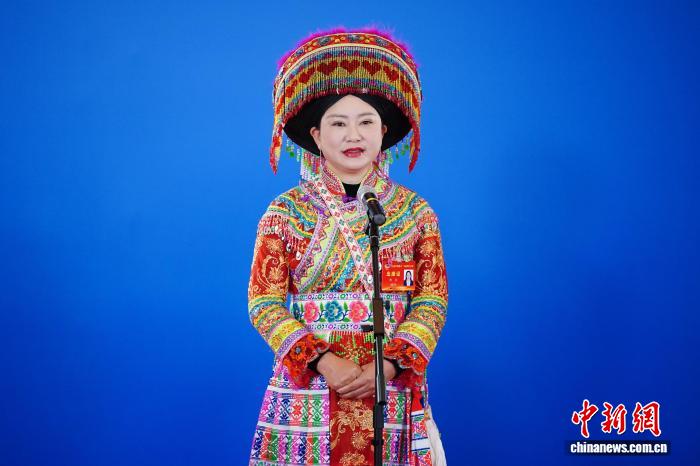
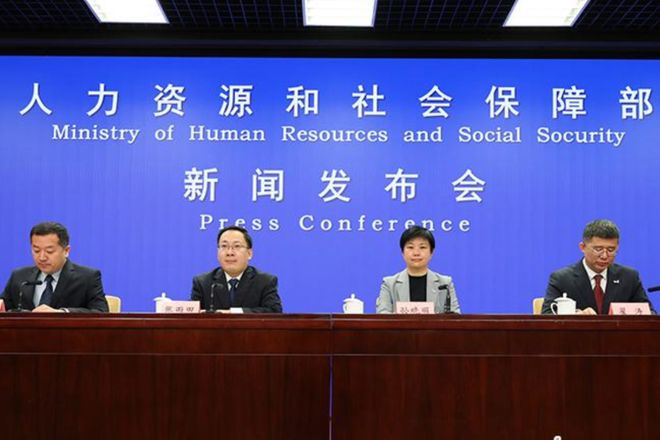
人社部透露将出台应对人工智能影响促就业文件,有何深意?
Nan Fang Du Shi Bao· 2026-01-27 07:16
王晓萍在署名文章中指出,要健全统计监测体系,加强重点地区、重点行业、重点企业、重点群体就业 失业监测。完善规模性失业风险防范化解机制,强化政策储备和应急处置。统筹用好各类资金基金,提 升促就业防失业质效。 南都记者关注到,2026年1月21日,在国新办举行的发布会上,工信部副部长张云明也谈到了AI引发的 就业担忧问题。张云明表示,技术进步往往会伴随就业结构的重构、就业岗位的迭代;但重构不等于消 失,迭代不等于替代,要用发展的眼光来看待发展中的问题。 他认为,历次重大技术变革都引发过对就业的担忧,但最终都通过产业转型实现了生产力的提升、就业 结构的优化和就业岗位的新增。面对这一挑战,应坚持应用牵引,充分发挥人工智能融合赋能作用,在 推动组织模式、工作方式、生产范式重构的同时,不断提升劳动者的人工智能素养,培养更多既懂人工 智能又懂制造业的复合型人才。 另据世界经济论坛《2025年未来就业报告》预测,2025年至2030年期间,因劳动力市场结构转型而带来 的就业创造与就业淘汰总量将达到当前总就业岗位的22%;其中被替代的工作岗位数量将达9200万个, 但也预计创造1.7亿个新岗位,最终实现约7800万个的净就业增 ...
地方两会丨河南省政协委员连建伟:粮油产业存在“产加销”脱节 需构建全链条服务体系
Zhong Guo Jing Ying Bao· 2026-01-27 05:23
Core Viewpoint - The oilseed industry is crucial for ensuring national edible oil supply security and is a key driver for rural revitalization and the construction of strong agricultural provinces [1][2]. Group 1: Industry Development - Henan province is a major producer of oilseed crops, with significant advantages in resources such as peanuts and sesame, leading the nation in planting area and yield [2]. - The development of Henan's grain and oil industry is positive, with steady increases in the yield of major oilseed crops and the expansion of processing enterprises [2]. - The oilseed industry in Henan is transitioning from a focus on quantity to quality and industrial advantages, but faces challenges such as lagging seed breeding, insufficient industry chain integration, weak brand influence, and limitations on the development of small and medium-sized enterprises [2][5]. Group 2: Recommendations for Improvement - A focus on seed breeding is essential to strengthen the industry's foundation and ensure food security. This includes establishing a collaborative breeding system involving government, industry, academia, and research [3]. - The establishment of a provincial oilseed breeding special fund is recommended to support the research and development of high-quality varieties, encouraging collaboration between research institutions and leading enterprises [3]. - The promotion of good seed varieties and the construction of demonstration bases are suggested, utilizing a model that connects leading enterprises, cooperatives, and farmers to ensure profitability for farmers [3]. Group 3: Value Chain Integration - The creation of modern oilseed industrial parks is proposed, which would integrate planting, deep processing, storage logistics, and tourism, enhancing the entire industry chain and cluster effects [4]. - The integration of agriculture, culture, and tourism is encouraged, with the development of unique landscapes and events to boost rural tourism and increase income [4]. - A comprehensive service system for the entire value chain is necessary to address challenges such as financing difficulties for small and medium-sized enterprises and the lack of coordination among production, processing, and sales [5][6]. Group 4: Financial and Policy Support - The establishment of a special fund for high-quality development in the grain and oil industry is recommended to support promising small and medium-sized enterprises facing financial difficulties [6]. - The government should implement detailed policies to support the green food industry, ensuring that tax reductions and other benefits reach enterprises effectively [6]. - Encouragement for financial institutions to develop supply chain financial products tailored for grain and oil enterprises is suggested to enhance liquidity and asset utilization [6].