
全球气候治理

Search documents
中拉绿色合作为全球气候治理作贡献
Jing Ji Ri Bao· 2025-11-17 22:20
Group 1 - The COP30 conference is being held in Belem, Brazil, highlighting the collaboration between China and Latin American countries in green infrastructure and low-carbon projects [1] - China is focusing on green energy as a key area of cooperation with Latin America, with significant projects like the Sylvania converter station and the opening of the smart green port in Peru [1][2] - The Sylvania converter station, funded by China National Grid, will provide stable electricity to approximately 12 million people in Brazil [1] - The smart green port in Peru, which operates on green electricity and achieves zero carbon emissions, is a historic milestone for the country [1] Group 2 - China and Latin America have strengthened cooperation in renewable energy sectors such as hydropower, wind power, and solar energy, with numerous projects emerging across the region [2] - The Huachari solar power plant in Argentina is noted for being the largest and highest altitude solar project in South America [2] - The San Gaban hydropower station in Peru has alleviated electricity shortages for millions [2] - The New Tanki wind power project in Brazil is expected to reduce CO2 emissions by 650,000 tons annually, equivalent to reforesting 1,800 hectares [2] - Chinese electric vehicles are significantly contributing to the reduction of emissions in the transportation sector in Latin America [2] Group 3 - Chinese electric buses are being integrated into public transport systems in Latin America, such as the 60 trolleybuses launched in Quito, Ecuador [3] - China has committed to sharing its experience in land restoration and deforestation prevention with Latin American countries [3] - The collaboration between China and Brazil aims to restore degraded soils and protect the Amazon rainforest, addressing the balance between economic development and ecological preservation [3] Group 4 - The cooperation between global southern countries demonstrates that through unity and technological empowerment, sustainable development can be achieved [4]
李高:技术创新驱动产业实践,因地制宜发展绿色新质生产力
2 1 Shi Ji Jing Ji Bao Dao· 2025-11-17 10:20
Core Viewpoint - The global climate governance is at a critical stage, and China emphasizes the importance of technological innovation in driving industrial practices for green and low-carbon development, which is essential for addressing climate challenges and promoting global climate governance [1][3]. Group 1: Technological Innovation and Investment - China is focusing on low-carbon technology innovation in key areas such as renewable energy, industrial decarbonization, new energy storage, and transportation, increasing R&D investment to accelerate the transition of cutting-edge technologies from laboratories to industrial applications [3][4]. - The country aims to achieve a total installed capacity of renewable energy generation of 2.16 billion kilowatts by June 2025, accounting for over 40% of the global total, with wind and solar power capacity exceeding the 2030 national contribution target ahead of schedule [4]. Group 2: Industry Practices and Achievements - Currently, one-third of electricity consumed in China comes from clean energy sources, and the country has maintained the world's largest production and sales of new energy vehicles for ten consecutive years [4]. - China provides over 80% of the world's photovoltaic components and 70% of wind power equipment, contributing to a significant reduction in the average cost of wind and solar power generation over the past decade, with costs decreasing by over 60% and 80%, respectively [4]. Group 3: Collaborative Efforts and Future Goals - The establishment of over 6,000 national-level green factories by the end of 2024, which account for approximately 20% of the total output value of the manufacturing industry, is part of China's strategy to lead industry transformation through green factories and supply chain construction [4]. - China expresses its willingness to share low-carbon technology achievements and practical experiences with other countries, aiming to contribute to building a clean and beautiful world and achieving global sustainable development [4].
骆浩君:“应当珍惜全球气候治理的成果”
中国能源报· 2025-11-17 06:03
Core Viewpoint - The Paris Agreement has significantly advanced global green transformation over the past decade, leading to a slowdown in temperature rise and an expansion of national emission reduction commitments [3][5]. Group 1: Achievements of the Paris Agreement - Ten years ago, global temperature rise was projected between 3.4 to 3.7 degrees Celsius; currently, it is on a path of 2.3 to 2.5 degrees Celsius [5]. - The Paris Agreement has facilitated unprecedented global collaborative actions, with many countries submitting higher quality Nationally Determined Contributions (NDCs) and supporting developing nations [5]. - If the 2030 targets are met, global warming could be limited to below 2.1 degrees Celsius, marking a substantial achievement in climate governance [5]. Group 2: Importance of EU-China Cooperation - EU-China cooperation is seen as a crucial force in advancing global climate governance, with carbon markets being a key area of collaboration [6][7]. - The EU and China are working together to create a more attractive open alliance for carbon markets, aiming to involve more countries in carbon market development [7]. - Beyond carbon markets, climate adaptation and risk financing are emerging as new growth areas for EU-China cooperation, focusing on funding support for vulnerable regions and innovative solutions for urban disaster prevention [7]. Group 3: Future Outlook - The international community is urged to maintain rationality and confidence in climate cooperation, recognizing the overall positive trend despite the slow pace of progress [6][7]. - The achievements of global climate governance demonstrate that international cooperation remains possible and effective [7].

推动全球气候治理行稳致远
中国能源报· 2025-11-17 02:47
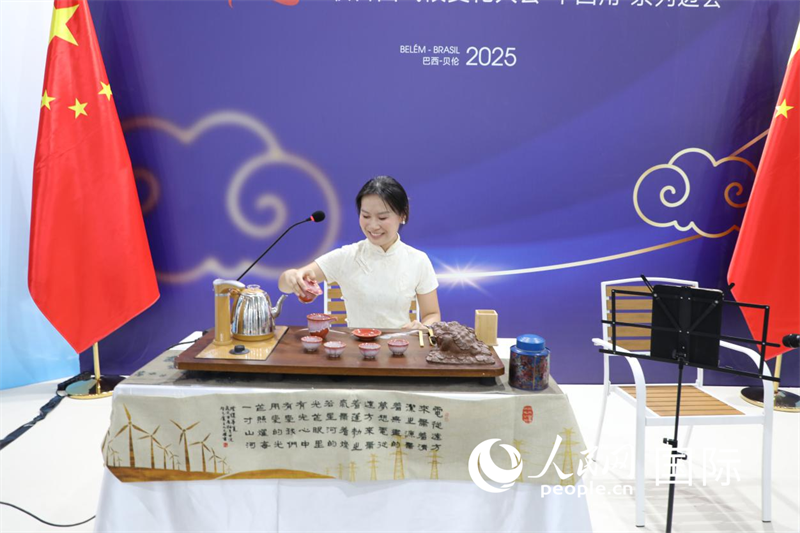
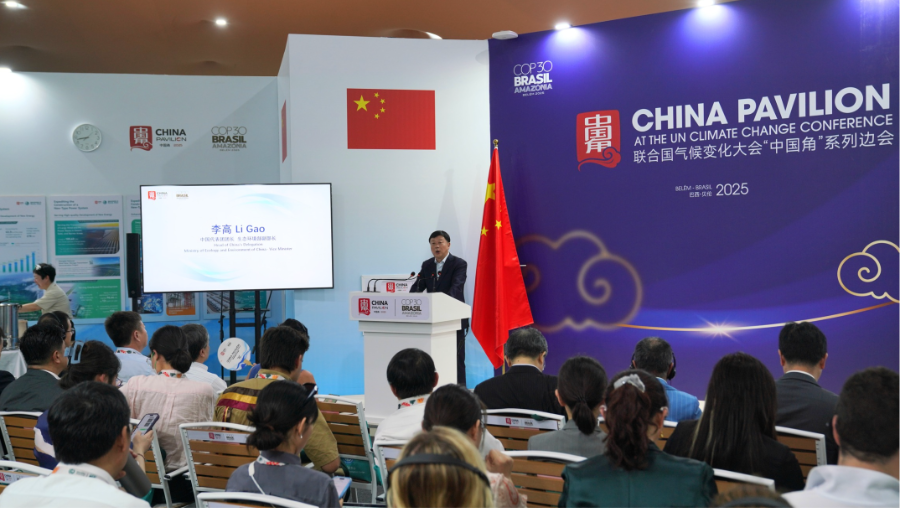
Core Viewpoint - The COP30 conference in Brazil marks a historic turning point in global climate governance, shifting from consensus-seeking to active action, with China emerging as a key player in the green transition [1][2]. Group 1: China's Role in Global Climate Governance - Over the past decade, China has reshaped its global image through substantial actions, becoming a source of clean technology, with wind power equipment exports increasing by over 70% and solar module prices dropping by 90% over the last ten years [2]. - China is not only an "exporting country" but also a "development partner," investing in manufacturing bases in countries like Vietnam, Brazil, and Morocco, promoting localized green industry chains [2]. - China's advancements in photovoltaic, energy storage, and electric vehicle sectors are reshaping the global energy economy, providing a scalable green industrialization model for developing countries [2]. Group 2: China's Contribution to Climate Governance - The theme of China's participation at COP30, "Ecological Civilization and Beautiful China Practice," reflects its narrative and contribution to global climate governance [3]. - China emphasizes the importance of multilateralism and cooperation in addressing climate change, positioning itself as a facilitator rather than a follower in the global climate governance landscape [4].

COP30“中国角”主题边会关注构建新型电力系统
人民网-国际频道 原创稿· 2025-11-15 08:03
Core Viewpoint - The event hosted by the State Grid Corporation of China at COP30 showcased China's efforts in addressing climate change and promoting a green, low-carbon lifestyle through its power industry [1][6]. Group 1: China's Role in Global Climate Governance - China is recognized as an active participant and significant contributor to global climate governance, providing high-quality, low-cost clean energy technologies that reduce the costs of global green transformation [3][4]. - The country has achieved an average energy consumption growth rate of 3.4%, supporting over 6% economic growth, making it one of the fastest countries in reducing energy intensity [4]. Group 2: Renewable Energy and Infrastructure Development - The International Renewable Energy Agency (IRENA) Director-General highlighted that China has built the world's largest renewable energy system and continues to invest in energy infrastructure, enhancing the digitalization and intelligence of energy systems [6]. - The State Grid Corporation aims to empower better living and promote an energy revolution, collaborating with international counterparts to build a clean, low-carbon, safe, and efficient energy system [8]. Group 3: Initiatives and Reports - The event saw the launch of the "Global Time-of-Use Carbon Factor Brazil Initiative," calling for international organizations and enterprises to engage in the measurement and application of carbon factors [12]. - Several reports were released, including the "State Grid Corporation's Service for New Energy Development Report" and the "State Grid Corporation's Carbon Business System Construction Case Collection," among others, showcasing the company's commitment to sustainability and social responsibility [12]. Group 4: Cultural Engagement - A cultural experience activity themed "Electricity Lights the World, Music Moves the Heart" was held prior to the event, highlighting the State Grid Corporation's social responsibility in promoting public welfare projects and environmental protection in Brazil [13].

中国积极践行多边主义、推动气候变化南南合作—— 为全球气候治理注入更多稳定性和确定性
Ren Min Ri Bao· 2025-11-14 22:31
Core Viewpoint - The news highlights China's significant contributions to global climate change efforts, showcasing its advancements in green technology and commitment to multilateral cooperation in addressing climate challenges [1][6]. Group 1: China's Climate Initiatives - China has submitted its 2035 Nationally Determined Contribution (NDC) targets, which include absolute reduction goals for greenhouse gas emissions across all economic sectors, marking a historic expansion [2][3]. - The country aims to achieve over six times the installed capacity of wind and solar power by 2035 compared to 2020 levels, targeting 3.6 billion kilowatts [2]. - China's carbon market is steadily developing, encompassing both mandatory and voluntary markets, providing valuable lessons for other nations [3]. Group 2: International Cooperation and Support - China is actively providing support to developing countries through initiatives like the "Clean Stove" flagship project, which aims to reduce carbon emissions and pollution from cooking [4][5]. - The country has signed agreements to assist nations like Antigua and Barbuda with photovoltaic materials, promoting access to low-cost electricity for low-income households [5]. - China's collaboration with countries such as Brazil and Malawi emphasizes its role as a reliable partner in climate-resilient infrastructure development [7]. Group 3: Multilateralism and Global Leadership - The concept of multilateralism is a recurring theme at COP30, with representatives acknowledging China's leadership in fostering international cooperation on climate issues [6][7]. - China's commitment to multilateralism is seen as crucial for addressing global challenges, with its actions contributing positively to the climate governance process [6][7]. - The collaborative efforts between China and other nations reflect a shared goal of achieving climate-related objectives through unity and cooperation [6].
《中国能源转型展望2025》发布 我国迈入更系统全面的低碳韧性发展新征程
Xin Hua Cai Jing· 2025-11-14 08:07
王善成介绍了国务院新闻办公室近日发布的《碳达峰碳中和的中国行动》白皮书,提出中国立足基本国 情和发展阶段,在保障能源安全的前提下,大力实施可再生能源替代,推进新型能源体系和新型电力系 统建设,更大力度节能和提高能效,走出了一条符合中国国情、顺应全球发展大势、适应时代要求的能 源转型之路。他表示,中国将以更加积极的姿态参与和引领全球气候治理进程,加强与国际社会的合作 与交流,共同应对气候变化挑战。 李创军发布了《中国绿证发展报告》,报告诠释了中国绿证的历史沿革,围绕建成完善的制度体系、核 发质效显著提升、市场活力持续增强、应用需求不断释放、国际互认积极推进、系统支撑保障有力等六 个方面,全面介绍了中国绿证的核发、交易、应用、国际互认和系统建设等方面取得的成效,并展望了 未来绿证的发展前景。 熊敏峰指出,中国能源转型正在为全球绿色低碳发展注入强大动力。面对气候变化和能源转型等全球性 议题,任何国家都难以独善其身,各国需携手努力,共同维护全球能源产业链供应链畅通,维护能源安 全和市场稳定,加快推动能源发展与转型。 新华财经北京11月14日电(记者余蕊)记者从中国宏观经济研究院能源研究所了解到,巴西贝伦当地时 间11 ...
COP30“中国角”边会关注应对气候变化和促进绿色低碳转型国际合作
人民网-国际频道 原创稿· 2025-11-14 03:39
Group 1 - The event "International Cooperation on Climate Change and Promoting Green Low-Carbon Transition" was held during COP30, focusing on global climate change, green economic cooperation, and international collaboration for low-carbon transition [1] - China's Special Envoy for Climate Change Liu Zhenmin emphasized the importance of building a fair, efficient, and inclusive environment for green technology innovation and industrial cooperation [1] - The event featured discussions among experts from various countries, highlighting the need for collaboration in addressing climate challenges [1] Group 2 - The session on "Deepening Green Economic Cooperation to Accelerate Global Climate Goals" highlighted significant advancements in low-carbon technologies like solar and wind energy, with China playing a crucial role in research and large-scale application [2] - Recommendations were made for China and Europe to adopt rational perspectives on supply chain stability and employment concerns, advocating for dialogue over division [2] - Calls were made to reduce trade barriers in green technology and enhance supply chain resilience to promote global low-carbon transition [2] Group 3 - The discussion on "Exploring Paths and Experiences in Green Low-Carbon Transition Cooperation" emphasized the importance of local integration and shared pathways in successful project implementation [3] - The Three Gorges International Energy Investment Group's practices in Brazil showcased the integration of Chinese technology with local needs, creating jobs and protecting biodiversity [3] - Various Chinese representatives shared successful experiences in promoting green development through diverse and systematic approaches [3] Group 4 - The session on "Supporting Global South Countries in Transitioning to Enhance Inclusivity and Fairness" focused on providing favorable financing and technical assistance to ensure equitable benefits from green transitions for developing countries [3]
中国COP30亮出绿色“成绩单”,能耗强度累计降幅超26%
2 1 Shi Ji Jing Ji Bao Dao· 2025-11-13 13:02
Core Points - China emphasizes its commitment to global climate governance, achieving an average energy consumption growth of 3.4% since 2012 while supporting an average economic growth of 6.1%, with a cumulative reduction of energy intensity exceeding 26% [1] - The country has established the world's largest and most comprehensive waste recycling system, with a resource recycling industry scale reaching 4.5 trillion yuan, ranking first globally [2] - China has developed the largest carbon trading market globally, covering over 60% of national carbon emissions, and has launched a voluntary greenhouse gas reduction trading market in 2024 [2] - During the 14th Five-Year Plan period, China assisted other countries in reducing emissions by approximately 4.1 billion tons and signed 54 climate cooperation memorandums with 42 developing countries [3] Summary by Sections Economic Growth and Energy Consumption - China has maintained a 3.4% annual growth in energy consumption while achieving a 6.1% economic growth rate since 2012, with a significant reduction in energy intensity [1] Waste Recycling and Circular Economy - The country has built the largest waste recycling system globally, with a resource recycling industry valued at 4.5 trillion yuan, demonstrating significant progress in circular economy initiatives [2] Carbon Emission Trading - China has established the largest carbon emission trading market, covering key industries such as electricity, steel, and cement, and has initiated a voluntary greenhouse gas reduction trading market [2] International Cooperation on Climate Change - China has played a significant role in assisting other nations with emission reductions and has engaged in numerous capacity-building projects, reflecting its commitment to global climate cooperation [3]
随笔|COP30吉祥物库鲁皮拉的愿景:守护我们共同的地球
Xin Hua She· 2025-11-12 13:35
Group 1 - The COP30 conference is being held in Belem, Brazil, located in the Amazon rainforest, with the mascot Curupira symbolizing the protection of the environment [1] - Curupira, a figure from Brazilian folklore, represents the guardian of the forest, misleading hunters and punishing those who exploit natural resources [1] - Brazilian President Lula emphasized the importance of hosting the climate conference in the Amazon region, highlighting its significance in climate discussions [1] Group 2 - The Amazon rainforest spans approximately 5.5 million square kilometers, covering parts of eight South American countries and accounting for half of the world's rainforest area [2] - Deforestation in the Brazilian Amazon has been severe, with 86% of the deforested area from 1985 to 2020 converted to pasture, and 2020 marking the highest deforestation rate since 2008 [2] - Brazil has actively participated in international environmental protection since the 1992 UN Conference on Environment and Development, implementing various measures to protect the Amazon [2] Group 3 - Brazil's priorities for the climate conference include strengthening multilateralism, linking climate mechanisms to real-life economic activities, and accelerating the implementation of the Paris Agreement [3] - Lula called for actionable commitments from developed countries, urging them to address their historical environmental debts and establish a governance mechanism for enforcing climate commitments [3] - Brazil aims to reduce greenhouse gas emissions by 59% to 67% by 2035 compared to 2005 levels, through economic measures and energy transition [3] Group 4 - The protection of the ecological environment is a global challenge and responsibility, aligning with the vision of Curupira for a harmonious coexistence between humanity and nature [4]