创新药商业化

Search documents
四环医药(00460.HK):再生新品落地 医美边界不止
Ge Long Hui· 2025-07-24 10:56
Core Viewpoint - Four Seasons Pharmaceutical has launched three self-developed aesthetic products, becoming the only compliant dual regeneration injection holder in China [1] Group 1: Product Launch and Innovation - The newly launched products include: 1) PLLA Youthful Injection, which is divided into two variants based on microsphere particle size: Sifuyan (larger particles for deep injection) and Huiyan Zhen (finer particles for dermal applications) [1] - 2) PCL Tinging, which features uniform particle size and high dispersion to avoid local irritation, enhancing support and viscoelasticity during injection [1] - The company is transitioning from single products to comprehensive aesthetic treatment solutions, addressing the evolving consumer demand for more complete aesthetic plans [1] Group 2: Market Position and Strategy - The core barriers for aesthetic enterprises lie in high-quality pipelines (underlying R&D capabilities) and B2B2C channel management (commercialization capabilities) [2] - Four Seasons Pharmaceutical has built a product matrix of over 60 products through self-research and business development, with its core product, Letibao Botulinum Toxin, covering over 6,200 aesthetic institutions across more than 370 cities in China [2] - The launch of the three regeneration products significantly strengthens the company's pipeline synergy, with expectations for performance growth through collaboration with existing products and mature channel systems [2] Group 3: Financial Performance and Forecast - The company is expected to achieve revenues of 2.32 billion, 3.44 billion, and 4.73 billion yuan in 2025-2027, with growth rates of 22%, 48%, and 37% respectively [2] - The net profit attributable to the parent company is projected to be 60 million, 530 million, and 780 million yuan for the same period, with a corresponding PE of 22 times for 2026 [2] - The adjustment in revenue forecasts reflects the strengthening of pipeline synergy and performance realization from the new aesthetic products [2]
维昇药业-B(02561)携手安科生物 加速长效生长激素中国商业化进程
智通财经网· 2025-07-15 02:24
Core Viewpoint - The strategic cooperation between Weisheng Pharmaceutical and Anke Bio aims to promote the long-acting growth hormone product, Longpei Growth Hormone, in the Chinese market, leveraging Anke's extensive experience and sales network in the biopharmaceutical sector [1][2]. Group 1: Partnership Details - Weisheng Pharmaceutical has signed a strategic cooperation framework agreement with Anke Bio, granting Anke exclusive promotion rights for Longpei Growth Hormone in specific regions of China [1]. - The collaboration will focus on the commercialization of Longpei Growth Hormone and explore broader cooperation on other target products, including localized production and marketing [1]. - Anke Bio has over 30 years of experience in biopharmaceuticals and a well-established sales network, which will facilitate Weisheng's market entry [1]. Group 2: Product Information - Longpei Growth Hormone is a new long-acting growth hormone designed to treat pediatric growth hormone deficiency (PGHD) and is expected to provide new treatment options for affected children [1]. - The product has already been approved for sale in the United States and Europe, with expectations for approval in China by 2025 and plans for localized commercial production by 2028 [1]. Group 3: Strategic Importance - Anke Bio's chairman highlighted that the collaboration will enhance their commercial layout in the pediatric growth field and redefine the growth hormone market [2]. - Weisheng's CEO emphasized the synergy between their innovative research and Anke's established sales channels, aiming to accelerate the product's market introduction and benefit a wide patient population [2].

平安证券:BD、商业化、政策三大驱动下创新药长期向好
Zhi Tong Cai Jing· 2025-07-08 02:25
Core Viewpoint - The rise of innovative drugs in China is reshaping the global pharmaceutical landscape, driven by lower costs and higher efficiency, leading to significant commercial breakthroughs and increased foreign interest in Chinese innovative assets [1] Group 1: Innovative Drug Business Development (BD) - In 2024, over 100 external authorization transactions occurred in China's biopharmaceutical sector, with a total disclosed transaction value of approximately $52.3 billion (+25%), marking a historical high [2] - By June 12, 2025, the cumulative BD transaction value reached $50.1 billion (+135%), with 3SBio authorizing its PD-1/VEGF dual antibody SSGJ-707 to Pfizer for a total of $6.05 billion [2] Group 2: Commercialization Breakthroughs - A selection of 56 A-share Sci-Tech Innovation Board and 53 Hong Kong 18A innovative drug companies showed an increasing trend in profitability, with 58.9% and 73.6% respectively reporting "profit increase," "turning losses into profits," or "maintaining or reducing losses" in 2024, compared to 44.6% and 69.8% in 2023 [3] Group 3: Supportive Policies - The innovative drug sector was included in the government work report for the first time in 2024, with the State Council approving the "Implementation Plan for Full-Chain Support of Innovative Drug Development" on July 5, 2024, and the Shanghai Municipal Government releasing supportive opinions for the biopharmaceutical industry on July 30, 2024 [4] Group 4: CXO and Upstream Developments - The industry environment shows stable funding for innovation, with multinational corporations (MNCs) increasing R&D investments and maintaining steady medical financing, while BD transactions facilitate capital turnover for domestic pharmaceutical companies [5] - Emerging fields like peptides and ADCs are becoming R&D hotspots, with external CXOs achieving growth above the industry average, while internal CXOs are stabilizing, suggesting a focus on leading companies with strong capabilities and market share [5] Group 5: Medical Devices - Since 2025, numerous equipment upgrade projects have entered the bidding phase, driving recovery growth in the overall equipment industry, with expectations for continued high demand in 2025 as inventory levels are gradually digested [6]
市场沸腾了!“王炸”政策出台,重磅解读来了
Zhong Guo Ji Jin Bao· 2025-07-02 13:33
Core Insights - The newly introduced policy for innovative drugs aims to provide comprehensive support across the entire value chain, facilitating China's transition from a "generic drug powerhouse" to an "innovative drug stronghold" [1][2] - The policy emphasizes the importance of clinical value in drug development and aims to broaden payment channels for innovative drugs, enhancing accessibility for patients [1][3] Group 1: Policy Measures - The policy includes groundbreaking measures for utilizing medical insurance data in innovative drug development, ensuring data security while exploring necessary services for R&D [2] - It encourages the participation of commercial health insurance funds in innovative drug investments, providing stable funding support for early-stage projects [2][3] Group 2: Market Dynamics - The introduction of a "commercial health insurance innovative drug catalog" establishes a tiered protection mechanism, promoting the global market development of innovative drugs [4] - The policy allows for simultaneous application for inclusion in both the medical insurance catalog and the commercial health insurance catalog, streamlining the process for companies [4][5] Group 3: Clinical Application and Efficiency - The policy optimizes the drug listing process, facilitating faster entry of innovative drugs into designated medical institutions and addressing the "last mile" issue in clinical application [5] - It is expected to significantly shorten the time from drug approval to market availability, enhancing commercial conversion efficiency [5] Group 4: Future Outlook - The innovative drug sector is anticipated to be a high-certainty direction in the second half of the year, driven by favorable external conditions and policy support [6] - The industry is transitioning to a 2.0 era of gradual innovation, with increasing international competitiveness and a shift from imitation to innovation output [6]

创新药的资本新盛宴:盈利曙光乍现
Bei Jing Shang Bao· 2025-06-16 13:36
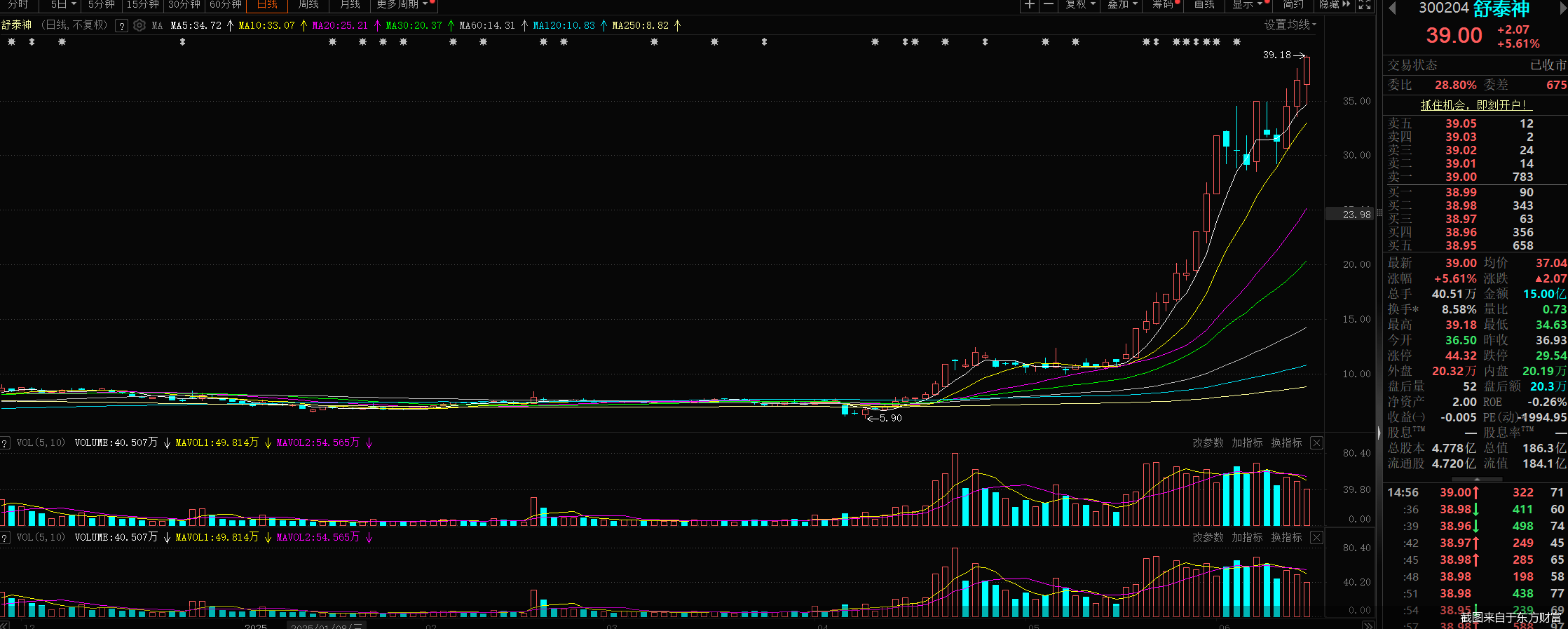
Core Viewpoint - The Chinese innovative pharmaceutical industry is experiencing a significant breakthrough, marked by a surge in new drug approvals and business development (BD) transactions, leading to a re-evaluation of the sector's market value and a shift in investor expectations towards stable dividends [1][3][11]. Group 1: Market Dynamics - The innovative drug sector in China has seen a strong rise in the secondary market, with the A-share and Hong Kong stock markets' innovative drug indices increasing by 32.79% and over 70% respectively from April 8 to June 16 [3][4]. - Notable individual stocks, such as Shuyou Pharmaceutical and Changshan Pharmaceutical, have seen their prices double, with Shuyou's stock price increasing by over 500% since April 8 [3][6]. - The core drivers of this market rally include active BD transactions and the commercialization of innovative drugs, as investor sentiment shifts from pessimism to optimism regarding domestic medical demand [3][4]. Group 2: Regulatory and Policy Support - The National Medical Products Administration (NMPA) has been actively optimizing the clinical trial review and approval process for innovative drugs, aiming to enhance the efficiency of drug development and reduce time to market [1][10]. - Recent policy changes are expected to further support innovative drug research and development, with a focus on clinical value [10][11]. Group 3: Business Development Trends - Chinese innovative pharmaceutical companies are increasingly engaging in BD transactions, with a record-breaking upfront payment of $12.5 billion from Pfizer to 3SBio for an ADC pipeline, highlighting the growing interest from international firms [7][8]. - The first quarter of 2025 saw a significant increase in License-out transactions, with 41 deals totaling $369.29 billion, indicating a shift in funding strategies for innovative drug companies [8][9]. - The trend of License-out has become a primary funding source for unprofitable innovative drug companies, allowing them to monetize their pipelines amid a challenging financing environment [8][9]. Group 4: Commercialization and Profitability - The commercialization of innovative drugs is gaining momentum, with 20 new class 1 innovative drugs approved in the first five months of the year, setting a record for the past five years [10][11]. - Leading innovative pharmaceutical companies are reaching breakeven points, with companies like BeiGene expected to achieve positive operating profits by 2025, marking a significant milestone for the industry [11][12]. - As companies begin to realize profits, their negotiating power in BD transactions is increasing, allowing them to retain more favorable terms in agreements with international partners [12][13]. Group 5: Competitive Landscape - The competition in the innovative drug sector is intensifying, particularly in the ADC and bispecific antibody platforms, with over 100 companies entering the PD-1/PD-L1 space, leading to a crowded market [13][14]. - Companies are focusing on developing First-in-Class pipelines to differentiate themselves and avoid the pitfalls of homogenous competition [13][14]. - The need for innovative drug companies to enhance their clinical and commercialization capabilities is critical for competing on a global scale and reducing reliance on international partners [14][15].

港股创新药ETF年初至今涨幅已超60% 从估值洼地到交易热土:创新药板块行情还能走多远?
Mei Ri Jing Ji Xin Wen· 2025-06-10 15:04
Group 1 - The innovative drug sector has emerged as a significant "dark horse" in the growth track since 2025, with the Hong Kong innovative drug ETF (513120) showing a year-to-date increase of over 60% as of June 10, reflecting strong market interest in the sector [1] - The recent surge in the innovative drug market is attributed to a combination of clinical breakthroughs, major business development deals, and favorable policies, with a notable example being the $12.5 billion collaboration between 3SBio and Pfizer [2][3] - The global competitiveness of domestic innovative drugs is on the rise, with China expected to account for 40% of clinical trials in the oncology field by 2024, up from 5-10% a decade ago, indicating a significant shift in the market landscape [3] Group 2 - Recent policy support includes the issuance of a commercial health insurance directory for innovative drugs, aimed at enhancing multi-tiered medication security for the public [4][5] - The new policy is expected to address key pain points in the innovative drug sector by promoting the distribution of high-quality medical resources to grassroots levels and establishing a multi-tiered payment system combining basic medical insurance and commercial insurance [5] - The commercial health insurance directory is seen as a more operationally feasible innovation compared to the anticipated "Class C" insurance directory, providing a buffer for new drugs to validate their clinical efficacy and value in real-world settings [6]
中国创新药“从此站起来了”
3 6 Ke· 2025-06-10 10:26
Core Viewpoint - The Chinese innovative drug sector is experiencing a resurgence, driven by recent approvals of new drugs, increased market activity, and favorable policy changes, indicating a new growth cycle for the industry [1][2][16]. Group 1: Market Activity - On May 29, the National Medical Products Administration approved 11 innovative drugs, with 10 from listed companies, leading to a surge in stock prices and significant market interest [1]. - Following the approvals, 53 stocks hit the daily limit up in the A-share market, and over 200 million yuan flowed into innovative drug ETFs in Hong Kong over the past 20 trading days [1][2]. - The innovative drug sector, which had been quiet for two years, is now seeing renewed interest from investors, with venture capitalists starting to push more projects for investment decisions [2]. Group 2: Funding Trends - The first quarter of 2025 saw over 20 billion yuan in financing for the innovative drug sector, with at least 19 financing events occurring, indicating a robust recovery in investment [3][4][5]. - Major financing rounds included significant investments in companies focusing on various therapeutic areas, including immunotherapy and gene therapy, showcasing a diverse interest from capital [4]. Group 3: Product Development - In the first five months of this year, over 20 class 1 innovative drugs were approved, marking a record for the past five years [6][7]. - The approval rate for new drugs has significantly increased since the implementation of the new drug registration management measures in 2020, with approvals rising from single digits in previous years to over 30 in recent years [8]. Group 4: Policy Environment - The regulatory environment for innovative drugs in China is continuously improving, with recent reforms aligning more closely with international standards, enhancing the credibility of clinical trial data [11][12]. - The government has implemented a comprehensive support system for innovative drugs, including payment reforms and a multi-layered insurance system, which is expected to facilitate market access and improve commercialization prospects [13][14][15]. Group 5: Future Outlook - The innovative drug sector is poised for a new growth cycle, supported by clinical breakthroughs, international collaborations, and favorable policies, indicating a potential "golden period" for the industry [16].
2025下半年港股医药投资策略:以创新药为主线,关注出海机会
Shenwan Hongyuan Securities· 2025-06-09 08:46
Group 1 - The report emphasizes the active overseas commercialization of innovative drugs, with several domestic innovative drugs presenting excellent data at the ASCO conference, highlighting ongoing business development (BD) opportunities and clinical progress of key pipelines [3][39]. - Key companies such as BeiGene, Innovent Biologics, and others are expected to achieve significant milestones, including BeiGene's projected non-GAAP operating profit of $45 million in 2024 and a positive cash flow in 2025 [3][4]. - The report notes that the Hong Kong pharmaceutical sector has shown strong performance, with the Hang Seng Healthcare Index rising approximately 42% year-to-date, driven by the successful execution of BD transactions and the internationalization of domestic innovative drugs [14][39]. Group 2 - The report outlines the financial forecasts for key companies, indicating that BeiGene's revenue is expected to grow from 36.69 billion HKD in 2025 to 44.36 billion HKD in 2026, with a significant increase in net profit from 1.25 billion HKD to 4.56 billion HKD [4]. - The innovative drug sector is projected to see a revenue increase of 30% year-on-year in 2024, with total revenue reaching 71.88 billion HKD, while the overall loss for innovative drug companies is expected to narrow by 29% [35][36]. - The report highlights the increasing number of license-out transactions, with 81 transactions in 2024 totaling $45 billion, reflecting a 28% year-on-year growth, and a notable deal between 3SBio and Pfizer involving a $1.25 billion upfront payment [43][44]. Group 3 - The report indicates that the pharmaceutical sector is undergoing a transformation, with leading companies like Hansoh Pharmaceutical and China National Pharmaceutical Group achieving revenue growth rates of 21% and 10% respectively in 2024 [35]. - The medical services sector is facing pressure due to the impact of healthcare insurance policies and macroeconomic conditions, which may affect growth in consumer medical services [39]. - The CXO sector is showing signs of improvement, with a focus on the recovery of orders, indicating a potential rebound in performance [39]. Group 4 - The report provides a comparative analysis of valuations, noting that the overall valuation of Hong Kong pharmaceuticals is lower than that of A-share and overseas pharmaceuticals, with a median PE of 15x for Hong Kong compared to 24.7x for A-share [12][14]. - The report highlights the significant performance disparity among sub-sectors, with innovative drugs and pharma benefiting from ongoing BD transactions and a favorable valuation correction, while medical services are under pressure [18][39]. - The report also mentions the increasing trend of dual-listed pharmaceutical companies, with the number rising from 5 in 2017 to 20 currently, indicating a growing interest in the Hong Kong market [23].

康方生物临床试验药“失控”背后:授权收入“断奶”,创新“缩水”、销售“内卷”,合规防线如何失守
Hua Xia Shi Bao· 2025-06-09 07:39
Core Viewpoint - Kangfang Biopharma is facing significant scrutiny and potential reputational damage due to the improper distribution of a clinical trial cancer drug, which raises serious questions about its compliance management and internal controls [2][3][4]. Compliance Management Issues - The incident involving a cervical cancer patient in Chongqing highlights the failure of Kangfang Biopharma's compliance management, as the patient received a drug intended only for clinical research [3][4]. - Kangfang Biopharma attributed the issue to a sales representative who allegedly forged research documents to obtain the drug, but this explanation has not alleviated public concerns regarding the company's internal management systems [4]. Financial Performance and Revenue Decline - Kangfang Biopharma, once a leading player in the innovative drug sector, reported a dramatic decline in revenue, with overseas licensing income plummeting over 95% from 2023 to 2024, dropping from 29.23 billion RMB to 1.22 billion RMB [5][6]. - Despite a 24.88% increase in commercial product sales to 20.02 billion RMB in 2024, the overall revenue fell from 45.26 billion RMB in 2023 to 21.24 billion RMB in 2024, indicating a heavy reliance on single licensing transactions [6][7]. Sales and Marketing Strategy - The company has increased its sales team from 788 to 816 members in 2024, but the cost of sales has surged by 116.92% to 289 million RMB, while gross profit only increased by 16.53% to 1.713 billion RMB [10][11]. - The sales expense ratio reached 47.17%, raising concerns about the sustainability of its commercial expansion strategy as R&D spending decreased by 5.29% to 1.188 billion RMB [11][12]. Future Outlook - Despite the current challenges, Kangfang Biopharma's leadership remains optimistic about 2025, anticipating increased sales following the implementation of new insurance pricing for its dual-antibody products [9]. - The company aims to expand its hospital coverage significantly, targeting over 2,000 hospitals by the end of 2025 [9].

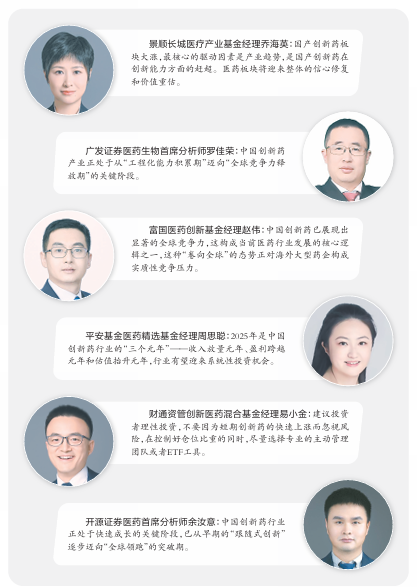
创新药火了!最新研判
Zhong Guo Ji Jin Bao· 2025-06-08 13:39
Core Viewpoint - The domestic innovative drug industry is experiencing a significant revaluation of value, with major indices showing substantial increases in 2023, indicating a potential turning point for the sector [1][3]. Group 1: Driving Factors for Growth - The innovative drug sector has seen a rise of over 20% in the index, driven by companies with sustainable innovation capabilities amidst constrained payment abilities in some medical fields [3][4]. - Key sustainable factors include the aging population leading to unmet clinical needs, supportive policies, enhanced R&D capabilities, emerging new technologies, and accelerated internationalization [4][5]. - The supportive policy environment and the increasing clinical value orientation have strengthened the business development logic for overseas expansion [5][6]. Group 2: Industry Development Stage - The Chinese innovative drug industry is in a rapid growth phase, transitioning from "follow-up innovation" to "global leadership," with many companies approaching profitability by 2025 [6][7]. - The industry is expected to enter a collective revenue growth phase starting in 2025, with a significant number of companies likely to cross the profitability threshold between 2025 and 2028 [4][6]. - The current R&D level is significantly improving, with China's contribution to global IP transactions rising to about 30% [6][7]. Group 3: Competitive Landscape - The competitive landscape varies by disease area, with the fastest or best products capturing significant market shares, indicating a "Matthew effect" where the first two drugs to market dominate [9][10]. - Chinese innovative drugs are showing notable global competitiveness, with expectations that they could capture 30% to 50% of the global market share in the future [9][10]. - The industry is witnessing a shift where Chinese companies are becoming preferred partners for multinational corporations in early-stage drug development [10][11]. Group 4: Valuation Levels - Despite recent gains, the valuation levels of innovative drug companies remain relatively low, with the PS ratio for the Wind pharmaceutical index at 2.75, indicating a historical low [11][12]. - The A-share market shows a higher absolute valuation compared to Hong Kong stocks, but with a lower historical percentile, suggesting a favorable valuation opportunity [11][12]. - The overall sentiment in the market is shifting towards a recovery in confidence and value reassessment for the pharmaceutical sector [12][13]. Group 5: Challenges Facing the Industry - The innovative drug sector faces challenges such as high costs, intense competition, and the need for improved international clinical trial capabilities [16][17]. - The industry is also grappling with a limited number of original disease targets and increasing internal competition, which could hinder growth [16][17]. - The payment market for innovative drugs in China requires further development, with commercial health insurance playing a crucial role in supporting long-term payment capabilities [16][17].