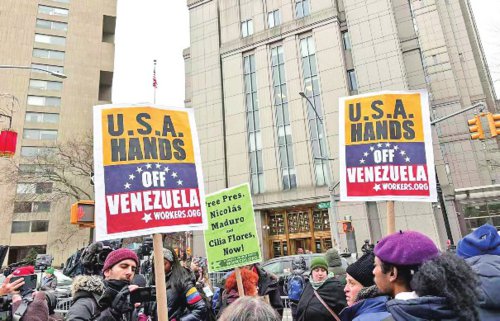
唐罗主义

Search documents
美国的霸权行径是对国际法的严峻挑战
Xin Lang Cai Jing· 2026-01-11 15:10
Group 1 - The core viewpoint of the articles highlights the illegality of the U.S. actions against Venezuelan President Maduro under international law, with experts asserting that such actions represent a severe challenge to international legal norms [1][2][5] - The U.S. justification for the "capture" of Maduro is based on not recognizing him as the legitimate president of Venezuela, which experts argue violates his sovereign immunity as a head of state [2][3] - The actions taken by the U.S. are seen as a dangerous precedent for military interventions and resource appropriation, indicating a shift towards a more aggressive and unilateral approach in international relations [3][4] Group 2 - The concept of "Monroe Doctrine" has evolved into what is termed "Trump Doctrine," emphasizing U.S. dominance in the Western Hemisphere and the right to intervene in Latin America to prevent foreign influence [4] - Experts warn that the U.S. actions could lead to the weaponization and fragmentation of international law, creating a scenario where legal principles are selectively applied to serve specific national interests [4][5] - The implications of these actions could severely undermine trust and cooperation within the international community, signaling a willingness to bypass international law for national gain [5]
“唐罗主义”可能更加危险
Xin Lang Cai Jing· 2026-01-11 15:08
Core Viewpoint - The article discusses the emergence of "Trumpism" as a term to describe the foreign policy of the Trump administration, particularly in relation to military actions in Venezuela and the broader implications for U.S. intervention in Latin America [1][5]. Group 1: Definition and Context - "Trumpism" is a term that combines "Monroe Doctrine" and Donald Trump's name, reflecting a shift in U.S. foreign policy [3]. - The Monroe Doctrine, established by President James Monroe in 1823, opposes European interference in the Americas and has historically justified U.S. expansion in the region [1][4]. Group 2: Policy Implications - The Trump administration has indicated a return to the Monroe Doctrine, aiming to restore U.S. dominance in the Western Hemisphere, which includes the Americas and Greenland [4]. - Recent military actions against Venezuela are seen as a violation of international law, aimed at reinforcing U.S. political influence in Latin America [5]. Group 3: Strategic Objectives - The military actions in Venezuela are framed as part of a strategy to support governments that serve U.S. economic interests in the region [5]. - Trump is leveraging domestic issues, such as drug control, to gain support from his political base, particularly the "Make America Great Again" group [5]. - There are concerns that "Trumpism" could escalate further, with Trump warning of potential military actions if Venezuela does not cooperate with U.S.-led transitional processes [5].

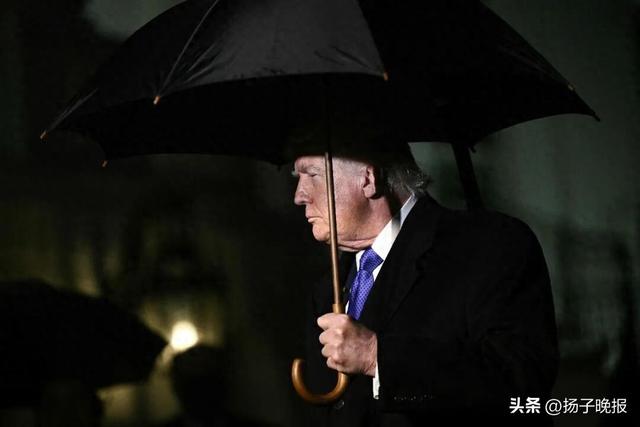
学者解读委内瑞拉事件:门罗主义的回归和变异丨晚点周末
晚点LatePost· 2026-01-11 15:02
Core Viewpoint - The article discusses the shift in U.S. foreign policy under President Trump, emphasizing a return to a 19th-century doctrine of American dominance in the Western Hemisphere, termed "Donroe Doctrine" [5][10][20]. Group 1: U.S. Foreign Policy and Monroe Doctrine - Trump's actions in Venezuela reflect a revival of the Monroe Doctrine, focusing on U.S. interests and power rather than promoting democracy [4][5]. - The U.S. military's approach to Venezuela involved a significant naval presence and legal preparations, indicating a strategic shift towards direct intervention [9][10]. - The new U.S. National Security Strategy prioritizes the Western Hemisphere, marking a clear focus on regional dominance [10][11]. Group 2: Economic and Political Implications - The U.S. aims to regain economic benefits from Latin America, viewing it as a critical area for resource extraction and geopolitical influence [12][14]. - Trump's policies are seen as a response to perceived threats from China and other global powers, aiming to consolidate U.S. control in the region [12][14]. - The potential for U.S. intervention in other regions, such as Greenland and Iran, is discussed, highlighting the broader implications of Trump's foreign policy [39][40]. Group 3: Impact on China and Latin America - The article suggests that Trump's "New Monroe Doctrine" could complicate China's growing influence in Latin America, as the U.S. seeks to limit Chinese investments [40][41]. - Despite U.S. efforts, China's role as a major trade partner for many Latin American countries remains significant, indicating a complex economic landscape [41][42]. - The potential for increased caution among Latin American nations in their dealings with China is noted, as they navigate U.S. pressures [41].
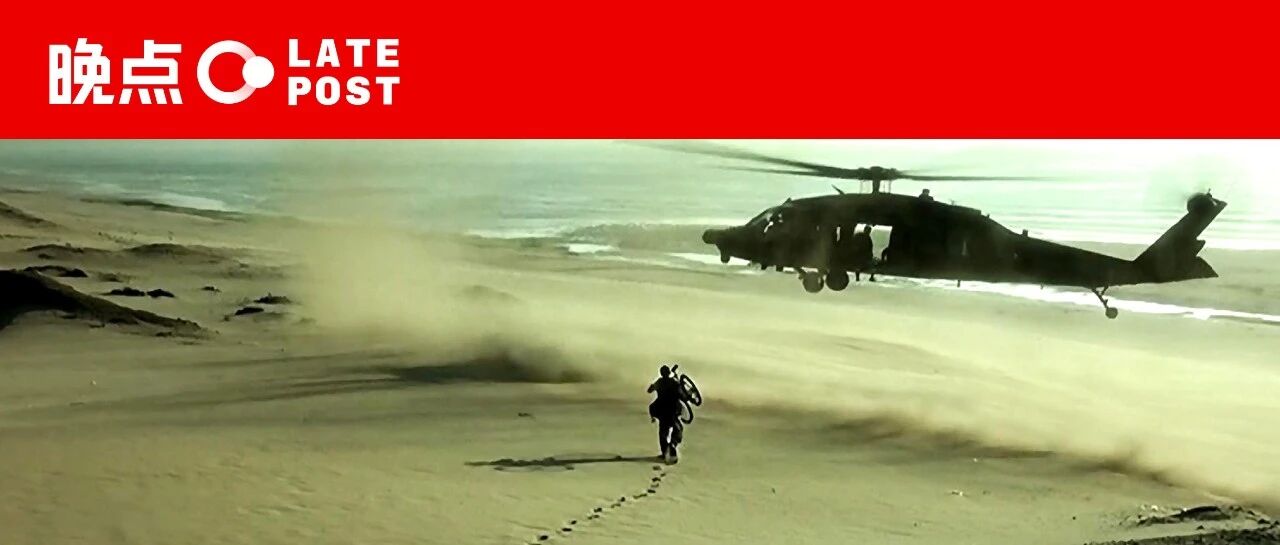
拉美学者:“唐罗主义”引起拉美主权危机
Xin Lang Cai Jing· 2026-01-10 13:16
中新社圣保罗1月9日电 (记者 林春茵 韩禹)多位拉美学者近日接受中新社记者采访时指出,美国对委内 瑞拉发动军事袭击,强行控制委总统马杜罗夫妇,标志着美国意在通过"唐罗主义"掠夺资源以维系霸 权,严重践踏国际法,更引起拉美国家的主权危机。 美国总统特朗普9日称,已取消此前预计的对委内瑞拉第二波军事打击,并表示两国正"携手合作",重 建油气基础设施。 多位学者受访时指出,美国丢弃道义遮羞布,正试图将"例外状态"变为"常态",只要出于维持霸权的需 要,任何国际法条文皆可被悬置。 墨西哥国立自治大学经济研究所高级研究员阿娜·埃斯·塞塞尼亚(Ana Esther Ceceña)认为,美国对委内瑞 拉的军事行动,是美国与拉丁美洲关系乃至更广泛国际关系的一个转折点。 圣保罗州立大学国际经济学教授路易斯·安东尼奥·保利诺(Luís Antonio Paulino)表示,这是一个危险的先 例,因为它违反了国际法不干涉他国内政的重要原则。 塞塞尼亚进一步分析,当前,美国经济正面临严重困难;来自其他国家的竞争,加之全球交易逐步"去 美元化",正削弱其世界地位。对美洲大陆领土及自然财富的控制,已成为美国维系其全球权力地位不 可或缺 ...
强掳马杜罗震动加拿大:为何特朗普总想将其变成“第51州”?
Zhong Guo Xin Wen Wang· 2026-01-10 12:50
Group 1: Canada's Resources and Geography - Canada has proven oil reserves exceeding 160 billion barrels, accounting for 10% of global proven reserves, ranking third in the world after Venezuela and Saudi Arabia, with 97% of these reserves in oil sands [2] - Canada has the second-largest land area in the world, approximately 9.985 million square kilometers, second only to Russia [3] - Canada has the longest coastline globally, measuring 243,000 kilometers, significantly surpassing Indonesia, which ranks second [5] Group 2: Economic and Trade Relations - The U.S. is Canada's largest trading partner and export market, while Canada is the largest energy supplier to the U.S. [10] - In response to trade pressures from the Trump administration, Canada is accelerating its efforts to diversify its export markets, particularly in the forestry sector [7] Group 3: Political Context and Public Sentiment - The concept of "Monroe Doctrine" has evolved into "Trump Doctrine," suggesting a more aggressive U.S. stance towards intervention in the Americas, including Canada [8] - Canadian Prime Minister Mark Carney has firmly stated that Canada will never be for sale, with over 80% of Canadians opposing the idea of becoming the "51st state" of the U.S. [10]
东吴证券晨会纪要2026-01-09-20260109
Soochow Securities· 2026-01-08 23:30
Macro Strategy - The report discusses the "K-shaped differentiation" in China's consumption market, highlighting the split between high-end quality consumption and high cost-performance consumption driven by changes in income structure and generational shifts [6][8] - The K-shaped differentiation reflects a shift in consumer behavior, where emotional value is increasingly prioritized alongside practical value, leading to diverse consumption choices [6][8] - Retailers are adapting to this differentiation by adjusting their brand strategies and product offerings to cater to both ends of the consumer spectrum [6][8] Fixed Income - The report analyzes the current state of urban investment bonds in Fujian Province, indicating a high-pressure regulatory environment aimed at consolidating debt reduction achievements [2][12] - Fujian's economic performance is solid, with a GDP of 57,761 billion yuan and a growth rate of 5.50% in 2024, alongside a strong fiscal position with a public budget revenue of 3,615.29 billion yuan [2][12] - The report suggests a strategy of "regional digging → duration selection → rating down" for investment in urban investment bonds, emphasizing the importance of extending durations and focusing on platforms with strong debt repayment capabilities [2][12] Industry Analysis - The report highlights the growth potential of Meili Tianyuan Medical Health (02373.HK), which has established a comprehensive ecosystem in beauty and health management, showing strong revenue growth and profitability [4][13] - The company is expected to achieve net profits of 3.1 billion, 4.1 billion, and 5.2 billion yuan from 2025 to 2027, with corresponding growth rates of 36.67%, 31.79%, and 25.86% [4][13] - MINIMAX-WP (00100.HK) is positioned as a benchmark for AI export from China, with projected revenues of 0.81 billion, 1.95 billion, and 3.99 billion USD from 2025 to 2027, reflecting a compound growth rate exceeding 130% [5][15]

《经济学人》丨特朗普的赤裸坦率让世界怀念美国以前的虚伪
美股IPO· 2026-01-08 04:15
Core Viewpoint - The article discusses the radical honesty of Donald Trump in American foreign policy, highlighting how his straightforwardness contrasts with traditional political hypocrisy, particularly regarding U.S. interests in Venezuela and the broader implications for international relations [3][4][5]. Group 1: Trump's Political Style - Trump's political charm lies in his brutal honesty, which he uses to justify actions that serve U.S. interests, such as military interventions for oil, without the pretense of promoting democracy [3][4]. - His cynicism acts as a shield against criticism, as he openly admits to prioritizing American interests over moral considerations [3][5]. Group 2: U.S. Foreign Policy Implications - Critics of U.S. foreign policy may find satisfaction in Trump's candidness, as historical interventions in Latin America often prioritized U.S. commercial interests over human rights [5][6]. - Trump's revival of the Monroe Doctrine, now termed "Donroe Doctrine," emphasizes the need for U.S. dominance in the Western Hemisphere, focusing on securing exclusive contracts for American businesses [5][6]. Group 3: Future of International Relations - The article raises concerns about the potential normalization of aggressive, self-serving behavior in international relations, as other nations may follow the U.S. example of blatant self-interest [6][7]. - The erosion of respect for international law could lead to a world where power dynamics overshadow moral obligations, challenging the post-World War II order established by previous U.S. leaders [7].
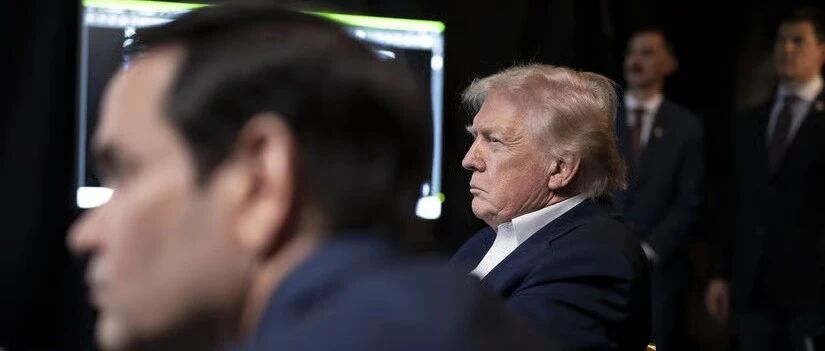
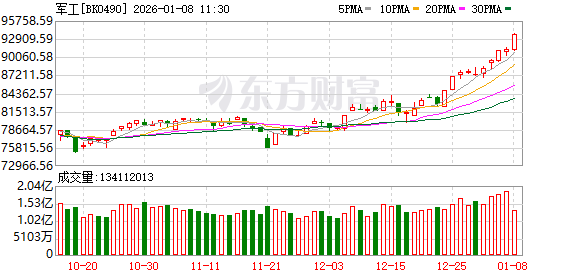
1分钟20%涨停!10万亿 军工重磅利好突袭!
Zheng Quan Shi Bao Wang· 2026-01-08 03:48
Core Viewpoint - The military sector in A-shares experienced a significant surge following President Trump's proposal to increase the U.S. military budget to $1.5 trillion by 2027, which is a 66% increase from previous levels, aimed at strengthening the military during turbulent times [2][5]. Group 1: Market Reaction - A-shares military stocks saw a broad rally, with the Wind military index rising over 4% by 11:00 AM on January 8, 2023 [3]. - Notable stocks included Shaoyang Hydraulic and Hahong Huaton, both reaching the 20% limit up, while several others like Jianglong Shipbuilding and Dongtu Technology surged over 10% [3][4]. Group 2: Budget Proposal Details - Trump's military budget proposal for 2027 is set at $1.5 trillion (over 100 billion RMB), with the 2026 budget at $901 billion [2][5]. - The proposal is part of a broader strategy to enhance U.S. military capabilities amid perceived global threats [6]. Group 3: Defense Industry Implications - Trump's comments on military spending come alongside threats to defense contractors regarding stock buybacks, indicating a push for reinvestment in military capabilities [7]. - The defense sector in the U.S. saw declines in stock prices for major contractors like Northrop Grumman and Lockheed Martin following Trump's statements [7]. Group 4: Future Outlook - Analysts from Dongfang Securities anticipate a new phase of equipment construction planning, highlighting the potential for growth in the military sector driven by both domestic and international demand [8]. - Guosheng Securities predicts a gradual recovery for the military industry starting in 2026, with an upward trend expected as new five-year plans are implemented [8].




从委内瑞拉事件看特朗普“唐罗主义”下的外交战略重心转变
Soochow Securities· 2026-01-08 03:23
Group 1: Strategic Shift in U.S. Foreign Policy - Trump's military action in Venezuela reflects a practical application of his National Security Strategy (NSS) and the concept of "Donroe Doctrine" [2] - The NSS emphasizes a focus on core areas, particularly the Western Hemisphere, while downplaying peripheral regions [2] - The U.S. aims to strengthen supply chains in the Western Hemisphere to reduce external dependencies and enhance economic resilience [2] Group 2: Characteristics of Trump's Foreign Policy - The "America First" principle prioritizes U.S. interests over ideological narratives, contrasting with the Biden administration's approach [3] - Trump's strategy involves seeking absolute dominance in core regions while pursuing cost-effective benefits in non-core areas [4] - The administration's military actions are characterized by a willingness to use force to secure U.S. strategic interests, as seen in the Venezuelan operation [5] Group 3: Implications for Global Geopolitical Landscape - Trump's limited intervention strategy in Europe and the Middle East may reduce the likelihood of the U.S. creating tensions in these regions [4] - The military action in Venezuela serves as a warning to other Latin American countries, potentially reshaping their diplomatic relations with the U.S. [6] - Despite a strategic withdrawal from traditional geopolitical hotspots, risks in Europe and the Middle East may increase due to power vacuums and regional competition [6]
2026年首只“黑天鹅”:美国“唐罗主义”大刀砍向委内瑞拉
Xin Lang Cai Jing· 2026-01-07 17:12
Group 1 - The U.S. military intervention in Venezuela aims to control its oil resources, with President Trump emphasizing the importance of oil in his statements [3][4][7] - Venezuela holds approximately 300 billion barrels of proven oil reserves, accounting for about 17% of global reserves, making it the largest in the world [4] - Trump's administration plans to allow U.S. oil companies to invest in and repair Venezuela's oil infrastructure, which is seen as a strategy to generate revenue for the U.S. [4][7] Group 2 - The U.S. intends to transfer 30 to 50 million barrels of "sanctioned high-quality oil" from Venezuela to the U.S., with Trump personally overseeing the sale [7] - The heavy crude oil from Venezuela is a resource that U.S. refineries have been lacking, and the U.S. has historically imported this type of oil from Canada [7][8] - Analysts suggest that the U.S. faces significant challenges in quickly turning Venezuelan oil into a reliable resource due to aging infrastructure and geopolitical risks [8] Group 3 - The potential U.S. control over Venezuela's oil and mineral resources could have far-reaching implications for global currencies and economic systems, possibly increasing the demand for the U.S. dollar in Latin America [9] - Venezuela's rich mineral resources, including tantalum and rare earth elements, could disrupt global commodity supply and demand dynamics if fully exploited [9] - The political instability in Venezuela has led to significant economic contributions from Venezuelan migrants to Latin American economies, which may change if the political situation stabilizes [9][10] Group 4 - The U.S. intervention reflects a broader strategy of "new colonialism," where the U.S. seeks to assert its influence in the Western Hemisphere through military and economic means [5][14] - The concept of "Trumpism" combines elements of Monroe Doctrine with modern geopolitical strategies, aiming to exclude foreign influence in the region [5][14] - The situation in Venezuela may accelerate regional trade integration in Latin America if the regime changes, impacting trade dynamics [10]