多模态融合

Search documents
AI三问③模型之问 | 直面模型之问,以大爱共塑 AI 未来 ——WAIC 2025 大模型论坛以问题破局引领技术革新
3 6 Ke· 2025-07-17 03:21
Core Insights - The 2025 World Artificial Intelligence Conference (WAIC) will take place from July 26 to 28 in Shanghai, focusing on three critical questions in AI: the mathematical question, the scientific question, and the model question, which aim to explore the essence of AI technology and its applications [3][4][5] Group 1: Event Overview - WAIC is a significant global event in the AI sector, promoting technological breakthroughs, industry integration, and deep dialogues on global governance [3] - The event will feature a forum titled "Boundless Love, Shaping the Future," hosted by SenseTime, focusing on the "model question" and its implications for AI technology [3][4] Group 2: Model Question Focus - The "model question" series aims to create a global platform for top researchers and technical experts to discuss the intrinsic issues of AI models, particularly the relationship between model generalization and underlying architecture [4] - The event will explore the integration of Transformer and non-Transformer architectures, addressing challenges such as semantic mismatches in multi-modal intelligence and optimizing performance-cost curves [5] Group 3: Global Collaboration and Innovation - The conference will gather leaders from academia and industry to discuss the future trends and development paths of large model technologies, focusing on obstacles to achieving higher-level intelligence [6] - Experts will engage in discussions on innovative solutions for model architecture and computational optimization, aiming to bridge the gap in multi-modal semantics and performance boundaries [6]


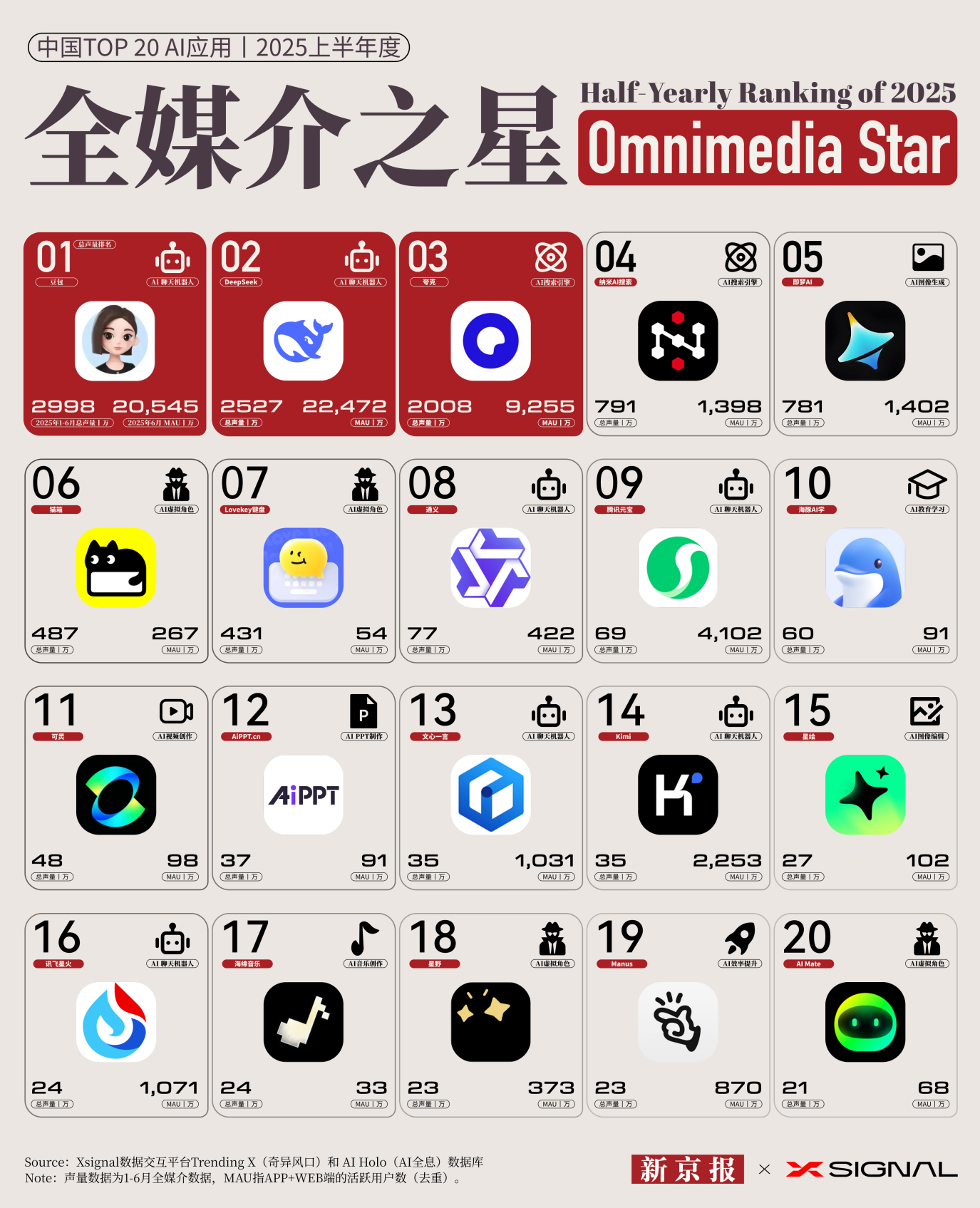
新京报联合Xsignal发布首期“全媒介之星”中国AI应用榜
Bei Ke Cai Jing· 2025-07-11 02:45
Core Insights - The article highlights the competitive landscape of AI applications in China, emphasizing the dominance of a few key players in the market and the shift in user expectations from novelty to practical value [2][4][12] Market Overview - The top three AI applications, Doubao, DeepSeek, and Quark, dominate the market with over 60% of active users, showcasing a significant concentration of market power [5][6] - Doubao leads with approximately 300 million active users and a voice volume of nearly 30 million, while DeepSeek and Quark also boast substantial user bases [5][6] Competitive Dynamics - The AI application market is characterized by a "one leader, multiple followers" model, with chatbots holding a 35% market share [2][3] - The emergence of differentiated competition is evident, with various applications targeting specific niches such as social interaction, information reconstruction, and creative production [3][8] User Expectations - There is a notable shift in user expectations from "novel experiences" to "actual value," indicating a demand for more specialized and professional applications [4][10] - The trend towards "precise services" reflects a growing market need for tailored solutions rather than general-purpose tools [3][12] Emerging Trends - The article identifies three potential growth areas: image generation, efficiency tools, and AI virtual characters, with image generation showing significant market interest [9][11] - Efficiency tools like Manus demonstrate strong user retention and growth despite low marketing volume, highlighting the importance of addressing specific user needs [10][12] Strategic Recommendations - Companies are advised to focus on deepening their understanding of user needs and developing unique value propositions to build customer loyalty [13][14] - The transition from a focus on user scale to a focus on multi-modal integration and personalized intelligent agents is crucial for maintaining competitive advantage [12][14]
从Grok-4看AI产业发展
2025-07-11 01:05
Summary of Conference Call on AI Industry Development Industry Overview - The conference call primarily discusses the advancements in the AI industry, focusing on the performance and features of the GROX4 model and the anticipated release of GPT-5. [1][2][4] Key Points and Arguments GROX4 Model Advancements 1. **Significant Improvement in Reasoning Ability**: GROX4 achieved a score of 50 in the Humans Last Examination (HLE), surpassing OpenAI's score of 23, and excelled in the US Olympic Math Competition with scores of 97 and 90 in HNMT and USAMO respectively, indicating a doubling of previous performance levels. [3][4] 2. **Parameter Optimization and Efficiency**: The model reduced its parameter count by 40% through sparse activation strategies, using only 1.7 trillion tokens compared to GROX3's 2.7 trillion tokens while significantly enhancing performance. [3][4] 3. **Multimodal Fusion and Real-time Search**: GROX4 integrates audio, images, real-time search, and tool invocation, allowing it to handle complex tasks more intelligently and support real-time internet functionality. [3][4] 4. **High API Pricing**: The API pricing for GROX4 is set at $3 per million tokens for input and $15 per million tokens for output, reflecting a significant increase in costs due to performance enhancements. [1][6] GPT-5 Expectations 1. **Release Timeline**: GPT-5 is expected to be released between late July and September 2025, with a focus on deep multimodal integration, including text-to-image, text-to-video, and audio interaction capabilities. [5][26] 2. **Technical Improvements**: The model aims to enhance agent functionalities and address shortcomings in product experience, although it may face challenges in achieving satisfactory benchmark results. [5][26] Market Trends and Implications 1. **Growing Demand for High-Performance Computing**: The rapid development of AI large models and reinforcement learning technologies is driving an increasing demand for computational resources, as evidenced by Nvidia's market valuation surpassing significant thresholds. [2][8][19] 2. **Impact on AI Industry Structure**: The introduction of Grok's innovative training methods may alter the division of labor within the AI industry, potentially squeezing out smaller startups while creating new opportunities for those with unique data or capabilities. [11][12] 3. **Future GPU Demand**: The AI industry's growth is expected to lead to exponential increases in GPU demand, with projections indicating a need for up to 1 million high-performance GPUs in the coming years. [19][20] Additional Insights 1. **Challenges in Programming Capabilities**: Despite high benchmark scores, GROX4's programming capabilities may not meet expectations due to potential contamination in training data and limitations in user interaction history. [14][15] 2. **Pricing Strategy Justification**: The high subscription fee of $300 per month for GROX4 reflects both confidence in its capabilities and cost considerations, although it may not significantly outperform other leading models for average users. [15][16] 3. **Potential for New Opportunities**: The evolving technical paradigms in AI may create new opportunities, particularly in fields like scientific research, where AI could lead to breakthroughs in areas such as drug development and DNA research. [13][12] Conclusion The conference call highlights significant advancements in AI technology, particularly with the GROX4 model, while also addressing the anticipated developments with GPT-5. The ongoing demand for computational resources and the potential restructuring of the AI industry present both challenges and opportunities for various stakeholders.
从多模态融合到行业深扎,国内 AI 大模型三大发展方向解析
Sou Hu Cai Jing· 2025-07-07 03:36
Core Insights - The development of AI large models in China is being driven by various institutions such as Baidu, Alibaba, ByteDance, and iFlytek, focusing on technical deepening, application expansion, and ecosystem construction [2][3][4] Technical Deepening - Multi-modal integration is a key focus, with institutions like iFlytek and ByteDance enhancing their models to process and respond to various forms of input, including voice, gestures, and emotions, leading to more natural user interactions [2] - Improvement in reasoning capabilities is being pursued, with ByteDance's Doubao 1.6 - thinking achieving top rankings in complex reasoning tests, while Baidu's Wenxin Yiyan enhances knowledge and reasoning accuracy through external knowledge sources [2] Application Expansion - Industry-specific empowerment is being emphasized, with iFlytek's plans to tailor its models for sectors such as automotive, education, healthcare, and smart cities, while Baidu and Alibaba explore applications in finance, industry, and e-commerce [3] - Innovation in intelligent applications is expected, as ByteDance transitions from an app-centric model to an agent-based model, showcasing the potential for AI to reshape software development paradigms and create new applications [3] Ecosystem Construction - Open-source initiatives are becoming a significant trend, with various models being released by institutions like ByteDance and Baidu, which encourages developer participation and enhances model performance [4] - The establishment of a robust industrial ecosystem is crucial, supported by government policies and local initiatives, such as Shanghai's comprehensive AI industrial chain, which integrates computing power, data, algorithms, and applications [4]



从感知能力提升到轻量化落地,具身这条路还要走很长一段时间~
具身智能之心· 2025-06-30 12:21
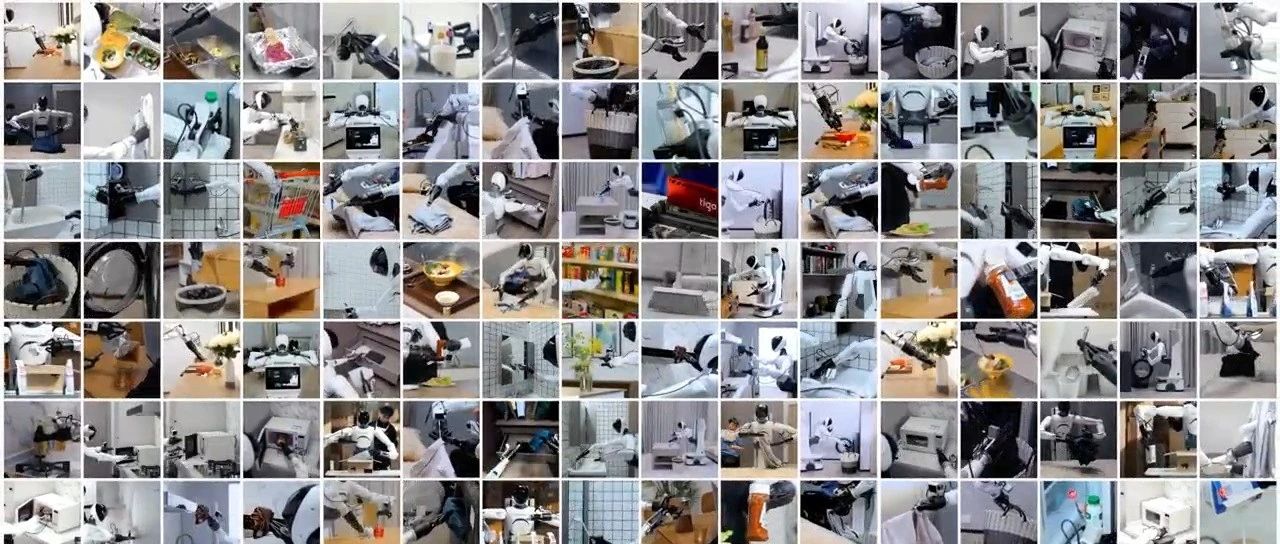
Group 1 - The core viewpoint of the article emphasizes the explosive growth of the embodied intelligence industry by 2025, driven by technological advancements and application traction, which shape both the technical roadmap and commercialization pathways [1] - Upgrades in perception capabilities and multimodal integration are crucial for the development of embodied technology, with a focus on tactile perception, particularly in dexterous hands, enhancing operational precision and feedback [1] - Large model-driven algorithms are enhancing robots' understanding of the world, particularly in humanoid robots, by improving perception, autonomous learning, and decision-making capabilities [1] Group 2 - The establishment of a comprehensive technical community for embodied intelligence aims to provide a platform for academic and engineering discussions, with members from renowned universities and leading companies in the field [6] - The community has compiled over 40 open-source projects and nearly 60 datasets related to embodied intelligence, along with various technical learning pathways to facilitate entry and advancement in the field [6][12] - Regular discussions within the community cover topics such as robot simulation platforms, imitation learning in humanoid robots, and hierarchical decision-making [7] Group 3 - The community offers various benefits, including access to exclusive learning videos, job recommendations, and opportunities for industry networking [11][8] - A comprehensive collection of reports on embodied intelligence, including large models and humanoid robots, is available to keep members updated on industry developments [14] - The community also provides resources on robot navigation, control, and various technical aspects of embodied intelligence, aiding in foundational learning [16][50]
国产大模型高考出分了:裸分683,选清华还是北大?
量子位· 2025-06-26 06:25
Core Insights - The article discusses the performance of various AI models in a simulated high school examination, comparing their scores and capabilities in different subjects [2][12]. Group 1: Overall Performance - Gemini achieved the highest score in science with 655 points, while Doubao scored 683 points in humanities, also ranking first [2]. - Doubao excelled in six subjects, maintaining top scores except in mathematics, chemistry, and biology [3][4]. Group 2: Subject-Specific Analysis - In the subject breakdown, Doubao scored 128 in Chinese, 141 in mathematics, and 144 in English, while Gemini scored 126 in Chinese and 140 in mathematics [3]. - The models showed significant improvement in mathematics compared to previous years, with most scoring around 140 points [13]. - Doubao and Gemini demonstrated better performance in visual comprehension tasks compared to other models, particularly in chemistry [22][42]. Group 3: Evaluation Methodology - The evaluation used a combination of national and provincial exam papers, with a total score of 750 points [9]. - Scoring was conducted through a mix of automated assessments and human evaluations, ensuring a fair testing environment [10][11]. Group 4: Model Development and Improvement - Doubao's advancements are attributed to three key strategies: multi-modal integration, enhanced reasoning capabilities, and dynamic thinking abilities [30][33][40]. - The model's training involved a three-phase process focusing on text, multi-modal data, and long-context support, significantly improving its performance in reading comprehension and reasoning tasks [35][36]. Group 5: Future Directions - The article suggests that combining text and image inputs can significantly enhance model performance, indicating a promising area for future exploration [42][43].

RoboSense 2025 机器感知挑战赛正式启动
具身智能之心· 2025-06-25 13:52
Core Viewpoint - The RoboSense Challenge 2025 aims to systematically evaluate the perception and understanding capabilities of robots in real-world scenarios, addressing the limitations of traditional perception algorithms in complex environments [1][44]. Group 1: Challenge Overview - The challenge is organized by multiple prestigious institutions, including National University of Singapore and University of Michigan, and is officially recognized as part of IROS 2025 [5]. - The competition will take place in Hangzhou, China, with key dates including registration starting in June 2025 and award decisions on October 19, 2025 [3][46]. Group 2: Challenge Tasks - The challenge includes five real-world tasks focusing on various aspects of robotic perception, such as language-driven autonomous driving, social navigation, sensor placement optimization, cross-modal drone navigation, and cross-platform 3D object detection [6][9]. - Each task is designed to test the robustness and adaptability of robotic systems under different conditions, emphasizing the need for innovative solutions in perception and understanding [44]. Group 3: Technical Features - The tasks require the development of end-to-end multimodal models that integrate visual sequences with natural language instructions, aiming for deep coupling between language, perception, and planning [7]. - The challenge emphasizes the importance of robust performance in dynamic environments, including the ability to handle sensor placement variations and social interactions with humans [20][28]. Group 4: Evaluation Metrics - The evaluation framework includes multiple dimensions such as perception accuracy, understanding through visual question answering (VQA), prediction of trajectories, and planning consistency with language commands [9][22]. - Baseline models and their performance metrics are provided for each task, indicating the expected computational resources and training requirements [13][19][39]. Group 5: Awards and Incentives - The challenge offers a total prize pool exceeding $10,000, with awards for first, second, and third places, as well as innovation awards for outstanding contributions in each task [40][41]. - All teams that complete valid submissions will receive official participation certificates, encouraging widespread engagement in the competition [41].

BEV高频面试问题汇总!(纯视觉&多模态融合算法)
自动驾驶之心· 2025-06-25 02:30
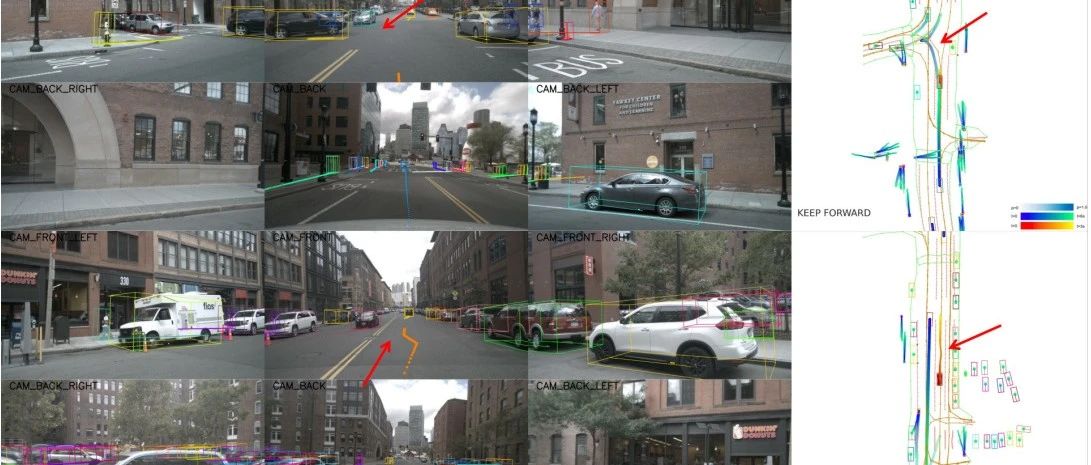
Core Viewpoint - The article discusses the rapid advancements in BEV (Bird's Eye View) perception technology, highlighting its significance in the autonomous driving industry and the various companies investing in its development [2]. Group 1: BEV Perception Technology - BEV perception has become a competitive area in visual perception, with various models like BEVDet, PETR, and InternBEV gaining traction since the introduction of BEVFormer [2]. - The technology is being integrated into production by companies such as Horizon, WeRide, XPeng, BYD, and Haomo, indicating a shift towards practical applications in autonomous driving [2]. Group 2: Technical Insights - In BEVFormer, the temporal and spatial self-attention modules utilize BEV queries, with keys and values derived from historical BEV information and image features [3]. - The grid_sample warp in BEVDet4D is explained as a method for transforming coordinates based on camera parameters and predefined BEV grids, facilitating pixel mapping from 2D images to BEV space [3]. Group 3: Algorithm and Performance - Lightweight BEV algorithms such as fast-bev and TRT versions of BEVDet and BEVDepth are noted for their deployment in vehicle systems [5]. - The physical space size corresponding to a BEV bird's eye matrix is typically around 50 meters, with pure visual solutions achieving stable performance up to this distance [6]. Group 4: Community and Collaboration - The article mentions the establishment of a knowledge-sharing platform for the autonomous driving industry, aimed at fostering technical exchanges among students and professionals from various prestigious universities and companies [8].
多模态内容生成的机会,为什么属于中国公司?
Founder Park· 2025-06-24 11:53
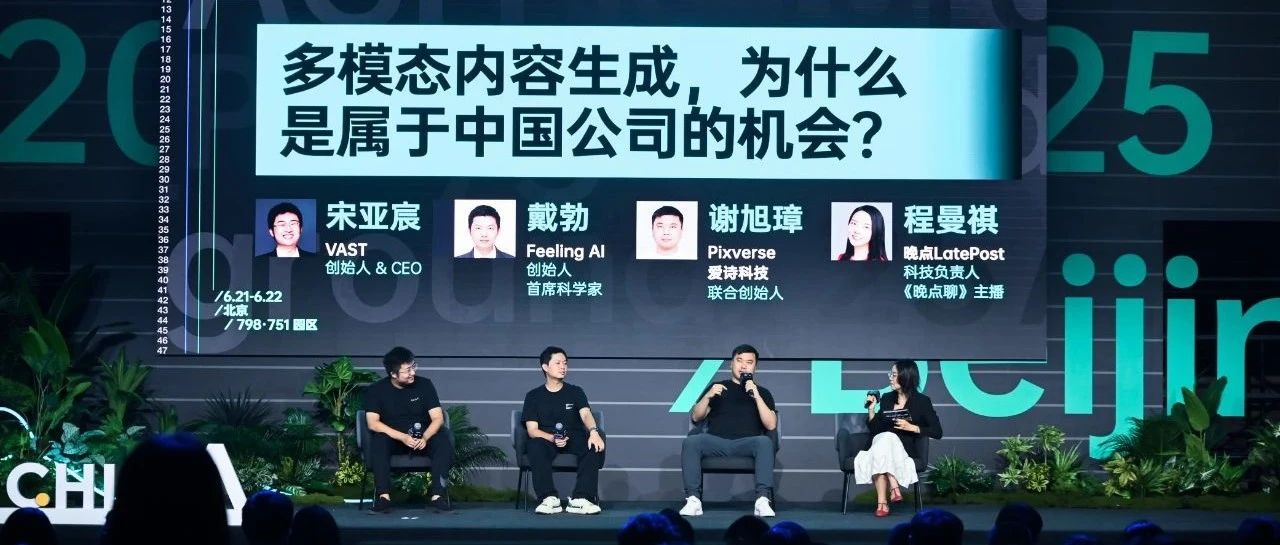
Core Viewpoint - The article emphasizes that Chinese startups are gaining a leading edge in the multimodal content generation field, particularly in video and 3D creation, contrasting with the U.S. dominance in large language models [1][3]. Group 1: Advantages of Chinese Startups - Chinese teams have accumulated significant experience in video technology, with products like Douyin and Kuaishou laying a strong foundation for video generation [3][7]. - The flexibility of organizational structures in Chinese startups fosters innovation, allowing them to adapt quickly to market needs [3][4]. - The multimodal field remains open for innovation, with rich application scenarios and a strong talent pool in China providing fertile ground for technological advancements [3][8]. Group 2: Competition with Major Players - Startups maintain strategic focus and seek niche opportunities despite competition from giants like Alibaba and Tencent, who are entering the space with open-source models [4][9]. - The competition with large companies is seen as a rite of passage for startups, pushing them to mature and refine their strategies [10][11]. - Startups are leveraging their early investments in core technologies to stay ahead of larger competitors who are now trying to catch up [9][11]. Group 3: Future Trends and Innovations - The article discusses the potential for technology to lower the barriers for content creation, enabling more ordinary users to participate in multimodal content generation [5][37]. - Key trends include the unification of generation and understanding in multimodal models, which enhances controllability and consistency in outputs [14][15]. - Real-time generation capabilities are advancing, with companies like Pixverse achieving near real-time video generation speeds, which could lead to new application scenarios [17][18]. Group 4: User Engagement and Market Dynamics - The shift towards user-generated content (UGC) is highlighted, with startups aiming to create tools that simplify the content creation process for everyday users [21][22]. - The market for short video creation remains vast, with a significant portion of users yet to engage in content creation, presenting growth opportunities for startups [23][24]. - Startups are focusing on developing professional-grade tools that cater to both professional and semi-professional users, ensuring a robust ecosystem for content creation [25][26]. Group 5: Goals and Challenges Ahead - Companies aim to achieve high-quality real-time video generation models and expand their user base significantly in the coming year [37]. - The challenge lies in creating accessible tools for 3D content creation, with aspirations to democratize the process for a broader audience [37].
全模态数据闭环破局具身智能“粮荒”,零次方方案将机器人训练门槛拉至10万级
机器人大讲堂· 2025-06-19 10:55
Core Insights - The report highlights that by 2024, China is expected to hold approximately 40% of the global robotics market, with an annual growth rate of 23%, increasing the market size from $47 billion in 2024 to $108 billion by 2028 [1] - A significant challenge in developing humanoid and embodied intelligent robots is the "data scarcity," where either the types of data are insufficient or the data collection processes are overly complex, leading to difficulties in precise assembly and manipulation tasks [1] - A recent survey indicated that 72% of R&D teams view the lack of multimodal data as the biggest bottleneck in practical applications [1] Data Collection and Management Solutions - The solution encompasses both hardware and software, creating a complete automated kitchen from "ingredient sourcing" to "delicious dishes," addressing issues like data modality deficiency and complex data management [2] - The starting price for this comprehensive solution is set at 99,000 yuan, significantly lowering the barriers for high-quality data acquisition, thus promoting the development of intelligent robotics [2] Technological Advancements - Current mainstream solutions include various multimodal fusion approaches, such as visual-joint integration and semantic-visual-joint models, which enhance task generalization but often lack mechanical feedback for physically interactive tasks [5] - The zero-point company's full-modal data architecture offers dual core advantages: compatibility across dimensions and sustained value through sensor redundancy, ensuring data can support future intelligent model developments [6] Hardware Development - The core hardware of the solution is the humanoid robot ZERITH-H1, designed specifically for data collection, embodying the "full-modal" architecture with a human-like structure and enhanced joint flexibility [7][10] - ZERITH-H1 integrates various sensors to capture complete modal information, addressing the common issue of data modality deficiency in intelligent model training [10] Software and User Experience - To simplify data collection, the zero-point company developed the ZERITH-VR APP, enabling seamless interaction between physical and virtual worlds, ensuring high-quality data collection with minimal latency [12][14] - A dedicated data management platform has been created to facilitate the entire data lifecycle, allowing users to efficiently convert raw data into usable training resources [17] Training and Deployment Tools - The solution integrates a powerful toolchain compatible with mainstream open-source algorithm frameworks, enabling rapid training and deployment of models [19] - The platform supports real-time monitoring and data visualization during the training process, enhancing the efficiency of model iterations [21][22] Future Outlook - The zero-point company's full-modal data solution addresses critical pain points in robotic training, providing a robust infrastructure for current and future embodied intelligent model development [23] - As demand for flexible robots in China's smart manufacturing sector surges, the ability to supply high-quality data will become a competitive differentiator [23]