容量电价机制

Search documents
国泰海通 · 晨报1113|宏观、策略、储能设备及系统集成
国泰海通证券研究· 2025-11-12 14:02
Macro - The monetary policy maintains a tone of "implementing a moderately loose monetary policy" and "keeping financial total growth reasonable" [3] - The third quarter report emphasizes the combination of "counter-cyclical and cross-cyclical adjustments," indicating a subtle shift in policy focus [3] - The central bank addresses concerns about "tightening monetary policy," "weak financing," and "ineffective interest rates," suggesting a broader focus beyond short-term counter-cyclical support [3] - The pressure to achieve annual economic targets is manageable, reducing the urgency for short-term monetary easing, with a focus on implementing previous policies and preparing for cross-cyclical adjustments [3] - There remains room for interest rate cuts next year if economic growth pressures increase, especially considering low inflation and historically high real interest rates [3] Strategy - The technology manufacturing sector continues to show high prosperity, while real estate and durable goods demand remain weak [5] - Global AI infrastructure investment is driving the prosperity of the electronic semiconductor and power facility sectors, with storage demand rebounding and battery sales significantly increasing [5] - Real estate construction demand is entering a low season, with a widening decline in housing sales and a marginal decrease in demand for construction resources [5] - Upstream resource prices are mixed, with international metal prices declining while coal prices surge due to heating demand [5] Downstream Consumption - Real estate sales have seen a significant decline of 41.4% year-on-year, with first, second, and third-tier cities experiencing drops of 45.2%, 38.2%, and 43.9% respectively [9] - Durable goods consumption, particularly passenger car retail, has decreased by 0.8% year-on-year in October, influenced by changes in subsidy policies [9] - Agricultural prices show a mixed trend, with live pig prices down 3.1% month-on-month, while domestic staple grain prices continue to rise [9] - Service consumption indicators, such as tourism and movie box office revenues, indicate a slight decline in activity [9] Technology & Manufacturing - The electronic industry continues to thrive, with explosive growth in storage demand driven by AI, and semiconductor sales increasing by 15% year-on-year in September [10] - Construction demand remains weak, with seasonal factors leading to a decline in building material demand [10] - The lithium battery industry is experiencing heightened prosperity, with significant price increases for lithium hexafluorophosphate [10] - Coal prices have reached new highs due to tightened supply and increased heating demand, while international metal prices have declined [10] Energy Storage - The introduction of a capacity pricing mechanism is expected to enhance the economic viability of energy storage across more provinces [15] - Inner Mongolia's compensation for energy storage discharge in 2026 is set at 0.28 yuan/kWh, which, despite being lower than the previous year's rate, will stimulate demand [16] - The bidding volume for energy storage in October 2025 shows significant year-on-year growth, indicating a robust market demand [16]


国泰海通|电新:两部门健全容量电价机制,内蒙古储能放电补偿出台
国泰海通证券研究· 2025-11-12 14:02
Core Viewpoint - The article emphasizes that the nationwide implementation of the capacity pricing mechanism will enhance the economic viability of energy storage in more provinces, leading to significant growth in the sector. Additionally, the introduction of discharge compensation in Inner Mongolia is expected to stimulate energy storage demand in 2026 [1][2]. Group 1: Policy Developments - The National Development and Reform Commission and the National Energy Administration have released guidelines to promote renewable energy consumption and regulation, aiming to meet an annual demand for the reasonable consumption of over 200 million kilowatts of new energy [2]. - The guidelines propose the establishment of a capacity pricing mechanism for coal power, pumped storage, and new energy storage, which is a significant step in integrating new energy storage into the pricing framework [2]. Group 2: Economic Viability of Energy Storage - Inner Mongolia's independent energy storage discharge compensation is set at 0.28 yuan per kWh for 2026, which, despite being lower than the 0.35 yuan per kWh in 2025, will still support the economic viability of energy storage and significantly boost demand [3]. - The average bidding price for 4-hour energy storage systems has increased by 11%, with a weighted average price of 0.44 yuan per Wh, reflecting a strong market demand [3]. Group 3: Market Growth Indicators - In October 2025, the newly added bidding volume for domestic energy storage reached 8.39 GW/27.08 GWh, marking a year-on-year increase of 24% and 29%, respectively, with Inner Mongolia, Xinjiang, and Gansu contributing over half of the market demand [3]. - The newly added bidding quantity for energy storage in October 2025 was 8.32 GW/26.67 GWh, showing a remarkable year-on-year growth of 139% and 176% [3].

刚刚!证监会副主席李明重磅发声,投资者迎喜讯!
摩尔投研精选· 2025-11-12 10:42
Market Overview - The A-share market is experiencing a narrow fluctuation pattern, with the Shanghai Composite Index barely holding above 4000 points due to insufficient buying interest [1] - Major stock indices show mixed performance, with a lack of clear upward momentum in the market. Defensive sectors are performing strongly as risk-averse sentiment rises [2] - The recent strong performance in the new energy sector has seen a notable pullback, particularly in the photovoltaic sector, with significant declines in stocks like Sungrow Power Supply, LONGi Green Energy, and TBEA [3] Liquidity and Investment Trends - Overall market liquidity remains loose, but there is a decline in risk appetite, with funds shifting from high-valuation tech sectors to lower-valuation, defensive sectors [4] - The China Securities Regulatory Commission (CSRC) emphasizes the stability and potential of the Chinese economy, indicating a commitment to deepening reforms in the capital market and enhancing the inclusiveness and adaptability of market systems [5] - The CSRC aims to promote long-term investments and improve the market ecosystem for long-term capital, which is expected to stabilize the market and reduce irrational short-term fluctuations [6][7] Industry Insights - A new round of price increases in hexafluorophosphate lithium is underway, with current spot prices exceeding 126,000 yuan, and procurement prices for secondary electrolyte companies nearing 150,000 yuan [8] - The demand for additives, particularly VC and FEC, has surged, with VC prices increasing over 40% since September and FEC prices approaching an 80% rise [8] - The storage market's explosive growth, driven by national policies promoting capacity pricing mechanisms, is significantly enhancing project profitability and stimulating investment [11][10] Key Companies and Materials - Key players in the electrolyte market include Tianqi Lithium, New Chemical Materials, and BYD, while core materials are supplied by Tianqi Lithium, DFD, and Tianji [12] - The demand for EC, a major solvent, is expected to tighten in 2026 due to the increasing use of additives in lithium batteries [8][9]





新能源消纳明确底线:每年新增至少2亿千瓦,算力、储能成破局点
2 1 Shi Ji Jing Ji Bao Dao· 2025-11-11 13:01
Core Viewpoint - The "Guiding Opinions" issued by the National Development and Reform Commission and the National Energy Administration aim to promote the high-quality development of renewable energy in China, establishing a clear implementation path for achieving at least 200 million kilowatts of new renewable energy consumption capacity annually [1][2]. Group 1: Renewable Energy Development - The document emphasizes the need for a multi-layered renewable energy consumption regulation system to meet the annual demand for at least 200 million kilowatts of new renewable energy by 2030 [2][3]. - The current installed capacity of wind and solar energy in China exceeds 1.7 billion kilowatts, indicating that an average of 180 to 200 million kilowatts of new capacity will need to be added annually from 2026 to 2035 to meet future targets [2][3]. Group 2: Energy Consumption and Regulation - The "Guiding Opinions" categorize renewable energy development and consumption into five types, focusing on optimizing the integration of various energy sources and enhancing local consumption capabilities [2][3]. - The document highlights the importance of establishing a pricing mechanism for coal power, pumped storage, and new energy storage to support the flexible adjustment of energy resources [3][4]. Group 3: Storage Technology and Innovation - The installed capacity of new energy storage in China has surpassed 100 million kilowatts, with a significant increase in the share of renewable energy generation [4][5]. - The "Guiding Opinions" encourage the innovation of various storage technologies, including liquid flow batteries and compressed air storage, to meet the demand for large-capacity and long-duration energy storage [6][7]. Group 4: Market Opportunities and Collaboration - The document outlines new market opportunities by promoting the synergy between renewable energy and computing power facilities, which are expected to have a direct impact on the computing industry [5][6]. - Companies are advised to consider regional renewable energy layouts when planning computing projects, prioritizing areas with stable green electricity availability [5][6].
华电国际(600027):Q3发电边际改善容量电价提升在即
Ge Long Hui· 2025-10-30 21:02
Core Viewpoint - The company reported a decline in revenue for the first three quarters of 2025, but a significant increase in net profit, indicating a resilient performance despite challenging market conditions [1]. Financial Performance - For the first nine months of 2025, the company's revenue was 95.872 billion yuan, a year-on-year decrease of 9.72%, while net profit attributable to shareholders was 6.437 billion yuan, an increase of 15.87% [1]. - In Q3 2025, revenue was 35.920 billion yuan, down 10.92% year-on-year, but net profit rose to 2.533 billion yuan, up 20.32% [1]. - The total power generation for the first nine months was 201.329 billion kWh, a decrease of 5.87% compared to the adjusted figures from the previous year, but the decline was less severe than in the first half of 2025 [1]. Pricing and Cost Dynamics - The average on-grid electricity price for the first nine months was 0.50955 yuan per kWh, down 2.76% from the previous year, indicating stable pricing [1]. - The average spot price of Qinhuangdao 5500 kcal thermal coal in Q3 2025 was 672 yuan per ton, a decrease of 21% year-on-year [1]. - The company is expected to see an increase in profit per kWh due to a greater reduction in costs compared to the decrease in electricity prices, leading to improved profitability in thermal power generation [1]. Capacity Price Mechanism - The upcoming increase in capacity prices is expected to benefit the company significantly, with a projected revenue increase of 3.536 billion yuan from capacity fee adjustments starting in 2026 [2]. - The fixed cost for coal power units will be standardized at 330 yuan per kW annually, with local implementations expected to rise to at least 50% of this standard [2]. Financial Cost Management - The company has effectively reduced financial costs, with financial expenses for the first nine months amounting to 2.414 billion yuan, a decrease of 444 million yuan year-on-year [2]. - The company is leveraging interest rate cuts to further lower financial costs, contributing positively to overall performance [2]. Profit Forecast - The profit forecasts for 2025-2027 have been revised upwards, with expected net profits of 6.895 billion, 7.658 billion, and 8.044 billion yuan respectively [3]. - The current stock price corresponds to a price-to-earnings ratio of 9, 8, and 8 times for the respective years, maintaining a "buy" rating [3].

华电国际(600027):Q3发电边际改善容量电价提升在即
Shenwan Hongyuan Securities· 2025-10-29 10:29
Investment Rating - The report maintains a "Buy" rating for Huadian International [2][7]. Core Views - The company reported a slight improvement in power generation margins and is expected to benefit from an upcoming increase in capacity pricing [7]. - The company's revenue for the first three quarters of 2025 was 95.872 billion yuan, a year-on-year decline of 9.72%, while net profit attributable to shareholders increased by 15.87% to 6.437 billion yuan [7]. - The average on-grid electricity price for the first nine months was 0.50955 yuan per kilowatt-hour, down 2.76% year-on-year, but the company is expected to see improved profitability due to a larger decline in costs compared to electricity prices [7]. Financial Data and Profit Forecast - Total revenue is projected to increase from 112.994 billion yuan in 2024 to 130.669 billion yuan in 2027, with a compound annual growth rate of approximately 6.3% [6][9]. - Net profit attributable to shareholders is forecasted to grow from 6.895 billion yuan in 2025 to 8.044 billion yuan in 2027, reflecting a growth rate of 20.9% in 2025 [6][9]. - The company's financial costs have decreased significantly, with financial expenses for the first nine months of 2025 at 2.414 billion yuan, down 4.47 billion yuan year-on-year [7]. Capacity Pricing and Regulatory Changes - The upcoming increase in capacity pricing is expected to add approximately 3.536 billion yuan to the company's revenue starting in 2026, as the fixed cost recovery ratio for coal-fired power plants is set to rise [7]. - The company holds a substantial coal-fired power generation capacity of 54.4 million kilowatts, positioning it to benefit significantly from the regulatory changes [7].
以银行为鉴,如何展望火电的红利之路?
2025-09-10 14:35
Summary of Key Points from Conference Call Records Industry Overview - The conference call discusses the thermal power industry and its comparison with the banking sector, focusing on profitability, dividends, and valuation trends [1][2]. Core Insights and Arguments - **Profitability Improvement**: The thermal power industry has seen profitability improvements since the electricity pricing mechanism reform in 2021, driven by declining coal prices, reduced asset impairments, and business diversification. The capacity pricing mechanism is expected to enhance profitability stability, with most provinces increasing capacity prices to over 165 RMB per kilowatt per year by 2025-2026 [1][2][5]. - **Dividend Trends**: Dividends in the thermal power sector have shown volatility but are expected to stabilize and improve from 2023 onwards, influenced by the basic profitability and new energy expenditures. The need to monitor relevant policies and corporate strategies is emphasized [1][2][3]. - **Shift in Business Model**: The future business model of the thermal power industry is anticipated to shift from power generation to regulatory income, reducing reliance on cyclical products and enhancing profitability stability. This shift may lead to higher valuations [1][4][5]. - **Investment Pressure Relief**: In the second half of the year, investment pressures in wind and solar power are expected to ease, leading to a reduction in new installations by major power generation groups. This is likely to enhance the dividend capacity of thermal power platforms [1][6]. Additional Important Content - **Valuation Levels**: The current valuation of the thermal power industry is close to historical lows, with improvements in profitability stability and cost transmission capabilities. Despite a higher price-to-book (PB) ratio compared to historical lows, the overall investment attractiveness is noted to be better than in 2021 [7][8]. - **Dividend Yield and Performance**: The thermal power sector exhibits high dividend yields, with companies like Huaneng International showing strong performance. The expected dividend yield for 2025 is around 6.7%, potentially reaching 7.5% in 2026. In the A-share market, companies like Guodian Power are also noted for their high dividend yields [9][10]. - **Company-Specific Insights**: - Huaneng International is favored in the H-share market due to its high dividend yield and performance potential. - Guodian Power is preferred in the A-share market, with expected contributions from hydropower projects [14][15]. - **Future Dividend Expectations**: Increasing dividend ratios are anticipated to significantly enhance companies' dividend yield performance, with potential increases noted for companies like Huaneng and Guodian [12][13]. Conclusion - The thermal power industry is positioned for improved profitability and dividend stability, driven by regulatory changes and market dynamics. Companies with strong dividend policies and stable business models are expected to perform well in the evolving energy landscape [1][2][4][6].
华能国际电力股份(00902):容量电价提升盈利稳定性,成本下降助力估值修复
Shenwan Hongyuan Securities· 2025-08-08 05:12
Investment Rating - The report initiates coverage with a "Buy" rating for Huaneng International Power Co., Ltd. [2] Core Insights - The company benefits from declining coal prices, leading to significant improvements in profitability. In the first half of 2025, the company reported a revenue of RMB 1120.32 billion, a year-on-year decrease of 5.70%, while net profit attributable to shareholders increased by 23.19% to RMB 95.78 billion [6][14] - The expansion of installed capacity in renewable energy is driving growth. By the end of 2024, the controllable power generation capacity reached 145,125 MW, with a clean energy share of 35.82% [6][23] - The introduction of capacity pricing enhances profitability stability. Recent policies in Gansu province set a capacity price of RMB 330 per kW per year, which helps recover fixed capital expenditures for coal power companies [6][39] - Improved cash flow and increased dividends reflect the company's long-term value. The operating cash flow for 2024 is projected to reach RMB 505 billion, a year-on-year increase of 11% [6][31] Summary by Sections 1. Performance Recovery from Declining Coal Prices - The company is the largest listed power generation company in China, with a revenue of RMB 245.6 billion in 2024, down 3% year-on-year, and a net profit of RMB 102 billion, up 22% [14][16] 2. Continuous Expansion of Renewable Energy Capacity - The company has significantly increased its wind and solar power installations, with wind power generation capacity reaching 18,109 MW and solar power capacity at 19,836 MW by the end of 2024 [23][28] 3. Cash Flow Optimization and Dividend Increases - The company has seen a steady improvement in cash flow, with a projected operating cash flow of RMB 307 billion for the first half of 2025, a 30% increase year-on-year [31][35] 4. Profit Forecast and Valuation - The company is expected to generate revenues of RMB 241.48 billion, RMB 243.10 billion, and RMB 247.54 billion for 2025, 2026, and 2027 respectively, with net profits of RMB 130.46 billion, RMB 138.47 billion, and RMB 147.01 billion [41][42]
双企斩单1.4GWh!这一储能新战场燃了
行家说储能· 2025-08-04 14:29
Core Insights - The energy storage market in Bulgaria is experiencing significant growth, with a projected increase in installed capacity from 55MWh in 2024 to 8-10GWh by 2025, representing a growth of 5233% [12][16] - Two companies,采日能源 and 阳光电源, have recently secured substantial energy storage contracts in Bulgaria, totaling over 1.4GWh [2][4][6] Group 1: Company Developments - 采日能源 has won a 430+MWh energy storage project in Bulgaria, providing a comprehensive solution that ensures high performance under varying conditions and aims to shorten the investment recovery period [4][5] - 阳光电源 has signed a contract for over 1GWh of battery energy storage systems with Sunterra, marking a significant step in expanding its storage capacity in Bulgaria [6][7] - 阳光电源 has announced a total of 40.789GWh in energy storage orders since 2025, indicating strong market demand [9] Group 2: Market Dynamics - The Bulgarian energy storage market is being driven by EU green transition policies and subsidies, attracting investments from various companies, including Chinese firms [12][16] - The average investment return period for energy storage projects in Bulgaria is currently around 6-8 years, with expectations that it will improve to 9-11% IRR following the implementation of a capacity pricing mechanism in 2025 [16] - The Bulgarian government is supporting renewable energy and storage projects through various funding initiatives, including a 1.15 billion leva financial support for over 9.71289GWh of storage projects [16]

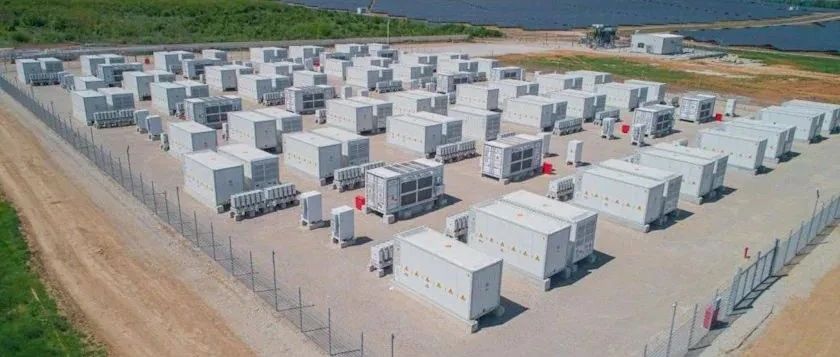
首个省级容量电价机制出台
中关村储能产业技术联盟· 2025-08-03 15:35
Core Viewpoint - Gansu Province has introduced a capacity pricing mechanism for power generation, marking the first provincial-level independent capacity pricing policy in China, aimed at supporting the transformation of coal power and promoting the orderly development of new energy storage [2][3]. Group 1: Capacity Pricing Mechanism - The capacity price for coal power units and new energy storage on the grid side is set at 330 yuan per kilowatt per year, with a two-year implementation period [2]. - The mechanism includes full capacity compensation for coal power, increasing the fixed cost recovery ratio from 30% to 100%, and incorporates various energy sources like hydropower, wind, and solar into the compensation framework [3][4]. - The introduction of a capacity pricing mechanism is expected to stabilize investment returns and promote the development of energy storage, especially in the context of high penetration of renewable energy [3][4]. Group 2: Flexibility and Resource Demand - Gansu's energy resources are abundant, but the high proportion of renewable energy requires flexible adjustment resources to ensure reliable power supply during peak demand [3]. - The new pricing mechanism aims to decouple capacity pricing from energy pricing, providing a clearer boundary between energy, auxiliary services, and capacity pricing [3][4]. Group 3: Impact on Users and Market Dynamics - The capacity pricing mechanism is designed to have a minimal impact on downstream electricity costs for industrial and commercial users, as the overall electricity price is expected to decrease due to the introduction of this mechanism [6][7]. - The capacity fee will be allocated based on the monthly electricity consumption of all industrial and commercial users, with the State Grid Gansu Electric Power Company responsible for monthly calculations [5][6]. Group 4: Future Market Developments - The capacity pricing mechanism is seen as a transitional measure, with plans to establish a capacity market in the long term, allowing for better resource allocation and price discovery [8][9]. - The mechanism will encourage the participation of diverse resources in the capacity market, with a focus on effective capacity assessment and fair compensation [9][10].