智能经济

Search documents
中经评论:如何用好“人工智能+”?
Xin Lang Cai Jing· 2025-12-26 05:40
Group 1 - The core idea of "Artificial Intelligence +" is to integrate AI into various sectors, enhancing productivity and transforming economic activities [1][2] - The Chinese government emphasizes the importance of "Artificial Intelligence +" in the 14th Five-Year Plan, aiming to combine AI with industry development, cultural construction, social governance, and public welfare [1][2] - AI is expected to drive a new paradigm of high-quality development, with the core AI industry projected to exceed 1 trillion yuan by 2030, influencing related industries to surpass 10 trillion yuan [2] Group 2 - The current stage of AI development in China shows significant growth, with over 5,300 AI companies, accounting for 15% of the global total, and Chinese AI patents making up 60% of the global share [2] - To effectively utilize "Artificial Intelligence +", it is essential to strengthen the technological foundation, including computing power infrastructure and data platform construction [3] - A systematic approach is required to address the multifaceted changes brought by AI, including managing human-machine relationships and preventing issues like the "intelligent divide" and algorithmic discrimination [3]
广东省政协常委陈娇:发展智能经济可推动产业系统性升级
Nan Fang Du Shi Bao· 2025-12-26 01:53
Group 1 - The central economic work conference emphasizes "innovation-driven development" as a key task for 2026, focusing on strengthening domestic circulation and expanding new demand growth [2] - Guangdong's "14th Five-Year Plan" introduces eight new economic sectors, including intelligent economy, to foster innovation and new growth drivers [2] - The development of the intelligent economy is identified as a crucial task for Guangdong during the "14th Five-Year" period, aiming for a revolutionary leap in productivity through AI applications [2] Group 2 - The Guangdong Provincial Committee emphasizes the need to accelerate the development of the artificial intelligence industry, proposing various strategies to enhance its growth and integration into new industries and business models [3] - Chen Jiao, a key figure in the AI sector, highlights the importance of creating an ecosystem that fosters breakthroughs and innovation in intelligent economy [3][5] - The strategic decision to include "development of intelligent economy" in the "14th Five-Year Plan" is seen as a pivotal move for Guangdong's high-quality development [6] Group 3 - Guangdong's unique "system integration" capability is a significant advantage, with a complete manufacturing chain and over 1,500 AI core enterprises, making it a fertile ground for AI technology innovation [7] - The province has established several AI clusters, with strengths in hardware, software, and application across cities like Shenzhen, Guangzhou, and Dongguan [8] - The AI industry in Guangdong is supported by national supercomputing centers and various data centers, contributing to a relatively complete industrial chain [8] Group 4 - To promote "AI + scenarios," Guangdong must focus on industrial chain collaboration, cutting-edge technology research, and global market expansion [9] - The region is encouraged to leverage its unique geographical and industrial advantages to foster international collaborations, particularly in infrastructure development in ASEAN and Central Asia [9] - Chen Jiao emphasizes the need for enterprises to shift from isolated breakthroughs to collaborative ecosystem building, focusing on real-world applications and open cooperation [13] Group 5 - The evolution of artificial intelligence is characterized by two main lines: the "production revolution" driven by AI and the "partner evolution" where robots become collaborative partners rather than mere tools [12] - AI's impact on various industries is expected to transform manufacturing processes, enhancing efficiency and decision-making capabilities [12] - Companies are advised to focus on building reliable products through deep engagement with real-world scenarios and fostering an open collaborative ecosystem [13]



好评中国丨“智能经济”势如破竹 为经济注入“智慧芯”
Xin Lang Cai Jing· 2025-12-25 13:18
Core Insights - Resilience is identified as a key term for understanding China's economy in 2025, highlighting the vibrant domestic demand driven by new consumption phenomena [1] - The rise of the intelligent economy is seen as a core engine for high-quality economic development in China, reshaping the industrial landscape through deep integration of smart technologies [3][6] Intelligent Economy - The intelligent economy is characterized by a shift from traditional manufacturing to smart manufacturing, focusing on "data + computing power + algorithms" to achieve a qualitative change from automation to intelligence [3] - China's intelligent manufacturing is supported by a dual-driven model of "top-level design + grassroots practice," ensuring that smart technologies are integrated into the industrial fabric [3] - The intelligent economy is transforming various sectors, including low-altitude economy, smart vehicles, and smart hotels, enhancing efficiency and consumer experience [4] Market Dynamics - China's large-scale market serves as a natural testing ground for smart technologies, creating a virtuous cycle where demand drives technological iteration and vice versa [5] - The comprehensive industrial system in China facilitates seamless integration from research and development to implementation, avoiding bottlenecks in technology [5] - The open and collaborative approach of China's intelligent economy contrasts with the monopolistic tendencies seen in some Western countries, promoting cross-sectoral development [5] Future Outlook - The intelligent economy is expected to provide intrinsic momentum for China's economic growth, moving away from traditional dependency paths and driving high-quality development through technological innovation [6] - The structural optimization of the economy is anticipated, with traditional industries being upgraded and emerging industries flourishing, leading to a multi-polar industrial landscape [6] - China's competitive edge in global markets is expected to strengthen, particularly in key areas like artificial intelligence and smart manufacturing, contributing to global economic governance [6]
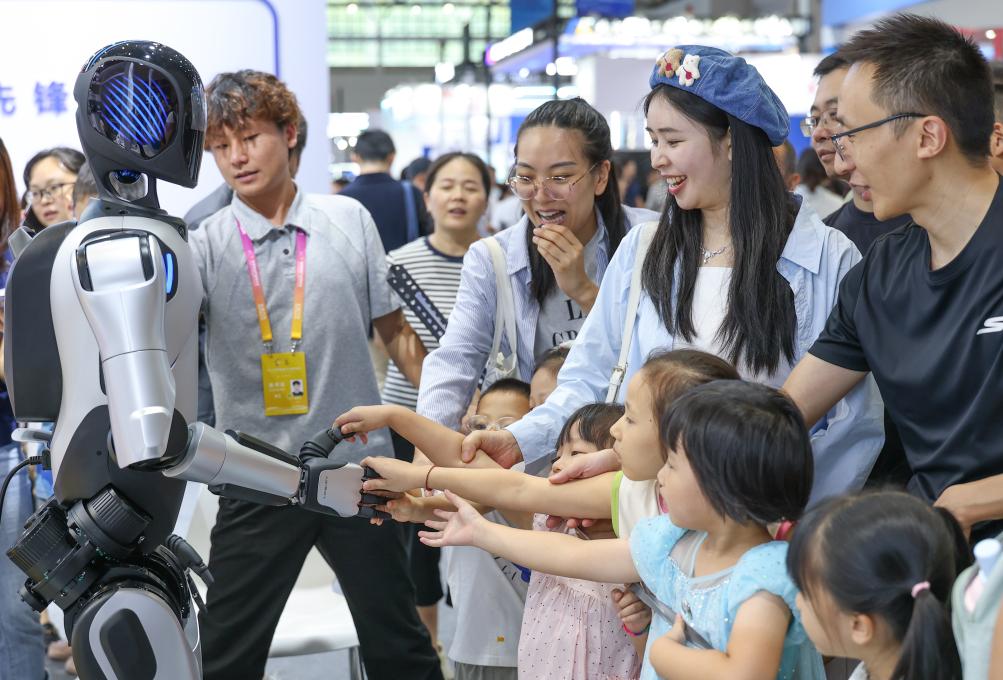
广西经济运行回升向好 聚力发展壮大智能经济
Zhong Guo Xin Wen Wang· 2025-12-25 05:08
Core Viewpoint - Guangxi's economy is showing signs of recovery, driven by the rapid development of artificial intelligence (AI) and the construction of a modern industrial system, alongside deep reforms and high-level openness [1] Group 1: Economic Development and AI - Guangxi aims to develop a robust smart economy by integrating AI research from major cities with local applications and establishing a China-ASEAN AI application cooperation center [2] - The region plans to implement the "AI+" initiative to enhance the integration of AI with manufacturing, promoting AI as a key driver for industrial upgrades and enterprise transformations [2] Group 2: Industrial Structure and Investment - Guangxi will focus on building a modern industrial system supported by ten key manufacturing industries, enhancing investment structures, and improving investment efficiency [2] - The region intends to promote new business models such as "AI + consumption" and create new supply chains that leverage ASEAN production and Guangxi distribution [2] Group 3: Reform and Innovation - Guangxi will deepen reforms in key areas such as AI development and technological innovation, aiming to stimulate internal growth and integrate into the national market [3] - The region plans to strengthen education and technology talent development while focusing on core technology breakthroughs to foster high-quality industrial growth [3] Group 4: Open Economy and Green Transformation - Guangxi is committed to prioritizing the development of the Beibu Gulf Economic Zone and enhancing trade and investment integration with the Guangdong-Hong Kong-Macao Greater Bay Area [5] - The region will also focus on promoting a green transformation of its industrial system and ensuring the improvement of people's livelihoods [5]
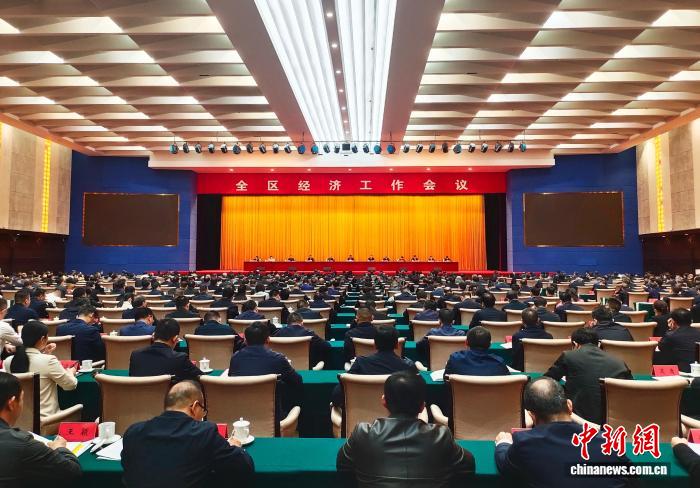
服务消费稳固,智能经济消费展现高成长性
China Post Securities· 2025-12-16 08:54
Group 1 - The core viewpoint of the report indicates that China's economy continues to develop steadily, characterized by "demand decline and stable production" as of November [2] - Retail sales growth has shown a declining trend, with a year-on-year growth rate of 1.3% in November, down 1.6 percentage points from the previous value, marking six consecutive months of marginal slowdown [8] - Service consumption remains robust, while smart economy consumption, such as smart wearables and digital consumption, exhibits high growth potential [2][8] Group 2 - Fixed asset investment has seen a cumulative year-on-year decline of 2.6% from January to November, with the real estate market undergoing deep adjustments and construction investment growth in negative territory [15] - The average price of commercial housing in November was 9096.64 yuan per square meter, a year-on-year decrease of 9.94%, indicating a bottoming process in housing prices [16] - Industrial value-added growth remained relatively stable at 4.8% year-on-year in November, with mining and high-tech industries showing significant growth [28]
经济向“新”活力涌动 智能经济创造新型消费场景激活消费新潜力
Yang Shi Wang· 2025-12-14 03:40
Core Insights - The artificial intelligence (AI) industry in China is expected to accelerate significantly, with the core industry scale projected to exceed 1 trillion yuan by 2025 [1] Group 1: Industry Growth - The core AI industry scale is anticipated to surpass 900 billion yuan in 2024, with a growth rate of 24% [5] - By 2025, the scale is expected to exceed 1.2 trillion yuan, indicating further growth acceleration [5] - The application of large models in the manufacturing sector has seen a notable increase, with the proportion of application cases rising from 19.9% to 25.9% [4] Group 2: Standards and Infrastructure - A high-performance training and inference service standard for the AI industry has been established to promote AI applications in vertical sectors [8] - The establishment of a public service platform for AI large models aims to enhance the open sharing of model data and algorithms [13] Group 3: Consumer Impact - The smart economy is creating new consumption scenarios and driving upgrades in consumption structure, with AI-related products like smart glasses and smartwatches experiencing a 23.1% growth in online sales in the first ten months of 2025 [10]

人工智能发展主线有变,中国信通院给出这些研判
2 1 Shi Ji Jing Ji Bao Dao· 2025-12-14 00:38
Group 1 - The core theme of the 2026 China Information and Communication Research Institute's deep observation report is the development of new productive forces in the context of the "15th Five-Year Plan" and the artificial intelligence wave [1] - The report highlights that the continuous iteration of technology lays a solid foundation for the practical application of large models, with intelligent agents emerging as the primary form of application, showcasing the early form of "digital labor" [2][3] - In 2024, China's core AI industry is expected to exceed 900 billion yuan, with a growth rate of 24%, and is projected to surpass 1.2 trillion yuan in 2025 [2] Group 2 - AI is penetrating the core value creation segments, with a notable increase in the manufacturing sector's share of AI applications from 19.9% to 25.9% [4][6] - The report indicates that the penetration speed of AI is still limited by challenges such as the difficulty of obtaining industrial data and the encapsulation level of process knowledge [6] - The development of intelligent economy is seen as a necessary path to explore new economic growth momentum, with the goal of making it a significant growth driver by 2030 [7][8] Group 3 - The concept of "embodied intelligence" is rapidly developing, with over 40 billion yuan in financing and more than 350 companies in the industry, although the optimal model and robot form are still not defined [9] - The report discusses the ongoing debates regarding model routes, data training paradigms, and the physical form of robots, indicating that the industry is still in the early stages of large-scale implementation [10][11] - The central economic work conference emphasizes the need for deepening and expanding the "AI+" initiative, highlighting the importance of governance alongside technological development [12][13]
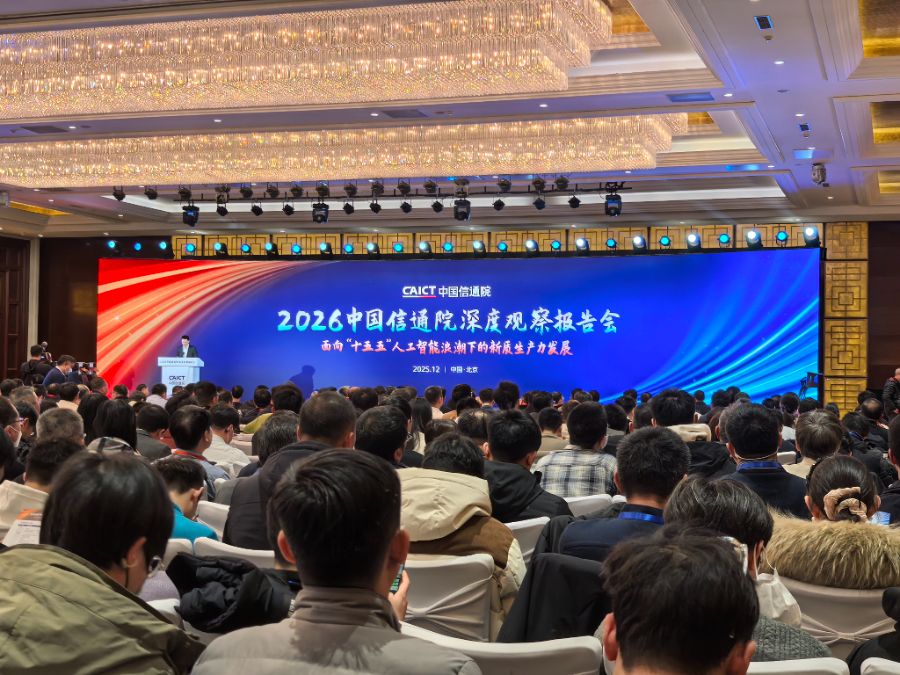
人文经济等多种经济形态屡被提及,有何内涵?丨聚焦河源市委全会
Sou Hu Cai Jing· 2025-12-12 17:48
Core Points - The meeting of the Eighth Committee of the Communist Party of China in Heyuan City highlighted the focus on various emerging economic forms, including low-altitude economy, intelligent economy, and others, as part of the "14th Five-Year Plan" [1][4][18] Group 1: Low-altitude Economy - The low-altitude economy is defined as a comprehensive economic form that integrates the research, production, sales, and related infrastructure of civil aviation aircraft operating in low-altitude airspace [4] - Heyuan is actively developing low-altitude economy through practical initiatives, such as establishing a spaceport in Wanlv Lake and creating a low-altitude tourism base [6] - The low-altitude economy aims to address efficiency bottlenecks in logistics, agriculture, and emergency services, facilitating the transition to high-end, intelligent, and new-quality industries [6] Group 2: First-release Economy - The first-release economy refers to economic activities related to the launch of new products, business models, and services by enterprises [7] - Heyuan is fostering the first-release economy by developing a sports and toy industry cluster, attracting over 20 toy manufacturing companies, and achieving a toy manufacturing output value of 5.29 billion yuan, a 40.4% year-on-year increase [8][12] Group 3: Intelligent Economy - The report emphasizes the construction of an innovation framework called "one core, two belts, and three zones" to promote the development of the intelligent economy [13] - The integration of artificial intelligence across various sectors is expected to create new industries and business models, with significant advancements in agricultural productivity through automation [13] Group 4: Green Economy - The report calls for the vigorous development of the green economy, focusing on the integration of digitalization, intelligence, and sustainability [16] - Heyuan's green economy initiatives include the establishment of zero-carbon parks and green factories, leveraging its strong ecological advantages to support high-quality development [16] Group 5: Fly Economy and Fly-Sea Economy - The report discusses the enhancement of "fly economy" and "fly-sea economy" development models to promote resource sharing and collaborative growth between different regions [17] - The establishment of the Heyuan Longchuan (Baoan) Technology Innovation Center exemplifies the practical application of these economic models, with a projected output value of 290 million yuan in 2024 [17] Group 6: Bay Area, River Basin, and Urban Circle Economy - The report highlights the importance of actively participating in the Bay Area, river basin, and urban circle economies to achieve broader resource sharing and market integration [18] - Heyuan's geographical proximity to the Guangdong-Hong Kong-Macao Greater Bay Area positions it favorably for industrial collaboration and innovation [18] Group 7: Cultural and Sports Economy - The report emphasizes the development of the cultural economy, focusing on enhancing the spiritual life of the people and promoting creative rural economies [22] - The sports economy is also highlighted, with initiatives to host various sports events to enhance the region's reputation as a destination for outdoor activities [22]
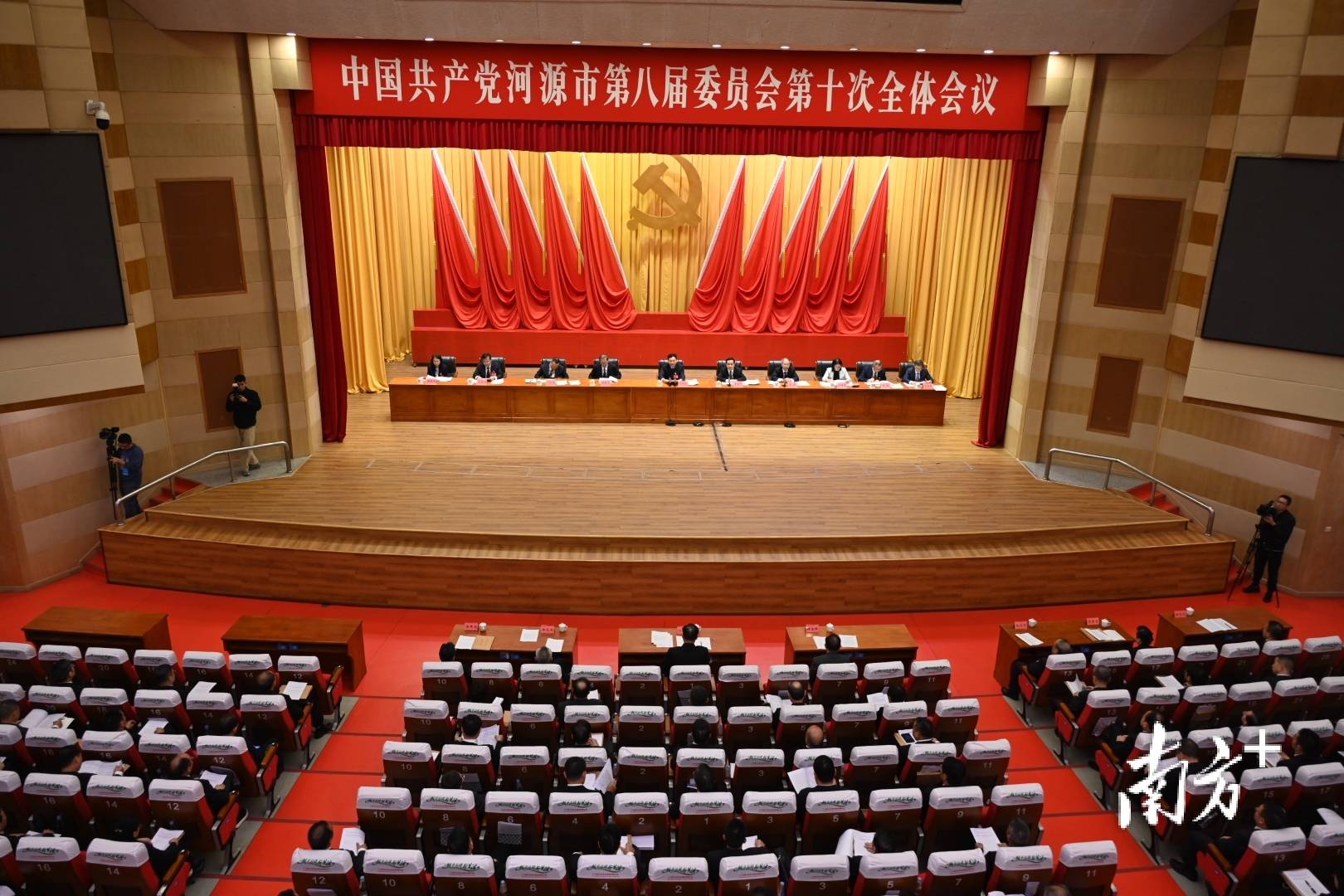
从十五运会到残特奥会,广东的一次“机器人总动员”
Nan Fang Du Shi Bao· 2025-12-12 13:27
Group 1: Core Insights - The events of the 15th National Games and the Special Olympics showcase over 130 high-tech products, emphasizing the integration of AI in sports and technology [1][2] - Guangdong's AI industry is projected to reach a scale of 220 billion yuan, with a year-on-year growth of approximately 25%, solidifying its position as a leader in the AI sector [5][6] Group 2: Technological Innovations - The introduction of various AI-driven assistive technologies, such as AI glasses for the visually impaired and smart wheelchairs, highlights the focus on accessibility and support for disabled athletes [4][20] - The use of humanoid robots and AI in event management and safety, including the world's first 5G-A humanoid robot and autonomous patrol robots, demonstrates advancements in robotics and automation [3][9][10] Group 3: Economic Impact - The integration of AI technologies in sports events serves as a practical testing ground, enhancing brand influence and accelerating industrialization [2][7] - Guangdong's commitment to developing over 500 application scenarios by 2027 reflects its strategic vision for AI's role in various sectors, including manufacturing and public services [6][7] Group 4: Community and Daily Life Applications - Post-event, technologies such as AI coffee machines and smart inspection systems are being integrated into everyday life, showcasing the transition from sports innovation to community benefits [7][8] - The collaboration between different sectors in the Guangdong-Hong Kong-Macao Greater Bay Area emphasizes the synergy in innovation and economic growth [7]


百度沈抖:AI“超级周期”启动,10万亿产业从里到外被彻底重塑
混沌学园· 2025-12-10 11:58
"AI超级周期启动,智能经济机会无限。" 正当我们讨论 AI浪潮时,一个被忽视的宏大背景正在展开:AI不仅是一个独立的技术赛道,它正站在一个高达10万亿的基础产业之上。这意味着,我们今 天所见的AI趋势,将是下一轮对现有工种和组织形态进行 "彻底改变"的巨大力量。 百度集团执行副总裁、百度智能云事业群总裁沈抖博士在江阴飞马水城带来了《智能,生成无限可能》的分享,从趋势、原理、场景、基建、变革五方面 带领我们透视智能经济的整个面貌,包括 深入浅出的技术解析与 丰富生动 落地实践分享。 此次分享是一份面向未来的生存指南,帮助创业者抓住这波以大模型为核心的技术浪潮,实现企业的高效、变革与增长。 本文仅为部分内容,打开混沌APP,观看完整版课程《智能,生成无限可能》。 AI 的价值会远超互联网 我们正在 AI超级周期的起点,智能经济带来的机会是无限的。 等 AI进一步发展的时候,不但会使得自身的规模变得更大,而且会把整个产业做得更大。所以,尽管今天AI可触达的市场虽然只有200 亿,但它实际上改 造的会是10万亿的市场。——从注册护士、软件开发师到销售、教师,今天的人工智能会彻底地改变每一个工种,包括为其赋能,或者帮 ...