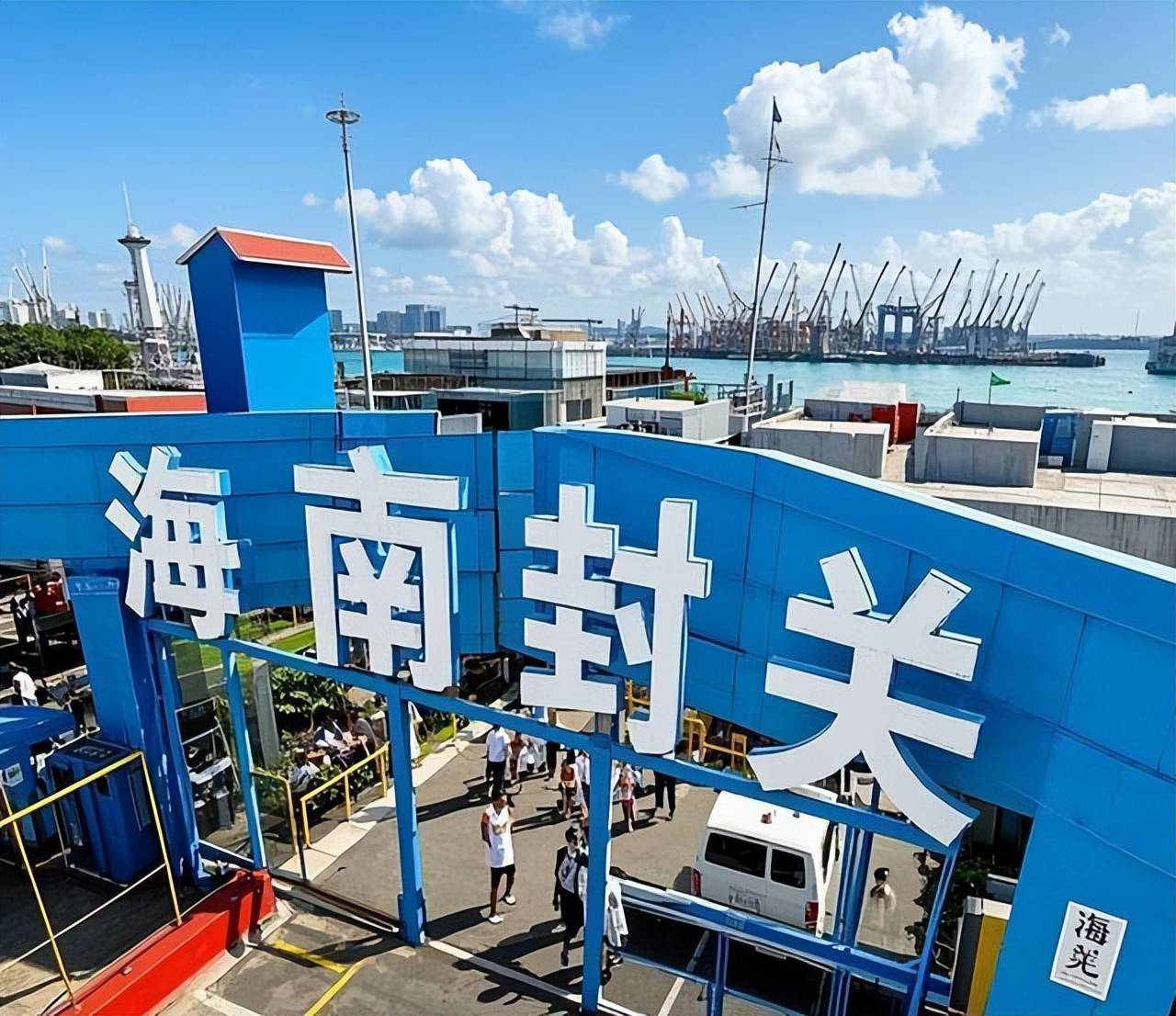
海南封关

Search documents
海南封关有个国家急了?绕过马六甲,祭出洋浦港直航大
Sou Hu Cai Jing· 2025-12-20 20:57
Core Viewpoint - Hainan's opening of its customs on December 18 marks a significant milestone in China's economic history, with 86 countries now eligible for visa-free entry and 6,600 tax items subject to "zero tariffs" [1][2]. Group 1: Hainan's Economic Potential - Hainan is positioned as a new economic hub, potentially challenging Singapore's dominance in the region [2][3]. - The island's strategic location and policies aim to attract international trade and tourism, leveraging its vast consumer market of 1.4 billion people [22][40]. - Hainan's development includes establishing 85 international flight routes, creating a "4-hour flight circle" that connects major Asian cities [23]. Group 2: Comparison with Singapore - Singapore's geographical advantage as a key maritime hub has historically allowed it to dominate trade routes, but Hainan's new policies may disrupt this balance [7][19]. - Hainan's tax incentives, such as a corporate tax rate of 15% compared to Singapore's 17%, could attract businesses looking to capitalize on lower operational costs [25][27]. - The "front store, back factory" model in Hainan allows for direct access to the Chinese market, which Singapore lacks due to its reliance on external markets [29][30]. Group 3: Future Opportunities - The opening of Hainan is expected to create new opportunities in cross-border e-commerce, re-export trade, and luxury services, positioning it as a bridge between China and the global market [45][47]. - The enhanced consumer experience in Hainan, such as immediate product pickup from duty-free stores, is likely to stimulate demand for luxury goods and services [36][44]. - Hainan's strategic initiatives may lead to a shift in global economic centers towards the East, particularly favoring China [47].

封关不是关门,中国甩出王炸,全球格局要变天
Sou Hu Cai Jing· 2025-12-20 11:10
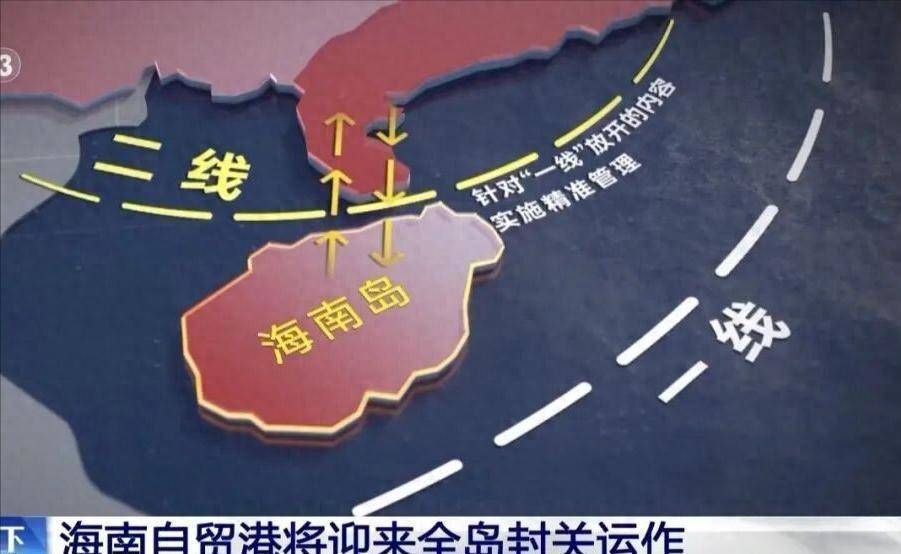
Core Viewpoint - Hainan's announcement of full island closure operation on December 18, 2025, represents a strategic move by China to counter global containment efforts, emphasizing openness rather than isolation [1][8][22] Group 1: Policy and Economic Implications - The concept of "closure" in Hainan does not imply isolation but rather a model of "open first, control second," allowing international access while regulating domestic channels [3][6] - Hainan will operate as a special zone with zero tariffs and simplified approvals for international goods, effectively becoming a "domestic outside" area in terms of trade rules [3][6] - The unique policy of "30% value-added processing for domestic sales exempt from tariffs" provides a significant competitive advantage for businesses, allowing them to import raw materials duty-free and sell processed goods to the mainland without tariffs [11][13] Group 2: Strategic Positioning - Hainan is not intended to replace Hong Kong or Singapore; instead, it aims to leverage its vast land and natural resources to focus on sectors like agriculture, deep-sea exploration, aerospace, and high-end manufacturing [15][17] - The region is positioned as a "testbed" for advanced medical devices and data flow, facilitating early access for domestic patients and exploring cross-border digital economy cooperation [19][21] Group 3: Global Context and Future Outlook - Hainan's closure is seen as a significant step comparable to China's WTO accession in 2001, marking a shift from product-level to institutional-level openness, allowing China to participate in international rule-making [22] - The initiative aims to attract global capital, talent, and technology to Hainan, countering efforts to isolate China and reinforcing the country's commitment to globalization [21][22]
冲上热搜!海南封关120多万卡宴只卖60万
Sou Hu Cai Jing· 2025-12-20 10:49
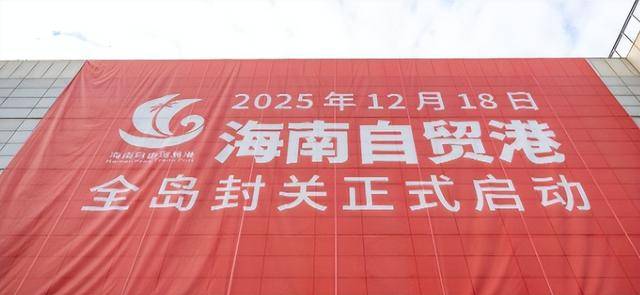
Core Viewpoint - The implementation of the "zero tariff" policy for imported vehicles in Hainan Free Trade Port has generated significant interest, particularly due to the substantial price reductions available for certain vehicles, although the policy is limited to enterprises engaged in transportation and tourism, excluding individual consumers [1][3]. Group 1: Policy Details - The "zero tariff" policy exempts qualifying imported vehicles from customs duties, value-added tax, and consumption tax, leading to significant price reductions; for example, a Toyota Hiace valued at 227,000 yuan had tax exemptions of approximately 84,000 yuan, resulting in a nearly 40% price drop [3]. - The policy is restricted to enterprises involved in transportation and tourism, requiring vehicles to be used for operations and equipped with satellite positioning systems linked to regulatory networks [3][4]. - Vehicles must have their origin and destination within Hainan Free Trade Port and cannot stay in mainland China for more than 120 days per year [3][4]. Group 2: Purchase Restrictions - Even if enterprises qualify to purchase "zero tariff" vehicles, there are strict limitations, including the inability to transfer ownership without customs approval and the requirement for vehicles to be registered for operational use, which mandates a 15-year lifespan before scrapping [4]. - Any claims by illegal vendors offering to facilitate the purchase of "zero tariff" vehicles should be approached with caution, as such transactions are often fraudulent and may result in vehicles being unregistered and confiscated by customs [4]. - The recent implementation of the policy has positively impacted the local economy, with Sanya reporting a sales figure of 118 million yuan in duty-free sales, reflecting a 60% increase in customer traffic and an 85% increase in sales year-on-year [4].

官方辟谣海南封关后不能寄快递
Xin Lang Cai Jing· 2025-12-20 05:45
转自:河北新闻网 【#官方辟谣海南封关后不能寄快递# 】海南封关后不能寄快递?海南省快递行业协会秘书长张少中辟 谣:简单说下"封关",这次海南启动10个"二线口岸"的货物查验功能,主要是监管货物,而快递属 于"物品",还是按现行规定走。而网传的海南"不发货""不包邮"等情况,大概率是还没有摸清政策,以 为封关就不能寄快递;部分电商平台商家误以为往海南发货等于"出口",觉得手续麻烦就暂停海南发货 按钮;可能还存在部分电商平台商家借全岛封关为由为其商品涨价或加运费......但实际情况是:快递能 正常进出、费用没涨、时效没变,大家仍然可以放心买,放心寄。(海南发布) @大众新闻-半岛都市 报 (来源:河北新闻网) ...
海南封关,意义重大,远超你的想象
Sou Hu Cai Jing· 2025-12-20 03:12
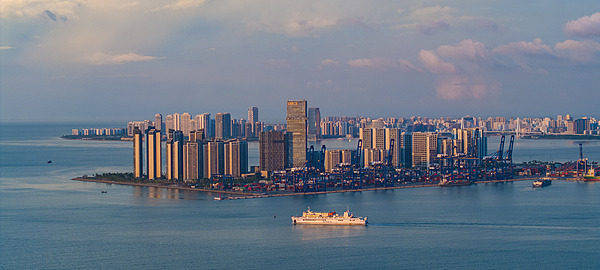
Core Viewpoint - The official launch of the Hainan Free Trade Port marks a significant step towards creating a customs-regulated special zone, aiming to enhance global trade and supply chain efficiency while fostering innovation and attracting investment [1][6][21]. Group 1: Customs and Trade Regulations - Hainan's "closure" refers to establishing a customs-regulated area, allowing unprecedented freedom in the flow of goods, with most imported items subject to zero tariffs [6][10]. - The "first line" of customs will facilitate free trade with the outside world, while the "second line" will regulate the flow of goods between Hainan and mainland China to prevent market disruption [7][8]. - The number of zero-tariff items will expand from over 1,900 to more than 6,600, increasing the proportion of zero-tariff items from 21% to 74% [14]. Group 2: Economic and Industrial Implications - Hainan aims to position itself as a global innovation hub rather than replicating Shenzhen's manufacturing-driven growth model, focusing on high-tech and advanced manufacturing from the outset [13][21]. - The new policies will optimize processing and value-added tax exemptions, encouraging enterprises to invest in technology and innovation [15][18]. - Hainan's geographical advantages and infrastructure development are expected to mitigate previous logistical challenges, enhancing its manufacturing capabilities [23]. Group 3: Talent and Investment Attraction - Hainan offers a reduced corporate income tax rate of 15% for qualifying industries and exemptions on personal income tax for high-end talent, making it attractive for skilled professionals [20]. - Over 170 countries and regions have already invested in Hainan, indicating strong international interest and confidence in the region's potential [20]. - The local population structure and market depth provide a solid foundation for economic growth, surpassing the initial conditions of Shenzhen [21].
海南封关,远超你想象
投资界· 2025-12-20 02:53
Core Viewpoint - The establishment of the Hainan Free Trade Port marks a significant reform, aiming to create a unique economic zone with unprecedented levels of trade freedom, particularly in goods, while differentiating itself from Shenzhen's development path [3][4][5]. Group 1: Trade and Economic Structure - Hainan's "closure" refers to the establishment of a "customs supervision special area," allowing for unprecedented freedom in the flow of goods between Hainan and the outside world, with most imported goods subject to zero tariffs [5][6]. - The "first line" of customs will facilitate the import of goods with zero or low tariffs, while the "second line" will regulate the flow of these goods into mainland China to prevent market disruption [6][10]. - Hainan's geographical size allows it to function as a large-scale "bonded zone," potentially the largest in the world, which could significantly impact its economic development [7][8]. Group 2: Manufacturing and Innovation - The focus on free movement of goods is expected to drive manufacturing growth, with Hainan aiming to become a global hub for innovation rather than merely replicating Shenzhen's manufacturing success [8][9]. - The number of products eligible for zero tariffs has expanded from over 1,900 to more than 6,600, increasing the proportion of zero-tariff items from 21% to 74%, which includes high-tech manufacturing and research equipment [8][9]. - The reform encourages enterprises to invest in advanced equipment and technology, thereby enhancing their competitiveness in the global supply chain [10][12]. Group 3: Tax Incentives and Talent Attraction - Hainan offers a reduced corporate income tax rate of 15% for qualifying industries, and high-end talent can benefit from personal income tax exemptions on amounts exceeding 15%, making it attractive for skilled professionals [12][13]. - The tax incentives are particularly appealing to high-income earners in technology and finance, potentially drawing talent to Hainan as the tech industry grows [13][14]. - The structural advantages of Hainan, including its population and market potential, position it favorably for economic growth compared to earlier development stages of Shenzhen [14][15].
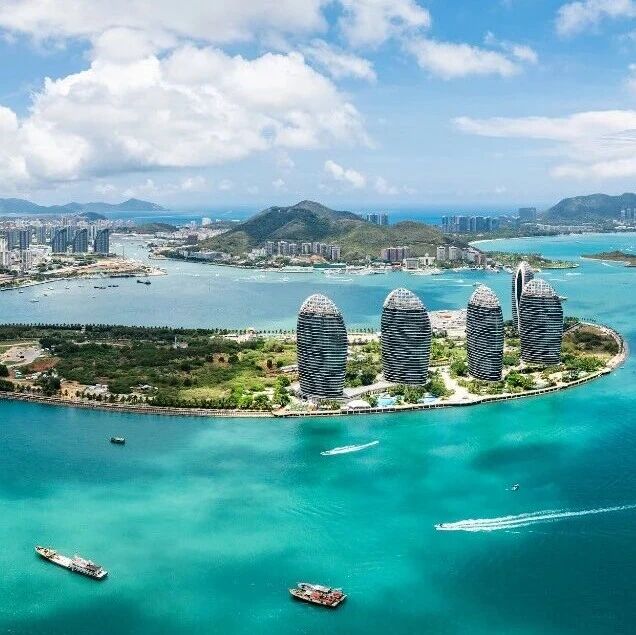
首饰黄金每克便宜176元,海南封关后,你会去“买买买”吗?
2 1 Shi Ji Jing Ji Bao Dao· 2025-12-20 02:15
据极目新闻,封关首日,便有消费者排起长队选购苹果产品。店员介绍,免税苹果产品不能使用国家补 贴,但可以叠加政府免税消费券。以售价最贵的iPhone17proMax2TB版本为例,其叠加消费券后,最终 售价为15859元,这比官网售价便宜了2140元。 据每日经济新闻,19日,老庙黄金价格展示牌显示,当天免税金价为1180元/克,有税金价为1356元/ 克,免税价便宜176元/克。 此外,中免海南官方商城的小程序上还有一些性价比单品,如加拿大鹅羽绒服、戴森吹风机等。 (原标题:首饰黄金每克便宜176元,海南封关后,你会去"买买买"吗?) (来源:每日经济新闻、极目新闻) 12月18日,海南自由贸易港正式启动全岛封关。封关对普通人有哪些影响?到海南买买买会不会更爽 快? ...
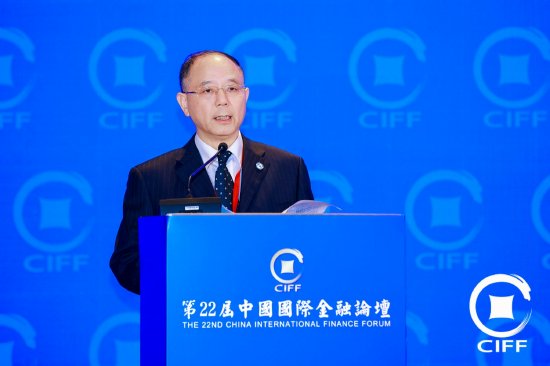
景建国展望“十五五”:将以指数为“锚”,构建与我国经济地位相称的现代化离岸金融生态体系
Xin Lang Cai Jing· 2025-12-20 02:09
Core Viewpoint - The 22nd China International Financial Forum highlighted the development of a smart financial ecosystem in the digital economy era, with a focus on the release of the China Offshore Financial Index Report (2024-2025) [1][7]. Group 1: Offshore Financial Index Insights - The China Offshore Financial Index is described as a comprehensive measure of the depth of financial openness and global competitiveness, serving as a "barometer" and "compass" for national strategy and the Hainan free trade zone [3][9]. - The index increased to 106.50 points in 2024, reflecting a 0.31% growth from 2023, indicating the resilience of China's offshore financial market and providing a solid foundation for building a financial powerhouse [3][5][11]. - The index reveals structural weaknesses such as the decline of traditional businesses and insufficient integration of onshore and offshore finance, offering quantitative data to address these issues with targeted policy measures [3][9]. Group 2: Global Financial Center Development - Shanghai's cross-border RMB payment volume accounts for 47% of the national total, indicating the emergence of a dual-engine model alongside Hong Kong, which supports Shanghai's goal of becoming a global RMB asset allocation center [4][10]. - The gap between the integration of onshore and offshore finance and the IMF's 30% standard highlights a critical area for Shanghai to enhance its global resource allocation capabilities [4][10]. Group 3: RMB Internationalization - The issuance of offshore RMB bonds surpassed 689.9 billion yuan, and the global foreign exchange trading volume of RMB increased to 8.5%, illustrating a positive cycle of "onshore pricing, offshore trading, and global allocation" [4][10]. - These developments are pushing RMB from a settlement function towards roles in trading, reserve, and pricing [4][10]. Group 4: Hainan Free Trade Zone - The full closure of Hainan Island is a significant project for expanding high-level openness, with the offshore financial index monitoring key indicators such as fund flow efficiency and foreign investment participation [4][10]. - The index serves as both a "health check" for the effectiveness of financial openness post-Hainan's closure and a "navigation tool" for making Hainan a global hub for offshore financial innovation [4][10]. Group 5: Future Outlook - The index's increase to 106.50 points marks the beginning of a new phase of stabilization and recovery, shifting the focus from scale expansion to structural optimization [5][11]. - A "106.5+" action plan is proposed to leverage the current index as a starting point, focusing on three collaborative paths to enhance offshore finance qualitatively and quantitatively [6][11]. - The vision for the 14th Five-Year Plan includes a dual-driven approach of "central authorization + local innovation" and "business-first + legislative support" to address structural shortcomings and promote Hainan as an innovative financial testing ground [6][11].
帮主郑重:海南封关不是封岛!20年财经老兵拆解3个中长线机遇
Sou Hu Cai Jing· 2025-12-19 16:42
Core Insights - The recent Hainan customs closure is not a ban on the island but a strategic opening, allowing for freer trade and investment while maintaining regulatory oversight on the mainland [3][7] - The expansion of Hainan's zero-tariff list from 1,900 to 6,600 items, covering 74% of all goods, represents a significant opportunity for long-term investment [3][4] Group 1: Trade Processing and Cross-Border Services - The dual benefits of trade processing and cross-border services are highlighted, with companies now able to repair medical equipment more efficiently, reducing costs and time significantly [4] - The influx of zero-tariff raw materials at Yangpu Port indicates a revitalization of the entire supply chain, making logistics and supply chain management sectors attractive for long-term investment [4] Group 2: Medical Tourism and High-End Consumption - Hainan's increasing international flight options and visa-free access for 85 countries enhance its appeal as a medical tourism destination, particularly with the availability of new medical technologies [5] - The introduction of tax exemptions for imported medical equipment and consumer goods will transform Hainan into a hub for high-quality tourism and consumption, benefiting related sectors such as high-end hotels and wellness facilities [5] Group 3: High-End Industries and Cross-Border Finance - The establishment of favorable tax rates for businesses and high-end talent in Hainan is attracting major companies, particularly in digital economy and biomedicine sectors [6] - The liberalization of cross-border capital flows facilitates easier financing and trade settlements, creating investment opportunities in supporting industries such as software and research services [6] Group 4: Real Estate and Long-Term Investment Strategy - The real estate market in Hainan remains tightly regulated, and the focus should shift from short-term property speculation to long-term investments in rental markets and services that support industrial development [6][7] - The gradual release of benefits from the Hainan customs closure suggests a long-term investment horizon, making it suitable for investors looking for sustainable growth rather than quick profits [7]

海南封关,彻底告别“下一个香港”定位,独特开放模式震动全国
Sou Hu Cai Jing· 2025-12-19 07:43
Group 1: Changes for Businesses and Individuals - The official closure of Hainan Island on December 18, 2025, has led to significant changes, allowing companies to process imported goods like soybeans and beef without high tariffs, saving substantial costs that are reinvested in production and hiring [2] - Consumers are benefiting from lower prices on luxury items, such as BMW cars, and an expanded range of duty-free products, enhancing their quality of life [4] - The introduction of high-end medical services and equipment locally has made healthcare more accessible for residents [4] Group 2: Open Policy Management - Hainan's approach to "closure" is not about isolation but rather facilitating smoother entry and exit for goods and people, with over 80 countries and regions able to visit without visas [6] - To prevent policy loopholes, goods enjoying tax exemptions must be declared when leaving the island, and vehicles can only remain on the mainland for 120 days per year, ensuring a balanced interaction between the island and the mainland [8] - The core of Hainan's policy is to balance openness and control, attracting resources and talent while protecting the national tax system [12] Group 3: Unique Competitive Position - Hainan is not competing with Hong Kong as a free port; instead, it focuses on serving the domestic market by attracting global resources for local output [14] - The tax policies and measures in Hainan aim to foster growth in innovation, manufacturing, tourism, and high-tech industries [14] - Hainan's strategy is complementary to the Guangdong-Hong Kong-Macao Greater Bay Area, with Hainan focusing on production and application while the Bay Area emphasizes research and innovation [16] Group 4: Exploration and Development - Hainan is establishing itself as a new model of openness, not by mimicking Hong Kong but by creating its own path, with policies continuously evolving based on practical needs [18] - The goal is to serve as a practical open channel for domestic residents and businesses, aligning consumer needs with entrepreneurial motivation while showcasing a new form of Chinese openness to the world [18] - Hainan is transforming into a crucial tropical window connecting domestic and international markets, with these changes occurring in real-time [18]