美债危机

Search documents
美国政府“关门”危机陷入持久战,影响有多大?
2 1 Shi Ji Jing Ji Bao Dao· 2025-10-10 13:32
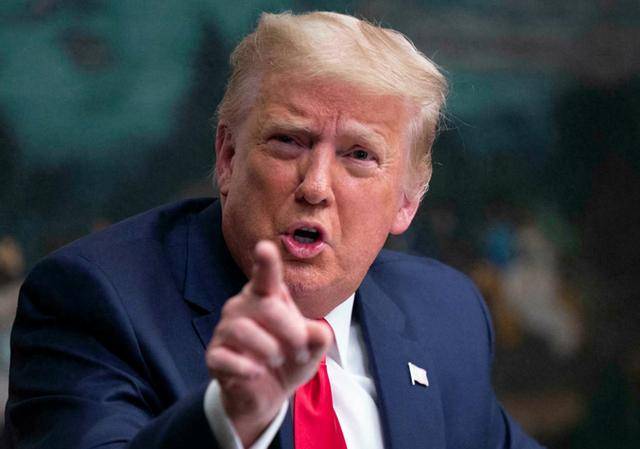
Core Points - The U.S. government shutdown is expected to last over 15 days due to a political stalemate between the Democratic and Republican parties regarding temporary funding bills [1] - President Trump plans to cut federal programs favored by Democrats, indicating a potential for permanent layoffs if the deadlock continues [1][3] - Historical context shows that government shutdowns have occurred over 20 times since the 1970s, often due to partisan disagreements [1][3] Political Dynamics - The ongoing impasse reflects increasing political polarization in the U.S., driven by value conflicts, power struggles, and institutional flaws [2] - The core issue revolves around the Democratic demand to extend subsidies under the Affordable Care Act, while Republicans seek to cut border security spending [2][3] - Achieving the necessary 60 votes for any temporary funding bill in the Senate is challenging given the current partisan divide [2] Economic Implications - Prolonged shutdowns could lead to job losses for federal workers and disruptions in public services, negatively impacting consumer spending and short-term economic growth [6] - The Labor Department's suspension of key economic data releases could create an "information vacuum," complicating monetary policy decisions by the Federal Reserve [6][7] - Historical data suggests that government shutdowns have a limited impact on GDP, primarily affecting public sector income and policy uncertainty [7][8] Market Reactions - The stock market's response to shutdowns has been mixed, with the S&P 500 historically showing resilience during such periods [8][9] - Government shutdowns typically lead to a mild decline in Treasury yields, with a notable drop in short-term rates [8] - The dollar may experience short-term strength due to safe-haven demand, but long-term pressures from fiscal challenges and Fed easing expectations could suppress its value [9] Asset Performance - Gold prices have shown volatility during shutdowns, with historical patterns indicating potential support for gold as a hedge against uncertainty [8][9] - Different asset classes are reacting variably, with tech stocks likely to benefit from rate cut expectations, while cyclical and utility stocks may face declines [9]
美债利率下行引担忧,各国银行为何竞购零利率黄金
Sou Hu Cai Jing· 2025-10-08 18:41
Group 1 - The core issue is the growing distrust in the US dollar, leading central banks to sell US Treasuries and invest in gold as a safer asset [1][5][15] - In April, gold prices reached a historic high, indicating a shift in investment preferences as central banks express anxiety over the stability of the dollar [3][9] - The trend of central banks redeeming US Treasuries early reflects a broader sentiment of fear regarding potential dollar devaluation and a desire to diversify assets [5][11] Group 2 - The increase in gold reserves among emerging markets is significant, with the net increase in global gold reserves in the first half of the year being twice that of 2018 [7] - The market's cold response to rising US Treasury yields, which reached 4.7%, highlights a stark contrast to previous demand for these securities [9][11] - The ongoing transformation of the global monetary system is creating both risks and opportunities, with central banks acting swiftly to adapt to changing conditions [13][15]


黄金涨了,美元慌了,石油笑了
Sou Hu Cai Jing· 2025-10-07 07:23
Core Insights - The rise in gold prices is attributed to geopolitical tensions affecting the dollar, with gold surpassing $3900 per ounce, indicating a brewing crisis for the dollar [3] - The relationship between oil prices and the dollar is crucial, as high oil prices support the dollar while low prices weaken it; current WTI crude oil prices are around $64 per barrel [4] - The geopolitical situation, particularly the Russia-Ukraine conflict, is keeping oil prices stagnant, while the Federal Reserve's desire to lower interest rates to alleviate national debt creates a balancing act for the dollar [4] Group 1 - Gold's recent strength is seen as a "passive victory," with potential for a pullback if oil prices rebound, making U.S. Treasury bonds more attractive [5] - The fundamental relationship between oil and the dollar suggests that oil is the foundation of the dollar, while gold is a temporary focal point; a resurgence in oil prices would favor the dollar and U.S. bonds [5] - Investors are advised to maintain optimism and strategically position themselves amidst global turmoil to achieve long-term gains [5]

中方连抛500亿美债,特朗普为何不敢施压?美国关门危机真相曝光
Sou Hu Cai Jing· 2025-10-02 05:08
Core Points - The U.S. government experienced a shutdown on October 1, leading to a freeze in the financial system and significant market volatility [1][3] - The shutdown resulted from failed negotiations between the White House and Congress over budget allocations, particularly concerning aid to Ukraine and immigration policies [22][24] - The shutdown has broader implications for the U.S. debt market, with a notable reduction in foreign holdings of U.S. Treasuries, particularly by China, which sold off over $50 billion in six months [13][14][20] Group 1: Government Shutdown Impact - The government shutdown led to the suspension of various federal operations, including the closure of national parks and the halting of new drug approvals by the FDA [5][7] - Over 60% of government employees were placed on unpaid leave, significantly affecting public services and operations [7][9] - The military entered a minimum readiness state, with non-essential projects frozen and potential salary disruptions for military personnel [7][9] Group 2: Market Reactions - The stock market reacted sharply, with the Dow Jones futures dropping over 450 points and significant fluctuations in the U.S. Treasury yields [9][26] - Gold prices surged by 3% in Tokyo, marking the highest single-day increase of the year, as investors sought safe-haven assets [9][14] - Rating agencies issued warnings regarding the U.S. credit outlook, prompting some institutional investors to reduce their holdings in U.S. Treasuries [18][30] Group 3: Debt Market Dynamics - The U.S. Treasury market was already under pressure, with a record high fiscal deficit in Q2 2025 and declining foreign participation in Treasury auctions [26][28] - The reduction in Treasury holdings by China and other foreign investors has raised concerns about the stability of the U.S. debt market [16][20] - The Federal Reserve has adjusted its market operations in response to the changing dynamics, including delaying the planned reduction of its balance sheet [20][30]
美国损失惨重,中国清空3000亿美债,最大接盘侠诞生
Sou Hu Cai Jing· 2025-10-01 09:44
Group 1 - The core issue is the unprecedented shock to the US financial system triggered by China's significant reduction of US Treasury holdings, totaling $300 billion over three months, which has shaken market confidence [2][5] - China has strategically reduced its US Treasury holdings to $767.4 billion after selling $7.6 billion in March, marking a clear shift in its investment strategy and signaling a decrease in reliance on the US economy [2][4] - The US government has attempted to mitigate the situation by sending officials to persuade China to maintain its Treasury holdings, but China has decisively moved away from US debt, indicating a decline in trust in US financial dominance [2][5] Group 2 - In contrast to China's withdrawal, Japan has increased its US Treasury holdings by $19.9 billion in March, bringing its total to over $1.18 trillion, positioning itself as the largest holder of US debt [4] - The US faces worsening fiscal conditions, with rising inflation and a growing deficit, leading to a decline in market confidence in US Treasuries, raising questions about the wisdom of Japan's investment [4][7] - The ongoing financial turmoil reflects the broader context of US-China tensions, with China's actions seen as a direct response to US pressures, including tariffs on Chinese products and geopolitical tensions in the South China Sea [5][6] Group 3 - Despite Japan's short-term role in absorbing some of the US Treasury market's losses, it cannot restore confidence in the market, as other countries are now considering reducing their own US Treasury holdings [7] - The US economy is experiencing slow growth and market volatility, compounded by ineffective Federal Reserve interest rate policies that have failed to alleviate inflationary pressures [7] - The financial crisis is just beginning, with the potential for a more severe crisis looming on the horizon if the US government cannot find new buyers for its debt [7]
9.22黄金30美金大涨 再战历史新高
Sou Hu Cai Jing· 2025-09-22 08:55
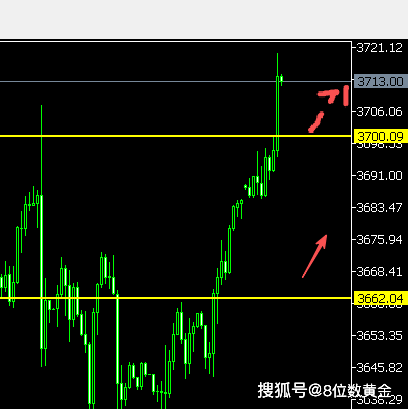
Core Viewpoint - Gold experienced a significant rebound after a sharp decline last week, surging by $30 and breaking through the $3700 level, aiming for historical highs [1][5][9]. Market Performance - After last week's drop, gold managed to recover its losses and is now in a strong upward trend [3][9]. - The price broke the $3700 mark, with targets set towards $3750, indicating a bullish sentiment [5][6]. - A potential adjustment is anticipated, with key support levels at $3700 and $3662 [7][9]. Influencing Factors - The market is reacting to the prevailing sentiment of potential interest rate cuts by the Federal Reserve, which has led to a depreciation of the dollar and subsequently boosted gold prices [10][11]. - Unexpected statements from Federal Reserve Chairman Jerome Powell regarding interest rate management have created volatility, but a significant drop in unemployment claims has reinforced expectations for two rate cuts within the year [11]. Upcoming Economic Indicators - The U.S. government faces risks of a shutdown, alongside a looming debt crisis, which could impact market stability [12][13]. - Key economic indicators such as the revised Q2 GDP data and PMI will be crucial in assessing economic strength and could influence stock and currency markets [12]. - The August PCE price index will be closely monitored as it remains a reference for Federal Reserve policy, particularly in light of tariffs affecting inflation [12]. Investment Strategy - Investors are advised to focus on entry and exit points to maximize profits, emphasizing the importance of experience and practical application in trading [12]. - A well-managed risk approach is essential for achieving optimal returns, with recommendations to follow experienced traders for better accuracy [12].
黄金,3650多!
Sou Hu Cai Jing· 2025-09-19 05:48
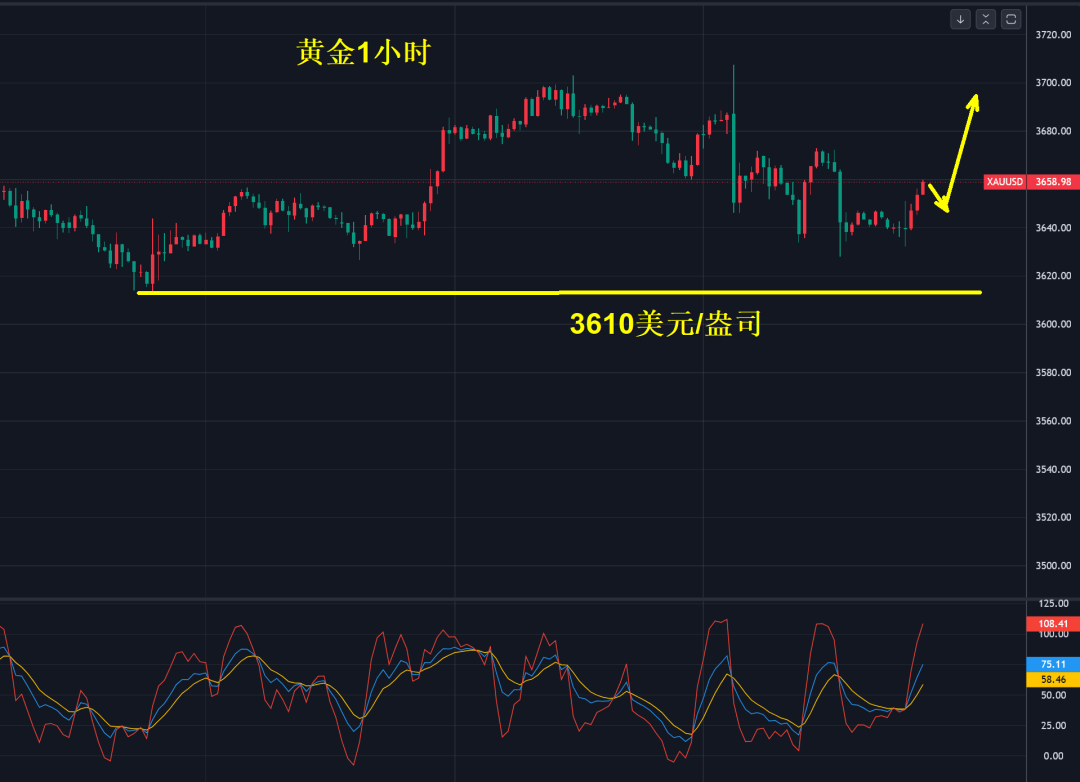
Group 1 - The core viewpoint is that gold prices have surged to $3,700 since August, entering a phase of consolidation after the Federal Reserve's interest rate decision on September 17 [4] - The recent interest rate cut is seen as just the beginning, with expectations of more sustained cuts or greater flexibility in the future [4] - The rise in gold prices is supported by issues related to U.S. Treasury bonds and trust in the dollar, rather than economic downturn pressures [4] Group 2 - In the short term, gold is expected to fluctuate between $3,600 and $3,700, with key support at $3,630 and a critical level at $3,610 [4][6] - The market is characterized by strong support at $3,630, which has proven effective despite rapid declines [6] - The strategy for trading in a volatile market emphasizes waiting for confirmation before entering positions, particularly as long as $3,610 remains intact [6]
9.12黄金惊人逆涨40美金 再战新高
Sou Hu Cai Jing· 2025-09-12 07:12
Group 1 - Gold experienced a significant rebound after a brief decline, reaching a price increase of 40 USD today, indicating a strong return to historical highs [1] - The recent trading pattern shows a V-shaped reversal, with gold touching 3650, and further resistance levels identified at 3658 and 3674 [3] - After four months of continuous gains, gold faced a period of high-level adjustments, but has now broken through to a strong upward trend [3] Group 2 - The recent market dynamics were influenced by a reversal in the U.S. debt crisis, leading to increased demand for U.S. Treasuries and a stronger dollar, which initially pressured gold [4] - Unexpected inflation data from the U.S. CPI indicated rising inflation, while unemployment claims exceeded expectations, prompting speculation about potential interest rate cuts by the Federal Reserve, which subsequently boosted gold prices [5] - Current expectations regarding inflation and consumption are critical indicators for the U.S. economy and may directly impact Federal Reserve policy, as well as the U.S. debt and stock markets [6] Group 3 - The market is already anticipating actions from the Federal Reserve, even before any official announcements [7] - Global stock markets, including those in the U.S. and China, are reaching new highs, indicating a continued bullish trend [8] - There is a significant influx of capital into the market, suggesting that investors are preparing for upcoming opportunities [9] - The global financial landscape is experiencing a wave of liquidity, with currencies entering a depreciation phase [10]

一旦美国狂印37万亿美元,把欠债都还了,会发生什么?
Sou Hu Cai Jing· 2025-09-05 08:46
Group 1 - The total U.S. national debt has surpassed $37 trillion as of August 2025, significantly earlier than the Congressional Budget Office's previous estimate of reaching this figure after 2030, resulting in a per capita debt burden of over $108,000 [1][3] - The primary reason for the rising debt is the annual accumulation of fiscal deficits due to excessive spending and insufficient tax revenue, exacerbated by pandemic-related stimulus payments and military expenditures [3][5] - The debt-to-GDP ratio has exceeded 135%, the highest since World War II, driven by increased government spending and rising interest payments, which are projected to reach $952 billion in 2025 [5][7] Group 2 - High levels of debt are expected to increase borrowing costs, affecting household loans and corporate investments, while also leading to stagnant wages and rising prices [7][10] - The market is already reacting to these concerns, with significant fluctuations in U.S. Treasury yields and a sell-off by investors, indicating a loss of confidence in the dollar's safe-haven status [7][9] - Historical precedents show that attempts to print money to pay off debt have led to hyperinflation and economic collapse in other countries, raising alarms about the potential consequences for the U.S. economy [9][12] Group 3 - The current fiscal policies, including tax cuts and tariffs, have not effectively addressed the budget deficit and may lead to a downgrade in the U.S. credit rating, increasing the risk of financial instability [10][12] - Experts warn that if the Federal Reserve resorts to printing money to manage the debt, it could undermine the dollar's global standing and trigger a worldwide economic crisis [12][14] - The potential for a U.S. debt crisis in 2025 could reshape the global economic order, with emerging markets possibly benefiting from a more diversified currency system [14]
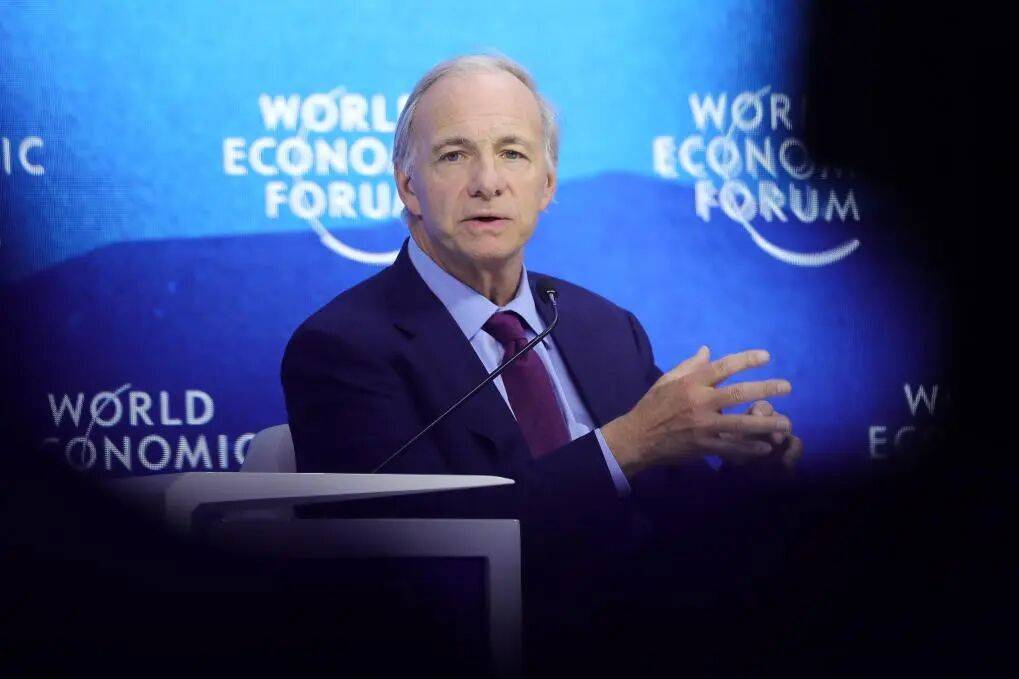
美债危机真的要来了?达利欧罕见警告→
Sou Hu Cai Jing· 2025-09-04 16:08
Group 1 - Ray Dalio predicts that the U.S. may face a debt crisis in about three years due to excessive spending over the years [3][4] - Current U.S. government debt servicing costs are approximately $1 trillion annually, with total debt rollover needs around $9 trillion, leading to significant budget deficits [3][4] - The federal government is expected to spend about $7 trillion next year while generating only $5 trillion in revenue, necessitating the issuance of $2 trillion in new debt [3][4] Group 2 - Dalio warns that if policymakers do not change their approach, both debt repayment issues and supply-demand problems for debt will arise simultaneously [4] - Concerns about the independence of the Federal Reserve are heightened following President Trump's actions to dismiss a Fed governor and threaten the Fed chair [4][5] - If the Fed is politically weakened, it could lead to a decline in the value of U.S. debt and the dollar, undermining their effectiveness as stores of wealth [4][5] Group 3 - International investors are reducing their holdings of U.S. debt due to geopolitical concerns and are turning to gold as an alternative [6] - The rise in gold and cryptocurrency prices is attributed to the deteriorating debt situation of the U.S. and other reserve currency governments [6][7] - Increased supply of dollars and/or decreased demand may make cryptocurrencies more attractive as alternative currencies [7] Group 4 - Dalio characterizes the U.S. government's intervention in the chip industry as an early sign of state capitalism, reflecting broader economic cycles [7] - The widening gap between wealth and values is contributing to the rise of populism, which poses challenges to democratic processes [7] - The outcome of the technology and economic competition among nations is seen as critical to geopolitical and potentially military dominance [7]