高端化

Search documents
2025泰达汽车论坛智库共识发布
Zhong Guo Qi Che Bao Wang· 2025-09-23 01:33
本报讯 日前,2025中国汽车产业发展(泰达)国际论坛在五大关键维度达成共识。中国汽车技术 研究中心有限公司党委委员、副总经理李洧发布了智库报告。 其中,绿色化新方案智库共识三条:一是聚焦油电关键驱动技术,推进多元技术路线并行发展;二是加 强固态电池关键核心技术攻关,构建有序发展的产业链生态;三是强化产业政策支撑,稳步推进汽车产 业绿色动能转换。 全球化新市场智库共识三条:一是促进技术体系协同升级,强化产业链可持续发展韧性;二是筑牢数字 治理基座,驱动跨境数据安全高效流动;三是优化全球资源布局,构建立体协同的产业生态体系。 智能化新升级智库共识三条:一是加强智能网联标准体系顶层设计,推动智能化技术创新和高质量发 展;二是积极支持关键技术攻关,实现核心技术自主可控;三是规范行业竞争秩序,引导高质量发展, 回归价值创造的初心。 具体来看,一是坚持安全为先,护航汽车产业可持续发展;二是坚持全生命周期理念,推动汽车产业绿 色低碳发展;三是坚持新兴技术布局,赋能汽车产业新动能;四是坚持长期主义,推动民族汽车品牌向 上;五是坚持生态理念,推进国际化走深、走实。 高端化新力量智库共识三条:一是坚定推动自主品牌高端化,服务产 ...
A股钢铁板块迎政策利好
Zheng Quan Ri Bao· 2025-09-22 16:15
Core Viewpoint - The "Steel Industry Growth Stabilization Work Plan (2025-2026)" aims for an average annual growth of around 4% in the steel industry's added value, focusing on quality improvement and balanced market supply and demand [1][2]. Group 1: Industry Challenges and Goals - The steel industry faces significant downward pressure, with profits in 2024 projected at 66.29 billion yuan, a decrease of 42.6% year-on-year [1]. - The plan addresses the main contradictions of excessive supply and insufficient effective demand, proposing ten specific measures across five areas [1][2]. Group 2: Strategic Directions - The plan emphasizes supply-side management and demand-side expansion, encouraging companies to enhance high-end product supply capabilities and promote quality upgrades [2]. - It advocates for precise control of production capacity and classification management to eliminate outdated capacity and optimize industry structure [2]. Group 3: Company Initiatives - Companies like Jiugang Hongxing and Baosteel are focusing on high-end product development and low-carbon metallurgy technologies, respectively, to align with the plan's goals [4]. - Nanjing Steel is leveraging AI and big data technologies to enhance operational efficiency and product development [5]. Group 4: Market Opportunities - The plan indicates that companies prioritizing high-end products, green technologies, and smart manufacturing will benefit from policy incentives and market expansion [5]. - Long-term trends suggest that industry concentration and high-quality development will be essential, with leading companies gaining competitive advantages [5].
中国经济样本观察·企业样本篇|蓝晓科技:从实验室到高原盐湖 小颗粒“吸附”创新大市场
Sou Hu Cai Jing· 2025-09-22 13:42
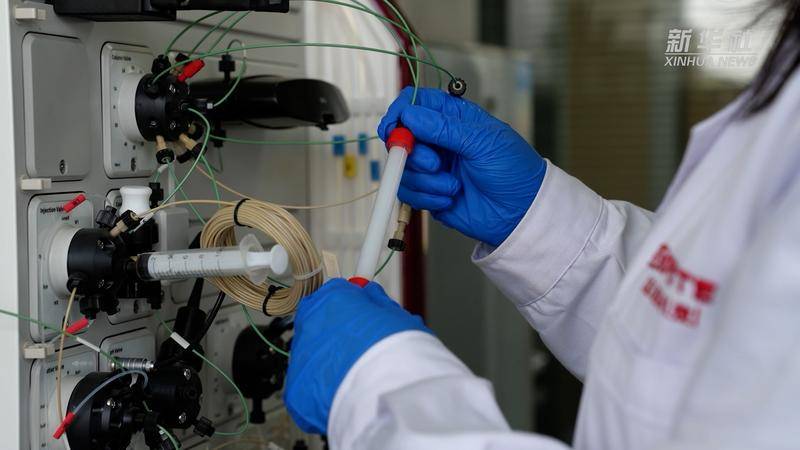
Group 1 - The article highlights the innovative technology of small white particles that can purify water, enhance metal resource purity, and refine industrial materials through adsorption separation [1] - The lithium resource landscape in China shifted around 2010, with a heavy reliance on imports from Australia and South America, while domestic lithium extraction technology was still developing [3] - Blue Sky Technology, established in 2001, has focused on polymer material adsorption separation technology and has successfully navigated market challenges [4] Group 2 - Starting from a 50-square-meter incubator, Blue Sky Technology has developed into a technology enterprise with a market value exceeding 20 billion yuan, providing products and services globally [6] - The growth of Blue Sky Technology represents a broader trend in China's manufacturing sector towards high-end, intelligent, and green transformation [8]


联合利华华南基地投建年产3万吨酱油工厂,调味品健康赛道海天、莲花等业绩上扬
Cai Jing Wang· 2025-09-22 11:07
Group 1 - Unilever is accelerating its investment in soy sauce production in China, particularly in its South China production base, which includes a new production line with an annual capacity of 30,000 tons [1] - The first phase of the soy sauce production line will produce 25,000 tons of fresh soy sauce and 5,000 tons of high-salt soy sauce, indicating a significant commitment to the soy sauce category [1] - The total investment for the South China production base project is 1.6 billion RMB, marking it as Unilever's first all-category production base in the country [1] Group 2 - Unilever's food business in China, particularly through its brand Knorr, has launched a soy sauce specifically designed for professional chefs, addressing a gap in the market for differentiated products [2] - The company's food brands, Heinz and Knorr, account for 60% of its food business, with nearly 30% of its restaurant service revenue coming from China, despite a relatively flat performance in this segment this year [2] - The domestic soy sauce market is becoming increasingly competitive, with local brands like Haitian and Lianhua also focusing on health and premium products [2][3] Group 3 - Haitian's soy sauce sales revenue increased by 9.1% year-on-year to 7.928 billion RMB in the first half of 2025, driven by the growth of health-oriented products [2] - Lianhua Holdings reported over 100% year-on-year revenue growth for new products, including premium soy sauce and compound seasonings, indicating strong market performance [3] - Other companies, such as Qianhe and Jialong, are also investing in soy sauce product development, with plans for new product launches and marketing strategies to capture market share [3]


流浪地球2真实再现!采矿现场上演“科幻大片”
Jin Rong Shi Bao· 2025-09-22 07:49
Group 1: Industry Trends - The mining industry is rapidly adopting autonomous vehicles, including unmanned trucks and excavators, supported by advanced intelligent systems [1][2] - The penetration rate of new energy heavy trucks is expected to reach nearly 25% by 2025, necessitating the development of new control systems [1] - The demand for innovation in the industry is increasing as companies transition to digital and intelligent operations [1] Group 2: Company Overview - Hawe China, established in 2004, is a significant player in the hydraulic system market, holding a 40% global market share in hydraulic cylinders [2][3] - The company has successfully developed a smart control system that has been sold in dozens of countries and is compatible with major manufacturers' unmanned mining trucks [2] - Hawe China's growth is attributed to the favorable Chinese market environment and the efficiency of its manufacturing operations compared to its European counterparts [3] Group 3: Regional Development - The Guangling Economic Development Zone has played a crucial role in supporting Hawe China's growth by attracting European manufacturing companies and creating a complete industrial chain [3][4] - The zone is set to establish a Jiangsu provincial-level "China-Europe Yangzhou Intelligent Manufacturing Industrial Park" focusing on high-end equipment manufacturing and related industries [3][4] Group 4: Strategic Transformation - Hawe China is transitioning from a traditional manufacturing model to a more digital, intelligent, and high-quality development approach [4][5] - The company exemplifies the shift from European manufacturing serving China to Chinese manufacturing serving the global market [5][6]
速看!雷军年度演讲定档9.25,小米17系列带着妙享背屏来了
Sou Hu Cai Jing· 2025-09-22 07:11
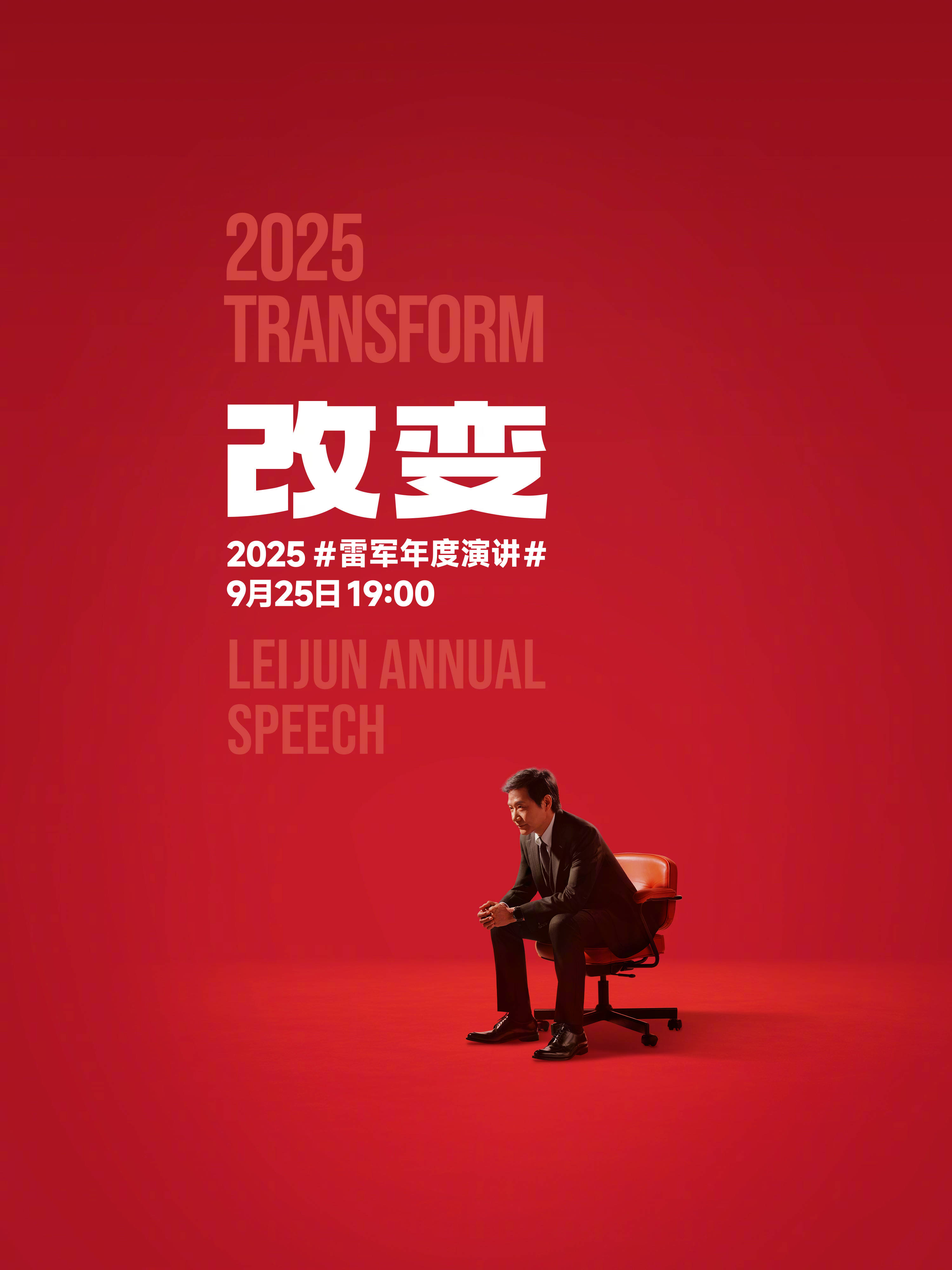
Core Viewpoint - Xiaomi's annual speech by CEO Lei Jun is scheduled for September 25, focusing on the theme of "Change" and highlighting innovations such as the Xiaomi Ring chip and advancements in Xiaomi's automotive endeavors [1][6]. Group 1: Annual Speech Highlights - The annual speech is anticipated to showcase Xiaomi's growth and innovations over the past five years, with previous themes reflecting the company's journey and challenges [5][6]. - This year's theme, "Change," suggests a focus on breakthrough technologies, particularly the Xiaomi Ring chip and developments in the automotive sector [6][10]. Group 2: Xiaomi 17 Series Features - The Xiaomi 17 series will feature the Snapdragon 8 Elite Gen5 processor, utilizing TSMC's latest 3nm technology, resulting in improved performance and reduced power consumption [10]. - The camera system in the Pro Max model includes a 50MP main sensor, a 17mm ultra-wide lens, and a 115mm periscope lens with 5x optical zoom, catering to photography enthusiasts [10]. - The design of the Xiaomi 17 series has reverted to flat screens, with the standard and Pro versions featuring 6.3-inch 1.5K displays, while the Pro Max boasts a 6.73-inch 2K display, all supporting 120Hz LTPO adaptive refresh rates [12].

80后王辉接任阿维塔科技董事长
Sou Hu Cai Jing· 2025-09-22 03:55
Core Viewpoint - The appointment of Wang Hui as the chairman of Avita Technology is seen as a significant shift from brand building to scaling and international operations, indicating a strategic evolution within the company [1][5]. Group 1: Leadership Changes - Wang Hui, previously a vice president at Changan Automobile, has extensive experience in strategic planning and international market expansion, making him a suitable candidate for the chairman role [3][6]. - His prior involvement in Avita's strategic cooperation with Huawei positions him well to enhance the company's collaboration with Huawei, which is considered a core competitive advantage [6][8]. Group 2: Company Development - Avita has established a product lineup of four models over three years, covering both pure electric and range-extended powertrains, and is on track to achieve annual sales of 73,600 units in 2024, representing a 140% year-on-year increase [5]. - The company aims to expand its international presence, having entered 25 countries and regions by 2024, with plans to reach 50 by 2025 and enter Europe by 2026, targeting 50% of sales from overseas by 2030 [5][6]. Group 3: Strategic Implications - The leadership change reflects a broader trend in the industry, shifting from founder-led to execution-focused management, emphasizing operational efficiency and organizational collaboration [8]. - Avita's strategic positioning remains aligned with Changan Automobile's goals of high-end, intelligent, and green transformation, suggesting that the company will leverage more resources to accelerate its strategic objectives [8].


国泰海通:首予建滔积层板(01888)“增持”评级 目标价20港元
Zhi Tong Cai Jing· 2025-09-22 01:51
Core Viewpoint - Cathay Pacific Haitong has initiated coverage on Jiantao Laminated Board (01888) with a "Buy" rating, highlighting its position as a leading company in the copper-clad laminate industry and optimistic about the price trends and performance growth from product upgrades [1] Group 1: Company Overview - Jiantao Laminated Board is recognized as a leader in the copper-clad laminate industry, with an integrated layout of upstream materials creating a differentiated barrier [1] - The company is expected to achieve net profits of HKD 23.49 billion, 31.23 billion, and 38.15 billion for the years 2025, 2026, and 2027 respectively, with a target price set at HKD 20 based on PE valuation [1] Group 2: Product Development and Market Position - The company is advancing in high-end product development, with its first low-dielectric electronic yarn furnace announced to be in production, leading the domestic market in technical progress [1] - The company has a production capacity of 200,000 tons for traditional electronic yarn, corresponding to an estimated 7-8 million meters per year, with current price trends for traditional electronic cloth on an upward cycle [1][2] Group 3: Industry Trends and Demand - The copper-clad laminate industry is expected to see a new round of price increases in the second half of 2025, driven by improved demand from AI and limited expansion of mid-range production capacity [2] - The overall demand for copper-clad laminates is anticipated to grow positively, with major companies focusing on high-end products, indicating a favorable supply-demand balance for traditional mid-range copper-clad laminates [2]

【直播预告】揭秘2025年空调消费新趋势
艾瑞咨询· 2025-09-22 00:06
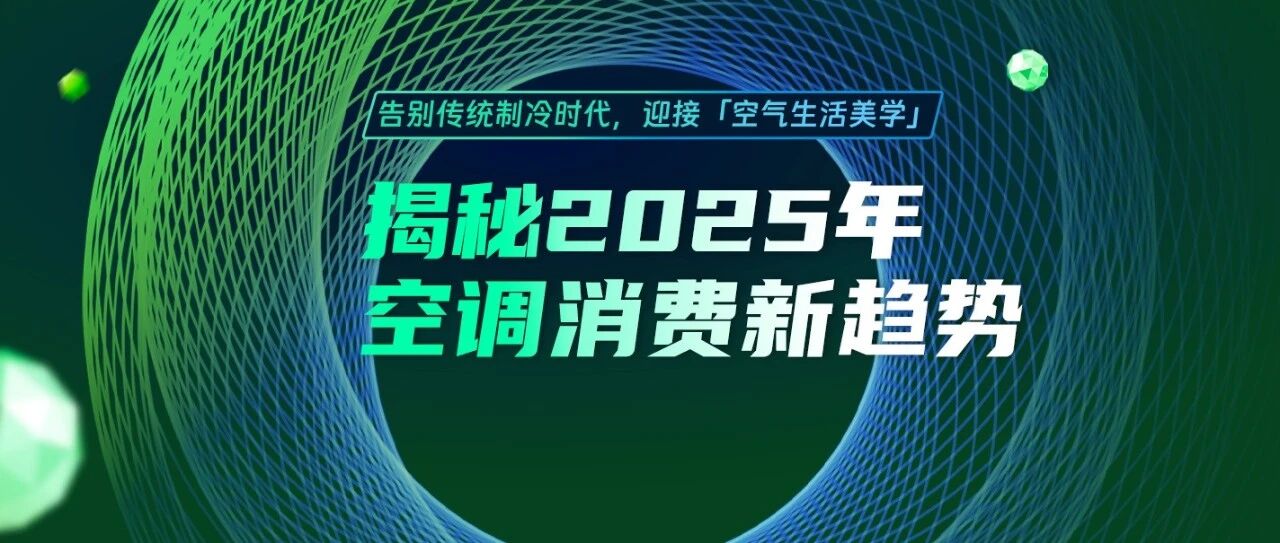
扫描下方二维码 ,预约观看直播 艾瑞数智行业首发,空调新趋势来袭,看品牌如何用科技 重新定义"好空调",看用户如何理解好空调 1 王芝兰 艾瑞数智 大家居消费事业部 总经理 空调革命已来!你家的空调还只是"空调"吗? 2025高端空调不更拼冷暖 而是拼 欢迎关注艾瑞数智获取更多内容 政策+高温+补贴三重利好,空调市场迎来新一轮 爆发! 2 从"卖产品"到"卖生活方式",高端化、健康化、 智能化成增长核心! 3 2025最新消费数据:00后、90后成主力,舒适、 健康、颜值成TOP3选购关键词 点击 阅读原文 查看艾瑞咨询更多信息 ...
炸山营销的始祖鸟,在“背叛”户外的路上越走越远
虎嗅APP· 2025-09-21 15:04
Core Viewpoint - The article discusses the recent controversy surrounding the outdoor brand Arc'teryx and its marketing strategy, highlighting a disconnect between its outdoor heritage and its current high-end positioning, which has led to significant backlash after a poorly received promotional event in the Himalayas [5][11][15]. Group 1: Incident Overview - On September 19, Arc'teryx held a fireworks event in the Himalayas, which was met with widespread criticism and led to an official apology from the company and artist Cai Guoqiang [5][9][15]. - The event was perceived as a significant misstep, as it contradicted the brand's outdoor ethos and respect for nature [12][13][25]. Group 2: Financial Context - Arc'teryx's parent company, Amer Sports, reported total revenue of $1.2363 billion for Q2 2025, with the technical apparel segment, including Arc'teryx, generating $508.9 million, reflecting a 23% year-over-year growth, but a decline from previous quarters [15][21]. - The brand's growth has been slowing, prompting a reliance on past successful marketing strategies to boost performance [15][16]. Group 3: Marketing Strategy - The fireworks event was seen as an attempt to replicate a successful marketing campaign by Mammut, another outdoor brand, which had a much more environmentally conscious approach [18][19]. - Arc'teryx's previous successful marketing efforts included collaborations with luxury brands like Gucci and high-profile fashion shows, which significantly increased its visibility and sales [21][22][24]. Group 4: Brand Evolution - Arc'teryx has shifted from a focus on professional outdoor gear to a high-end lifestyle brand, appealing to urban elites rather than traditional outdoor enthusiasts [28][29][31]. - The brand's identity has evolved from being a symbol of outdoor expertise to one of social status, leading to a dilution of its original outdoor values [30][31][32].