
制度型开放

Search documents
中国经济增长科创“引擎”动力足 前沿技术集中涌现形成独有“加速度”
Yang Shi Wang· 2025-11-23 03:59
Group 1 - The core viewpoint of the article is that financial institutions in China and abroad perceive the economy as resilient in 2025, with expectations for innovation-driven growth in 2026 [1][4] - The shift in China's economic growth model is moving from traditional factor-driven to technology innovation-driven, with a focus on practical applications of cutting-edge technologies like AI, quantum technology, and biotechnology [4][8] - The broad coverage of Chinese innovation is expected to enhance the living standards of its citizens and provide a much-needed boost to the global economy [11] Group 2 - The stability of domestic policies is seen as a solid foundation for the implementation of innovation and an important guarantee for the steady progress of the Chinese economy [13] - The term "stability" is highlighted as crucial, as government policies ensure that incentive measures facilitate continuous industrial transformation, particularly in the AI value chain [15] - The keywords "openness" and "sustainability" are emphasized in the financial sector, particularly regarding the internationalization of the RMB and the opening of capital markets, which are expected to invigorate the economy [18][19]

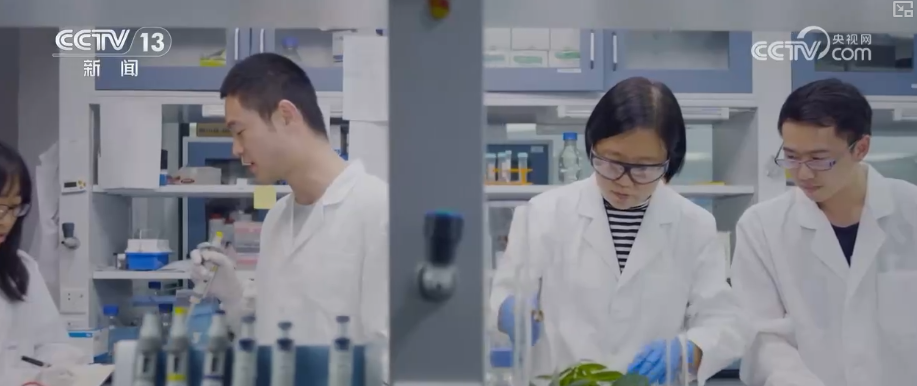
制度创新 服务外资企业增资扩产
Sou Hu Cai Jing· 2025-11-22 16:43
Group 1 - The core viewpoint of the articles emphasizes the importance of institutional innovation and the expansion of foreign investment in Tianjin, particularly highlighting the significant investment by Novo Nordisk in the biopharmaceutical sector [1][2] - Novo Nordisk has invested nearly 5 billion yuan in Tianjin over the past two years, with a focus on expanding its sterile formulation project, which is nearing completion [1][2] - The company has established a strong presence in China, having introduced 22 innovative drugs and 11 injection devices, with 70% of its 400+ suppliers located in the Beijing-Tianjin-Hebei region [1] Group 2 - The establishment of a service team by the Tianjin municipal government, in collaboration with various departments, has facilitated Novo Nordisk's acquisition of the segmented production qualification for biopharmaceuticals [2] - In July, Novo Nordisk invested approximately 800 million yuan to expand its quality testing laboratory in Tianjin, reflecting the company's growing confidence in the local market [2] - The local government aims to further support foreign enterprises in integrating into the domestic market and enhancing their production capabilities through institutional innovation [2]

11月22日晚间央视新闻联播要闻集锦
Yang Shi Xin Wen Ke Hu Duan· 2025-11-22 12:28
Group 1 - The core viewpoint emphasizes the importance of energy security and guarantees for national economy and people's livelihood, highlighting the ongoing construction of ultra-high voltage power transmission projects during the 14th Five-Year Plan period [2][1] - The construction of a super grid covering all regions of China is accelerating, significantly enhancing the capacity for cross-province and cross-region electricity transmission, thereby solidifying the foundation for energy security [2][1] Group 2 - Jiangsu and Hubei provinces are actively expanding institutional openness to promote reform and development, in line with the spirit of the 20th Central Committee's Fourth Plenary Session [7] - The number of newly established foreign-funded enterprises in China increased by 14.7% year-on-year from January to October [10]
对接全球高标准经贸规则 海南自贸港推进制度型开放
Zhong Guo Xin Wen Wang· 2025-11-22 10:20
Core Insights - Hainan Free Trade Port is focusing on institutional openness to align with global high-standard economic and trade rules, aiming to become a new high ground for reform and opening up in China [1] Group 1: Institutional Openness - Hainan is actively integrating into the international economic and trade rule system, implementing the Regional Comprehensive Economic Partnership (RCEP) with high quality [1] - The province has introduced over 30 institutional measures that have been effectively implemented, aligning its policies with RCEP rules [1] Group 2: Unique Pilot Measures - Hainan has two unique pilot measures: "temporary export repair" and "temporary import repair," which have shown significant results, including tax exemptions [1] - By September 2025, Hainan enterprises are expected to utilize the "temporary import repair" for over 100 aircraft, with a total value exceeding 67 billion yuan [2] Group 3: Open Innovation Trials - The "remanufactured product import pilot" has achieved breakthroughs, with Hainan enterprises importing two remanufactured gearboxes for the first time in 2024 [2] - Reforms to eliminate local certification service requirements have attracted seven foreign certification agencies, boosting exports of local specialty products [2] Group 4: Future Goals - Hainan aims to become a significant gateway for China's new era of opening up, aligning with international high-level economic and trade rules [2]
封关后海南自贸港服务贸易开放路径
Sou Hu Cai Jing· 2025-11-22 10:05
Core Insights - The article emphasizes the need for Hainan to focus on a negative list system to promote institutional openness in service trade, aligning with international high-standard rules, and establishing itself as a "pressure testing ground" for institutional innovation [1][48]. Group 1: Service Trade Development in Hainan - Hainan Free Trade Port is positioned to leverage its institutional advantages and development opportunities post-closure, particularly in emerging sectors like supply chain services, offshore trade, and digital services [1][5]. - The service trade will become a pillar for Hainan's high-quality economic development, supported by a unique advantage in tourism and modern service industries [5][27]. Group 2: Policy Framework and Implementation - Key policies announced for Hainan's free trade port include zero tariffs on a broader range of goods, a dual 15% income tax rate for registered enterprises, and a processing value-added exemption for goods produced in Hainan [3][4]. - The establishment of a cross-border service trade negative list is a significant step towards enhancing service trade freedom and convenience, with the first list having been implemented [4][42]. Group 3: Global Service Trade Trends - Global service trade is experiencing a recovery driven by digitalization, with China needing to address structural and competitive shortcomings to seize new development opportunities [6][10]. - The WTO reports that service trade has become a vital component of international trade, with a significant portion of service trade now being facilitated through digital means [10][11]. Group 4: Challenges and Opportunities - China faces challenges in service trade development, including regional imbalances and external environmental complexities, necessitating reforms across various dimensions [18][19]. - Hainan's service trade indicators show significant growth, with service exports increasing by 84% in early 2025, highlighting the province's unique advantages in service trade [37][20]. Group 5: Future Directions - The article outlines the necessity for Hainan to create a conducive environment for "offshore + offshore" trade, aiming to attract regional headquarters and enhance its status as an international trade hub [38][39]. - The establishment of a comprehensive service trade system is crucial for Hainan to achieve its goals of higher-level trade liberalization and to serve as a testing ground for China's broader trade policies [41][48].
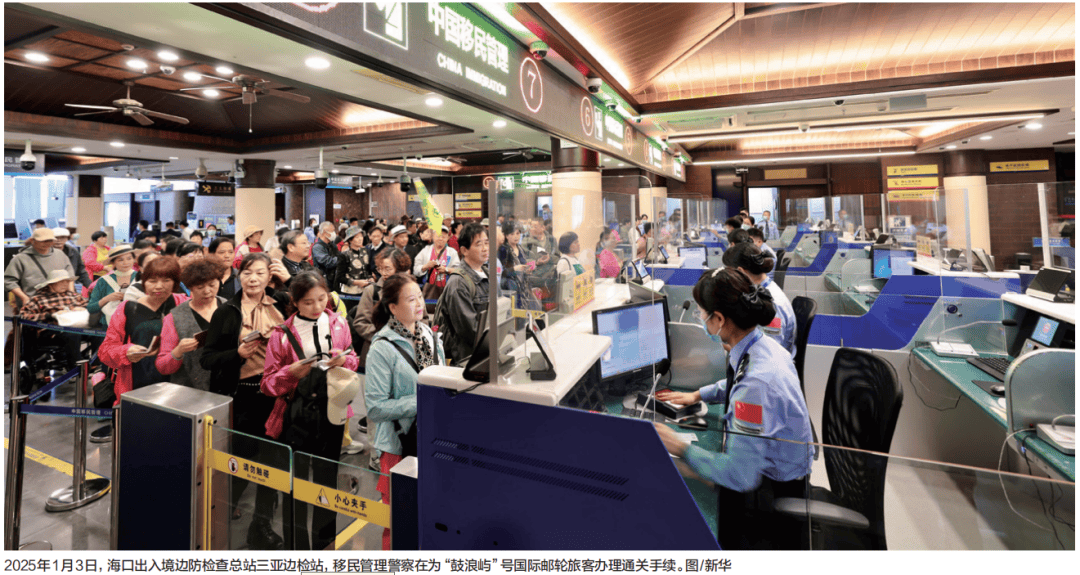
圈粉全球!超20万亿元体量,超大规模市场→
Sou Hu Cai Jing· 2025-11-22 04:03
Core Insights - China has maintained its position as the world's second-largest importer for 16 consecutive years, driven by a population of over 1.4 billion and more than 400 million middle-income individuals, resulting in an annual import volume exceeding 20 trillion yuan [1][8]. Group 1: Trade and Economic Scale - China is the world's largest goods trader, holding this position for eight consecutive years and serving as a major trading partner for over 150 countries and regions [2]. - The service trade scale is projected to exceed 1 trillion USD for the first time in 2024, ranking second globally [3]. - China's cross-border e-commerce is the largest in the world, with total import and export volume expected to reach 2.71 trillion yuan in 2024 [4]. - By the end of 2024, China is expected to attract over 100 billion USD in foreign investment for 15 consecutive years, maintaining its status as the largest recipient of foreign investment among developing economies [5]. Group 2: Market Openness and Connectivity - The national negative list for foreign investment has been reduced to 29 items, with the manufacturing sector achieving a complete clearance [6]. - Shenzhen is emerging as an "international hub," enhancing its connectivity with the world through busy ports and efficient logistics, with significant growth in international shipping routes [7]. - In the first ten months, Shenzhen's import of mechanical and electrical products reached 1.2 trillion yuan, an increase of 8.5%, while agricultural product imports grew by 10% to 82.26 billion yuan [7]. Group 3: Tourism and Consumer Trends - The recent implementation of a 240-hour visa-free transit policy at several ports in Guangdong has significantly increased foreign tourist arrivals, with over 1.2 million foreign travelers processed this year, marking a 100% increase in visa-free entries [9]. - The integration of "China travel" and "China shopping" has become a popular topic on social media, with foreign tourists increasingly purchasing Chinese electronic products [9]. Group 4: Expert Insights on Market Potential - Experts emphasize that China's import demand accounts for 10.5% of global demand, providing opportunities for countries to leverage their advantages in participating in China's economic development [10]. - The expansion of green trade, particularly in new energy vehicles and solar products, has significantly reduced global costs for wind and solar power generation, enhancing the world's capacity to address climate change [10]. - The "14th Five-Year Plan" suggests actively expanding autonomous openness and aligning with international high-standard trade rules, with institutional openness being a key focus [10].
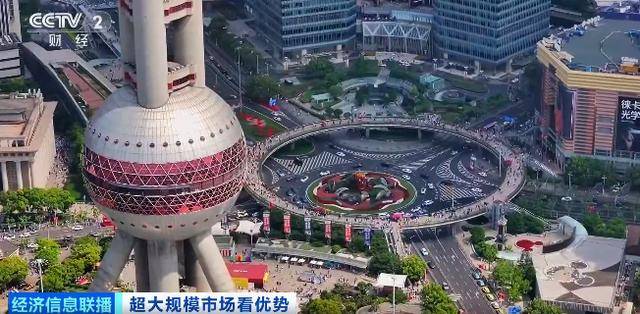
以全省万分之六的面积贡献20%的外资和10%的税收 挂牌10年 广东自贸试验区再提升
Nan Fang Ri Bao Wang Luo Ban· 2025-11-20 07:54
Core Insights - The 15th National Games are being held in the Guangdong-Hong Kong-Macao Greater Bay Area, highlighting the region's integration and cooperation [1] - The Guangdong Free Trade Zone has significantly contributed to the province's foreign investment, foreign trade, and tax revenue, marking a transformation in its economic landscape [1][6] - The DeeCo-Model, a language model for Portuguese-speaking markets, facilitates trade between Guangdong and Portuguese-speaking countries, showcasing technological advancements in cross-border communication [2][3] Group 1: Economic Development - The Guangdong Free Trade Zone has achieved a remarkable increase in foreign trade, with exports rising from 107.4 billion in 2015 to 749.4 billion in 2024, reflecting an annual growth rate of over 24% [6][8] - The "One Port Pass" model has streamlined customs procedures, reducing average storage time from 7 days to under 2 days, saving companies approximately 200 million [6][7] - The establishment of a comprehensive service platform for Chinese and Portuguese-speaking countries enhances communication and efficiency in trade [3][4] Group 2: Technological Innovation - The DeeCo-Model supports multiple modalities, including text, images, audio, and video, and has been successfully implemented in various sectors such as culture, finance, and healthcare [2][3] - The model's development is a significant achievement in addressing the digital trade needs between Macau and Portuguese-speaking countries, promoting cultural exports [3][4] - The Guangdong Free Trade Zone is actively exploring innovative management systems to facilitate efficient and secure data flow across borders [6][8] Group 3: Policy and Strategic Initiatives - The Guangdong Free Trade Zone has formed 772 institutional innovation results over the past decade, with 43 being replicated nationwide [8][12] - Future initiatives will focus on enhancing service trade, modernizing the industrial system, and fostering high-quality economic development [9][10][11] - The region aims to deepen cooperation in investment, trade, finance, and legal services, promoting resource flow and market integration [12]
省商务厅自由贸易港改革发展处:冲刺封关运作 推动自贸港扩大制度型开放
Hai Nan Ri Bao· 2025-11-20 01:42
Core Points - The Hainan Provincial Department of Commerce has released the first batch of enterprises and goods recognized as "Hainan Self-produced Goods" in preparation for the operation of the Hainan Free Trade Port [1] - The recognized enterprises are located in Chengmai, Baoting, Ledong, and Dongfang, with a total of 5 goods included [1] - The recognition aims to facilitate the immediate benefits for enterprises after the port's closure operation [1] Group 1 - The recognized self-produced goods are defined under the "Interim Measures for the Recognition Management of Hainan Self-produced Goods under the Processing Value-added Duty-free Policy" [1] - The Department of Commerce is enhancing tracking services to support self-produced goods enterprises in expanding their customer base [1] - The drafting of the recognition measures was completed efficiently within a month after thorough research on local needs [1] Group 2 - The Department of Commerce is actively promoting the formulation and optimization of core policies for the Free Trade Port, ensuring smooth operations for the port's closure [2] - The department has received the "People's Satisfied Civil Servant Collective" award for its efforts in policy implementation and optimization [2] - The processing value-added domestic sales duty-free policy has been expanded from the Yangpu Free Trade Port Area to the entire island, with significant reductions in approval times [2] Group 3 - The Department of Commerce is working to align with international high-standard economic and trade rules, implementing over 30 pilot measures [3] - The department is focused on enhancing the trade liberalization and facilitation levels of the Hainan Free Trade Port [3] - The operational strategy includes a "one line open, one line controlled" import and export management system to increase efficiency [3]
光大证券晨会速递-20251120
EBSCN· 2025-11-20 01:23
Macro Research - The "14th Five-Year Plan" emphasizes a strategic upgrade in high-level opening-up, transitioning from factor-driven to rule-based openness, enhancing China's voice and rule-making power in global economic governance [1] - Key focus areas during the "14th Five-Year" period include steady progress in RMB internationalization, diverse regional opening layouts, increased openness in the service sector, deepening institutional opening, and differentiated cooperation in multilateral trade [1] Company Research Zhejiang Dingli (603338.SH) - Zhejiang Dingli achieved operating revenue of 6.67 billion yuan in Q1-Q3 2025, a year-on-year increase of 8.8%, and a net profit attributable to shareholders of 1.59 billion yuan, up 9.2% year-on-year [2] - The company maintains profit forecasts for 2025-2027 at 2.07 billion, 2.41 billion, and 2.75 billion yuan, with corresponding EPS of 4.08, 4.75, and 5.44 yuan [2] - The high-altitude machinery market has significant growth potential, with a recovery in overseas shipments expected to boost profit margins [2] Xunwei Communication (300136.SZ) - Xunwei Communication has entered the North American AI hardware supply chain, maintaining a leading position in commercial satellites [3] - The company is optimistic about its competitive edge in mature businesses and the growth potential in satellite communication, AI hardware, LCP, BTB, and automotive connectivity [3] - Current market valuation corresponds to PE ratios of 38X, 34X, and 30X for 2025-2027, maintaining a "buy" rating [3] Baidu Group-SW (9888.HK) - Baidu's AI ecosystem value is expected to be re-evaluated, with AI native advertising enhancing traditional search ad monetization [4] - The company has a healthy net cash flow, and its "Luo Bo Kuaipao" business model has been validated with accelerating order growth [4] - Profit forecasts for 2025-2027 are set at 18.2 billion, 20.5 billion, and 23 billion yuan, with current PE ratios of 15x, 14x, and 12x [4] Xiaomi Group (1810.HK) - Xiaomi's automotive business achieved its first quarterly profit, but the mobile and automotive gross margins may face pressure due to rising upstream costs and intensified market competition [5] - The company maintains a Non-IFRS net profit forecast of 42.6 billion yuan for 2025, while lowering 2026-2027 forecasts to 43.8 billion and 51 billion yuan [5] - Xiaomi's long-term growth logic is supported by its multi-device strategy in the AI era, high-end positioning, and overseas expansion [5]
加快完善高水平对外开放体制机制
Jing Ji Ri Bao· 2025-11-20 00:41
原标题:加快完善高水平对外开放体制机制 开放是中国式现代化的鲜明标识。党的十八大以来,以习近平同志为核心的党中央坚持对外开放的 基本国策,推动形成更大范围、更宽领域、更深层次对外开放格局。随着全球经贸格局深刻调整、外部 环境不确定性进一步上升,世界经济发展面临诸多挑战。习近平总书记科学把握世界大势,多次强调坚 定不移推进高水平对外开放。党的二十届四中全会通过的《中共中央关于制定国民经济和社会发展第十 五个五年规划的建议》把"高水平对外开放体制机制更加健全"列入"十五五"时期经济社会发展的主要目 标,对"扩大高水平对外开放,开创合作共赢新局面"作出战略部署。这些重要论述和部署要求,既是立 足当下应对外部风险挑战的主动作为,又是着眼长远、引领全球合作的战略谋划,为进一步全面深化改 革、推进高水平对外开放指明了方向。 深刻领会重要意义 从改革开放初期设立经济特区,到加入世界贸易组织、推动共建"一带一路"和推进自贸试验区建 设,我国经济在开放中实现历史性跨越,创造了举世瞩目的发展奇迹,开放型经济新体制建设取得显著 进展。 历史和实践充分证明:开放带来进步,封闭必然落后。改革开放以来,我国经济持续快速发展正是 在不断扩 ...