
双碳

Search documents
中国经济圆桌会丨专家:着力推动新增用电主要由新能源发电满足
Xin Hua Wang· 2025-12-30 12:22
Group 1 - The core viewpoint emphasizes that energy is the main battlefield for green transformation and "dual carbon" efforts, advocating for the expansion of green electricity applications and ensuring that new electricity demand is primarily met by renewable energy sources [1][2] - The central economic work conference has identified "adhering to 'dual carbon' leadership and promoting comprehensive green transformation" as a key task for economic work in the coming year [1] - Key subjects and focus industries include coal and oil, which are the main energy consumers and carbon emitters, with a call for deep energy-saving and carbon-reduction transformations in these sectors [1] Group 2 - The meeting has outlined plans for the development of a national energy strategy, which aims to guide society in increasing the proportion of renewable energy supply and accelerating the construction of clean energy bases [2] - Continuous efforts will be made to combat pollution and optimize ecosystems, including comprehensive solid waste management and the implementation of a system for the harmless management of solid waste [2] - The initiative includes significant projects for the protection and restoration of important ecosystems, with a focus on major lakes and the integration of natural protected areas into a national park system [2]
中国经济圆桌会丨坚持“双碳”引领,推动全面绿色转型
Xin Hua Wang· 2025-12-30 11:58
【纠错】 【责任编辑:赵阳】 新华社音视频部制作 国家发展和改革委员会宏观经济研究院研究员刘志成在"中国经济圆桌会"节目中表示,坚持"双碳"引 领,推动全面绿色转型。 ...
《洞见ESG》12月刊:中央定调“能源强国”
21世纪经济报道· 2025-12-30 11:34
Core Insights - The article emphasizes the importance of establishing a "strong energy nation" as part of China's dual carbon goals, focusing on energy security and transition [4] - It highlights the launch of 52 national zero-carbon parks, which aim to significantly reduce carbon emissions, setting a standard of near-zero emissions rather than complete elimination [3][5] - The introduction of mandatory ESG disclosure guidelines marks a significant step towards a unified sustainable disclosure framework in China [3] Policy Updates - The central economic work conference prioritizes the dual carbon goals and plans to develop a top-level framework for building a strong energy nation [4] - The goal for new energy installations is set to exceed 200 million kilowatts by next year, with a target of 25% non-fossil energy consumption by 2030 [4] - The construction of national zero-carbon parks is driven by strict energy structure and green electricity ratio requirements, fostering investment and development [5] Industry Insights - The demand for green certificates is rising due to policy support and corporate commitments, although the full potential for consumption remains untapped [5] - The A-share market is preparing for its first ESG disclosure evaluation in 2026, with 471 listed companies expected to participate [5][6] - The ecological environment ministry is pushing for pollution control in nearly 10,000 enterprise sites, ensuring safe land use for key projects [6] Environmental Initiatives - China aims to achieve a total installed capacity of 15 million kilowatts for solar thermal power by 2030, with costs comparable to coal power [4] - The country is also focusing on solid waste management, aiming to curb the growth of solid waste by implementing a comprehensive governance system [4] - The development of mixed financing models is crucial for climate adaptation projects, which are often less profitable and require public financial support [9] Technological Advancements - Innovations in energy storage, such as lithium-ion capacitors, are being developed to enhance power system reliability and support various applications [8] - The transition from traditional data centers to AI-driven data centers is expected to increase the demand for green electricity and energy storage systems [10] - The article discusses the potential of carbon capture technologies to convert CO2 emissions into usable materials, indicating a shift towards sustainable practices in various industries [10]


聚江城话协同,共探减污降碳新路径
Xin Lang Cai Jing· 2025-12-30 11:04
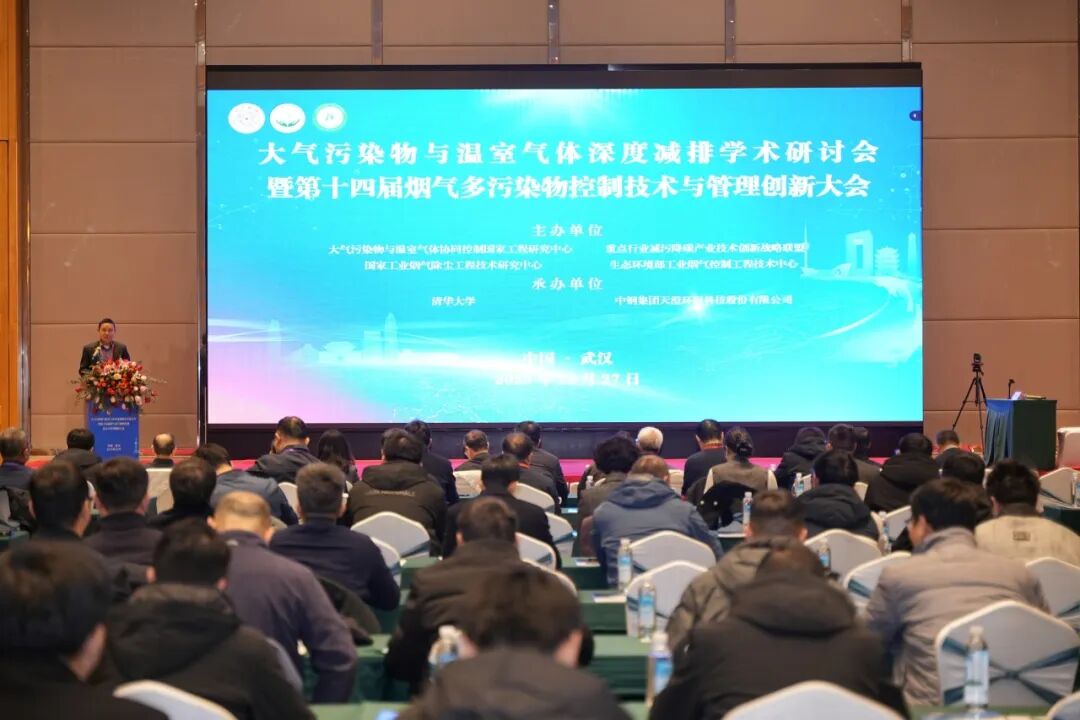
Group 1 - The conference focused on the collaborative reduction of air pollutants and greenhouse gases, aligning with national goals for ecological and environmental improvement [2][5][10] - Approximately 150 experts and representatives from key industries such as steel, electricity, and petrochemicals attended the event, highlighting its significance in driving breakthroughs in pollution control [2][27][34] - The event served as a platform for knowledge exchange and collaboration, aiming to identify key innovation directions and facilitate substantial partnerships in the field [6][12][36] Group 2 - Prominent figures in the industry, including academicians and leaders from various sectors, participated in discussions to outline new pathways for pollution reduction and carbon neutrality [3][8][28] - The conference emphasized the necessity of integrating decarbonization and pollution control technologies to enhance industry competitiveness and achieve high-quality development [8][32][42] - The event featured numerous high-quality reports on technological advancements and practical applications in pollution reduction, showcasing the industry's commitment to innovation [15][39][40] Group 3 - The conference addressed the challenges and technological bottlenecks in the field of multi-pollutant control, emphasizing the need for innovative solutions tailored to China's unique context [5][30][34] - The discussions included the importance of transforming environmental governance from a cost center to a value-creating segment, aligning with the principles of green development and circular economy [8][32][42] - The outcomes of the conference are expected to provide critical guidance for key industries in their efforts to tackle pollution and carbon reduction challenges [19][43][46]

创新驱动、链式赋能,光大银行上海分行打造绿色金融新样本
Di Yi Cai Jing· 2025-12-30 10:59
Core Viewpoint - Financial institutions play a crucial role in promoting industrial green upgrades and supporting the transformation of the real economy, particularly in the context of China's "dual carbon" goals and comprehensive green transition [1] Group 1: Green Financial Innovations - Everbright Bank's Shanghai branch has made significant breakthroughs in green finance, focusing on green bonds, green loans, and green ABS, aligning with national strategies such as technological innovation and low-carbon transition [2][4] - The branch successfully invested in Baowu Steel's first bond themed around technological innovation and low-carbon transition, amounting to 600 million yuan, with at least 70% of the funds directed towards low-carbon and Belt and Road initiatives [2] - The bank's green ABS investments, including a 620 million yuan investment in a green asset support plan for new energy vehicles, are expected to reduce carbon emissions by approximately 49,600 tons annually [2][3] Group 2: Green Building Initiatives - The bank has invested in a green asset support plan for the Expo City Best Practice Area, which has received LEED ND Platinum certification and aims for "zero carbon" certification by 2025, contributing to significant energy savings and carbon reduction [3] - The investment in the green building project is projected to achieve energy savings of 22.57 tons of standard coal and a carbon reduction of 49.89 tons in 2024 [3] Group 3: Organizational Structure for Green Finance - Everbright Bank's Shanghai branch has established a comprehensive organizational framework for green finance, including a leadership group focused on carbon peak and neutrality, and specialized working groups for green finance business expansion and ESG risk management [4] - The "1+N+X" organizational system promotes collaboration across departments and supports the establishment of green finance specialty branches, enhancing the bank's ability to implement green financial products and services [4] Group 4: Regional Green Financial Layout - The bank focuses on Shanghai's industrial structure, providing targeted support for green transportation, automotive supply chains, and innovative technologies, aligning with the city's goal of becoming a world-class automotive industry center [6][7] - The bank has provided 4.7 million yuan in loans to a private environmental technology company to support its growth in environmental technology research and production capacity [6] Group 5: Green Energy Financial Ecosystem - Everbright Bank is building a comprehensive green energy financial ecosystem, particularly in distributed photovoltaic projects, through innovative financial service models and partnerships with leading companies [8][9] - The bank's collaboration with a leading distributed photovoltaic company has resulted in project financing covering 185 MW of capacity, expected to reduce carbon emissions by approximately 200,000 tons annually [8][9] - The bank aims to integrate financial services with clean energy operational efficiency, establishing a benchmark in the distributed photovoltaic finance sector [9]

全国首个省级双碳服务平台上线试运行
Zhong Guo Dian Li Bao· 2025-12-30 07:30
Core Insights - The Hunan Province Carbon Neutrality Comprehensive Service Platform has officially launched, marking a significant step in the province's digital empowerment for green transformation and collaborative development [1] Group 1: Digitalization in Carbon Neutrality - Hunan Province is actively exploring the deep application of digital means in carbon neutrality efforts, aiming to build a unified carbon data platform across the province [1] - The platform will leverage big data and artificial intelligence technologies, focusing on two main business scenarios: comprehensive carbon governance and low-carbon development for enterprises [1] Group 2: Core Functional Modules - The carbon monitoring function establishes a comprehensive carbon emission data measurement and monitoring system from energy production to end consumption, based on energy supply and consumption data [1] - The platform has connected with over 300 key energy-consuming units, each with an annual comprehensive energy consumption exceeding 10,000 tons of standard coal, to create energy efficiency and carbon efficiency assessment functions at the process and product levels [1] - The carbon forecasting function integrates various model algorithms, including industry field analysis methods, to scientifically predict the peak year and peak level of carbon emissions in the province [1]
Club Med地中海俱乐部“年度可持续度假品牌”:以“快乐关怀”践行ESG价值
Cai Jing Wang· 2025-12-30 07:16
Core Viewpoint - Club Med Mediterranean Club has been awarded the "Annual Sustainable Vacation Brand" honor for its sustainable practices and the implementation of the "Happy to Care" strategy, highlighting its role as a model for ecological, social, and economic value coexistence in the tourism industry amid the "dual carbon" goals and ESG transformation [1] Group 1: Sustainable Strategy - The sustainable ethos of Club Med dates back to its founding, with a clear development trajectory from social responsibility to environmental practices over 75 years [2] - The "Happy to Care" strategy encompasses three dimensions: eco-friendly vacation experiences, sustainable resorts, and positive social impact, aligning with global sustainability goals and China's "green tourism" policy [2] - The brand aims to establish partnerships with local ecological organizations by 2030, having already launched 44 ecological cooperation projects across 31 resorts by 2023 [2] Group 2: Guest Participation and Environmental Education - As of 2023, 59% of Club Med resorts have introduced "green activities," with local experiences designed to educate guests about ecology [3] - The "Bye Bye Plastic" initiative has replaced single-use plastics in guest rooms by 2023, with a target to reduce global plastic bottle usage by 35% by 2024 compared to 2019 [3] - Over 60% of fresh ingredients are sourced locally, supporting local agriculture and reducing transportation carbon footprints [3] Group 3: Certification and Standards - By 2024, 89% of Club Med resorts globally have achieved the Green Globe certification, indicating a high level of sustainable operation [4] - 73% of new and renovated resorts have received BREEAM ecological certification, with notable projects setting benchmarks for green building in the industry [4] Group 4: Climate Action and Community Engagement - Club Med has set a target to reduce building carbon emissions by 50% by 2030 compared to 2023 levels, aligning with China's dual carbon strategy [5] - The "Green Farmer" initiative has provided training to local farmers, resulting in nearly 240 tons of fresh produce supplied to resorts, benefiting over 650 farmers [5] - The integration of ESG principles into the brand's core operations reflects a long-term commitment to sustainable development [6] Group 5: Future Directions - Club Med will continue to deepen its ecological protection and community coexistence practices under the "Happy to Care" strategy, providing a model for achieving both commercial and social value in the global vacation industry [6]
大连市委经济工作会议举行
Zhong Guo Fa Zhan Wang· 2025-12-30 07:14
坚持对外开放,着力建设内畅外联的高水平开放门户枢纽。提升开放平台能级,加快自贸片区整合提 升,稳步扩大制度型开放;千方百计稳外资稳外贸,健全外商投资服务保障体系,优化产业链供应链跨 境布局,深度参与高质量共建"一带一路";增强"三个中心"功能,进一步优化服务、提高效率、降低成 本,畅通东北海陆大通道,提高金融服务实体经济质效。 坚持协调发展,着力构建城乡融合、陆海统筹的发展格局。扎实推进乡村全面振兴,提高农业现代化水 平,建设宜居宜业和美乡村;推进以县城为重要载体的城镇化建设,推动县域经济高质量发展,培育特 色优势产业集群;加快建设现代海洋城市,坚持保护开发并重,坚持疏近用远,推进海洋渔业向深远海 集约高端转型,发展壮大海工装备、船舶制造、海岛旅游等产业。 中国发展网讯 记者施文郁报道 近日,大连市委经济工作会议举行。会议全面贯彻落实中央经济工作会 议及省委经济工作会议精神,通报全市项目建设和赛马评比情况,总结今年经济工作,分析当前经济形 势,部署明年经济工作。 会议指出,今年以来,全市上下一体贯彻习近平总书记关于东北、辽宁及大连全面振兴的重要讲话和重 要指示精神,全面落实党中央决策部署及省委工作要求,锚定" ...
一单牡蛎碳汇的“生态价值账”
Da Zhong Ri Bao· 2025-12-30 06:33
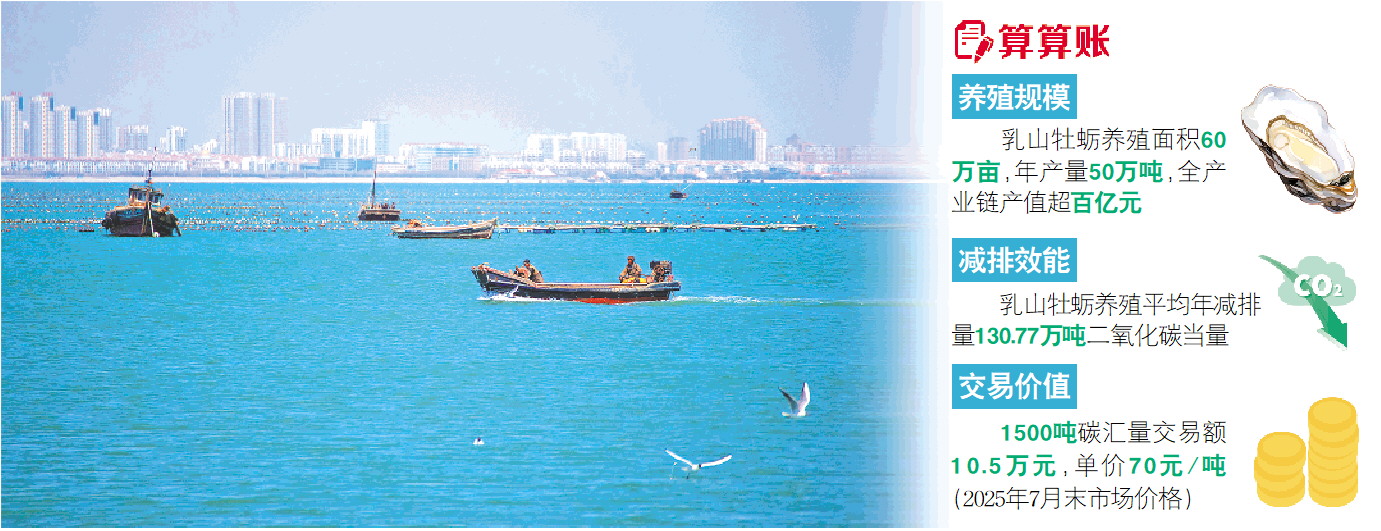
Core Viewpoint - The article discusses the successful implementation of oyster carbon credit trading in Rushan, Shandong Province, highlighting the transformation of intangible carbon credits into tangible financial assets through innovative financial products and methodologies [1][2]. Group 1: Carbon Credit Trading - The first oyster carbon credit transaction in Shandong was completed on August 12, with a trading volume of 1,500 tons and a transaction value of 105,000 yuan [1]. - Carbon credit trading involves the exchange of carbon emission allowances, where high-emission companies purchase carbon credits from entities that can sequester carbon, such as through afforestation [1]. - The transaction in Rushan serves as a replicable model for marine carbon credit market transactions [1]. Group 2: Scientific Methodology - Rushan has developed a "Double-Shell Mollusk Aquaculture Carbon Credit Project Methodology" in collaboration with the Chinese Academy of Fishery Sciences, addressing the lack of national standards for carbon credits from mollusks [2]. - Preliminary calculations indicate that oyster farming in Rushan achieves an average annual carbon reduction of 1.3077 million tons of CO2 equivalent [2]. - The methodology involves monitoring the carbon sequestration and release of oysters to quantify the net carbon credits [2]. Group 3: Financial Products and Support - The Rushan State-owned Capital Operation Company sold 1,000 tons of carbon credits, generating 70,000 yuan, which will be reinvested into the oyster industry through technical subsidies [3]. - Rushan Agricultural Commercial Bank purchased 300 tons of carbon credits to support its branches in achieving carbon neutrality [3]. - The local government is working to integrate the carbon credit methodology into the provincial carbon benefit system and is exploring carbon credit pledge financing and carbon index insurance to support the oyster industry [3][4].
【双碳周报】全国碳市场碳排放配额累计成交量明显上涨-20251230
GUOTAI HAITONG SECURITIES· 2025-12-30 05:23
Report Summary 1. Report Industry Investment Rating No information provided. 2. Core Viewpoint The report tracks important developments in the domestic and international "dual carbon" field from December 22 to December 26, 2025, mainly in the carbon quota trading area. Prices of carbon allowances in European and American carbon markets increased last week, while volume decreased; the price of Korean carbon allowances decreased, and so did the volume. In the domestic market, the cumulative trading volume and amount of carbon emission allowances in the national carbon market increased significantly, and the weekly trading volume in domestic pilot carbon markets also rose [2]. 3. Summary by Directory 3.1 International Carbon Trading Market Tracking - **European Carbon Quota Price and Volume**: EUA spot prices rose by 1.28% from December 22 to December 23, and due to Christmas closures, the trading volume decreased by 44.51% to 278,000 tons last week [6]. - **US Carbon Quota Price and Volume**: EUA futures prices rose by 0.61% from December 22 to December 24, with a trading volume decrease of 65.01% to 58.7 million tons last week. UKA futures prices rose by 0.95% from December 22 to December 26 [9]. - **Korean Carbon Quota Price and Volume**: KAU25 spot prices decreased by 1.58% from December 22 to December 26, and the trading volume dropped by 29.68% to 462,400 tons last week [13]. 3.2 Domestic Carbon Market Tracking - **National Carbon Market Carbon Quota Volume and Average Transaction Price**: The cumulative trading volume of national carbon market carbon allowances (CEA) was 1.56556 million tons, and the cumulative trading amount was 1.122 billion yuan, with increases of 60.92% and 93.63% respectively. As of December 26, the average daily transaction price of CEA was 71.36 yuan/ton, up 19.66% [16]. - **Weekly Average Transaction Price of Carbon Quotas in Domestic Pilot Provincial and Municipal Carbon Markets**: Except for HBEA in Hubei Province, the weekly average transaction prices of carbon quotas in domestic pilot carbon markets increased. FJEA in Fujian Province had the largest increase at 10.63%. Compared with the same period last month, the prices varied. BEA in Beijing had the largest increase at 7.01%, and SZA in Shenzhen had the largest decrease at 15.66% [18]. - **Trading Volume and Transaction Amount of Carbon Quotas in Domestic Pilot Provincial and Municipal Carbon Markets**: Last week, carbon quota trading in domestic pilot carbon markets was mainly concentrated in Tianjin, Hubei, and Guangdong, accounting for 77.82% of the total weekly trading volume. The transaction amounts in Tianjin, Beijing, and Hubei accounted for 76.55% of the total. The total weekly trading volume in domestic pilot carbon markets was 759,400 tons, an increase of 88.70% [19]. 3.3 Dual Carbon Frontier Technology Tracking - **Delivery of the World's First Methanol Dual-Fuel Powered Intelligent Ultra-Large Oil Tanker**: On December 22, the "Kaituo" tanker, the world's first methanol dual-fuel powered intelligent ultra-large oil tanker, was successfully delivered in Dalian. It has features such as strong seaworthiness, good port adaptability, low emissions, and intelligent operation. Compared with conventional fuel oil, it can reduce carbon dioxide emissions by up to 92% [24]. - **Release of the World's First Native Power Professional Large Model**: Recently, the NWHR Power Production Large Model (AI EPS V1.0) was officially released, which is the world's first native power large model innovated from the source of the underlying architecture, a significant innovation in the application of AI in the vertical field of power production [24].