
全国统一大市场

Search documents
【时政微观察】读懂中国经济高质量发展的确定性
Sou Hu Cai Jing· 2025-12-15 08:51
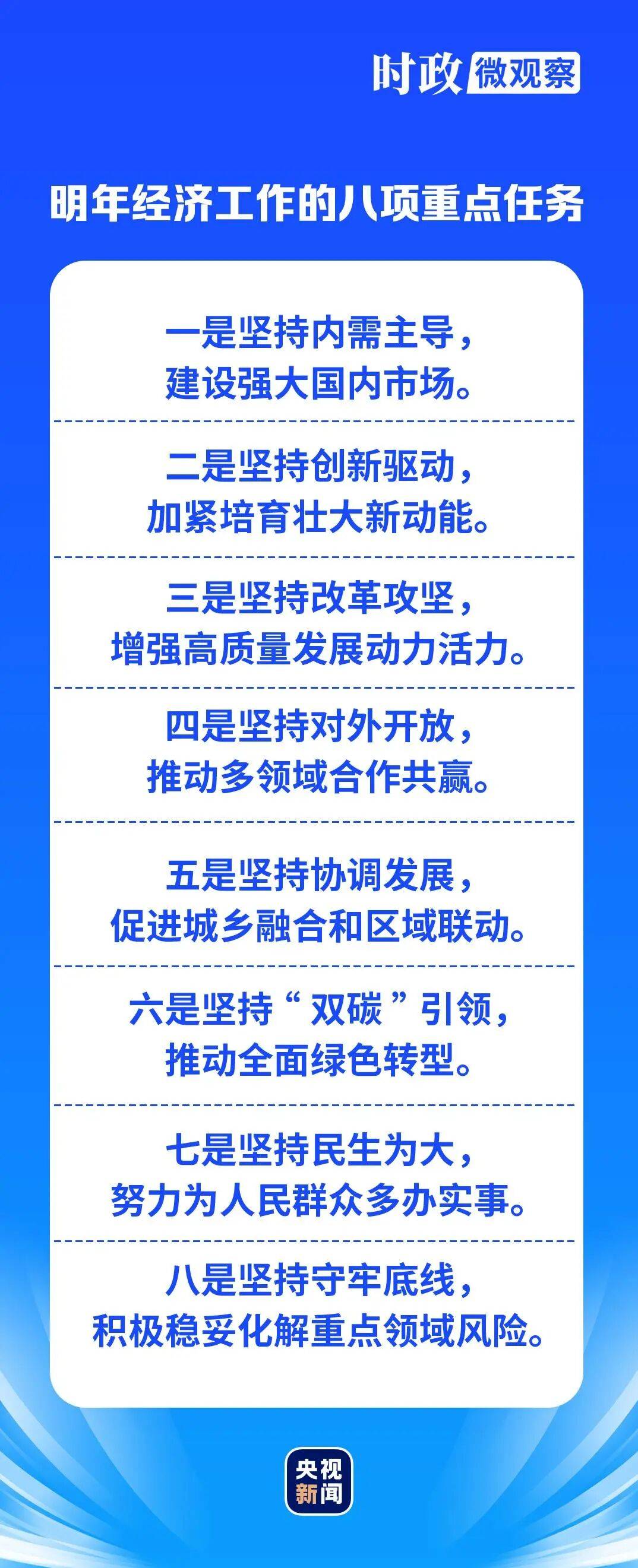
回望很不平凡的2025年,中国经济交出一份非凡答卷——顶压前行、向新向优发展,现代化产业体系建设持续推进,改革开放迈出新步伐,重点领域风险 化解取得积极进展,民生保障更加有力。 以习近平同志为核心的党中央团结带领全党全国各族人民迎难而上、奋力拼搏,坚定不移贯彻新发展理念、推动高质量发展,统筹国内国际两个大局,实 施更加积极有为的宏观政策,经济社会发展主要目标将顺利完成。 12月10日至11日,中央经济工作会议在京举行。习近平总书记出席会议并发表重要讲话,总结2025年经济工作,分析当前经济形势,部署2026年经济工 作。 在外部压力加大和内部困难较多的复杂局面下,中国经济航船何以乘风破浪、行稳致远?《时政微观察》从三组辩证关系,带你读懂中国经济高质量发展 的确定性。 12月11日,世界银行发布最新一期中国经济简报,对2025年中国经济增速预期上调0.4个百分点。世行方面表示,中国更加积极的财政政策、持续深化的 结构性改革、更可预期的营商环境,有助于提振信心,并为富有韧性、可持续的增长奠定基础。 面对复杂的外部环境,我们始终坚定信心,坚定不移办好自己的事,以高质量发展的确定性应对各种不确定性。 信心,来自中国特 ...

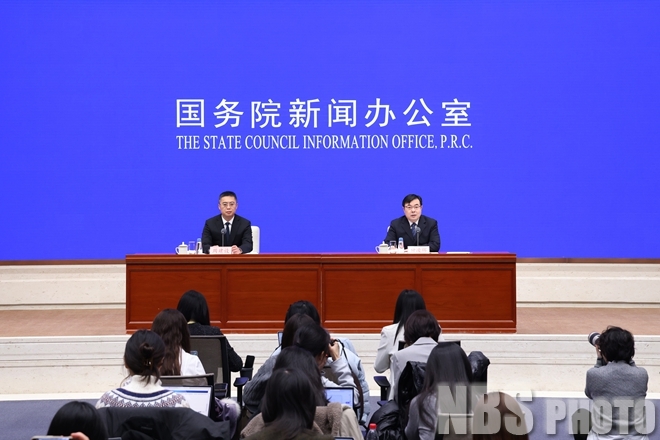
国家统计局新闻发言人就2025年11月份国民经济运行情况答记者问
Guo Jia Tong Ji Ju· 2025-12-15 08:42
Economic Performance Overview - In November, China's economy showed a steady growth trend with industrial production increasing by 4.8% year-on-year, maintaining the same growth rate as the previous month [5][40] - The manufacturing sector, particularly the equipment manufacturing industry, experienced significant growth, with an increase of 7.7% in added value, contributing 59.4% to the overall industrial growth [5][41] - The service sector also demonstrated stability, with a production index growth of 4.2%, particularly in information technology and business services, which grew by 12.9% and 8.4% respectively [5][41] Market Sales and Consumption - Retail sales of consumer goods rose by 1.3% year-on-year in November, with notable growth in upgraded products such as cosmetics and jewelry, which increased by 6.1% and 8.5% respectively [6][21] - Service retail sales showed a robust growth of 5.4% from January to November, indicating a shift towards service consumption [6][20] - The overall consumption market remains stable, with a continuous expansion in service consumption and a trend towards quality upgrades in consumer goods [20][22] Foreign Trade - China's foreign trade maintained stability with a total import and export growth of 4.1% year-on-year in November, marking a 4 percentage point increase from the previous month [6][9] - Exports specifically grew by 5.7%, reversing the previous month's decline, supported by diversified trade partnerships, particularly with Belt and Road Initiative countries, which saw a 6% increase in trade volume [6][9] Employment and Prices - The urban unemployment rate remained stable at 5.1%, with specific demographics such as agricultural workers and those aged 30-59 showing lower unemployment rates [7][9] - Consumer prices rose by 0.7% year-on-year in November, with core CPI (excluding food and energy) remaining stable at 1.2%, indicating a gradual recovery in price levels [8][16] Investment Trends - Investment in fixed assets (excluding rural households) saw a decline of 2.6% year-on-year, but project investments excluding real estate increased by 0.8% [29][30] - Significant growth was observed in emerging sectors, with equipment manufacturing investment rising by 8.9% and renewable energy investments increasing by 7.4% [29][30] New Quality Productivity - The growth of new quality productivity is evident, with high-tech manufacturing value added increasing by 9.2% year-on-year, and significant growth in sectors like integrated circuits and electronic materials [24][25] - Traditional industries are undergoing transformation, with notable increases in investment and production in sectors such as biomass fuel processing and chemical fiber manufacturing [25][26] Future Outlook - The economic outlook remains positive, with expectations for continued growth driven by domestic demand expansion and policy support [35][38] - The focus on innovation and high-quality development is expected to bolster economic resilience and adaptability in the face of external challenges [35][38]
11月中国经济“成绩单”出炉!支持价格合理回升的积极因素继续累积
Qi Huo Ri Bao· 2025-12-15 06:40
Economic Overview - In November, the national economy continued to show a stable and progressive development trend, with a focus on implementing proactive macro policies and promoting high-quality development [2][6] - The total grain production for the year is expected to exceed 1.4 trillion jin, with a year-on-year increase of 1.2% [2] Industrial Production - The industrial added value above designated size increased by 4.8% year-on-year in November, with a month-on-month increase of 0.44% [3] - The equipment manufacturing industry and high-tech manufacturing industry saw significant growth, with increases of 7.7% and 8.4% respectively [3] - The production of 3D printing equipment, industrial robots, and new energy vehicles grew by 100.5%, 20.6%, and 17.0% year-on-year respectively [3] Retail Sales - The total retail sales of consumer goods reached 43,898 billion yuan in November, a year-on-year increase of 1.3% [4] - Online retail sales amounted to 144,582 billion yuan, with a year-on-year growth of 9.1%, and physical goods online retail sales accounted for 25.9% of total retail sales [4] - Service retail sales grew by 5.4% year-on-year, with significant growth in cultural, sports, and travel services [4] Fixed Asset Investment - Fixed asset investment (excluding rural households) decreased by 2.6% year-on-year from January to November, while manufacturing investment increased by 1.9% [5] - Infrastructure investment fell by 1.1%, and real estate development investment dropped by 15.9% [5] - Investment in high-tech industries, such as information services and aerospace manufacturing, saw significant increases of 29.6% and 19.7% respectively [5] Policy Impact - A series of proactive macro policies have effectively supported stable economic operations, leading to expanded consumer demand and increased key investments [7][8] - The implementation of consumption upgrade policies has resulted in significant sales growth in home appliances and communication equipment [8] - The industrial production growth was supported by policies promoting market demand and industrial upgrades [8] Price Trends - The Consumer Price Index (CPI) rose by 0.7% year-on-year in November, marking a continuous recovery trend [9] - The Producer Price Index (PPI) showed a month-on-month increase of 0.1%, indicating a narrowing decline trend since August [10][11] Long-term Economic Outlook - The resilience of the economy remains strong, with macro policies providing robust support and new growth drivers emerging [12][13] - The expansion of market demand and the continuous growth of new economic drivers are expected to positively impact economic development [12][14] - The upcoming economic policies aim to enhance domestic demand and optimize supply, ensuring a solid foundation for future growth [14]
山西省粮油交易会员座谈会在太原成功召开
Zhong Guo Fa Zhan Wang· 2025-12-15 06:24
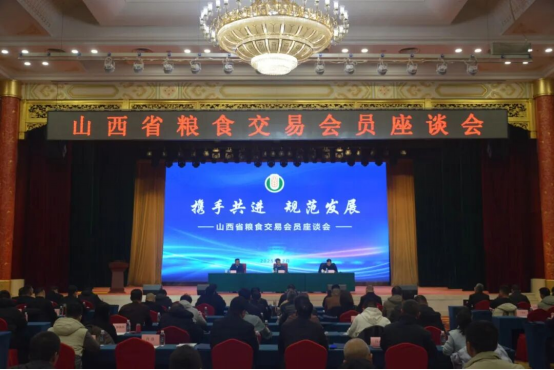
中国发展网讯 记者郭建军报道 为深入贯彻国家关于粮食安全的重要决策部署,进一步提升地方政府储 备粮交易管理的规范化、透明化与市场化水平,2025年12月11日,山西省粮油交易中心在太原举办全省 粮食交易会员座谈会。省粮食和物资储备局党组成员、副局长徐晓峰出席会议并讲话。 本次会议以"携手共进,规范发展"为主题,汇聚了来自中国农业发展银行山西省分行、省市县各级储备 粮承储企业及广大交易商会员的代表共计150余人,旨在就新拟定的《山西省地方政府储备粮交易规则 (试行)》及《购销双向竞价交易规则(试行)》广泛征求意见,凝聚行业共识,共筑安全、高效、公 平的区域粮食交易市场。 本次座谈会通过政策解读、实操演示、金融配套推介与开放式研讨相结合的形式,不仅增进了各方对新 规则的理解,更收集到了一批宝贵的一线反馈意见。省粮油交易中心表示,将认真研究吸纳意见,进一 步修改完善规则文本,使其更科学、更完善、更具可操作性,为最终发布实施奠定坚实基础。 省局粮食储备处、执法监督局负责同志,中国农业发展银行山西省分行和山西省储备粮管理有限公司相 关领导参加会议。 徐晓峰副局长指出,近年来山西省粮油交易市场建设成效显著,为保障储备粮轮 ...
国家统计局:下阶段要积极扩大国内需求 纵深推进全国统一大市场建设
智通财经网· 2025-12-15 04:04
但也要看到,居民消费能力和信心有待进一步提升,消费增长内生动力仍需增强。下阶段,要继续深入 实施提振消费专项行动,着力稳就业促增收,积极扩大优质供给,大力优化消费环境,不断释放消费潜 力,促进消费市场持续稳定健康发展。 智通财经APP获悉,12月15日,国务院新闻办举行新闻发布会,国家统计局新闻发言人付凌晖介绍11月 份国民经济运行情况,并回答记者提问。付凌晖表示,11月份国民经济延续稳中有进发展态势,工业生 产总体平稳,产业优化升级持续,新动能继续壮大,有力支撑经济稳定运行。下阶段,要积极扩大国内 需求,纵深推进全国统一大市场建设,推动传统产业改造升级,大力培育新质生产力,加快建设现代化 产业体系,推动工业持续健康发展。 他指,工业生产对推动经济稳定发展作出了重要贡献。科技创新和产业创新加快融合,工业数字化、智 能化转型持续推进,发展新动能稳步成长。11月份,规模以上电子专用材料制造、集成电路制造增加值 分别增长30.9%、32.4%。智能产品生产较快增长。11月份,智能车载设备制造、智能无人飞行器制造 增加值分别增长30%、49.3%,工业机器人产量增长20.6%。 绿色转型推动下,新能源产业发展态势较好 ...
11月份国民经济运行成绩单出炉!
Zheng Quan Ri Bao Wang· 2025-12-15 04:00
Core Insights - The overall economic operation in China remains stable with a focus on high-quality development and the implementation of proactive macro policies [1] Industrial Production - In November, the industrial added value above designated size increased by 4.8% year-on-year and 0.44% month-on-month [2] - By sector, mining increased by 6.3%, manufacturing by 4.6%, and electricity, heat, gas, and water production and supply by 4.3% [2] - High-tech manufacturing saw an 8.4% increase, outpacing the overall industrial growth by 3.6 percentage points [2] - The profit of industrial enterprises above designated size totaled 59,503 billion yuan, a year-on-year increase of 1.9% for the first ten months [2] Service Sector - The service production index grew by 4.2% year-on-year in November [3] - Key sectors such as information transmission, software, and IT services grew by 12.9%, while financial services increased by 5.1% [3] - The business activity index for services was at 49.5, indicating a stable outlook [3] Market Sales - The total retail sales of consumer goods reached 43,898 billion yuan in November, a year-on-year increase of 1.3% [4] - Online retail sales amounted to 144,582 billion yuan, growing by 9.1% year-on-year [4] - The retail sales of essential and some upgraded goods showed significant growth, with food and communication equipment sales increasing by 6.1% and 20.6%, respectively [4] Investment Trends - From January to November, fixed asset investment (excluding rural households) was 444,035 billion yuan, a year-on-year decrease of 2.6% [5] - Manufacturing investment grew by 1.9%, while real estate development investment fell by 15.9% [5] - High-tech industries, particularly information services and aerospace manufacturing, saw investment growth of 29.6% and 19.7%, respectively [6] Employment Situation - The urban surveyed unemployment rate averaged 5.2% from January to November, with November's rate at 5.1% [7] - The average weekly working hours for employees in enterprises was 48.6 hours [7]
“打通全国统一大市场堵点卡点”热点问题探析|破局“内卷” 开拓蓝海
Jing Ji Ri Bao· 2025-12-15 03:45
Core Viewpoint - The letter from Huang Ping, Chairman of Guangdong Youkai Technology Co., highlights the detrimental effects of vicious competition in the detergent industry, where low-quality products with less than 5% active ingredient content are capturing market share through low prices, putting quality products at a disadvantage [1] Group 1: Industry Challenges - The phenomenon of "involution" is causing irrational competition across various industries, leading to intensified price wars, shrinking profit margins, reduced innovation investment, and rising quality and safety risks [1][2] - Over 20 national and local industry associations have publicly called for a "counter-involution" approach, addressing issues in sectors such as steel, automotive, photovoltaic, catering, finance, and logistics [2] Group 2: Strategic Shifts - Companies like China Resources Beer have closed 40 factories and reduced over 5 million tons of redundant capacity, emphasizing a shift from "scale supremacy" to focusing on "good enterprises, good products, and good brands" [3] - The construction of a unified national market is essential for efficient market operation and removing barriers to fair competition, which is crucial for high-quality development [2] Group 3: Innovation Focus - Traditional manufacturing must break free from path dependence and scale bottlenecks by leveraging technology and innovation, as highlighted by companies like Weiqiao Chuangye Group, which collaborates with research institutions and utilizes AI for product development [4] - New Hope Group has innovated in the dairy industry by utilizing cold chain logistics and AI to ensure fresh products reach consumers quickly, demonstrating the importance of innovation in meeting consumer demands [4][5] Group 4: Brand Value - In a market with information asymmetry, low-quality products often mislead consumers, necessitating a focus on rebuilding trust in "quality for price" mechanisms to enhance user experience and brand value [6] - The shift in consumer preferences towards personalized and emotionally resonant experiences indicates that businesses must transition from merely providing functional value to creating meaningful connections with users [7] Group 5: Global Expansion - The construction of a unified national market should promote an open market that encourages companies to expand globally, alleviating domestic competition pressures and enhancing competitiveness in international markets [8] - Companies like Jack Technology and Miniso are successfully implementing global strategies that integrate local insights with global aesthetics, demonstrating the potential for Chinese brands to resonate with international consumers [8] Group 6: Future Outlook - The collective sentiment among industry leaders emphasizes that companies must focus on innovation, brand building, and global engagement to escape internal competition and drive China's economy towards high-quality development [9]
11月重要经济数据公布
清华金融评论· 2025-12-15 03:37
11月份,在以习近平同志为核心的党中央坚强领导下,各地区各部门认真贯彻落实党中央、国务院决策部署,坚持稳中求进工作总基调,深 入实施更加积极有为的宏观政策,纵深推进全国统一大市场建设,着力推动高质量发展,生产供给基本平稳,就业形势总体稳定,市场价格 继续改善,新质生产力稳步发展,经济运行延续总体平稳、稳中有进发展态势。 一、全年粮食实现丰收,稳定在1.4万亿斤以上 全年全国粮食产量14298亿斤,比上年增加167.5亿斤,增长1.2%,稳定在1.4万亿斤以上。其中,秋粮产量10732亿斤,比上年增加163.6亿 斤,增长1.5%。全国谷物产量13204亿斤,比上年增加158.4亿斤,增长1.2%。粮食播种面积增加、单产提高。全国粮食播种面积17.91亿亩, 比上年增加134.8万亩,增长0.1%;粮食单产399.1公斤/亩,每亩产量比上年增加4.4公斤,增长1.1%。 二、工业生产稳定增长,装备制造业和高技术制造业增长较快 11月份,全国规模以上工业增加值同比增长4.8%,环比增长0.44%。分三大门类看,采矿业增加值同比增长6.3%,制造业增长4.6%,电力、 热力、燃气及水生产和供应业增长4.3%。装备制 ...
“打通全国统一大市场堵点卡点”热点问题探析:破局“内卷” 开拓蓝海
Jing Ji Ri Bao· 2025-12-15 03:27
Core Viewpoint - The article discusses the challenges of "involution" in various industries, highlighting the detrimental effects of irrational competition and price wars on quality, innovation, and market stability. It emphasizes the need for a unified national market to promote high-quality development and break free from this cycle of competition [1][2][3]. Group 1: Industry Challenges - The washing powder industry is facing severe issues due to low-quality products with less than 5% active ingredient content capturing market share through low prices, putting quality products at a disadvantage [1]. - Industries from steel to solar energy are experiencing intensified price wars, leading to compressed profit margins and reduced innovation investments, which in turn increases quality and safety risks [1][2]. - Over 20 national and local industry associations have publicly called for a "反内卷" (anti-involution) movement, indicating a widespread recognition of the problem across sectors such as steel, automotive, solar, catering, finance, and logistics [3]. Group 2: Solutions and Strategies - To address the structural issues of involution, a collaborative approach between government and market forces is necessary, focusing on supply-side structural reforms [3]. - Companies like China Resources Beer have closed 40 factories and reduced over 5 million tons of redundant capacity, demonstrating a shift from a "scale-first" mentality to prioritizing quality and brand development [3]. - Innovation is crucial for traditional manufacturing to break free from path dependence and scale limitations, with companies encouraged to collaborate with research institutions and invest in new technologies [4][5]. Group 3: Brand and Market Positioning - The article highlights the importance of rebuilding trust in quality and value, as low-quality products often mislead consumers in an information-asymmetric market [6]. - Companies are urged to focus on user experience and brand value, shifting from a transactional approach to one that emphasizes emotional and meaningful connections with consumers [6]. - The narrative of "Chinese manufacturing" is evolving, with domestic brands gaining recognition and demand both locally and internationally, reflecting a shift in consumer perception [6]. Group 4: Global Expansion - The construction of a unified national market is seen as a means to create a fairer and more efficient competitive environment, encouraging companies to expand globally to alleviate domestic competition pressures [7]. - Companies like Jack Technology are establishing production bases in various regions to cater to local markets, while Miniso emphasizes cultural integration in its global strategy [7]. - The article concludes that companies must focus on innovation, brand strength, and global outreach to escape internal competition and contribute to high-quality economic development [8].
中央经济工作会议精神学习:平稳过渡,结构优化
Minmetals Securities· 2025-12-15 02:44
Economic Strategy - The Central Economic Work Conference emphasized the importance of "five musts" for economic growth, including fully tapping economic potential and combining policy support with reform innovation[2] - The focus has shifted from simple scale expansion to precise efficiency improvement, with a projected fiscal deficit rate of 4% for the coming year[3] Investment and Consumption - The meeting highlighted a transition from investment-driven growth to consumption-led growth, with plans to implement a rural and urban income increase program[9] - Investment will focus on quality rather than quantity, with an emphasis on urban renewal and infrastructure improvements[10] Technological Innovation - The conference stressed the importance of "AI+" in reshaping industries, aiming to integrate AI technology across traditional sectors[12] - National strategic resources will be concentrated in key innovation hubs like Beijing, Shanghai, and the Guangdong-Hong Kong-Macau Greater Bay Area[12] Structural Reforms - The meeting called for deep reforms to address structural contradictions in the economy, including the establishment of a unified national market and the elimination of "involution" in competition[14] - Financial supply-side structural reforms will focus on quality over quantity, with an expected wave of mergers among small financial institutions[15] Risk Management - The conference underscored the need to stabilize the real estate market and manage local government debt risks through optimized restructuring methods[24] - Measures will be taken to ensure food security and stabilize agricultural product prices to protect farmers' incomes[19]