
绿色消费

Search documents
广州零售市场观察:空置率趋稳,超市“新鲜”升级抢客源
Sou Hu Cai Jing· 2025-07-11 17:43
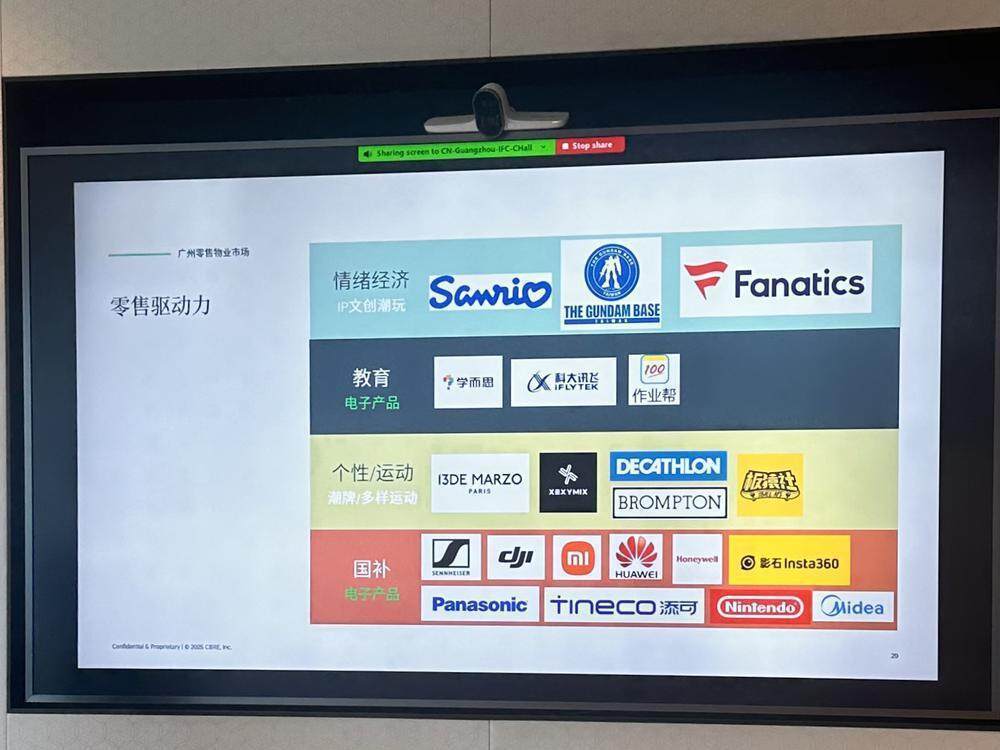
Core Insights - The retail market in Guangzhou shows stability with a slight increase in vacancy rates and a decrease in average rental prices, indicating a cautious but evolving landscape for retail properties [1][2]. Retail Market Overview - The retail property vacancy rate in Guangzhou for the first half of 2025 is reported at 12.7%, with a minor increase of 0.1 percentage points year-on-year and a decrease of 0.2 percentage points quarter-on-quarter, demonstrating better stability compared to the office market [1][2]. - Average rental prices in Guangzhou have decreased by 0.3% year-on-year, now standing at 619.1 yuan per square meter per month [2]. Changes in Consumer Behavior - The restaurant sector is experiencing significant changes, with major dining establishments adopting a more cautious approach due to declining profit margins, contrasting with the more optimistic outlook of upgraded dining brands [2]. - National retail innovation pilot policies are driving changes in consumer behavior, promoting trade-in programs and the integration of online and offline shopping experiences [5]. Retail Innovations and Trends - The first batch of 38 cities has been designated as national retail innovation pilot cities, reflecting a shift in consumer trends towards green and circular consumption [5]. - New retail formats are emerging, including second-hand stores and the integration of live streaming in physical retail, enhancing the online-offline fusion trend [5]. Supermarket Sector Developments - The supermarket sector is undergoing significant transformations, with a focus on enhancing the freshness of products and introducing new operational concepts [7][9]. - Notable changes include the introduction of a higher proportion of imported goods, an increase in fresh and baked goods, and the implementation of a "fresh" shopping experience in stores like Dailian [7][9]. - Dailian's recent store renovations aim to cater to younger consumers by expanding product offerings, including a significant increase in baked goods and ready-to-eat meals [9]. Challenges and Future Outlook - While many supermarkets are pursuing renovations, the success of these changes will ultimately depend on consumer acceptance and the ability to meet market demands while maintaining competitive pricing [11].

家居行业再迎政策利好:鼓励定制化整装,推进全智能装配一体化
Bei Ke Cai Jing· 2025-07-10 11:31
Group 1 - The Beijing Municipal Government has released the "Beijing Deepening Reform to Boost Consumption Special Action Plan," which includes multiple initiatives related to the home furnishing industry, such as encouraging home renovation design and promoting fully intelligent indoor assembly integration [1] - The action plan consists of 24 measures aimed at optimizing new housing consumption supply, including support for customized home decoration and smart home products and services, as well as the development of smart communities [1] - The plan also emphasizes the expansion of green consumption paradigms, encouraging the development and introduction of green low-carbon technologies and improving the green standards and labeling system across various sectors, including home decoration [1] Group 2 - Recent national policies have continuously promoted consumption, benefiting the home furnishing industry, with initiatives like the "Two New" policy and appliance replacement programs driving market growth [2] - In May, the sales revenue of large-scale building materials and home furnishing markets reached 125.118 billion, a month-on-month increase of 15.16%, while the cumulative sales from January to May amounted to 571.408 billion, reflecting a year-on-year increase of 3.32% [2]
时评:乘“热”而上,“避暑经济”燃旺消费热情
Sou Hu Cai Jing· 2025-07-10 04:57
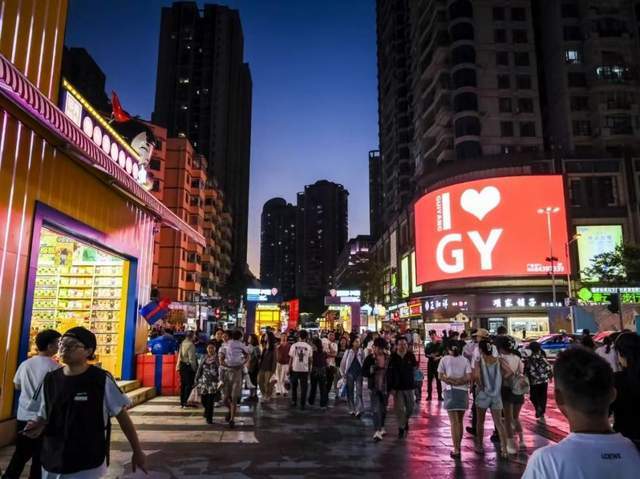
Core Viewpoint - The article highlights the emergence of a vibrant "cooling economy" driven by ecological and cultural resources, supported by government policies, which stimulates consumer spending during the summer months [2][3][4]. Group 1: Development of Cooling Economy - Various regions are leveraging their unique ecological resources to create distinctive summer vacation spots, enhancing competitive advantages through differentiation [3]. - The "cooling economy" is being actively promoted through policies such as ticket discounts for scenic spots and adjustments in high-speed rail services to connect tourism resources [2][3]. Group 2: Policy Support and Market Activation - Government initiatives, such as the promotion of energy-efficient appliances, have significantly boosted the sales of air conditioning units, with over 80% of sales in Chongqing being high-efficiency models [4]. - The introduction of a 20% subsidy for purchasing energy-efficient appliances under the 2025 policy is expected to further encourage green consumption [4]. Group 3: Night Economy and Cultural Integration - Cities are enhancing their night-time economies by creating integrated consumption ecosystems that combine dining, entertainment, and shopping, as seen in Beijing's "Night Beijing" initiative [5]. - Innovative cultural experiences, such as immersive performances and themed events, are attracting more visitors and enriching the night economy, with some venues reporting over 30% growth in night-time attendance [5].
优化小客车指标配置、调整最低工资标准,北京发布提振消费24条
Xin Jing Bao· 2025-07-10 04:12
Group 1 - The core viewpoint of the article is the release of the "Beijing Special Action Plan for Deepening Reform and Boosting Consumption," which aims to enhance the city's consumption capacity and competitiveness in the global market by implementing 24 specific tasks across six areas [1][7][10] - The plan targets an average annual growth of around 5% in total market consumption by 2030, with the goal of establishing 2-3 new consumption landmarks worth over 100 billion yuan [1][7] - The action plan emphasizes the importance of optimizing service consumption experiences and enhancing the dynamism of goods consumption [1][3] Group 2 - The plan includes measures to promote reasonable growth in wage income and improve employment services, particularly for college graduates and flexible workers [2][6] - It aims to develop new business models and services in the silver economy, home services, and digital consumption, while also promoting green consumption and national trends [3][8] - Specific initiatives include the regulation of the "millet economy," encouragement of quality animation production, and the introduction of international esports events to enrich consumption scenarios [3][8] Group 3 - The action plan outlines strategies to optimize housing consumption, including the development of residential land near transportation hubs and the implementation of a "mortgage transfer" policy [5][12] - It also focuses on enhancing the regulatory framework for new business models and reducing institutional transaction costs to stimulate market vitality [6][12] - The plan highlights the importance of integrating cultural and commercial spaces, promoting the renovation of underutilized venues, and expanding public access to waterfront areas [9][11]
深化改革提振消费!北京发布专项行动方案
Bei Jing Ri Bao Ke Hu Duan· 2025-07-10 04:08
Core Viewpoint - The "Beijing Action Plan for Deepening Reform and Boosting Consumption" aims to achieve an average annual growth of around 5% in total market consumption by 2030, establishing 2 to 3 new consumption landmarks worth over 100 billion yuan, and enhancing Beijing's role as an international consumption center [1] Group 1: Economic Growth and Employment - The action plan emphasizes promoting reasonable growth in wage income and implementing a priority employment strategy to ensure sustainable income growth for urban and rural residents [1] - It proposes to improve the minimum wage adjustment mechanism and broaden channels for property income, encouraging listed companies to increase dividend rates and asset management institutions to diversify investment products [1] Group 2: Consumption Upgrade and New Business Models - The plan outlines measures to enrich the silver economy, expand domestic service supply, cultivate health-oriented consumption, establish digital consumption benchmarks, and promote green consumption [2] - It highlights the development of "Internet + Healthcare," with 307 medical institutions providing internet diagnosis services by June 2025, and a 44.98% year-on-year increase in internet diagnosis visits [2] Group 3: Urban Development and Infrastructure - Beijing has completed 10 river and lake enhancement projects, adding 70 kilometers of slow-moving systems, and aims to open more public spaces along water bodies for recreational use [3] - The city plans to open over 450 million square meters of new large commercial facilities from 2022 to 2024, with 75 million square meters opened in the first half of 2025 [3] Group 4: Consumer Convenience and Regulatory Measures - The action plan supports residents in using housing provident fund withdrawals for down payments while applying for housing loans, reducing the financial burden of large purchases [4] - It aims to streamline regulatory processes, enhance consumer experience, and facilitate efficient business operations through integrated supervision and reduced project approval times [4]
夏日消费市场“热力全开” 保税税务注入经济“税动力”
Sou Hu Cai Jing· 2025-07-09 09:58
Core Insights - The article highlights the robust growth of offline consumption in Tianjin, driven by tax policies that support compliance and optimize services, indicating a strong economic outlook for the city [1] Group 1: Tax Policy and Compliance - The Tianjin tax authority focuses on compliance management as a core strategy to foster innovation in the "first launch economy," particularly in the parallel import vehicle sector, ensuring efficient tax processing through detailed operational guidelines [2] - In the traditional timepiece sector, tax compliance governance emphasizes precise policy application, enabling companies to benefit from tax deductions related to R&D expenses, significantly reducing tax liabilities [3] Group 2: Consumer Market Dynamics - The recent 618 shopping festival saw a doubling of foot traffic at the Tianjin Airport Wangfujing Outlet, attributed to promotional activities supported by the tax authority's compliance management, which streamlined tax processing for complex sales scenarios [4] - The tax authority has established a "full-cycle service chain" to assist consumers during peak shopping periods, ensuring smooth tax order amidst increased consumer activity [5] Group 3: Circular Economy and Green Consumption - The tax authority promotes a circular economy through the "old-for-new" consumption model, facilitating the exchange of old appliances for new ones, which has become a significant trend in the Tianjin Port Free Trade Zone [6] - Training sessions on tax policies related to the "old-for-new" program have been organized to help businesses manage tax compliance effectively, resulting in a notable increase in orders for appliance exchanges [7] Group 4: Economic Resilience - The article concludes that the combination of innovative first-launch strategies, vibrant offline consumption, and green economic practices reflects the resilience and dynamism of the Chinese economy, with tax policies acting as catalysts for innovation and consumption upgrades [7]
兴业银行南昌分行全力落实金融支持消费政策 助力消费市场繁荣
Sou Hu Cai Jing· 2025-07-08 10:04
Core Viewpoint - Industrial Bank Nanchang Branch actively supports national financial policies to boost consumption, leveraging credit card business advantages to invigorate the Jiangxi consumption market and enhance residents' quality of life [1] Group 1: High-Frequency Consumption Initiatives - The bank focuses on high-frequency consumption scenarios such as daily necessities, offering diverse credit card promotions like "9 yuan car wash," "180 yuan for 200 yuan fuel vouchers," and "1 cent for public transport," encouraging green travel and stimulating consumer enthusiasm [2] Group 2: Support for Green Consumption - The bank collaborates with domestic electric vehicle brands to provide credit card installment services, offering a special annual interest rate of 2.2% for direct customer electric vehicle purchases, alleviating financial pressure on consumers and promoting green consumption [3] Group 3: Empowering Major Consumption - In response to consumption upgrades, the bank introduces specialized financial services for home renovations and automobile purchases, including renovation installment services and consumer loans for mortgage clients, supporting the automotive market recovery through partnerships with local dealers [4] Group 4: Digital Transformation - The bank embraces digital transformation through the "Industrial Bank Life" app, providing efficient credit card and consumer loan services to over 800,000 users in Jiangxi, while enhancing community and enterprise management through smart platforms, thereby supporting the consumption market's prosperity [5]

盲盒不能成食品安全盲点
Jing Ji Ri Bao· 2025-07-07 22:15
Core Viewpoint - The rise of near-expiry food blind boxes is becoming popular among young consumers, offering both economic and social benefits while raising concerns about food safety and regulatory standards [1][2]. Group 1: Economic and Social Benefits - Near-expiry food blind boxes help merchants reduce inventory waste and optimize cost structures [1]. - Consumers benefit from obtaining products at lower costs, reflecting a shift in consumption attitudes towards waste reduction and rational utilization [1]. - The phenomenon promotes green consumption and contributes to overall societal benefits by minimizing waste [1]. Group 2: Consumer Attraction - The appeal of blind boxes lies in the dual attraction of "unknown" and "value," where low prices and random combinations create excitement for consumers [1]. - The unique nature of food necessitates a focus on safety and health, rather than just the novelty of the product [1]. Group 3: Food Safety Concerns - Some merchants exploit the blind box concept to evade labeling obligations, leading to missing packaging information and unclear consumption guidelines [1]. - There are instances of expired food being repackaged and sold, which harms consumer rights and disrupts market order [1]. Group 4: Recommendations for Improvement - Merchants should enhance management in procurement, transportation, and preservation, ensuring clear labeling of production dates, shelf life, storage conditions, and consumption advice [2]. - Establishing sales data tracking and recall mechanisms is essential for identifying and addressing potential risks [2]. - Regulatory bodies need to improve supporting policies, increase inspection frequencies, and conduct special enforcement actions for high-risk products to ensure the healthy development of this new consumption model [2].
绿色转型赋能乡村振兴 农产品流通可持续发展项目累计培训和赋能农户超万人
Zheng Quan Ri Bao Wang· 2025-07-05 02:11
Core Insights - The "Sustainable Development Project for Agricultural Product Circulation" is nearing its conclusion, focusing on the green transformation and sustainable development of agricultural product circulation in alignment with national policies [1] - The project aims to enhance the efficiency and quality of agricultural product circulation, contributing to the implementation of the national rural revitalization strategy and promoting agricultural modernization [1] Group 1 - The project employs a comprehensive approach including standard construction, capacity training, pilot promotion, and base evaluation to systematically drive the green and low-carbon transformation of the agricultural product supply chain [1] - It targets both the production side by improving the green management capabilities of planting entities and the consumption side by promoting green consumption concepts [1] - Retail enterprises are encouraged to enhance the visibility of "sustainable agricultural products" in procurement, marketing, and store operations, guiding consumers to prioritize traceable and low-carbon fruit and vegetable products [1] Group 2 - The project has led to the establishment and promotion of multiple sustainable fruit and vegetable supply chain standards, which have been applied in various regions and included in local government training programs for high-quality farmers [2] - It covers over 20 provinces nationwide, focusing on key fruit and vegetable production areas, and has trained and empowered more than 10,000 farmers and over 2,000 cooperatives [2] - The initiative has effectively improved the source management capabilities and circulation efficiency of fresh agricultural products through collaboration with hundreds of enterprises and fruit and vegetable bases [2]

以“新”提“质” “两新”政策显效释活力
Xin Hua She· 2025-07-04 07:40
Group 1 - The total sales of old-for-new related products have exceeded 1.4 trillion yuan this year, with the third batch of funds for the program to be distributed in July [1] - The third round of funds will follow principles of "timeliness" and "balance," aiming to achieve dynamic equilibrium in the consumer market through macro policy adjustments [1] - The implementation of the "two new" policies has significantly enhanced consumer vitality, with a notable increase in sales of energy-efficient home appliances [2][3] Group 2 - In Shanghai, the old-for-new policy has led to over 1.1 million orders and sales exceeding 26 billion yuan in home appliances, mobile phones, and home decoration categories [3] - The sales of 3C digital products have surged, particularly among students, with some stores reporting a year-on-year increase of over 30% in sales [4] - In Shandong Province, the sales of home appliances under the old-for-new policy have reached over 131 million yuan, with a year-on-year growth of 27% [4] Group 3 - The industrial equipment upgrade investment has shown a positive growth trend, with a year-on-year increase of 10.7% from January to May [5][6] - The government has allocated 200 billion yuan in special bonds to support equipment upgrades, with the first batch of approximately 173 billion yuan already distributed to various projects [6] - The third round of funding is expected to not only stimulate terminal consumption but also create a positive cycle of "consumption growth - industrial upgrading - economic development" [6]