
耐心资本

Search documents
这支国家级母基金要设二期了
母基金研究中心· 2025-07-19 02:18
Core Viewpoint - The establishment of the second phase of the National SME Development Fund aims to attract more social capital for early, small, long-term investments in hard technology, addressing the financing challenges faced by innovative SMEs [1][4][10]. Summary by Sections National SME Development Fund - The National SME Development Fund, initiated in 2020, has a registered capital of 35.7 billion and aims to solve long-term equity financing issues for innovative SMEs, with a total scale exceeding 1 trillion [1][2]. - Currently, 46 sub-funds have been established under this fund, with a total scale exceeding 1.2 trillion and investments in over 1,800 projects [2]. Market Dynamics and Trends - The National SME Development Fund serves as a market-oriented mother fund, providing vital liquidity and support to the equity investment industry, which is currently facing fundraising difficulties [3]. - The establishment of new national-level mother funds is anticipated, with the National Development and Reform Commission planning to set up a National Venture Capital Guidance Fund to strengthen innovative enterprises [3]. Investment Strategies - The investment focus has shifted towards early-stage, small-scale, long-term, and hard technology investments, which have become mainstream consensus among mother funds and venture capital [5]. - The number of angel mother funds has surged, with over 30 established and a total scale exceeding 80 billion, reflecting a high degree of marketization [5][6]. Long-term Investment and Patient Capital - Many newly established mother funds and direct investment funds have extended durations of 15-20 years, indicating a trend towards patient capital that can endure market cycles [7][8]. - The concept of "patient capital" emphasizes stability and long-term support, which is crucial for adapting to the lengthy and uncertain cycles of technological innovation [7][8]. Support for Hard Technology - Private equity funds have historically provided significant financial support for technological innovation, with a notable participation rate in the listings of major stock exchanges [9]. - The upcoming second phase of the National SME Development Fund is expected to further invigorate the equity investment sector and support private investment funds in related fields [10].


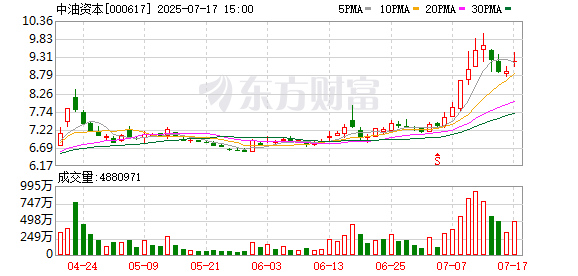
中油资本首席经济学家王增业:产业金融为能源转型注入新动能
Shang Hai Zheng Quan Bao· 2025-07-17 18:13
Core Viewpoint - The chief economist of China National Petroleum Corporation (CNPC), Wang Zengye, emphasizes that industrial financial institutions can promote the green and low-carbon transformation of the energy industry by investing around their traditional main businesses under the "dual carbon" goals [2][3]. Group 1: Industrial Financial Support for Energy Transition - The rapid development of new energy vehicles is impacting the traditional oil sales market, prompting CNPC to adapt to the new energy industry trends to maintain its leading position [3]. - Wang Zengye suggests that entities participating in financial institutions can create a feedback loop to support their main businesses, thus driving the group's green and low-carbon transformation [3]. - CNPC's financial arm, Zhongyou Capital, is focusing on the energy and chemical industry chain, leveraging its full licensing capabilities to provide financial products and services [3]. - Zhongyou Capital plans to invest 655 million yuan in controllable nuclear fusion projects, indicating a proactive approach to future energy developments [3]. Group 2: Challenges in Global Energy Landscape - Geopolitical conflicts, economic slowdown, and climate change are pushing the energy industry into a high-risk phase, with energy prices experiencing significant volatility [5]. - The global energy trade flow is shifting from a counterclockwise to a clockwise direction, with the EU's sanctions on Russian energy exports leading to increased exports from Russia to the Asia-Pacific region [5]. - The U.S. is significantly increasing its LNG and refined oil exports to Europe, indicating a shift from global economic efficiency to regional cooperation in energy trade [5]. Group 3: Economic Impact on Energy Demand - U.S. tariff policies are affecting global trade and dragging down global oil demand growth, with international oil prices expected to drop to a range of $60 to $70 per barrel by 2025 [6]. - The International Monetary Fund predicts a decline in global economic growth to 2.8% in 2025, which will contribute to weak energy consumption [6]. Group 4: China's Energy Security - Despite high dependence on imports for oil and gas, China's overall energy self-sufficiency remains above 80%, supported by coal self-sufficiency and the utilization of clean energy sources [7]. - In 2024, China's dependence on foreign oil and gas is projected to reach 71.9% and 43.6%, respectively, highlighting the risks associated with maritime transport routes [7].

今年,投资人都去浙江找钱
母基金研究中心· 2025-07-17 08:49
Core Viewpoint - Zhejiang province has become a focal point for VC/PE fundraising in 2023, with active provincial and municipal mother funds driving investment initiatives [1][5][10]. Fundraising Dynamics - The Zhejiang provincial mother fund has been actively soliciting sub-fund management institutions for its second and third phases, while the "4+1" special fund group is accelerating its investment activities [2][4]. - Municipalities in Zhejiang, such as Hangzhou, Huzhou, and Wenzhou, are also launching substantial mother funds, with Hangzhou's three major mother funds totaling over 1 trillion yuan [4][5]. Investment Strategy - The "4+1" special fund model targets four trillion-yuan industrial clusters, including new-generation information technology and high-end equipment, alongside a specialized mother fund for "specialized, refined, unique, and innovative" enterprises [6][7]. - By April 2025, the fund group had invested in 279 projects, with total investments reaching approximately 270.69 million yuan, leveraging a total project investment of over 1881.94 million yuan [7]. Innovation in Fund Management - The Zhejiang provincial mother fund emphasizes early, small, long-term, and hard technology investments, with a total subscription scale of 11 billion yuan across three phases [8][9]. - The fund's focus includes strategic areas such as artificial intelligence and advanced manufacturing, with specific sub-funds established for various technological sectors [9]. Policy Environment - The Zhejiang government has introduced new policies to enhance the quality of government investment funds, aligning with national guidelines to promote high-quality development [12][13]. - The new regulations allow for longer fund durations, reflecting a commitment to "patient capital" that can endure through economic cycles [15][16]. Operational Flexibility - The new policies grant fund managers greater autonomy in market operations, reducing administrative interference in daily management and investment decisions [17][18]. - The emphasis on performance evaluation and risk tolerance aims to foster a supportive environment for government investment funds [17][18]. Future Outlook - The absence of specific regulations on management fees in the new guidelines is seen as a positive development, promoting a market-driven approach to fund management [19][20]. - The implementation of these policies is expected to lead to a more standardized, market-oriented, and professional development of mother funds in Zhejiang [21].

银行理财当好耐心资本
Jin Rong Shi Bao· 2025-07-15 01:40
Core Insights - The bank wealth management market has shown characteristics of scale expansion and structural optimization in the first half of the year, with bank wealth management companies accelerating their entry into patient capital under policy support [1][2] - Bank wealth management companies play a crucial role as key institutional investors in guiding medium- and long-term funds into the market, acting as a "fund reservoir" and "market stabilizer" [1][2] - The government has emphasized the importance of cultivating patient capital and long-term investment, encouraging bank wealth management and trust funds to actively participate in the capital market [2][3] Group 1: Market Dynamics - The bank wealth management market has reached a historical high, surpassing pre-redemption levels for the first time, with expectations for moderate growth in the second half of the year [6] - Policies aimed at boosting the capital market have been rapidly introduced, enhancing the participation of various long-term funds and significantly boosting market confidence [2][6] Group 2: Investment Strategies - Bank wealth management companies are diversifying their investment methods, including direct investments in equity assets through private placements and purchasing preferred stocks [4][5] - The shift from passive outsourcing to proactive investment strategies has been noted, with bank wealth management companies increasingly participating in equity investments through venture capital funds [5] Group 3: Future Directions - There is a need for bank wealth management companies to enhance product innovation and develop differentiated equity products to cater to various risk preferences [7] - Strengthening self-research capabilities and optimizing product structures are essential for bank wealth management companies to continue supporting and guiding more medium- and long-term funds into the market [7]
第九届股权投资金牛奖评选启动
Zhong Guo Zheng Quan Bao· 2025-07-14 20:55
Core Viewpoint - The 9th Equity Investment Golden Bull Award aims to promote "patient capital" and long-term value investment while exploring diversified exit paths for funds, reflecting the increasing strategic significance of the private equity and venture capital industry in the context of China's economic transformation and modernization efforts [1][2]. Group 1: Event Overview - The 9th Equity Investment Golden Bull Award evaluation was launched on July 15, organized by China Securities Journal, focusing on long-term value investment and hard technology innovation [1]. - The evaluation emphasizes the importance of private equity and venture capital as tools for direct financing and innovation capital formation, supported by recent government policies encouraging the growth of these sectors [1][2]. Group 2: Award Criteria and Focus - The award will continue to uphold principles of fairness, transparency, and credibility, with a focus on patient capital and long-term value investment, while addressing challenges in the private equity and venture capital industry [1][2]. - A new "State-owned Investment Institution Golden Bull Award" has been added to recognize the significant role of state-owned enterprises in the primary market, reflecting the evolving investment trends towards technology innovation [2]. Group 3: Evaluation Methodology - The evaluation process will combine quantitative and qualitative assessments, focusing primarily on quantitative data, and will comprehensively evaluate the entire investment process, including fundraising, investment, management, and exit strategies [3]. - The assessment will consider various factors such as the investment experience of management teams, stability, company influence, social responsibility, and corporate governance to determine award recipients [3].
绿色动力: 简式权益变动报告书
Zheng Quan Zhi Xing· 2025-07-14 11:17
绿色动力环保集团股份有限公司 上市公司名称:绿色动力环保集团股份有限公司 股票上市地点:上海证券交易所 股票简称:绿色动力 股票代码:601330.SH 信息披露义务人:北京工业发展投资管理有限公司 注册地址:北京市东城区隆福寺街95号钱粮胡同38号2幢6层B601-1 通讯地址:北京市东城区隆福寺街95号隆福大厦A座六层 股份变动性质:股份增加(国有股权无偿划转) 签署日期:2025年7月 三、依据《中华人民共和国证券法》《上市公司收购管理办法》的规定, 本报告书已全面披露了信息披露义务人在绿色动力环保集团股份有限公司中拥 有权益的股份变动情况。截至本报告书签署日,除本报告书披露的信息外,信 息披露义务人没有通过任何其他方式增加或减少在绿色动力环保集团股份有限 公司拥有权益的股份。 四、本次权益变动是根据本报告书所载明的资料进行的。除本报告书披露 的信息外,信息披露义务人没有委托或者授权任何其他人提供未在本报告书中 列载的信息和对本报告书做出任何解释或者说明。 五、信息披露义务人承诺本报告书不存在虚假记载、误导性陈述或重大遗 漏,并对其真实性、准确性和完整性承担个别和连带的法律责任。 六、本报告书部分数据计 ...

今年,身边VC都在延期
投资界· 2025-07-14 07:41
Core Viewpoint - The article highlights a significant trend of fund extensions in the investment industry, driven by mismatches between fund durations and the growth of invested companies, leading to widespread delays in exits and fund liquidations [1][5][14]. Group 1: Fund Extension Trends - A notable number of funds are currently in extension, with many having already undergone multiple extensions due to the challenges in exiting investments [1][3]. - The majority of active investment institutions were established between 2011 and 2015, indicating a high concentration of older funds facing exit difficulties [3][14]. - The trend of fund extensions is particularly pronounced among government-guided funds, which are often under pressure to meet performance metrics [6][9]. Group 2: Challenges in Exiting Investments - The difficulty in exiting investments is underscored by the fact that nearly 19 trillion yuan in funds are currently in extension or exit phases, reflecting a liquidity crisis in the primary market [14][15]. - The pressure on funds to return capital to Limited Partners (LPs) is increasing, with many funds facing scrutiny from regulatory bodies [6][10]. - The average duration for a fund to fully exit in the U.S. is around 19 years, while many domestic funds struggle to meet their shorter timelines [8][9]. Group 3: Market Dynamics and Future Outlook - The article suggests that the current environment necessitates a shift towards more patient capital, as the tech innovation cycle requires long-term investment strategies [15][16]. - Recent IPO activity, particularly in the A-share market, has created a sense of urgency among investors to capitalize on potential exits [16][17]. - The evolving landscape indicates a new cycle beginning, with expectations for improved exit opportunities as market conditions change [18].

“强富美高”新江苏现代化建设需要金融发力支持 江苏省金融学会举办“锚定‘四个着力点’ 金融赋能经济大省挑大梁”专题座谈会
Jin Rong Shi Bao· 2025-07-14 06:09
Core Points - The emphasis on Jiangsu's role as an economic powerhouse and the need for financial support to drive high-quality development is highlighted by Xi Jinping's speech during the National People's Congress [1] - A series of discussions and policy suggestions were made during a seminar organized by the Jiangsu Financial Society to align financial strategies with the province's economic goals [1][2] Financial Support for Innovation - Financial support for technological innovation should focus on policy guarantees, operational mechanisms, financing models, product systems, market environments, and talent development [2] - Key areas for rapid development in financial support for innovation include financing for small tech enterprises, merger loans for large tech firms, innovation bonds, and equity investments through financial asset investment companies [2][3] Long-term Capital Strategies - Six strategies to enhance long-term capital include improving supportive policies, creating compatible incentive mechanisms, exploring innovative financing models, developing relevant financial products, optimizing the financial market environment, and nurturing innovative talent [3] - The importance of optimizing government-led funds and improving private equity ecosystems to address investment challenges and promote innovation is emphasized [3][4] Equity Investment Mechanism Optimization - Recommendations for optimizing equity investment mechanisms include abandoning performance-driven buyback clauses, fostering leading funds, and protecting innovative elements in projects triggering buyback clauses [4] - The need to reduce reliance on bank credit and enhance equity financing capabilities is highlighted as crucial for unleashing new productive potential [4][5] Capital Market Development - Suggestions for developing the capital market include nurturing growth-stage stocks of hard tech companies, encouraging asset restructuring through mergers and acquisitions, and leveraging Hong Kong's capital market for cross-border financing [5][6] - The Jiangsu financial system aims to focus on four key areas to support economic development, including promoting technology and industry integration, advancing deep reforms, aligning with national strategies, and enhancing inclusive financial services [6]
金融科创双向奔赴:政府引导基金扩容,呼唤耐心资本深耕科创沃土
Bei Ke Cai Jing· 2025-07-14 01:04
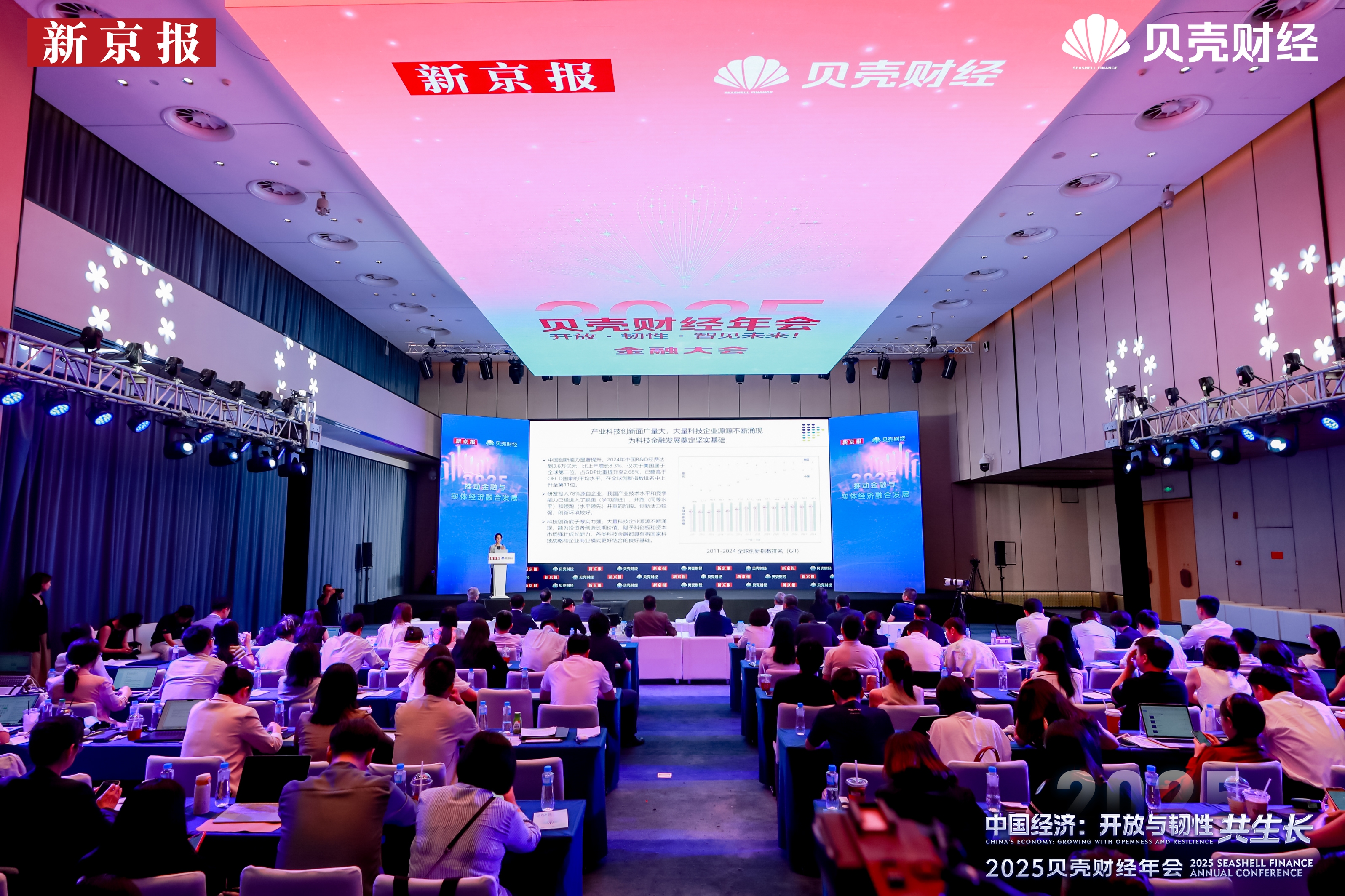
Group 1 - The conference focused on how finance can better serve the real economy and the role of technology in reshaping financial empowerment models [1][2] - Beijing is promoting the integration of finance and the real economy, leveraging its industrial layout and talent advantages to foster high-quality economic development [1][5] - The establishment of the Beike Finance Capital Market Research Institute aims to create a multi-layered content ecosystem that includes information, research, and community engagement [2] Group 2 - China's technology enterprises are becoming a backbone of economic development, with Beijing forming several trillion-yuan industry clusters in sectors like information technology and healthcare [5] - The rapid growth of technology companies presents significant opportunities for the venture capital industry, although traditional financing models may not fully meet their unique needs [6][12] - The increasing R&D investment in technology firms is expected to create long-term value for investors and enhance the growth potential of the STAR Market and capital markets [7][10] Group 3 - Corporate venture capital (CVC) is playing a crucial role in technology innovation, although identifying high-potential companies is becoming more challenging [8][9] - Government investment funds are expanding, with over 2,000 established funds totaling more than 1.5 trillion yuan, which are essential for supporting technology innovation [14][15] - The financial service system is evolving to better support technology innovation, with banks and insurance companies offering tailored services for different stages of enterprise development [21][22][23] Group 4 - The need for a balanced approach between encouraging innovation and managing risks is emphasized, as the rapid pace of technological change increases investment risks [19][20] - The establishment of a comprehensive financial service system that integrates venture capital, loans, and insurance is crucial for supporting technology enterprises throughout their lifecycle [27]
加码权益投资 银行理财入列“耐心资本”
Zheng Quan Shi Bao· 2025-07-13 17:22
Group 1 - The market has long called for banks to channel medium- to long-term funds into investments, but the allocation of equity assets in bank wealth management remains limited despite the establishment of various investment mechanisms [1] - As of the end of 2024, the balance of equity asset allocation in wealth management products reached 0.83 trillion yuan, accounting for 2.58% of total investment assets, with a slight increase to 2.6% by the end of March this year [1] - Banks are exploring new meaningful avenues for increasing equity asset allocation, including enhanced research on A-share listed companies and active participation in index investments and IPO cornerstone investments [1] Group 2 - Several wealth management companies, including Bank of China Wealth Management and Postal Savings Bank Wealth Management, have announced plans to increase their holdings in exchange-traded funds (ETFs) and various equity-related products [2] - There has been a significant increase in the number of wealth management products involved in index investments compared to the same period last year [2] Group 3 - More wealth management companies are participating in offline IPO subscriptions and cornerstone investments in Hong Kong IPOs, marking a shift in their investment strategies [3] - Notable participation includes Everbright Wealth Management's involvement in the offline subscription for the IPO of Xintong Electronics and cornerstone investments by Postal Savings Bank Wealth Management and ICBC Wealth Management in various Hong Kong IPOs [3] - The need for strong control capabilities in asset admission, post-investment management, product design, and client engagement is emphasized as banks navigate their roles as "patient capital" in equity investments [3]
