
适度宽松的货币政策

Search documents
金融街论坛再吹政策暖风,金融重磅新政齐发
Di Yi Cai Jing· 2025-10-27 12:54
Group 1: Monetary Policy and Economic Support - The People's Bank of China (PBOC) announced the implementation of a moderately loose monetary policy and the resumption of public market government bond trading to strengthen the coordination between monetary and fiscal policies [1][2] - Recent economic data indicates that while China's economy has been stable overall this year, there has been a notable decline in consumption and investment since the third quarter, highlighting insufficient endogenous growth momentum [1][2] - The PBOC's resumption of government bond trading is seen as a key measure to enhance the financial functions of government bonds and improve the pricing benchmark role of the yield curve [3][4] Group 2: Financial Market Developments - The resumption of government bond trading is expected to stabilize bond market interest rates and reduce financing costs for the real economy [4][5] - The PBOC plans to continue providing liquidity arrangements across short, medium, and long terms while maintaining relatively loose social financing conditions [5] - A series of new policies in the foreign exchange sector are set to be implemented to enhance trade facilitation and promote high-level opening-up [5][6] Group 3: Risk Management and Regulatory Measures - Financial regulatory authorities emphasized the importance of preventing and mitigating financial risks, particularly in light of global economic challenges [7][8] - The PBOC and other regulatory bodies are focusing on a comprehensive risk prevention strategy that includes macro-prudential management and micro-prudential regulation [7][8] - There is a strong regulatory stance on emerging financial areas, particularly concerning the risks associated with virtual currencies and stablecoins [8]

潘功胜:继续坚持支持性的货币政策立场
Bei Jing Shang Bao· 2025-10-27 12:48
谈及货币政策,潘功胜指出,"一年多来,面对复杂严峻的国内外形势,我们按照中央决策部署,坚持 支持性的货币政策立场,综合运用数量、价格、结构等多种货币政策工具,保持流动性充裕。反映金融 运行的主要宏观金融指标也体现了适度宽松的货币政策状态,9月末,社会融资规模同比增长8.7%,M2 同比增长8.4%,贷款同比增长6.6%,还原地方债务置换影响后的贷款增长7.7%左右,社会融资成本也 处于历史低位,为我国经济的回升向好和金融市场稳定运行创造了良好的货币金融环境。" 潘功胜称,将继续坚持支持性的货币政策立场,实施好适度宽松的货币政策,综合运用多种货币政策工 具,提供短期、中期、长期流动性安排,保持社会融资条件相对宽松。同时,继续完善货币政策框架, 强化货币政策的执行和传导。 北京商报讯(记者刘四红)10月27日,在2025金融街论坛年会上,中国人民银行行长潘功胜就"中国宏观 审慎管理体系的建设实践与未来演进"主题发表演讲。 ...
MLF连续8个月加量续做,四季度或深度释放流动性
第一财经· 2025-10-27 11:07
Core Viewpoint - The People's Bank of China (PBOC) has implemented a net injection of 200 billion yuan through a one-year Medium-term Lending Facility (MLF) operation, marking the continuation of a trend of increasing liquidity support for the economy over the past eight months [3][4][5]. Group 1: MLF Operations and Liquidity - In October, the PBOC conducted a total of 9,000 billion yuan in MLF operations, with 7,000 billion yuan maturing, resulting in a net injection of 2,000 billion yuan [3][4]. - The MLF net injection in October was slightly lower than the 3,000 billion yuan seen in August and September, but the overall long-term liquidity injection remained stable [4][5]. - The total net liquidity injection for October reached 6,000 billion yuan, including 4,000 billion yuan from reverse repos [4]. Group 2: Economic Context and Government Debt - The liquidity measures are partly in response to a significant tax period and month-end pressures, which are expected to create substantial strain on the financial system [6]. - The PBOC's actions are also aimed at supporting the issuance of government bonds, with an anticipated net financing of over 1 trillion yuan in October due to ongoing local government debt issuance [7]. - The coordination between monetary and fiscal policies is emphasized, as the PBOC's liquidity support is intended to facilitate government bond issuance and meet the financing needs of enterprises and households [7]. Group 3: Future Monetary Policy Outlook - The PBOC is expected to maintain a moderately accommodative monetary policy stance into the fourth quarter, with a focus on quantity-based monetary tools [10]. - The upcoming maturity of MLF and reverse repos, totaling 5.6 trillion yuan and 1.9 trillion yuan respectively, may lead to further liquidity measures, including potential reserve requirement ratio cuts or bond purchases [11]. - Overall, market liquidity is projected to remain stable and ample, with limited upward pressure on interest rates as the year-end approaches [11].

美方称中美将就TikTok达成最终协议,外交部回应
证券时报· 2025-10-27 09:49
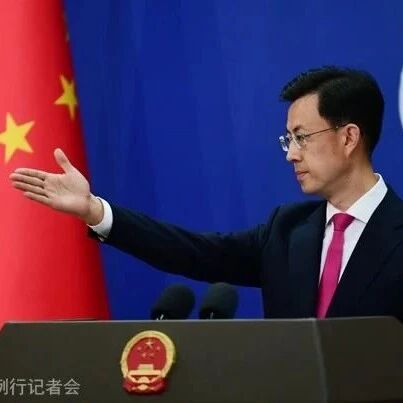
10月27日,外交部发言人郭嘉昆主持例行记者会。 证券时报各平台所有原创内容,未经书面授权,任何单位及个人不得转载。我社保留追 究相关 行 为主体 法律责任的权利。 转载与合作可联系证券时报小助理,微信ID:SecuritiesTimes END 点击关键字可查看 潜望系列深度报道丨 股事会专栏 丨 投资小红书 丨 e公司调查 丨 时报会客厅 丨 十大明星私募访谈 丨 A股,全线爆发!又见个股"地天板" 丨 刚刚!亚太股市,全线大涨!A50高开 丨 今日,开幕!潘 功胜、李云泽、吴清将作主题演讲 丨 苹果,突曝大消息! 丨 国务院最新报告:落实落细适度宽松 的货币政策! 丨 A股医药巨头突发!603259,拟28亿元向高瓴投资出售部分资产 丨 李成钢:中美 双方就有关议题建设性地探讨了一些妥善处理双方关注的方案,形成了初步共识 丨 300131,拟购买 资产!明起停牌 有外媒记者就中美经贸磋商提问,美国财政部长贝森特表示,中美除了就购买大豆达成了一致之外,中方 还会推迟实施关于稀土的出口管制措施。美方还称,中美将就TikTok达成最终的交易协议,中方对此有何 评论? 郭嘉昆表示:"刚才我已就中美经贸磋商相关问 ...
潘功胜:继续坚持支持性的货币政策立场,实施好适度宽松的货币政策
Zheng Quan Shi Bao Wang· 2025-10-27 09:29
人民财讯10月27日电,10月27日,中国人民银行行长潘功胜在2025金融街论坛年会上表示,人民银行将 继续坚持支持性的货币政策立场,实施好适度宽松的货币政策,综合运用多种货币政策工具,提供短 期、中期、长期流动性安排,保持社会融资条件相对宽松。同时,继续完善货币政策框架,强化货币政 策执行和传导。 ...
国务院重磅报告,明确下阶段金融工作6大重点
2 1 Shi Ji Jing Ji Bao Dao· 2025-10-27 08:55
Core Viewpoint - The report (2025) outlines the achievements of the financial system in supporting the real economy, enhancing financial regulation, deepening reform and opening up, and preventing and mitigating risks since November 2024, while also specifying six key work directions for the next phase [3] Group 1: Monetary Policy - The report emphasizes the need to implement a moderately loose monetary policy to create a suitable monetary and financial environment for consolidating and expanding economic recovery [5] - The People's Bank of China (PBOC) has been injecting liquidity into the banking system, with a recent announcement of a 900 billion yuan medium-term lending facility (MLF) operation scheduled for October 27, aiming to support government bond issuance and bank credit [5][6] - Analysts expect that the PBOC will continue to maintain a high level of liquidity injection to support credit expansion and government bond issuance [6] Group 2: Financial Regulation - The report highlights the importance of further strengthening and improving financial regulation to enhance regulatory quality and effectiveness [8] - Major banks have adopted a common principle of "preventing risks, strengthening regulation, and promoting high-quality development," indicating a deepened risk awareness and compliance culture within the banking sector [9] Group 3: Financial Supply-Side Structural Reform - The report stresses the need to focus on providing high-quality financial services to the real economy and to continue deepening financial supply-side structural reform [11] - From November 2024 to September 2025, 98 companies in the A-share market raised 91.8 billion yuan through initial public offerings, with 86% being private enterprises and 92% in strategic emerging industries [11] - Major banks are committed to enhancing their financial services to support the real economy, with specific initiatives aimed at modernizing the industrial system and promoting sustainable financial solutions [12] Group 4: Risk Prevention - The report emphasizes the need to prevent and mitigate financial risks in key areas while maintaining the bottom line of avoiding systemic financial risks [14] - Banks are focusing on comprehensive risk management and ensuring that development and safety are well-coordinated [14] - The banking sector has seen a reduction in the number of banking institutions and an improvement in asset quality, with the non-performing loan ratio decreasing to 1.49% [14]





国务院重磅报告,明确下阶段金融工作6大重点
21世纪经济报道· 2025-10-27 08:41
Core Viewpoint - The report (2025) outlines the achievements of the financial system in supporting the real economy, enhancing financial regulation, deepening reform and opening up, and preventing and mitigating risks since November 2024, while also specifying six key work directions for the next phase [3]. Group 1: Monetary Policy - The report emphasizes the need to implement a moderately loose monetary policy to create a suitable monetary and financial environment for consolidating and expanding the economic recovery [5]. - The People's Bank of China (PBOC) has been injecting liquidity into the banking system, with a recent announcement of a 900 billion yuan medium-term lending facility (MLF) operation, maintaining high liquidity levels for three consecutive months [6][7]. - Analysts suggest that this approach aims to keep liquidity ample and guide financial institutions to increase credit support, particularly for government bond issuance [6]. Group 2: Financial Regulation - The report highlights the importance of further strengthening and improving financial regulation to enhance regulatory quality and effectiveness [9]. - Major banks have adopted a unified approach focusing on risk prevention, strong regulation, and promoting high-quality development, with a multi-layered risk control network being established [9]. - Banks like ICBC and CCB have committed to deepening comprehensive risk management and fulfilling their responsibilities as major financial institutions [9]. Group 3: Financial Supply-Side Structural Reform - The report stresses the need to provide high-quality financial services and continue deepening financial supply-side structural reforms [11]. - From November 2024 to September 2025, A-share IPOs raised 91.8 billion yuan, with 86% of the companies being private and 92% in strategic emerging industries [11]. - Loans in sectors such as technology, green finance, and digital economy have seen significant year-on-year growth, indicating a strong focus on supporting the real economy [11][12]. Group 4: Risk Prevention - The report underscores the necessity of preventing and mitigating financial risks in key areas while maintaining systemic financial safety [14]. - Banks are increasingly focusing on balancing development and safety, with measures in place to manage risks effectively [14]. - The banking sector has seen a reduction in the number of institutions and an improvement in asset quality, with the non-performing loan ratio decreasing to 1.49% [14].
瑞达期货铝类产业日报-20251027
Rui Da Qi Huo· 2025-10-27 08:39
Report Overview - The report is an industrial daily for the aluminum industry dated October 27, 2025, covering various aspects of the aluminum market including futures, spot, upstream, downstream, and industry news [1] 1. Report Industry Investment Rating - Not provided in the report 2. Report's Core View - The aluminum market shows different trends in different segments. Alumina may see supply reduction and slight demand increase, supporting its price; electrolytic aluminum may experience a small increase in supply and strong consumption with inventory reduction; cast aluminum may be in a tight supply - demand balance with inventory reduction [2] 3. Summary by Relevant Catalogs Futures Market - **Aluminum Futures**: The closing price of the Shanghai Aluminum main contract was 21,360 yuan/ton, up 135 yuan; the main - second - contract spread was - 75 yuan/ton, down 35 yuan; the main contract holding volume was 311,269 lots, up 9,063 lots; the LME electrolytic aluminum three - month quote was 2,856.5 dollars/ton, down 8.5 dollars; the LME aluminum inventory was 473,125 tons, down 4,550 tons [2] - **Alumina Futures**: The closing price of the alumina futures main contract was 2,829 yuan/ton, up 19 yuan; the main - second - contract spread was - 40 yuan/ton, down 7 yuan; the main contract holding volume was 372,484 lots, down 5,950 lots [2] - **Cast Aluminum Alloy Futures**: The closing price of the cast aluminum alloy main contract was 20,715 yuan/ton, up 10 yuan; the main - second - contract spread was - 140 yuan/ton, down 140 yuan; the main contract holding volume was 6,366 lots [2] Spot Market - **Aluminum Spot**: The Shanghai Non - ferrous Network A00 aluminum price was 21,160 yuan/ton, up 50 yuan; the Yangtze River Non - ferrous Market AOO aluminum price was 21,130 yuan/ton, up 70 yuan; the Shanghai Wumao aluminum premium/discount was - 60 yuan/ton, down 20 yuan; the LME aluminum premium/discount was 3.19 dollars/ton, down 5.02 dollars [2] - **Alumina Spot**: The alumina spot price in Shanghai Non - ferrous was 2,795 yuan/ton, down 20 yuan; the alumina basis was - 34 yuan/ton, down 39 yuan [2] Upstream Situation - **Alumina**: The national alumina开工率 was 85.98%, up 3.05 percentage points; the production was 799.9 million tons, up 7.42 million tons; the demand from the electrolytic aluminum part was 704.31 million tons, down 21.49 million tons; the supply - demand balance was 46.85 million tons, up 18.12 million tons [2] - **Aluminum Scrap**: The average price of crushed raw aluminum in Foshan was 16,800 yuan/ton, unchanged; in Shandong it was 16,300 yuan/ton, up 50 yuan; China's import of aluminum scrap was 155,414.4 tons, down 17,195.97 tons; exports were 68.54 tons, up 15.31 tons [2] Industry Situation - **Aluminum Production**: The electrolytic aluminum social inventory was 56.8 million tons, up 31,034.96 million tons; the total production capacity was 4,523.2 million tons, unchanged; the production of aluminum products was 590 million tons, up 35.18 million tons; the production of recycled aluminum alloy ingots was 65.65 million tons, up 2.06 million tons [2] - **Aluminum Trade**: The import of primary aluminum was 246,797.1 tons, up 31,034.96 tons; exports were 28,969.92 tons, up 3,365.58 tons; exports of unwrought aluminum and aluminum products were 52 million tons, down 1 million tons; exports of aluminum alloy were 2.35 million tons, down 0.56 million tons [2] Downstream and Application - **Automobile Production**: The monthly automobile production was 322.65 million vehicles, up 47.42 million vehicles [2] - **Real Estate**: The national real estate climate index was 92.78, down 0.27 [2] Option Situation - **Aluminum Options**: The 20 - day historical volatility of Shanghai Aluminum was 8.59%, up 0.20 percentage points; the 40 - day historical volatility was 7.77%, up 0.12 percentage points; the implied volatility of the Shanghai Aluminum main contract at - the - money was 11.97%, up 0.0053 percentage points; the call - put ratio was 1.21, down 0.0391 [2] Industry News - **Sino - US Economic and Trade Consultation**: Chinese and US economic and trade leaders held consultations in Kuala Lumpur, reaching a basic consensus on issues such as maritime logistics, tariffs, and trade [2] - **Financial Report**: The central bank governor reported on financial work, including implementing a moderately loose monetary policy and strengthening financial supervision [2] - **US CPI Data**: The US September CPI rose 3% year - on - year, lower than expected, and the market fully priced in two 25 - basis - point Fed rate cuts [2] - **15th Five - Year Plan**: The "15th Five - Year Plan" emphasizes "agriculture, rural areas, and farmers" issues, and is expected to bring new market space and investment demand [2] Alumina View Summary - **Market Trend**: The alumina main contract showed a volatile trend, with a decrease in holding volume, spot discount, and weakening basis [2] - **Fundamentals**: Supply may decrease due to squeezed smelter profits; demand may be slightly boosted by high - level electrolytic aluminum production and positive macro expectations; prices may be supported [2] - **Technical Analysis**: The 60 - minute MACD showed double lines above the 0 axis with slightly expanding red bars [2] - **Operation Suggestion**: Light - position short - term long trading at low prices, paying attention to rhythm and risk control [2] Electrolytic Aluminum View Summary - **Market Trend**: The Shanghai Aluminum main contract opened low and strengthened, with an increase in holding volume, spot discount, and weakening basis [2] - **Fundamentals**: Supply may increase slightly due to increased smelting profits; demand may be strong due to the "15th Five - Year Plan" and traditional peak season; inventory is decreasing; the option market is bullish [2] - **Technical Analysis**: The 60 - minute MACD showed double lines above the 0 axis with slightly expanding red bars [2] - **Operation Suggestion**: Light - position short - term long trading at low prices, paying attention to rhythm and risk control [2] Cast Aluminum Alloy View Summary - **Market Trend**: The cast aluminum main contract was slightly stronger in a volatile market, with a decrease in holding volume, spot premium, and weakening basis [2] - **Fundamentals**: Supply may be limited by tight raw material supply; demand is resilient due to positive macro expectations and the peak season; inventory is decreasing slightly [2] - **Technical Analysis**: The 60 - minute MACD showed double lines above the 0 axis with slightly converging green bars [2] - **Operation Suggestion**: Light - position oscillatory trading, paying attention to rhythm and risk control [2]

下阶段金融工作“路线图”来了,明确六大工作重点
2 1 Shi Ji Jing Ji Bao Dao· 2025-10-27 07:37
Core Insights - The report emphasizes the importance of implementing a moderately loose monetary policy to support economic recovery and create a suitable financial environment [1][2] - It outlines six key work directions for the next phase, including enhancing financial regulation, providing high-quality financial services, and preventing systemic financial risks [1][6] Monetary Policy - The People's Bank of China (PBOC) has committed to maintaining liquidity in the banking system, with a recent announcement of a 900 billion yuan medium-term lending facility (MLF) operation [2][3] - The PBOC aims to align social financing scale and money supply growth with economic growth and price level expectations [2][3] Financial Regulation - The report highlights the need to strengthen and improve financial regulation, enhancing regulatory quality and effectiveness [3][4] - Major banks have expressed a commitment to risk management and compliance, indicating a shift towards a more robust risk control framework [4][7] Support for the Real Economy - The report indicates that from November 2024 to September 2025, 98 companies raised 91.8 billion yuan through initial public offerings, with 86% being private enterprises [5] - Loans in sectors such as technology, green finance, and digital economy have seen significant year-on-year growth, indicating a focus on supporting strategic industries [5] Financial Risk Management - The report stresses the importance of preventing and mitigating financial risks in key areas, aiming to avoid systemic financial risks [6][7] - Banks are increasingly prioritizing comprehensive risk management and compliance in their operations [4][7] Financial Opening and Internationalization - Chinese banks are actively pursuing international competitiveness and enhancing global service capabilities, contributing to the internationalization of the yuan [9] - The emphasis on high-level financial openness reflects a commitment to both "going out" and "bringing in" strategies in the financial sector [9]

股指早报:中美马来西亚磋商释放积极信号,周末众多利好-20251027
Chuang Yuan Qi Huo· 2025-10-27 06:58
Report Summary 1. Report Industry Investment Rating No relevant content provided. 2. Core Viewpoints - The Sino-US trade negotiation in Malaysia sent positive signals, with the two sides reaching a framework on issues such as fentanyl, ships, rare earths, and soybeans, and the 10 - month Sino - US trade friction is basically over for now [2]. - The US inflation in September was basically in line with expectations. The Fed is likely to cut interest rates by 25BP this Thursday, but its stance on subsequent rate cuts may be dovish [3]. - The 15th Five - Year Plan emphasizes technological self - reliance, and it is expected that industrial and fiscal policies related to the modern industrial system and technological self - reliance will be introduced. The financial report shows that finance is serving the real economy more closely, and policies will promote a moderately loose monetary policy and lower social comprehensive financing costs [4][5]. - The A - share market rebounded last week, with the technology growth sector as the main line. With multiple favorable policies over the weekend, the market is expected to break through 4000 points on Monday, but the short - term upside space is limited, and the market is expected to show a volatile rebound trend. Maintain long positions in the Shanghai 50 and CSI 500 [5]. 3. Summary by Directory 3.1 Important News - **US CPI**: The US September CPI was lower than expected. Traders bet that the Fed will cut interest rates twice this year. The US White House may not release inflation data next month for the first time in history [7]. - **Trade Agreements**: The US signed various trade and key mineral agreements with Thailand, Malaysia, and Vietnam, and will maintain certain tariffs. Trump met with the Brazilian president for economic and trade negotiations, and announced additional tariffs on Canada and terminated trade negotiations with it [7]. - **Other News**: Trump said the stock market was stronger due to tariff policies. The US and Japan may sign a technology cooperation memorandum. Xi Jinping will attend the APEC meeting in South Korea. The Sino - US economic and trade consultation in Kuala Lumpur reached a preliminary consensus. The State Council emphasized a moderately loose monetary policy and high - quality financial services. The central bank will conduct a 900 billion yuan MLF operation. The CSRC focused on enhancing the resilience and risk - resistance ability of the capital market [7][8][9]. 3.2 Futures Market Tracking - Multiple charts show the basis of contracts and inter - period spreads of the CSI 300, Shanghai 50, and CSI 500, including the basis of each contract (current month, next month, current quarter, next quarter) and the inter - period spreads between different contract months [11][16][20]. 3.3 Spot Market Tracking - **Index Valuation**: Charts present the valuations and historical quantiles of important indexes such as the Shanghai Composite Index, Shenzhen Component Index, and the valuations and historical quantiles of Shenwan industries [31][33]. - **Market Volume and Turnover**: Charts show the Sunday average trading volume, Sunday average turnover rate, the ratio of rising to falling stocks in the two markets, the change in index trading volume, the relative return of stocks and bonds, the Hong Kong Stock Connect, margin trading balance, and the net purchase amount of margin trading and its proportion in A - share trading volume [35][37][39]. 3.4 Liquidity Tracking - Charts show the central bank's open market operations (including currency injection, currency withdrawal, and net currency injection) and the Shibor interest rate level [41].