循环经济

Search documents
eBay(EBAY) - 2025 Q3 - Earnings Call Transcript
2025-10-29 22:32
Financial Data and Key Metrics Changes - Gross merchandise volume (GMV) grew 8% to $20.1 billion, with revenue increasing over 8% to $2.82 billion, and non-GAAP earnings per share rising over 14% year-over-year to $1.36 [5][27] - Non-GAAP operating income grew 9% year-over-year to $764 million, with a non-GAAP operating margin of 27.1% [27][32] - Free cash flow generated was $803 million, with cash and non-equity investments totaling $5.3 billion and gross debt at $6.8 billion [32] Business Line Data and Key Metrics Changes - Focus categories GMV growth accelerated to over 15%, with collectibles being the largest contributor, particularly in collectible card games and sports trading cards [5][7] - Motors Parts and Accessories (P&A) contributed significantly to GMV growth, with over 750 million live listings [9] - Fashion categories, including luxury and pre-loved apparel, also drove GMV growth, supported by partnerships like the one with Marks & Spencer [10] Market Data and Key Metrics Changes - U.S. market GMV growth accelerated to nearly 13%, while international GMV grew nearly 4% on an FX-neutral basis [28][29] - The UK C2C initiative saw notable improvements, contributing to overall acceleration in UK volume growth [29][14] - The removal of the de minimis exemption for imports under $800 created challenges for cross-border trade into the U.S., impacting growth [22][28] Company Strategy and Development Direction - The company is focused on enhancing its marketplace through innovations like eBay Live and AI-driven tools to improve user experience [12][25] - The acquisition of TIES aims to strengthen the company's position in the circular economy and expand its presence in the Nordics [15] - Continued investment in AI technologies is expected to transform the shopping experience and improve seller interactions [16][25] Management Comments on Operating Environment and Future Outlook - Management acknowledged macroeconomic challenges but expressed confidence in the company's growth strategy and the resilience of its marketplace [5][24] - The company anticipates a modest deceleration in GMV growth in Q4 due to various headwinds, including the full impact of the de minimis change [33][34] - For 2026, the company plans for continued positive FX-neutral GMV and revenue growth, while being mindful of potential lapping dynamics [37][38] Other Important Information - The company returned approximately $760 million to shareholders through repurchases and cash dividends [27] - Non-GAAP gross margin was 71.6%, with total advertising revenue reaching $525 million, representing GMV penetration of 2.6% [30][31] - The company is committed to maintaining a strong culture and has received recognition for its workplace environment [24] Q&A Session Summary Question: Insights on AI's impact on eBay's business - Management highlighted AI's potential to unlock supply for consumers and enhance user experience through improved recommendations and search capabilities [44][46] Question: Margins and investment strategies - Management discussed balancing long-term growth with margin flow-through, noting increased product development expenses aimed at strategic initiatives [50][52] Question: Sustainability of growth in trading cards - Management expressed confidence in the long-term growth of trading cards, attributing recent success to trust and innovation in the category [71]

eBay(EBAY) - 2025 Q3 - Earnings Call Transcript
2025-10-29 22:32
Financial Data and Key Metrics Changes - Gross merchandise volume (GMV) grew 8% to $20.1 billion, with revenue increasing over 8% to $2.82 billion, and non-GAAP earnings per share rising over 14% year-over-year to $1.36 [5][27] - Non-GAAP operating income grew 9% year-over-year to $764 million, with a non-GAAP operating margin of 27.1% [27][32] - Free cash flow generated was $803 million, with cash and non-equity investments totaling $5.3 billion and gross debt at $6.8 billion [32] Business Line Data and Key Metrics Changes - Focus categories GMV growth accelerated to over 15%, with collectibles being the largest contributor, particularly in trading cards [5][7] - Motors parts and accessories (P&A) contributed significantly to GMV growth, with over 750 million live listings [9] - Fashion categories, including luxury and pre-loved apparel, also drove GMV growth, supported by partnerships like the one with Marks & Spencer [10] Market Data and Key Metrics Changes - U.S. GMV growth accelerated to nearly 13%, while international GMV grew nearly 4% on an FX-neutral basis [28] - The U.K. C2C initiative saw notable improvements, contributing to overall volume growth [29] - Cross-border trade faced challenges due to the removal of the de minimis exemption, impacting year-over-year volume growth [28][29] Company Strategy and Development Direction - The company is focused on leveraging AI to enhance the selling experience and improve buyer engagement through features like Magical Listing and AI shopping agents [16][25] - Expansion into live commerce through eBay Live is seen as a strategic growth vector, with significant momentum in the U.S. and plans for further expansion in Europe [12][25] - The acquisition of Tise aims to strengthen the company's position in the circular economy and enhance its presence in the Nordics [15] Management's Comments on Operating Environment and Future Outlook - Management acknowledged macroeconomic challenges but expressed confidence in the company's growth strategy and the resilience of its marketplace [5][24] - The outlook for Q4 includes expected GMV between $20.5 billion and $20.9 billion, reflecting durable growth trends [33] - Management highlighted the importance of balancing top-line growth with margin flow-through, indicating ongoing investments in strategic initiatives [52][41] Other Important Information - The company returned approximately $760 million to shareholders through repurchases and cash dividends [27] - Non-GAAP gross margin was 71.6%, with a slight decline attributed to managed shipping and traffic acquisition costs [31] - The company plans to repurchase approximately $2.5 billion of shares for the full year [36] Q&A Session Summary Question: Insights on AI's impact on eBay's business - Management discussed the potential of AI to unlock supply for consumers and enhance the shopping experience through improved recommendations and discovery [44][46] Question: Margins and investment strategies - Management elaborated on balancing long-term growth with margin flow-through, noting increased product development expenses and strategic investments [50][52] Question: Sustainability of growth in trading cards - Management expressed confidence in the long-term growth of trading cards, driven by trust and innovation, while acknowledging that growth may not be linear [71]
“新三样”固废回收“淘金” 激活循环经济新引擎
Zheng Quan Ri Bao· 2025-10-29 17:13
Core Insights - The rapid growth of China's renewable energy industry over the past two decades is now facing a significant challenge with the impending retirement of key components such as power batteries, photovoltaic modules, and wind turbine blades, which are becoming solid waste that needs proper disposal [1][2] - The "new three types" of solid waste are not merely waste but represent valuable secondary resources that can be effectively utilized through proper recycling, transforming them from environmental burdens into urban mines [1][4] Recycling and Economic Potential - The recycling of "new three types" solid waste is seen as a critical area for developing a circular economy, with the potential to significantly reduce carbon emissions and extend product lifecycles [2][9] - By 2025, it is estimated that the retired volume of power batteries in China will reach 820,000 tons, and by 2028, it will exceed 4 million tons. The first wave of retired photovoltaic modules is expected between 2025 and 2030, with an estimated 1.5 million tons by 2030 [2][3] - The economic value of recycling these materials is substantial, with retired power batteries containing metals at concentrations approximately ten times higher than those found in primary ores [3][4] Industry Challenges and Opportunities - The industry faces significant challenges, including environmental risks from improper disposal of hazardous materials found in batteries and photovoltaic modules, which can lead to soil and water pollution [3][10] - The market for recycling "new three types" solid waste is projected to be worth hundreds of billions, with companies actively seeking to capitalize on this opportunity [5][8] - The establishment of a robust recycling system is essential to prevent illegal dismantling practices and ensure environmentally friendly operations [9][10] Policy and Regulatory Framework - The Chinese government is actively promoting policies to support the recycling of "new three types" solid waste, with initiatives at both national and local levels aimed at establishing effective recycling systems [6][10] - There is a need for improved regulatory frameworks to clarify responsibilities among stakeholders in the recycling process, particularly regarding the disposal of retired wind turbine blades and photovoltaic modules [10]
康师傅在上海时装周完成碳中和时装秀
Ren Min Wang· 2025-10-29 01:36
Core Viewpoint - The event marks the first carbon-neutral fashion show at Shanghai Fashion Week, showcasing the integration of sustainability and fashion through the use of food packaging materials to create trendy garments [2][4][7] Group 1: Event Overview - The fashion show titled "Food·Fashion - Plastic Rebirth" is a collaboration between Master Kong and the Donghua University design team, focusing on four key products: Braised Beef Noodles, Fresh Q Noodles, Ice Black Tea, and Jasmine Tea [2][4] - All garments presented were made from recycled packaging materials, demonstrating the concept of "turning waste into fashion" [3][5] Group 2: Design and Themes - The show featured nearly 60 outfits across four series: "Soul of Quality," "Deconstruction Thought," "Energy Supply Station," and "Fresh Breathing," each reflecting Master Kong's brand essence and circular economy principles [4][5] - The designs incorporated innovative techniques such as 3D printing and high-performance recycled fabrics, emphasizing both aesthetics and sustainability [4][5] Group 3: Sustainability Practices - The event achieved carbon neutrality with the support of Carbon Measurement Technology and third-party certification, making it a pioneering example of cross-industry collaboration for sustainability [4][6] - Master Kong's commitment to sustainable development includes initiatives like lightweight packaging, recycling, and the establishment of a circular economy ecosystem [5][6] Group 4: Broader Impact and Future Initiatives - The fashion show serves as a tangible example of how environmental concepts can be transformed into fashionable products, promoting a low-carbon lifestyle among consumers [5][6] - Master Kong's ongoing projects include collaborations aimed at reducing plastic pollution and promoting green agriculture, further enhancing its sustainable living ecosystem [6][7]



改变二手市场“脏乱差”印象 转转循环商店全国首店落地郑州
Sou Hu Cai Jing· 2025-10-28 17:15
Core Viewpoint - The opening of China's first circular store by Zhuanzhuan Group in Zhengzhou marks a significant step in promoting the second-hand consumption market and circular economy, providing a standardized and efficient platform for recycling and purchasing used goods [1][2][3] Group 1: Company Overview - Zhuanzhuan Group has launched a circular store covering over 200 square meters with more than 5,000 items, integrating retail and recycling services for a diverse range of second-hand products [1][2] - The company has established over 1,000 offline stores nationwide, with nearly 50 in Henan, focusing on 3C digital products and gold recycling services [2] Group 2: Market Context - Zhengzhou is positioned as a national central city and a core engine of the Central Plains Economic Zone, leading in policy development and practical implementation in the circular economy [2] - The "14th Five-Year Plan for Circular Economy Development" in Henan aims to enhance the waste material recycling system and foster new business models in the second-hand consumption market [2] Group 3: Consumer Experience - On the opening day, popular items included "99% new" Apple phones and DSLR cameras, highlighting the appeal of second-hand consumption [3] - Consumers expressed satisfaction with the quality assurance and after-sales service provided by the circular store, which aims to change perceptions about second-hand transactions [3] Group 4: Industry Insights - Industry experts believe that the innovative practices of Zhuanzhuan's circular store can help the traditional second-hand trading sector move towards standardization and branding, potentially becoming a new pivot for activating regional circular economies [3]

又成立新公司!中石化和各路“势力”,抢滩十万亿大市场
DT新材料· 2025-10-28 14:21
Core Viewpoint - The establishment of new companies in the circular economy sector by major players like Sinopec signifies a substantial step towards enhancing China's circular economy landscape, with significant investments and technological advancements aimed at waste recycling and resource recovery [2][3][6]. Group 1: Company Developments - Sinopec Recycling Technology Co., Ltd. has been officially registered with a capital of 200 million RMB, marking a key move in Sinopec's circular economy strategy [2]. - Sinopec (Guangdong) Environmental Technology Co., Ltd. was established with a capital of 1 billion RMB, focusing on environmental governance and various recycling initiatives [2]. - China Resources Recycling Group acquired a 51% stake in Guotou (Fuzhou) Urban Resource Recycling Co., Ltd. for 56.202 million RMB, indicating a strong market presence in resource recycling [3]. Group 2: Industry Trends - The circular economy sector is witnessing rapid growth, with the potential for the resource recycling industry to reach nearly 10 trillion RMB by 2030, as stated by the China Circular Economy Association [6]. - The establishment of multiple local resource recycling companies across various provinces, such as Guangdong and Anhui, reflects a nationwide push towards resource recovery and recycling [3][4]. Group 3: Technological Innovations - Sinopec's development of continuous thermal cracking (RPCC) technology for recycling waste plastics is set to be implemented in a large-scale production facility in Xinjiang, expected to commence operations by the end of this year [2]. - Investments in biotechnological recycling methods, such as those by Yuan Tian Biotechnology and Beijing Plastic New Technology, highlight the industry's shift towards innovative recycling solutions [7]. Group 4: Investment Activities - Significant investments are flowing into the recycling sector, with companies like IKEA's Ingka Group investing in Chinese recycling firms, indicating growing interest from global capital [7]. - The establishment of specialized subsidiaries by China Resources Recycling Group, focusing on battery recycling and plastic regeneration, showcases the diversification of investment in the circular economy [5].


21专访|邹骥:中国绿色转型最需弥合的差距是电力系统
2 1 Shi Ji Jing Ji Bao Dao· 2025-10-28 12:34
Core Viewpoint - The global geopolitical landscape is undergoing significant changes, and as China concludes its 14th Five-Year Plan and prepares for the 15th, global climate governance is at a critical juncture, with the upcoming COP30 conference expected to inject new momentum into climate action [1] Group 1: China's Green Transition - The most pressing gap in China's green transition is in the electricity system, particularly the grid's capacity to absorb renewable energy [2] - China requires an average annual investment of approximately 6 trillion RMB (about 700 billion USD) over the next decade to support its green low-carbon transition [2][8] - The NDC target for China aims for a 7%-10% reduction in greenhouse gas emissions by 2035, covering all greenhouse gases, with carbon dioxide being the primary focus [3][4] Group 2: Renewable Energy Challenges - The current capacity of China's grid to accommodate wind and solar power is less than 20%, indicating a significant challenge in integrating renewable energy sources [5] - The main obstacle to further renewable energy development is the difficulty in grid connection, which is characterized by stability issues and insufficient flexible resources [5] - Traditional grid structures need to adapt to increasing shares of non-inertia generation sources, requiring innovations in technology and market design [5] Group 3: Investment and Market Dynamics - Current annual investment in China's traditional power system ranges from 700 billion to 1 trillion RMB, with future investments needing to shift focus towards enhancing grid infrastructure and microgrid development [6] - Global clean energy investments are around 2 trillion USD annually, with China accounting for over one-third of this investment [7] - The anticipated investment demand from achieving the target of 3.6 billion kW of wind and solar capacity is projected to be between 4 trillion and 8 trillion RMB annually [8] Group 4: Global Climate Governance Challenges - The global climate governance landscape faces challenges due to changes in international order and governance dynamics, including reduced cooperation among major powers [9][10] - The diversification of governance actors is evident, with increased participation from private enterprises and international capital, moving beyond traditional government funding [10] - Countries, including China, must embrace new industrial revolution outcomes to effectively pursue green low-carbon transitions [10] Group 5: Circular Economy and CCUS - The inclusion of the circular economy in COP30 discussions is a positive signal for global climate governance, emphasizing resource efficiency and reduced carbon emissions [11] - CCUS technology is recognized as a key negative emissions technology, with current focus on renewable energy and energy efficiency technologies for immediate deployment [12]
蓝皮书:中国石化行业循环发展面临五大挑战
Di Yi Cai Jing· 2025-10-28 10:57
Core Insights - The global economic circularity rate is projected to be only 6.9% in 2024, continuing a downward trend [1] - The "2025 China Petrochemical Industry Circular Economy Blue Book" highlights significant challenges in global circular economy development, including inefficient recycling systems and a predominance of linear product design [4] - If current trends persist, global resource extraction is expected to increase by 60% by 2060, leading to systemic risks such as climate instability and biodiversity loss [4] Group 1: Global Circular Economy Challenges - Key challenges include low recycling efficiency, slow decoupling of economic growth from resource consumption, and the lack of substantial agreements on global plastic pollution [4] - The European Union and China are leading efforts in promoting circular economy, with projections for the global plastic recycling market to grow by 8.3% and the biobased materials market by 25.7% by 2025 [4] Group 2: China's Circular Economy Initiatives - China aims to establish a green, low-carbon circular economy system by 2035, supported by over 300 standards and policies targeting various waste sectors [5] - The development of circular economy in China is expected to reduce carbon dioxide emissions by over 3.5 billion tons in 2024, contributing more than 35% to carbon reduction by 2030 [6] Group 3: Challenges in the Petrochemical Sector - The petrochemical industry faces five major challenges in developing circular economy, including technological maturity, raw material supply issues, and insufficient market premium for green low-carbon value [6] - Recommendations for petrochemical companies include focusing on key technological breakthroughs, establishing stable raw material supply chains, and enhancing market competitiveness through environmental benefits [7]
格林美董事长许开华确认出席高工锂电15周年年会
高工锂电· 2025-10-28 04:01
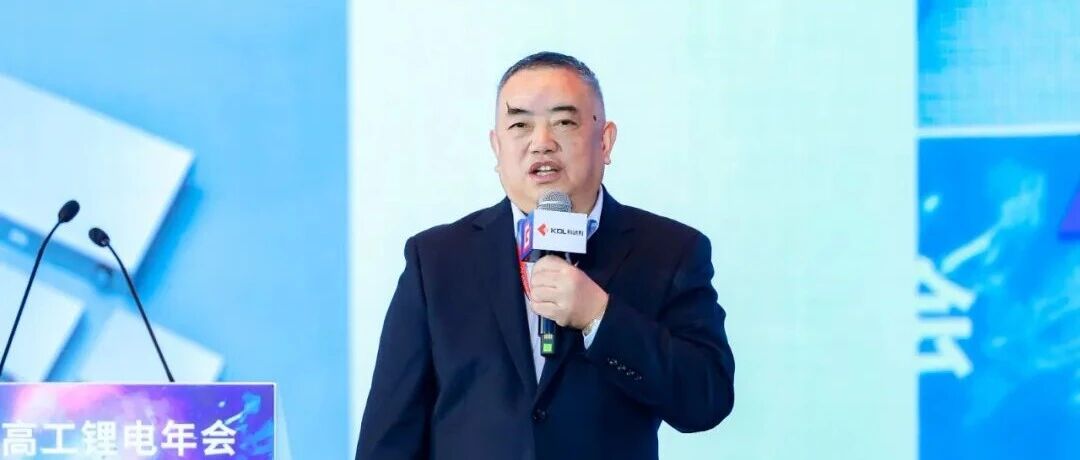
Core Insights - The 2025 (15th) High-Performance Lithium Battery Annual Conference will take place from November 18-20, 2025, at the JW Marriott Hotel in Shenzhen Qianhai, marking a significant industry event [1] - Xu Kaihua, Chairman of Greeenmei, will deliver a keynote speech, emphasizing the company's commitment to a closed-loop model in the circular economy, focusing on resource recovery and the manufacturing of new energy materials [2][5] - The industry is at a critical juncture in 2025, transitioning from scale expansion to high-quality development, with a focus on sustainable practices [5][6] Industry Trends - The lithium battery industry is expected to enter a new cycle characterized by globalization, high-end development, and ecological sustainability [5] - Xu Kaihua's insights from the 2023 conference highlighted the need for technological innovation and quality management to navigate the challenges of overcapacity in the industry [2][4] - The industry's understanding of overcapacity has evolved, with many companies still focused on low-price competition rather than long-term strategic adjustments [4] Company Strategy - Greenmei has established a global industrial network through a dual domestic and overseas strategy, enhancing its competitive advantage in resource recovery and battery materials [2] - The company has been a pioneer in the "urban mining" concept, aiming for a sustainable approach to resource utilization [2] - Xu Kaihua's vision for the industry includes a shift towards high-quality development, which is seen as essential for sustainable growth [5]
这场会,“含绿量”很足
Ren Min Ri Bao Hai Wai Ban· 2025-10-27 23:03
Core Viewpoint - The 2025 Annual Meeting of the China Council for International Cooperation on Environment and Development emphasized the urgent need for green transformation, highlighting China's significant progress in energy transition and the importance of international cooperation in achieving sustainable development goals [6][7][9]. Group 1: Green Transformation - Green transformation is a key focus of the meeting, with the report indicating that it has reached a critical point, necessitating ambitious actions without delay [7]. - China has achieved substantial milestones, including the completion of 1.12 billion kilowatts of coal power units and 950 million tons of crude steel capacity undergoing ultra-low emissions transformation, and the elimination of nearly 50 million high-emission vehicles [7]. - By 2024, renewable energy is expected to account for 86% of the new power generation capacity in China, surpassing half of the global new capacity [7]. - China is recognized as a leader in energy transition, particularly in renewable energy and clean technology, inspiring other nations [7][8]. Group 2: Circular Economy - Circular economy is highlighted as a crucial strategy for sustainable development, focusing on efficient resource use and waste reduction [10][11]. - China has over 260,000 resource recycling enterprises, with the industry’s output value increasing from approximately 2 trillion yuan in 2015 to an expected 5 trillion yuan in 2023 [12]. - The country has implemented laws and standards to promote circular economy practices, achieving significant reductions in pollution and enhancing resource recycling in various sectors [12][13]. Group 3: Harmonious Coexistence - The ultimate goal of green transformation and circular economy is to promote harmonious coexistence between humans and nature [14][15]. - Significant improvements in environmental quality have been recorded, including a 56% reduction in PM2.5 concentrations in major cities and over 90% of surface water quality meeting good standards [16]. - China has established a comprehensive ecological protection framework, with over 30% of land designated for ecological protection and a forest coverage rate exceeding 25% [16][17]. - The integration of environmental protection with economic development is emphasized as a systematic approach to achieving sustainable growth [18].