
绿色发展

Search documents
蓝天有“净” 产业有“绿” 生活有“福”
Xin Lang Cai Jing· 2025-12-29 19:18
Core Viewpoint - The article highlights the ecological and environmental initiatives undertaken by Longquanyi District during the 14th Five-Year Plan, emphasizing the integration of ecological protection with industrial upgrading, urban construction, and improvement of people's livelihoods [1]. Group 1: Environmental Quality Improvement - Longquanyi District aims to systematically enhance environmental quality by implementing precise and scientific pollution control measures, promoting carbon reduction, pollution reduction, and green expansion [1]. - The district has established a comprehensive air quality monitoring network, including 13 self-built air monitoring stations and 2 VOCs component stations, to ensure robust air quality management [2][3]. Group 2: Technological Innovation in Pollution Control - The district employs advanced technology for pollution source identification, utilizing mobile monitoring vehicles to detect VOCs concentrations in real-time [2]. - A full-process closed-loop management system has been developed to optimize event handling and improve the efficiency of air quality issue rectification [3]. Group 3: Support for Green Business Development - Longquanyi District has implemented targeted support measures for enterprises, facilitating their transition to environmentally friendly practices and helping them achieve higher environmental performance ratings [4]. - The district has successfully secured over 17 million yuan in central subsidies for companies, enhancing their capacity for green development [5]. Group 4: Community Engagement and Environmental Awareness - The district has introduced a "carbon points" incentive mechanism, encouraging residents to participate in environmental protection activities, thus transforming government-led initiatives into community-driven actions [6]. - The implementation of the "626" project for water pollution prevention has led to significant improvements in water quality, achieving a 100% compliance rate for major river monitoring sections [6].
津门铁军“踏浪出海”,天津华北地质勘查局锚定国际市场再创佳绩
Sou Hu Cai Jing· 2025-12-29 19:16
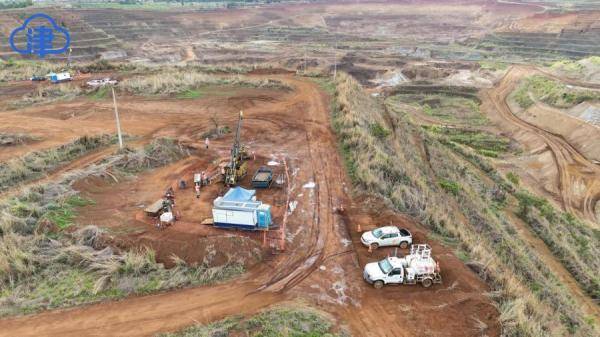
Core Viewpoint - The company has achieved a historic production capacity milestone in its Brazil operations, reflecting the successful implementation of its international strategy and strong competitiveness in global resource development [1][4]. Group 1: Company Achievements - The Brazil project has become a key part of the company's overseas business, achieving significant growth since 2024 and serving as an important foothold for expanding into the South American market [4][6]. - The company has completed over 50,000 meters of various drilling operations in Brazil as of mid-December 2025, showcasing its operational capabilities [3]. - The Brazil operations have established a stable project base and market influence, contributing to the company's economic growth and accumulating valuable overseas project management experience [6]. Group 2: Operational Strategy - The company focuses on strategic mineral resources such as non-ferrous and precious metals, leveraging its technical advantages to maximize resource value in local high-quality mineral rights development [6]. - The implementation of a management system aligned with international standards has led to successful certifications from local regulatory bodies, enhancing the company's reputation and operational foundation [6]. Group 3: Technological and Environmental Initiatives - The company emphasizes "technology empowerment and green development," having developed an intelligent exploration system that improves mining efficiency by 30% through big data analysis [7]. - The introduction of clean energy sources and initiatives for tailings resource utilization demonstrate the company's commitment to ecological protection and sustainable practices, earning praise from local governments and communities [9]. Group 4: Support from Tianjin - The company's success in overseas markets is supported by Tianjin's advantageous location and open ecosystem, which facilitates efficient logistics and reduces overseas project costs [10][12]. - The integration of Tianjin's resources, including educational and scientific support, enhances the company's technological capabilities, particularly in AI mining and deep detection [12]. - The collaborative effects with regional enterprises further strengthen the company's competitiveness in overseas projects [12]. Group 5: Future Plans - The company aims to expand its overseas high-potential mineral rights reserves and deepen international cooperation, particularly along the Belt and Road Initiative and in emerging markets [13]. - The company plans to continue enhancing its core geological exploration business while increasing investment in technological research and development to boost its competitive edge [13].

“国家队”出征探索零碳实践可行路径
Xin Lang Cai Jing· 2025-12-29 17:12
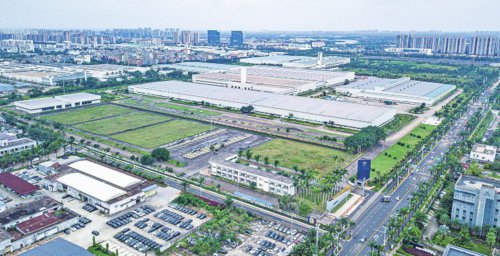
Core Viewpoint - The first batch of national-level zero-carbon parks has been announced, with 52 parks selected to lead the construction of a new energy system and promote green low-carbon industries in China [3][4][5]. Group 1: National-Level Zero-Carbon Parks - The selected 52 parks are seen as the "national team" for zero-carbon park construction, tasked with five key functions including serving as experimental fields for new energy systems and guiding regional coordinated development [4]. - The initiative aims to establish around 100 national-level zero-carbon parks by 2025, reflecting a rapid and steady implementation from top-level design to practical execution [3][5]. Group 2: Systematic and Nationwide Layout - The zero-carbon parks cover all 31 provinces and regions, ensuring that experiences in zero-carbon transformation are accumulated across diverse energy endowments and industrial bases [5]. - The construction of these parks will not adopt a one-size-fits-all approach but will leverage local comparative advantages, promoting a new regional development pattern [5][6]. Group 3: Construction and Evaluation - The parks will undergo a phased construction process, with 6 parks expected to complete by 2027 and 15 by 2030, while 24 parks are already advancing major projects [6]. - A comprehensive assessment system will be implemented, focusing on core and guiding indicators related to energy consumption and carbon emissions [6][11]. Group 4: Green Competitiveness and Economic Impact - The construction of zero-carbon parks is expected to enhance China's green competitiveness by reducing transformation costs for enterprises and fostering large-scale green industrial clusters [7][9]. - The anticipated output value of the first batch of parks is projected to reach 3.54 trillion yuan, supporting significant economic growth with low carbon emissions [11][12]. Group 5: Innovative Practices and Future Directions - Key strategies include "green electricity direct connection" and "green production," aiming to restructure the energy system and industrial landscape [8][9]. - The parks will serve as practical models for achieving carbon neutrality, providing valuable insights for broader societal transitions towards low-carbon living [12].
事关共建“一带一路”,中国贸促会答中证报提问
Zhong Guo Zheng Quan Bao· 2025-12-29 12:20
Core Insights - The China Council for the Promotion of International Trade (CCPIT) has organized 407 outbound delegations this year, with 228 trips to countries involved in the Belt and Road Initiative (BRI), covering 42 countries and regions [1] - In 2025, CCPIT plans to approve 707 overseas exhibition projects in 43 BRI countries, with a total exhibition area of 360,000 square meters and participation from 26,513 enterprises [2] - From January to November, the CCPIT issued 4.9936 million certificates of origin and 559,600 commercial certificates to facilitate trade [2] Trade Facilitation and International Cooperation - CCPIT has hosted several major forums to enhance international cooperation, including the ASEAN-China-GCC Economic Forum and the China-Arab Entrepreneurs Conference, promoting collaboration in green development, AI, and digital economy [2] - A tripartite business council mechanism has been established to support cooperation among enterprises in the BRI countries, covering 104 countries and regions [2] Legal and Financial Support for Enterprises - CCPIT has strengthened overseas interest protection for enterprises, handling over 400 arbitration cases and facilitating more than 2,200 trademark applications in BRI countries [3] - The organization has formed partnerships with major banks and insurance companies to provide market-oriented financial support for enterprises participating in the BRI [3] Growth in Trade Certificates - In November, the CCPIT issued 791,600 various certificates, marking a year-on-year increase of 21.6%, indicating robust growth in China's foreign trade [4] - The value of non-preferential certificates issued reached $32.109 billion, a 1.37% increase, while preferential certificates saw a 30.93% increase in value to $9.707 billion [4] - The issuance of RCEP certificates also grew, with a value of $0.0898 billion, reflecting a 20.33% increase [4]
前三季度云南省民营经济增加值占GDP比重达53.7%
Xin Lang Cai Jing· 2025-12-29 12:00
中新网昆明12月29日电 (记者 韩帅南)记者29日从在昆明召开的《云南省民营企业社会责任报告(2025)》 新闻发布会上获悉,今年前三季度,云南省民营经济增加值占GDP比重已提升至53.7%,全省民营经营 主体累计达668.28万户。 当日发布的《云南省民营企业社会责任报告(2025)》(以下简称《报告》),以全省1650家民营企业的问 卷调查数据为基础,结合省级有关部门的权威信息,并遵循全国工商联相关评价标准编制而成。 《报告》指出,民营经济是云南高质量发展的关键支撑。2024年,全省民营经济增加值达16791.9亿 元,占GDP比重为53.3%,对经济增长的贡献率高达60.7%。截至2024年底,全省民营经营主体累计达 663.04万户,占经营主体总量的97.5%,其中私营企业当年新增32.34万户,市场活力持续迸发。 在绿色发展方面,调研显示,样本企业环保投入同比增长4.2%,综合能耗下降7.5%。超过11%的企业入 选各级绿色制造名单,清洁生产、节能减排成为普遍实践。 在乡村振兴方面,截至2024年底,全省累计6399家企业及商(协)会参与"万企兴万村"行动,实施项目 8797个,覆盖村庄5548个 ...
成都⇌红原4小时直达,久马高速再添87.5公里通车段
Xin Lang Cai Jing· 2025-12-29 11:02
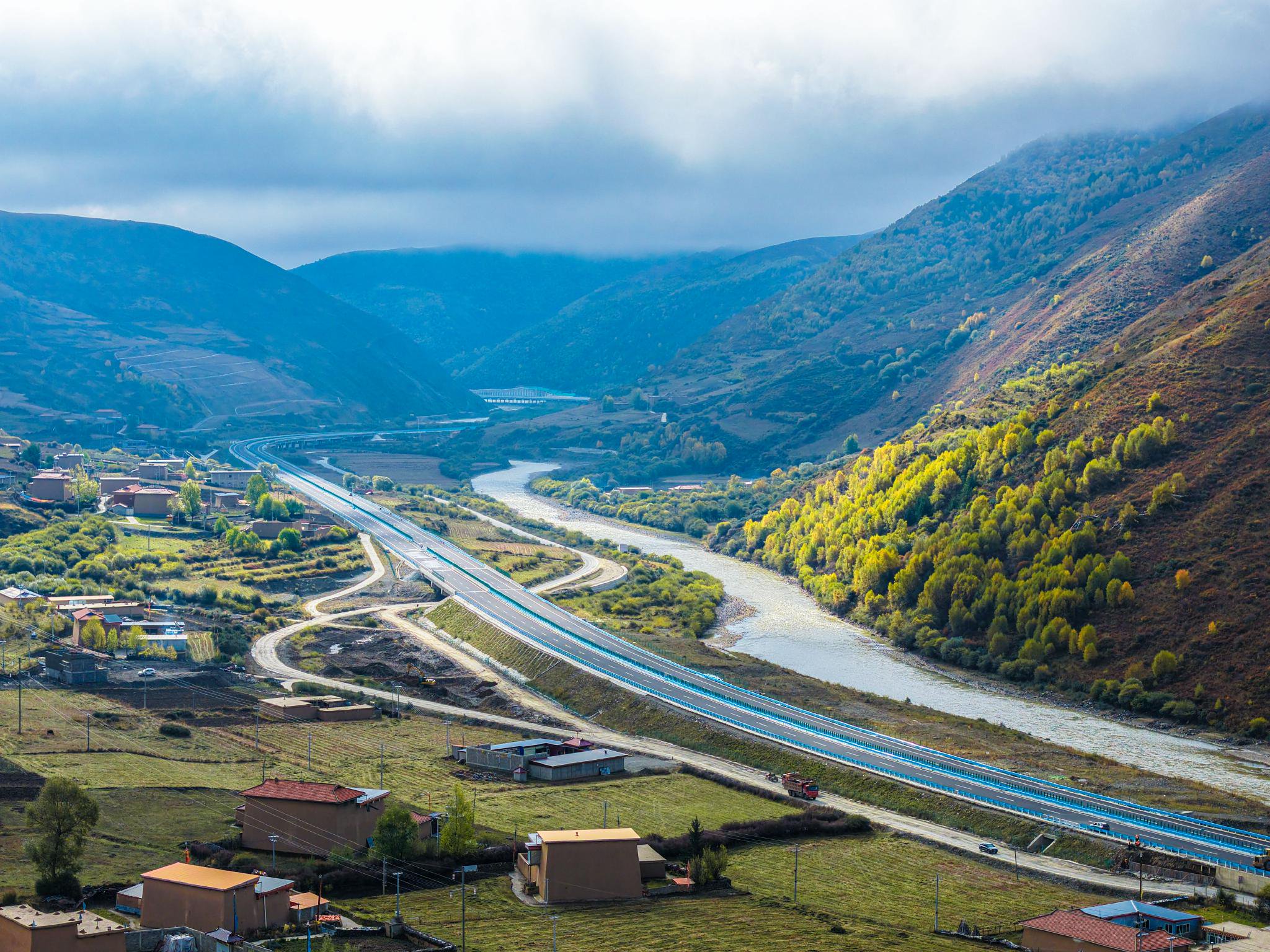
Core Viewpoint - The completion of the Jiuma Expressway significantly enhances transportation efficiency in the Aba region, reducing travel time to the Hongyuan Grassland to four hours, while also promoting local economic development through improved connectivity [1][3]. Group 1: Project Overview - The Jiuma Expressway, constructed by Shudao Group, includes a total of 186 kilometers of completed road, with the latest segment of 87.5 kilometers connecting key areas in Aba County and Hongyuan County [1][9]. - The project has overcome extreme environmental challenges, with an average elevation of over 3,300 meters and an annual average temperature of only 1.4°C, addressing complex geological conditions such as wetland soft soil and permafrost [3][6]. Group 2: Environmental Considerations - The project emphasizes ecological protection, implementing innovative techniques for the preservation and transplantation of native grassland, and utilizing new technologies for ecological restoration [3][6]. - A commitment to "prevention first, protection prioritized" has guided the project, ensuring that construction does not compromise the fragile high-altitude ecosystem [3][6]. Group 3: Technological Innovations - The project has introduced advanced technologies to tackle significant engineering challenges, such as the "tunnel cancer" issue related to soft rock deformation, employing a dual-layer steel arch support system [6]. - A focus on mechanization and automation has improved construction efficiency and safety, with the implementation of a three-part construction control system that dynamically adjusts support parameters based on real-time data [6][7]. Group 4: Quality Assurance - The construction team has developed specific strategies to address the unique challenges of the region, including the use of gravel fill and innovative materials to enhance road durability against harsh weather conditions [7]. - The project aims to achieve a "safe and high-quality" expressway standard, ensuring long-term performance and resilience of the infrastructure [7].

加速构建协同发展格局 2024年京津冀区域协同发展指数继续提升 - 国家统计局
Guo Jia Tong Ji Ju· 2025-12-29 09:36
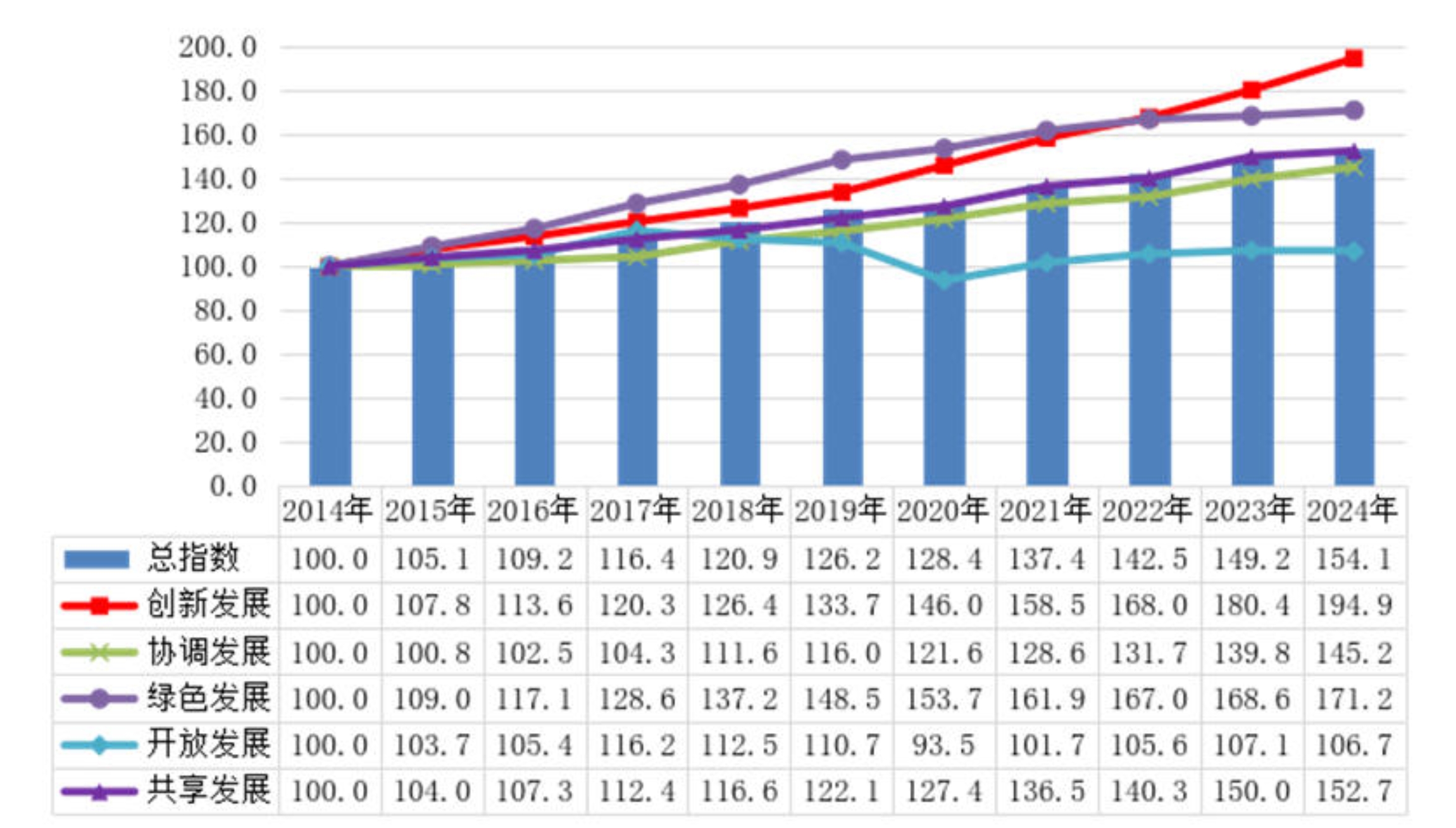
Core Viewpoint - The 2024 report on the coordinated development of the Beijing-Tianjin-Hebei region indicates significant progress in innovation, coordination, green development, openness, and shared growth, with the overall development index rising to 154.1, a 4.9 increase from 2023 [2][3]. Innovation Development - The innovation development index reached 194.9, an increase of 14.5 from 2023, marking the highest growth among sub-indices [3]. - The region's R&D expenditure intensity is 4.22%, up by 0.2 percentage points from the previous year, with Beijing leading at 6.58% [3]. - Patent authorizations totaled 355,000, a 2.9% increase, with an effective invention patent ownership of 74.3 per ten thousand people, growing by 15.7% [3]. - Labor productivity in the region is 215,000 yuan per person, reflecting a 4.4% increase from the previous year [3]. Coordinated Development - The coordinated development index improved to 145.2, up by 5.4 from 2023 [5]. - The added value of high-tech manufacturing in the region grew by 9.6%, 8.9%, and 11.2% for Beijing, Tianjin, and Hebei, respectively [5]. - Over 10,000 branch institutions of legal entities from the region were established in other areas, a 4.6% increase from the previous year [5]. - The urbanization rate in the region reached 71.2%, up by 0.6 percentage points, with the urban-rural income ratio decreasing to 2.51 [5]. Green Development - The green development index rose to 171.2, an increase of 2.6 from 2023 [6]. - PM2.5 average concentrations were 30.5, 38.1, and 37.7 micrograms per cubic meter for Beijing, Tianjin, and Hebei, respectively, with reductions of 4.7%, 8.0%, and 2.3% [6]. - The proportion of national surface water quality meeting or exceeding Class III standards is 82.6%, an increase of 2.2 percentage points [6]. - Average green space per ten thousand people increased to 23.8 hectares, up by 1.1 hectares from the previous year [6]. Open Development - The open development index decreased to 106.7, down by 0.4 from 2023 [8]. - The total import and export value for the region was 5.03 trillion yuan, a 0.1% increase, maintaining growth for four consecutive years [8]. - High-tech product exports saw significant growth, with automotive exports up by 56.4%, mobile phones by 24.7%, and wind turbine generators by 58.3% [8]. - International cargo throughput reached 820 million tons, a 10.6% increase, with 12 new direct shipping routes established [8]. Shared Development - The shared development index increased to 152.7, up by 2.7 from 2023 [9]. - The operational mileage of railways and highways in the region exceeded 11,000 kilometers [9]. - The average public budget expenditure per capita for education, social security, employment, and healthcare was 8,159.5 yuan, a 0.6% increase [9]. - The number of participants in basic pension insurance reached 86.36 million, an increase of 747,000 from the previous year [9].
中国白酒产业未来绿色“酿造”
Xin Hua She· 2025-12-29 09:21
Core Viewpoint - The article highlights the commitment of Wuliangye, a leading Chinese liquor company, to green development through the establishment of a new wastewater treatment plant and ecological wetland, aligning with China's environmental goals and sustainable practices [2][4]. Group 1: Wastewater Treatment Plant - Wuliangye has recently launched a new wastewater treatment plant within its industrial park, utilizing an AI-driven smart water management system for automated and precise control of the treatment process [2]. - The plant, with an investment of approximately 1 billion yuan, has a daily wastewater treatment capacity of 23,000 cubic meters and can generate over 50 million kilowatt-hours of electricity annually, reducing coal consumption by about 9,635 tons and greenhouse gas emissions by approximately 30,000 tons each year [2]. - The electricity generated not only meets the plant's own needs but also allows for excess power to be fed into the grid [2]. Group 2: Ecological Wetland - Adjacent to the wastewater treatment facility, Wuliangye has developed a 23,000 square meter ecological wetland, which helps reduce chemical oxygen demand (COD) by approximately 420 tons and total phosphorus by about 4 tons annually, while providing over 4 million cubic meters of water replenishment to the nearby Songgong River [4]. - The wetland employs natural filtration methods using quartz sand, volcanic rock, and aquatic plants to further purify treated wastewater before its final discharge or use for ecological replenishment [2]. Group 3: Broader Industry Context - The Chinese liquor industry, including Wuliangye, is increasingly focusing on reducing reliance on fossil fuels and enhancing sustainability through initiatives like "coal-to-gas" and "gas-to-electric" transitions, as well as biomass cogeneration projects to manage waste [4]. - The industry is responding to national goals for carbon peak by 2030 and carbon neutrality by 2060, with other companies like Shui Jing Fang also setting ambitious carbon reduction targets [4]. - Wuliangye emphasizes that a healthy ecosystem is essential for producing quality liquor, positioning green development as a necessary path forward for the industry [4].

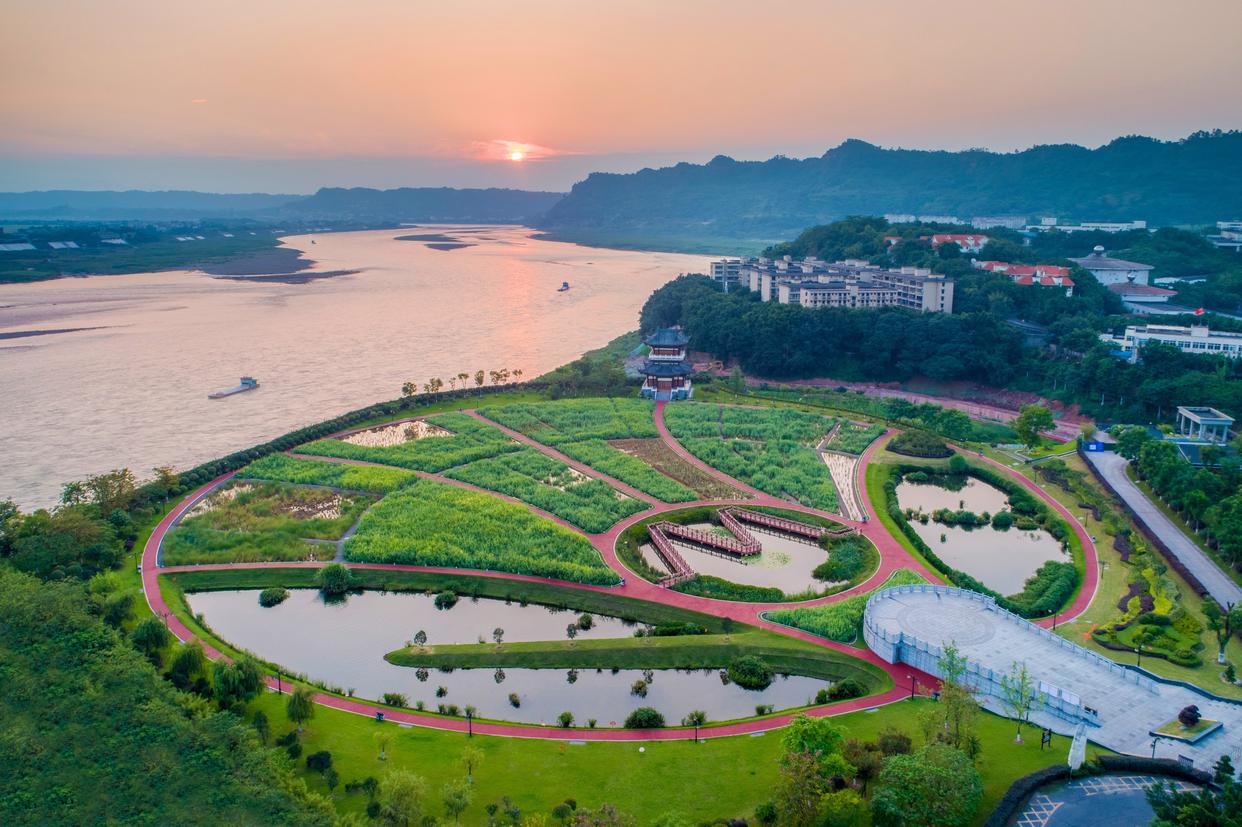
四川雅安:以“一市一地”定位引领 全面拓宽开放合作新格局
Zhong Guo Fa Zhan Wang· 2025-12-29 07:26
Core Viewpoint - The article discusses the strategic development plan for Yaan City, emphasizing its positioning as a leader in green development and a new hub for opening up towards the west, as outlined in the "Suggestions for the 15th Five-Year Plan" [1][3]. Group 1: Strategic Positioning - The "one city, one place" concept refers to Yaan's role as a "provincial leader in green development and a new highland for opening up towards the west" [3]. - This positioning reflects Yaan's commitment to green development and its strategic role in the broader provincial and national context [3]. Group 2: Implementation Pathways - The plan outlines the "three zones, two areas, and one hub" framework, which includes: - Establishing a green industry innovation development zone focused on ecological sustainability and a modern industrial system [4]. - Creating a Tibet-Sichuan economic cooperation experimental zone to promote a "resource-technology-transformation" model [4]. - Developing a significant functional area in the Chengdu metropolitan area to enhance integration and connectivity [4]. - Positioning Yaan as a key cultural tourism destination centered around the Giant Panda National Park [4]. - Building a high-quality livable environment that balances ecology, education, and urban development [4]. - Developing a comprehensive transportation hub to enhance logistics and connectivity [4]. Group 3: Focus on Open Cooperation - Yaan will concentrate on three main areas to enhance external cooperation: - Constructing an open transportation corridor by advancing key infrastructure projects [5]. - Expanding a four-directional cooperation framework to integrate with various regional economies [5]. - Developing a high-level open economy by promoting local products in international markets and fostering new business models [5].
北海市财政局:财政评审激活 向海经济“一池春水”
Zhong Guo Fa Zhan Wang· 2025-12-29 07:26
Core Viewpoint - The Beihai Municipal Finance Bureau is integrating financial investment reviews into the development of a "port-industry-city-sea" model, emphasizing the importance of marine economic development as part of China's strategy for building a strong maritime nation [1] Group 1: Financial Review Empowerment - The financial review process is being optimized to enhance resource allocation and utilization, with a focus on innovative pricing strategies and effective project management [2] - The final segment of the Lianzhou Bay Avenue, a key transportation project, has a total investment of approximately 4.4 billion yuan, with the review process breaking through budget constraints for road materials [2] - A total of over 17 million yuan in fiscal funds was saved through rigorous calculations and adjustments in the review of the Beihai Port Tieshan Port 200,000-ton channel project [2] Group 2: Supporting Industrial Growth - The financial review process is injecting fiscal energy into the development of key marine economic industries such as green chemicals, port manufacturing, and offshore wind power [3] - A multi-level review system was established to ensure timely and efficient completion of infrastructure projects, with over 400 million yuan in investments reviewed for five industrial support projects [3] - The review process is tailored to meet the specific needs of industrial projects, ensuring that funds are directed towards critical areas of development [3] Group 3: Promoting Green Development - The review process adheres to the principles of ecological priority and green development, utilizing advanced technologies for accurate assessments of ecological projects [4] - A collaborative review mechanism has been established to address challenges in ecological restoration projects, ensuring consensus among various departments [4] - The review of the ecological restoration project on Weizhou Island involved precise calculations to safeguard funding needs while preventing waste [4] Group 4: Future Directions - The Beihai Municipal Finance Bureau plans to expand its review work across all areas of the marine economy, contributing to the construction of a strong marine region in Guangxi and fostering new economic cooperation with ASEAN [5]