二次元文化

Search documents
上海徐汇构筑“游戏IP产业链+城区消费”创新生态
Zhong Guo Jin Rong Xin Xi Wang· 2025-07-08 10:10
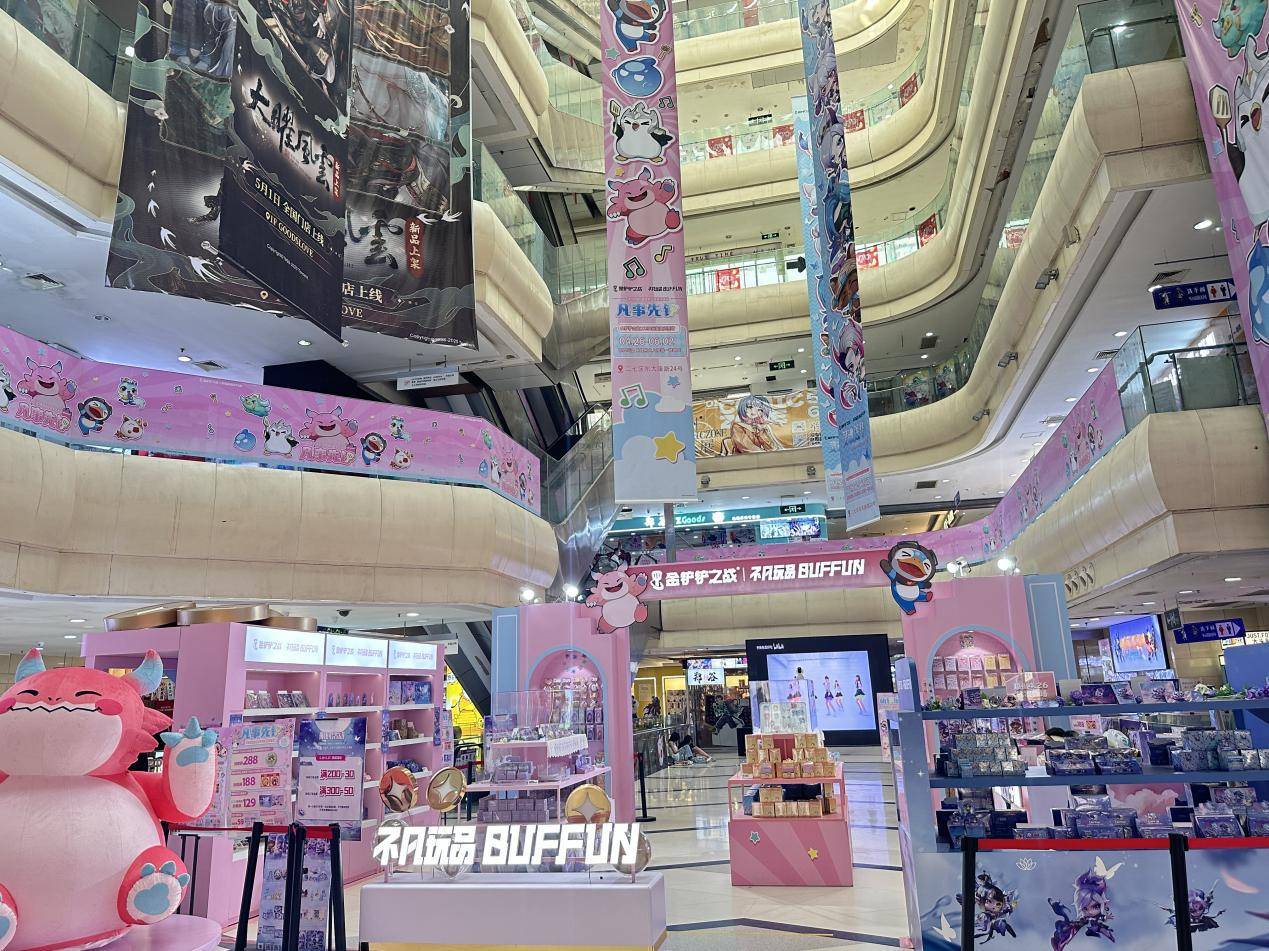
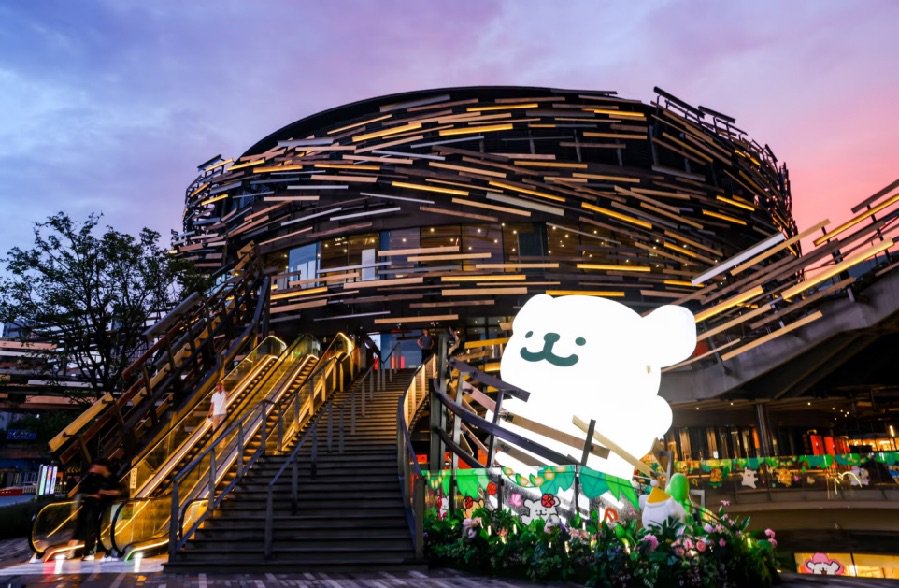
Group 1 - The "Meta Universe Street" named "Yuanjie Neo World" officially opened in Shanghai, integrating gaming IP industry and urban consumption [1] - The core commercial entity, Xinyao·Guanghuan Live, spans 100,000 square meters, offering a complete ecosystem for secondary dimension consumption, including various cultural landmarks and themed stores [2] - Major gaming companies such as Tencent, NetEase, and miHoYo are establishing a presence in the area, contributing to the production of high-quality content [2] Group 2 - The Xu Hui District Game Industry Service Center has launched new incubators to support game enterprises from startup to growth phases, aiming to create a new generation of innovative entrepreneurial clusters [2] - The "Yuanjie Summer Carnival" will take place from July 18 to August 17, featuring various themed events and activities to promote popular IP merchandise [3]

谷子经济千亿级市场,供需两端发力打开远期成长空间
NORTHEAST SECURITIES· 2025-07-01 08:15
Investment Rating - The report maintains an "Outperform" rating for the industry [7] Core Insights - The report highlights the rapid growth of the "Guzi" economy, driven by multiple factors on both demand and supply sides, with a projected market size increase from 537 billion yuan in 2017 to 1689 billion yuan by 2024, reflecting a CAGR of 17.79% [3][21] - The demand for "Guzi" products is expected to benefit from the rise of emotional consumption and changing consumer attitudes, particularly among younger demographics [12][56] Summary by Sections 1. Emotional Consumption Rise and Market Outlook - The "Guzi" economy is positioned within the broader context of the expanding ACGN subculture, which includes animation, comics, games, and related merchandise [12] - The market for the broader "pan-second dimension" and related products is projected to grow from 221.2 billion yuan in 2017 to 597.7 billion yuan by 2024, with a CAGR of 15.26% [12][19] 2. Demand Side Analysis - The user base for "pan-second dimension" products in China is substantial, with an expected growth to 503 million users by 2024, indicating a strong willingness to purchase "Guzi" products [2][42] - Approximately 88.71% of anime/manga viewers express a willingness to buy "Guzi," with 81.78% having made purchases [45][50] - The average single purchase amount for "Guzi" products is 102 yuan, with consumers increasing their purchase frequency from 2.3 to 2.9 times per month [62][64] - The market penetration in lower-tier cities is still low, presenting opportunities for expansion due to the price advantages of "Guzi" products [68][72] 3. Supply Side Analysis - The "Guzi" economy's supply chain encompasses IP production, authorization, and product sales, with a notable rise in domestic IPs stimulating consumer interest [73][76] - The domestic IP authorization market is growing, with retail sales of authorized products expected to reach 1550.9 billion yuan by 2024, reflecting a CAGR of 11% [86][90] - The report notes that the sales of domestic IPs have surpassed those of Japanese IPs on platforms like Xianyu, indicating a shift in consumer preferences [80][81]
好博会 | 万人许愿!你们更美好的生活,从这里启程……
新浪财经· 2025-06-30 01:02
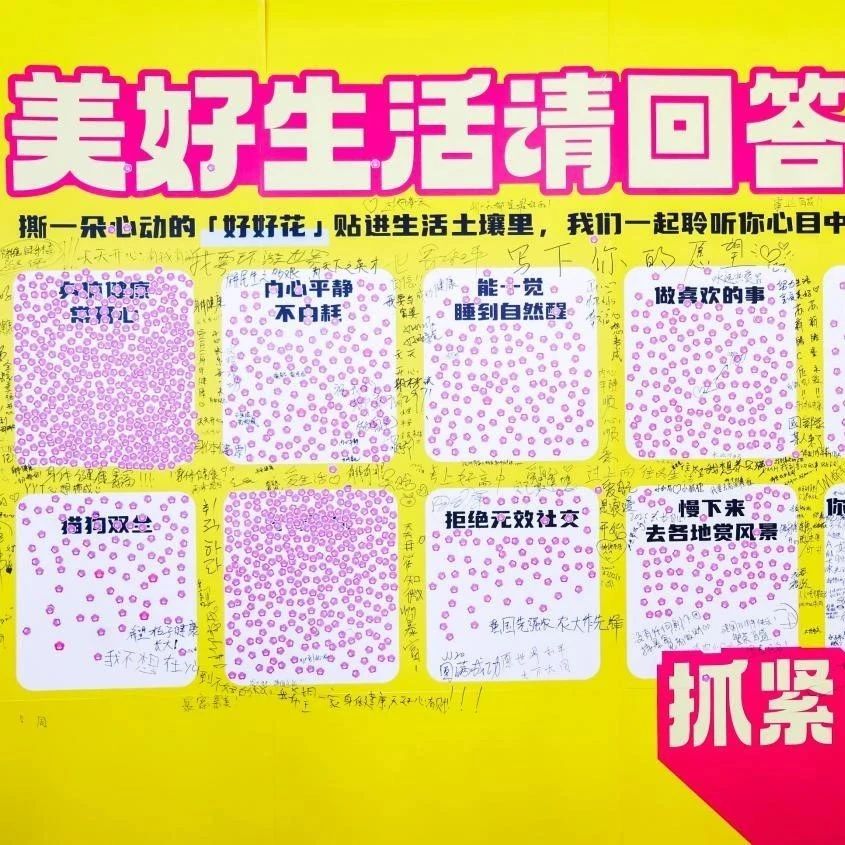
Core Viewpoint - The "2025 First Good Life Expo" successfully concluded in Beijing, showcasing over 400 companies and promoting consumer upgrades and the globalization of Chinese brands [2][3]. Group 1: Event Overview - The expo covered an area of 15,000 square meters with six major exhibition halls and various interactive sections [2]. - The event attracted a diverse range of exhibitors, including high-tech companies and traditional brands, highlighting innovations in various sectors such as consumer electronics, beauty products, and outdoor activities [8]. Group 2: Consumer Engagement - Attendees actively participated in purchasing, with many expressing satisfaction over the variety and quality of products available [9]. - Interactive activities, such as stamp collection for prizes, engaged a wide audience, including both young and older participants [12]. Group 3: Cultural and Community Impact - The "YGL Dimension Carnival" was a highlight, designed to cater to younger audiences with immersive experiences and cultural activities [15][17]. - The expo featured a "Good Life" wish wall where attendees shared their aspirations, reflecting a collective desire for health, happiness, and prosperity [21][22].
全国的二次元,最想搬到这座城
Hu Xiu· 2025-06-30 00:58
Group 1 - The article highlights the growing popularity of the "Bilibili World" (BW) convention in Shanghai, featuring renowned game producer Hideo Kojima as a guest, which has excited the anime and gaming community [1][2] - In 2024, all 250,000 tickets for the BW convention sold out instantly, indicating a significant demand that exceeded the number of available tickets by hundreds of thousands [2] - Shanghai is increasingly recognized as a "city of anime," with numerous events and themed activities attracting a large number of young people [3][2] Group 2 - The evolution of Shanghai's anime culture can be traced back to the "Wenmiao Animation Street," which transformed from a traditional market into a hub for anime-related products in the late 20th century [4][5] - The renovation of Wenmiao Street in 2021 led to the relocation of many anime shops, which subsequently spread anime culture throughout the city [5][6] - The emergence of anime-themed shopping centers, such as the "Bailian ZX Creative Park," has significantly boosted foot traffic and sales, with the park achieving sales of 300 million yuan and attracting 9.5 million visitors in 2023 [7][8] Group 3 - The transformation of traditional shopping malls into anime-themed spaces has become a trend, with several malls in Shanghai incorporating anime elements to attract customers [8][9] - The rise of the "anime economy" has led to the opening of flagship stores for major brands, enhancing the shopping experience for anime enthusiasts [11][12] - Shanghai's gaming industry is thriving, with major companies like Sony and Nintendo establishing a presence in the city, contributing to its status as a key market for international game developers [11][12] Group 4 - The article emphasizes the integration of anime culture into everyday life in Shanghai, with more people engaging in outdoor activities related to anime, such as cosplay [10][14] - Events like the "Star Rail LIVE" concert demonstrate the strong community engagement and popularity of anime-related activities in the city [15] - The article concludes that anime culture has transitioned from a niche interest to a significant aspect of urban life in Shanghai, reflecting the city's progressive and inclusive nature [18]
B站谷子墙、Switch2随便玩……我在好博会二次元区逛成“仓鼠囤货狂”
新浪财经· 2025-06-28 00:49
Core Viewpoint - The first "Beautiful Life Expo" (好博会) held in Beijing showcases the vibrant and innovative aspects of the ACG (Anime, Comic, and Games) culture, highlighting the integration of classic IPs with modern entertainment and interactive experiences for young audiences [2][28]. Group 1: Event Overview - The expo was organized by Sina Finance, with Alibaba, JD.com, Pinduoduo, and Douyin E-commerce as co-hosts, and Weibo and Meituan as strategic partners [2]. - The YGL ACG exhibition area attracted a large number of young visitors, featuring various activities such as themed parades and interactive games [2][28]. Group 2: Highlights of the YGL ACG Exhibition Area - The "Detective Conan" trading card game launched by Card Game attracted significant attention, combining classic anime elements with innovative gameplay mechanics [4][5]. - Bilibili Goods showcased a variety of popular IP merchandise, including items from "Hatsune Miku" and "One Piece," with online purchasing options available for fans unable to attend [7][9]. - The Nintendo Switch 2 experience area was a major attraction, featuring free play of "Mario Kart World," with prizes for top players, enhancing engagement among attendees [10][12]. Group 3: Cultural Integration and Innovation - The domestic trading card game "Legend Universe" incorporated elements from traditional Chinese mythology, such as "Shan Hai Jing" and "Journey to the West," providing a unique cultural experience [14][17]. - The ANDYHOOD art brand offered limited edition toys and interactive graffiti art experiences, promoting engagement and creativity among visitors [16][19]. Group 4: Interactive Activities and Community Engagement - The event featured various competitions and interactive zones, including Pokémon card battles and DIY art activities, fostering community among fans [24][26]. - The immersive experience area created by iQIYI allowed attendees to engage with popular culture in a visually striking environment, enhancing the overall experience [26][28].
二次元与潮玩的现状与投资机会 - 消费动态
2025-06-24 15:30
Summary of Key Points from Conference Call Records Industry Overview - The current state of the collectible toy (潮玩) and anime (二次元) markets shows continued growth momentum in the first half of 2025, with a significant increase in store openings in 2024, indicating strong sales in 2023 [1][3] - The collectible toy market is characterized by high absolute store numbers, while the anime market exhibits faster growth rates, reflecting consumer demand for IP products and highly standardized items [1][4] Core Insights and Arguments - **Collectible Toy Categories**: The collectible toy market is divided into card games, blind boxes, and building toys. Blind boxes rely on direct sales to control pricing and prevent market dilution, while card games and building toys are sold through distributors or large KA channels [1][5] - **Anime Brand Expansion**: Anime brands are rapidly expanding through collective store formats in shopping centers, with grocery collective store sales expected to grow by 10%-15% year-on-year in 2024. The use of major KOL channels has accelerated sales growth, although the sustainability of IP and the maturity of the supply chain still require development [1][6] - **Shopping Center Collaboration**: Shopping centers collaborate with collectible toy brands through fixed rent, a combination of fixed rent and sales commission, or direct high commission. Leading brands like Pop Mart typically use a guaranteed minimum plus commission model, with a rental yield ratio of about 11%, lower than the retail sector average [1][7] - **Sales Performance**: The collectible toy sector has shown remarkable performance, with significant month-on-month sales increases in April and May 2025, where benchmark stores exceeded 1 million yuan in sales, contributing significantly to shopping center revenues [1][8] Additional Important Insights - **Market Dynamics**: Despite an overall negative growth in shopping center formats since 2019, the collectible toy and anime sectors have maintained a long-term growth trend in store openings [2] - **Anime Market Characteristics**: The anime market is still developing, with a relatively weak brand concentration. Leading brands achieve monthly sales of approximately 40-50 thousand yuan, while non-leading brands only reach 10-20 thousand yuan [3][17] - **Consumer Preferences**: Young consumers view purchases in the collectible toy and anime sectors as social currency, indicating that marketing strategies should focus on social engagement to attract foot traffic [14] - **Geographic Trends**: Major cities like Shanghai, Beijing, and Chengdu are leading in the anime market, with a high concentration of young consumers who are receptive to these cultural trends [16][23] Future Outlook - **Growth Potential**: The collectible toy sector is expected to maintain its popularity, with a focus on attracting more brands into shopping centers. The sales growth rate for collectible toys and anime in shopping centers is projected to be between 15%-30%, significantly higher than the overall growth rate of 5% [9][28] - **Challenges for Anime Brands**: The anime sector still faces challenges in achieving the same level of brand strength and market maturity as collectible toys, requiring further cultivation of IP sustainability and supply chain development [10][18][30] - **Consumer Behavior Trends**: The preference for Japanese IP products remains strong, with IP being a crucial factor in driving sales and market growth [24] This summary encapsulates the key points from the conference call records, highlighting the dynamics, performance, and future outlook of the collectible toy and anime markets.
漫展内卷,卖掉热爱
3 6 Ke· 2025-06-18 12:23
Core Insights - The commercial anime and manga exhibition market in non-first-tier cities is facing challenges such as rising costs, increased competition, and a singular profit model, leading to unstable revenue streams [2][29] - Ticket sales are the primary revenue source for most exhibitions, accounting for up to 90% of total income in many non-first-tier cities, making ticket sales critical for survival [4][29] - The rising costs of inviting guests, which have increased significantly post-pandemic, are straining the profitability of exhibitions, with guest fees rising four to five times compared to pre-pandemic levels [16][19] Group 1: Market Dynamics - The number of exhibitions has doubled in some areas, but the audience growth has only increased by 1.2 times, leading to decreased average attendance per event [5][19] - The lowering of entry barriers has resulted in an oversupply of smaller exhibitions, which compete for the same audience, further diluting attendance [7][19] - Major exhibitions like Bilibili World and ComicUp can secure significant sponsorship and ticket sales, while smaller events struggle to attract similar levels of interest and revenue [4][19] Group 2: Cost Structure - The cost structure of a commercial exhibition typically allocates 40% to venue and guest fees each, with the remaining 20% covering miscellaneous expenses and team salaries [10][19] - Venue operators benefit significantly from the exhibition business, often having little negotiation power over rental costs, which can further squeeze the margins of exhibition organizers [20][29] - Ticketing platforms also profit from the exhibitions, taking a commission from ticket sales, which adds to the overall cost burden on organizers [23][29] Group 3: Audience and Consumer Behavior - The primary audience for exhibitions has shifted to younger demographics, particularly middle and high school students, who have limited disposable income and are sensitive to ticket prices [8][29] - The evolution of audience preferences has led to a decline in the novelty of exhibitions, as frequent events and similar content contribute to audience fatigue [5][29] - The reliance on guest interactions, such as signings, has become a new revenue stream, but the effectiveness of this model varies and can lead to uncertain financial outcomes [17][29] Group 4: Regulatory Environment - The pandemic has led to stricter regulations for large gatherings, impacting the ability of organizers to host events and increasing compliance costs [26][28] - Government support for the anime and manga industry has not translated into tangible benefits for smaller exhibition organizers, who often face challenges in accessing subsidies [25][29] - The balance between promoting local cultural events and ensuring safety and compliance has created a complex environment for exhibition organizers [26][29]
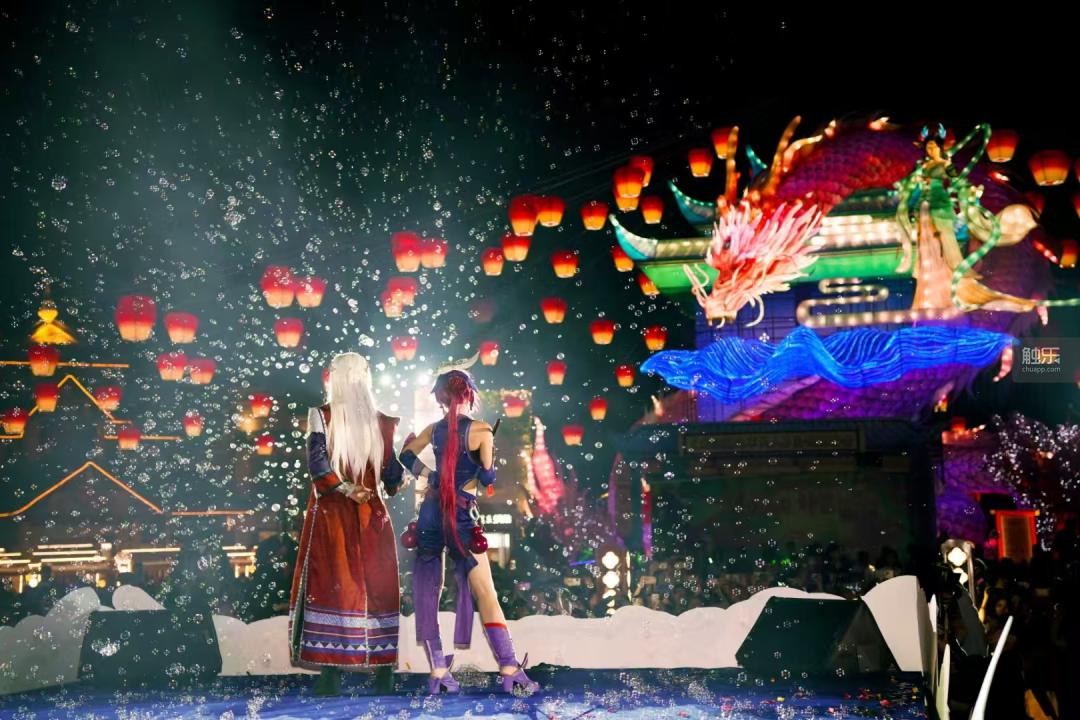
服装、美瞳、假发三大“COSPLAY经济”增长背后,百亿市场崛起
3 6 Ke· 2025-06-17 12:39
Group 1 - The core phenomenon of "breaking the wall" in the ACG culture indicates that the subculture of Cosplay has grown into a mainstream cultural trend with significant growth potential, evidenced by approximately 10 million Cosplay enthusiasts globally and a spending of $4.8 billion in 2023, averaging $480 per user annually [1] Group 2 - The Cosplay commercial ecosystem is driven by IP, with upstream content creation from ACG, midstream productization including costumes and accessories, and downstream consumer engagement primarily from the 18-30 age demographic, who are increasingly turning their hobby into a profession [2][3] Group 3 - The global market for Cosplay costumes is projected to grow from $4.75 billion in 2024 to $8.65 billion by 2029, with a production model that favors semi-customization due to the complexity of character designs [4][5] Group 4 - The market for beauty contact lenses and wigs, while smaller than costumes, shows a trend towards refined consumption, with significant user loyalty and a growing market share for domestic brands [6][7][8] Group 5 - Brands have opportunities to penetrate the Cosplay market through IP collaborations and by embedding themselves in cultural scenes, focusing on the expressive motivations of consumers rather than just product needs [10][11]
男子卖可脱手办还发隐私部位特写图片,获利超23万!被判刑
Nan Fang Du Shi Bao· 2025-06-08 06:15
Core Viewpoint - The court sentenced Fan for selling obscene items for profit, highlighting the legal consequences of engaging in the sale of such products in the context of the growing popularity of "2D" culture and related merchandise [1][2]. Group 1: Legal Proceedings - The court found that Fan sold detachable figurines deemed obscene, constituting a serious violation of the law, and imposed a sentence of three years and six months in prison along with a fine of 50,000 yuan [2]. - Fan sold a total of 5,865 pieces of the involved figurines from January 2021 to December 2023, earning over 230,000 yuan in profit [1][2]. Group 2: Industry Context - The rise of "2D" culture has led to an increase in the popularity of figurines and related merchandise, but some sellers are blurring the lines between "2D" and "soft pornography," resulting in the distribution of obscene items [2]. - Recent cases in other regions, such as the Shanghai Baoshan District Court, have also addressed similar issues, with multiple defendants receiving sentences for producing and selling obscene items [2].
谷子“变形记”,虚拟IP的实物载体催生千亿市场 | 解码千亿谷子经济
Sou Hu Cai Jing· 2025-06-04 11:18
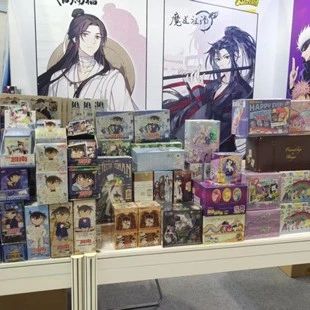
Core Insights - The article emphasizes the rapid growth of the "Guzi economy," a derivative of the ACG (Animation, Comic, and Game) culture, which is becoming a new engine for economic growth in China, particularly in cities like Zhengzhou [1][2]. Industry Overview - The Guzi economy, which refers to merchandise related to IP (Intellectual Property) from the ACG culture, has seen a significant market expansion, with the market size projected to grow from 120.1 billion yuan in 2023 to 168.9 billion yuan in 2024, and potentially reaching 308.9 billion yuan by 2029 [1]. - The market was historically dominated by Japanese IPs, but the rise of domestic IPs like "Genshin Impact" and "Mo Dao Zu Shi" has shifted the market dynamics, increasing the share of domestic products [6][8]. Market Dynamics - The resurgence of the Guzi economy is linked to the social needs of ACG enthusiasts, leading to the establishment of dedicated stores and commercial spaces that cater to this demographic [3][9]. - The introduction of new product categories and collaborations with well-known brands has diversified the Guzi offerings, making them more integrated into everyday life [10]. Consumer Behavior - The primary consumers of Guzi products are fans of content-driven IPs, who view these products as emotional and social symbols, enhancing their identity and community belonging [9]. - The trend indicates a growing willingness among consumers to purchase practical items that also serve as expressions of their fandom, such as headphones and passport holders [10].