全球贸易

Search documents
于晓莉:“人工智能+”促全球贸易增长
Jing Ji Ri Bao· 2025-09-23 00:04
Core Insights - The World Trade Organization's report predicts that with appropriate policy support, AI applications could drive global trade growth by nearly 40% and increase global GDP by 12% to 13% by 2040, highlighting the significant potential of AI technology [1][4] Group 1: Impact on Global Trade - AI is expected to significantly reduce trade costs by improving efficiency in traditional international trade processes such as information search, contract signing, cross-border payments, and logistics, with smart customs systems potentially shortening clearance times by 70% and AI-driven supply chain management reducing logistics costs by 20% to 30% [1] - AI-driven smart manufacturing systems are reshaping global value chain dynamics, allowing developing countries to integrate more easily into global trade by responding flexibly to market demand changes and creating new trade categories through innovation [1] Group 2: Inclusion of SMEs - AI-driven trade platforms are lowering barriers for small and medium-sized enterprises (SMEs) to participate in global trade, providing tools for global market access, multilingual customer service, and smart marketing, thus enhancing the inclusivity and accessibility of global trade [2] Group 3: Challenges and Solutions - The development of global trade through AI faces challenges such as the digital divide, with developed countries having advanced infrastructure and resources while many developing nations struggle with weak digital foundations and talent shortages. Effective international cooperation is needed to address these issues [2] - Strengthening international cooperation on digital infrastructure is crucial to help developing countries improve network coverage and reduce digital access costs, while also sharing technology and knowledge to bridge the digital divide [2] Group 4: Policy Recommendations - Countries should establish an open, inclusive, and non-discriminatory AI trade policy environment, avoiding unnecessary trade restrictions and fostering dialogue through multilateral platforms like the WTO to create a predictable policy environment for AI-enabled trade [3] - Developed countries should support the capacity building of developing nations in AI through technology transfer and training, while international organizations can facilitate knowledge sharing and promote successful AI applications in trade [3] Group 5: China's Role - China plays a significant role in promoting global trade through AI, possessing a complete AI industry ecosystem and leading capabilities in e-commerce, smart logistics, and digital payments. China is encouraged to participate in global governance of AI and share its successful experiences to contribute to a balanced and inclusive global trade framework [3]
“人工智能+”促全球贸易增长
Jing Ji Ri Bao· 2025-09-22 23:23
Core Insights - The World Trade Organization's report predicts that with appropriate policy support, AI applications could drive global trade growth by nearly 40% and increase global GDP by 12% to 13% by 2040, highlighting the significant potential of AI technology [1][4] Group 1: Impact on Trade Costs and Efficiency - AI can significantly reduce trade costs by improving efficiency in traditional international trade processes such as information search, contract signing, cross-border payments, and logistics. For instance, intelligent customs systems can shorten clearance times by 70%, while AI-driven supply chain management can lower logistics costs by 20% to 30% [1] Group 2: Reshaping Global Value Chains - AI-driven smart manufacturing systems enhance production flexibility, allowing for quicker responses to market demand changes, thus facilitating the integration of developing countries into global value chains. Additionally, AI is creating new trade categories through product design and innovation, such as smart home devices and autonomous vehicles [1] Group 3: Inclusion of SMEs in Global Trade - AI-driven trade platforms are lowering barriers for small and medium-sized enterprises (SMEs) to participate in global trade by providing global market access, multilingual customer service, and smart marketing tools, thereby enhancing the inclusivity and accessibility of global trade [2] Group 4: Challenges and International Cooperation - The advancement of AI in global trade faces challenges such as the digital divide, with developed countries having superior infrastructure and talent compared to many developing nations. To maximize AI's potential in trade, international cooperation is essential to improve digital infrastructure and reduce the digital gap [2] Group 5: Policy Environment and Capacity Building - Establishing an open, inclusive, and non-discriminatory AI trade policy environment is crucial. Countries should avoid unnecessary trade restrictions and work through multilateral platforms to create standards and reduce trade barriers. Additionally, developed nations should support capacity building in developing countries through technology transfer and training [3] Group 6: China's Role in AI and Global Trade - China possesses a comprehensive AI industry ecosystem and is a global leader in AI applications related to e-commerce, smart logistics, and digital payments. The country is encouraged to actively participate in global AI governance and share successful experiences to support the capacity building of developing nations [3]
世贸组织报告指出:人工智能技术影响全球贸易格局
Jing Ji Ri Bao· 2025-09-20 02:53
Core Insights - The World Trade Organization's report highlights the significant impact of artificial intelligence (AI) on global trade dynamics, emphasizing the need for multilateral cooperation to ensure inclusive growth rather than exacerbating disparities [1][5] Group 1: Opportunities and Potential of AI in Trade - AI technologies can enhance efficiency in various sectors such as consulting and R&D, potentially increasing global total factor productivity by an additional 0.68% annually [1] - By 2040, global trade is projected to increase by 34% to 37%, with global GDP rising by 12% to 13%, and trade in digitally deliverable services, including AI services, expected to grow by 42% [1] - AI can optimize supply chains, improve customs and compliance efficiency, reduce cross-border communication costs, and assist small and medium-sized enterprises (SMEs) in entering international markets [1][2] Group 2: AI's Role in Market Participation - 90% of companies utilizing AI report trade benefits, with 56% indicating improved risk management capabilities [2] - AI can facilitate broader market participation, particularly benefiting SMEs and developing countries by overcoming barriers such as high compliance costs and insufficient market information [2] - The technology can provide new export opportunities for low-income countries through remote services and online applications [2] Group 3: Risks and Challenges Posed by AI - AI may exacerbate the digital divide, with high-income economies having advanced capabilities compared to low-income countries, potentially leading to a 14% income growth in high-income countries versus only 8% in low-income countries by 2040 [3] - The disparity in AI adoption rates, with over 60% in large enterprises compared to 41% in small enterprises, highlights the challenges faced by lower-income economies [3] - AI's impact on labor markets could threaten jobs in sectors like translation and customer support, which are crucial for low-income countries' export opportunities [3] Group 4: Policy Recommendations for Inclusive Growth - Countries are urged to prepare policies, infrastructure, and capacity building to support AI development, including maintaining low tariffs and open markets [4] - Investment in education and training programs for AI, as well as improvements in data governance and infrastructure, are essential to bridge the skills gap [4] - Support for SMEs in AI adoption and a balanced approach to intellectual property and competition policies are necessary to prevent market concentration [4] Group 5: Importance of International Cooperation - The report stresses the need for enhanced international cooperation in AI governance, particularly in trade-related aspects, to avoid regulatory fragmentation [5] - Inclusive collaboration should involve both high-income and low-income countries in the global AI governance framework [5] - Strategic actions today will determine AI's future impact, with proactive measures potentially transforming AI into a driver of global trade and inclusive growth [5]
世贸组织报告:人工智能有望推动全球贸易增长
Qi Huo Ri Bao· 2025-09-17 16:06
Core Insights - The World Trade Organization (WTO) predicts that with appropriate policy support, the application of artificial intelligence (AI) could drive global trade growth by nearly 40% by 2040 [1] - AI is expected to significantly enhance global trade and GDP growth, with trade volumes projected to increase by 34% to 37% and global GDP by 12% to 13% by 2040, depending on policy and technological advancements [1] - The WTO emphasizes the potential of AI to reduce trade costs and improve productivity, but highlights the uneven ability of different economies to access AI technology and participate in digital trade [1] Trade and AI Development - Trade can facilitate access to AI and the necessary investments for its development, promoting innovation and opening new pathways for growth [1] - To harness the potential of AI in trade, stakeholders must take deliberate actions to bridge the digital divide and promote regulatory consistency [1] Policy Recommendations - The report notes a significant increase in restrictions on AI-related goods, from 130 measures in 2012 to nearly 500 by 2024, urging the need for open and predictable trade policies [1] - Strengthening international cooperation, particularly in the intersection of AI and trade, is essential for broader participation in AI development across economies [1] - The WTO is positioned to play a central role in ensuring that AI supports inclusive trade-led growth [1]
世贸组织报告:人工智能有望显著推动全球贸易增长
Xin Hua Wang· 2025-09-17 09:37
Core Insights - The World Trade Organization (WTO) predicts that with appropriate policy support, the application of artificial intelligence (AI) could drive global trade growth by nearly 40% by 2040 [1] - The report indicates that global trade volume is expected to increase by 34% to 37% and global GDP by 12% to 13% by 2040, depending on policy and technological advancements [1] - The WTO emphasizes the significant potential of AI in reducing trade costs and enhancing productivity, but highlights the uneven access to AI technology and digital trade participation among economies [1] Trade and AI Development - Trade can facilitate access to AI and the necessary investments for its development, promoting innovation dissemination and opening new development pathways [1] - To realize the potential of AI in trade, stakeholders must consciously take actions to bridge the digital divide and promote regulatory consistency [1] Policy Recommendations - The report notes a dramatic increase in restrictions on AI-related goods, from 130 measures in 2012 to nearly 500 by 2024, urging the need for open and predictable trade policies [1] - Strengthening international cooperation, particularly in the intersection of AI and trade, is essential for broader participation in AI development across economies [1] - The WTO can play a central role in ensuring that AI supports inclusive trade-led growth [1]
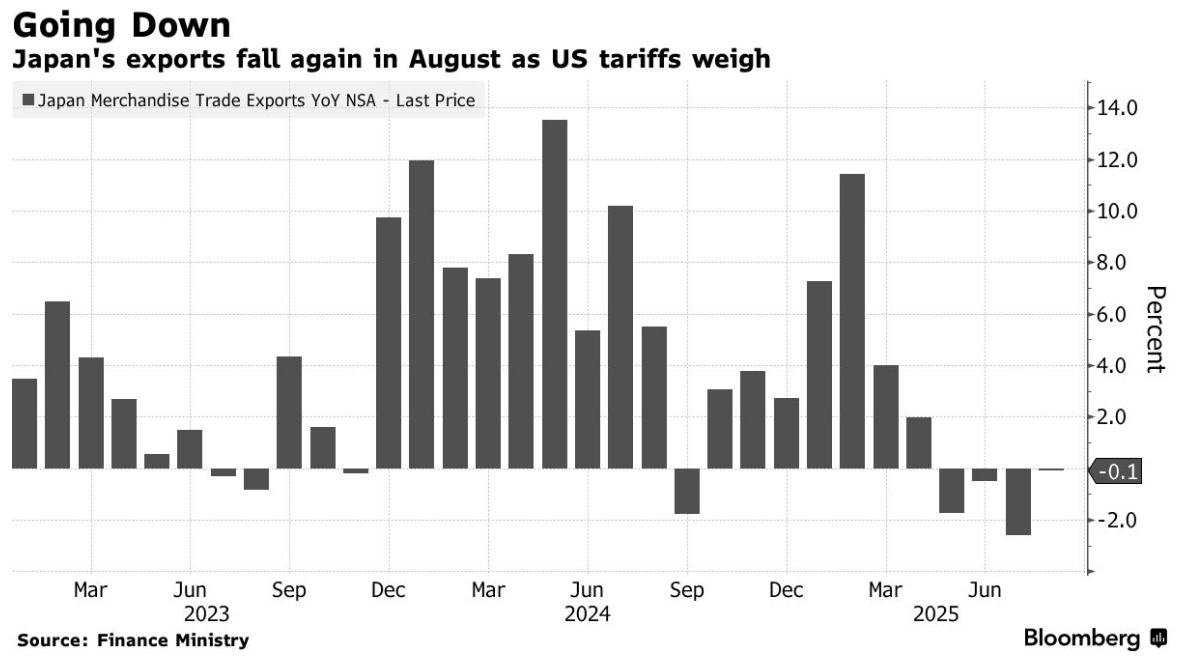
日本出口连降四月 对美贸易创四年最大跌幅
智通财经网· 2025-09-17 03:33
Core Viewpoint - Japan's exports have declined for the fourth consecutive month, primarily due to the impact of U.S. tariffs under President Trump's trade policies, particularly affecting trade with the U.S. [1][3] Export Performance - In August, Japan's export value decreased by 0.1% year-on-year, with automobiles and steel being the main contributors to this decline [1] - Exports to the U.S. saw a significant drop of 13.8%, with automobile exports falling by 28.4% and export volume down by 9.5% [3][4] - Exports to China decreased by 0.5%, while exports to Europe increased by 5.5% [3] Trade Balance - Japan's trade balance recorded a deficit of 242.5 billion yen (approximately 1.7 billion USD) [3] - The import value fell by 5.2%, which was worse than the consensus expectation of a 4.1% decline [3] Economic Implications - The ongoing decline in exports poses risks to Japan's fragile economic growth, potentially disrupting the desired cycle of inflation, wage growth, and overall economic expansion [3] - The impact of U.S. tariffs on Japanese companies, particularly in the automotive sector, may lead to cost-cutting measures that could suppress profit margins and wage growth [3][4] U.S. Trade Relations - Japan's trade surplus with the U.S. was 324 billion yen, indicating ongoing pressure from the U.S. to reduce this gap [5] - The recent trade agreement, which includes a reduction of tariffs on Japanese automobiles, may provide some relief, but its effectiveness will depend on Japan's commitment to invest 5.5 trillion yen as part of the agreement [4]

美方要求多方对华加征50%-100%关税!中方表态
Nan Fang Du Shi Bao· 2025-09-15 09:51
Core Viewpoint - The Chinese Ministry of Commerce opposes the U.S. request for imposing tariffs on China based on its imports of Russian oil, labeling it as unilateral bullying and economic coercion [1] Group 1: Economic Measures - The U.S. is seeking to impose tariffs ranging from 50% to 100% on China due to its purchase of Russian oil, aiming to pressure China to play a role in ending the Russia-Ukraine conflict [1] - The Chinese government asserts that such measures violate the consensus reached between the leaders of China and the U.S. [1] Group 2: Trade Relations - The Chinese Ministry of Commerce emphasizes the potential severe impact on global trade and supply chain stability if these tariffs are enacted [1] - China expresses a desire for the U.S. to engage in equal dialogue to resolve trade differences amicably [1] Group 3: Global Trade Order - The Chinese government calls for all parties to uphold principles that maintain the stability of the global trade order and supply chains [1] - There is a warning that if China's interests are harmed, it will take necessary measures to protect its legitimate rights [1]
匈牙利外长:与中国的合作至关重要
Yang Shi Xin Wen· 2025-08-25 10:54
Core Viewpoint - Hungary's Foreign Minister Szijjártó emphasizes the importance of unimpeded global trade due to Hungary's geographical position and export-oriented economy, criticizing the EU's strategy towards China as fundamentally flawed [1] Group 1: Hungary's Position on Global Trade - Hungary supports seamless global trade, highlighting its role as a crucial intersection for Eastern and Western businesses [1] - The minister argues that cooperation with China is essential for European companies to succeed in key sectors [1] Group 2: Critique of EU Strategy - Szijjártó criticizes EU leaders for failing to recognize the potential for civilizational cooperation with China, stating that their approach has been overly politicized and ideologically driven [1] - He claims that the EU has stifled previous European growth models and that sanctions against Russia have disrupted the established system based on Western technology and Russian natural resources [1] Group 3: Hungary's Diplomatic Stance - Hungary does not wish to choose between Eastern and Western partners but aims to collaborate with both [1] - The country seeks to maintain strong investment, trade relations, and energy security through partnerships with both sides [1]
加拿大对华贸易决策失误引发震荡,50亿订单转移凸显战略失衡
Sou Hu Cai Jing· 2025-08-20 09:27
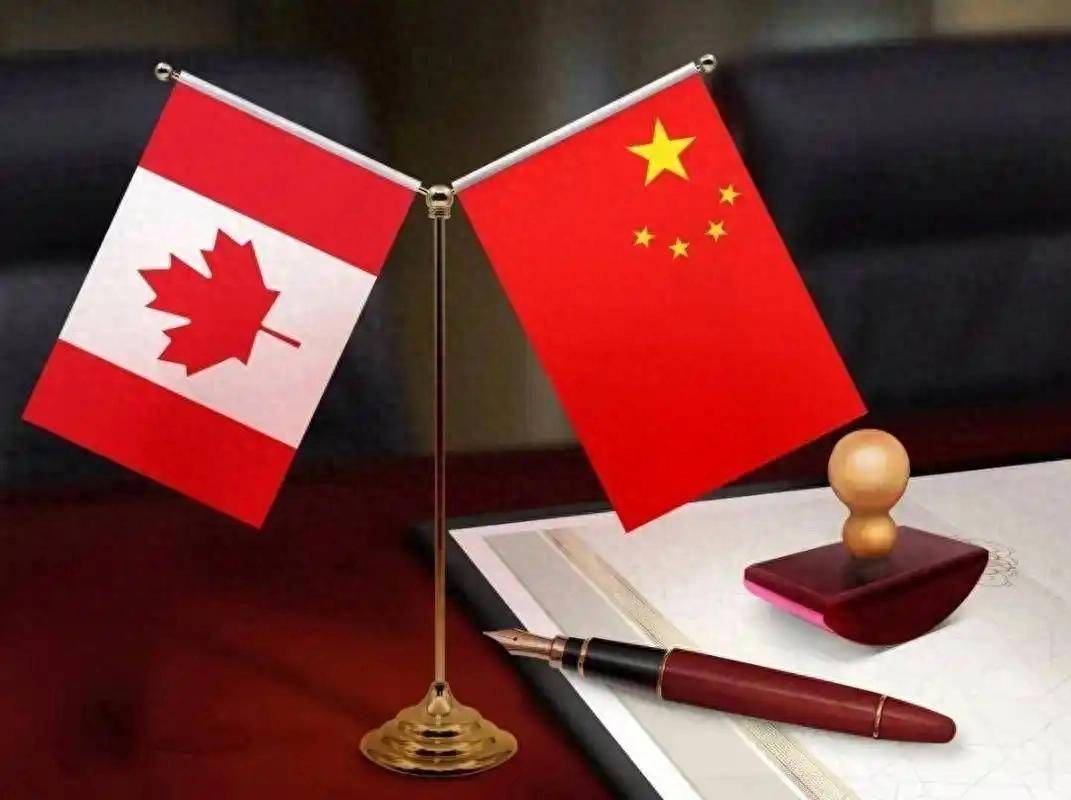
Core Viewpoint - Canada's recent imposition of a 25% additional tax on imports of Chinese steel products is a response to U.S. pressure, aimed at addressing global steel overcapacity, but it has inadvertently harmed its agricultural sector and led to significant trade losses with China [1][3][5]. Group 1: Trade Policy Impact - The Canadian government's decision to impose tariffs was influenced by the U.S. increasing tariffs on Canadian goods, leading Canada to adopt a broad approach that targeted Chinese steel while failing to protect its own industries [3][9]. - The agricultural sector has been severely affected, with China canceling $3.7 billion worth of Canadian agricultural orders, representing a 35% reduction in exports to China [5][7]. - The Canadian steel industry, which contributes only a quarter of the GDP compared to agriculture, has not benefited from the tariffs, resulting in a dual challenge of being unable to afford Chinese products while competing against U.S. steel [3][7]. Group 2: International Relations and Supply Chain - China's swift response included terminating significant agricultural contracts and redirecting imports to Australia, highlighting the vulnerability of Canada's agricultural exports [5][11]. - The World Trade Organization (WTO) has received a formal complaint against Canada, indicating that the trade dispute has escalated to an international level [7][15]. - Canada's reliance on the U.S. for 76% of its exports poses a risk, especially as China diversifies its supply sources, indicating a shift in global trade dynamics [15][17]. Group 3: Strategic Miscalculations - The Canadian government underestimated China's resolve to retaliate against trade measures, leading to a rapid and severe response from China [9][11]. - There was a failure to explore alternative strategies, such as leveraging multilateral agreements like CPTPP, which could have provided a more balanced approach to trade negotiations [10][15]. - The situation serves as a warning about the consequences of short-sighted policy decisions in a highly interconnected global market, where miscalculations can lead to significant economic repercussions [17].
开始反击美国?莫迪誓言“印度制造”:将捍卫印度利益,绝不妥协
Sou Hu Cai Jing· 2025-08-20 07:50
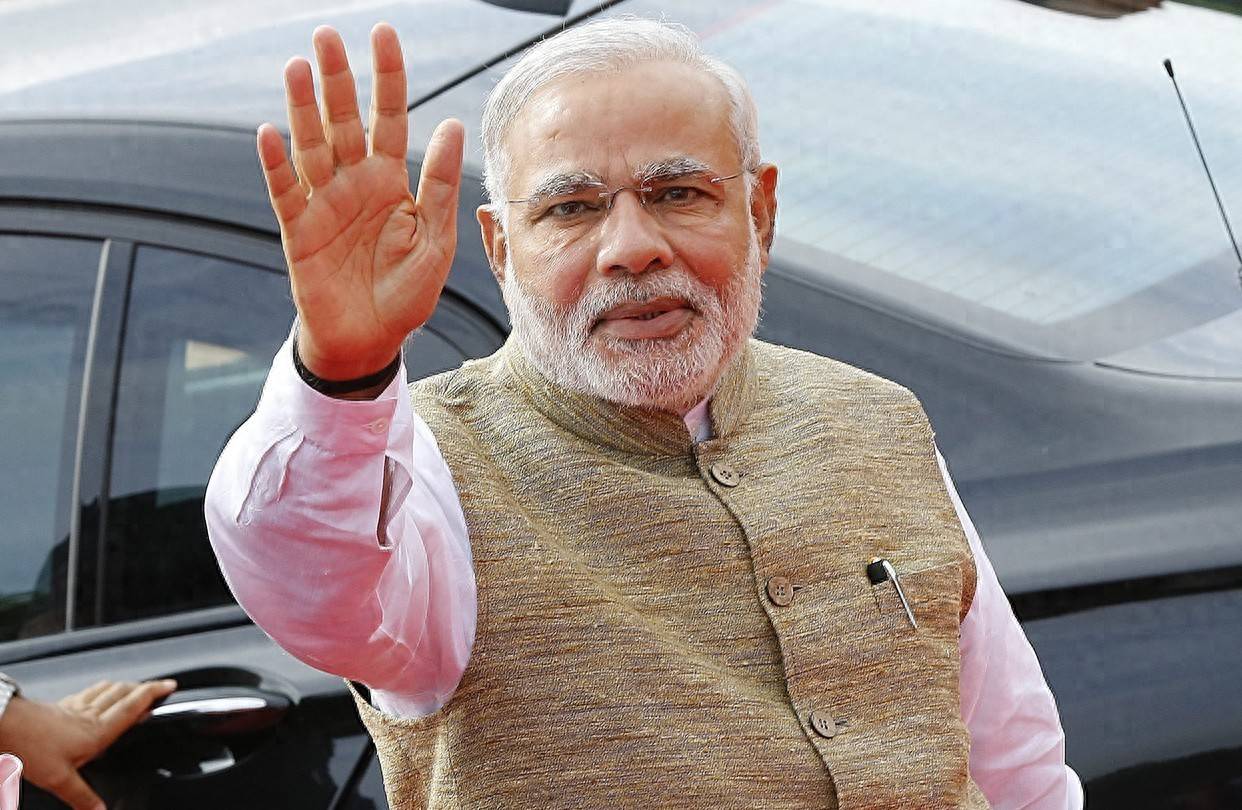
Core Viewpoint - Indian Prime Minister Modi vows to continue promoting the "Make in India" initiative and emphasizes protecting farmers' interests, positioning himself as a "wall" against external pressures [1][14]. Group 1: Trade Relations and Responses - Modi's statements are perceived as a response to Trump's punitive tariffs on Indian goods, which have reached 50%, marking a rare extreme in global trade history [3]. - The tariffs have triggered a global chain reaction, with India leading a coalition of 11 emerging economies, including Brazil and South Africa, to reach a consensus on trade strategies [3][21]. - The consensus includes establishing local currency settlement channels, sharing energy supply chains, and coordinating retaliatory tariff measures, collectively representing 22% of global GDP [21]. Group 2: Economic Impact - Following the imposition of tariffs, the Indian rupee depreciated significantly, foreign capital fled, and GDP growth forecasts were adjusted downwards by 1 percentage point [18]. - Modi's counteractions included canceling defense procurement from the U.S. and exploring transactions in yuan for oil purchases from Russia, potentially undermining the dollar's dominance in oil trade [19]. Group 3: Diplomatic Engagements - Modi plans to visit China for the Shanghai Cooperation Organization summit, marking his first official visit in seven years, and will also host Putin in New Delhi [23]. - The timing of these diplomatic engagements coincides with a period of reduced U.S. sanctions pressure, providing an opportunity for India and China to align their positions on shared challenges such as energy security and de-dollarization [25].