即时零售

Search documents
还需多久,阿里能让美团从地图上消失
水皮More· 2026-03-06 11:09
Core Viewpoint - The article emphasizes the importance of cash flow over accounting profits when evaluating a company's financial health, using McDonald's and Meituan as case studies to illustrate the differences between cash flow and reported losses [5][6]. Group 1: Company Analysis - McDonald's has a total asset of $59.5 billion and total liabilities of $61.3 billion, yet it maintains a strong cash flow with operating cash flow of $10.6 billion after capital expenditures and interest payments, indicating financial stability despite negative net assets [5]. - Meituan reported a significant operating cash outflow of 22.2 billion yuan in Q3 2025, despite a reported loss of 18.6 billion yuan, highlighting a discrepancy between accounting losses and cash flow realities [6]. - The increase in Meituan's prepaid items by 7.4 billion yuan suggests a substantial amount of cash is tied up in loans that have not yet been recovered, further complicating its cash flow situation [6]. Group 2: Financial Projections - As of September 30, 2025, Meituan has 99.2 billion yuan in cash and 42.1 billion yuan in short-term investments, indicating a total liquidity of approximately 140 billion yuan available for operations [6][7]. - Meituan's projected cash outflow for Q4 is estimated at 15 billion yuan, with expectations of reduced losses compared to Q3, suggesting a potential improvement in cash flow management [7]. - The company has options to raise additional funds through asset sales and debt issuance, with a recent issuance of 7.1 billion yuan in bonds indicating confidence from the debt market [7][8]. Group 3: Market Sentiment - The bond market's strong demand for Meituan's recent debt issuance, with a subscription rate of over 3.7 times, reflects a positive outlook on the company's financial health despite its current challenges [7]. - Internal confidence is further demonstrated by the company's leadership's decision to invest in acquisitions, such as the purchase of Dingdong, indicating a belief in the company's long-term viability [8].


好特卖张宁:我们是橡皮泥生意,越「软」越有价值丨36氪专访
36氪· 2026-03-06 00:31
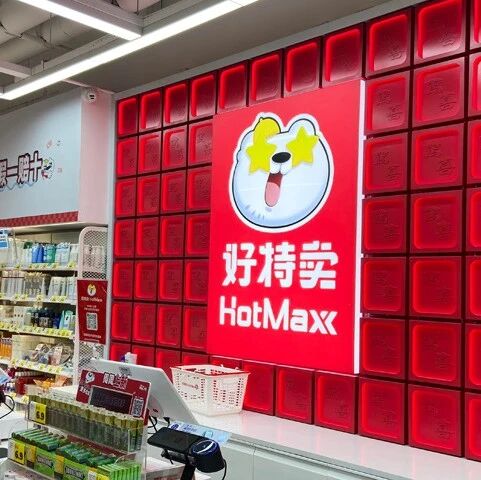
Core Viewpoint - The article discusses how HotMaxx, a discount retailer, navigates the rapidly changing retail landscape, positioning itself as a unique player in the market by focusing on brand surplus goods and innovative retail strategies [3][4]. Group 1: Company Positioning and Strategy - HotMaxx is likened to a "vulture" in the retail ecosystem, focusing on brand surplus goods that have been overlooked by traditional retailers [4]. - The company aims to achieve over 5 billion yuan in revenue by 2025, with plans to stabilize its store count at over 1,000 and achieve same-store sales growth [5]. - HotMaxx has transitioned from being a mere "scavenger" of surplus goods to a recognized partner for brands, providing market insights and serving as a testing ground for new products [6][18]. Group 2: Market Dynamics and Challenges - The retail industry is undergoing significant changes, with trends like hard discounts and instant retail reshaping consumer behavior and market strategies [11][15]. - The merger of major snack retailers in 2023 marked a pivotal moment, shifting the focus from shelf-selling to strategic purchasing decisions [14]. - HotMaxx has adapted to these changes by becoming a preferred channel for brands to manage surplus inventory and test new products, thus enhancing its value proposition [18][22]. Group 3: Consumer Engagement and Product Offering - HotMaxx's unique selling proposition lies in its ability to cater to emotional purchasing needs, allowing consumers to discover new products without pre-set expectations [24]. - The company has successfully introduced a variety of products, including snacks and novelty items, creating a fun shopping experience that appeals to younger consumers [34]. - Data indicates that a significant portion of consumers at HotMaxx are trying premium brands for the first time, highlighting the store's role in brand exposure and customer acquisition [45][46]. Group 4: Future Outlook and Innovations - HotMaxx plans to leverage AI to enhance inventory flexibility and improve interactions with brands, aiming for continuous growth alongside the industry [48]. - The company is exploring new product categories and store formats to expand its market presence, with a focus on urban youth seeking unique shopping experiences [51]. - The long-term vision for HotMaxx is to remain adaptable and responsive to market changes, ensuring its relevance in a dynamic retail environment [53].
2026年春节零售市场数据点评
Lian He Zi Xin· 2026-03-04 11:16
Retail Performance - During the 2026 Spring Festival holiday, retail consumption demand showed signs of recovery, with a 9-day holiday arrangement supporting pre-holiday purchases and holiday consumption[2] - Key retail and catering enterprises reported an average daily sales increase of 10.6% in the first two days of the holiday compared to the previous year[4] - The average daily sales of key retail and catering enterprises during the entire holiday increased by 5.7% compared to the 2025 Spring Festival, accelerating by 1.6 percentage points[4] Consumer Behavior - Offline retail saw significant growth, with foot traffic and sales in monitored shopping districts increasing by 6.7% and 7.5% respectively compared to last year[5] - Jewelry, food, and clothing categories experienced high growth rates, with jewelry sales up by 33.4%, food by 23.0%, and clothing by 17.3%[6] - Instant retail orders surged, with platforms like JD's 7Fresh seeing a 102% increase in online orders year-on-year[5] Policy Support - The "Happy New Year" promotional activities and various consumption subsidy policies provided crucial support for retail demand recovery[7] - Approximately 20.5 billion yuan was allocated for local consumption promotion funds during the holiday, directly supporting consumer spending[8] - The "old-for-new" policy benefited 31.12 million people, generating sales of 207.03 billion yuan, with a 21.7% increase in sales of specific home appliances and digital products compared to the previous year[8] Future Outlook - The sustained improvement in the retail sector will depend on macroeconomic factors such as household income and employment expectations, as well as the continuation of fiscal consumption policies[9] - The retail industry is expected to continue its moderate recovery, supported by improved service capabilities and the penetration of new business models[9]
跨界AI搜索,美团Tabbit公测,或是“一石二鸟”之计?
3 6 Ke· 2026-03-03 11:18
Core Insights - The article discusses the launch of Tabbit, an AI search product by Meituan, which aims to transform web browsing into an active intelligent assistant for users, targeting office workers, students, and creators [1][2]. Group 1: Product Overview - Tabbit integrates web browsing, search, AI dialogue, and complex task execution, distinguishing itself by focusing on post-search actions rather than just search capabilities [1]. - Developed by Meituan's "Beyond Light Year" team, Tabbit is supported by Meituan's acquisition of the team for approximately 2.065 billion yuan in June 2023 [2]. - The product connects with Meituan's LongCat-Flash-Chat language model and other major domestic models, enabling it to perform complex web operations like data extraction and form filling [2]. Group 2: Market Positioning - The AI search sector has become a competitive focus for tech giants, with Tabbit entering a market already populated by players like Perplexity, OpenAI, and Microsoft [1]. - Experts suggest that if AI search becomes a new super entry point for local life services, its commercial value could extend beyond advertising and commissions, potentially reshaping the entire retail e-commerce infrastructure [1][3]. Group 3: User Experience and Applications - Tabbit is designed to assist users in various tasks, such as online shopping, by automating processes like product searches and price comparisons [3]. - The interface features a vertical tab bar for better organization and intelligent categorization of tabs, enhancing user experience [2]. Group 4: Strategic Implications - The launch of Tabbit may serve dual purposes: expanding Meituan's presence in the tech sector and integrating with its local life services [4]. - Meituan's strategy includes three layers of AI development: AI infrastructure, AI in work, and AI in products, with Tabbit potentially enhancing the local life business segment [4]. Group 5: Future Market Potential - The instant retail market in China is projected to reach 971.4 billion yuan by 2025 and exceed 1 trillion yuan in 2026, indicating a vast opportunity for Tabbit if integrated with instant retail services [6][7]. - Experts believe that while technical integration of Tabbit with local life services is feasible, cultivating user habits will require time [7].

基本面高频数据跟踪:大宗价格延续上涨
GOLDEN SUN SECURITIES· 2026-03-03 00:55
Group 1: Core Insights - Commodity prices continue to rise, with the fundamental high-frequency index reaching 130.1 points, an increase of 6.0 points year-on-year [2] - The industrial production high-frequency index is at 129.0, showing a year-on-year increase of 5.1 points, indicating stable production growth [2] - The inventory high-frequency index stands at 165.1, reflecting a year-on-year increase of 7.4 points, suggesting a healthy inventory level [2] Group 2: Industry Performance - The coal industry showed a performance increase of 14.5% in March, while the steel industry increased by 20.1%, indicating strong demand [1] - The oil and petrochemical sector experienced a significant rise of 35.0% in March, reflecting robust market conditions [1] - The non-ferrous metals sector saw a remarkable increase of 44.7% in March, highlighting a strong recovery in this industry [1] Group 3: Agricultural Sector Insights - The agricultural sector is facing increased attention due to geopolitical factors, with rising production costs driven by higher crude oil prices [8] - The price of live pigs has dropped below 11 CNY/kg, leading to deeper losses for producers, suggesting a potential reduction in supply [8] - The mushroom market remains strong, with prices for enoki mushrooms maintaining a positive trend, indicating growth opportunities in this segment [8] Group 4: Media and Internet Sector Analysis - The media sector underperformed, with a 5.1% decline in the media index, lagging behind the Shanghai Composite Index by 7.1% [5] - The gaming sector is expected to perform well, with a focus on major titles and high demand in Q1, suggesting investment opportunities [6] - AI applications are anticipated to drive growth in the media sector, with several companies launching new products and upgrades [6]
中国企业社会化用工趋势分析报告
艾瑞咨询· 2026-02-28 00:06
Core Viewpoint - The trend of socialized employment is expanding, driven by macroeconomic pressures and the need for flexible labor arrangements in various industries, particularly in manufacturing and retail sectors [1][2][6]. Group 1: Concept and Environment - Socialized employment refers to various forms of labor relationships outside standard employment, including outsourcing, labor dispatch, hourly pay, platform-based flexible employment, and shared employment [3][4]. - The macroeconomic environment is characterized by a decline in the working-age population, leading to labor shortages and rising costs for companies, particularly in labor-intensive sectors like manufacturing and retail [1][16]. Group 2: Trends and Policy - The scale of socialized employment continues to grow, with supportive policies expected to improve further [2][9]. - The relationship between individuals and organizations is shifting from dependency to symbiosis, requiring diverse skill sets [2]. Group 3: Industry-Specific Insights - In the retail sector, socialized employment is used to manage sales fluctuations and market changes, with a significant portion of employment being flexible [1][29]. - The manufacturing sector employs socialized labor to address capacity fluctuations and strategic focus, with foreign and leading private enterprises showing a preference for this model [1][44]. Group 4: Employment Characteristics - Socialized employment in retail is characterized by high employee turnover, with rates exceeding 30% for frontline positions, leading to management challenges [37]. - In manufacturing, the recruitment process is a critical pain point, especially during peak periods, affecting production stability [52]. Group 5: Technological and Talent Dynamics - Digital technology is reshaping employment relationships, fostering new forms of platform-based flexible work that enhance labor resource allocation efficiency [12]. - The demand for cross-disciplinary and composite talents is increasing in manufacturing, driven by the need for skills in emerging technologies [54].

春节消费人气足 多个数据彰显内需活力
Xin Lang Cai Jing· 2026-02-26 19:41
Group 1 - The core viewpoint of the article highlights the significant growth in consumer spending during the Spring Festival, driven by various promotional activities and a vibrant market atmosphere [1][2][3] - The Ministry of Commerce reported that during the nine-day Spring Festival holiday, the average daily sales of key retail and catering enterprises increased by 5.7% compared to the previous year, with a 1.6 percentage point acceleration in growth [1] - Key monitored pedestrian streets saw a 6.7% increase in foot traffic and a 7.5% increase in sales revenue, indicating a strong recovery in offline consumption [1] Group 2 - The article notes that the longer Spring Festival holiday and diverse activities have further stimulated the cultural and tourism market, with significant growth in service consumption such as travel and entertainment [2] - Data shows that ice and snow consumption and winter escape consumption increased by 12.1% and 29.8% respectively, while car rental orders surged by 51% compared to last year [2] - The integration of technology and culture is emerging as a new growth point, with sales of smart glasses and intelligent robots increasing by 47.3% and 32.7% respectively during the holiday [2] Group 3 - The article emphasizes the rise of inbound consumption, with foreign tourists contributing to the market by experiencing unique shopping opportunities in China, leading to an 18.4% increase in orders for inbound travel products [3] - The sales of tax refund products in Shanghai and Sichuan saw remarkable growth, increasing by 150% and 320% respectively [3] - Overall, the multiple highlights of Spring Festival consumption are expected to lay a solid foundation for boosting consumption and expanding domestic demand throughout the year [3]
3年重注超200亿元!京东把“百亿补贴”搬进超市:拼的不是低价 是即时零售的话语权
Mei Ri Jing Ji Xin Wen· 2026-02-26 15:06
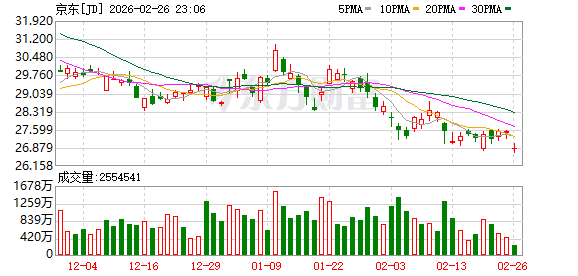
Core Insights - JD.com is launching a "100 Billion Supermarket" channel, committing over 20 billion yuan in subsidies over the next three years to achieve an additional sales increment of 200 billion yuan [2][3] - The initiative aims to enhance JD.com's presence in the supermarket sector, which is a highly competitive space among e-commerce platforms [2][5] - The strategy reflects a shift from focusing on high-value electronics to high-frequency consumer goods, indicating a defensive move against competitors like Meituan and Pinduoduo [7] Investment Strategy - JD.com plans to utilize three main methods for its subsidies: direct platform subsidies, brand direct supply, and brand authorization, emphasizing convenience without the need for group buying or price comparisons [3] - The product categories covered will include not only food and beverages but also household items, personal care, and other daily necessities [3] Market Dynamics - The supermarket sector is increasingly competitive, with Meituan gaining market share in instant retail, which JD.com must address [5][6] - Pinduoduo is also entering the supermarket space with its own "100 Billion Supermarket" initiative, focusing on low-price subsidies and limited-time coupons [4] Strategic Implications - The move to increase subsidies in the supermarket category is part of JD.com's broader strategy to transition from a focus on 3C electronics to fast-moving consumer goods [7] - This shift is seen as a necessary response to competitive pressures, particularly from Pinduoduo's previous successes in the electronics market [7] - The emphasis on quality and consumer needs in the "100 Billion Supermarket" initiative suggests a strategic pivot towards enhancing customer loyalty and repeat purchases rather than just increasing average transaction values [6][7]

顺丰同城全场景即配 支撑节后商业与生活平稳开局
Zheng Quan Ri Bao· 2026-02-26 05:09
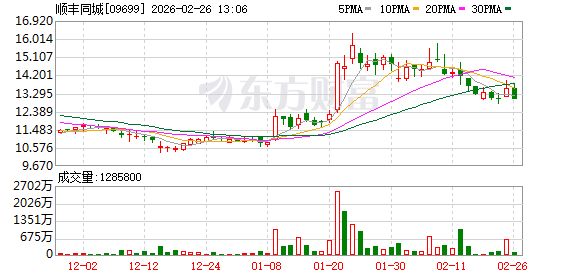
Core Insights - The article highlights the significant increase in cross-regional mobility during the 9-day Spring Festival holiday, with over 2.8 billion trips made, averaging 311 million trips per day, marking an 8.2% year-on-year growth, indicating a record high in travel volume [2] - As businesses resume operations post-holiday, there is a surge in demand for various services, including document delivery and laundry services, showcasing the importance of instant delivery as a vital link between consumption and supply [2][3] Group 1: Business and Service Demand - The return of employees to work has led to a spike in the volume of business transactions, necessitating efficient and timely handling of documents, making instant delivery the preferred choice for office document delivery [3] - SF Express's instant delivery service has established a secure service system for document delivery, ensuring accuracy through unique pickup and delivery codes, and offering specialized services for high-value documents [3] - The demand for laundry services has also increased as temperatures rise post-holiday, with SF Express providing a one-stop service for clothing care, including real-time tracking and compensation mechanisms for service issues [4] Group 2: Market Trends and Consumer Behavior - The resumption of work has led to a notable increase in demand for coffee and afternoon tea orders during peak hours, highlighting the need for efficient delivery services to support beverage brands [5] - SF Express supports various delivery channels, including takeaway platforms and private mini-programs, ensuring timely and safe delivery even during peak periods [6] - The integration of instant retail channels is becoming essential for retail businesses to connect with local customers and accelerate inventory turnover, with SF Express collaborating with major retailers to provide rapid delivery services [6] - The role of third-party instant delivery services, exemplified by SF Express, is evolving into a crucial facilitator for consumption and business recovery, acting as a lubricant and booster for economic activities [6]
从双11霸榜到扎堆开店,国货美妆为何突然变“重”了?
Hua Er Jie Jian Wen· 2026-02-25 13:49
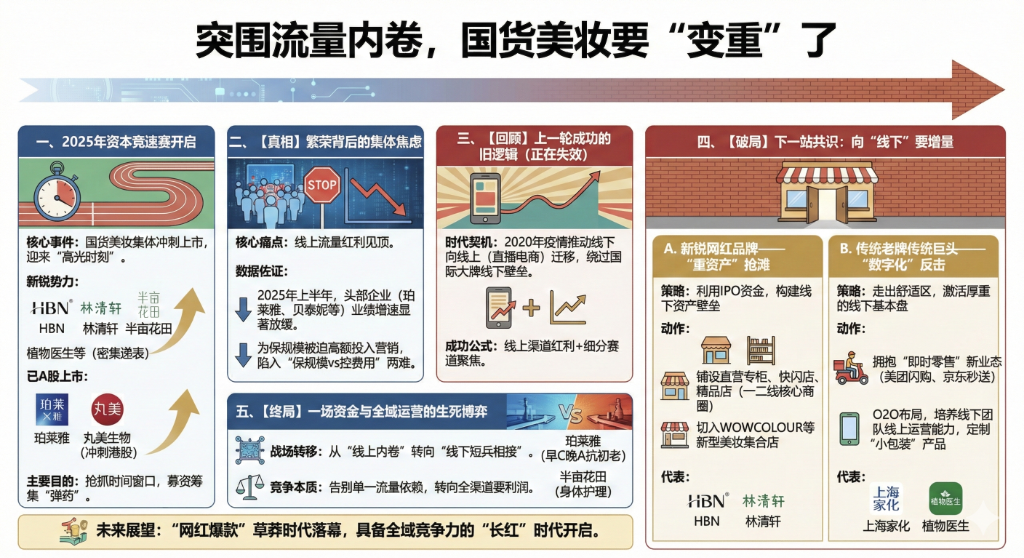
Core Insights - The Chinese beauty industry has entered a capital race since 2025, with numerous domestic brands filing for IPOs, including Lin Qingxuan, HBN, and others [1][2] - Despite the apparent boom, there is significant industry anxiety due to the saturation of online traffic and diminishing returns from traditional growth strategies [2][14] - The consensus among brands is to seek growth through offline retail, with new brands aggressively expanding their physical presence to build asset barriers [2][18] Industry Dynamics - The current wave of domestic brands represents a channel battle, as they seek to break through the dominance of international brands that have historically controlled retail spaces [4][5] - The COVID-19 pandemic in 2020 marked a turning point, shifting consumer habits and enabling domestic brands to leverage online platforms for growth [6][7] - Brands like HBN have rapidly grown, achieving over 2 billion yuan in annual revenue within seven years, while others like Winona have captured significant market share [6][7] Brand Strategies - Emerging brands are adopting differentiated strategies, focusing on niche markets rather than broad brand narratives [8] - For instance, HBN targets the "night owl" lifestyle, while other brands focus on specific skincare needs, allowing them to avoid competition in saturated markets [8][9] - Established brands like Proya and Shiseido have also found renewed success by targeting specific segments and enhancing their online presence [9][10] Financial Performance - The financial performance of major brands has shown signs of slowing growth, with Proya and others experiencing significant declines in revenue growth rates [13][14] - New brands aiming for IPOs have also reported modest growth, with a median revenue increase of 23% in 2024 [13] Offline Expansion - Many new brands are prioritizing offline expansion to counteract the challenges of online marketing, with plans to open stores in key urban areas [18][19] - The need for substantial funding for these offline initiatives highlights the urgency for brands to secure IPOs to support their growth strategies [20][21] Competitive Landscape - The rise of new beauty brands is putting pressure on established players, who must adapt to the changing landscape by enhancing their online and offline strategies [23][29] - Traditional brands are increasingly investing in instant retail and digital transformation to maintain their market positions [29][30] Future Outlook - The current IPO rush reflects a critical phase in the evolution of the beauty industry, marking both an assessment of past strategies and the beginning of a new competitive era [12][33] - The transition from a focus on online sales to a more integrated approach involving both online and offline channels will be crucial for long-term success [32][33]