
盘活存量资产

Search documents
五矿资本(600390.SH)子公司五矿信托拟与五矿地产控股共设合资公司
智通财经网· 2025-11-19 08:38
Core Viewpoint - Wenkang Capital (600390.SH) announced a joint investment with its controlling shareholder, China Minmetals Corporation, to establish a joint venture in Beijing with a registered capital of 1 billion yuan [1] Group 1: Investment Structure - Wenkang Trust will contribute 300 million yuan, holding a 30% equity stake in the joint venture [1] - Wenkang Real Estate Holdings will contribute 700 million yuan, holding a 70% equity stake in the joint venture [1] Group 2: Strategic Objectives - The joint venture aims to enhance asset operation efficiency and effectiveness by utilizing a package of trust assets related to the real estate sector [1] - The collaboration will leverage Wenkang Real Estate Holdings' extensive experience and expertise in the real estate industry for professional management [1] - The initiative is expected to effectively revitalize existing assets and optimize resource allocation [1]

西昌144套、福州51套⋯⋯国资批量卖房引关注
3 6 Ke· 2025-11-19 02:37
Core Viewpoint - Recent actions by local state-owned asset platforms to sell properties have garnered significant attention in the industry, although such asset disposal is not new. The impact of these sales on the overall real estate market is considered limited, and there is no expectation of substantial discounts upon listing [1][4]. Group 1: Recent Sales Activities - Multiple local state-owned platforms have recently listed properties for sale, including residential units, commercial spaces, and parking spots. Notably, the city of Xichang in Sichuan has auctioned 144 state-owned housing units in three packages, with prices ranging from 3,017 yuan to 5,799 yuan per square meter [2][3]. - In Fuzhou, 51 market-oriented residential units were listed for auction, with total prices ranging from 447,000 to 1,536,000 yuan, averaging 11,000 yuan per square meter [2]. - Guizhou Dachen Construction Development Co., Ltd. has also listed properties in multiple cities, with prices between 220,000 and 730,000 yuan, most of which are currently idle [2][3]. Group 2: Reasons Behind Asset Sales - The surge in state-owned asset sales is attributed to several factors, including asset optimization strategies, financial pressures, and policy-driven asset activation initiatives. State-owned enterprises face pressures to maintain asset value and meet profit tax obligations, especially in light of stricter assessments on tax contributions [3][6]. - The 2022 State Council document emphasized the need for flexible methods to effectively activate various types of existing assets, which has influenced the current trend of asset sales [3]. Group 3: Market Impact Analysis - The impact of state-owned property sales on the overall market is expected to be minimal, as individual cases are relatively small in scale. However, the increase in supply from various entities, including state-owned enterprises, may lead to some market disturbances [4][6]. - The auction process for state-owned properties is structured to ensure fairness and asset value preservation, with initial listing prices set according to appraisals. Discounts may only occur in subsequent auction rounds if there are no bidders [5][6]. - The current real estate market is under downward pressure, and the influx of state-owned properties may contribute to ongoing adjustments in supply and demand dynamics, although it is unlikely to disrupt the overall stability of the market [6].
中材节能:拟挂牌出售超5000万房产 2025年前三季度净利同比下降94%
2 1 Shi Ji Jing Ji Bao Dao· 2025-11-19 02:31
Core Viewpoint - The company aims to optimize resource allocation and focus on core business development through the sale of a property, which reflects its strategic transformation and industrial upgrade efforts [1] Financial Performance - In Q3 2025, the company reported a net profit attributable to shareholders of 22.03 million yuan, a significant increase of 461.38% year-on-year, indicating improved profitability in its main business [1] - However, the cumulative net profit for the year up to the reporting period was only 1.58 million yuan, representing a substantial decline of 94.13% year-on-year [1] - The net profit after deducting non-recurring gains and losses was a loss of 4.56 million yuan, a decrease of 126.21% year-on-year [1] - The profit growth in Q3 was primarily attributed to improvements in the clean energy sector, while the overall decline in net profit for the year was mainly due to reduced investment income and increased credit impairment losses [1]

公募REITs,有望修复!
中国基金报· 2025-11-16 13:03
Core Viewpoint - Public REITs in China are evolving from financial innovation tools to significant drivers of infrastructure construction and high-quality economic development [2][3]. Group 1: Role and Impact of Public REITs - The National Development and Reform Commission has recommended over 100 REITs projects to the China Securities Regulatory Commission, covering ten industries, expected to drive total new project investments exceeding 1 trillion yuan [3]. - Public REITs play a crucial role in revitalizing assets, optimizing finances, and enhancing operational efficiency, with expectations for more asset types and long-term capital inflow to promote high-quality market development [3][4]. - Public REITs create a sustainable path for new investments by revitalizing a vast amount of existing assets and facilitating the investment-financing cycle [5][10]. Group 2: Financial Structure and Efficiency - Public REITs improve corporate balance sheets and alleviate debt financing pressures for original equity holders, broadening social capital investment channels and enhancing asset diversification [6][7]. - The market-driven mechanism of public REITs compels infrastructure operators to focus on operational efficiency, injecting internal momentum for high-quality development [8][10]. - The mechanism linking value and asset operational efficiency drives the transformation of the infrastructure sector towards refinement and specialization [10]. Group 3: Future Expectations and Market Dynamics - The public REITs market is expected to further expand, with improved liquidity anticipated, especially during the 14th Five-Year Plan period [11][12]. - Long-term capital, including social security funds and pensions, is expected to enter the market as public REITs align with their risk-return profiles [12][31]. - The market sentiment for public REITs is anticipated to recover, driven by policy support and the stabilization of underlying asset cash flows [29][30]. Group 4: Investment Opportunities and Strategies - Investors are advised to focus on stable, defensive, and policy-supported REITs assets, particularly those with stable cash flows and strong operational improvements [22][23]. - The current market environment presents opportunities for long-term investment in public REITs, especially in sectors like data centers and consumption-related infrastructure [22][23]. - The adjustment in prices has enhanced the dividend yield of quality REITs, making them attractive for long-term capital [31][32].

猛!今年沈阳众多“烂尾楼”和闲置楼宇原地复活!
Sou Hu Cai Jing· 2025-11-15 03:43
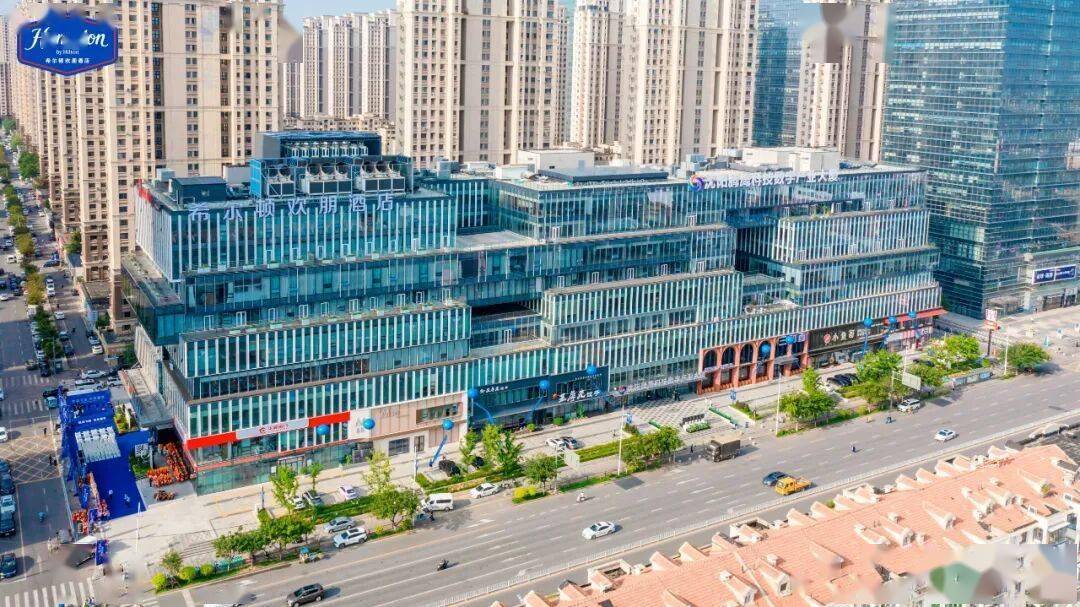
Core Insights - The Shenyang real estate market has been showing positive signals since the beginning of the year, with new companies entering the market and various new projects being launched, alongside efforts to revitalize older properties [1] Group 1: Revitalization of Idle Properties - The Hilton Garden Inn in Tawan opened in August, transforming a nearly ten-year idle commercial building into a hotel, filling a gap in high-quality business reception facilities in the region [3] - The Shenyang Natural Resources Bureau plans to convert a plot on Nanjing North Street from commercial to medical use, potentially allowing for the expansion of the nearby First Hospital of China Medical University [4][7] - The Guofang Building, which has been idle for a long time, is undergoing demolition to make way for a cultural and technology center, with an estimated investment of 200 million yuan [9] - The Silver鼎 Building, which has been a "stalled" project for 30 years, has begun demolition, with plans for future use pending approval [10] - The "American Home" project, which has been idle for over 20 years, has started demolition, with plans for residential development in the future [12] Group 2: Project Restart and New Developments - The Radisson Hotel project, which faced multiple stoppages, has been successfully auctioned and is set to be developed into a significant commercial office building in the Hunnan District [14] - The Mingjing International project, which had been dormant for over a decade, has resolved its debt issues and is now being revitalized [17] - The Shimao Wulihe project in Heping District is transitioning from commercial to mixed-use residential, with plans for high-end residential products [19][21] - The Liaoning Central Enterprise Building project has officially launched, aiming to create a comprehensive service platform for central enterprises and financial institutions [23][24]
盘活存量资产、提升债权回收率 银行转变思路下场卖房
Zhong Guo Zheng Quan Bao· 2025-11-12 00:49
Core Insights - The number of properties directly sold by banks has increased significantly, with a 24.7% year-on-year growth in "bank direct supply" properties on the Alibaba asset platform during the auction period from November 1 to November 11 [1][2] - This trend indicates a shift in banks' asset disposal strategies from primarily "To B" (business) to a balanced approach of "To B" and "To C" (consumer), driven by the need to revitalize existing assets and improve debt recovery rates [1][3] Group 1: Market Dynamics - On November 11, over 170 properties, including shops, residential units, and office buildings, were up for auction, with starting prices ranging from 30,000 to over 40 million yuan [2] - The increase in bank direct sales is attributed to the growing asset disposal needs of small and medium-sized banks, particularly rural commercial banks, as well as larger state-owned banks [3][2] - The current real estate market adjustment has prompted banks to focus on debt recovery to prevent further asset price declines, marking a proactive approach to asset management [3][6] Group 2: Advantages of Bank Direct Sales - Bank direct sales offer clearer property rights compared to judicial auction properties, as banks acquire complete ownership through debt claims before selling [3][4] - Properties sold directly by banks typically have lower starting prices than market rates, providing potential buyers with advantageous purchasing opportunities [4][5] - The efficiency of direct sales allows banks to accelerate the recovery of funds, contrasting with traditional lengthy asset disposal processes [4][5] Group 3: Regulatory and Consumer Considerations - Recent regulatory changes, such as the implementation of the "Commercial Bank Financial Asset Risk Classification Measures," encourage banks to actively manage and dispose of non-performing assets [6] - As banks increasingly engage in direct sales to consumers, it is essential for buyers to conduct thorough due diligence on property conditions and potential hidden issues [7][6] - The need for regulatory oversight is emphasized to prevent disorderly price declines in the real estate market, ensuring a balanced approach to asset management [6]
激活存量资源潜力 赋能城市高质量发展(专题深思)
Ren Min Ri Bao· 2025-11-11 22:40
Core Viewpoint - The article emphasizes the importance of balancing the utilization of both incremental and stock resources to enhance resource allocation efficiency, which is crucial for promoting high-quality urban development [1] Group 1: Urban Development Strategies - The transition from large-scale land development to revitalizing existing urban resources is a necessary requirement for stable urbanization, as seen in developed economies [2] - Historical examples include the transformation of London's Canary Wharf and Hamburg's HafenCity, which successfully repurposed old industrial areas into modern urban spaces [2] Group 2: Activation of Stock Resources - Since the reform and opening up, China has experienced rapid urbanization, leading to a significant accumulation of land, housing, and infrastructure resources [3] - Activating stock resources is essential for transforming urban development methods, optimizing economic structures, and converting growth drivers [3] - Cities often face inefficiencies due to overbuilding and inadequate operational planning, highlighting the need for tailored approaches to activate stock resources [3] Group 3: Economic Structure Transformation - The contribution of the tertiary sector to GDP is projected to reach 56.7% by 2024, necessitating adjustments in urban resource functions to support industrial transformation [4] - Various initiatives have been undertaken, such as converting old factories into tech incubators and updating traditional commercial areas into cultural and tourism complexes [4] Group 4: Collaborative Efforts for Resource Activation - Activating urban stock resources requires top-level design, local innovation, and active market participation to convert dormant value into dynamic growth [5] - Recent policies have been introduced to provide institutional support for the revitalization of urban stock assets [5] - A comprehensive understanding of asset inventories and the establishment of cross-departmental collaboration mechanisms are essential for effective urban renewal planning [5][6] Group 5: Infrastructure Management - Improving the management of infrastructure assets is crucial for enhancing operational efficiency and achieving a balance between economic and social benefits [7] - Strategies include expanding the functions of public facilities and implementing dynamic pricing mechanisms for public utilities to ensure sustainable asset operations [7]
盘活存量资产 提升债权回收率银行转变思路下场卖房
Zhong Guo Zheng Quan Bao· 2025-11-11 20:09
Core Insights - The number of properties directly sold by banks has increased significantly, with a 24.7% year-on-year growth noted on the Alibaba asset platform for the auction period from November 1 to November 11 [1][2] - The shift in asset disposal strategy from a "To B" focus to a dual approach of "To B" and "To C" is driven by the need to revitalize existing assets and improve debt recovery rates [2][4] - The trend of banks selling properties directly is seen as a crucial method for managing non-performing assets and mitigating losses [1][4] Group 1: Market Trends - The auction of over 170 properties on November 11 included various types such as commercial spaces, residential units, and office buildings, with starting prices ranging from 30,000 to over 40 million yuan [1] - The increase in direct sales is attributed to the growing need for banks, especially smaller regional banks, to dispose of larger asset volumes [2][4] - The current real estate market adjustment has prompted banks to prioritize debt recovery to prevent further asset price declines [3][4] Group 2: Advantages of Direct Sales - Properties sold directly by banks have clearer ownership compared to judicial auction properties, reducing transaction risks and expediting asset disposal [3] - The starting prices for bank-sold properties are typically lower than market prices, providing potential buyers with advantageous purchasing opportunities [3] - Banks are also exploring options to auction rental rights of these properties, catering to short-term housing needs [3] Group 3: Regulatory and Consumer Considerations - Recent regulatory changes have encouraged banks to actively manage and dispose of non-performing assets, with local governments supporting the inclusion of bank-sold properties in affordable housing initiatives [4] - Consumers are advised to conduct thorough due diligence on properties, including verifying the current condition and any potential hidden issues such as existing debts or tenant agreements [5] - It is essential for buyers to carefully review contract terms to avoid pitfalls related to liability and payment conditions [5]
从债市转向结构化资产,ABS成险资布局新焦点
Xin Lang Cai Jing· 2025-11-10 12:46
Core Insights - The decline in the 10-year government bond yield to 1.75% and the narrowing returns from traditional investment channels have led life insurance companies to lower the preset interest rates for new products, highlighting the demand for stable long-term returns from the asset side [1] - The issuance scale of insurance-backed Asset-Backed Securities (ABS) reached 274.578 billion yuan in the first three quarters of 2025, marking a year-on-year growth of 25.1% [1][3] Group 1: ABS Market Dynamics - Leading insurance asset management institutions are significantly increasing their investment and issuance of ABS, with 15 insurance asset management companies issuing such products this year [3] - Major players like China Life, Ping An Insurance, and Taikang Life are actively participating in the ABS market, with notable projects including China Life's first exchange-traded ABS and Ping An's green leasing ABS [3][4] - The ABS products cover various sectors such as financing leasing, infrastructure toll rights, and policy loans, indicating a strategic shift towards ABS for asset allocation [4] Group 2: Benefits of ABS for Insurance Funds - ABS products are favored by insurance funds due to their higher yield compared to bonds, with an average yield increase of about 30 basis points for similar credit levels [5] - The structured design of ABS allows for risk control and enhances the safety and liquidity of insurance funds, making them an effective tool for asset-liability matching [5] - The growing benefits of ABS are expected to increase its proportion in insurance fund allocations, with the potential to activate a significant amount of existing assets in the market [6] Group 3: Impact on the Real Economy - ABS financing plays a positive role in revitalizing existing assets and reducing financing costs, particularly for state-owned enterprises facing high overseas financing costs [6] - The collaboration between insurance asset management and public funds in issuing public REITs based on infrastructure equity projects can further stimulate investment in the real economy [6] - The potential market for ABS is substantial, with estimates suggesting that even a small percentage of the existing asset scale could lead to a market size of approximately 2 trillion yuan for alternative investments [6]
大位科技拟挂牌转让部分资产 专注核心主业
Zhi Tong Cai Jing· 2025-11-10 11:27
Core Viewpoint - The company, Dawi Technology (600589), is focusing on its strategic direction by concentrating on its core business and enhancing asset utilization efficiency through the public transfer of its total factory area, which includes land use rights and building ownership, to increase liquidity and sustainable operational capacity [1] Group 1 - The company plans to publicly transfer its total factory area located in the northern part of Donghu Road, east of Xinxing East Road, in the Rongcheng District of Jieyang City [1] - The initial public transfer price for the total factory area is set at 16.21 million yuan, based on the assessed value, with the final transaction amount to be determined by the actual sale price [1] - This move aims to revitalize existing assets and enhance the company's liquidity [1]
