产教融合

Search documents
库卡全球首发多场景自动化解决方案 覆盖五大行业
Zheng Quan Shi Bao Wang· 2025-09-24 09:58
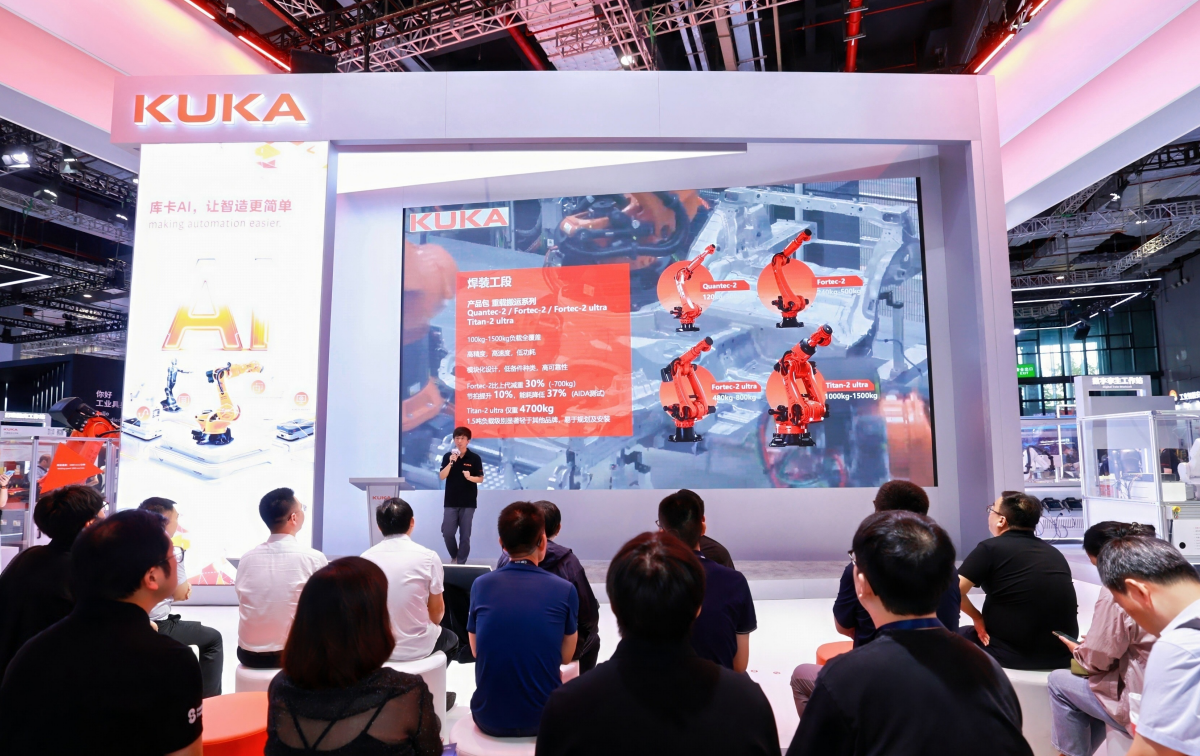
Core Insights - KUKA China, a subsidiary of Midea Group, launched multi-scenario automation solutions at the 25th China International Industry Fair, targeting five key industries: aerospace, automotive, new energy, medical, and education [1] Aerospace Industry - The aerospace manufacturing sector faces significant challenges, including production efficiency bottlenecks, quality consistency issues, and lengthy production line construction cycles [3] - KUKA introduced a high-precision assembly system that integrates CoboManip robotic arms, sealing systems, and quality inspection modules, achieving full automation from component handling to fuselage assembly with a positioning accuracy of 0.05mm and a payload capacity of 125kg [3] - The omniMove omnidirectional mobile platform, developed by KUKA's logistics arm, can carry up to 90 tons, enhancing space utilization and operational efficiency in the aerospace sector [3] Automotive Industry - KUKA has developed a flexible manufacturing system covering all process segments for the automotive industry, addressing the need for high load and inertia characteristics in integrated die-casting parts and battery packs [4] - Advanced technologies such as ServoGun spot welding, BestFit door installation, and AI-driven modules have been integrated into KUKA's automotive automation solutions, ensuring high stability and adaptability [4] New Energy Sector - KUKA offers end-to-end solutions for new energy applications, including lithium-ion and hydrogen fuel cell production, with robots known for high precision and stability [4] - The assembly system for fuel cells achieves a stacking precision of ±0.02mm, significantly improving consistency and overall yield rates [4] Medical Sector - KUKA, in collaboration with Swisslog Medical, provides smart medical solutions that cover various aspects of healthcare, including drug development, laboratory testing, and hospital logistics [5] - The medical logistics system includes automated solutions for material management in over 850 hospitals globally [5] Education Sector - KUKA Education focuses on integrating industry and education, creating a new ecosystem for vocational training that includes German original textbooks and a comprehensive curriculum [5] - The establishment of KUKA-authorized academies and certification programs aims to empower students from learning to employment [5]

新东方烹饪学子蝉联全国职业技能大赛烹饪(西餐)项目冠军
Xin Lang Zheng Quan· 2025-09-24 09:34
Core Points - The third National Vocational Skills Competition concluded successfully in Zhengzhou, Henan, with Wang Zhiwei from Anhui New Oriental Culinary School winning the national championship in the Western cuisine category, highlighting Hefei's ongoing advantage in skilled talent cultivation [1][2][4] Group 1: Competition Overview - The National Vocational Skills Competition is the highest standard, most comprehensive, largest scale, and strongest level national vocational skills event in China, featuring 106 competition projects and attracting 3,420 contestants from various provinces and industries [2] - The theme of this year's competition was "Skills Illuminate the Future," emphasizing the importance of vocational skills in career development [2] Group 2: Hefei's Achievements - Hefei has demonstrated a strong commitment to building a skilled talent workforce, with a focus on promoting learning and training through competitions, as evidenced by consecutive gold medals in the Western cuisine category [2][4] - The success of Wang Zhiwei not only showcases individual skill but also serves as a strong testament to the achievements of Hefei's vocational education [2][4] Group 3: New Oriental Culinary Education's Role - New Oriental Culinary Education actively responds to Hefei's policies on skilled talent cultivation by enhancing practical training, introducing industry mentors, and conducting modular training sessions to improve students' overall competitive skills and professional qualities [4][6] - The brand's students have consistently won multiple honors in high-level competitions, reflecting a solid foundation and continuous breakthroughs in the field of skill education [4][6] Group 4: Future Directions - New Oriental Culinary Education plans to further improve the vocational skills competition system, strengthen technical school construction, and promote school-enterprise cooperation to accelerate the cultivation of high-quality skilled talents that meet the needs of economic and social development [6]

教育告别象牙塔:实践成果可抵论文,学生站上生产一线
21世纪经济报道· 2025-09-24 08:00
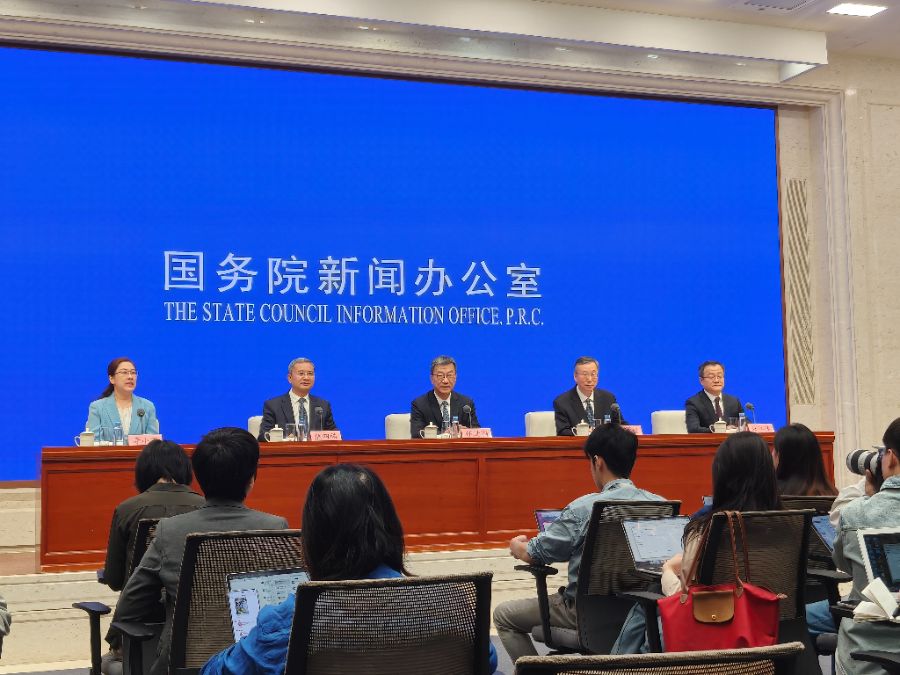
Core Viewpoint - The article discusses the progress and achievements in building a strong education system during the "14th Five-Year Plan" period, emphasizing the role of higher education in supporting economic development and technological innovation [1][3]. Group 1: Higher Education's Role - Higher education institutions have become the main force in national basic research and a source of major technological breakthroughs, providing a rich talent resource for economic resilience [3][5]. - "Double First-Class" construction is highlighted as a key initiative, with these universities producing over 50% of the country's master's degrees and 80% of doctoral degrees, fulfilling over 90% of national high-level talent training tasks [5][6]. - A significant reform allows students to apply for degrees based on practical achievements, such as patents and product designs, rather than traditional thesis requirements, marking a shift towards innovation-driven education [6][9]. Group 2: Technology Transfer and Innovation - During the "14th Five-Year Plan," over 75% of national natural science and technology invention awards came from universities, indicating their pivotal role in advancing high-level technological self-reliance [9]. - Universities are establishing regional technology transfer centers and optimizing university science parks to create a comprehensive system for technology commercialization, facilitating the transition from research to market [9][10]. - Notable examples include the establishment of various research institutes and technology transfer platforms that have successfully connected over 4,800 university research outcomes with industry [10][11]. Group 3: Vocational Education and Industry Support - Vocational education is crucial for supporting industrial upgrades, with China having the world's largest vocational education system, comprising over 9,300 secondary vocational schools and 1,562 higher vocational institutions [12][13]. - The government plans to add 12,000 new vocational programs during the "14th Five-Year Plan," with 50% focused on engineering and technology fields, enhancing the alignment of skills training with regional economic needs [12][13]. - Collaborative programs between universities and enterprises, such as the "on-site engineer" class, aim to improve students' practical skills and adaptability to complex manufacturing environments [13].

“十四五”期间高等教育累计向社会输送5500万人才——办好人民满意的教育
Ren Min Ri Bao· 2025-09-24 04:12
Core Insights - The "14th Five-Year Plan" period has seen significant progress in building a strong education system in China, focusing on moral education and integrating various educational approaches [1][2][3] Group 1: Education Quality and Accessibility - China has established the largest and high-quality education system, ensuring equal access to education for children [2] - By the end of 2024, 246 districts and counties are expected to achieve quality balanced education, with 2895 county-level administrative units already reaching basic balanced education [2] - The proportion of migrant children attending public and government-subsidized schools has increased to over 97%, up by 11.2 percentage points since the end of the 13th Five-Year Plan [2] Group 2: High School and Higher Education Development - The revitalization of county-level high schools is a key focus for ensuring equitable and quality basic education [3] - The gross enrollment rate for higher education has increased from 30% in 2012 to 60.8%, marking a significant advancement towards universal access [3] - A total of 123.5 million students from rural and impoverished areas have been admitted to key universities through targeted enrollment plans [3] Group 3: Contribution to Economic Development - During the "14th Five-Year Plan," higher education institutions have trained 55 million talents to support national innovation and modernization [4] - Over 75% of national natural science awards and more than 50% of national technological advancement awards have been attributed to universities [4] - A new ecosystem for technology transfer from universities has been established, with 28 public transformation platforms created, facilitating the transfer of over 4800 research outcomes [4] Group 4: Vocational Education and Skills Development - Vocational education contributes over 70% of the newly added high-quality skilled talents in modern industries [5] - China has built the world's largest vocational education system, with 9302 secondary vocational schools and 3400 million students enrolled [5] - In the past five years, 12,000 new vocational programs have been added, with 50% focused on engineering and technology [5] Group 5: Comprehensive Educational Reform - The "14th Five-Year Plan" coincides with the second round of "Double First-Class" construction, enhancing the development of universities and disciplines [6] - Significant reforms in graduate evaluation methods have been implemented, allowing for innovation achievements to be considered for degree applications [6] - The national digital education strategy has been fully implemented, with a smart education public service platform covering over 200 countries and regions [7]
连续三届助力全国技能大赛 新大陆发力数字技能产教融合
Huan Qiu Wang· 2025-09-24 03:14
Group 1 - The third National Skills Competition was held in Zhengzhou, Henan, from September 19 to 23, organized by the Ministry of Human Resources and Social Security and the Henan Provincial Government, featuring over 3,400 contestants from 35 delegations across 106 competition projects [1] - Newland Technology Group served as a senior partner and key technical support unit for the event, providing comprehensive support for the "Internet of Things Installation and Debugging Competition," which focuses on assessing contestants' comprehensive technical abilities in critical areas such as device integration and smart control strategies [1] - The competition aims to enhance participants' technical application capabilities in the era of the Internet of Things and promote the large-scale application of IoT technology in the digitalization of industries, contributing to new infrastructure development [1] Group 2 - Newland has sponsored the National Skills Competition for three consecutive years, reflecting the company's commitment to national strategies and the integration of industry and education, while also focusing on cultivating digital technology talent [1] - At the event, Newland showcased its technological capabilities and innovative achievements aimed at empowering vocational education and aligning talent development with industry needs, including the latest results in talent training systems and integrated solutions [1] - The company plans to continue leveraging advanced technology and professional services in future competitions to promote the value of skills and support the development of vocational skills in China [2]

一年落子三所技师学院 “职教航母”中国东方教育锚定高质量职教发展
Zhong Zheng Wang· 2025-09-24 01:34
Core Viewpoint - China Oriental Education Group has strategically established three vocational colleges to enhance its educational ecosystem through a "industry + capital + region" approach, focusing on local economic development and talent needs [1][7]. Group 1: Strategic Expansion - The three vocational colleges are located in East China, North China, and Southwest China, aligning their programs with local industry demands, thereby strengthening the group's educational capabilities [1][2]. - The establishment of these colleges broadens the recruitment scope, allowing the group to attract students from secondary vocational schools, higher vocational colleges, and beyond, especially under the backdrop of policies promoting higher vocational education [1][3]. Group 2: Specialized Focus Areas - Anhui Wantong, now a vocational college, focuses on the new energy vehicle sector, offering programs that align with the local industry's needs, particularly in the context of major companies like BYD and NIO [2]. - Shanxi Metallurgy Vocational College, acquired by the group, emphasizes CNC technology and electrical automation, aiming to cultivate high-skilled talent for the smart manufacturing sector [2]. - Guiyang New Oriental Culinary Vocational College, the first of its kind in Guizhou, targets the culinary field, supporting the local restaurant and tourism industries while also contributing to rural revitalization efforts [3]. Group 3: Educational Quality and Recognition - The approval of these vocational colleges marks a significant milestone for China Oriental Education, indicating official recognition of its educational standards and capabilities [4][5]. - The colleges will facilitate a pathway for high-skilled talent development, enhancing students' prospects in terms of further education and career advancement [6]. Group 4: Industry Trends and Policy Alignment - The establishment of these colleges reflects a broader trend in the vocational education sector towards high-quality, integrated development, aligning with national policies that encourage participation from various stakeholders [7]. - The focus on local industries and emerging sectors in the colleges' program offerings demonstrates a commitment to aligning vocational education with regional economic needs [7]. Group 5: Long-term Strategic Goals - The strategic establishment of these vocational colleges is aimed at solidifying the group's foundational development, enhancing brand influence, and opening up high-value business growth opportunities [8].
育人对标产业需求 产教融合赋能应用型人才培养
Xin Hua Ri Bao· 2025-09-23 21:50
Core Viewpoint - Jiangsu Vocational College of Transportation is focusing on integrating education with industry to cultivate high-quality technical talents that meet the demands of the evolving transportation industry and contribute to regional economic development [1][2][3] Group 1: Talent Development Strategy - The college has enrolled over 2,400 new students, emphasizing the importance of applying education to meet industry needs [1] - The college plans to introduce two new majors in engineering safety evaluation and intelligent control technology by 2025, while also updating traditional majors to include industrial internet and artificial intelligence [1] - The college's approach is to align its curriculum with the demands of emerging industries such as smart transportation and new energy vehicles [2] Group 2: Curriculum and Industry Integration - The college is developing a comprehensive curriculum that includes courses on industrial robotics, drone applications, and internet of things technologies to address the smart and connected transformation in the transportation sector [2] - A complete course system is being established for new energy vehicles, covering everything from batteries to vehicle maintenance, in support of the national "dual carbon" strategy [2] - The college is enhancing traditional road and bridge programs by integrating AI and big data analysis to meet modern engineering needs [2] Group 3: Quality of Education and Collaboration - The college is breaking away from traditional teaching methods by incorporating industry standards and practices into the entire talent cultivation process [2][3] - A collaborative ecosystem involving government, industry, enterprises, and schools is being built to enhance the effectiveness of talent training [2][3] - The college is continuously updating its teaching plans based on industry needs, ensuring that students are well-prepared for the job market [3]
张汝京,受聘加入
半导体芯闻· 2025-09-23 10:38
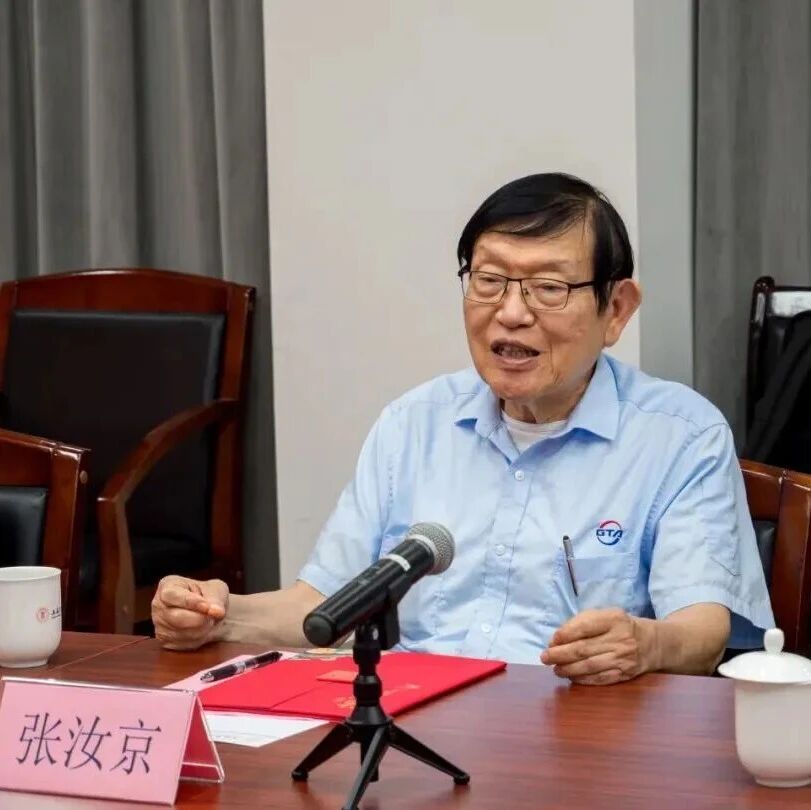
来源:内容来自上海电力大学官微,谢谢。 为加强校企合作、促进产教融合,进一步提升人才培养质量,日前,我校举办特聘教授张汝京博士 聘任仪式。美国达拉斯浸会大学副校长Randy Byers及代表团,我校党委副书记、校长顾春华,党 委副书记、副校长朱克勇,以及人事处、国交处、电信学院、数理学院相关负责人参会。聘任仪式 由人事处处长李永斌主持。 如果您希望可以时常见面,欢迎标星收藏哦~ 未来,学校将 持续以校企合作为抓手 紧密对接区域经济社会发展需求 推动人才培养与产业升级深度融合 为地方经济高质量发展 注入强劲的人才动能 专家介绍 顾春华对美国达拉斯浸会大学代表团的到访及张汝京教授的受聘加入表示热烈欢迎,并介绍学校发 展历程及在人才培养、能源电力特色学科布局、高层次人才培养等方面取得的显著成绩。他表示, 此次聘任将为学校在应用型人才培养及相关学科实现高质量发展提供重要助力。 顾春华为张汝京博士颁发聘书 张汝京教授感谢上海电力大学给予信任与支持。他介绍了自己在美国达拉斯浸会大学的学习经历, 表示受聘特聘教授是压力也是责任,将积极投身人才培养、师资建设、产学研平台建设,打破校企 壁垒,推动产教融合向纵深发展。 张汝京博 ...
科锐国际:公司在校企合作方面始终积极响应国家战略与市场需求
Zheng Quan Ri Bao Wang· 2025-09-23 09:44
Group 1 - The company actively responds to national strategies and market demands in school-enterprise cooperation [1] - The company continues to deepen the integration of industry and education, focusing on strategic emerging industries [1] - The company implements customized training programs to connect talent sources and collaborates with universities for targeted talent delivery [1]
教育告别象牙塔:实践成果可抵论文,学生站上生产一线
2 1 Shi Ji Jing Ji Bao Dao· 2025-09-23 09:31
Group 1: Core Insights - The "14th Five-Year Plan" period has seen significant advancements in education, contributing to social and economic development [1] - Higher education institutions have become the main force in national basic research and a source of major technological breakthroughs, providing a rich talent resource for economic resilience [1][2] - The "Double First-Class" initiative is a key project for building a strong education nation, with universities producing over 50% of master's and 80% of doctoral graduates in the country [2] Group 2: Talent Development and Evaluation Reform - The "Double First-Class" universities have undertaken over 90% of national high-level talent training tasks, focusing on cultivating strategic talents like excellent engineers [2][5] - A major reform allows students to apply for master's and doctoral degrees based on innovative achievements such as patents and product designs, rather than traditional thesis requirements [2][5] - As of now, 40 national excellent engineer colleges have been established in collaboration with top enterprises, enhancing the integration of education and industry [5][6] Group 3: Technology Transfer and Innovation - Over 75% of national natural science and technology invention awards during the "14th Five-Year Plan" period have come from higher education institutions [7] - Universities are establishing regional technology transfer centers and optimizing university science parks to facilitate the conversion of scientific achievements into practical applications [8][9] - New university technology parks are significantly contributing to technological transformation and regional economic development [9][10] Group 4: Vocational Education and Industry Support - China has the largest vocational education system globally, with 34 million students across various levels, supporting the transition from "Made in China" to "Created in China" [11] - The vocational education system is expanding, with 12,000 new professional points added during the "14th Five-Year Plan" period, focusing on engineering and technology [11][12] - Initiatives like the "High-Skilled Talent Cluster Training Plan" are being implemented to enhance the practical skills of students through real-world industry exposure [12][13]