
AI大模型

Search documents
Sora“不懂”的物理常识,成了这家杭州独角兽的护城河?
Tai Mei Ti A P P· 2025-12-12 05:53
Group 1 - The article discusses the challenges faced by the "Hangzhou Six Little Dragons," a group of prominent ToB unicorns in the SaaS industry, as they navigate the intersection of SaaS growth plateau and the excitement surrounding AI models by 2025 [2][3] - The Chinese SaaS industry is experiencing structural difficulties, including low willingness to pay, high customization demands, and growth saturation, as highlighted by the CEO of Qunke Technology, who questions the profitability of adding AI to an already unprofitable software sector [3][4] - The limitations of general AI models in understanding the physical world are emphasized, with a metaphor illustrating that current AI cannot accurately depict real-world objects, such as a watch, due to its reliance on internet data rather than physical mechanics [4][5] Group 2 - Qunke Technology aims to address the shortcomings of general models by utilizing its extensive database of 500 million 3D structured scene data to transition AI from "guessing the world" to "calculating the world" [5][6] - The company has launched LuxReal, a video generation tool that incorporates real physical attributes into its 3D models, ensuring that the generated videos adhere to physical laws, thus transforming AI video from a toy into a commercial tool [6][7] - Qunke Technology's broader ambition is to become a "water seller" in the robot era, with plans to shift from traditional subscription models to a hybrid model that includes "subscription + token/computing power" as robots will increasingly utilize their scene data for training [7][8] Group 3 - The chairman of Qunke Technology envisions a future where robots will play a significant role in daily life, suggesting that to achieve a high standard of living, reliance on robots will be essential, as they will need to perform physical tasks in the real world [9]


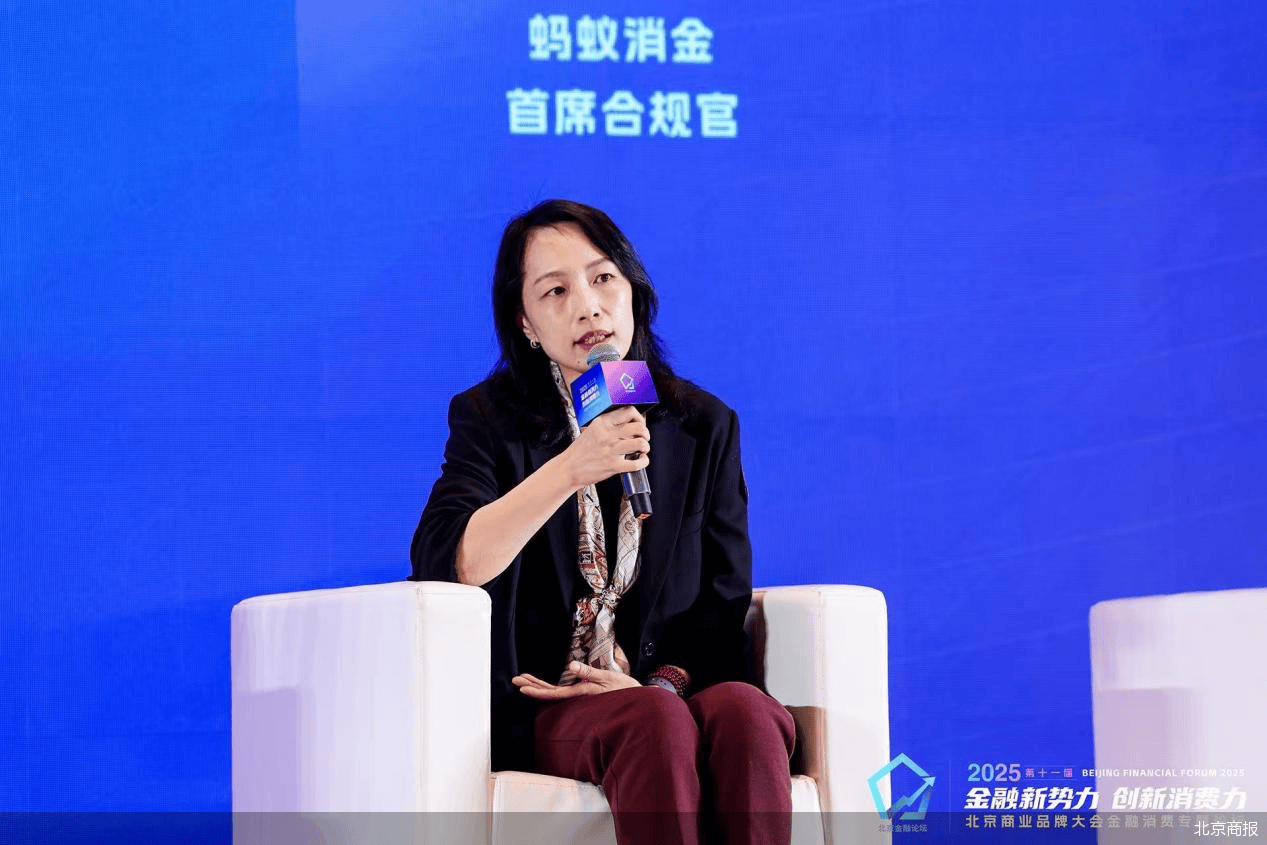
蚂蚁消金首席合规官王彦敏:从“人找钱”到“钱找人”,AI重构普惠金融
Sou Hu Cai Jing· 2025-12-12 03:19
Core Insights - The article discusses the transformative impact of AI on consumer finance, emphasizing how it enhances financial services to meet the needs of users while ensuring safety and affordability [1][4][8]. Group 1: AI and Consumer Finance Transformation - Ant Group's consumer finance division aims to shift from a "money-seeking" model to a "money-finding" approach, making financial services more accessible and user-friendly [3][4]. - AI technology has improved risk assessment by analyzing diverse data points, allowing for quicker and more accurate lending decisions, particularly for underserved groups like new workers and delivery personnel [3][4][8]. Group 2: Financial Accessibility and Support - Ant Group has partnered with the government to offer consumer loan interest subsidies, enabling users to access interest-free installment plans for purchases, thus reducing financial pressure [4][5]. - The introduction of features like "Xiaohonghua" and "Bill Assistant" in the Huabei service helps users manage their finances better, leading to increased credit limits and lower delinquency rates [9]. Group 3: Security and Fraud Prevention - The rise of AI-generated fraud poses challenges, prompting Ant Group to develop advanced technologies to combat such threats, achieving a fraud detection accuracy rate of 98% [8][9]. - AI-driven customer service tools have significantly improved user satisfaction, with over 90% of users reporting positive experiences [8][9].
智能座舱生态乱象:重复开发与体验低效困局
汽车商业评论· 2025-12-11 23:06
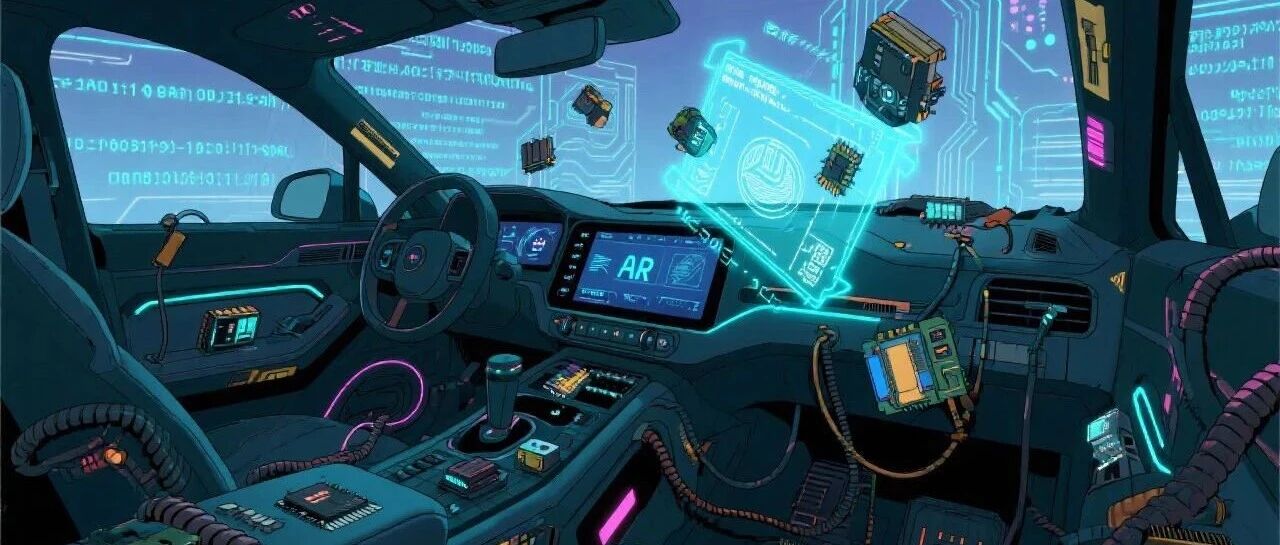
Core Insights - The article emphasizes that by 2025, smart cockpits will transition from "function stacking" to "experience reconstruction," as user demands evolve from basic interactions to emotional companionship and multi-modal integration [3][11] - Industry data indicates that 85% of global vehicles equipped with L2+ and above smart driving will feature multi-screen interactions and voice assistants, with Gen Z users making up 42% of the market, driving the shift towards personalized and immersive experiences [3][11] Current Challenges in Smart Cockpits - The smart cockpit industry faces multiple challenges, including ecosystem fragmentation, data security issues, and impractical user experiences [5][11] - Over 30% of vehicles excessively collect user data, with only a few companies meeting high security standards, while 60% of users find features like in-car karaoke useless [5][11] - The integration of smart cockpits and smart driving is costly, with high maintenance costs for flexible screens and inconsistent software updates posing significant challenges [5][11] Industry Insights from Experts - Experts at the WNAT-CES 2025 conference discussed the fragmentation of hardware and software in smart cockpits, leading to high adaptation costs for content providers and a lack of differentiation in user experience [7][8] - The need for a unified standard and ecosystem expansion was highlighted as a significant challenge, with traditional mobile internet paths not necessarily applicable to the automotive sector [7][8] - The automotive industry is undergoing significant changes due to the influx of innovators from the consumer electronics sector, necessitating multiple transformations [9][23] User Experience and Demand - Current smart cockpits have achieved basic functionalities like multi-screen interaction and voice control, but there are still gaps in user experience, particularly in adapting to different user needs [31][32] - The balance between universal and targeted user needs remains a challenge, with different age groups requiring different interaction designs [31][32] Future Directions and Innovations - The integration of AI and multi-modal perception in smart cockpits is expected to significantly enhance user interaction, but it will also require substantial data processing capabilities [38][39] - The future of smart cockpits will likely involve a shift towards a platform-based approach, allowing for more efficient cost management and user experience improvements [47][63] - The industry is encouraged to focus on safety and compliance while innovating, ensuring that user data privacy and security are prioritized [49][50] Competitive Advantages in the Chinese Market - China's largest market and user base provide a significant advantage for innovation and iteration in the smart cockpit sector [56][58] - The collaborative environment in China allows for rapid testing and growth of various applications, fostering a culture of innovation [56][58]


国产最强AI芯片可能已上市,美国慌了,批准英伟达H200卖给中国
Xin Lang Cai Jing· 2025-12-11 21:16
Core Viewpoint - The U.S. has suddenly approved the sale of NVIDIA's high-end AI chip H200 to China, contrasting sharply with previous restrictions on the less capable H20, likely due to advancements in China's AI chip production and deployment [1][9]. Group 1: U.S. Policy Change - The approval of H200 indicates a significant shift in U.S. policy, possibly in response to China's advancements in AI chip technology [1][9]. - The previous restrictions on H20, which had only a fraction of H200's performance, highlight the rapid developments in China's AI capabilities [9]. Group 2: Competitive Landscape - Chinese chip companies claim to have developed AI chips that can rival NVIDIA's A100, suggesting that the gap between domestic and foreign technology is narrowing [3][7]. - Other U.S. chip manufacturers, such as AMD and Intel, are also developing AI chips, but they face challenges due to NVIDIA's established ecosystem [3]. Group 3: NVIDIA's Market Position - NVIDIA's dominance in the AI chip market has allowed it to increase prices, achieving a profit margin of 55.8%, with some chips priced higher than a Tesla Model Y [5]. - Despite complaints from AI companies about high prices, NVIDIA remains unyielding, while companies like Google and Facebook are taking steps to develop alternatives [5]. Group 4: Alternative Approaches - Google has successfully developed its TPU chips, which can compete with NVIDIA's offerings, and plans to further integrate these into its AI models [5][7]. - The development of advanced algorithms may reduce reliance on high-performance chips, opening new avenues for domestic AI models to utilize local chip capabilities effectively [7].

中国国际经济交流中心副理事长王一鸣:京港深化金融合作意义重大,建议探索跨境资管合作、协同推进人民币国际化等方面
Jin Rong Jie Zi Xun· 2025-12-11 13:27
香港大学副校长、金融学讲座教授林晨在主旨演讲时表示,过去几年,区块链技术革新推动了跨境支付 结算体系升级,是金融基础设施领域的重大事件。相比传统跨境支付结算方式,基于区块链的跨境支付 在耗时、成本、流程等方面更加具备优势,而未来黄金、美股、美债或将成为资产上链的重点方向。 12月5日,"深化京港协同,赋能金融高水平开放——资产管理行业在'十五五'开放格局下的发展机 遇"金融街论坛系列活动在北京举办。 北京资产管理协会会长、工银理财有限责任公司总裁高向阳表示,北京资产管理协会自成立以来,始终 以"推动资管行业高质量发展、搭建跨区域交流合作平台"为核心使命,本次活动正是协会立足"十五 五"战略窗口期,助力京港金融"双中心"协同、服务金融高水平开放的重要实践。高向阳指出,当前, 我国正处于"十四五"规划圆满收官与"十五五"规划谋篇布局的关键交汇期,金融领域正从"要素型开 放"向"制度型开放"进阶,构建适配我国经济地位、兼具安全与开放属性的现代金融体系已成为核心任 务。北京与香港作为我国金融体系中两大核心枢纽,形成的"双中心"驱动效应,正是支撑这一任务落地 的关键引擎。 中国国际经济交流中心副理事长王一鸣在主旨演讲中 ...
华为开启鸿蒙电脑企业版Beta,加速政企办公迈向鸿蒙化
Huan Qiu Wang· 2025-12-11 11:49
Core Insights - The HarmonyOS computer enterprise version is launched, marking a significant milestone in the development of commercial PCs in China [1] - Huawei emphasizes that the HarmonyOS era allows for both security and efficiency, challenging the traditional notion that these are mutually exclusive [1] Group 1: Product Features - The HarmonyOS computer enterprise version is designed specifically for enterprises, offering enhanced security, efficiency, and intelligence through its AI capabilities [3] - It features a system-level AI that addresses the challenges faced by government and enterprise users, including the ability to deploy proprietary AI models locally [3] - The "enterprise digital dual space" allows for secure data management while maintaining employee productivity, enabling seamless switching between business and personal tasks [5] Group 2: Operational Efficiency - The "zero-touch deployment" feature simplifies IT operations by automatically syncing security policies and configurations upon device unboxing, reducing operational costs [7] - This innovation alleviates the repetitive tasks faced by IT personnel, enhancing overall efficiency [7] Group 3: Hardware Specifications - The Huawei Qingyun HM740 is introduced as a model of "fully controllable" hardware, featuring a 70Wh battery for extended usage, a 2.8K OLED display, and advanced connectivity technologies [8] - The device supports unique security features such as "find my device" and remote data wipe capabilities, reinforcing the notion that "HarmonyOS computers are secure" [8] Group 4: Market Positioning - The HarmonyOS office industry summit signifies a shift in the commercial PC market from hardware-centric competition to a focus on "system-level security, intelligent experience, and cross-scenario collaboration" [10] - Huawei aims to build a robust digital foundation for China's digital economy, transitioning from digitalization to "Harmonyization" [12]

完美收官丨东方中科2025走进岚图汽车并发表演讲
Xin Lang Cai Jing· 2025-12-11 10:17
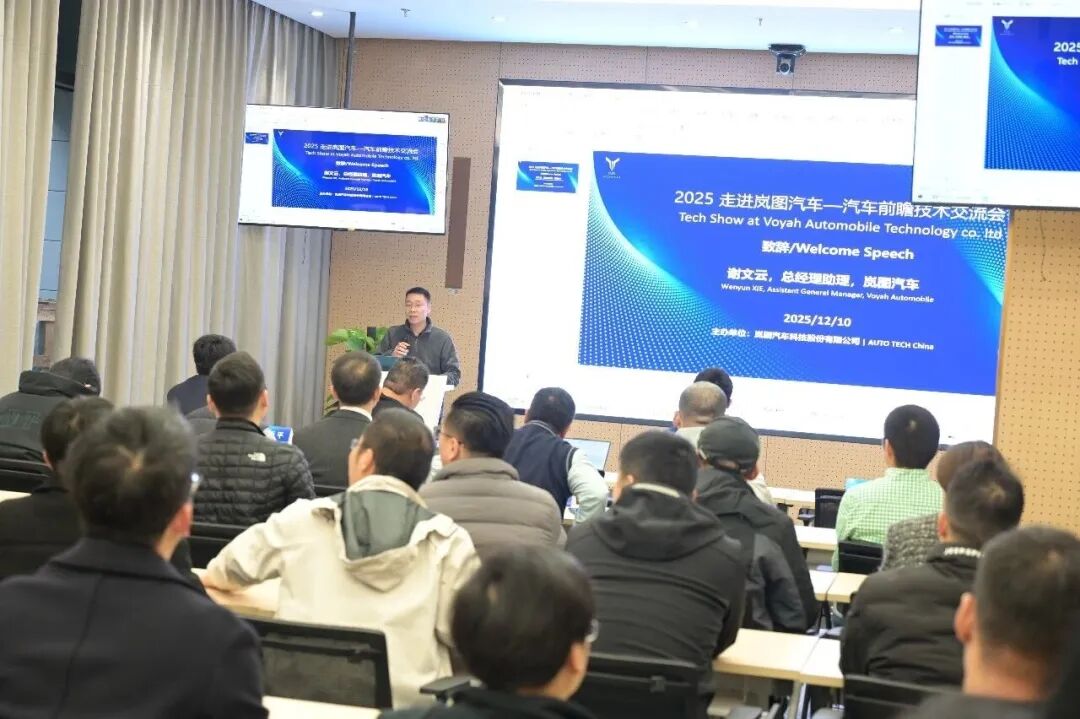
Core Insights - The event "2025 Walk into Lantu Automotive" focused on advanced technologies in automotive electronics, intelligent cockpits, and intelligent driving, highlighting the importance of these elements in defining high-end smart electric vehicles [1][11] - Lantu Automotive, a high-end smart electric vehicle brand under Dongfeng Group, emphasizes a dual approach of self-research and open collaboration for technological development [1][11] - The successful hosting of the event reflects Lantu's commitment to building a new supply chain ecosystem in the era of intelligence, aiming to enhance its technological moat in the high-end smart electric vehicle sector [7][14] Company Overview - Lantu Automotive aims to become the "leader in high-end electric vehicles in China," focusing on innovation across various fields including vehicle platforms, battery technology, electronic architecture, intelligent driving, and intelligent cockpits [8][15] - The brand's mission is to "let cars drive dreams and empower a better life," emphasizing safety, reliability, intelligence, and enjoyable travel experiences for users [8][15] Event Highlights - The event featured presentations from suppliers showcasing the latest technological achievements and mass production plans, alongside Lantu's future product platform technology planning and requirements [1][11] - Eastern Zhongke exhibited solutions for intelligent cockpits, network testing, intelligent chassis testing, low-voltage motor simulators, and active suspension testing systems, with a focus on AI-based comprehensive testing solutions for intelligent cockpits [3][12]


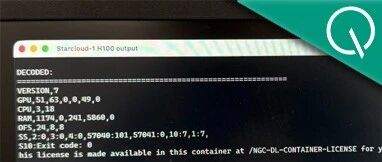
英伟达GPU被SpaceX送上太空!在天上训练卡帕西的NanoGPT
量子位· 2025-12-11 06:54
Core Viewpoint - The article discusses the groundbreaking achievement of training and running AI models in space, highlighting the collaboration between companies like Nvidia, SpaceX, and Google, as well as the involvement of former OpenAI co-founder Andrej Karpathy's NanoGPT [2][3][4]. Group 1: Space AI Training - The first AI model training in space was successfully conducted using Nvidia's H100 chip aboard the Starcloud-1 satellite, launched by SpaceX [6][7]. - The AI model Gemma, a large open-source model from Google, was run in space, greeting Earth with a message [9]. - NanoGPT, developed by Andrej Karpathy, was also trained directly in space, marking a significant milestone in AI development [9]. Group 2: Future Plans and Infrastructure - Starcloud aims to build a solar-powered 5GW orbital data center, which is expected to have lower construction and operational costs compared to terrestrial counterparts [10]. - The company plans to launch more Nvidia H100 chips and the Blackwell platform in a satellite mission scheduled for October 2026 [11]. - Starcloud's CEO emphasized the potential of space to overcome energy limitations faced on Earth, suggesting that AI operations can be more efficient in a low Earth orbit environment [12]. Group 3: Global Developments in Space Computing - Chinese research institutions have been exploring space-based intelligent computing since 2019, focusing on key technological advancements [17]. - The China National Space Administration has successfully launched the world's first space computing constellation, achieving regular commercial operations [18]. - The TianSuan Plan aims to establish a superintelligent cluster in near-Earth orbit with a computing power of 10 EOPS, addressing challenges related to radiation and heat dissipation [19].
文远知行-W午后涨超4% 文远知行一段式端到端ADAS方案问鼎中国智驾大赛
Zhi Tong Cai Jing· 2025-12-11 06:33
Core Viewpoint - The stock of WeRide (文远知行-W) has increased by 4.73%, reaching HKD 23.9, with a trading volume of HKD 13.36 million, following its success in the China Intelligent Driving Competition in Taizhou, where its WePilot 3.0 ADAS solution achieved the highest score of 112.81 points, demonstrating exceptional "zero takeover" performance [1] Company Summary - WeRide is recognized as a global leader in Level 4 autonomous driving products and solutions [1] - The WePilot 3.0 represents a significant advancement in WeRide's capabilities, integrating end-to-end AI models, system integration, and deep collaboration between hardware and software [1] Industry Summary - Morgan Stanley remains optimistic about WeRide, citing its leading advantages in international strategic partnerships, potential long-term economic share growth in overseas ecosystems, and increasing domestic market recognition of Advanced Driver Assistance Systems (ADAS) [1] - These factors collectively support an attractive risk-return profile at the current valuation [1]
港股异动 | 文远知行-W(00800)午后涨超4% 文远知行一段式端到端ADAS方案问鼎中国智驾大赛
智通财经网· 2025-12-11 06:26
Core Viewpoint - The stock of WeRide (00800) rose over 4% following its success in the China Intelligent Driving Competition, showcasing its advanced ADAS solution WePilot 3.0, which achieved the highest score of 112.81 points [1] Group 1: Company Performance - WeRide's stock increased by 4.73%, reaching HKD 23.9, with a trading volume of HKD 13.36 million [1] - The WePilot 3.0 ADAS solution, developed in collaboration with Bosch, demonstrated exceptional performance, winning the competition with a "zero takeover" capability [1] Group 2: Industry Position - WeRide is recognized as a leading provider of L4 autonomous driving products and solutions globally [1] - Morgan Stanley remains optimistic about WeRide due to its strategic international partnerships, potential for increased market share overseas, and growing domestic recognition of advanced driver-assistance systems (ADAS) [1]